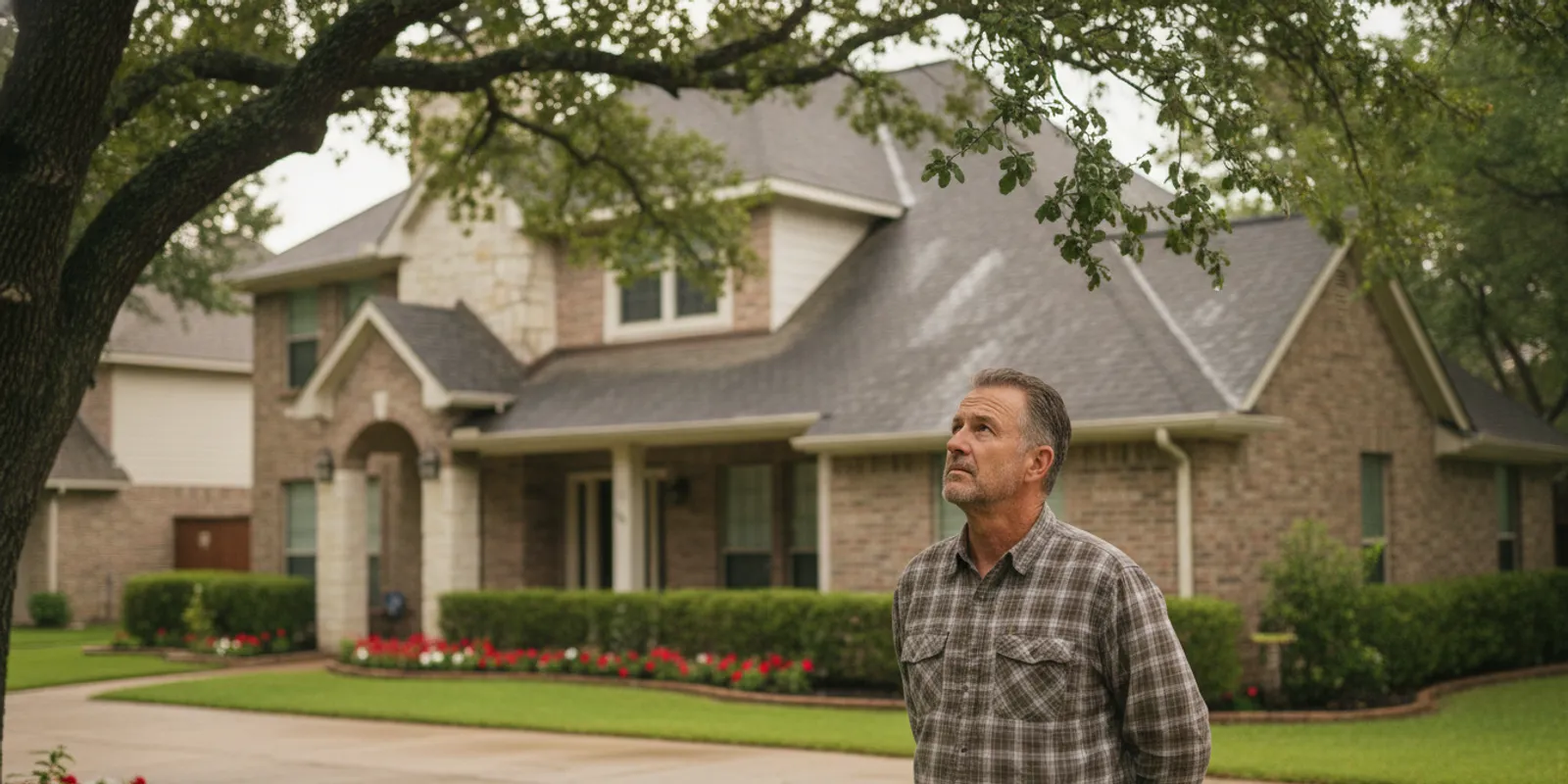
Does home warranty cover roof replacement? Usually, a home warranty is not a dependable way to pay for a full new roof. Some plans may cover limited repairs for certain leaks, but the contract, cause of damage, and coverage caps determine what qualifies. Texas homeowners should read the terms before making repair decisions.
Schedule a free roof inspection
What Does a Home Warranty Usually Cover for a Roof?
A home warranty is a service contract, not the same thing as homeowners insurance. It may offer a defined repair benefit for certain roof leaks, often as an optional add-on. Coverage is plan-specific. Some contracts limit the benefit to repairing the source of a leak, while others exclude roofs entirely.
Even when a roof benefit is included, it may not pay to replace worn shingles, underlayment, decking, or an entire roofing system. Ask the warranty provider for the exact contract language and a written explanation of what the benefit includes. A sales summary can describe a plan in broad terms; the contract specifies the exclusions, limits, and required claim steps.
- Check whether roof leak coverage is included or must be added.
- Find the covered roof types, components, and locations.
- Review the claim limit, service fee, and exclusions.
- Confirm whether the provider chooses the contractor and repair method.
Does Home Warranty Cover Roof Replacement or Only Repairs?
In most cases, a home warranty should not be assumed to cover complete roof replacement. A limited leak-repair benefit is different from replacing a roof because it is old, worn, or broadly damaged. Plans may distinguish between a repairable opening and problems related to maintenance, installation, or structural conditions. The actual contract controls, so do not rely on a sales summary alone.
A warranty company may authorize a repair only up to a stated limit. If the roof needs more work than that limit allows, you may have to pay the difference. Ask whether the cap applies per claim, per year, or across all covered roof repairs. Also ask whether labor, diagnosis, access, and disposal are included in the cap or treated separately.
| Roof situation | Possible warranty treatment | What to verify |
|---|---|---|
| Small leak at a covered area | A plan may cover a limited repair | Covered location, access limits, cap, and service fee |
| Old or worn shingles | Often outside a leak-repair benefit | Wear, maintenance, and age exclusions |
| Storm damage | May be excluded from warranty coverage | Cause-of-damage wording and any separate insurance process |
| Full roof replacement | Usually not the same benefit as leak repair | Written authorization and replacement terms |

What Limits and Exclusions Should Texas Homeowners Check?
Read the contract before filing. A plan can define covered components narrowly and exclude conditions that existed before coverage began. It may also require routine maintenance or deny a claim when the provider determines that neglect, improper installation, or a non-covered event caused the problem.
For Texas properties, the cause matters. A leak following wind or hail may be handled differently from a gradual leak caused by aging materials. Do not assume a warranty applies just because water is entering the home. Keep photos, dates, and repair records, and ask the provider how it will determine the cause.
- Coverage cap: Identify the maximum payment and whether labor or access work counts toward it.
- Waiting period: Check whether coverage starts immediately or after a stated period.
- Pre-existing conditions: Ask how the provider evaluates prior wear or damage.
- Maintenance duties: Find out what inspections or upkeep the contract requires.
- Claim process: Confirm who must be contacted first and whether independent work needs approval.
How Should You Compare the Warranty Benefit With the Roof Problem?
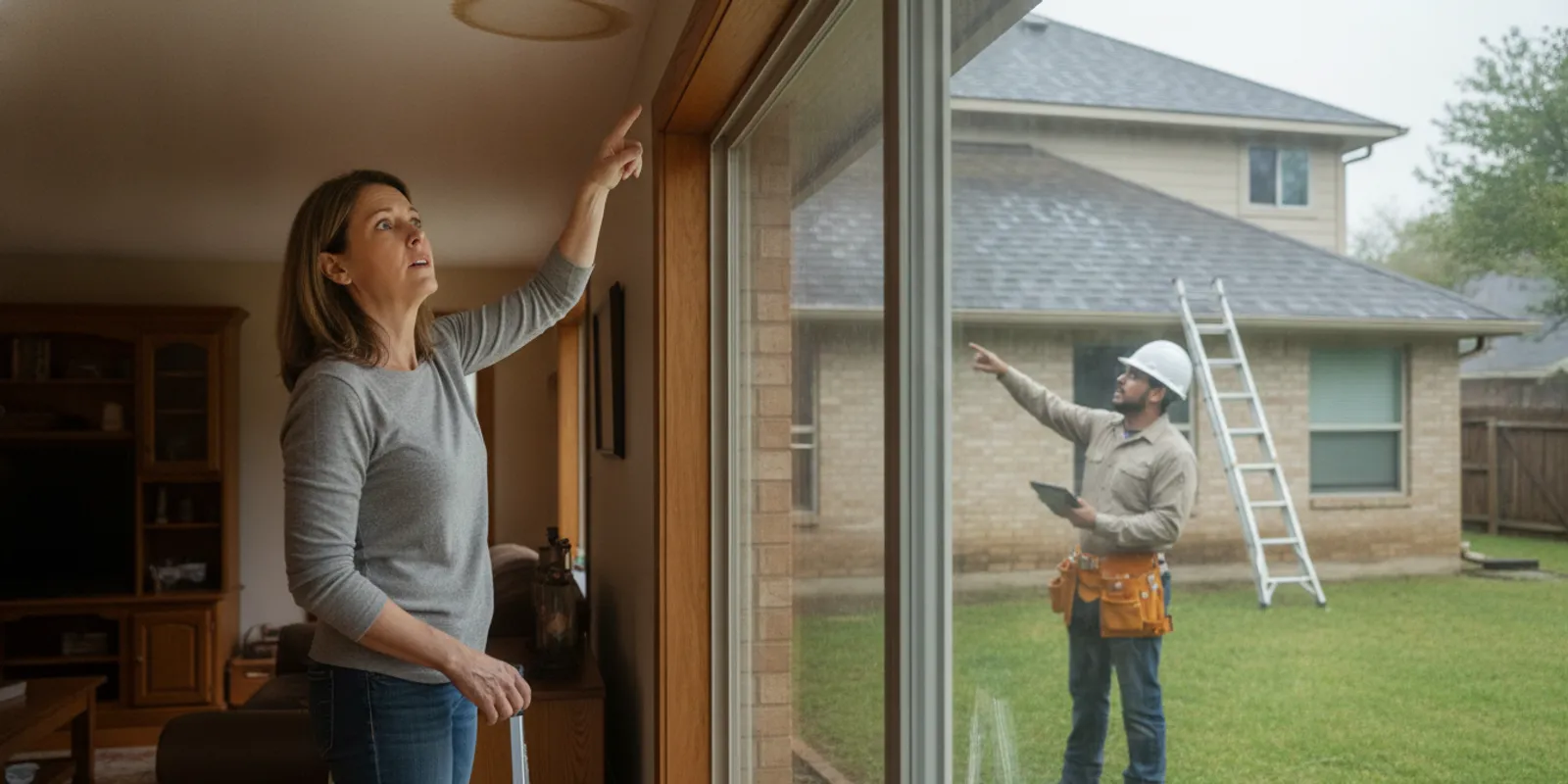
Start by separating what you know from what still needs verification. A water stain indoors confirms that moisture has appeared, but it does not by itself identify where water entered or whether the roof surface is the source. The warranty provider may use its own contractor or inspection process to determine cause. A roofing assessment can document visible roof conditions, but it cannot decide what the plan must pay.
For example, suppose a ceiling stain appears after a storm. The warranty company might ask whether the contract covers that roof area and whether storm-related damage is excluded. A roofer may be able to identify a displaced shingle or a damaged flashing detail. Those observations can help clarify the physical issue, while the provider makes its coverage decision under the contract. Keep the two questions distinct: what repair is needed, and what payment the plan allows.
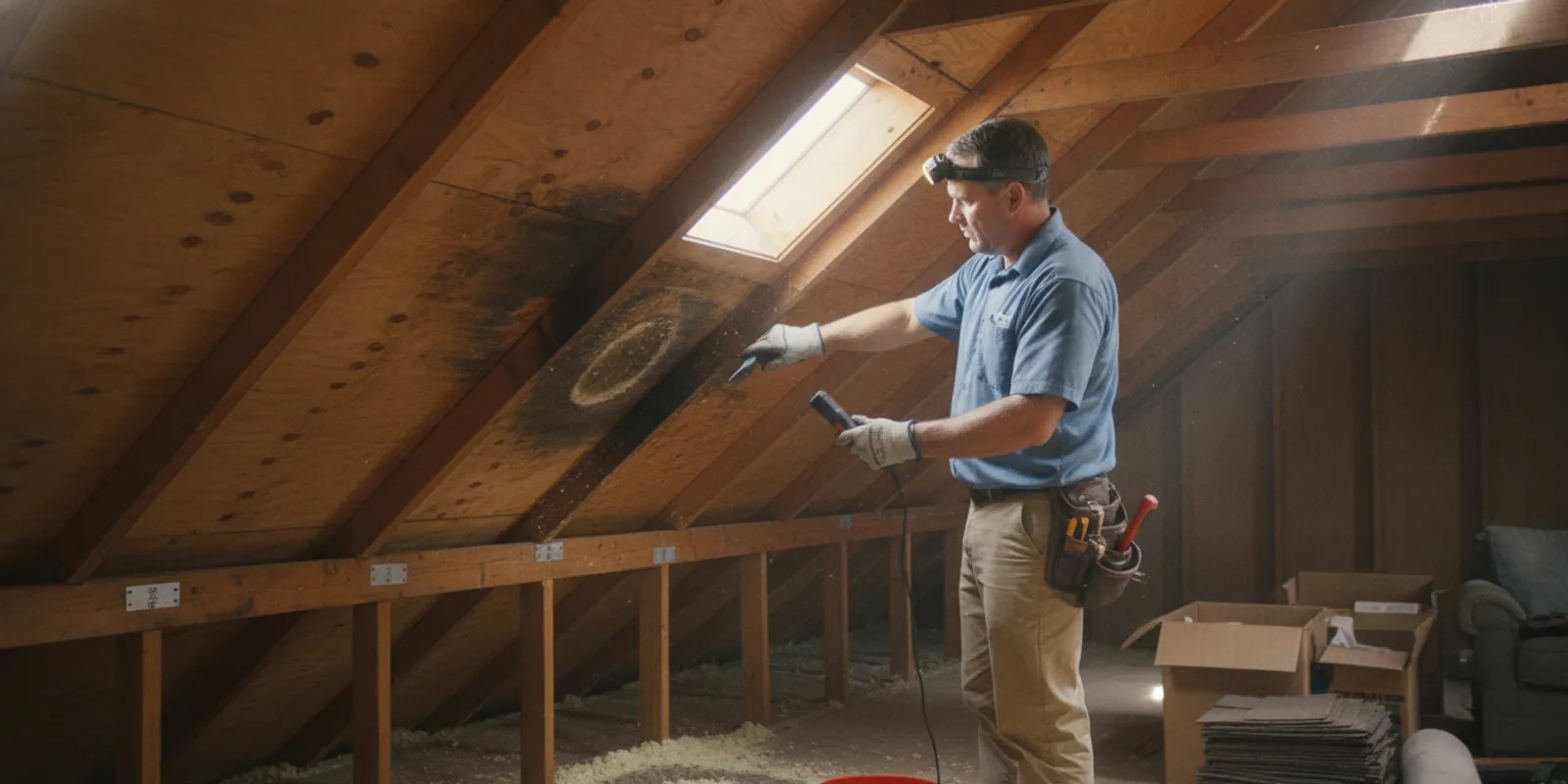
For a second example, imagine a slow leak recurring near a roof penetration on an older roof. The plan may impose a low cap or exclude deterioration. An inspection can help show whether a localized repair is feasible or whether surrounding materials are also affected. Request estimates that describe the proposed scope rather than assuming that a covered leak diagnosis means a larger replacement will be authorized.
Use a simple comparison before approving work:
- Write down the provider's authorized scope and maximum contribution.
- Ask the roofing professional to describe the observed condition and recommended repair separately.
- Compare the scopes line by line, including materials, labor, access, and any work outside the warranty benefit.
- Ask the provider what happens if the inspection reveals a different or wider problem.
Elevation Roofing & Restoration offers roof inspection, repair, and replacement services for Texas property owners. See the company's roofing services and roof inspection information to understand the roofing assessment path. An inspection is not a promise of warranty coverage or a payment decision.
Contact the team to discuss an inspection
How Should You File a Roof Warranty Claim?
Use the provider's process before authorizing permanent work. A careful record can help you understand what is covered and avoid a dispute over approval.
- Locate the full contract and any roof coverage addendum.
- Document the leak and visible conditions with dated photos, without climbing onto the roof.
- Contact the warranty provider through its stated claim channel and ask for a claim number.
- Request written details about coverage, limits, the service fee, exclusions, and the basis for its assessment.
- Arrange an inspection by the provider's assigned contractor if the plan requires it.
- Keep copies of estimates and decisions. Get approval in writing before starting non-emergency permanent repairs.
If water is actively entering the property, take reasonable steps to protect people and belongings, and contact the provider promptly. Temporary mitigation does not guarantee reimbursement. Save receipts and ask the warranty company how to document emergency measures. Avoid climbing onto a wet or damaged roof; take photos from a safe location and describe the interior effects.
Keep a claim folder, whether digital or paper. Include the contract, add-on documents, claim number, dated photographs, inspection notes, estimates, emails, and receipts. After a phone call, write down the date, the representative's name if provided, and the instructions you received. Send a short follow-up asking the provider to confirm important directions in writing.
What Should You Ask Before Accepting a Coverage Decision?
If the provider approves only part of a request or declines it, ask for the specific contract provision behind the decision. A clear explanation helps you understand whether the issue is an excluded cause, a payment cap, a non-covered component, or a required process that was missed. Keep the conversation factual and request the determination in writing.
- Which contract section applies to this roof and reported condition?
- What cause did the provider identify, and what evidence supports that finding?
- Does the limit apply to this claim alone or to a wider period?
- Can the provider explain how it calculated the approved amount?
- Is there an appeal or second-review process, and what records should be supplied?
- May you obtain an independent roofing assessment before proceeding?
If an inspection identifies additional conditions, provide the provider with the documentation it requests and ask whether that changes the claim review. Do not assume a new estimate automatically changes an authorization. If you choose to proceed with work that is not approved, understand that the plan may not reimburse it.
For general background on how a roof warranty differs from other roof protections, Virginia Cooperative Extension discusses warranty considerations in its roof warranty guidance. The specific terms of your home warranty plan still govern any claim.
When Should You Talk to a Roofing Professional?
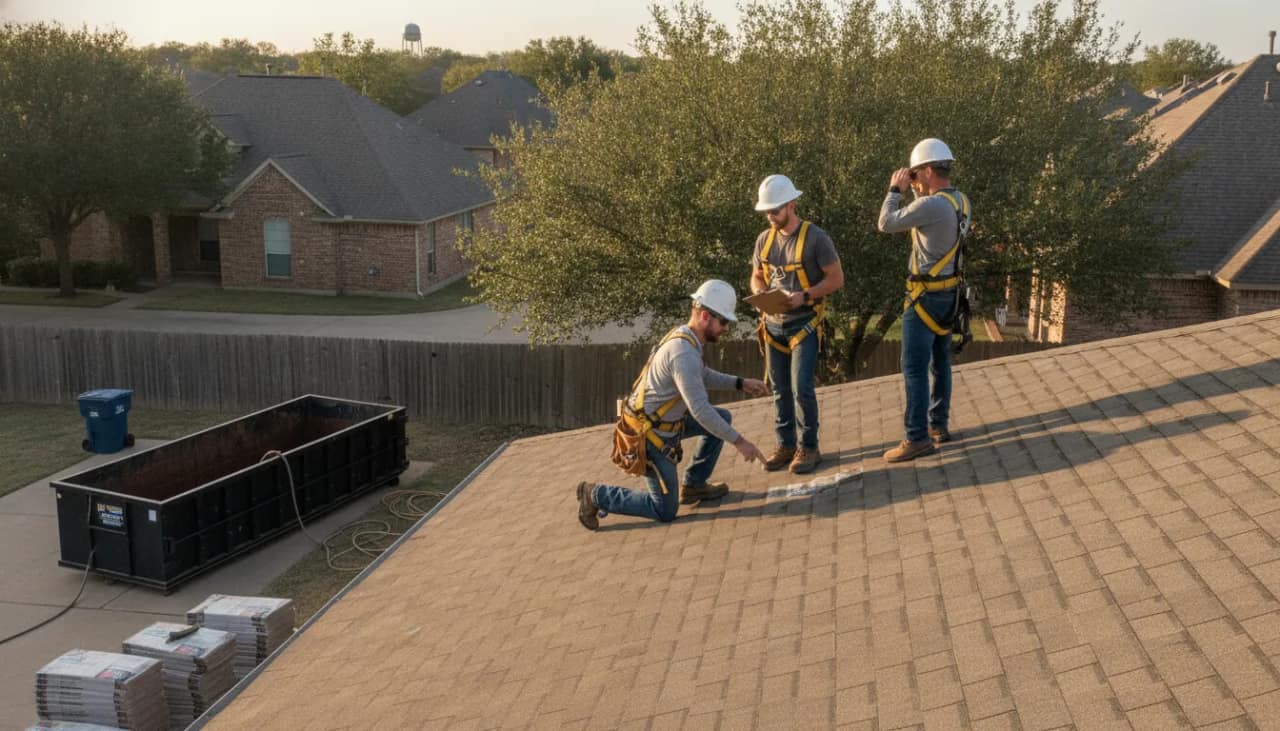
An inspection can help identify the visible source and extent of a roof problem. It does not decide what a warranty provider must pay, but a clear assessment can help you ask informed questions and compare repair options. Avoid walking on a wet or damaged roof; take ground-level photos if it is safe.
Elevation Roofing & Restoration provides roof inspections, repair, and replacement services for Texas property owners. Learn about roof repair options and roof replacement service. The company serves property owners in Houston and Austin, with additional information on its Texas service areas.
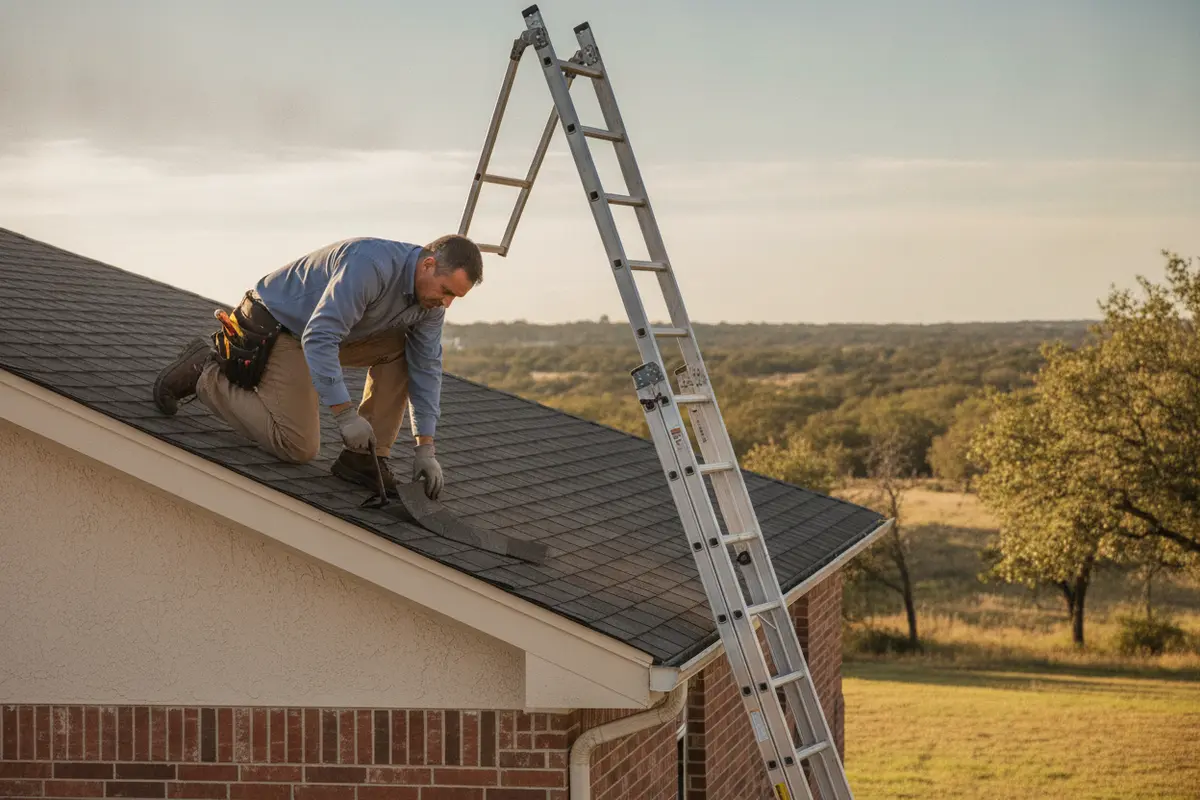
For storm-related concerns, review the company's information about storm repairs. You can also browse customer reviews or use the other services page to learn about additional property services. These links provide service information; the warranty provider remains responsible for its own claim decision.
Frequently Asked Questions
Will a home warranty pay for a roof leak?
It may, if the plan includes roof leak coverage and the leak meets the contract terms. Check the cap, service fee, exclusions, and approval process.
Does a home warranty cover a roof damaged by hail?
Do not assume it does. Storm damage may be excluded or treated differently from a covered leak repair. Review the contract and ask the provider for a written coverage decision.
Can I hire my own roofer for a warranty claim?
The contract may require the warranty provider to assign or approve a contractor. Get written permission before authorizing permanent work if you want to preserve a potential claim.
What if the roof needs replacement but the warranty only covers a repair?
Ask the provider to explain its decision and the applicable limit in writing. A qualified roofing inspection can document roof condition and help you understand repair and replacement choices, but coverage remains subject to the contract.
Make the Next Step Clear
A home warranty may help with a narrow, covered leak repair, but it should not be treated as a promise to replace an entire roof. Read the plan, document the issue, follow the claim procedure, and get a professional assessment when you need a clearer picture of roof condition.