A roof leak can turn a quiet evening into a fast-moving repair decision. Before you authorize emergency roof leak repair, make sure you understand what work happens first, what each payment covers, and how the plan changes if more damage appears. A written scope and clear payment milestones help you act promptly while keeping the agreement understandable.
Talk with a roofer about your leak
What Should Emergency Roof Leak Repair Address First?
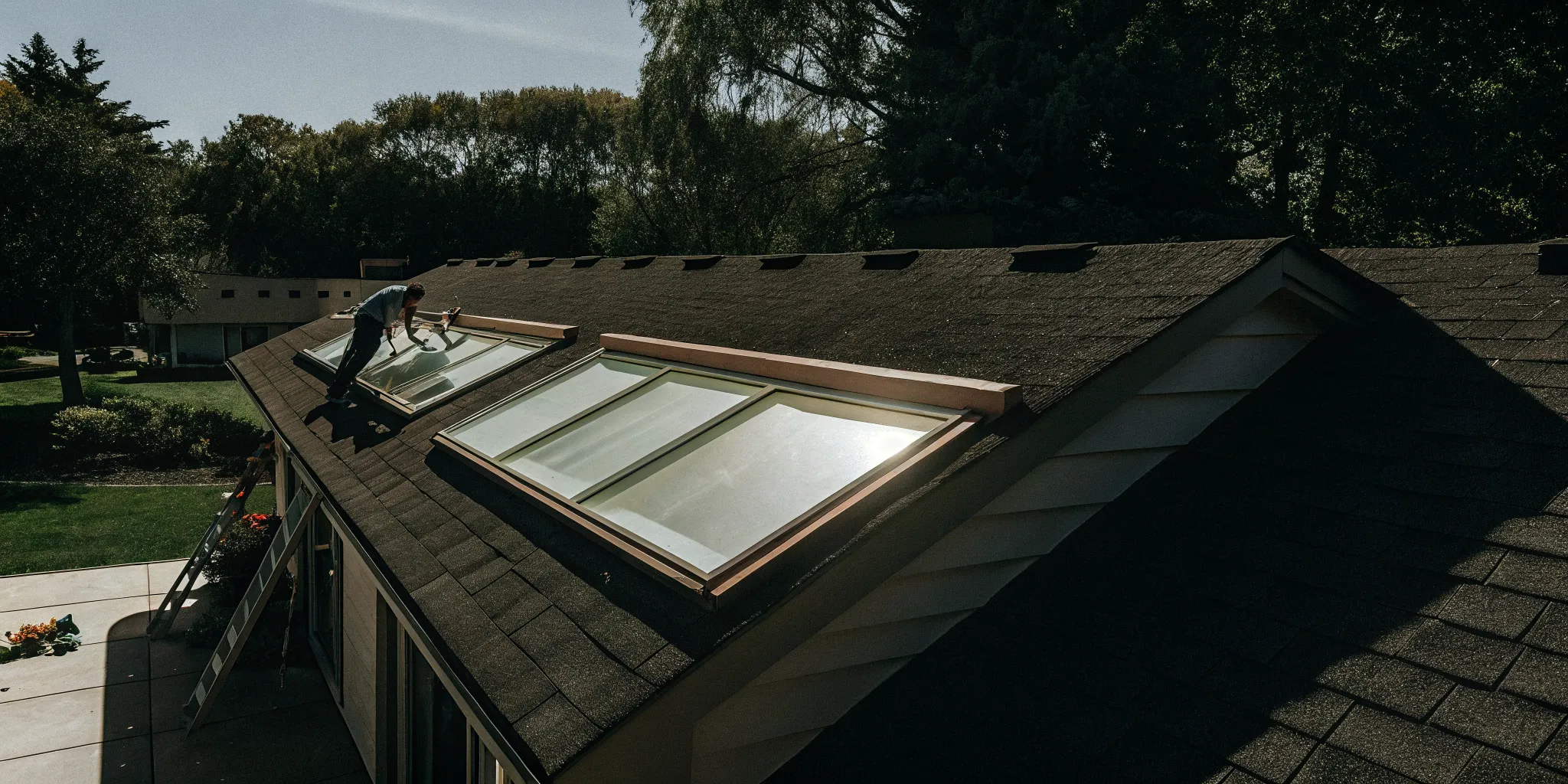
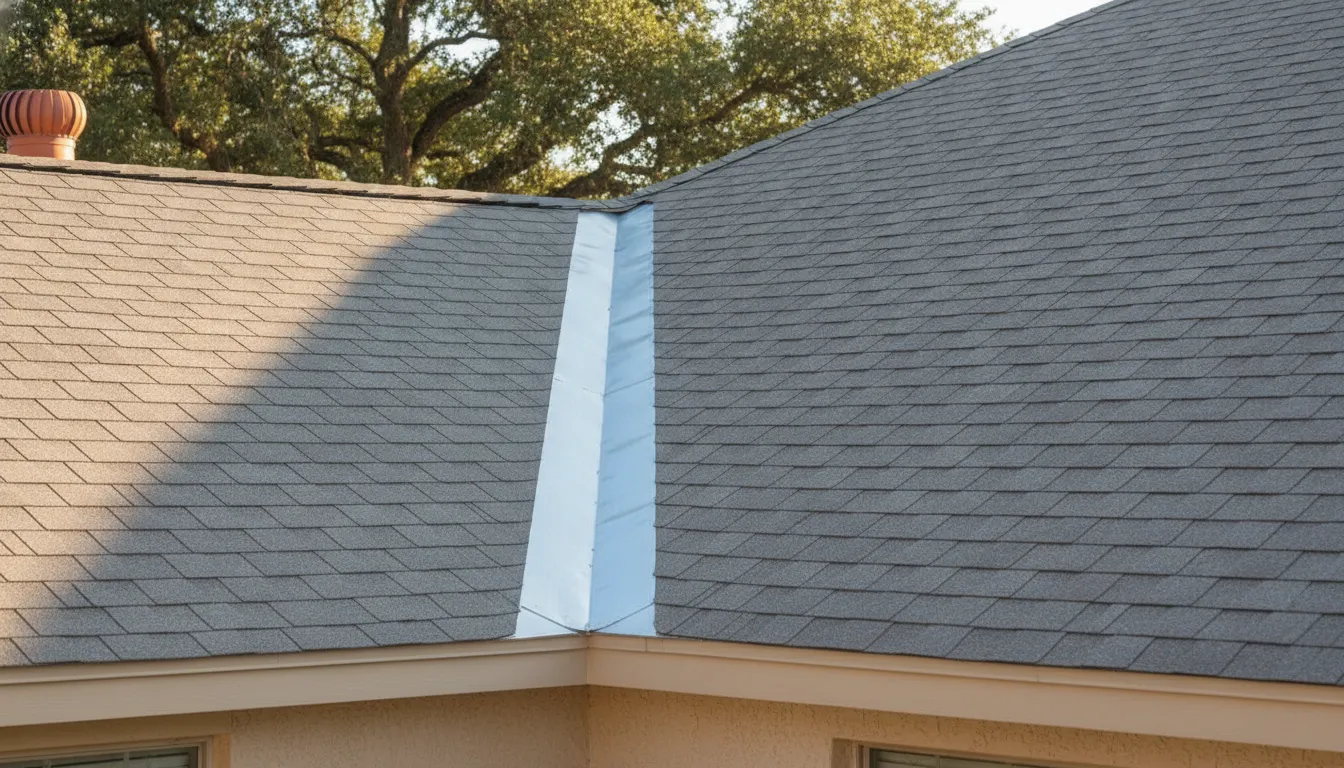
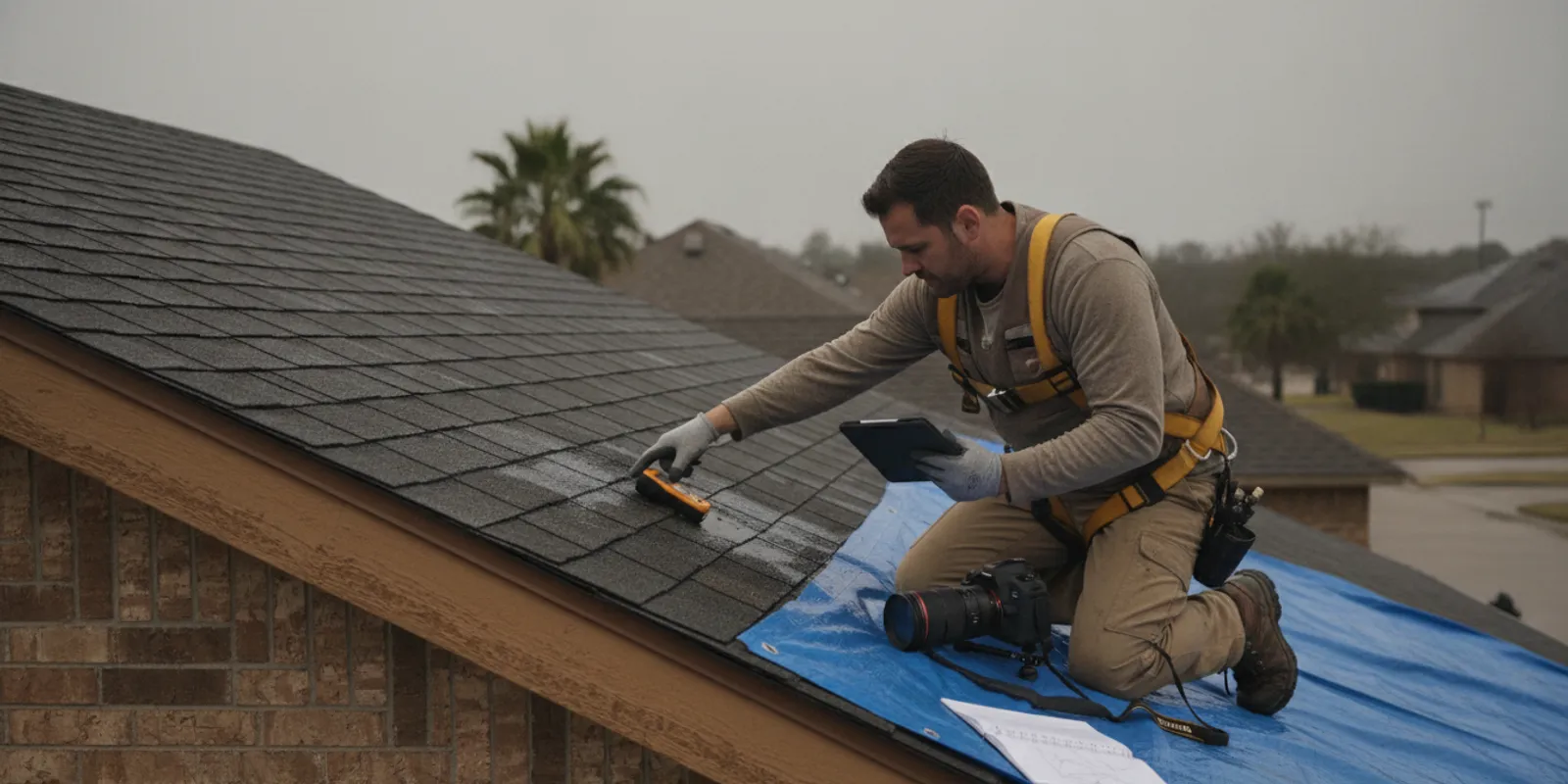
The first visit may focus on limiting further water entry and identifying the likely source. Depending on weather, access, roof type, and what can be seen safely, the immediate work could be temporary protection, a closer inspection, or a repair that addresses the visible problem. Do not assume that a temporary measure is the same as a permanent repair. Ask what it is intended to do and what remains unresolved.
While waiting, keep people away from wet ceilings, sagging areas, and electrical hazards. If it is safe to do so, move belongings away from drips, catch water in a container, and note where moisture appears. Take photos from a safe location. Do not climb onto a wet or damaged roof. These observations can help the roofer understand the situation without putting you at risk.
- Ask what immediate action is proposed and what risk it is meant to reduce.
- Clarify whether the visit includes diagnosis, temporary protection, permanent repair, or more than one phase.
- Ask what cannot be inspected until weather or access conditions improve.
- Confirm whether interior work, cleanup, or damage repairs are included or outside the roof work scope.
For a broader view of the company's roofing services and the separate roof repair service path, review those details before comparing the proposed work.
How Do Emergency Roof Leak Repair Payment Schedules Work?
There is no one payment schedule that fits every leak repair. A short visit to add temporary protection is different from a repair that requires material selection, multiple work stages, or investigation of concealed damage. The agreement should show the price and timing for the specific work being authorized. It should not leave you guessing whether a payment applies to today's response or a later repair.
A schedule can be organized around the agreed work rather than vague labels. For example, the written terms might identify an initial service, a defined repair stage, and a final balance after the listed work is complete. This is an example of how to make milestones understandable, not a recommended payment formula. Confirm the actual terms directly with the contractor and make sure they match the scope.
| Project stage | What the written scope should identify | Payment question to ask |
|---|---|---|
| Assessment or temporary protection | What will be inspected, covered, or stabilized, plus any limits | Is this a separate charge, and does it apply to later work? |
| Permanent repair authorization | Repair location, work steps, materials if known, and exclusions | What amount is due before work, if any, and what does it cover? |
| Additional approved work | The changed scope and revised total price | Will I approve the change in writing before it begins? |
| Completion | Work completed, cleanup, and any records or photos provided | What event makes the remaining balance due? |
Read the table of milestones alongside the estimate. A payment event should be clear enough that both sides can identify when it has occurred. If a proposal says payment is due “when work is underway,” ask what visible step marks that point. The purpose is not to prescribe a universal contract; it is to make sure the schedule and described work refer to the same project.
What Should a Written Estimate or Work Authorization Include?
During a leak, it is easy to focus only on stopping the water. Take a moment to separate the immediate response from any additional work that has not yet been inspected or priced. A useful written estimate or authorization makes the decision in front of you specific, so you can tell what you are agreeing to now and what would require a later decision.
- Work area: Describe the location and the apparent problem, without treating an unverified cause as certain.
- Work included: List the immediate protection or repair tasks and, where known, the materials or method.
- Limits and exclusions: Identify areas that cannot yet be assessed, and whether interior repairs, disposal, or other tasks are excluded.
- Price and timing: State the price for the authorized scope and when each payment is due.
- Changes: Explain how newly discovered damage will be described, priced, and approved before added work proceeds.
- Completion: Say what the contractor considers complete and what cleanup or documentation will be provided.
Elevation Roofing & Restoration provides roof inspections, repairs, and storm-related services. Its roof inspection information and storm repair service details can help you understand relevant service options, but your project scope and payment terms should still be confirmed in your own written proposal.
How Can You Compare the Payment Plan With the Scope?
Put the scope and schedule next to each other and trace each requested payment to a defined task or milestone. If a document lists a total but no scope, ask what the amount buys. If it lists work but does not say when payments are due, ask for the missing timing in writing. A clear comparison can expose gaps before they become disagreements.
Consider a hypothetical example. One proposal describes a same-day temporary cover and a separate later assessment, while another combines temporary work and a planned permanent repair in one amount. Neither format is automatically better. The useful questions are whether each proposal explains what is included, whether the permanent repair is actually defined, and whether you can tell which payment belongs to which stage. Compare like with like rather than treating the headline total as the only difference.
Use a simple review sequence:
- Circle each task you are authorizing today.
- Mark any proposed task that depends on a later inspection or on opening part of the roof.
- Match every payment to a listed task, date, or observable milestone.
- Check whether the remaining balance is due after the stated work is complete.
- Ask for unclear or missing terms to be added to the document before you sign.
For location-specific service information, you can check the company's Texas service locations, including Houston and Austin. The service area's relevance does not replace checking that the work and schedule in your estimate are specific to your property.
Schedule a free roof inspection
What If Temporary Protection Comes Before Permanent Repair?
Sometimes immediate leak control has to happen before the roofer can determine the full repair scope. Ask for two descriptions: what will be done now, and what assessment or repair may follow. Then ask whether the initial charge is separate, credited toward later work, or unrelated to a future project. Do not assume that one payment arrangement applies unless it is stated in the written terms.
Weather, safe access, and concealed conditions can affect the next step. Ask what could change the proposed plan and how the contractor will tell you. If an inspection reveals a larger repair than expected, request an updated scope and price, and confirm how approval will be handled before the additional work starts. A short written change note can make it easier to keep the original and revised plans distinct.
For information about the company's broader roof replacement service, roof maintenance, and roof restoration, use the relevant service pages. A leak does not by itself establish that a roof needs replacement; the inspection and defined repair findings should guide the discussion.
How Should You Handle Newly Discovered Damage or a Change in Price?
Roof work can reveal conditions that were not visible before a section is opened or examined more closely. If the proposed work changes, ask the roofer to pause where practical, describe what was found, explain how it changes the scope, and provide the revised price and payment timing. Make sure you know whether the new proposal replaces the earlier one or adds to it.
Before approving a change, check these points:
- What condition was discovered, and where?
- Which part of the original scope no longer applies?
- What additional work is proposed, and why?
- What will the revised total and milestone schedule be?
- How will the approval and the work performed be documented?
Keep the original estimate and the written change together. If the answer is given verbally in a time-sensitive situation, ask for the revised terms in writing as soon as practical and retain the related messages. Clear records reduce confusion about whether a later charge was part of the original authorization.
What Records Should You Keep, Especially if You Contact Your Insurer?
Save the estimate, authorization, invoices, payment receipts, approved changes, and any completion notes or photos supplied. Add your own dated photos of visible conditions when safe, along with notes about when the leak appeared and which rooms or areas were affected. Keep copies in one folder so you can refer to the same timeline when speaking with the roofer or insurer.
If you are considering an insurance claim, review your policy and ask your insurer about its process, documentation needs, and decisions. A roofing contractor can explain observed roof conditions and the proposed repair work, but the insurer determines coverage under the policy. Do not treat a contractor's estimate as a coverage decision. Elevation's inspection and claim conversation path is a place to discuss the roof; questions about coverage should go to your insurer.
When researching general consumer information or where to direct a consumer concern, the Texas Attorney General's website is an official state resource. This broad agency homepage is not a substitute for reviewing a particular agreement or getting legal advice, and it does not establish a payment schedule for your roof project.

Which Questions Help Prevent Payment Confusion?
Before signing or authorizing work, ask direct questions and check that the answers match the paperwork. If the leak is active, keep the conversation focused on the immediate work first, then clarify the remaining stages as they are proposed.
- What work will happen during this visit, and what is proposed for later?
- What is the price for the scope I am authorizing now?
- What does each payment cover, and what event makes it due?
- Is temporary protection priced separately from permanent repair?
- What is excluded or not yet known?
- How will additional damage, added work, or a price change be documented and approved?
- What cleanup, photos, or completion records will I receive?
- Whom should I contact if I have a question about the invoice or schedule?
Elevation's roofing frequently asked questions page can provide additional general context. You can also review customer reviews and the project gallery as you consider a contractor. Those resources do not replace a written scope that addresses your own leak and payment milestones.
Contact Elevation to discuss your repair terms
Frequently Asked Questions
Should I pay the full amount before emergency roof work starts?
There is no single schedule for every project. Review the written agreement, ask what each payment covers, and confirm that the due points correspond to the stated scope or clear milestones before authorizing the work.
Can a repair price change after work begins?
Newly discovered conditions may lead to a proposed scope change. Ask for the condition, added work, revised price, and payment timing to be documented, and clarify how you will approve the change before it proceeds.
Is temporary leak protection the same as a permanent repair?
Not necessarily. Temporary protection may reduce immediate water entry while a full assessment or permanent repair is pending. Ask what the temporary work addresses and what still needs inspection or repair.
What should I keep after the repair?
Keep the estimate, signed authorization, approved changes, invoices, payment receipts, and any photos or completion records provided. These records help you track the work performed and the amounts paid.
Make the Next Step an Informed One
A leak may call for prompt action, but you can still ask for a specific scope and a payment schedule that is easy to follow. Put the immediate work, later stages, change process, and completion point in writing, then keep the records together. Clear terms help you move from urgent protection to a well-understood repair plan.