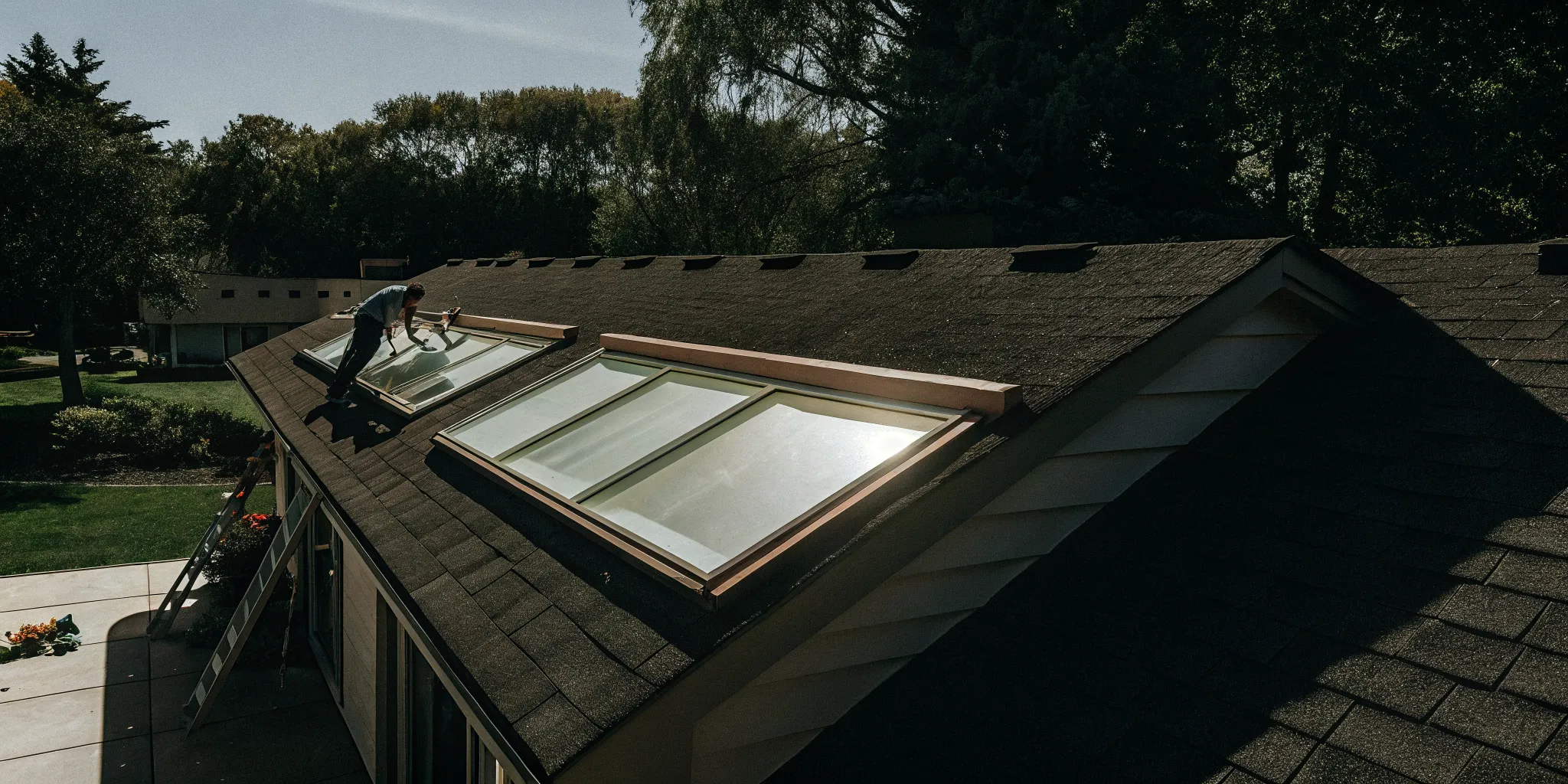
A skylight can bring welcome daylight into a Texas home, but it also creates a new opening in the roof. Houston heat, Austin storms, shifting temperatures, indoor humidity, and intense sun all make the installation details matter. A skylight that looks attractive from inside can still develop leaks, condensation, or uncomfortable heat gain when the roof connection is not planned correctly.
Call Elevation Roofing & Restoration at (832) 271-1726 for a free roof inspection and estimate.
For skylight installation Texas homeowners can rely on, choose a roofing professional who evaluates the roof structure. Selects an appropriate unit, seals the opening, and installs layered flashing that directs water away from the home. The right approach also considers energy ratings, condensation control, and whether repairing or replacing an existing skylight makes more sense.
Understanding how the skylight integrates with the roof is the best place to start. Professional installation protects more than the window itself, it helps protect the decking, insulation, ceilings, and finished interior below.
Skylight Installation Texas: Why Professional Skylight Installation Matters for Texas Homes
A skylight is more than a window placed in the roof. It creates a large opening in one of the most important weather barriers protecting your home. In Texas, that opening must be planned and sealed to handle intense sun, heavy rain, wind-driven storms, and the movement that occurs as roofing materials heat and cool. A small installation error can allow moisture into the roof deck, insulation, ceiling, or finished interior.
Every roof penetration needs a complete water-management plan
Cutting into a roof interrupts the continuous shingle, tile, or metal surface that normally directs water toward the gutters. The installer must evaluate the roof assembly, choose the correct skylight system, prepare the opening accurately, and integrate the unit with the existing materials. That work is especially important when the roof has an unusual pitch, multiple layers, aging materials, or prior repairs.
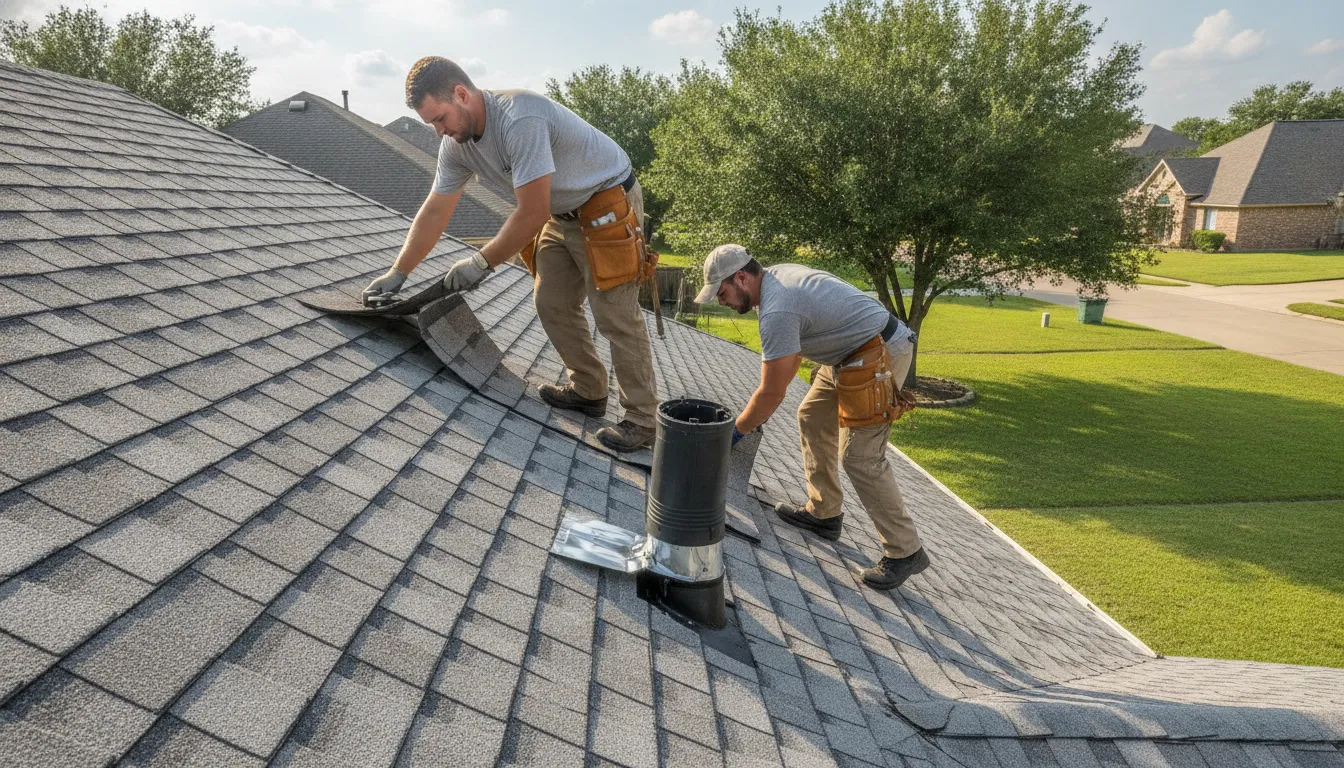
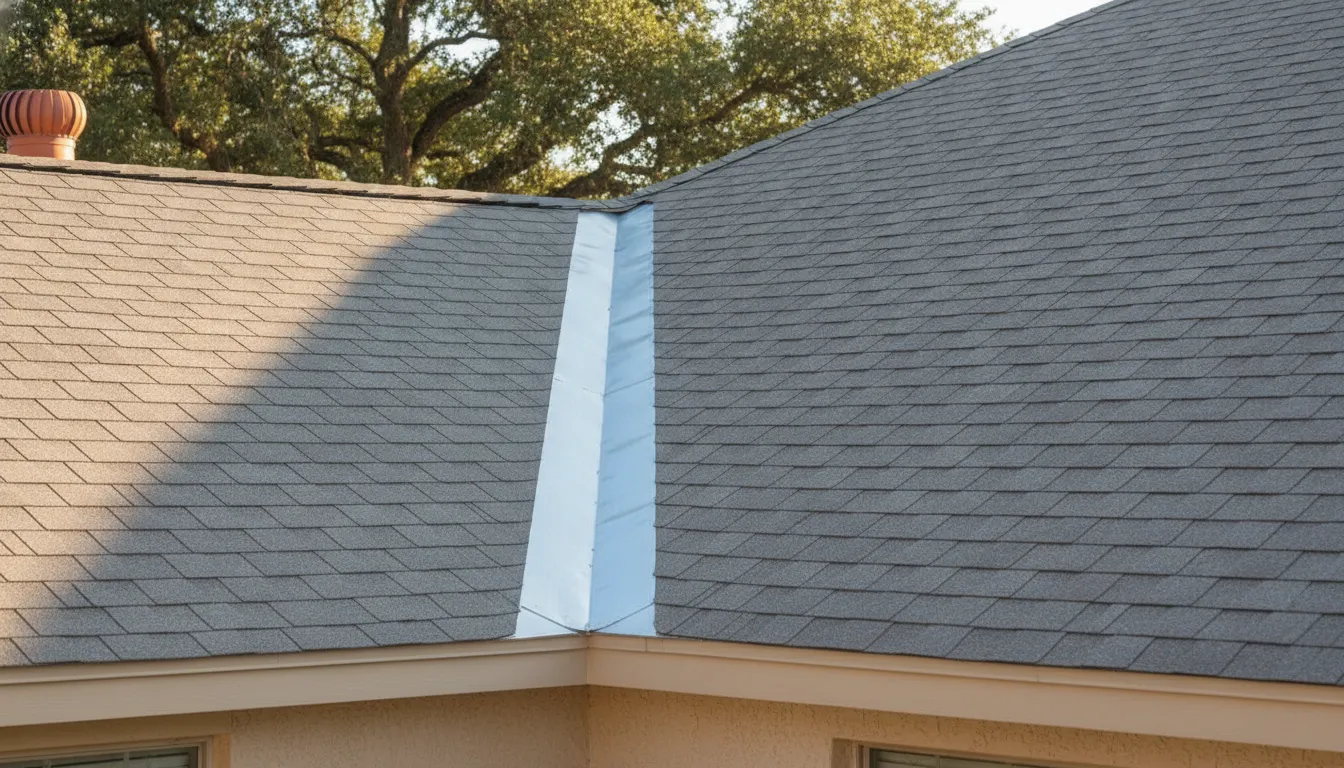
Flashing is the most important component of a skylight installation for preventing water from entering the home, according to the University of Central Florida's Florida Solar Energy Center. Proper flashing overlaps each layer of roofing material over the layer below, so rain is directed down the roof instead of behind the skylight frame. Sealant alone cannot replace a correctly designed flashing system. For a closer look at this part of the roof, review our guide to roof flashing for skylights.
Roofing expertise protects the rest of the roof
A general contractor may be able to coordinate a skylight project, but a roofing professional understands how the opening affects the complete roof system. That includes underlayment, flashing, fasteners, drainage paths, ventilation, and the surrounding field of roofing material. It also means recognizing when an existing roof should be repaired or replaced before adding a new penetration.
Specialized skylight providers often emphasize decades of installation experience, but experience only helps when the work is connected to sound roofing practice. Your installer should be able to explain how the skylight will be integrated with the roof. What materials will be used, and how the finished area will be checked for water management. Elevation Roofing's residential roofing services approach skylight work as part of the roof, not as an isolated window project.
Before approving installation, ask for a roof inspection, a clear flashing plan, and an explanation of how the contractor will protect the surrounding roofing materials. Those steps help Texas homeowners avoid turning a daylight improvement into a recurring leak problem.
What Are the Key Considerations Before Installing a Skylight?
A skylight can bring useful daylight into a dark hallway, bathroom, kitchen, or living area, but the best result depends on more than choosing a window style. Before planning skylight installation in Texas, evaluate the roof design, the room below, the skylight mounting method, and the structure supporting the opening.
Choose the right mounting style
Deck-mount skylights attach directly to the roof deck and typically create a lower-profile appearance. They can be a practical choice when the roof structure and slope are suitable for direct installation. Curb-mount skylights sit on a raised frame, or curb, above the roof surface. This approach can provide flexibility when replacing an existing skylight or matching a particular roof configuration, but the curb, membrane, and flashing must all be integrated correctly.
- Deck-mount: Best for a clean, low-profile installation when the roof deck and manufacturer requirements support direct attachment.
- Curb-mount: Best when an existing curb can be reused or a raised mounting frame is needed for the roof design and weatherproofing plan.
Confirm the roof pitch and drainage path
Roof pitch affects how quickly water moves around the skylight and which flashing system is appropriate. Every skylight has manufacturer-specified pitch requirements. Installing a unit outside those requirements can increase the risk of standing water, leaks, and premature seal failure. A roofing professional should also review nearby valleys, ridges, vents, and other penetrations so the skylight does not disrupt the roof's natural drainage path.
Plan placement around light and structure
Position the skylight where it will improve the room without creating excessive glare or unwanted heat. A shaft that opens toward the main living area can spread daylight farther than one placed behind a tall cabinet or wall. The installer should inspect the attic or roof framing before final placement. Rafters, trusses, wiring, plumbing, insulation, and ventilation may limit the opening or require an engineered framing plan.
A structural assessment is especially important when a proposed opening would alter load-bearing members. It helps determine whether the roof can accept the skylight safely and whether reinforcement is needed before installation begins.
How Does a Skylight Affect Your Home's Energy Efficiency?
In Texas, a skylight can brighten a room while also becoming a pathway for unwanted heat if its glass, frame, and installation are not matched to the climate. During long, hot summers, the goal is to limit solar heat gain and keep cooled air inside without sacrificing daylight. The product label and the quality of the roof opening both matter.
Which energy ratings matter most?
Start with the NFRC label. The National Fenestration Rating Council certifies and labels skylights according to energy performance, making its ratings the most reliable way to compare products. A lower U-factor means better insulation against heat gain and heat loss. For ENERGY STAR-certified skylights in southern climates, including Texas, look for an SHGC of 0.28 or lower and a U-factor of 0.60 or less. SHGC, or solar heat gain coefficient, indicates how much solar energy passes through the skylight, while the U-factor reflects insulating performance.
| Skylight type or specification | Heat-control priority | What to check |
|---|---|---|
| ENERGY STAR, southern climate | Strong reduction of solar heat gain | SHGC 0.28 or lower; U-factor 0.60 or less |
| Low-U-factor skylight | Better resistance to heat transfer | Compare the NFRC U-factor; lower is better |
| Low-SHGC skylight | Less sunlight-driven heat entering the room | Compare the NFRC SHGC; lower is generally better for hot exposures |
| Any skylight installation | Limit conditioned-air loss | Inspect the frame, seals, and surrounding roof opening for air leakage |
How does installation affect efficiency?
Even efficient glazing can underperform when the opening is poorly sealed. Skylights gain or lose heat through conduction, radiation, and air leakage through or around the fixture. Reducing leakage around the frame helps keep conditioned air inside and unconditioned air outside. Correct sizing, a properly fitted frame, and careful sealing are therefore important parts of preventive skylight maintenance, not just cosmetic details. A roofing professional can also check whether the surrounding roof materials and flashing are allowing drafts or moisture to compromise the installation.
When planning skylight installation in Texas, compare the NFRC ratings first, then have the roof opening evaluated for fit, sealing, and drainage. That combination helps the skylight deliver daylight without adding avoidable strain to your air-conditioning system.
Sources: Ohio State University Green Home; ENERGY STAR key product criteria.
What Are the Most Common Skylight Problems in Texas?
Texas homes place skylights under demanding conditions, including intense sun, heavy rain, temperature swings, and indoor humidity from cooling systems, kitchens, and bathrooms. These conditions can expose weaknesses in the skylight, its flashing, or the surrounding roof before a homeowner notices damage inside.
Condensation and indoor humidity
Condensation forms when moist indoor air meets a cooler skylight surface. A skylight's condensation-resistance rating describes its ability to resist moisture formation on that surface, but the rating does not eliminate the need for humidity control. In a humid Texas home, use exhaust fans during and after showers or cooking, and make sure those fans vent properly. Guidance from the University of Central Florida recommends lowering indoor humidity with bathroom and kitchen exhaust fans to reduce condensation: see the condensation guidance.
Persistent moisture between glazing layers is different from occasional surface condensation. It can indicate that the skylight seal has failed. If condensation continues after indoor humidity is addressed, replacement may be more appropriate than repeated caulking or cosmetic repairs.
Leaks around the skylight
Water stains, damp drywall, peeling paint, or drips after a storm can point to a leak. The source may be damaged flashing, roofing material, sealant, or the skylight itself. Flashing is essential because it directs water away from the roof opening. Its layers must overlap correctly so rain sheds downhill instead of entering the assembly. A professional inspection should trace the water path rather than assume the visible stain identifies the entry point.
Failed seals and roof-related wear
Failed seals can create fogging, trapped moisture, and declining visibility. Cracked exterior sealant, deteriorated roofing around the frame, or movement at the curb can also allow water intrusion. Look for these warning signs:
- Water stains or bubbling paint around the skylight opening
- Fogging or moisture trapped between panes
- Drips or dampness after rain
- Cracked flashing, exposed fasteners, or deteriorated sealant
- Drafts, unusual heat gain, or visible deterioration around the frame
When you notice these symptoms, review this skylight repair guide and arrange an inspection before moisture reaches insulation or framing. Elevation Roofing & Restoration serves Houston, Austin, and surrounding communities. See our service areas for local coverage.
Skylight Repair vs. Replacement: How to Know When Each Is Right
The right choice depends on whether the skylight has a limited, repairable problem or a system-wide failure. A professional inspection should consider the unit's age, the condition of the glazing and frame, the source of any leak, and whether another repair is likely to last. The goal is not simply to patch visible damage, but to choose the option that protects the roof and makes financial sense.
| Condition | Repair may be appropriate | Replacement is usually worth considering |
|---|---|---|
| Age | The skylight is relatively sound, and the issue is isolated to flashing, exterior sealant, or a replaceable component. | The unit is older, has repeated problems, or its remaining service life does not justify another repair. |
| Condensation | Moisture is related to indoor humidity and improves after using bathroom and kitchen exhaust fans. | Condensation continues despite proper humidity control. Persistent moisture can indicate failed seals, which may warrant replacement. |
| Visible damage | Damage is limited and the frame, glazing, and surrounding roof materials remain in good condition. | The glass or dome is cracked, the frame is warped or deteriorated, or damage extends beyond a single repair point. |
| Cost effectiveness | The repair addresses the cause, not only the symptom, and is expected to provide dependable service. | Multiple repairs are accumulating, or replacement provides better long-term value and improved performance. |
Failed seals deserve particular attention. The Federal Energy Management Program notes that a skylight may need replacement when condensation persists despite appropriate humidity control. Before reaching that conclusion, an inspector should distinguish indoor condensation from water intrusion, then evaluate the seal, glazing, frame, and flashing as separate components.
For budgeting, a standard fixed skylight installation in Texas is commonly cited in the range of $1,500-$3,600. Though the actual cost varies with roof access, size, flashing requirements, interior finishing, and the selected product. A lower repair price is not automatically the better choice if it postpones an inevitable replacement or leaves the roof vulnerable. Conversely, replacing a sound skylight because of a small flashing defect may be unnecessary.
When comparing skylight repair options with replacement, ask for a clear explanation of the failure, the expected service life of each option, and the work included around the roof opening. That decision-focused assessment helps Texas homeowners choose a durable solution rather than repeat the same repair after the next storm.
What to Expect During a Professional Skylight Installation
A professional installation is a planned roofing project, not simply a matter of cutting an opening and setting a window in place. Your contractor should evaluate the roof, select a suitable product, protect the opening from Texas weather, and verify the finished work before leaving. The sequence usually looks like this:
- Consultation and roof assessment. The process begins with an in-home consultation and an evaluation of the roof structure, pitch, roofing materials, attic conditions, and the room below. The installer also discusses your goals, such as adding daylight, improving ventilation, or brightening a hallway.
- Measurement and product selection. Accurate measurements help determine the right skylight size and location. Your contractor may compare fixed, venting, deck-mounted, or curb-mounted products based on the roof and interior layout. A VELUX Sun Tunnel can be an option when a conventional skylight is not practical. Ask whether a qualified energy-efficient product and installation may be eligible for the 30% federal tax credit, since eligibility depends on current federal requirements.
- Roof preparation and underlayment. The crew protects the surrounding roof, marks the opening, and prepares the deck carefully. A compatible underlayment or ice-and-water protection is installed around the opening to provide an additional defense against wind-driven rain and roof movement.
- Flashing installation and sealing. This is the most critical step for long-term performance. Flashing must be integrated with the existing roofing layers so water sheds around, rather than beneath, the skylight. The contractor seals approved joints and follows the product requirements instead of relying on surface caulk alone. For related roof work, review our professional roof installation process.
- Skylight placement and fastening. The unit is positioned squarely, checked for alignment, and fastened according to the manufacturer's specifications. Proper fastening helps the skylight remain stable through Texas heat, storms, and seasonal roof movement.
- Interior finishing. Inside the home, the light shaft or surrounding opening is insulated and finished as needed. Trim, drywall, or paint work should leave a clean transition between the skylight and ceiling.
- Cleanup and final inspection. The crew removes roofing debris, checks the flashing and seals, confirms that the unit opens or closes correctly when applicable, and reviews the completed work with you. Keep the product documentation and ask about maintenance recommendations before the project is closed.
Frequently Asked Questions
What is the difference between deck-mount and curb-mount skylights?
A deck-mount skylight sits directly on the roof deck, creating a lower-profile installation. A curb-mount skylight attaches to a raised frame, or curb, built above the roof surface. The right choice depends on the existing roof design, available space, roof pitch, and the condition of the opening. A professional assessment helps confirm which mounting style can be flashed and sealed correctly.
How do I know if I need a skylight repair or a full replacement?
Repair may be appropriate when the frame and glazing remain sound and the problem is limited to damaged flashing, sealant, or a localized leak. Replacement becomes more likely when the skylight has failed seals or condensation continues after indoor humidity is controlled. The Federal Solar Energy Center notes that persistent condensation can indicate failed seals that warrant replacement: FSEC skylight guidance.
What are the common signs of skylight condensation?
Watch for water droplets, fogging between panes, damp trim, peeling paint, or recurring moisture on the interior surface. Condensation resistance describes how well a skylight resists moisture forming on its surface. Running exhaust fans in kitchens and bathrooms can lower indoor humidity and help reduce condensation, according to FSEC guidance.
How can I compare energy-efficient skylights for a Texas home?
Start with the NFRC label, then compare U-factor and solar heat gain coefficient. A lower U-factor indicates better resistance to heat gain and loss. For southern climates, the University of Florida recommends ENERGY STAR skylights with an SHGC of 0.28 or lower and a U-factor of 0.60 or less: ENERGY STAR key product criteria. Proper air sealing around the frame also helps keep conditioned air inside.
Schedule a Skylight Inspection and Estimate
A professional inspection can clarify whether your skylight needs a targeted repair, improved flashing, or full replacement. Schedule a free roof inspection and estimate for skylight installation or repair by calling (832) 271-1726. Elevation Roofing & Restoration can help you understand the condition of the skylight and choose a practical next step for your Texas home.