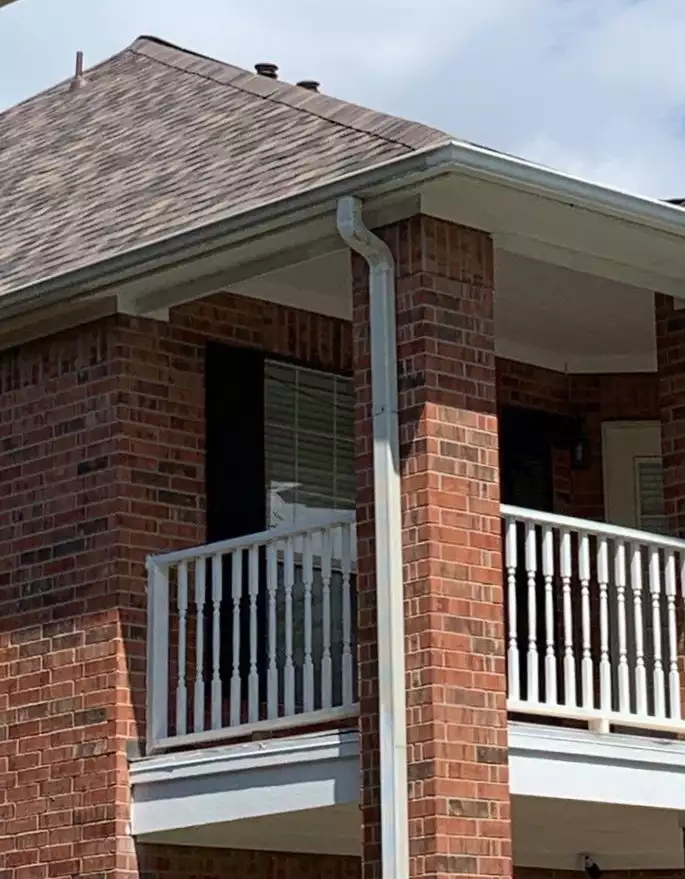
Gutters are the quietest part of your home until the day they fail, and by then the bill is rarely just about gutters. Across Greater Houston and the Austin metro, the same Gulf Coast downpours, hard freezes, and relentless summer UV that punish a roof also wear gutters down years ahead of schedule. The hard part for most homeowners is not noticing damage, it is knowing the moment when a worn gutter system has stopped protecting the house and started endangering the fascia, the roof edge, and the foundation. This guide gives you a clear answer: eight specific warning signs, a simple repair-versus-replace test, and the smartest time to act.
Unlike a general lifespan estimate, the goal here is a decision. By the end you should be able to walk your own roofline, read what you see, and know whether your gutters need one more season of upkeep or a full replacement before the next storm makes the choice for you.
8 Signs It's Time to Replace Your Gutters
One of these signs on its own may be a repair. Several of them together usually means the system is past its useful life. Here is what to look for.
1. Cracks, holes, or split seams
Small hairline cracks rarely stay small. In Texas heat, gutters expand and contract every single day, and that constant movement pries open seams and widens cracks until they leak in a steady stream. A few isolated cracks can be sealed; cracks reappearing across multiple sections mean the metal and joints are fatigued throughout.
2. Rust streaks and peeling paint
Orange streaking, flaking finish, or visible corrosion signals the protective coating has failed and the underlying metal is breaking down. Once steel gutters begin rusting through, sealing buys only a little time. Gulf Coast humidity accelerates this everywhere, but it shows up fastest at low spots where water sits.
3. Sagging or gutters pulling from the fascia
Gutters should sit tight and level against the roof edge with a slight, deliberate slope toward the downspouts. When you see them sagging in the middle or drooping away from the house, the hangers or the fascia board behind them are failing under the weight of trapped water and debris. This is one of the most serious signs because it usually means water is already reaching the wood.
4. Standing water and pooling near the foundation
After a hard Texas rain, walk the perimeter of your home. Puddles, eroded soil, or mulch washed out below the roofline mean water is overshooting or escaping the gutters instead of being carried to the downspouts and away from the house. Left alone, that water works toward your foundation and crawlspace.
5. Mildew, mold, or water stains on siding and soffit
Dark streaks down the siding, green mildew on the fascia, or stains spreading across the soffit are classic symptoms of gutters overflowing or leaking behind the system. The discoloration is the visible part; the rot working into the wood behind it is the part that gets expensive.
6. Constant clogs that no longer clear
If you clean your gutters on schedule and they still back up after every storm, the slope, the joints, or the gutter sizing may no longer be doing their job. Chronic clogging is not just an annoyance; standing water it traps speeds up corrosion and adds weight that loosens hangers.
7. Paint damage and erosion below the roofline
Peeling exterior paint, rotting trim, or trenches carved into landscaping directly beneath the gutters all point to water spilling where it should not. The gutter is failing at its one job, redirecting runoff, and the house is paying for it.
8. They're simply old, and showing it
Most aluminum and steel gutters are built to last roughly 20 years, but Texas weather routinely pulls years off that figure. If your system is approaching or past two decades and several of the signs above are present, age is no longer a number to debate, it is a reason to plan a replacement. For a deeper breakdown of material timelines, see our guide on residential gutter systems.
Why Texas Weather Forces the Question Sooner
Gutters in mild climates may quietly reach their rated lifespan. In Texas, several forces routinely cut that short:
- Hail. A single significant storm can dent aluminum, crack vinyl, and chip the coating on steel so it begins to rust. The same hail that batters your shingle roof strikes the gutters directly below it.
- Hurricanes and high wind. Gulf Coast tropical systems tear sections loose and pull gutters off the fascia in a single afternoon, often alongside roof damage.
- UV and heat cycling. Long, brutal summers fade finishes and stress every seam through daily expansion and contraction.
- Hard freezes. Texas's occasional deep freezes expand trapped water in clogged gutters, splitting seams and warping runs.
None of this can be prevented, but it explains why a gutter system here deserves attention years before its label suggests, especially after any storm that hits your roof.
Repair or Replace? A Simple Test
When the warning signs show up, the practical question is patch or replace. A few honest guidelines:
- Lean toward repair when the damage is isolated to one section or a few joints, the gutters are well within their lifespan, and the fascia behind them is solid. A reseal or a re-secured hanger can be enough.
- Lean toward replacement when leaks, sags, and rust appear across multiple runs, the system is at or past its expected age, or the fascia behind it is already soft or stained.
- Always replace together with the roof when you are already replacing the roof. Tearing off and reinstalling gutters twice costs more than doing both at once, and it protects the roof edge as one system.
That last point is the one homeowners most often overlook. Gutters live at the exact seam where shingles, drip edge, fascia, and soffit meet, the same edge our team examines during a professional roof inspection. If a storm is the reason your gutters are failing early, the roof edge above them very likely took a hit too, which can make it a storm repair matter your homeowners' insurance may help cover.
What to Expect From a Gutter Replacement
A quality replacement is more than swapping metal. Done right, it includes inspecting and repairing any rotted fascia behind the old gutters, sizing the new system to your roof's actual runoff, setting the correct slope toward downspouts, and choosing a material and profile suited to Texas weather. Seamless aluminum is the common choice because cutting each run to length on-site removes most of the joints that leak first in our expansion-and-contraction climate. Gutter guards are worth considering at the same time, since keeping debris and standing water out is what slows the corrosion and clogging that age gutters early.
Don't Wait for the Overflow
The cheapest moment to replace gutters is just before they fail, not after water has reached your fascia, roof deck, or foundation. If you spotted two or three of the signs above on your own roofline, that is reason enough to get a professional read before the next round of Texas storms.
As a GAF Preferred Contractor with a 5-star Google rating, serving more than 100 Texas communities for over nine years, Elevation Roofing & Restoration evaluates your gutters, drip edge, and fascia as a single system, not in isolation. Schedule your free, no-obligation inspection, a $399 value, and we will tell you honestly whether your gutters need one more season of upkeep or a full replacement, and whether the roof edge behind them needs attention too. Reach us anytime at (832) 271-1726, and if a recent storm is behind the damage, we will help you navigate the insurance claim along the way.