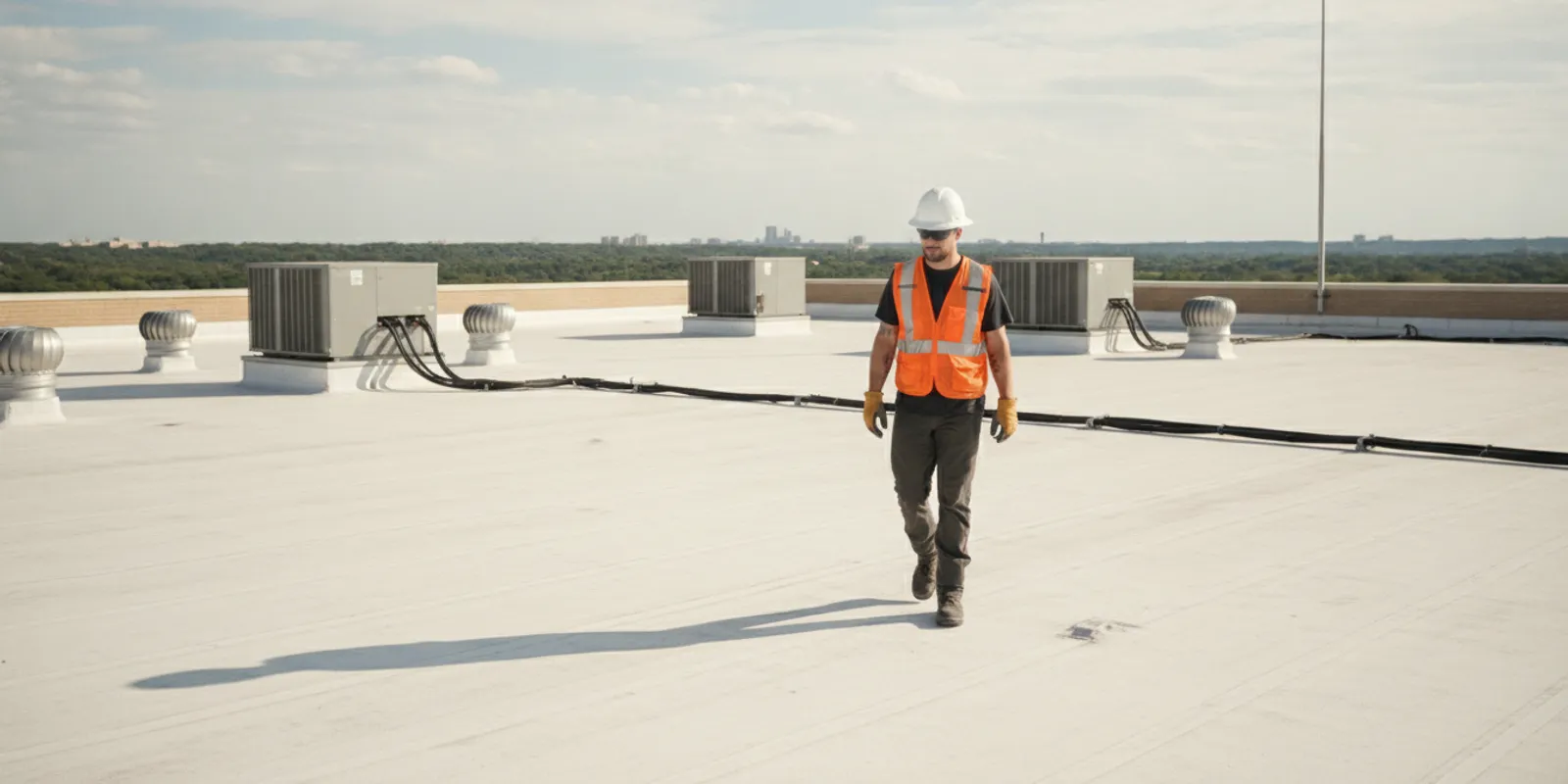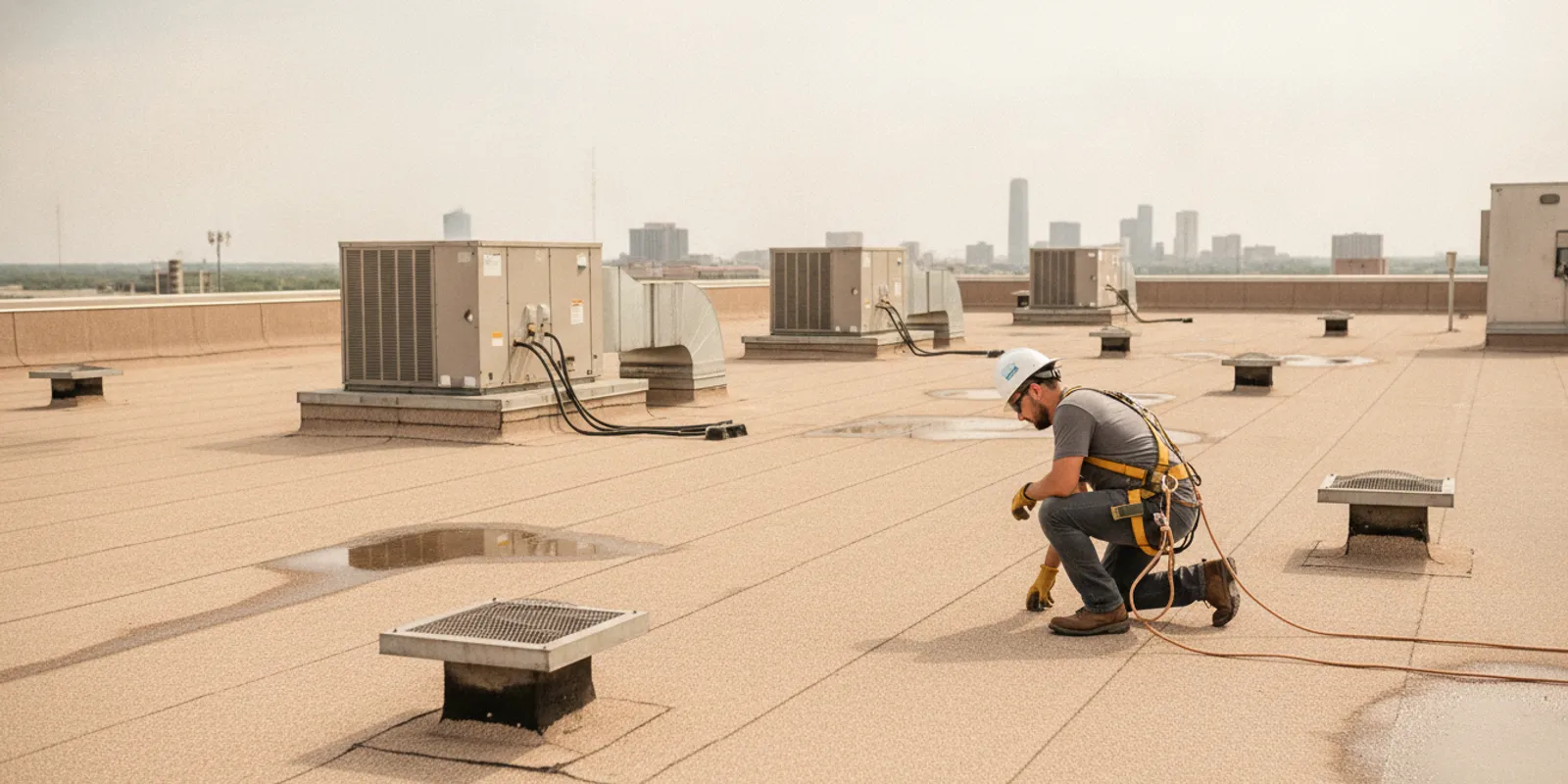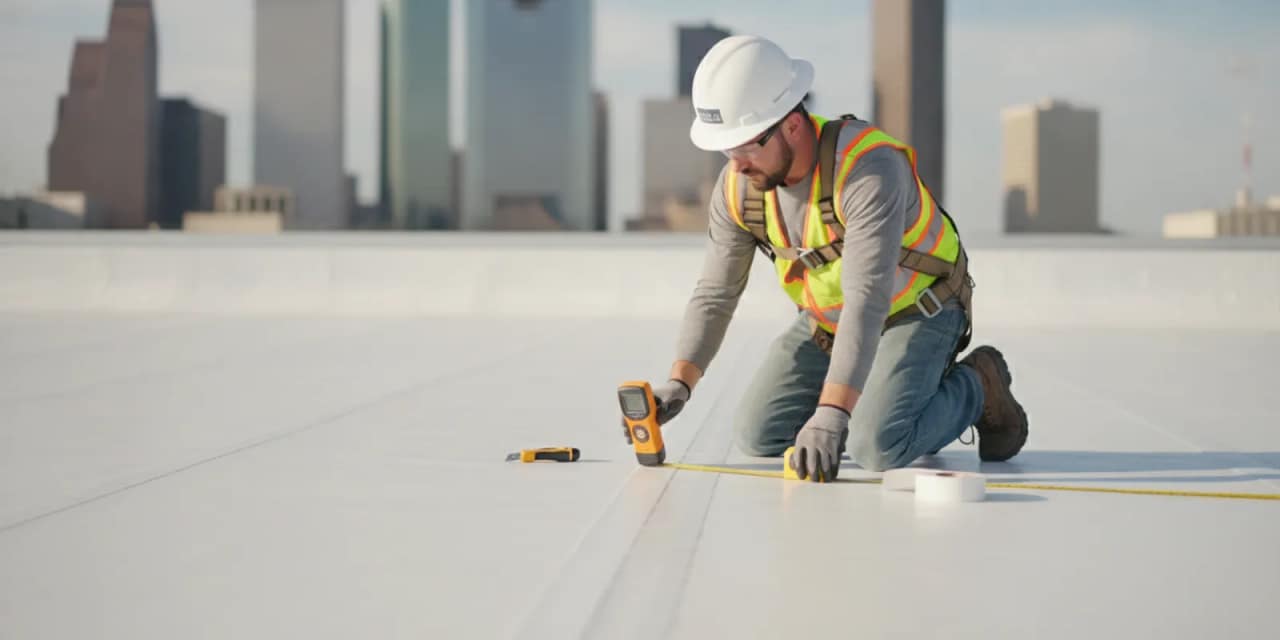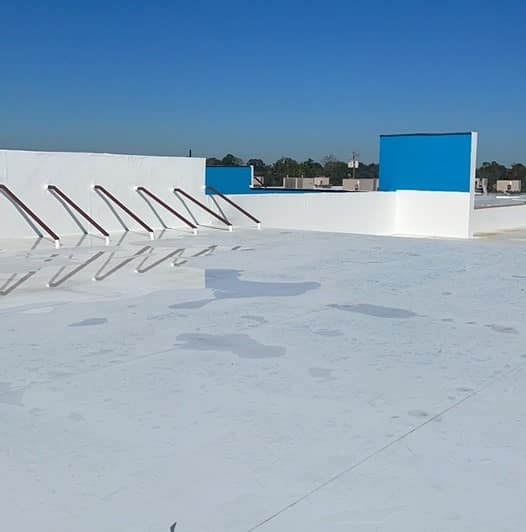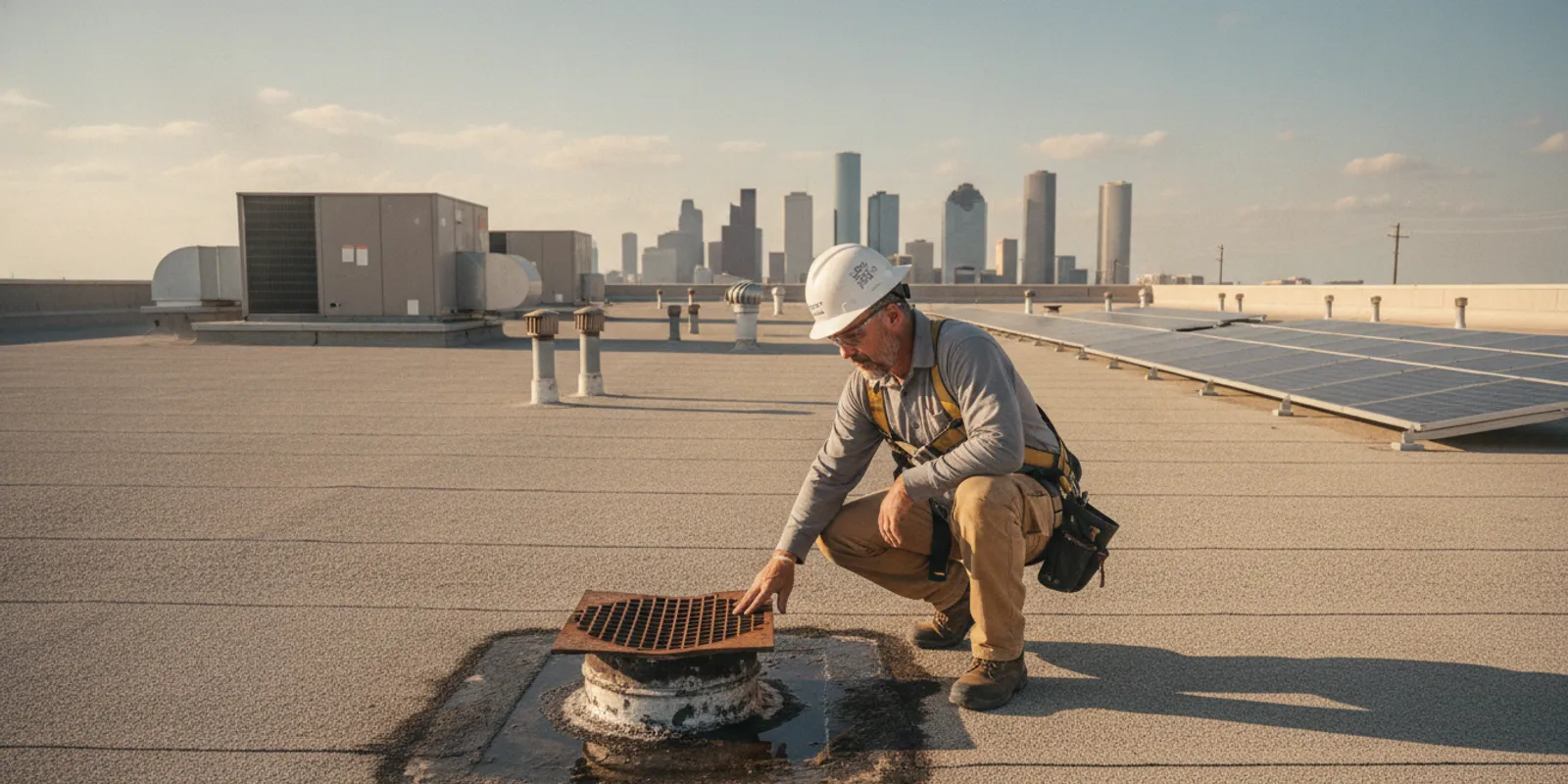
Commercial roof inspection cost depends on more than the size of a building. The roof system, access, condition, inspection depth, and report needs can all change the time and expertise required. Knowing what goes into an estimate helps property owners compare proposals and choose an inspection that answers the questions they actually have.
Schedule a commercial roof inspection
What Does Commercial Roof Inspection Cost Usually Cover?
An inspection is a professional evaluation of a roof and its visible components. The cost is tied to the work included, not simply the act of walking across the roof. A basic visual review may answer a narrow question, such as whether there is an obvious leak source. A more extensive assessment may require a larger roof area to be reviewed, multiple roof sections, documentation, and time to explain findings.
Ask what the quoted service includes before treating two prices as comparable. One estimate may describe a brief visual review, while another may include photographs, observations about drainage and penetrations, and a written summary. The right scope depends on the property and the decision you need to make. For an overview of available inspection services, visit Elevation's roof inspection page.
The National Roofing Contractors and Inspectors Association notes that roof complexity, location, and the inspector are among factors that shape inspection pricing. That is a useful starting point, but an estimate still needs to reflect the specific building and requested scope. Review its roof inspection cost factors as you prepare questions for a provider.
Which Factors Change Commercial Roof Inspection Cost?
There is no single price that fits every commercial roof. These factors help explain why an estimate for one property may differ from another.
- Roof area and layout: A larger roof or one divided into separate sections generally takes more time to review. Changes in elevation, roof edges, and multiple additions can make the route and documentation more involved.
- Roof system and details: A low-slope roof with rooftop equipment, seams, penetrations, and drains calls for attention to different details than a steep-slope roof. The material and assembly influence what the inspector can see and how observations should be interpreted.
- Access and safety planning: A locked roof hatch, restricted access, unusual entry requirements, or the need to coordinate with building operations can affect scheduling and effort. Safe access must be addressed before anyone begins work.
- Inspection purpose: A review after a reported leak has a different focus from a general condition assessment before a purchase or a planned maintenance decision. A focused question can keep the scope clear, while a broader evaluation may take more time.
- Documentation and reporting: A verbal summary, photo-supported findings, and a detailed written report are not identical deliverables. Specify who will use the findings and what level of documentation will help them act.
- Location and scheduling: The property's location and the timing or coordination required for access may affect the proposal. For buildings across the region, check the company's Texas service locations.
These are scope considerations, not a promise that every added detail produces a particular fee. Ask the provider to explain which items apply to your building and how they affect the proposed work.
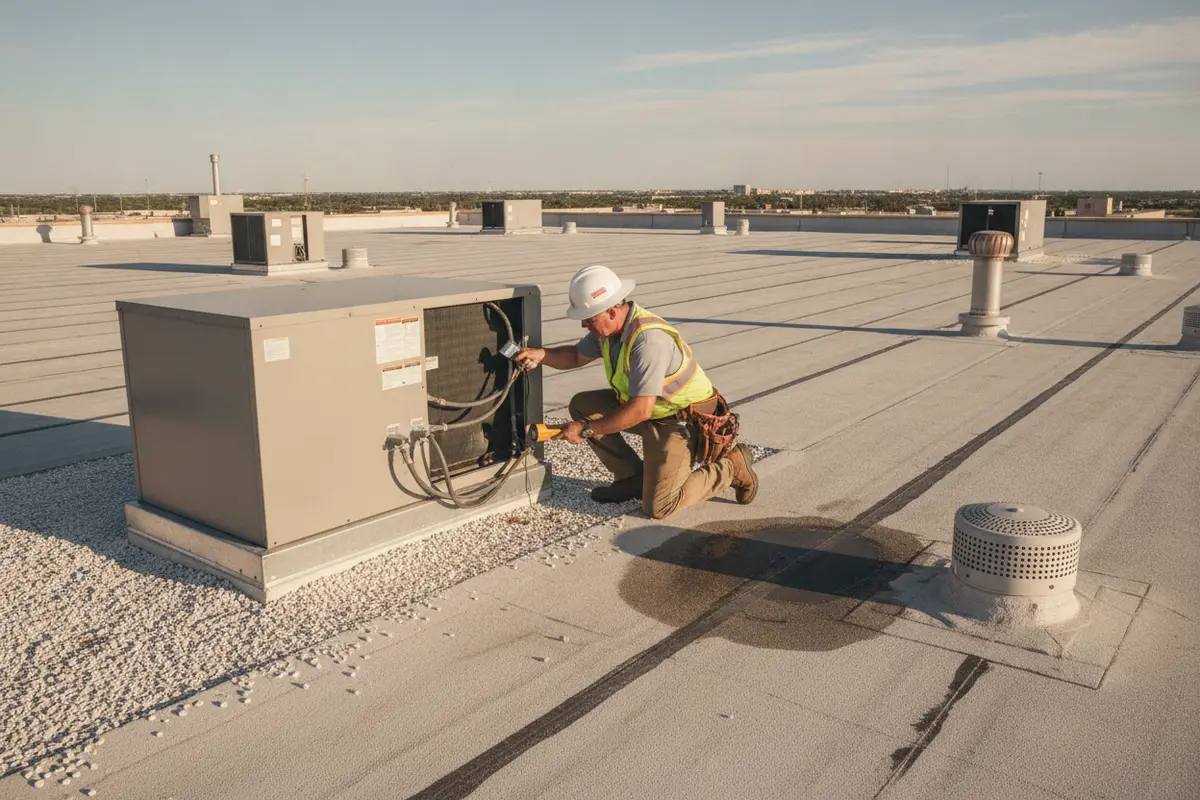
Comparing Inspection Proposals
Compare the services and deliverables line by line, not just the total. The table below gives you a practical way to organize the conversation. It is not a price list. Actual commercial roof inspection cost depends on the property's circumstances and the scope agreed with the provider.
| Proposal item | What to clarify | Why it matters |
|---|---|---|
| Roof areas included | Are all roof sections, additions, and accessible areas in scope? | Confirms that the review covers the areas relevant to your decision. |
| Inspection approach | Is this a visual assessment, a focused leak review, or another defined scope? | Sets expectations about what the inspection can and cannot determine. |
| Access and coordination | Who provides keys, escorts, or equipment-area access? | Prevents delays and helps the inspector plan a safe visit. |
| Report format | Will you receive photographs, written observations, and recommendations? | Lets you evaluate whether the findings will be useful to owners, managers, or contractors. |
| Follow-up | Can you ask questions about findings, and is repair work a separate proposal? | Keeps the inspection distinct from any work you may choose to authorize later. |
Ask each provider to state exclusions as well as included work. For example, a visual inspection should not be assumed to include testing or opening roof components unless the proposal expressly says so. If the goal is to assess a flat commercial system, you can also review information about flat roof services and discuss how the building's system affects the requested scope.
When you request a quote, describe the job in plain terms rather than asking for a generic inspection price. For example, explain that you manage a one-story retail property with a low-slope roof, have noticed water stains near a specific area, and need a written assessment for maintenance planning. The provider can then ask follow-up questions and clarify whether the proposed visit addresses that purpose. If you do not know the roof area or material, say so instead of guessing.
Use the same basic description when contacting more than one provider. Then compare:
- Whether each proposal covers the same roof sections and reported concerns.
- What the inspector will document, and how you will receive the findings.
- Whether access coordination, travel, or a return visit is included or excluded.
- What conditions could limit the inspection, such as inaccessible sections or weather.
- Whether questions after the report are included, and how any repair estimate is handled.
These details help uncover scope differences that a headline price cannot show. If a proposal is unclear, ask for clarification in writing before approving it. A clear description protects both sides from expecting work that was never included, and it gives your team a more useful record when you evaluate the findings later.
Preparing for the Inspection
A little preparation can help an inspector focus on the right areas and reduce avoidable back-and-forth. Before requesting a proposal, gather whatever information is readily available. You do not need a perfect building file to start the conversation.
- Building address, approximate roof area if known, and the number of separate roof sections.
- Roof system or material information, if available, along with the date of installation or prior major work.
- Where leaks or other concerns have appeared, when they began, and whether they occur during particular weather conditions.
- Any earlier inspection reports, repair records, roof plans, or warranty documents that may help explain the history.
- Roof access details, site contact information, operating hours, and any rules for entering the property.
- The decision the inspection should support, such as maintenance planning, investigating a reported issue, or understanding current condition.
Keep the request focused. If you have several concerns, list them so the inspector can confirm whether they fit the planned scope. Let the provider know if the building has multiple tenants or if access to certain rooms, roof areas, or equipment requires advance coordination.

Request an inspection estimate for your property
Using Inspection Findings to Plan Next Steps
An inspection is most useful when its findings connect to a decision. Ask the inspector to separate observed conditions from recommendations and to identify any areas that could not be reviewed. If a report notes a concern, ask where it is located, what evidence supports the observation, and whether follow-up evaluation is appropriate.
Do not assume that every observation means the roof needs replacement. A property may need monitoring, maintenance, a targeted repair, or a more detailed evaluation. The appropriate response depends on the roof's condition and the evidence available. Elevation provides a range of roofing services, including inspection, maintenance, repair, and replacement, but any recommended work should be discussed separately from the inspection scope.
If a reported issue appears related to a storm, keep notes and photographs of what you observe from safe locations, and ask what information the inspection can document. Elevation also has information about storm-related roof repairs. For a commercial property, it can help to share findings with the person responsible for maintenance and preserve the report with the building's records.
Schedule a roof inspection for your commercial property
Frequently Asked Questions
Is commercial roof inspection cost based only on roof size?
No. Roof area matters, but layout, system details, access, inspection purpose, location, and reporting expectations can also affect the scope and estimate. Ask how each factor applies to your building.
Should I choose the lowest inspection quote?
Not without comparing what each proposal includes. Confirm the roof sections covered, inspection approach, documentation, exclusions, and follow-up. A lower quote may describe a narrower service, so compare equivalent scopes before deciding.
Does a commercial roof inspection include repairs?
Do not assume that it does. An inspection evaluates and documents conditions within an agreed scope. Repair recommendations or repair work should be identified separately, with their own explanation and authorization.
How often should a commercial roof be inspected?
There is no universal interval that fits every building and roof system. Consider the roof's age and condition, maintenance history, prior problems, and property needs. Ask a qualified roofing professional what schedule makes sense for your specific roof.
Make the Estimate Useful
A clear estimate starts with a clear question. Share the building details you have, describe the decision you need to make, and confirm the inspection areas and report format before scheduling. That gives you a stronger basis for understanding commercial roof inspection cost and deciding whether the proposed scope fits your property.
To learn more about Elevation Roofing & Restoration, visit the company overview or see customer reviews. You can also review roof maintenance options as you plan for the building's ongoing needs.