Choosing a roofing membrane is not just a material decision. For a commercial property owner, the right system needs to fit the building, roof details, drainage conditions, and maintenance plan. This guide compares common roofing membrane options and outlines what to check before you approve a project.
Schedule a free roof inspection
What Does a Roofing Membrane Do?
A roofing membrane is a continuous waterproofing layer used on many low-slope and flat roofs. It helps limit water intrusion across the roof surface and around seams, edges, penetrations, and transitions. The membrane is one part of a complete roof assembly, not a stand-alone fix for every roof concern.
The roof assembly may also include insulation, a vapor retarder, a cover board, attachment components, flashing, and drainage features. The existing deck and building conditions matter too. A membrane that performs well on one building may not be the best fit for another if the roof has different foot traffic, equipment, drainage, or construction details.
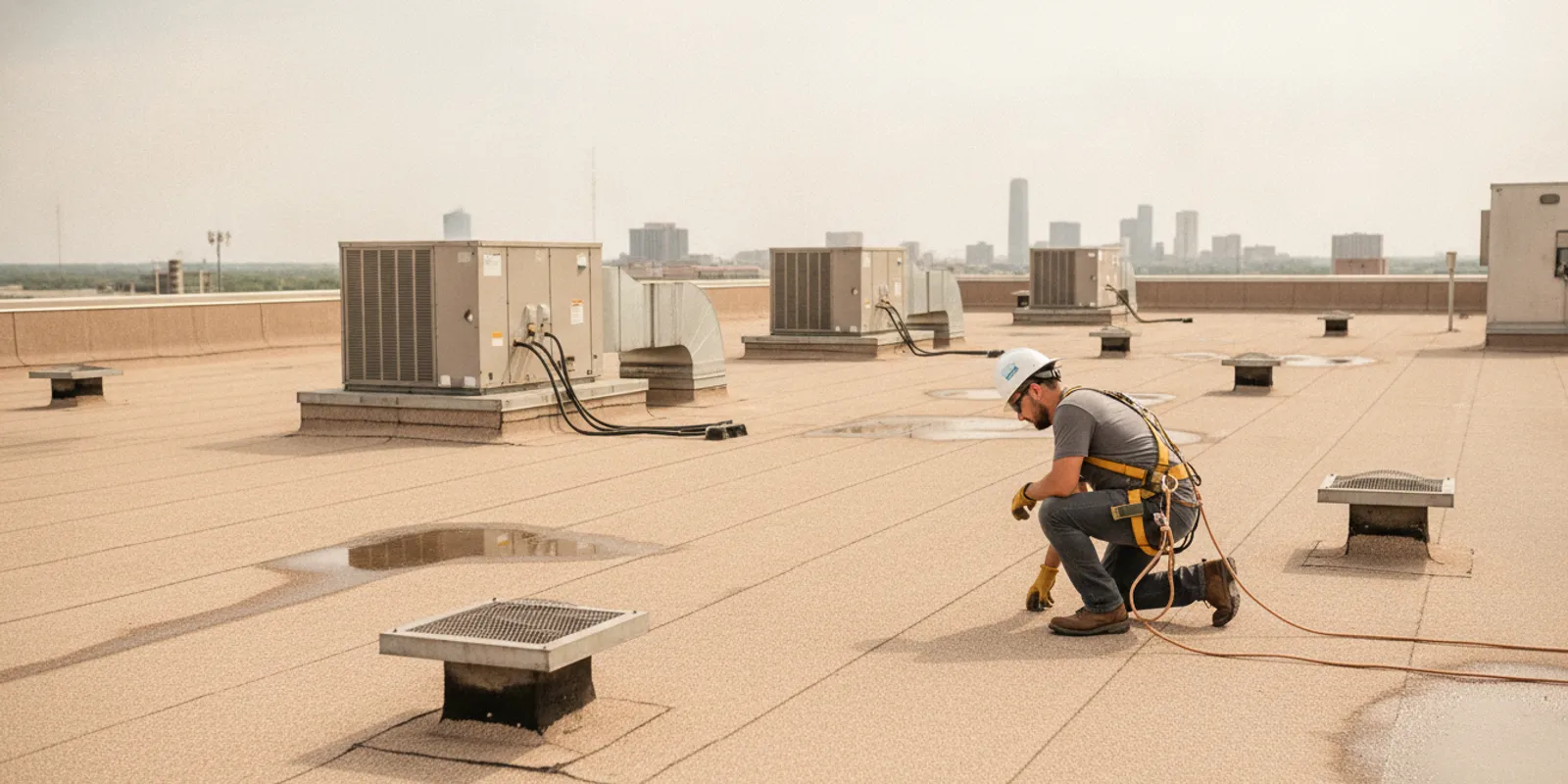
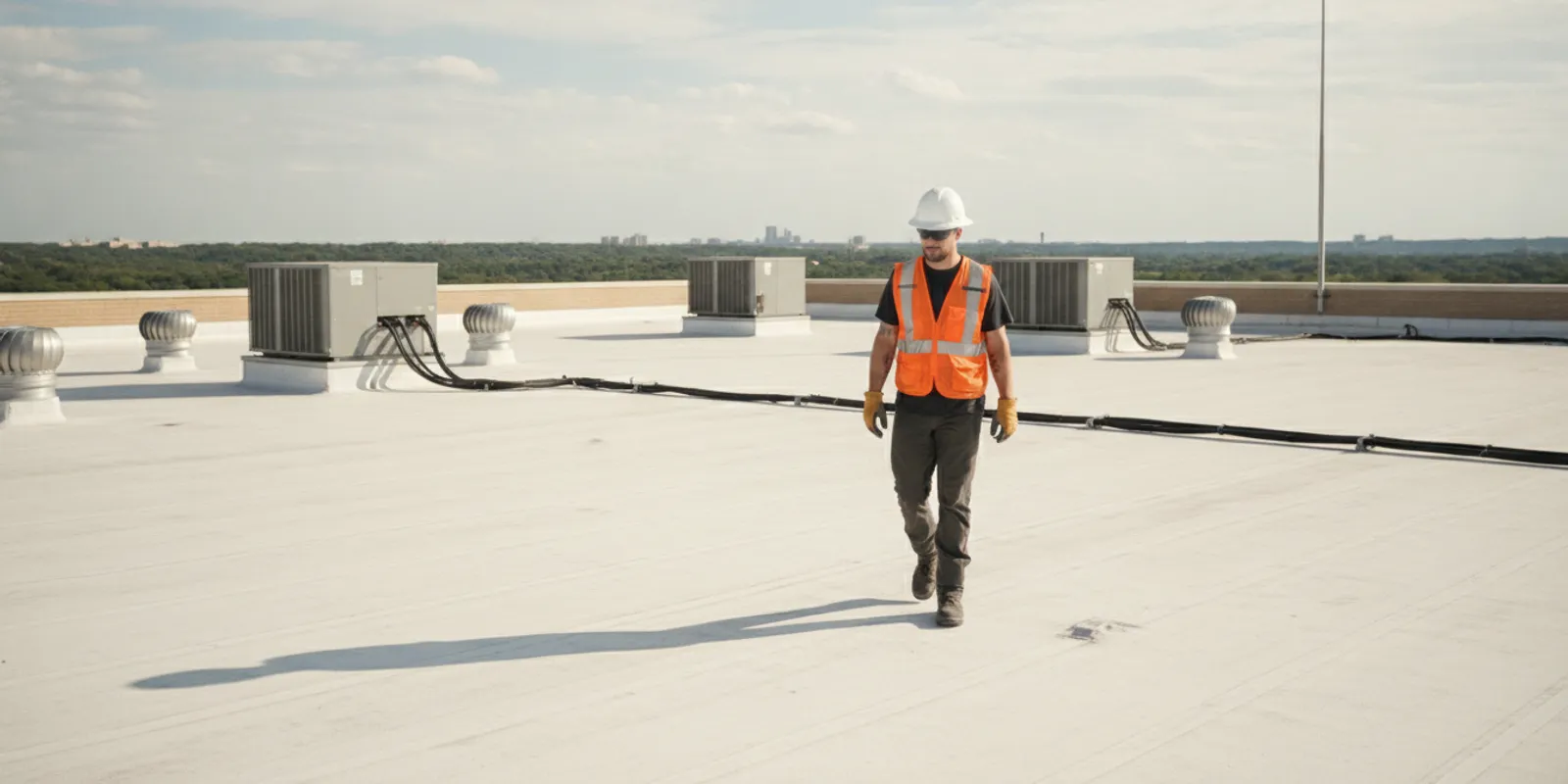
Commercial membrane roofs need careful attention at seams and transitions. Rooftop units, drains, vents, parapet walls, and access paths all create details that should be addressed in the design and installation plan. Owners evaluating broader commercial roofing services should ask how those details will be assessed, not only which product will cover the largest roof area.
Which Roofing Membrane Systems Are Common?
Several membrane systems are used on commercial properties. The right comparison starts with the building and project requirements, rather than assuming one material is best in every situation.
| System | General description | Questions to consider |
|---|---|---|
| TPO | A single-ply membrane system commonly considered for low-slope commercial roofs. | How will seams, edges, penetrations, and rooftop equipment be handled? What attachment approach suits the roof? |
| EPDM | A single-ply membrane option used on commercial roofs. | What seam and flashing details are specified, and how will the material fit the building and maintenance plan? |
| PVC | A single-ply membrane option that may be evaluated for certain commercial roof conditions. | Which project requirements make this system a suitable candidate, and what installation details are included? |
| Modified bitumen | A multi-layer roof covering option that differs from single-ply membranes. | How do the existing assembly, installation method, and required details affect project planning? |
This is a starting comparison, not a specification. Product construction and installation details vary. Ask the contractor to identify the proposed system, explain the assembly, and show how it responds to the actual roof conditions. Elevation Roofing & Restoration works with commercial systems including TPO, EPDM, PVC, modified bitumen, and built-up roofing; see its information on flat roof systems and modified bitumen roofing.

How Should You Compare Roofing Membrane Options?
Start with the building’s needs and existing conditions. A useful review considers the whole roof assembly and the work needed to make it function as a system. These factors can help organize the discussion:
- Building use: Consider how the building is operated and whether access to the roof is frequent or occasional.
- Rooftop equipment: Note HVAC units, pipes, vents, and other penetrations that require coordinated flashing and access.
- Drainage: Review roof slope, drains, scuppers, and areas where water may collect. Ask how the proposal addresses existing drainage concerns.
- Existing assembly: Identify the current roof type, deck condition, insulation, and any known leaks or repairs.
- Installation approach: Ask how the system will be attached and how edges, seams, transitions, and penetrations will be completed.
- Maintenance access: Consider how staff or service providers reach rooftop equipment and how foot traffic will be managed.
- Project operations: Clarify access, staging, work sequencing, and how the contractor will coordinate around business activity.
In Houston, Austin, and other Texas markets, owners should also discuss local exposure and the building’s maintenance history with a roofing professional. Do not assume that a material name alone answers questions about suitability, performance, or service life. A roof inspection can document visible conditions and help distinguish between a repair need, a replacement question, and items that need further evaluation. Learn about commercial roof inspections and the company’s roof maintenance services.
It can help to build a simple record before requesting proposals. Gather the year of the last roof project if known, past inspection notes, leak reports, and records of repairs. Mark recurring leak locations on a roof plan or building diagram. Note which areas have rooftop equipment and whether maintenance crews need regular access. These details do not replace a professional assessment, but they help contractors understand the building’s history and help you compare their observations.
When weighing proposals, avoid comparing only the membrane label or the total scope price. A lower figure may reflect a different assembly, different preparation work, or omitted details, so ask what is included and what is excluded. Check whether the bids address the same roof areas and clarify how discoveries after work begins will be reviewed and approved. Put follow-up questions and agreed scope changes in writing. A clear record makes it easier to coordinate decisions with building ownership, facilities staff, and the contractor.
What Should You Review in a Roofing Proposal?
Membrane proposals are easier to compare when they describe the same scope. Look beyond the named product and ask for clear information about the work, the roof details, and any assumptions. A proposal review can include these steps:
- Confirm the existing conditions. Ask what the contractor observed and whether any areas need further investigation before work begins.
- Read the assembly description. Check whether the proposal identifies the membrane, related roof layers, attachment method, and relevant edge or flashing components.
- Check included details. Look for how seams, drains, penetrations, transitions, and rooftop equipment will be treated.
- Clarify removal and preparation. Ask what happens to the existing roofing and how the roof surface will be prepared. Confirm how concealed or unexpected conditions will be handled.
- Compare the scope, not just the label. If proposals specify different assemblies or omit different details, ask each contractor to explain the difference before comparing them.
- Plan for the work period. Discuss site access, protection of property, staging, cleanup, and communication while the building remains in use.
For projects that may involve repair rather than a full replacement, ask the contractor to explain the basis for that recommendation and the limits of the proposed scope. Review relevant commercial roof repair and roof replacement options alongside the inspection findings. The National Roofing Contractors Association is an industry resource for roofing information; use a contractor’s project-specific inspection and written scope to make decisions about your building.
Request a free roof inspection
How Do Drainage and Roof Details Affect Performance?
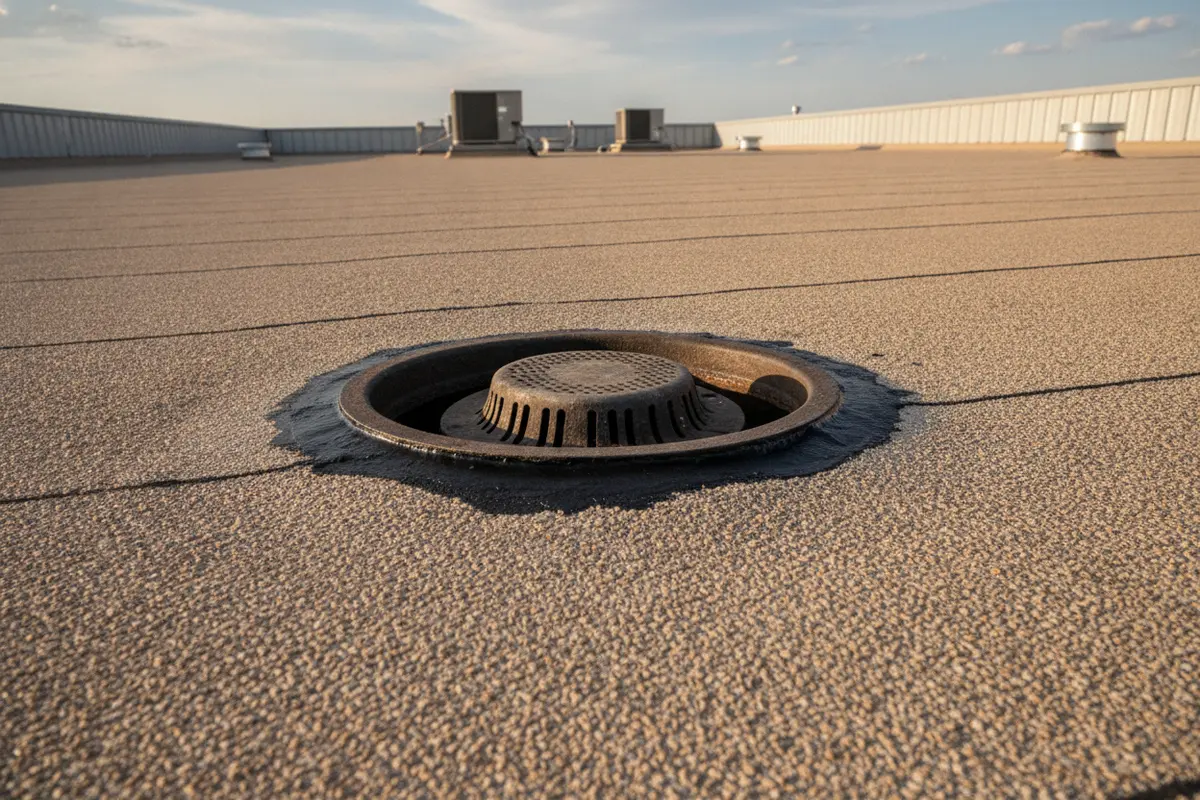
Water management is central to a low-slope roof. The membrane has to work with the roof’s slope and drainage components. A blocked or poorly functioning drain, an unresolved low area, or a weak transition can create a problem even when the membrane surface appears intact.
During a review, ask whether the contractor checked the roof’s drains and visible drainage paths. Ask how penetrations, perimeter edges, parapets, and changes in roof level are addressed. If the building has repeated ponding or leak locations, identify them and share any records or photos. A simple roof plan or marked-up photograph can help both parties discuss the same locations.
Owners should also ask how future service visits will avoid unnecessary damage to the roof. Equipment maintenance and other rooftop work may bring people and tools across the membrane. A practical access plan helps coordinate that activity and makes it easier to report a concern promptly.
How Can You Plan for Membrane Roof Care?
Ongoing roof care starts with knowing what is on the building and recording changes over time. Ask the contractor what information will be provided after an inspection or project, including the roof areas reviewed and any visible conditions that need follow-up. Keep those notes with building records so future maintenance staff can see the history rather than starting from scratch.
After a repair or replacement, make sure the facilities team knows how to report a leak or damage concern and whom to contact. Set a process for documenting the date, location, weather conditions if known, and any visible interior effects. Photos taken safely from an accessible area can help track what changed. Do not send staff onto a roof if they are not authorized and equipped to do so.
Coordinate roof access with HVAC and other service providers. Let them know that roof penetrations, drains, and membrane surfaces need care during equipment work. Ask the roofing contractor to explain any access or maintenance considerations relevant to the installed system. For help organizing a roof review, see Elevation’s roof inspection information.
- Keep inspection and repair notes in one accessible property file.
- Record recurring leak locations and any changes after roof work.
- Share roof-access expectations with building service providers.
- Follow up on inspection observations and document completed work.
What Questions Should You Ask Before Choosing a System?
Use a short, consistent list when speaking with contractors. Clear answers can reveal whether a proposal is based on the actual property or on a generic product description.
- What roof conditions did you observe, and what should be investigated further?
- Which assembly do you propose, and why does it fit this building?
- How will the seams, drains, penetrations, edges, and transitions be handled?
- What preparation or removal work is included?
- How will the project be staged to coordinate with our business operations?
- What maintenance and inspection practices should we plan after the work?
- How will you document the completed work and explain any items that need attention?
Check that the contractor’s answers match the written scope. You can also review the company’s company information, customer reviews, and service locations as part of your evaluation. Elevation Roofing & Restoration serves commercial property owners in the Houston and Austin areas and surrounding Texas communities.
Talk with Elevation Roofing about your commercial roof
Frequently Asked Questions
Is a roofing membrane only used on flat roofs?
Membrane systems are commonly used on low-slope commercial roofs, which may look flat but still need to manage water. The roof design, drainage, and complete assembly matter when deciding whether a system fits a building.
Is TPO always the best roofing membrane for a commercial building?
No single membrane is automatically best for every property. Compare the building conditions, roof assembly, detailing, installation scope, and maintenance needs before choosing among TPO, EPDM, PVC, or other roof systems.
Can a membrane roof be repaired instead of replaced?
That depends on the roof’s condition and the source and extent of the problem. An inspection can help document visible issues and clarify whether a repair, further investigation, or replacement discussion is appropriate.
What is the first step in evaluating a commercial membrane roof?
Gather available roof records, note leak history and rooftop equipment, and arrange an inspection. Then compare proposals that explain the existing conditions, recommended assembly, details, and project scope.
Make the Choice With the Whole Roof in View
A sound membrane decision considers more than the product name. Review the roof assembly, drainage, details, building operations, and maintenance plan together, then ask contractors to connect their recommendations to the conditions they observed. That gives you a clearer basis for comparing options and planning the next step for your property.