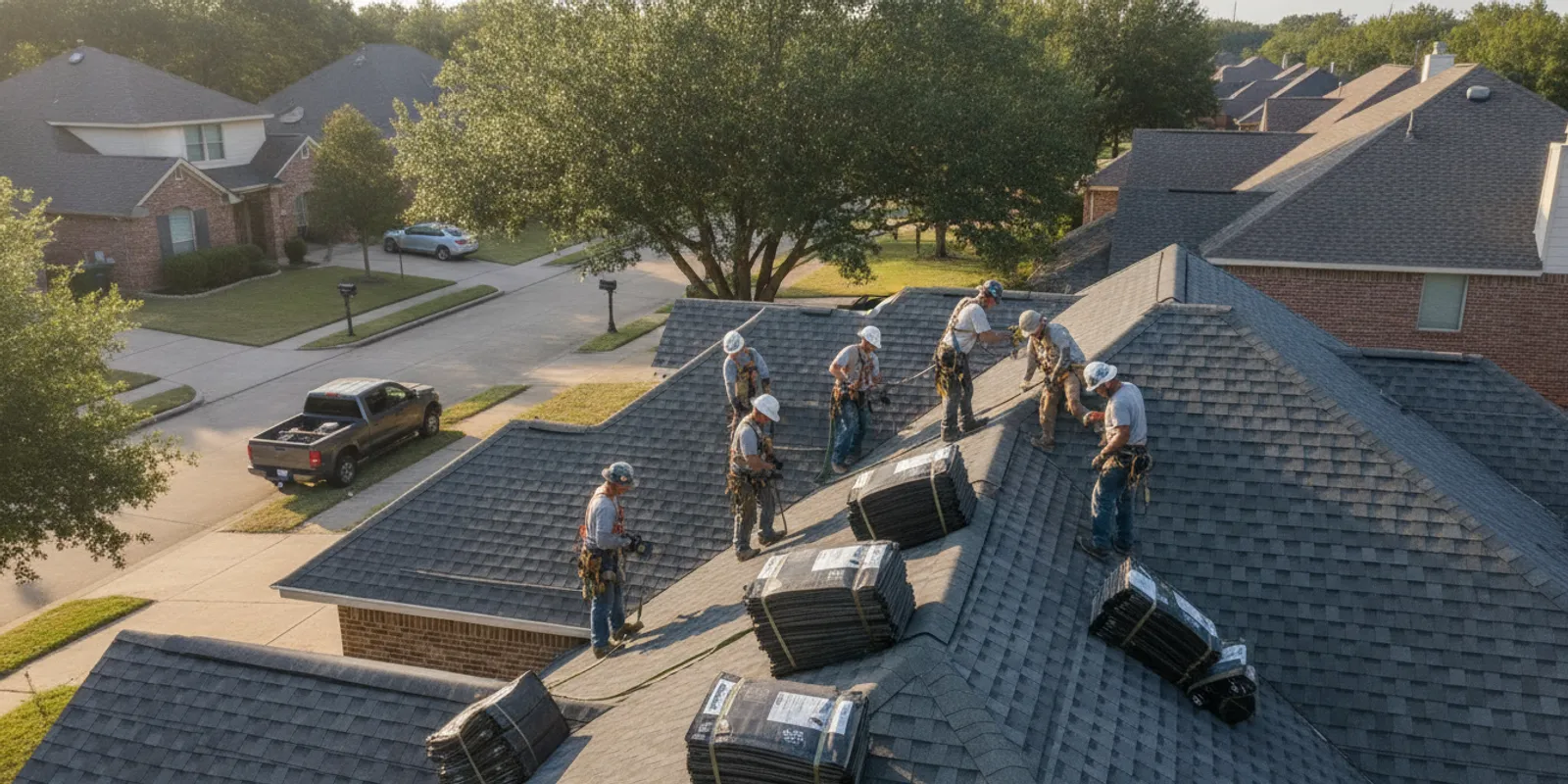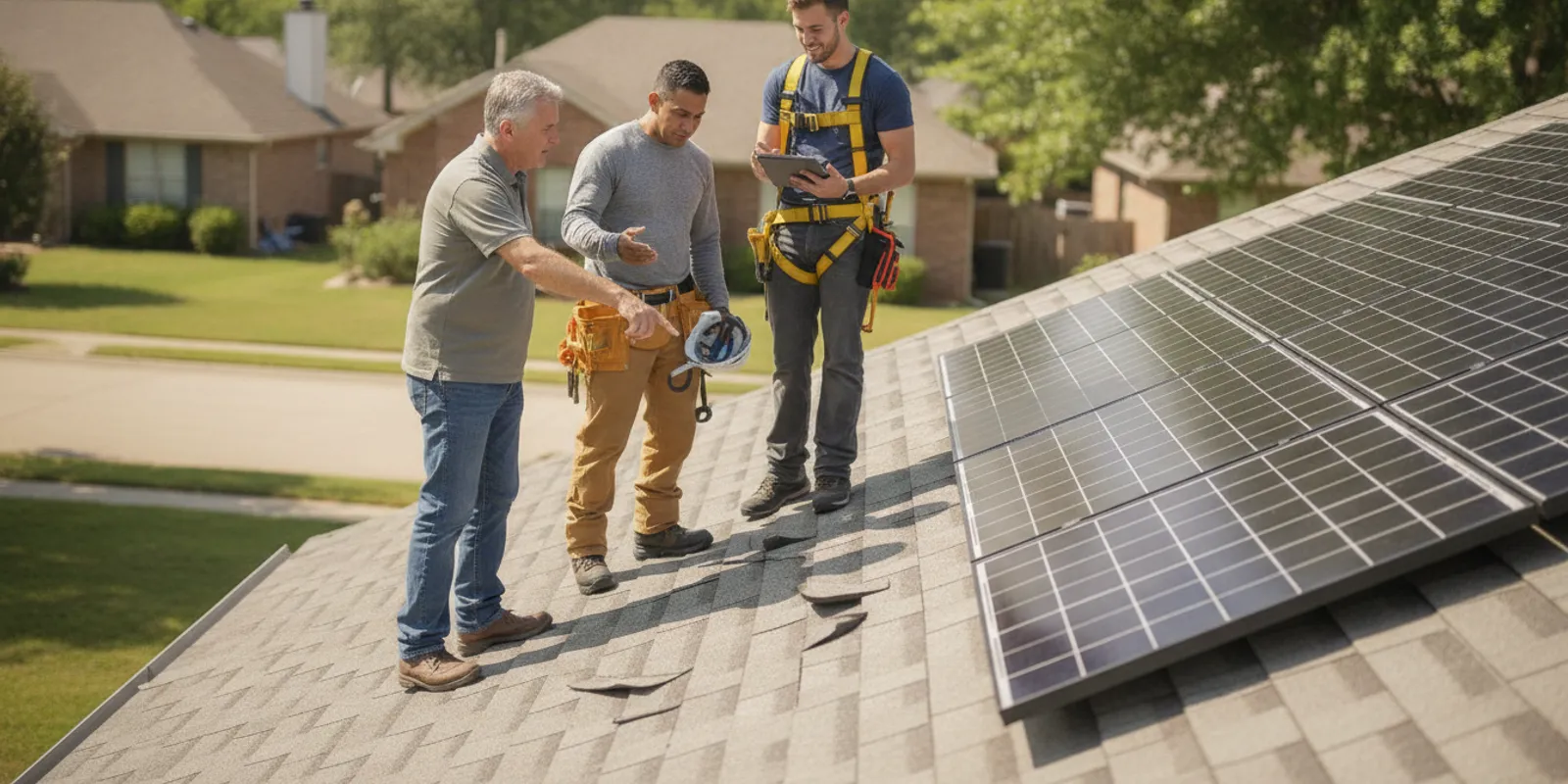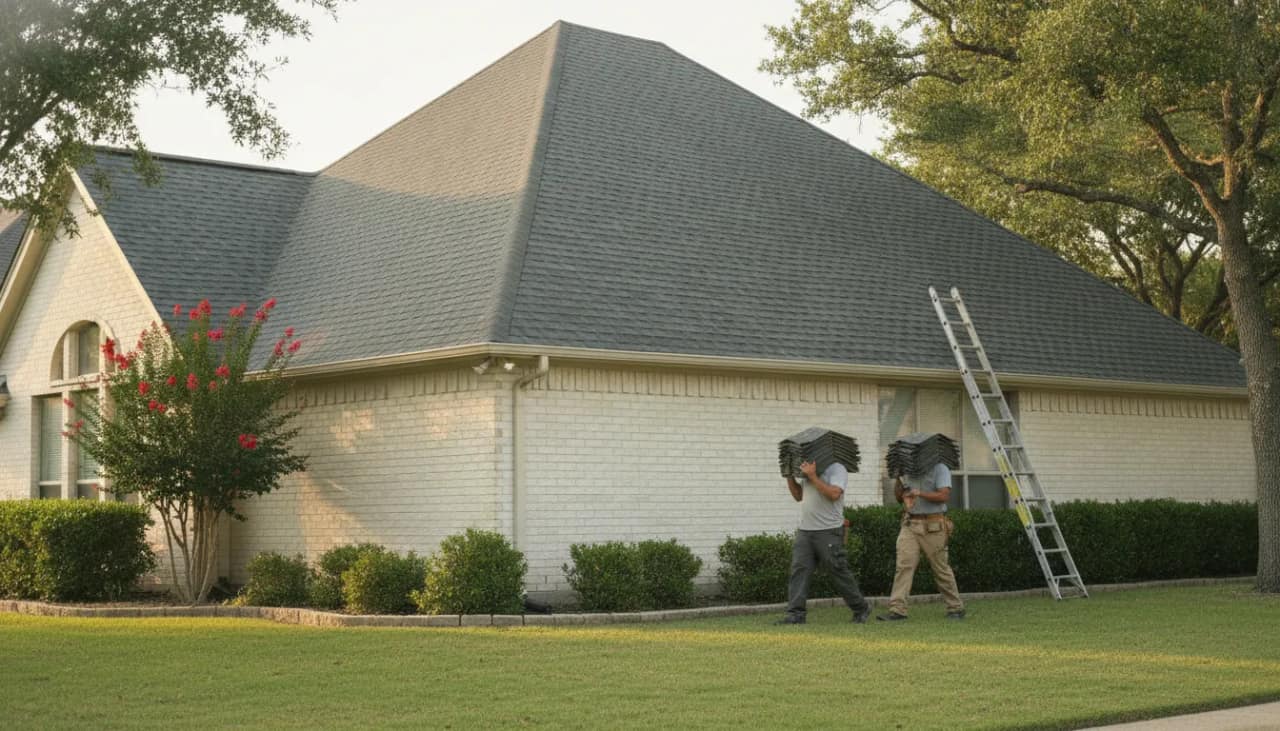
A roof rarely fails all at once. In Texas, it wears down slowly under relentless UV, then takes a sudden beating from hail and Gulf Coast winds, until one ordinary rainstorm finds the weak spot. By the time water shows up on your ceiling, the damage above the deck is usually years in the making. Knowing what to look for, and acting before a small problem becomes a structural one, is the difference between a planned roof replacement and an emergency tear-off.
Below are the seven signs we see most often across Greater Houston and the Austin metro, plus what each one actually means for the system over your head. If a few of these sound familiar, a professional eye can tell you whether you have years of life left or whether it's time to plan a new roof.
1. Your Roof Has Reached the End of Its Service Life
Most asphalt shingle roofs in Texas last roughly 20 to 25 years, but our climate compresses that timeline. Intense, year-round UV bakes the asphalt brittle, while summer attic temperatures accelerate aging from below. A 22-year-old roof in Houston has weathered more thermal stress than the same roof would in a milder climate.
If you don't know your roof's age, check closing documents or ask a previous owner. Knowing where you stand on the clock matters: a roof near the end of its rated life that also shows other symptoms on this list is usually a replacement candidate rather than a repair one. Premium GAF lifetime systems and metal roofs last considerably longer, which is why many homeowners upgrade rather than replace like-for-like.
2. Shingles Are Curling, Cracking, or Going Missing
Walk your property line and look up. Shingles that curl at the edges (clawing) or lift in the center (cupping) have lost the flexibility that lets them shed water. Cracked shingles let moisture seep into the layers beneath, and bare patches where shingles have blown off leave the underlayment and decking exposed.
A handful of damaged shingles after a storm is often a repair. Widespread curling and cracking across the whole field, however, signals the asphalt has dried out everywhere at once. That's age-related failure, and patching it only buys a season.
3. You Have Recurring or Spreading Leaks
A single leak traced to one flashing detail can usually be fixed. But leaks that keep coming back, or that show up in new spots each time it rains, tell a different story. They mean the water-shedding system has broken down in multiple places and the deck underneath may be saturating.
Inside, look for:
- Brown or yellow water stains on ceilings and upper walls
- Peeling paint near the roofline
- A musty smell or visible mold in the attic
- Daylight visible through the roof boards from inside the attic
Persistent moisture rots decking and framing, which dramatically raises the cost of any eventual replacement. Catching it early through routine roof inspection keeps the damage contained.
4. Granules Are Collecting in Your Gutters
The sandpaper-like granules on asphalt shingles are the UV armor that protects the asphalt below. As shingles age, that layer sheds. Finding piles of granules in your gutters, at the bottom of downspouts, or washed into flower beds is a clear sign your shingles are wearing thin.
You may also notice darker, shinier patches on the roof where the bare asphalt is now exposed. Once granule loss is significant, the shingles below have little protection left against the Texas sun and degrade quickly from that point forward.
5. The Roofline Is Sagging or Dipping
A roof should follow straight, even planes. If the ridgeline droops or you see a dip or wave across the surface, stop and call a professional. Sagging usually points to a structural problem, whether that's water-damaged decking, weakened rafters, or in older homes, too many layers of shingles adding weight.
This is the one sign on the list you should never wait on. A sagging roof can fail under the load of heavy rain, and our region sees plenty of that during hurricane and tropical-storm season. Schedule a professional inspection right away.
6. Your Energy Bills Keep Climbing
A roof does more than keep rain out. It works with your attic insulation and ventilation to regulate the temperature of your whole home. When the roofing system fails, conditioned air escapes and summer heat pours in, forcing your AC to run harder through Texas's long cooling season.
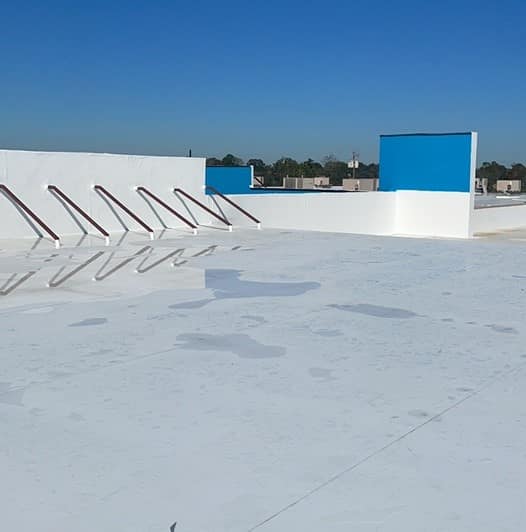
If your bills are creeping up without a change in usage, poor roof ventilation or a degraded system may be the culprit. A modern, properly ventilated roof, sometimes paired with reflective materials, can noticeably ease the load on your cooling system.
7. You've Had Recent Storm or Hail Damage
Texas is hard on roofs. Hail bruises shingles and knocks granules loose, high winds lift and crease them, and flying debris punctures the surface. The tricky part is that hail damage often isn't visible from the ground. Shingles can look fine while their integrity is compromised, leading to leaks months later.
After any significant storm, get a professional storm-damage assessment. If the damage is extensive, a replacement may be covered by your homeowners' insurance. We work directly with your insurance carrier on hail and storm claims, so you're not navigating the paperwork alone. Use our roofing calculator to ballpark a project, and ask about financing if you'd rather spread the cost.
Repair or Replace? How to Decide
One sign on its own often means a repair. Several signs together, especially on a roof past 15 to 20 years, usually point to replacement. The honest answer depends on the extent of the damage, the age of the system, and what you find once you look closely. That's exactly what a thorough inspection determines, and it's why we don't recommend a tear-off until the evidence supports it.
As a GAF Preferred Contractor with 9+ years serving Texas homeowners, our team installs everything from asphalt shingle to tile and flat and low-slope systems. We'll show you photos of what we find and walk you through your options, with no pressure to replace if a repair will do.
Get a Free Roof Inspection
If two or more of these signs sound familiar, the smart next step is simple. Elevation Roofing & Restoration offers a free roof inspection (a $399 value) anywhere across Greater Houston and the Austin metro. We'll assess your roof's true condition, document any damage, and give you a straight answer on whether it's time to replace. Reach out today and protect your home before the next Texas storm tests it.