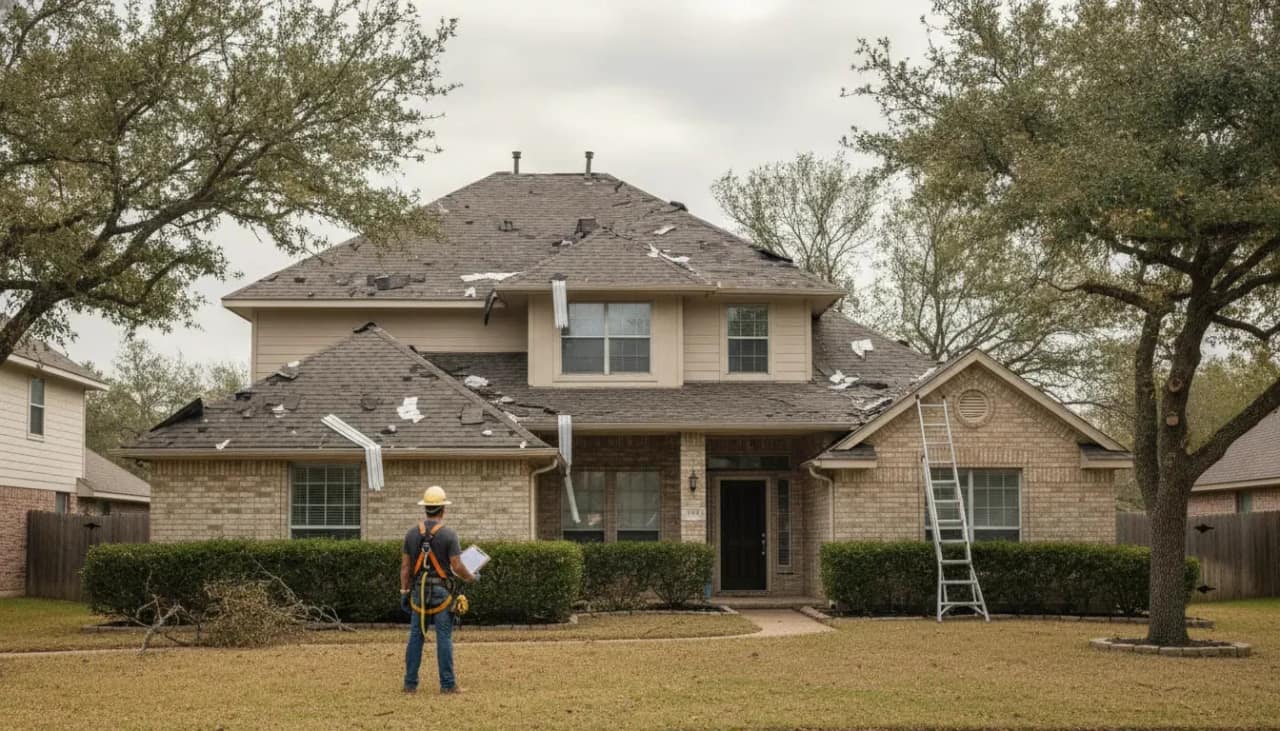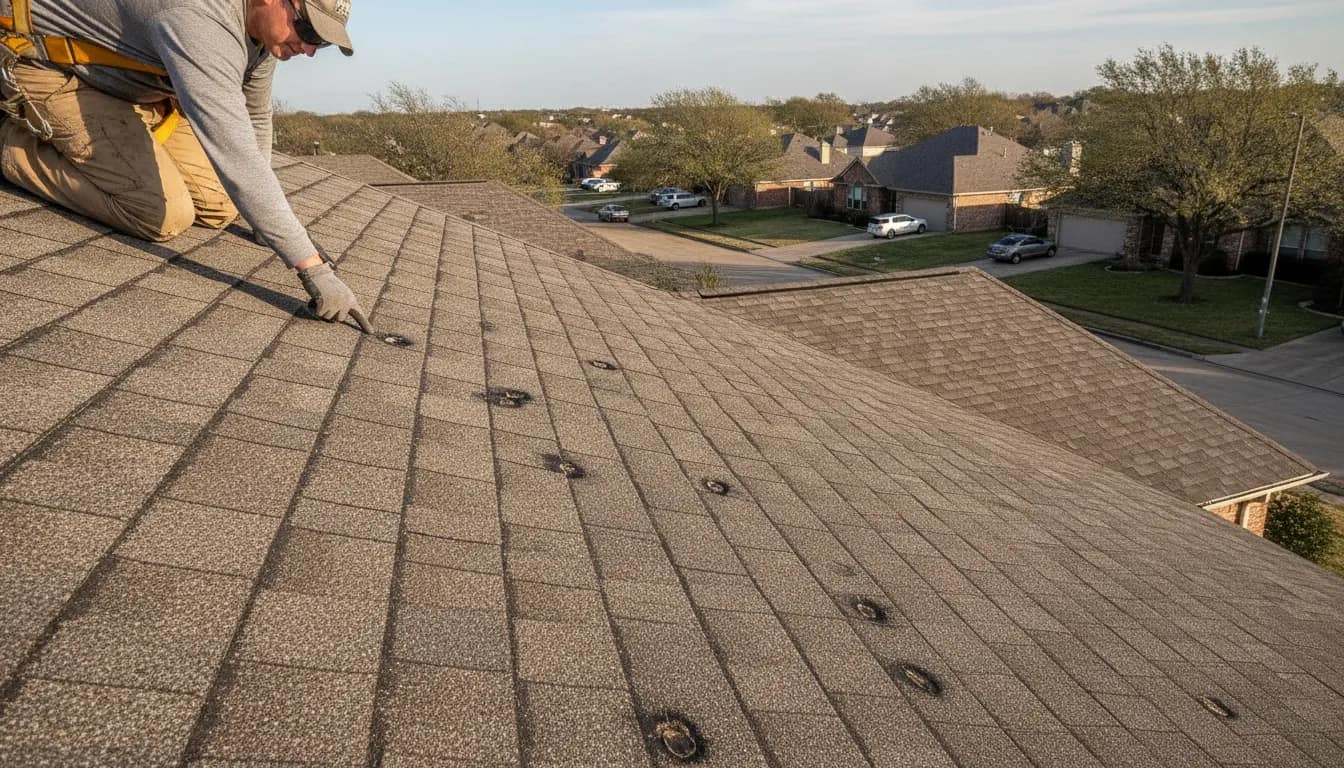
After a Texas hailstorm, a roof can look intact from the ground while small impact marks are already weakening the surface. On asphalt shingles, the most useful clues are often dark, scattered bruises, missing granules, shallow dents, or cracks. Hail damage does not follow a neat pattern, and its severity depends on the hail's size, shape, density, and speed.
Schedule a free hail damage inspection with Elevation Roofing & Restoration.
So, what does hail damage look like on a roof? Look for random dark bruises or dents, areas where granules have been knocked away, cracked shingles, and dents in soft metal around vents or flashing. Tile may split or shift, while metal roofing can show dimples or finish damage.
Knowing what to look for helps you spot warning signs without guessing at the cause. The first step is to understand how common shingle impact marks appear and why even subtle damage deserves attention.
What Does Hail Damage Look Like on a Roof?
On asphalt shingles, hail damage can be easy to miss from the ground. Look for dark bruises, shallow dents, or soft spots where the impact has compressed the shingle. The protective granules may be missing from the affected area, exposing the darker asphalt layer underneath. Some impacts also leave cracks or splits that become more noticeable as the roof weathers.
The marks usually do not form a neat line or repeat in a consistent direction. Hail impacts are commonly scattered across the roof surface without a discernible pattern. That random placement is one reason a quick glance at a single roof edge may not tell the full story. A careful inspection should compare multiple slopes and examine areas around roof penetrations, not just the most visible shingles.
- Dark, round or irregular bruises in the shingle surface.
- Small dents or soft spots that feel different from surrounding shingles.
- Missing granules with black asphalt visible beneath.
- Cracked, split, or fractured shingle tabs.
- Loose granules collected in gutters or at the base of downspouts.
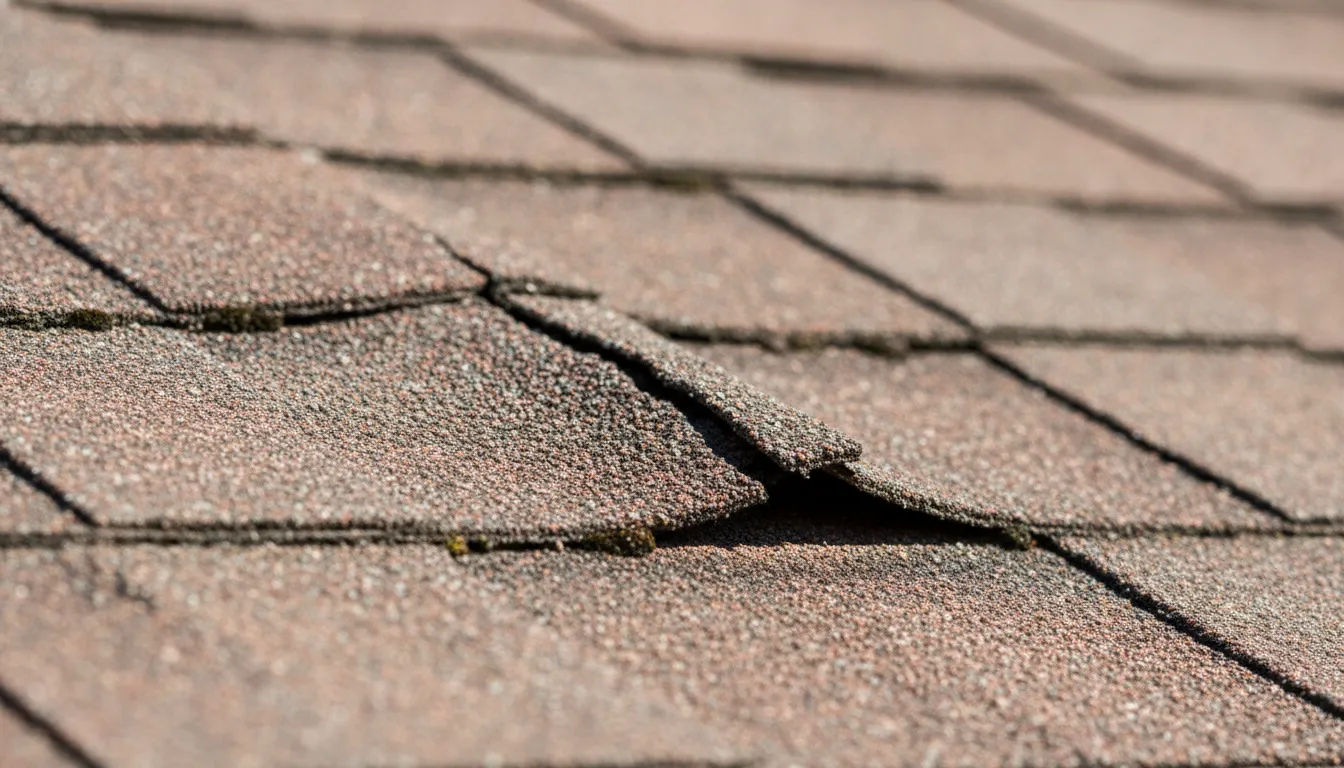
Hailstones can range from pea-sized to softball-sized, and the damage they cause depends on more than diameter alone. Shape, hardness, density, and fall velocity all affect the force of an impact. Roofing material, age, support, and temperature also influence how much hail is needed to cause damage. So the absence of large holes does not automatically mean the roof is unharmed. Travelers explains that hail damage may include bruising and granule loss, while roofing research from Penn State documents why damage thresholds vary by material and conditions.
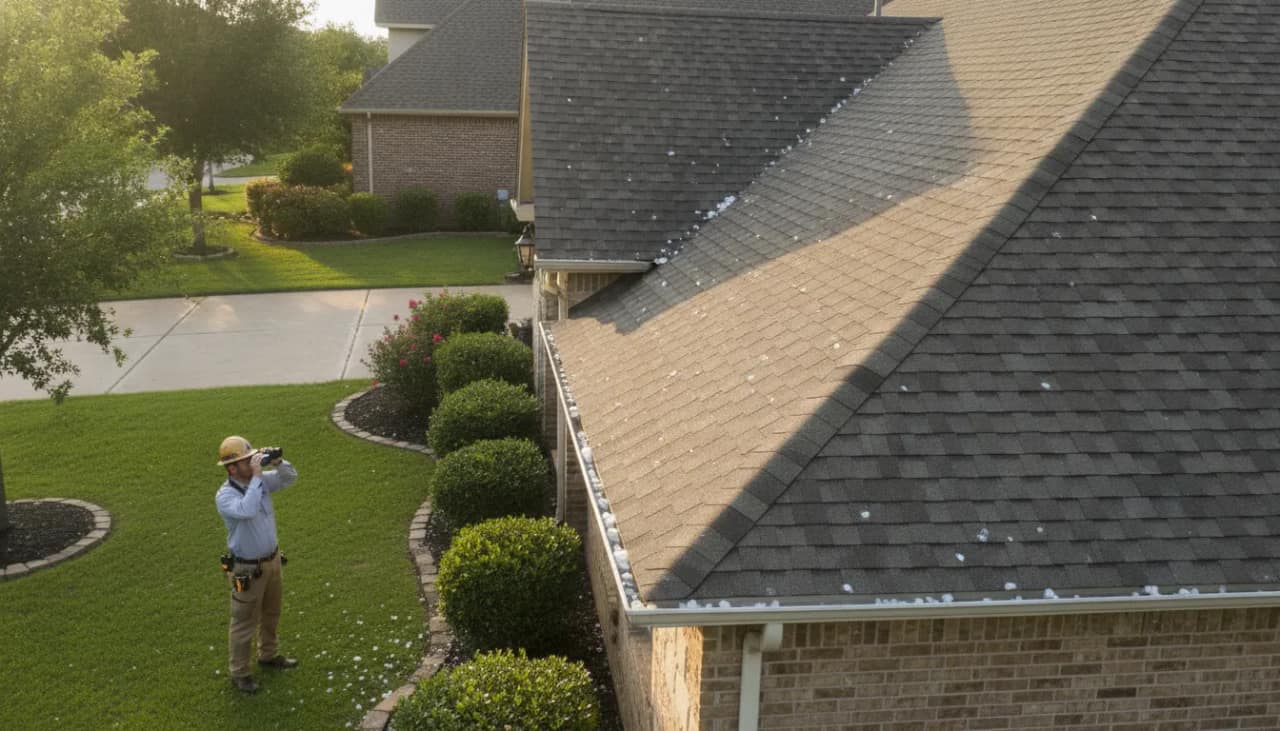
For Houston and Austin homeowners, the practical next step is to avoid walking on the roof unless you are trained and equipped to do so. From the ground, use binoculars to look for irregular dark marks, exposed asphalt, and damaged edges. Then review Elevation Roofing's roofing services to learn how a professional inspection can identify damage that is not obvious in a ground-level check.
How Hail Damages Tile and Metal Roofs Differently
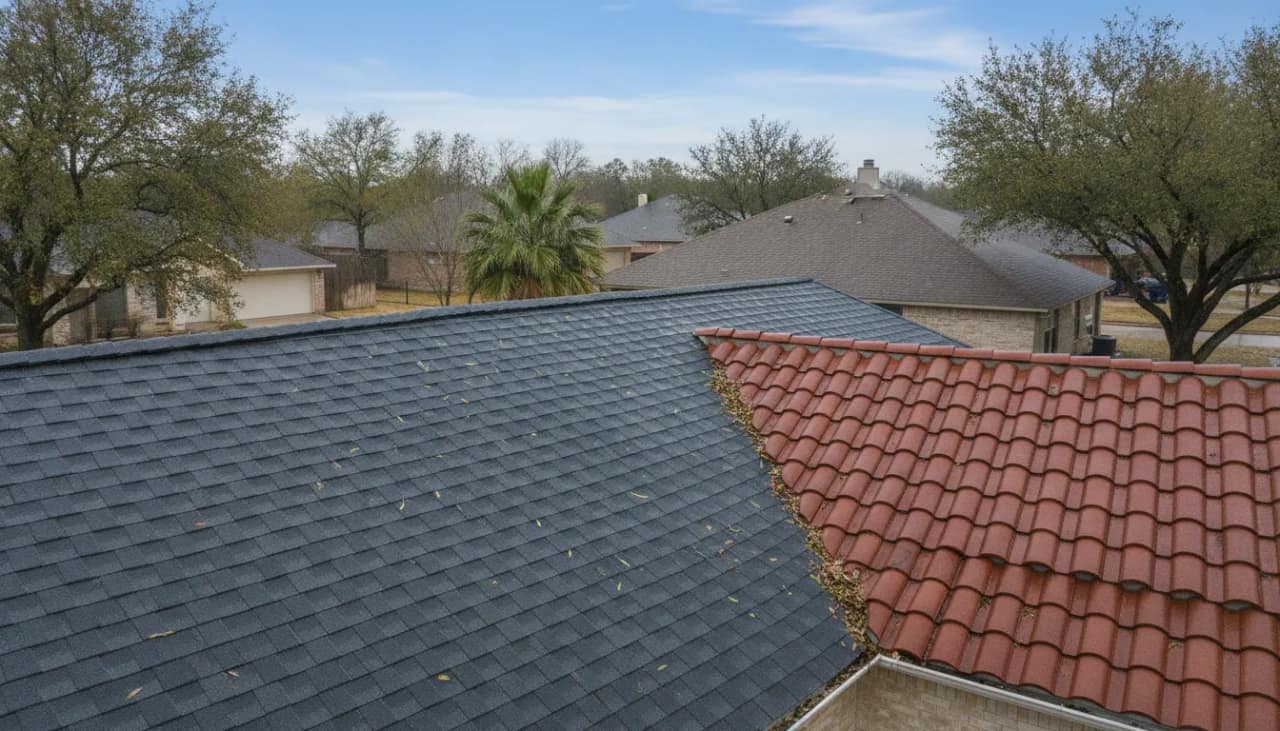
Tile and metal roofs can both withstand demanding Texas weather, but hail leaves different clues on each surface. The size of the hailstone is only part of the picture. Damage also depends on the stone's shape, density, and speed, along with the roof's material, age, support, and temperature. That is why there is no single hail size that guarantees damage to every roof. Research on hail and roofing products documents this variation across materials.
On tile roofing, impact may crack or split an individual tile. A tile can also shift out of position, leaving gaps or exposing the underlayment below. Small cracks are easy to miss from the ground, especially when they occur along a tile's edge, ridge, or overlapping section. Granule loss or fresh chips on the tile surface can add another clue. If you are evaluating a tile roof, review Elevation Roofing's tile roofing services for context on the material and its maintenance needs.
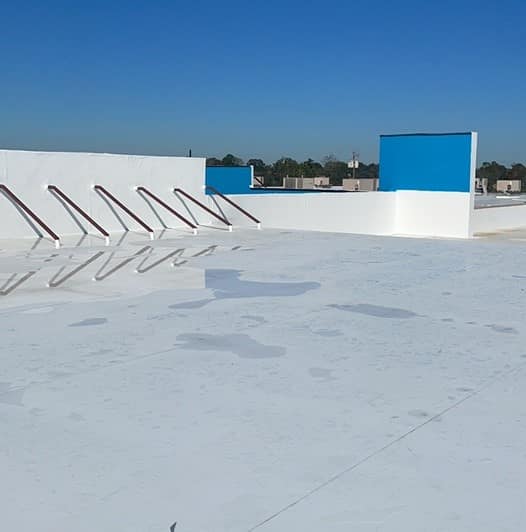
Metal roofing usually shows hail impact as round or irregular dents and dimples. The depression may be shallow, but it can still damage the coating or finish. Once that protective finish is compromised, the affected area may become more vulnerable to corrosion and reduced long-term durability. Dents around seams, fasteners, flashing, vents, and roof edges deserve careful attention because those areas already play an important role in keeping water out.
Texas uses a roofing-product impact-resistance classification from 1 to 4, a system shaped in part by the state's substantial annual insurance losses from hail. However, an impact-resistance rating does not mean a roof is impossible to damage. After a storm, look for these material-specific signs:
- Tile: cracked, split, chipped, or shifted tiles; broken edges; and newly exposed areas beneath overlapping pieces.
- Metal: visible dents or dimples, scuffed coating, damaged seams, and finish changes around penetrations or edges.
- Both materials: damage may be scattered rather than neatly patterned, and some impacts may be hidden from a ground-level view.
| Roofing material. | Hallmark hail-damage signs. |
|---|---|
| Asphalt shingle. | Dark random bruises, missing granules exposing black asphalt, shallow dents, cracked or split tabs. |
| Tile. | Cracked, chipped, or split tiles; shifted pieces exposing underlayment; broken edges. |
| Metal. | Dents or dimples, scuffed coating, damaged seams, and finish changes near fasteners and edges. |
Avoid walking on tile, and do not assume a metal roof is unaffected because its panels remain intact. A professional inspection can distinguish cosmetic marks from damage that affects weather protection and future durability.
Where to Look for Hail Damage on Your Roof
Hail damage is not always concentrated in one obvious area. Because hailstones strike at different angles and bounce across the roof, damage is often scattered randomly throughout the roof surface. One cluster of dark marks does not prove that the rest of the roof is unaffected, and a clean-looking section does not rule out damage elsewhere.
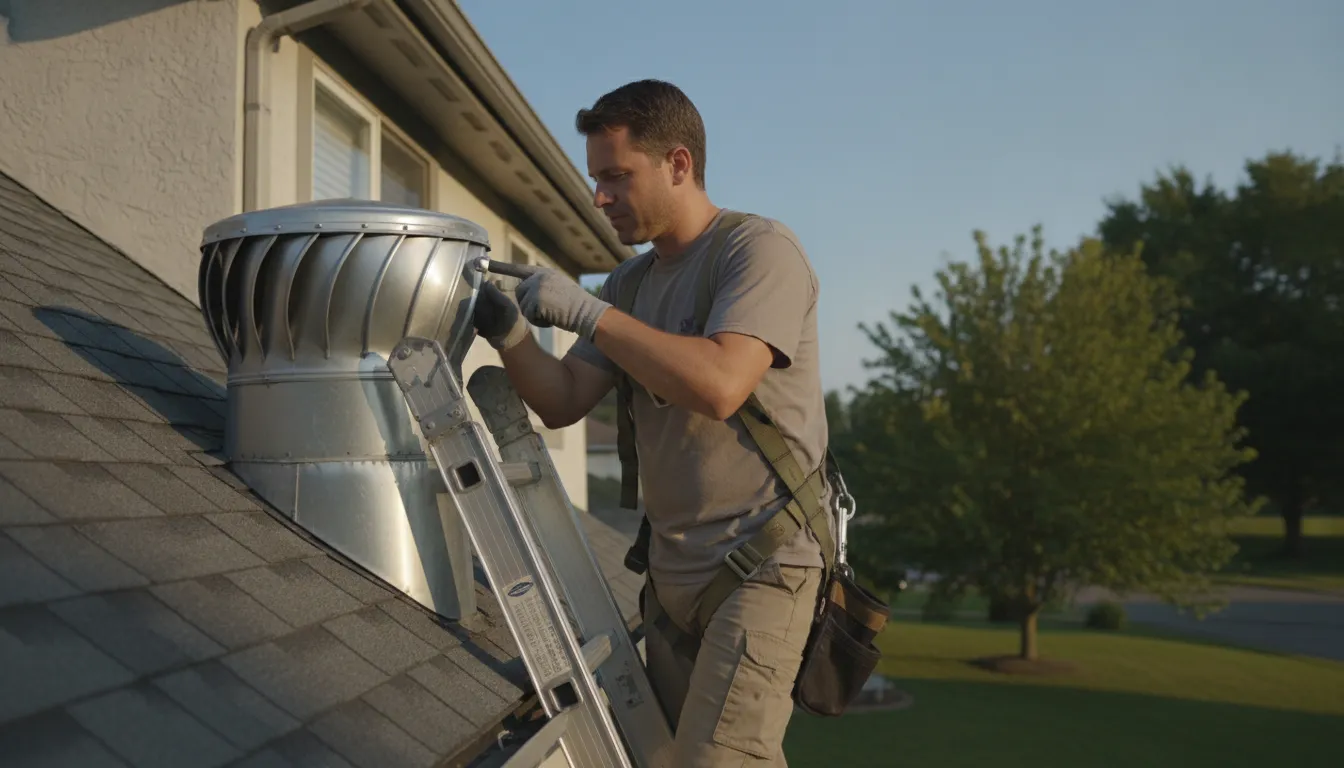
Start with the components that provide the clearest visual clues. Soft metal bends and dents more easily than roofing materials, so vents, flashing, gutters, and downspouts can help you identify whether a storm produced damaging impacts. Check these areas from the ground first, using binoculars if needed. Look for fresh dimples, sharp dents, chipped finishes, or metal that appears newly distorted.
Inspection areas to check
- Shingle field: Scan for scattered dark bruises, exposed spots where granules have been knocked loose, and cracked or displaced shingles.
- Ridge: Examine the raised cap shingles for dents, cracks, or missing granules along the edges and exposed surfaces.
- Vents: Look for dents or punctures in the metal or plastic housings. Metal vents are especially useful indicators because impacts are easy to see.
- Flashing: Check the metal around chimneys, walls, valleys, and roof penetrations for new dents or damaged finish.
- Gutters and downspouts: Inspect for dents, then look inside the gutters for an unusual buildup of loose shingle granules after the storm.
- Valleys: Check these channels for concentrated granule loss, exposed areas, or damaged shingles. Do not climb onto the roof unless you can do so safely.
Granules in the gutters can support the case for impact damage, but they are not proof by themselves. Granules may loosen as shingles age, while hail damage can remain subtle from ground level. Homeowners in Houston, Austin, and surrounding communities can review Elevation Roofing's service locations or explore gutter and other exterior services when evaluating storm-related concerns.
How to Inspect for Hail Safely, Step by Step
More than 75 percent of cities in the continental United States experience at least one hailstorm each year. So a careful post-storm check is worthwhile for Houston and Austin homeowners. You can learn a great deal without climbing onto the roof. The goal is to document visible clues and identify signs that deserve a professional review. Not to put yourself in danger or make a final damage determination from the ground.
- Start at ground level. Walk around the property and look at gutters, downspouts, siding, window screens, and outdoor equipment for fresh dents or impact marks. Check the roof edges with binoculars if available. Look for scattered dark spots, exposed areas, or loose granules, but do not assume every mark is hail damage.
- Check drainage components and roof penetrations. Examine the gutters and the ground below downspout outlets for unusual amounts of shingle granules. From the ground, inspect vents, flashing, and other exposed metal for new dents or dimples. You can also look from a safe window or nearby balcony. Never climb a wet, steep, or visibly damaged roof.
- Inspect the attic from a safe position. Look beneath the roof deck for active drips, damp insulation, water stains, daylight, or darkened wood. Use a flashlight and stay on a stable floor surface. Do not crawl across unsupported areas or touch electrical components near moisture. A missing stain does not prove that the roof is undamaged, since some impact damage remains hidden.
- Record the storm and what you find. Note the date of the hailstorm, approximate duration, and areas of the property that appear affected. Take clear photos from the ground, attic, and other safe viewpoints. Keep the images with any weather alerts, repair records, or maintenance documents. Avoid walking on shingles to get a closer picture, because foot traffic can cause additional damage.
- Call a qualified roofing professional for a full inspection. If you see dents, bruises, cracks, granule loss, leaks, or other changes, arrange a multi-point inspection. A professional can safely evaluate roof surfaces, flashing, penetrations, drainage, and less obvious damage. Call Elevation Roofing & Restoration at (832) 271-1726 to schedule a roof inspection and estimate.
Safety comes first throughout the process. If conditions are wet, access is difficult, or you are unsure what you are seeing, stay off the roof and let an experienced inspector evaluate it.
Why a Professional Hail Damage Inspection Matters
Hail damage is not always obvious from the ground. A roof may look intact after a storm while individual shingles have small bruises, subtle granule loss, or damage around flashing and roof penetrations. These details are easy to overlook, especially when sunlight, roof height, and viewing angle make surface changes difficult to see.
Minor-looking bruises still deserve attention. When impact removes the protective granules and exposes the asphalt mat beneath, ultraviolet light can accelerate shingle deterioration. The result may not be an immediate leak. Instead, the affected area can wear faster over time, shortening the dependable service life of the roofing material.
What a trained inspector can catch
A professional inspection examines the roof as a system rather than focusing only on the most visible marks. An inspector can look for patterns of impact across different roof slopes, check vulnerable details, and compare questionable areas with undamaged materials. The inspection should also account for the roofing type. Shingles may show indentations, soft bruises, missing granules, or cracks, while metal roofing may have dents or dimples that compromise its finish. Tile requires careful attention to cracks, breaks, and displaced pieces.
- Subtle bruising that is not visible from the yard.
- Granule loss that exposes the underlying asphalt mat.
- Damage near vents, flashing, edges, and other roof details.
- Impact marks on metal components and related exterior surfaces.
Elevation Roofing & Restoration performs a comprehensive, multi-point inspection for homeowners in Houston, Austin, and nearby Texas communities. As an Owens Corning and GAF Certified contractor, the company can document observed conditions clearly and help homeowners understand what requires attention without relying on guesswork.
When a storm may have affected your home, Elevation can also handle the insurance assessment, paperwork, and coordination with the adjuster. For background on the process, review this Texas hail roof insurance claim guide, then schedule a free hail damage inspection before hidden damage has more time to deteriorate.
Call Elevation Roofing & Restoration at (832) 271-1726 to schedule your free inspection today.
Frequently Asked Questions About Hail Damage
What does hail damage look like on a roof?
On asphalt shingles, hail damage often appears as dark, random bruises or shallow indentations where protective granules have been knocked loose. You may see exposed black asphalt, cracked shingles, or small areas that feel soft when viewed by a qualified inspector. Damage can be subtle, especially when the roof is wet or viewed from the ground.
Does hail damage on a roof have a specific pattern?
Usually, no. Hail impacts are generally scattered randomly across the roof rather than arranged in a consistent directional path. A professional inspection should check multiple roof slopes, edges, vents, flashing, gutters. And downspouts because visible damage in one area does not show the full extent of the impact.
Are dented metal vents a sign of hail damage?
They can be. Dents or dimples on soft metal components, including vents, flashing, gutters, and downspouts, may indicate hail impact. These marks are useful clues, but they do not prove that the shingles or underlayment are damaged. A multi-point inspection can evaluate the roof covering and related components together.
What happens if granules are knocked loose by hail?
Granule loss exposes the asphalt layer beneath the shingle surface. Elevation Roofing advises having even minor bruises assessed because exposed asphalt can deteriorate faster under ultraviolet light, shortening the shingle's service life and increasing the risk of future problems.
Do I need to get on my roof to check for hail damage?
No. From the ground, look for granules in gutters, dents on metal components, and visibly bruised or cracked shingles. Do not climb a steep, wet, or damaged roof. A qualified roofing professional can inspect elevated areas safely and identify damage that is difficult to see from the ground.
Ready to Schedule Your Free Roof Inspection?
Hail damage can be easy to miss from the ground, especially when small bruises or impact marks are scattered across the roof. A professional inspection can help you understand what your roof needs before you make repair decisions. Schedule your free roof inspection and estimate with Elevation Roofing & Restoration, or call (832) 271-1726 to talk with the team about the next step.