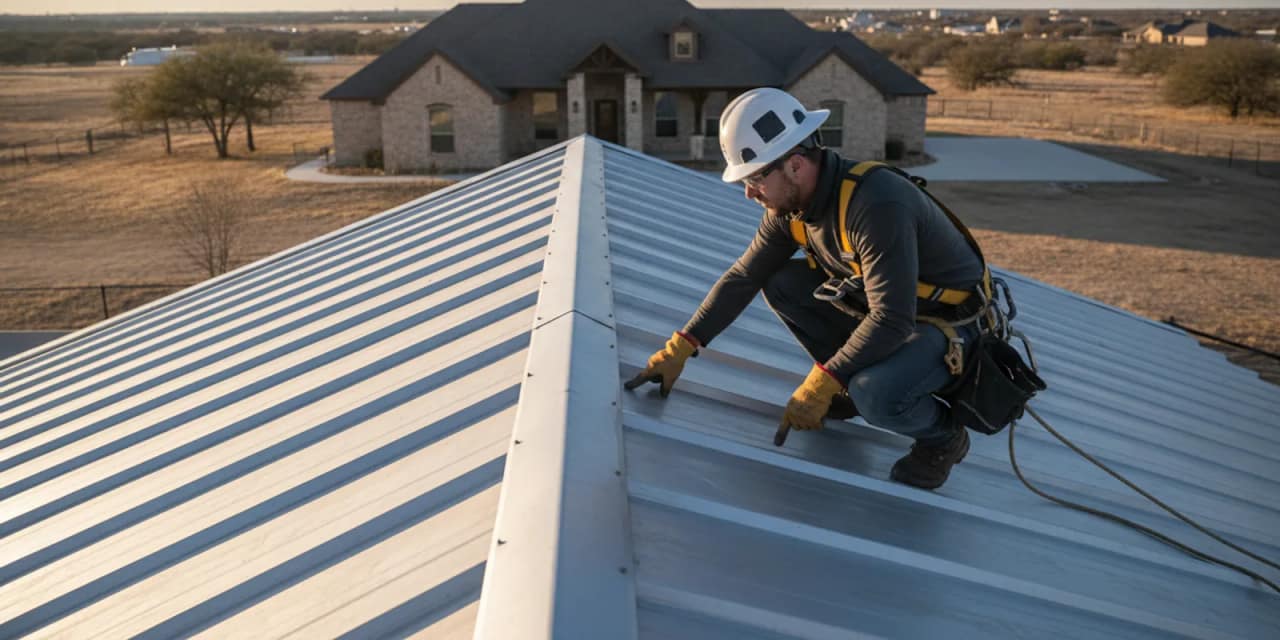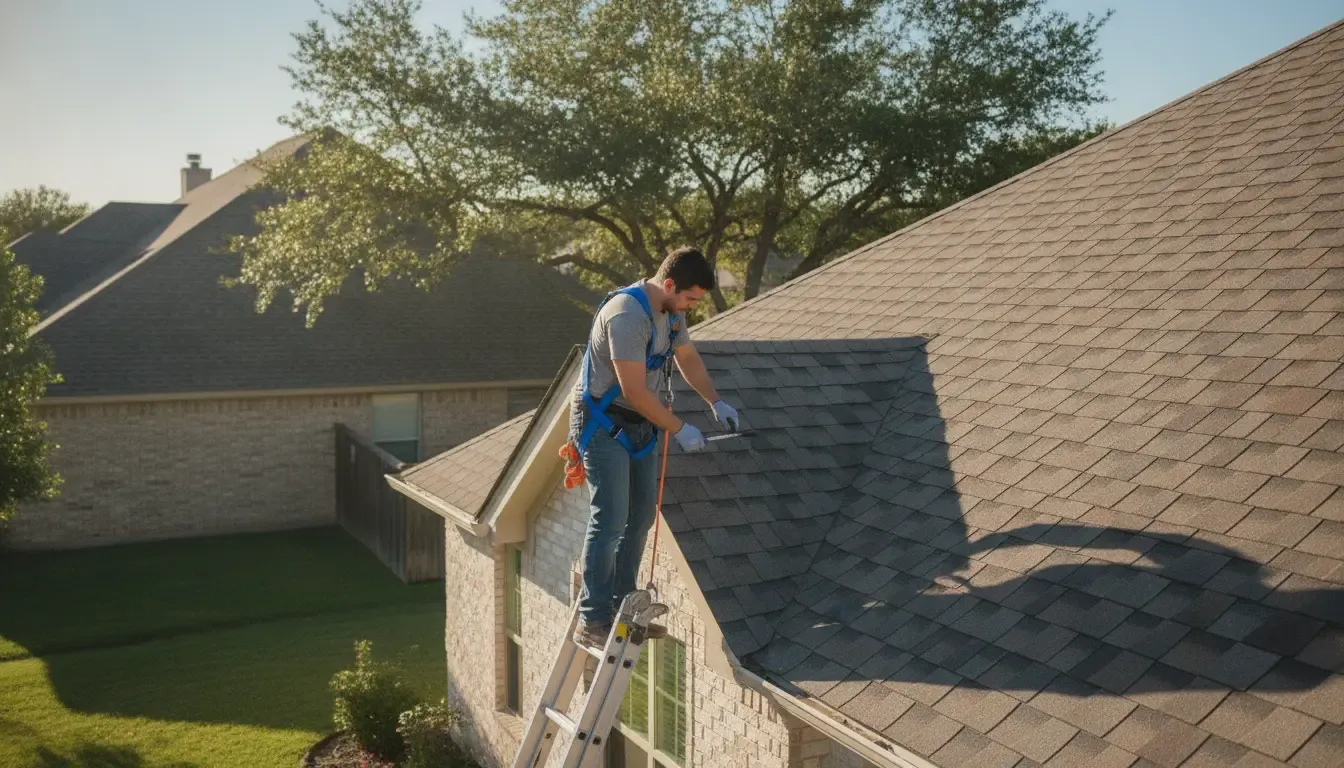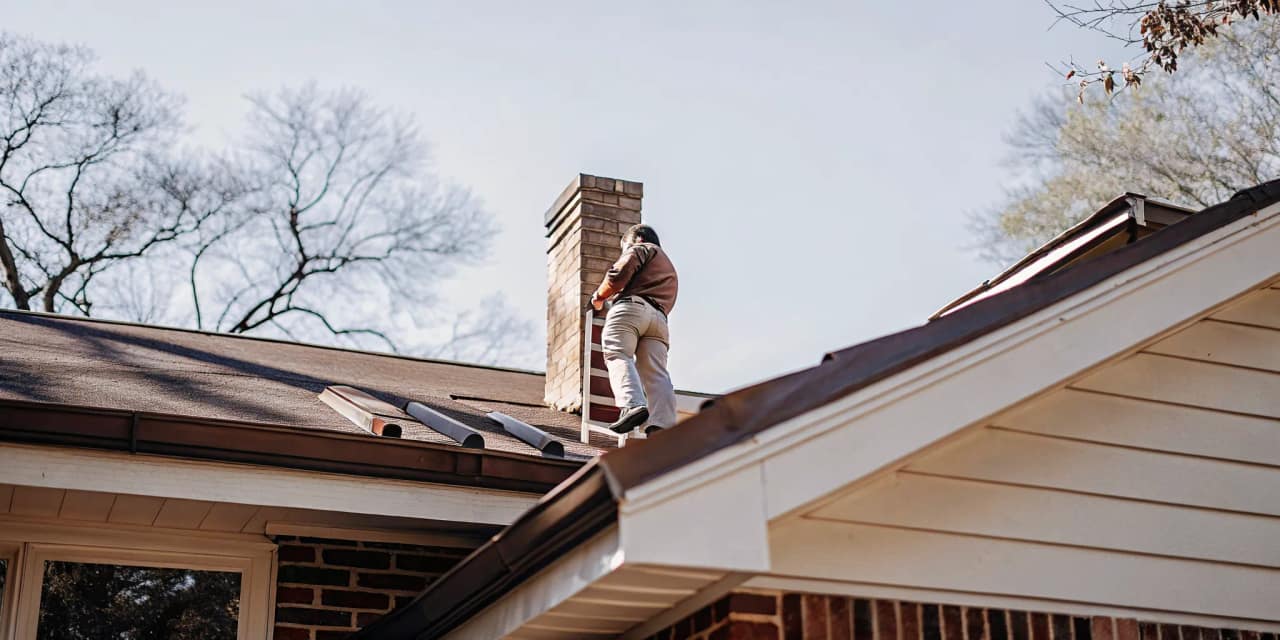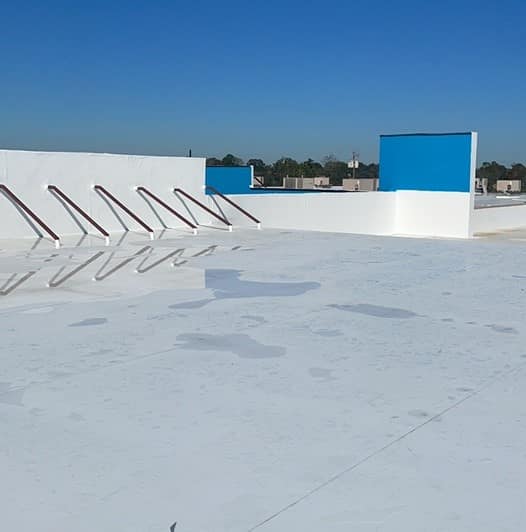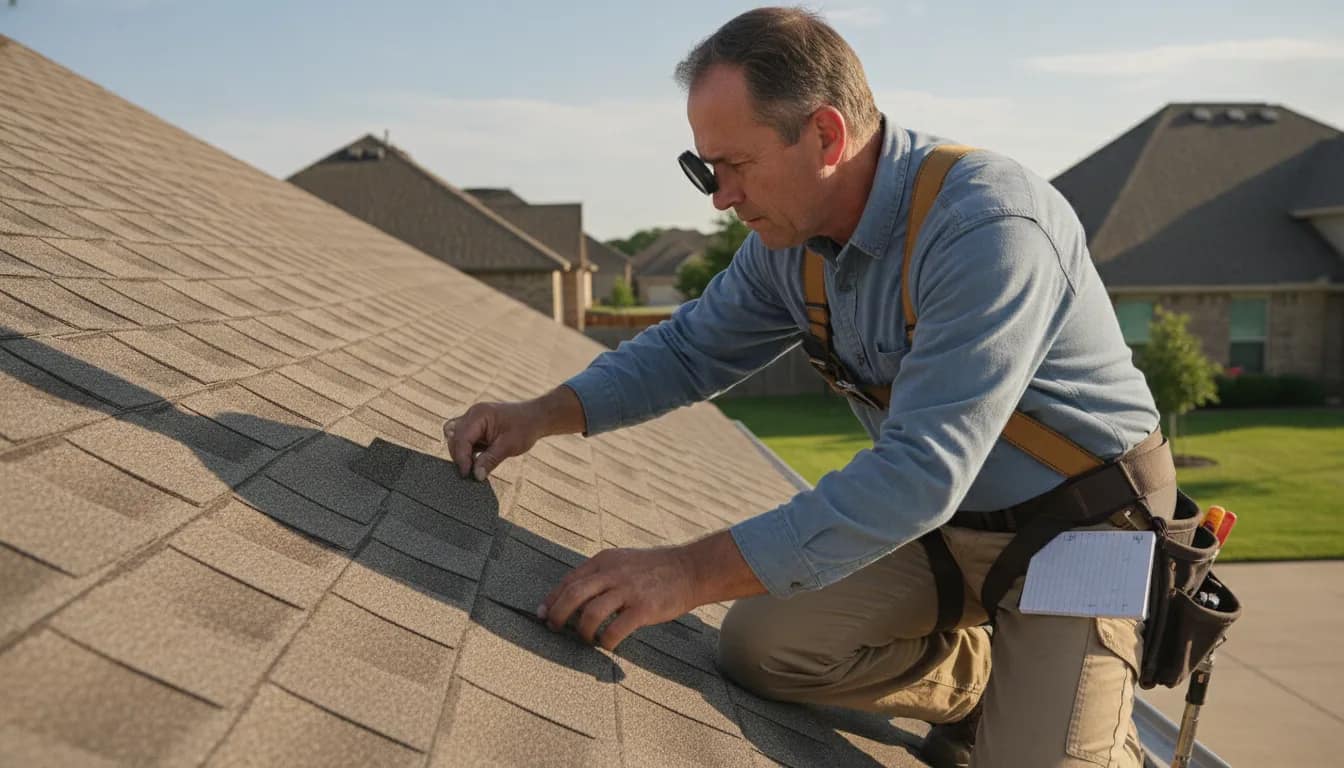
A free roof inspection can reveal roofing problems before they become an active leak or a rushed repair decision. For homeowners and commercial property owners in Houston and Austin, a professional assessment can document visible damage. It can also identify maintenance needs and signs of moisture after Texas heat, hail, wind, or heavy rain.
Call Elevation Roofing & Restoration at (832) 271-1726 to schedule a complimentary inspection.
Yes, a free roof inspection can be worth it when it gives you an honest, documented view of your roof's condition without pressuring you into unnecessary work. A qualified inspection can identify visible damage, maintenance concerns, and signs of hidden moisture so you can make a more informed decision about repairs, replacement, or continued upkeep.
The value depends on what the inspector examines, explains, and documents. Understanding the practical benefits of an inspection makes it easier to judge whether the visit provides useful information for your property.
Why Is a Free Roof Inspection Worth It?
A roof can look acceptable from the ground while small defects develop into moisture intrusion, damaged decking, or interior problems. A professional inspection gives you a clearer picture before those issues become urgent. That information is useful whether you are maintaining a relatively new roof, planning a repair, or deciding whether replacement is actually necessary.
Texas weather makes early awareness especially practical. Heat, hail, high winds, and windblown debris can affect shingles, flashing, drainage components, and other parts of the roofing system. Not every storm creates visible damage, and not every roof problem starts with a dramatic leak. An inspection can identify cracked shingles, damaged flashing, or blocked gutters while the problem is still easier to address. The Oregon State University Extension guidance on home inspections explains how routine checks can help identify moisture and structural concerns before they cause costly damage.
It supports better repair and replacement decisions
An inspection is not a promise that your roof needs work. Its value is the evidence it provides. If the roof is serviceable, a written assessment can give you confidence in continuing routine care. If an issue is present, finding it early may allow a targeted repair instead of waiting until water reaches ceilings, insulation, walls, or other interior areas. Research summarized in the MIT Building Digest on roof maintenance identifies routine inspection and maintenance as important ways to extend roof life and avoid premature replacement.
A useful inspection should leave you with practical next steps, not pressure to approve a project immediately. Ask what was observed, which items deserve attention first, and what documentation supports the recommendation. For homeowners and commercial property owners alike, that record can also help organize future maintenance and provide a baseline for comparing conditions after severe weather.
- Find small defects before they contribute to a larger leak or hidden moisture problem.
- Separate routine maintenance needs from issues that require prompt repair.
- Build a written record of the roof's condition and recommended next steps.
- Make a more informed decision about repair, continued maintenance, or replacement.
The inspection itself is only one part of protecting a roofing system. Pairing professional assessments with regular roof maintenance helps keep drainage, materials, and vulnerable details on your radar. A free inspection can be worth it because it replaces guesswork with information, while leaving the property owner in control of what happens next.
What Does a Professional Roof Inspection Include?
A professional inspection is more than a quick look at the shingles from the driveway. The inspector evaluates the roof as a connected system, noting visible wear, possible water entry points, ventilation concerns, and conditions around the edges of the building. The goal is to give you a clear picture of what is sound, what needs attention, and what should be monitored.
Roof surface, shingles, and flashing
The inspection typically starts with the roof surface. A trained professional looks for curling or damaged shingles, missing material, exposed fasteners, granule loss, loose components, and other signs of wear. The inspector also examines the roof deck where it is accessible and checks transitions, valleys, penetrations, and areas where different materials meet. Subtle damage can be easy for an untrained eye to miss, especially when it has not yet produced an interior leak.
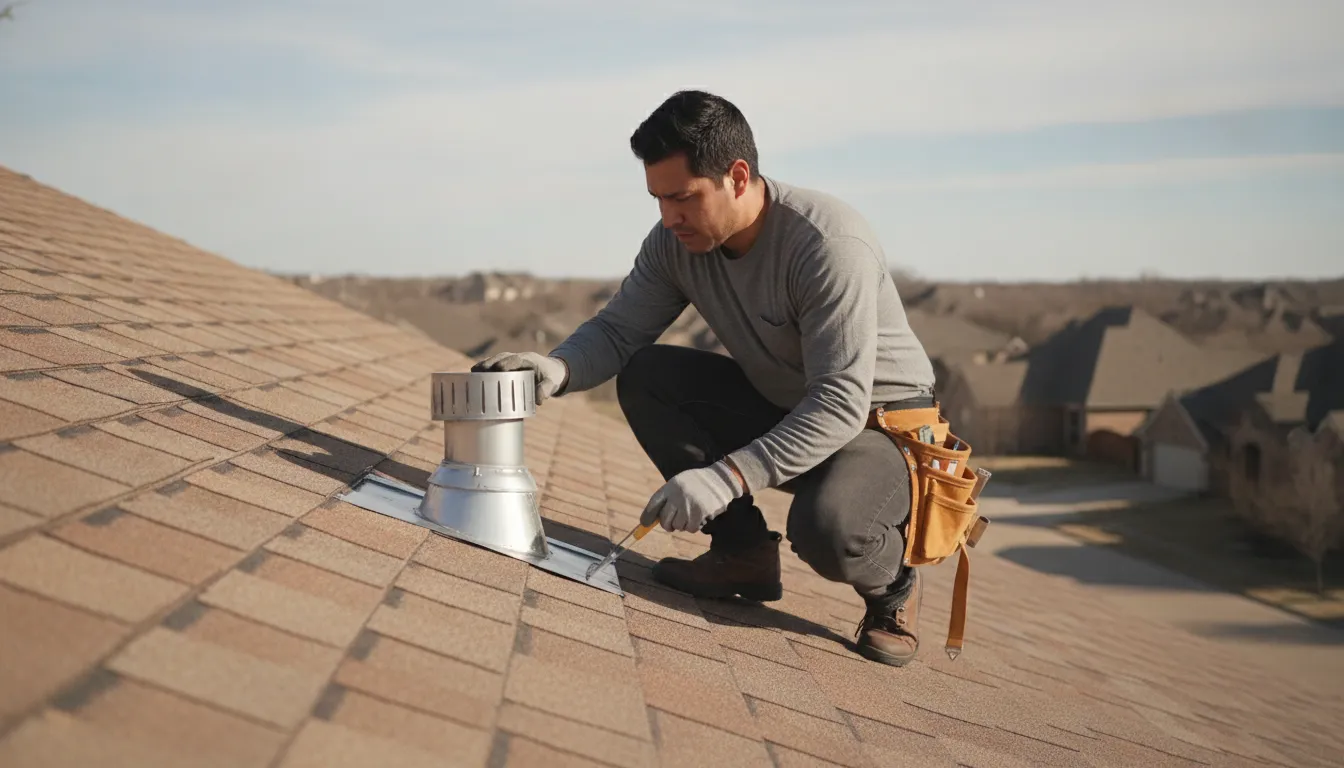
Flashing receives close attention because it helps direct water away from vulnerable points. Inspectors check flashing around roof-to-wall transitions, vents, chimneys, skylights, and other penetrations for gaps, lifting, corrosion, or damage. A professional assessment can also distinguish ordinary aging from conditions that may require timely professional roof inspection and repair.
Ventilation, fascia, soffits, and drainage
A complete inspection includes the ventilation system, not just the outer roofing material. The inspector looks for blocked or damaged vents and considers whether the attic has signs of inadequate airflow. Ventilation problems can contribute to moisture accumulation and premature material deterioration, so they belong in the overall roof assessment.
The roof edge is inspected as well. Fascia and soffits are checked for rot, staining, separation, pest entry, and other visible damage. Gutters, downspouts, drains, and nearby discharge points are reviewed for blockages, sagging, loose connections, or poor drainage. Routine checks of roofing materials, gutters, and downspouts are part of comprehensive home safety inspections, according to North Carolina State University Extension.
- Roof slopes, shingles, seams, valleys, and exposed roof components.
- Flashing around penetrations, walls, chimneys, and other transitions.
- Vents, soffits, fascia, gutters, downspouts, drains, and water-shedding paths.
Attic clues, moisture indicators, and documentation
When access is available, the inspector checks the attic or interior areas beneath the roof. Water stains, damp insulation, musty odors, discolored wood, mold-like growth, and light visible through the roof deck can point to moisture intrusion. Interior evidence does not always identify the exact entry point, since water can travel along framing before appearing on a ceiling or wall. That is why exterior findings and interior clues should be considered together.
You should also expect useful documentation rather than a vague verbal opinion. A thorough inspection report should describe observed conditions, identify priority concerns, and include clear photographs when appropriate. Written records help you track maintenance and compare future changes. They can also support conversations with an insurance carrier after storm damage, although an inspection does not guarantee a claim decision or replace the insurer's own process. The best outcome is a factual record that helps you make a measured repair, maintenance, or replacement decision.
When Should You Schedule a Roof Inspection in Houston or Austin?
Timing matters because roof damage is not always visible from the ground. In Houston and Austin, schedule an inspection after hail, high winds, or heavy rain, even if you do not see an active leak. A professional can look for impact marks, lifted or missing shingles, damaged flashing, and other changes before they worsen. Post-event inspections also help establish whether a problem is recent storm damage or older wear, which is important when you are deciding what to do next.
Research on post-event building assessments supports a prompt visual review after severe weather because it helps property owners identify conditions and prioritize repairs. The North Carolina Department of Insurance recommends caution with storm-related roofing offers, so choose the inspector yourself and request clear documentation rather than accepting pressure from an unsolicited visitor.
After Hail, High Winds, or Heavy Rain
Arrange an inspection once conditions are safe and the roof can be assessed properly. Hail may leave bruising or granule loss that is difficult to spot, while wind can loosen roofing components without creating an immediate opening. Heavy rain may expose drainage or flashing problems through ceiling stains, damp insulation, or recurring leaks. An inspection is not a substitute for emergency safety precautions, but it gives you a clearer starting point for repairs and records.
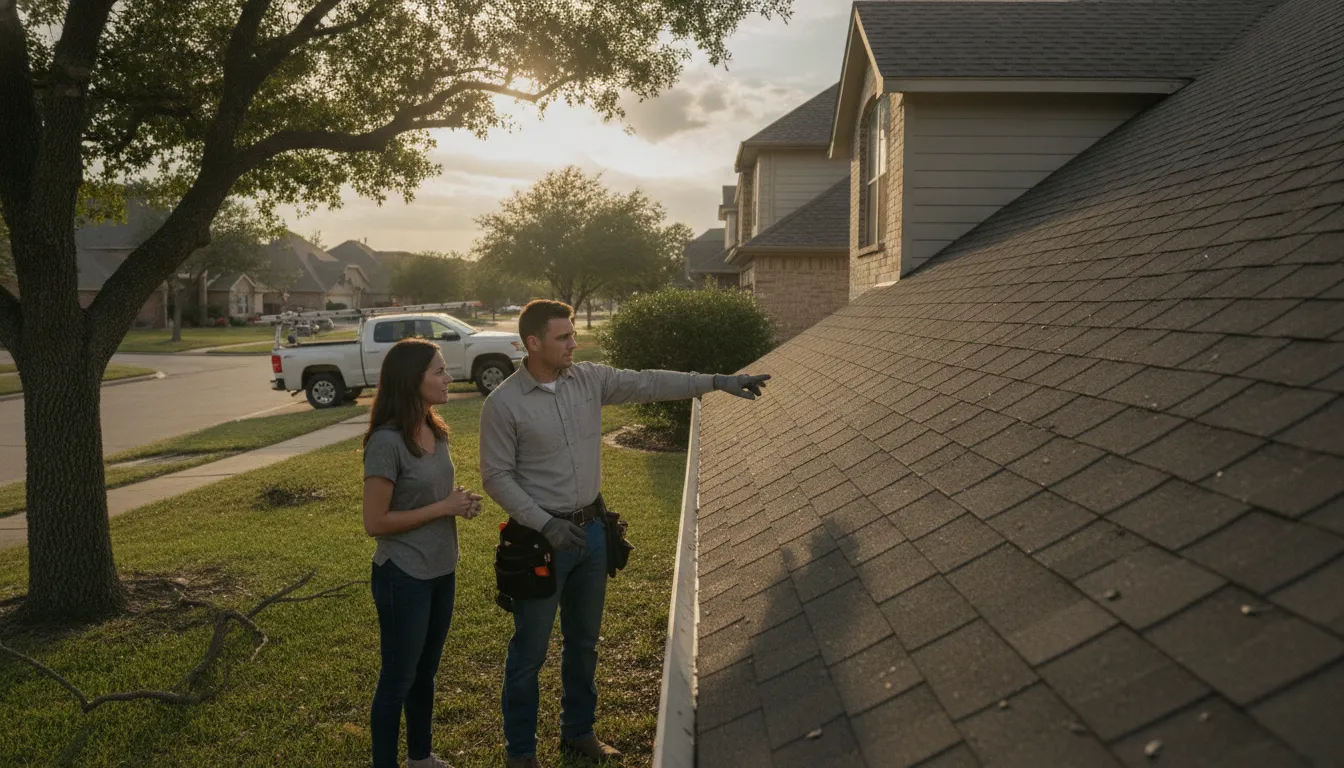
If a storm has affected your property, avoid climbing onto the roof yourself. From the ground, note visible changes and any interior moisture, then share those observations with the professional. The inspection should distinguish pre-existing wear from storm-related damage instead of treating every defect as a new claim issue.
When You Notice Symptoms or Plan a Sale
Do not wait for a major leak. Schedule an inspection when you notice curling shingles, missing granules, damaged flashing, blocked gutters, water stains, musty odors, or unexplained moisture in an attic or upper room. These symptoms do not prove that the entire roof needs replacement. They do indicate that a closer assessment can help identify the source and prevent a small concern from becoming interior damage.
An inspection is also useful before buying or selling a home. Sellers can address documented issues and provide prospective buyers with a more accurate picture of the property's condition. Buyers can use the findings to understand maintenance needs and make informed decisions before closing. Written documentation is especially valuable when comparing repair priorities over time.
As Part of Ongoing Maintenance Planning
You can schedule an inspection as part of regular maintenance planning, even when the roof appears to be performing normally. Routine reviews help reveal subtle damage and give you a practical record of the roof's condition. That information can support decisions about maintenance, repair, or eventual replacement without forcing a rushed response after a failure.
This applies to commercial buildings as well as homes. Flat or low-slope systems can conceal defects, and business owners may need to plan work around tenants, equipment, or operating hours. Elevation Roofing provides inspection, maintenance, and repair services for residential and commercial properties. Visit the Houston and Austin service areas page to see where the team works and request a free roof inspection when an assessment would help you plan with confidence.
How Can You Evaluate a Free Roof Inspection?
A free inspection can be useful when it gives you a clear, honest picture of your roof rather than pushing you toward work you do not need. The word "free" describes the initial assessment, not the quality of the process. Before scheduling, ask what the inspection covers, who will perform it, what you will receive afterward, and whether you can take time to consider the findings.
A legitimate roofing professional should be comfortable explaining the scope in plain language. The visit may identify visible damage, maintenance concerns, or signs that deserve closer review. It should not be presented as a guarantee of an insurance payment or a predetermined replacement recommendation. For storm-related concerns, the North Carolina Department of Insurance warns property owners to be cautious of unsolicited free-roof offers, particularly after severe weather.
| What to evaluate | What a trustworthy inspection should show | Questions to ask |
|---|---|---|
| Scope | A clear explanation of the roof areas and related components being assessed, along with the limits of a visual inspection. | Will you inspect the shingles, flashing, ventilation, gutters, and visible signs of moisture? Will you explain anything that cannot be confirmed? |
| Credentials | Company information, insurance details, and relevant professional certifications that can be verified before work begins. | Who is performing the inspection? Can I verify your insurance and certifications? Are you licensed or registered as required for this work? |
| Documentation | Written findings supported by clear photos or other specific observations, not only a verbal claim that the roof is failing. | Will I receive the inspection results in writing? Which photos show damage, and which show normal wear or maintenance needs? |
| Communication | Direct answers, understandable explanations, and enough time to ask questions without pressure to sign immediately. | Can I review the findings before deciding? Are you asking for payment or a contract before providing the inspection details? |
| Next steps | A practical distinction between urgent concerns, recommended repairs, routine maintenance, and conditions that can be monitored. | What needs attention first? Is repair appropriate, or is replacement only one option? What should I do if I want a second opinion? |
Documentation matters even when no immediate repair is needed. It gives you a reference point for future maintenance and can help distinguish existing wear from newer storm damage. However, an inspection report is not the same as an insurance decision, and a roofing company cannot promise how a claim will be handled.
Look for a provider whose process matches its public reputation. Reading the company's customer reviews can help you assess communication and follow-through. Elevation Roofing & Restoration provides residential and commercial inspections with the goal of delivering an honest, thorough assessment. Compare the explanation with the written documentation. Choose the company that informs you instead of rushing you into a decision.
What Happens After the Inspection?
A roof inspection should leave you with more than a quick verbal opinion, whether the roof is on a home, office, retail property, or other commercial building. The next step is a clear explanation of what was observed, what deserves attention, and what can reasonably wait. A thorough, honest assessment is intended to help you make an informed decision about maintenance, repair, or replacement.
Before approving any work, ask for the findings in writing and make sure you understand the difference between an observed condition and a recommended solution. The process commonly includes these steps:
- Review the findings in plain language. The inspector should explain the roof's current condition without relying on unexplained technical terms. The discussion may cover damaged or aging shingles, flashing, drainage components, moisture indicators, or other areas that require follow-up. Ask the inspector to identify which observations are confirmed and which may need additional evaluation.
- Separate urgent concerns from routine maintenance. Not every defect requires the same response. Active water intrusion, compromised roof components, or conditions that could create a safety concern deserve prompt attention. Smaller areas of wear, blocked drainage, or maintenance items may be handled as part of a planned repair schedule. A responsible inspection report should explain the reason for each priority without inventing a deadline or using fear to pressure you.
- Discuss repair versus replacement. If damage is present, ask why a repair is appropriate or why broader replacement may be under consideration. The recommendation should account for the condition and extent of the issue, not simply assume that every problem calls for a new roof. Elevation Roofing's full roofing services include installation, inspection, maintenance, and repair for residential and commercial properties, so property owners can review the relevant options in context.
- Collect supporting documentation. Request photographs, written observations, and any estimate or scope of work that follows the inspection. Keep these records with your property files. Written documentation creates a useful baseline for future maintenance and can help show the roof's condition at the time of assessment. Professional inspections should be formally documented for maintenance records and potential insurance discussions, as recommended by North Carolina State University Extension guidance at this home safety resource.
- Ask what insurance documentation can and cannot do. After a storm, inspection photos and notes may help document possible hail, wind, or debris damage. They can support a conversation with your insurance company, but they do not guarantee claim approval, coverage, or a replacement decision. An inspection can help distinguish newer storm-related damage from pre-existing wear, while the insurer determines coverage under the policy. Keep the report, images, repair estimates, and relevant storm information together, then contact your carrier for its requirements.
- Set a practical maintenance next step. If no immediate repair is needed, ask which areas should be monitored and what maintenance would help protect the roof. Depending on the findings, that may include addressing drainage concerns, tracking a small repair, or arranging a future checkup. A documented plan helps prevent a minor concern from disappearing until it becomes a leak. For ongoing care, review options for regular roof maintenance rather than waiting for visible interior damage.
You should be able to leave the conversation knowing what was inspected, what was found, and why a recommendation was made. If the report is vague, the scope changes without explanation, or you are pushed to sign immediately, pause and request clarification. A free roof inspection is most useful when it gives you understandable information and the freedom to choose the next step on your own schedule.
Frequently Asked Questions
Should I get a free roof inspection?
Yes, especially if you notice damaged shingles, flashing concerns, blocked gutters, interior moisture, or changes after severe weather. An inspection can clarify whether your roof needs maintenance, repair, or closer monitoring before a small issue becomes more costly. It can also give you written information for planning next steps. Routine inspection and maintenance are recognized ways to help extend roof-material service life, according to the MIT Building Technology digest: roof maintenance guidance.
How much does a free roof inspection cost?
A complimentary inspection has no upfront inspection fee, but you should confirm exactly what the provider includes before scheduling. Ask whether the assessment covers visible roofing components, flashing, ventilation, drainage, gutters, and documentation, and whether you are free to decline recommended work. A clear inspection should help you understand your roof's condition without pressure to authorize a replacement.
What should I receive after the inspection?
Expect a straightforward explanation of the findings, photographs or other documentation when available, and a discussion of priorities. The provider should distinguish routine maintenance from repairs and explain whether replacement appears warranted based on observed conditions. Written documentation is useful for maintaining property records and may support storm-damage discussions, although it does not guarantee an insurance decision.
How can I choose a trustworthy inspection company?
Verify the company's identity, insurance, credentials, and professional certifications before allowing an inspection. Be cautious of unsolicited free-roof offers after a storm, and compare the inspection scope rather than choosing solely on a promised outcome. The North Carolina Department of Insurance recommends checking credentials and being wary of predatory roofing offers: consumer roofing guidance.
Ready to Schedule Your Free Roof Inspection?
A professional inspection can help you understand your roof's current condition and decide what attention, if any, makes sense next. For a Houston or Austin property, schedule a complimentary assessment with Elevation Roofing & Restoration.