From the curb, a roof looks like a single surface, a field of shingles, metal panels, or tile. In reality, a roof is an engineered system made of layered components that each do a specific job. When all of them are installed correctly and work together, your roof can shrug off Houston's wind-driven rain, Austin's punishing UV, and the hail that arrives with almost every Texas spring. When even one layer is missing, undersized, or installed wrong, the whole system gets weaker and leaks find a way in. Understanding the anatomy of a roofing system helps you ask better questions, spot shortcuts, and protect one of the largest investments in your home.
Here is how a complete roof is built, from the structure up to the surface, and why each layer matters more in Texas than almost anywhere else.
1. The Roof Structure: Decking, Trusses, and Rafters
Everything starts with the skeleton. Trusses and rafters are the framed supports that carry the roof's load and give it shape and slope. Over that framing sits the roof decking (also called sheathing), usually plywood or OSB panels that form the flat surface every other layer attaches to.
The deck is the foundation of the entire system. If it is soft, rotted, or sagging, no amount of premium shingle on top will hold up. In Texas, decking damage often traces back to slow leaks, poor attic ventilation, or trapped humidity. That is why a thorough roof inspection always checks the deck, and why a roof replacement is the right time to replace any compromised sheathing before it gets buried under new material. If you have ever wondered why a roof starts to sag, the answer usually lives in this layer.
2. Underlayment: The Hidden Water Barrier
Directly on top of the deck goes the underlayment, a protective sheet that acts as the roof's backup waterproofing. If wind lifts a shingle or a storm drives rain sideways under the surface, underlayment is what stands between water and your attic.
Most quality roofers now use synthetic underlayment, which is lighter, stronger, and far more UV- and heat-tolerant than old-fashioned felt, a real advantage when attic temperatures climb past 140 degrees. Self-adhering ice-and-water shield is added in the most vulnerable spots, like valleys, eaves, and around penetrations, to seal tightly around nails. As a GAF Preferred Contractor and RhinoRoof-certified company, we install premium underlayment as standard, never as an upgrade. You can read more in our guide to roof underlayment.
3. Flashing: Sealing the Weak Points
Most roof leaks do not start in the middle of a shingle field. They start at the transitions and penetrations, where the roof meets a wall, a chimney, a skylight, a vent pipe, or a valley. Flashing is the metal that protects those joints and channels water back onto the roof surface and into the gutters.
- Step flashing ties the roof into vertical walls and chimneys, one shingle course at a time.
- Valley flashing handles the high-volume runoff where two roof planes meet, exactly where Texas downpours dump the most water.
- Vent and pipe boots seal around plumbing stacks and exhaust penetrations.
Flashing is precision work. Reused, rusted, or sloppily caulked flashing is one of the most common reasons an otherwise healthy roof leaks. Done right, it is one of the most important parts of a watertight system.
4. Roofing Material: The Visible Surface
This is the layer everyone notices, and the one that defines your roof's look, lifespan, and price. The right material depends on your home, budget, and how much Texas weather you want it to absorb. Your main options include:
- Asphalt shingles, the most popular choice for their value, variety, and impact-resistant ratings well suited to hail country.
- Metal roofing, prized for longevity, wind resistance, and reflecting heat away from the home.
- Tile and slate, premium materials with exceptional durability and a distinctive look.
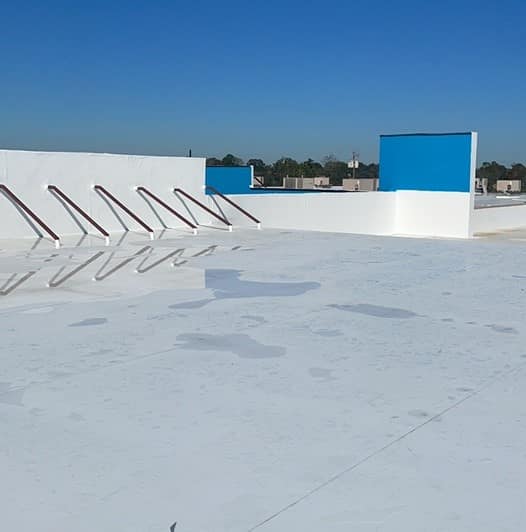
- Flat and low-slope systems such as TPO, modified bitumen, and built-up roofing for porches, additions, and commercial buildings.
No single material is best for every home. The surface is only as strong as the layers beneath it, which is why we never sell shingles in isolation, we install a complete, matched quality roof system.
5. Ventilation: The Layer That Saves the Others
Roof ventilation is the most overlooked part of the system, and in Texas it may be the most important. A balanced ventilation system pulls cooler air in through soffit vents at the eaves and pushes hot, humid air out through ridge vents at the peak. This continuous airflow does three critical jobs:
- It lowers attic and deck temperatures, slowing the heat-driven aging that destroys roofs from the inside out.
- It removes moisture before it can condense, rot the deck, or feed mold.
- It can reduce cooling costs by easing the heat load on your home all summer long.
A roof with poor ventilation will fail years early, no matter how good the shingles are. Getting the intake and exhaust balanced is a core part of every roof installation we perform.
6. Gutters and Downspouts: Moving Water Away
The system does not stop at the roof edge. Gutters and downspouts collect the water your roof sheds and carry it safely away from your fascia, siding, and foundation. When gutters clog or pull loose, water backs up under the shingle edge, overflows against the house, and pools where it can undermine the foundation, a serious concern with Texas's expansive clay soils.
Clean, properly pitched gutters protect the whole investment above them. We install and service seamless gutter systems as part of a complete roofing approach.
7. Trim and Finishing Details
Finally, the finishing components, drip edge, starter strips, ridge caps, fascia, and rake edges, lock the system together and give it a clean, weather-tight perimeter. These small details are where water tries hardest to sneak in, and where experienced crews separate a roof that lasts from one that fails at the edges first.
Why the System Matters More Than Any One Part
The biggest mistake homeowners make is shopping for a roof one part at a time, usually just the shingle. But a GAF lifetime roofing system earns its warranty only when the underlayment, starter, accessories, and ventilation are all installed to spec and work together. Mixing a premium surface with a budget underlayment or skipping proper ventilation compromises everything, and often voids coverage.
Every layer in this anatomy plays defense against a specific Texas threat: UV and heat, hail, high wind, hurricanes off the Gulf, heavy rain, and the occasional hard freeze. A roof built as a true system handles all of them. A roof assembled from disconnected parts handles none of them well. That is the difference between a roof that lasts 12 years and one that lasts 25.
Have Your Whole System Checked, Not Just the Surface
With 9+ years serving over 100 communities across Greater Houston and the Austin metro and a 5-star Google rating, Elevation Roofing & Restoration evaluates and installs the complete roofing system, deck to ridge, not just the part you can see from the street. If a storm has rolled through, our team also handles storm damage repair and works directly with your insurance company on hail and wind claims.
Want to know how every layer of your roof is really holding up? Schedule your free roof inspection, a $399 value at no cost, and we will assess the full system and walk you through exactly what we find. Contact our Houston team today to get started.