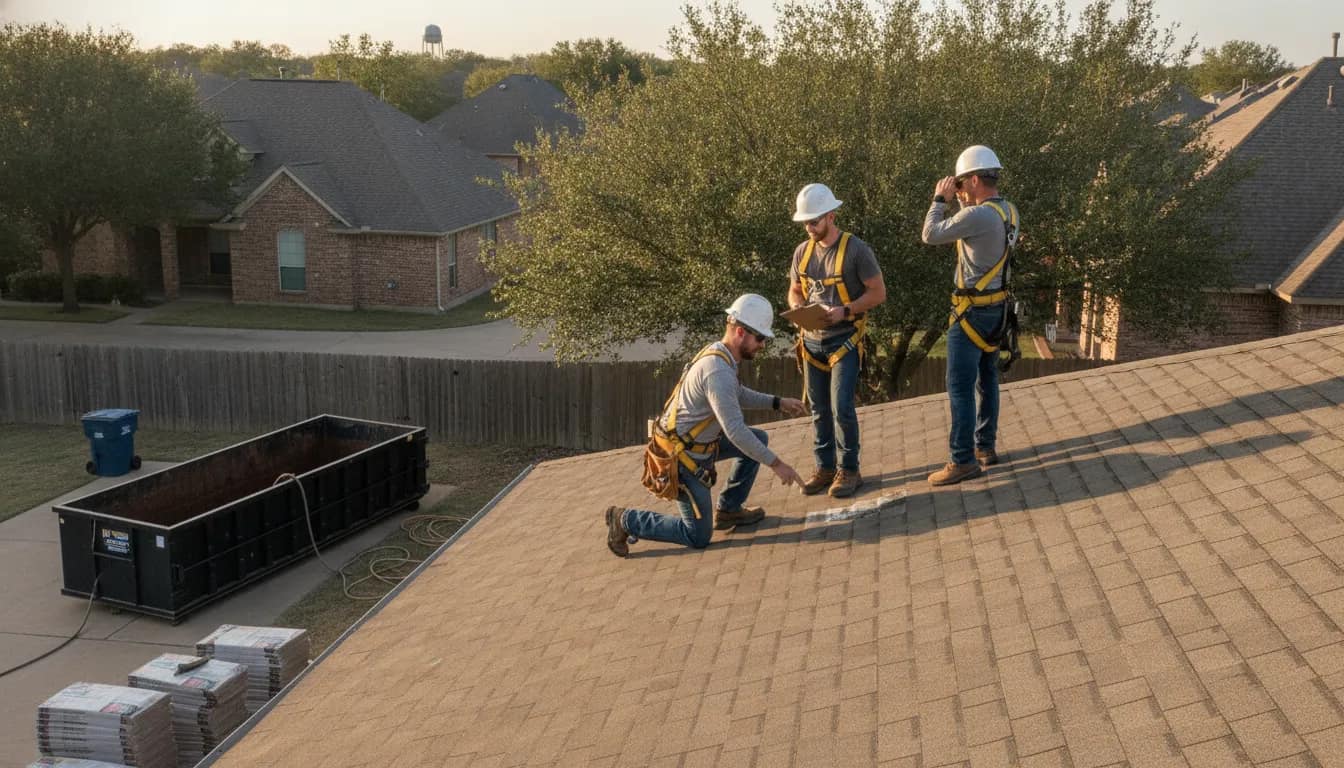
Texas weather can bring hail, wind, and heavy rain. A small visible change may raise a larger question: what work does the roof actually need? The answer starts with the roof's condition and materials, not a guess from the ground.
Schedule a free roof inspection with Elevation Roofing & Restoration.
Roof repair services can address problems such as leaks, storm damage, damaged shingles or tile, flashing concerns, and related roof components. The appropriate repair depends on a professional assessment of the affected area and roofing system.
Understanding the range of issues a repair may address helps owners ask better questions. It also explains why an assessment should consider connected components, not only the spot where damage appears.
What Roof Repair Services Can Address
A roof repair may involve more than the spot where a stain or drip appears. Water can enter around a roof feature and travel before showing inside. The scope depends on an assessment of the roof and the reported issue. For a home or commercial property, roof repair services can range from a localized correction to broader work. The roof system and condition guide the scope.
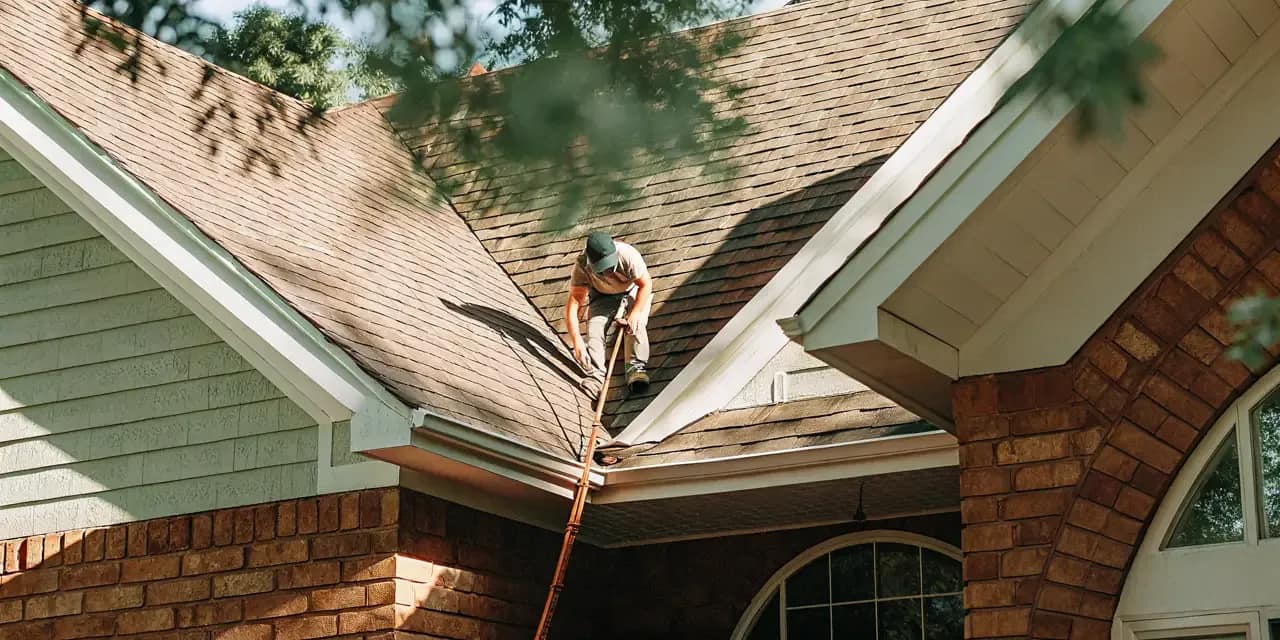
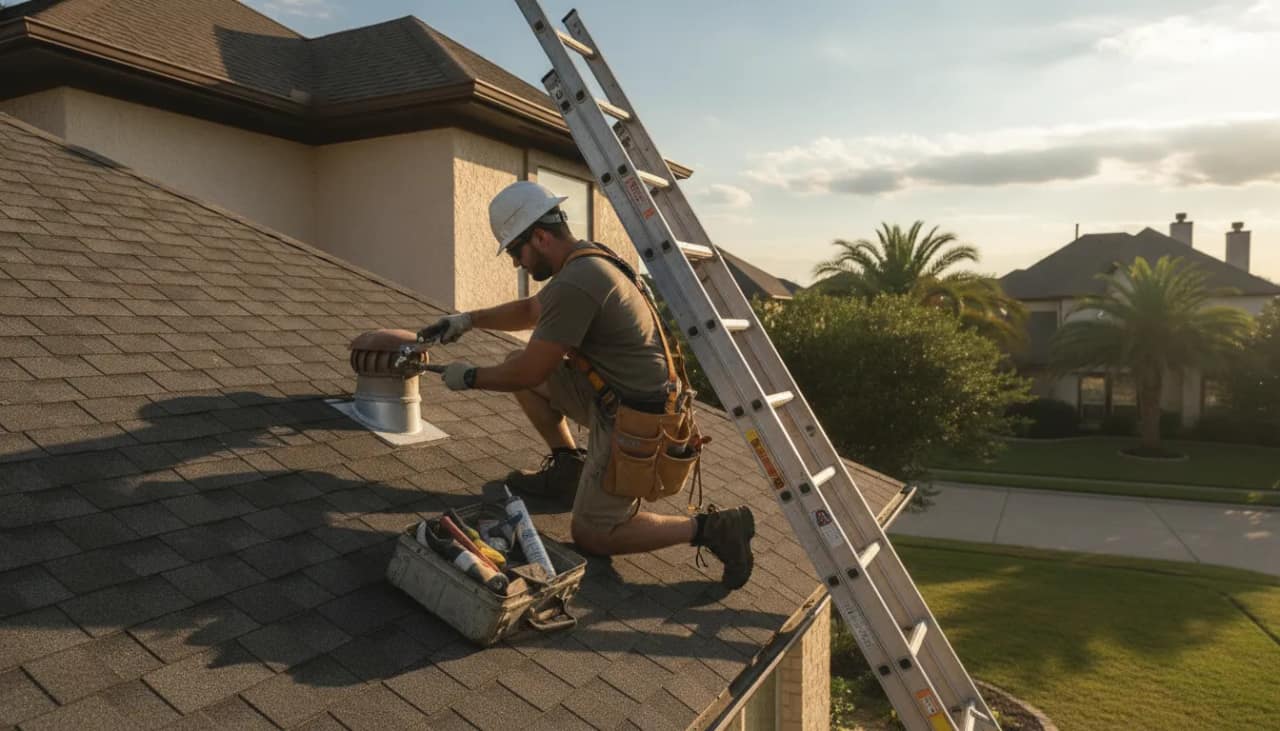
Common repair needs include leaks, storm damage, and general wear. Work may include replacing damaged shingles or repairing tile. Other service areas include flashing, ventilation, gutters, skylight leaks, chimney flashing, ridge vents, and soffits. These are distinct parts of the roof assembly. A problem at one location may call for a different repair than a problem elsewhere. An inspection helps identify what needs attention rather than assuming a visible symptom reveals the source.
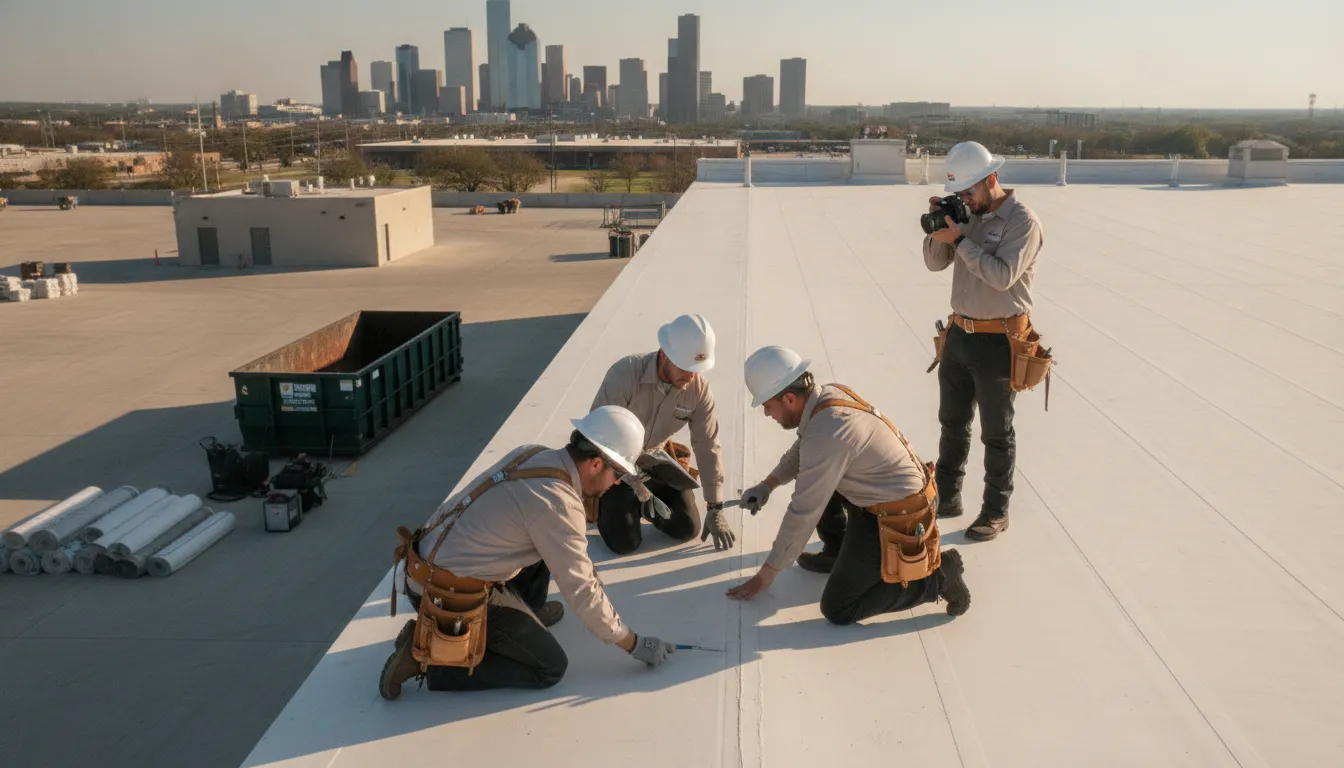
For a homeowner, that could mean assessing a leak near a skylight or chimney, or checking damaged shingles. For a commercial property owner or manager, planning starts with the roof system and affected components. Elevation Roofing & Restoration works on residential and commercial roofs, including shingle, tile, metal, TPO, slate, modified bitumen, and built-up systems. The repair approach should fit the system; one material's repair method may not suit another.
Storm-related work can involve damage from wind, hail, or heavy rain, while related corrections may address flashing, ventilation, or drainage components. If a storm is involved, documenting what is observed and discussing the findings with an insurer may be part of the process. But an inspection does not establish whether a policy will cover a repair. The work itself should be scoped from the roof's actual condition.
Roof repair services cover a range of components, not just shingles or leaks. An assessment connects the reported concern to the affected area. It helps identify whether the needed work is localized or broader. That distinction gives homeowners and property managers a practical basis for discussing next steps.
What Common Roof Problems Call for Repair in Texas?
Texas roofs can face hail, strong winds, heavy rain, and wind-driven rain. Conditions vary across Houston, Austin, and nearby communities. Weather may leave visible damage, but an owner may not see every problem. An inspection can help determine whether a repair is needed and what work fits the roof system.
After hail or wind, look for changes visible from the ground or indoors, such as displaced or missing roofing material or signs of water intrusion. These clues are reasons to arrange an assessment, not proof of a particular failure. Avoid climbing onto the roof to investigate; the surface and damage may not be safe to approach.
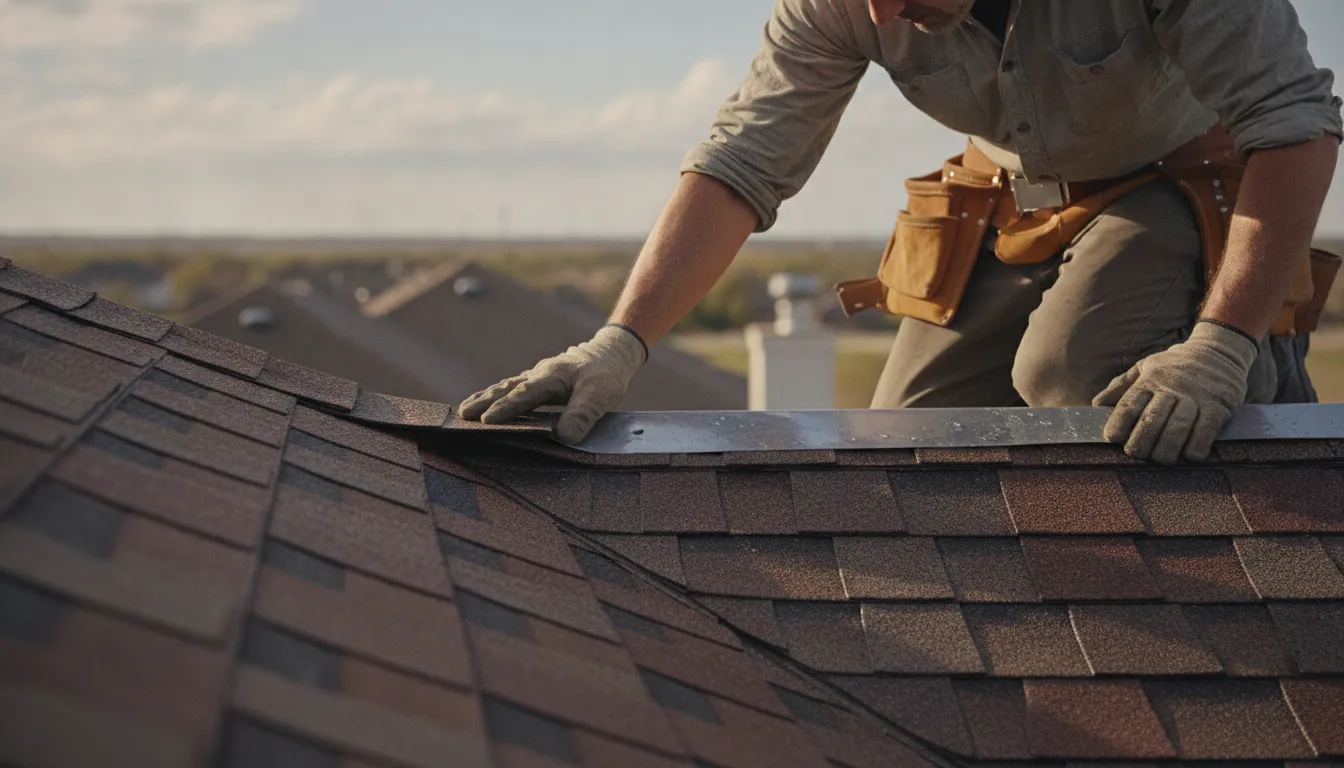
Wind can lift or shift shingles. Wind-driven rain can expose vulnerabilities that may not appear during ordinary weather. Hail and later rain can also prompt an assessment for damage or water intrusion. A stain indoors can signal water entry, but it does not identify the source or the repair needed. Assessment should consider the roof and affected area, not just one symptom.
Drainage deserves attention too. Debris may interfere with water moving off the roof. Persistent concerns around gutters, drains, or other roof areas can warrant a review. Elevation Roofing & Restoration assesses hail, wind, heavy rain, wind-driven rain, shingle uplift, and drainage problems. The right repair depends on inspection findings, roof material, and site conditions.
For more on storm-related concerns, see Elevation Roofing's Texas roof storm damage repair guide. The company serves residential and commercial properties in Houston, Austin, and nearby communities. A professional review can clarify whether observed changes are isolated, related to drainage, or part of broader storm damage. It does not treat a first impression as a diagnosis.
How Does a Professional Roof Inspection Guide the Repair?
- Share the concern and any visible changes from a safe location.
- Have a professional assess the relevant roof components.
- Review the findings and written repair scope before authorizing work.
A repair plan should start with what is actually found on the roof, not an assumption based on a stain or a missing shingle. A professional assessment helps connect visible symptoms with the components that may need attention, then gives the property owner a clearer basis for deciding what to do next.
The review can include shingles, flashing, vents, fascia, soffits, gutters, and drains. After a storm, the assessment may also consider hail damage and water intrusion. These components work together, so checking beyond the leak may clarify if the concern is isolated. Elevation Roofing & Restoration provides professional roof inspections for residential and commercial properties.
Schedule a free roof inspection with Elevation Roofing & Restoration.
Once assessed, ask the contractor to explain the findings in plain language. Which component appears damaged? What repair is proposed, and do adjacent areas need attention? A visible interior leak may not identify its exterior source. The inspection should explain what was observed and how the recommended work relates to it.
For storm concerns, Elevation Roofing & Restoration documents damage and can coordinate with insurers, but an inspection does not guarantee insurance coverage or claim approval. Keep the findings and estimate together so you can compare the described work with the condition you noticed. Ask what roof areas and components the scope includes, what materials are involved, and whether any conditions could change the work after closer access. A clearly written scope makes it easier to understand what is being proposed before you authorize repairs.
After storm damage, the Texas Department of Insurance advises getting at least three written bids. Compare the work each estimate describes, not only the final figure. Ask the contractor to explain any unclear recommendation or exclusion, especially when the repair involves multiple areas.
Stay off the roof while waiting for an assessment. Access can be hazardous, and a ground-level view cannot show the full condition of materials or concealed areas. Share what you noticed, including when a leak appeared or if it followed severe weather. Let a qualified professional decide what can be safely inspected and repaired. A documented assessment and clear scope support decisions based on observed conditions.
How Roof Repair Services Differ by Roofing Material
A repair plan starts with the roof system, not a one-size-fits-all patch. Materials and components affect what a roofer inspects, which repair method is appropriate, and how the work fits the assembly. A method intended for one material should not automatically be applied to another.

Elevation Roofing & Restoration works on several residential and commercial systems, including:
| Roof system | Repair assessment focus |
|---|---|
| Shingle, tile, or slate | Check the affected covering and nearby roof components. |
| Metal | Assess the metal system and affected areas as a connected assembly. |
| TPO, modified bitumen, or built-up | Evaluate the low-slope system and relevant components. |
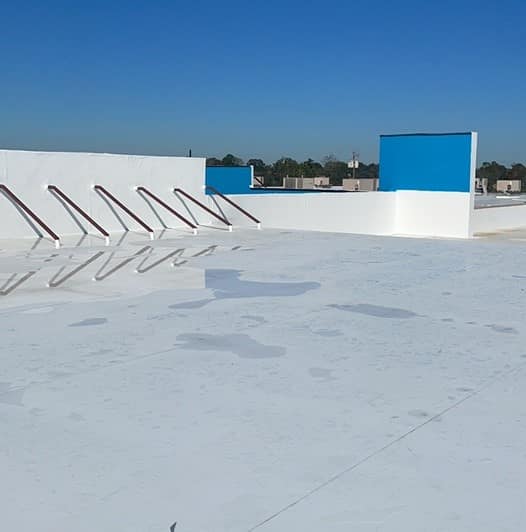
On a shingle roof, an assessment may consider individual shingles and nearby components. Tile and slate call for attention to the covering and surrounding area. Metal has a different assembly. Low-slope commercial systems such as TPO, modified bitumen, and built-up roofing need a system-specific approach. These are broad distinctions, not a diagnosis. Roof design, condition, and damage extent all matter.
An inspection should identify the roof material and connected components before repair work is scoped. Similar symptoms may need different evaluations because roof assemblies differ. The inspection helps show whether the concern is limited to the covering or involves another part of the system. It can also help determine whether a localized repair is appropriate.
For example, a TPO roof should be assessed as a TPO system rather than treated like a shingle roof. Property owners comparing possible next steps can read more about TPO roof repair versus replacement in Texas. That guide focuses on the TPO-specific repair-or-replacement question; the right decision for a particular building still depends on a professional assessment.
Elevation's repair work spans shingle, tile, metal, TPO, slate, modified bitumen, and built-up systems. Share the building type and known roofing material when requesting an inspection. This can help frame the assessment. The roofer can review the relevant parts of the assembly and explain a scope based on observed conditions.
When Should You Schedule Roof Repair Services?
Arrange an assessment when you notice a change that could point to roof damage. A ceiling stain or leak is a reason to have the roof checked, but does not identify where water enters or what repair is needed. The same applies to loose or missing roofing material. A professional review can help determine whether repair is appropriate.
After hail, strong wind, or heavy rain, consider an inspection if you see roof material out of place, property damage, or signs of water intrusion. Elevation Roofing notes that some storm damage may not be apparent from the ground. Visible clues are not the only reason to seek an assessment. For a closer look at post-storm considerations, see this guide to Texas roof storm damage repair. If you want broader guidance on inspection timing, read when to schedule a professional roof inspection.
Other observations that may justify scheduling a review include:
- Water stains or recurring moisture inside the building.
- Cracked, missing, curling, or lifted shingles or tiles visible from a safe location.
- Loose-looking material or gaps near roof flashing, chimneys, or other roof transitions.
- Drainage concerns that persist, such as water not moving through gutters and drains as expected.
- Changes noticed during routine property maintenance, even if there is no active leak.
These are prompts to seek an assessment, not a diagnosis. A roof has connected components, including its covering, flashing, vents, gutters, and drainage. A visible symptom may not reveal the full scope. A qualified roofer can inspect relevant areas and explain whether repair, maintenance, or further evaluation makes sense.
Do not climb onto a roof to confirm a suspected problem or attempt a repair. Surfaces can be hazardous, especially when wet or damaged. From a safe location, note what you observed and when it appeared. Arrange an inspection, then discuss storm damage with your roofer and, if applicable, your insurer. Documentation does not determine whether a claim will be covered.
For a home or commercial property, share when the symptom began and which rooms or areas appear affected. If the concern is recurring drainage or general wear, include that when scheduling. The inspection can consider maintenance as well as repairs. Property managers may record observations from staff or tenants. No one should access the roof. An assessment can focus on the reported signs and relevant components.
When Is Repair Not Enough?
A roof problem does not automatically mean the whole roof needs replacement. But repair is not always the only option. Scope depends on the inspection, roof system, affected areas, and estimate. A localized issue may be repaired, while broader concerns may call for discussing replacement.
Ask the roofing professional to explain the damage and which areas the proposal covers. Does the estimate address the condition across the roof or only one spot? Share the history of past repairs and ask how it affects the current assessment. The goal is to understand the condition and scope, not apply a universal age cutoff.
Roofing systems differ, so the decision should reflect the material and assembly. Compare the written repair scope with any replacement option, including what each includes. Request clarification if findings or recommendations are unclear. A written estimate helps you decide what to do next, but it does not guarantee future roof performance or insurance coverage.
For a fuller breakdown of the decision, read this guide to deciding whether to repair or replace your roof.
Schedule a free roof inspection to discuss the condition of your roof and the right scope of work.
Frequently Asked Questions
Can a roofer repair just one section of a roof?
Often, yes. A localized issue may be repairable without replacing the whole roof. The scope depends on the inspection findings. The roofer should check nearby materials and components, then explain whether a section repair can address the damage or whether it extends farther. Repair methods vary by roofing system.
Why do roof repair prices vary from one project to another?
No single amount fits every repair. Damage scope, roofing material, access, and related components can change the work involved. Ask for an inspection and written estimate that describes the proposed repairs and any uncertainties. When comparing estimates, check that they cover the same areas.
What can I do if I have limited funds for a roof repair?
Ask the roofer to explain what work is needed and what can wait. Request a written scope and estimate, then review your options before authorizing repairs. If storm damage is involved, document what you can safely observe and ask your insurer about your policy. Elevation Roofing & Restoration can coordinate with insurers, but coverage and claim decisions are not guaranteed. Do not climb onto the roof to assess it yourself.
Schedule a Roof Inspection
A clear assessment can help you understand what the roof needs and which next steps fit the observed condition. For a home or commercial property, schedule a free roof inspection with Elevation Roofing & Restoration to discuss the damage and repair options.