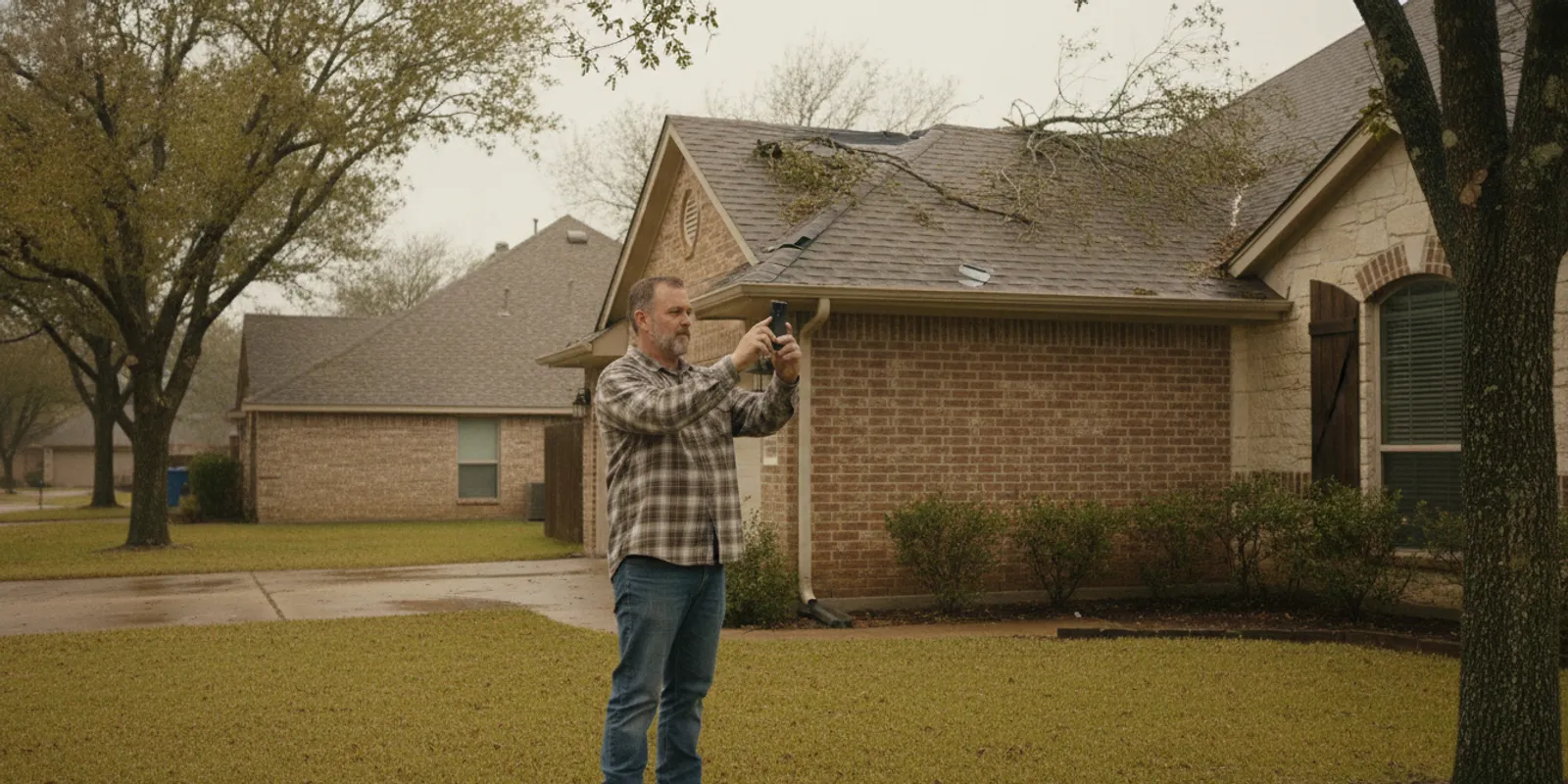
If you are asking, “does home insurance cover roof damage?” the answer depends on what caused it and the terms of your policy. A sudden covered event may be treated differently from gradual wear, an old leak, or deferred maintenance. Texas homeowners can start by recording what they can safely see, reviewing the policy, and asking the insurer how its provisions apply to the specific loss.
When Does Home Insurance Cover Roof Damage?
A homeowners policy may cover direct roof damage caused by a covered event, subject to the policy's definitions, exclusions, deductible, limits, and claim review. Wind or hail may be listed among covered causes in some policies, but the presence of a storm does not by itself establish coverage. The insurer evaluates the facts and applies the wording of the policy in effect for the property.
Consider two examples. A homeowner notices a newly damaged roof area after a severe storm and has dated photos of the property soon afterward. That evidence may help explain when the condition appeared, but the insurer still has to determine whether the reported event is covered. In another case, water appears during heavy rain, but the roof has shown signs of deterioration for a long time. The leak is real, yet the cause, prior condition, and policy exclusions still matter.
The timing of the damage is only one part of the claim. Review your policy's declarations, covered causes of loss, exclusions, deductible, and any roof-specific terms. If a clause is difficult to interpret, ask the insurer to identify the exact wording it is applying. The Texas Department of Insurance provides consumer insurance information; use official guidance and your own policy rather than relying on another homeowner's experience.
- Identify the event you believe caused the damage and when you noticed it.
- Check how the policy treats that cause, including any relevant exclusions or special terms.
- Ask what deductible and claim-reporting requirements apply to your policy.
What Roof Problems May Not Be Covered?
Insurance commonly distinguishes a sudden covered loss from conditions that develop through aging or lack of upkeep. Depending on the contract and circumstances, gradual deterioration, worn materials, repeated seepage, or damage tied to deferred maintenance may be excluded or limited. These are general examples, not a decision about any specific roof or policy.
A leak does not automatically prove that a storm damaged the roof. Likewise, an older roof is not automatically excluded from every claim. A recent event can affect an aging roof, and an inspection may find more than one condition. The insurer may distinguish between damage attributed to a reported event and pre-existing wear. Ask for the explanation in writing if the decision is unclear, including which facts and policy provisions were considered.
| Situation | Policy questions to review | Practical next step |
|---|---|---|
| Visible condition after a recent storm | Is the event covered, what deductible applies, and what evidence is requested? | Photograph from a safe place and contact the insurer about reporting steps. |
| Leak or deterioration noticed over time | What does the policy say about wear, maintenance, and repeated seepage? | Limit further interior damage when safe and document when symptoms appeared. |
| Older roof with a new area of concern | Are there roof-specific terms, valuation conditions, or exclusions? | Record the roof's visible condition and ask how the insurer will assess it. |
| Several possible causes or unclear timing | What information is needed to distinguish the conditions and dates? | Keep a timeline, photos, inspection records, and written claim communications. |
How Can You Document Roof Damage Safely?
Start on the ground and inside the home. Do not climb onto a wet, steep, or visibly damaged roof to take pictures. Photograph visible roof areas from several safe angles, along with gutters, downspouts, nearby fallen branches, and any interior water marks. Photos should show context as well as detail: a wide view can locate a damaged section, while a closer view can record a condition when it is safely accessible.
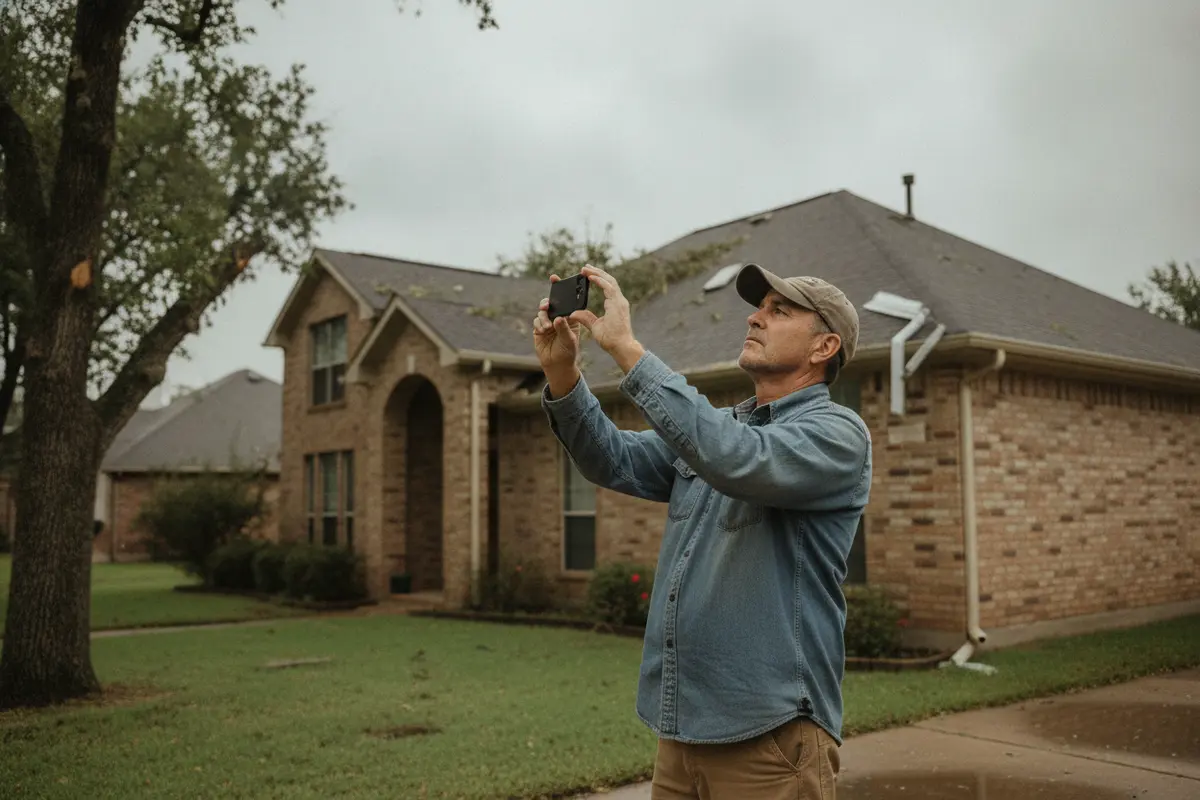
- Make a timeline. Note the date of the storm if known, when you first noticed the problem, and when water or other symptoms appeared.
- Photograph what is safely visible. Capture the exterior and interior, and do not move or discard damaged materials before asking the insurer what records it needs.
- Record protective steps. Write down temporary measures taken to limit additional damage and save related receipts.
- Keep all claim records together. Save the policy, claim number, emails, inspection notes, photos, and estimates in one folder.
- Contact the insurer promptly. Ask about notice deadlines, inspection arrangements, and whether there are specific documentation instructions.
If water is entering the home, prioritize personal safety and reasonable temporary measures to protect the property. Avoid permanent repairs or removing evidence before you have asked the insurer about its inspection process, unless urgent work is needed to address a safety risk or prevent additional damage. Photograph conditions before temporary work when safe, keep invoices, and record what was done and when. For help understanding visible roof conditions, you can learn about professional roof inspections or available storm repair services.
How Does Home Insurance Cover Roof Damage When Causes Differ?
Use the declarations page and policy contract together. The declarations identify key details such as the insured property and deductible, while the contract explains coverage, exclusions, duties, and definitions. Endorsements may change how a general provision applies, so check for any terms specific to the roof, materials, age, or type of loss.
- Covered causes of loss: Find the section that explains which events may be insured and whether coverage is described differently for the dwelling or personal property.
- Exclusions and limitations: Look for language about wear, deterioration, maintenance, water, or specific storm-related conditions.
- Deductible: Confirm the amount and whether the policy describes a special deductible for a particular event.
- Valuation: Check whether roof payment is determined using replacement cost, actual cash value, or another policy term, and how depreciation or conditions may apply.
- Duties after a loss: Note requirements for notice, records, cooperation, temporary protection, and access for inspection.
Do not assume that a contractor's estimate, an adjuster's first conversation, or a neighbor's payout determines your own coverage. Ask the insurer to explain the next steps in the claim process and where the answer appears in your contract. The insurer makes the coverage decision. A roofer may describe observable conditions and provide an estimate, but cannot guarantee claim approval or payment.
What Should You Ask the Insurer After Roof Damage?
Prepare questions before calling so you can keep the conversation focused. Write down the representative's name, date, claim number, and responses. If an answer is not clear, ask for clarification or the relevant policy section.
- What date and cause of loss should I report based on the information I have?
- What is my deductible, and are there any special roof or storm terms I should review?
- What deadline applies to giving notice or sending requested documents?
- Should I wait for an inspection before authorizing permanent repairs?
- How should I handle urgent temporary protection, and what receipts or photographs should I keep?
- Can I receive the coverage decision and the policy language it relies on in writing?
Keep each answer with your claim records. If the cause is uncertain, describe what you observed rather than presenting a guess as a fact. You can review the insurer's request alongside an independent roof assessment, but the assessment does not replace the insurer's decision. For a local overview of available roof repair options and roof replacement services, see Elevation Roofing's service pages.
When Can a Roofing Inspection Help?
A roofing inspection can help identify and document visible conditions, including areas that may need attention. It can give you a clearer description of the roof's current state and help you prepare practical questions for the insurer. It does not determine insurance coverage, establish every cause on its own, or promise a claim outcome.
When arranging an assessment, explain what you noticed and when, and share any safe photos or records you have. Ask what areas were inspected, what conditions were observable, and whether the findings distinguish recent damage from older wear where possible. Keep the written inspection findings with your own photos and insurer communications. If you live in the Houston or Austin area, check the company's Texas service locations to see the areas listed.
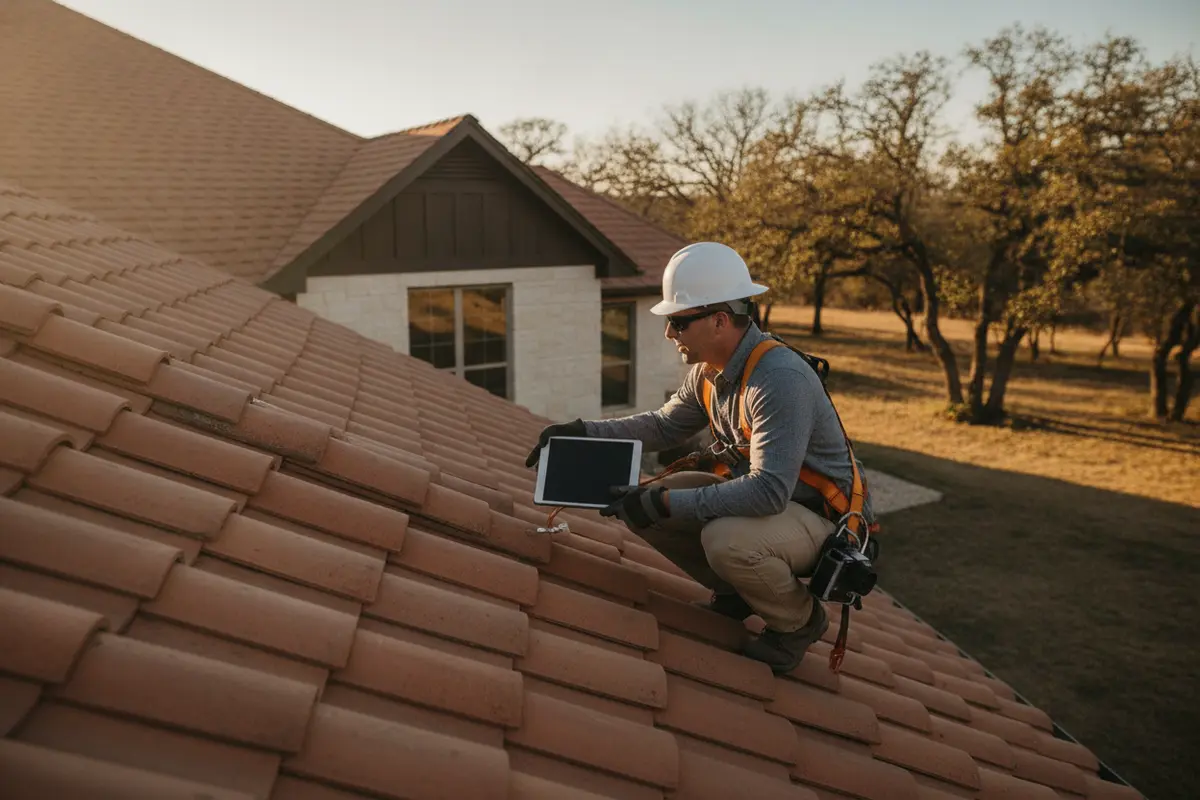
Elevation Roofing & Restoration helps property owners with storm-damage inspections and insurance-claim coordination. That assistance can help organize information about roof conditions, but only the insurer can determine coverage under the contract. You can review the company's roofing services, read customer reviews, or view the project gallery as you consider what kind of assessment may be useful.
Request a professional roof inspection
How Can You Compare a Roof Assessment With a Claim Decision?
Keep the technical observations separate from the policy decision. A roofer may report a lifted shingle, a damaged flashing area, or a visible opening. The insurer may then review the inspection, other available evidence, and policy wording. If the estimate and the claim documents describe the same area differently, list the difference and ask what information would help resolve it.
For example, suppose an inspection notes damage on one roof slope and older wear elsewhere. Save the report and ask the insurer whether it needs additional photographs, an adjuster visit, or other records to assess the reported event. Avoid treating a repair estimate as proof that all listed work is covered. Conversely, do not discard an insurer's estimate if it seems incomplete; compare the described areas and scope, then ask the insurer how to submit relevant supporting information.
For a second review of the roof's observable condition, a post-storm roof inspection may be a practical next step. Property owners who need a broader project overview can also review roof maintenance information and the company's roofing questions and answers. These resources explain services and general roof topics, not the terms of your insurance contract.
Frequently Asked Questions
Does home insurance cover roof damage from a storm?
It may, if the cause is covered under the policy and the facts meet its terms. Coverage, deductibles, exclusions, and documentation requirements vary, so contact the insurer and review the policy for your property.
Does homeowners insurance cover an old roof?
Age alone does not answer the coverage question. The cause of damage, roof condition, policy provisions, and valuation terms all may matter. Ask the insurer how the applicable wording affects your situation.
Should I file a claim for a roof leak?
Document what you see, take reasonable steps to limit additional damage when safe, and contact the insurer to understand its reporting process and your deductible. A leak by itself does not establish its cause or coverage.
Can I repair my roof before the adjuster visits?
Ask the insurer what inspection and documentation steps it requires before permanent repairs. Address urgent safety concerns or temporary protection as needed, and keep photos, receipts, and a record of the work.
Can a roofing contractor promise that my claim will be approved?
No. A contractor can inspect and describe observable roof conditions, but the insurer decides coverage based on the policy and claim information. No inspection can guarantee approval or payment.
Whether a policy covers roof damage depends on its wording, the cause and condition of the roof, and the information available about the loss. Document safely, ask your insurer specific questions, and use a professional inspection to better understand the roof's observable condition.