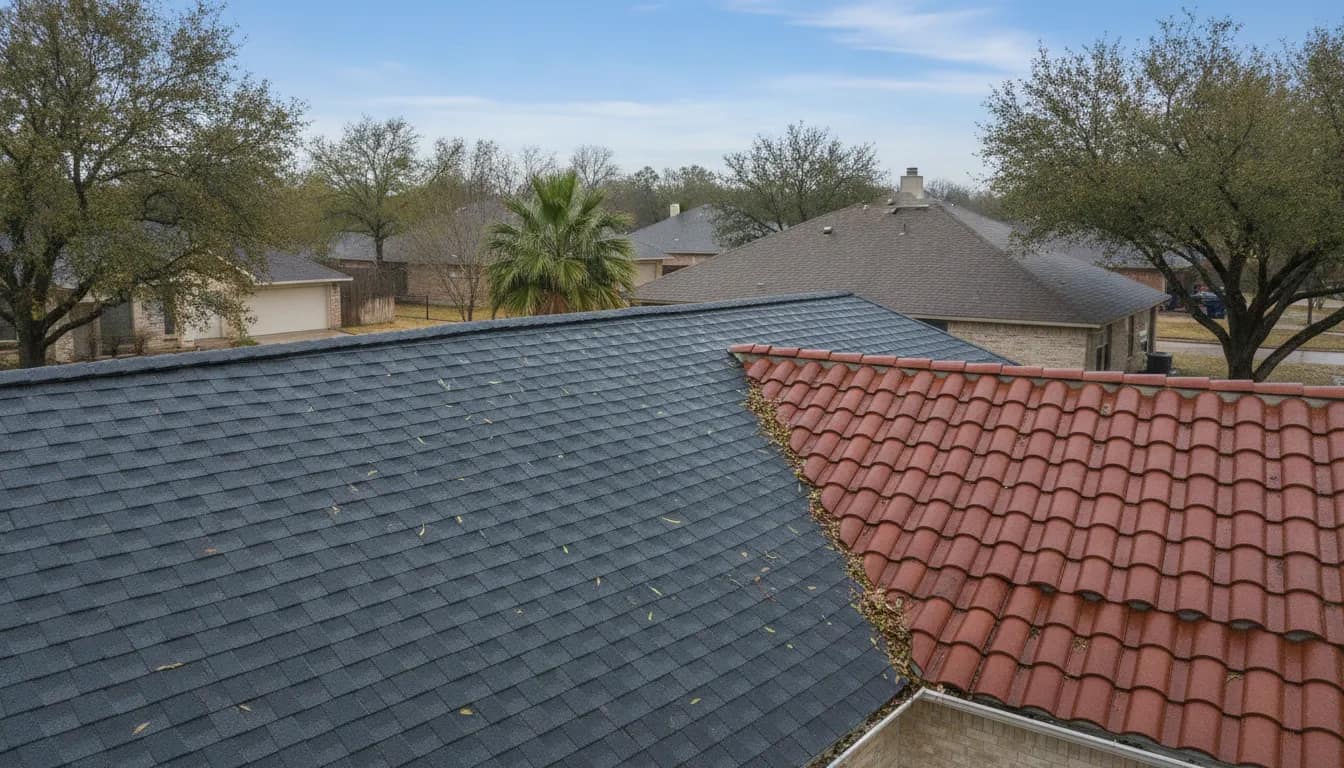
When a Texas storm damages a roof, the material can affect what an inspector documents and what questions an insurer asks. Homeowners searching for roof types for insurance often want to know whether shingles, tile, metal, or a low-slope commercial system is easier to claim. There is no universal answer. The cause of loss, roof condition, installation history, policy language, exclusions, deductible, and documented damage all matter.
Call Elevation Roofing & Restoration at (832) 271-1726 for a free roof inspection and estimate.
Roof material does not guarantee insurance coverage or claim approval. A shingle, tile, metal, or low-slope roof may be considered for a covered loss when the evidence supports sudden damage from a covered event. An insurer makes the coverage decision under the applicable policy. A roofing inspection can document physical conditions, separate possible storm damage from wear, and organize questions for the carrier.
This guide explains how different Texas roof systems may change the inspection conversation. It is educational information, not a coverage promise, policy interpretation, legal advice, or substitute for your insurer, insurance agent, public adjuster, or other qualified claims professional. Commercial property owners should also review the terms of their specific commercial policy.
What Factors Matter More Than Roof Material?
The material is one part of the claim record, not the entire claim. Two roofs made from the same product can receive different evaluations because they have different ages, maintenance histories, installation details, or causes of damage. Before discussing replacement, organize the facts that help establish what happened and when.
- Cause of loss: Wind, hail, a falling object, fire, or another event may be evaluated differently from gradual deterioration.
- Physical condition: Inspectors may document cracks, dents, lifted materials, missing components, water-entry points, or other observable conditions.
- Roof history: Prior repairs, age, maintenance records, previous damage, and earlier claims can help establish a timeline.
- Policy terms: Covered perils, exclusions, endorsements, limits, valuation method, and deductibles are specific to the policy.
- Scope of damage: The review may include flashing, vents, gutters, drainage, siding, windows, interior areas, and other related property.
The Texas Department of Insurance storm-damage guidance recommends documenting damage and protecting property from additional harm. It also reinforces the need to work from the policy and the facts of the loss rather than assuming that every storm-related condition will be covered.
How Are Asphalt Shingles Evaluated in an Insurance Discussion?
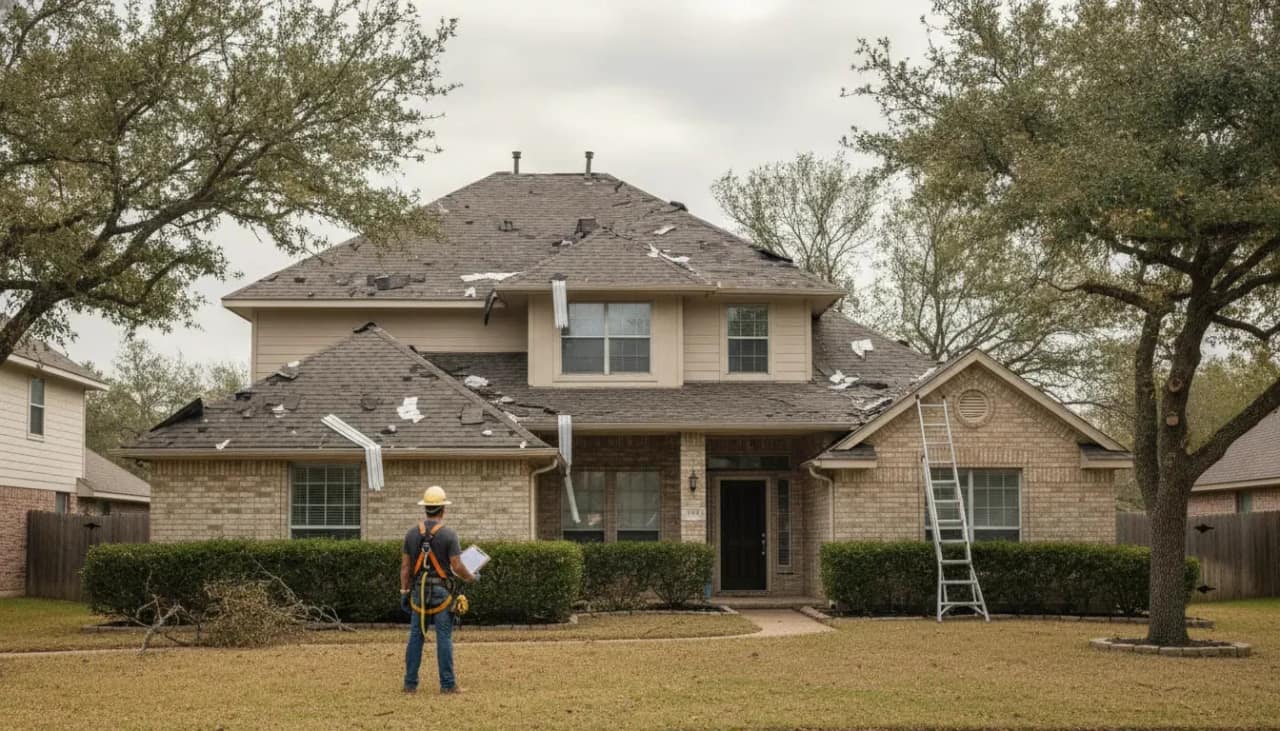
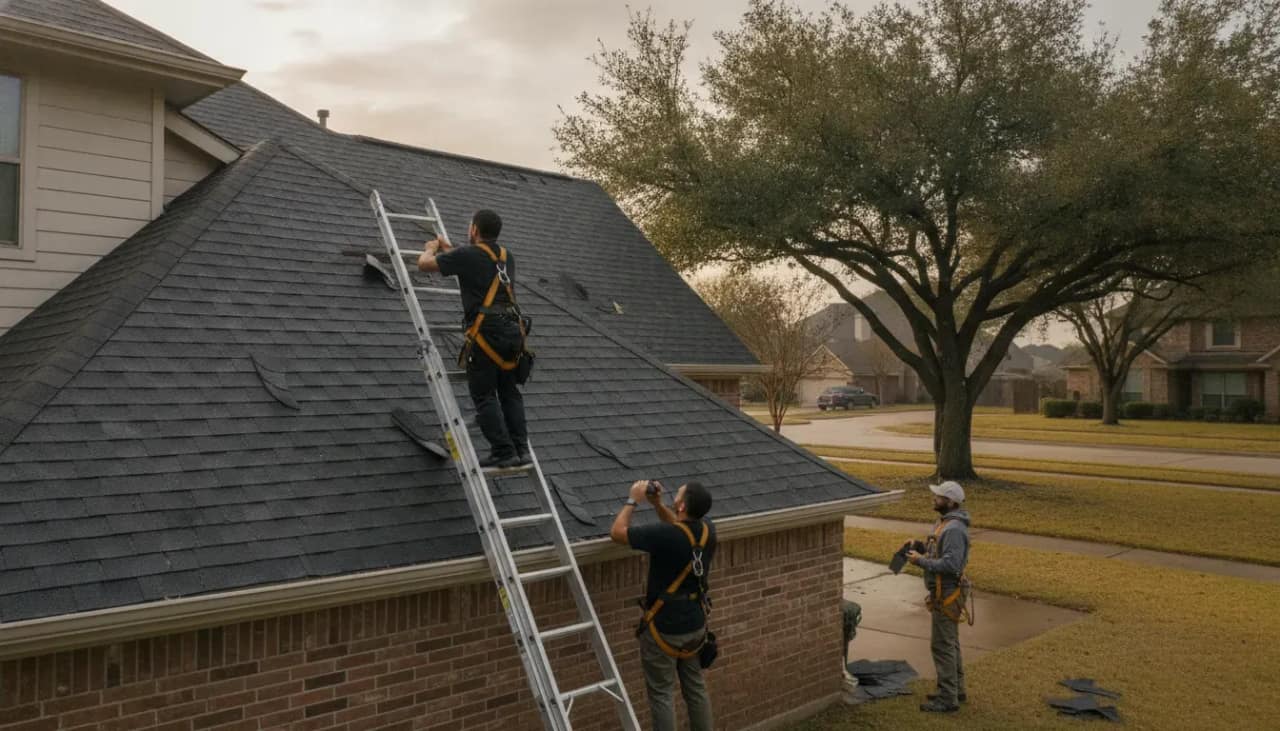
Asphalt shingles are common on Texas homes, so inspectors frequently document them after wind and hail events. The review may include missing or lifted shingles, creases, tears, exposed areas, granule loss, bruising, damaged seal strips, and conditions around roof edges, valleys, vents, and flashing. A ground-level view may not show all of these conditions.
What the inspection may document
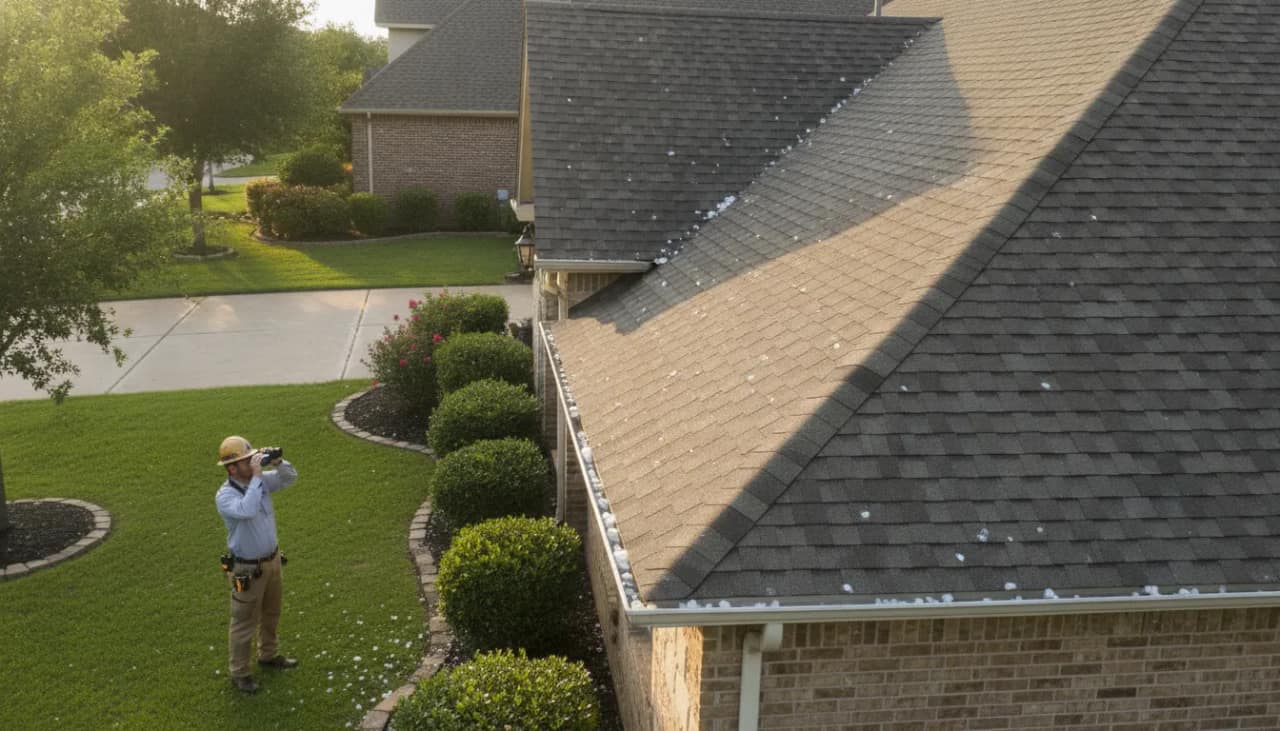
Wind can lift or remove shingles and may damage the adhesive bond that helps keep them in place. Hail can leave impact marks or bruise the shingle surface. A contractor may also look for damage to the reinforcing mat, flashing, pipe boots, ventilation components, and gutters. These observations describe physical conditions. They do not decide whether the policy covers the loss.
Age and maintenance can complicate the discussion. Brittle materials, long-term granule loss, prior repairs, poor installation, or an old leak may have a different cause from a new wind or hail event. A useful inspection report should identify what was seen, where it was seen, and which conditions may require further review rather than assigning a claim result.

Questions for a shingle roof claim review
- What visible conditions are consistent with the reported storm date?
- Are the affected shingles damaged, missing, lifted, or showing long-term wear?
- Are roof accessories, gutters, siding, or interior areas also affected?
- Are prior repairs or maintenance records available to clarify the roof's condition before the event?
- Does the insurer need additional photographs, an estimate, or a second inspection?
Do not assume a specific number of damaged shingles automatically determines a full replacement. The scope depends on the observed conditions, the roof system, applicable policy terms, and the insurer's review.
What Should Homeowners Know About Tile Roofs and Claims?
Tile roofs may use clay, concrete, or another tile product, with underlayment and supporting components working together as a system. After a storm, an inspection may document cracked, broken, displaced, or missing tiles, along with damage to underlayment, flashing, ridges, valleys, vents, and other components. Tile can be difficult to evaluate from the ground, and walking on it without the right experience can create additional damage or a safety risk.
Tile damage is more than a surface question
A cracked tile may create a potential water-entry concern, but the inspection still needs to document the location and extent of the condition. A displaced tile may expose underlayment or change how water moves across the roof. Damage can also affect matching materials, repair access, and the condition of the supporting roof assembly. Those construction details belong in the inspection record, while the insurer decides how the policy applies.
Tile roofs can also have pre-existing cracks, prior repairs, weathered surfaces, or installation issues. Clear photographs, roof-area notes, and maintenance records can help distinguish a newly observed storm condition from an older issue. A contractor should not promise that tile damage will result in a covered replacement.
For a closer look at tile roofing as a service, see Elevation Roofing's tile roofing page. The page explains the roofing service, while this article focuses on how material-specific observations can be organized for an insurance discussion.
Get a professional roof inspection at (832) 271-1726 before making assumptions about your claim.
Can Metal Roofing Be Considered for Storm Damage?
Metal roofing may include standing-seam panels, exposed-fastener panels, metal shingles, or other assemblies. An inspection can document dents, punctures, displaced panels, damaged seams, loose fasteners, coating damage, flashing issues, and changes that could affect water-shedding performance. Hail dents do not all have the same significance, so the report should describe the physical condition instead of labeling every mark as a covered loss.
Cosmetic and functional observations are different
Some policies or endorsements address damage that affects appearance differently from damage that affects function. The exact wording varies. A dent, coating issue, seam condition, or puncture needs to be evaluated in the context of the panel, roof assembly, and policy. Never assume that a cosmetic-damage exclusion applies, and never assume that it does not. Read the policy and ask the insurer for a claim-specific explanation.
Metal roofs can also show conditions unrelated to a recent storm, including corrosion, prior repairs, loose fasteners, or installation problems. Photographs should show the affected panel and its surrounding area. Notes should identify the roof slope, penetration, seam, flashing, or edge involved. That level of detail makes it easier for the property owner and insurer to discuss the same condition.
Owners considering a metal roof should keep installation documents, product information, maintenance records, and photographs. These records may help establish what materials were present before a loss, but they do not change the coverage terms of the policy.
How Do Commercial Low-Slope and TPO Roofs Differ?
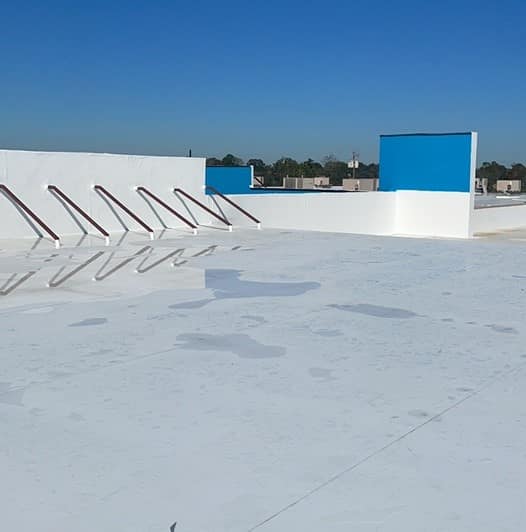
Commercial low-slope roofs require a different inspection approach from many steep-slope residential roofs. Common systems may include TPO, modified bitumen, built-up roofing, or another membrane assembly. The inspection may focus on membrane seams, punctures, flashings, rooftop equipment, drains, scuppers, ponding areas, edge metal, insulation, and the condition of the roof deck where accessible.
For a commercial property, the building owner, property manager, facilities team, insurer, and roofing contractor may all need information from the same loss. Maintenance logs, roof plans, service records, photographs, tenant reports, and invoices can help create a timeline. A business should also document whether water affected inventory, equipment, finishes, or operations, while following its policy and claim instructions.
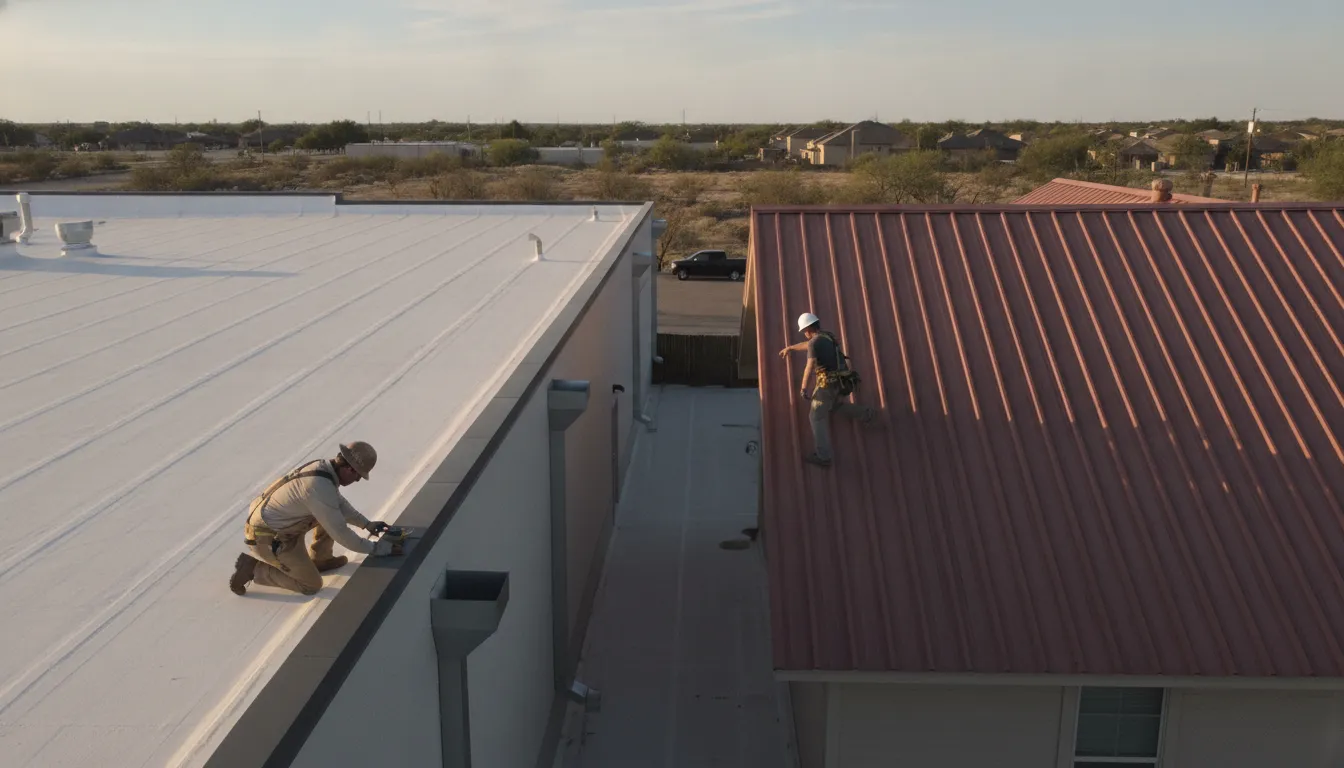
What to document on a low-slope roof
- Membrane tears, punctures, open seams, wrinkles, blisters, or displaced sections.
- Drains, scuppers, gutters, and overflow paths, including debris or visible drainage concerns.
- Flashing at walls, curbs, penetrations, rooftop units, parapets, and edge conditions.
- Interior stains, wet materials, ceiling damage, equipment effects, and areas where water entered.
- Recent maintenance, repairs, inspections, leak reports, and temporary protection.
Low-slope systems can hold water differently from steep-slope roofs, and a roof leak may travel before it appears inside. That is why a roof inspection should record both the apparent interior symptom and the roof areas that could be connected to it. A report still cannot determine coverage, and commercial policy terms may differ substantially from residential forms.
Does a Class Rating Guarantee Better Insurance Coverage?
No. A roof classification or impact-resistance rating does not guarantee coverage, a premium discount, or claim approval. Ratings can be useful product information, but the insurer decides how a specific policy treats the material, its installation, the documented damage, and any endorsements. Ask the carrier what documentation it wants before assuming that a rating changes the claim result.
Keep the product documentation, installation records, invoices, inspection reports, and photographs for any roof. If you are considering a higher-rated shingle or another material after a loss, ask whether the proposed change is part of the covered scope, an owner-selected upgrade, or a separate expense. Get the answer in writing before authorizing work.
How Can You Prepare a Roof-Type Insurance Claim Record?
A strong claim record is organized around the event, the property, and the observable conditions. Start from a safe location and do not climb a damaged or wet roof to take photographs. If there is active water entry, protect the interior only when it is safe and keep receipts for temporary measures.
- Record the event and timing. Note the date of the storm or other event, when you noticed the condition, and when water or other symptoms first appeared.
- Photograph before cleanup. Take wide property views and close images from safe areas. Photograph related exterior and interior damage when relevant.
- Gather roof records. Save installation information, prior inspection reports, maintenance records, repair invoices, and older photographs.
- Request a professional inspection. Ask the contractor to identify roof material, observed conditions, affected areas, inaccessible areas, and recommended next steps without promising coverage.
- Contact the insurer. Follow the policy's reporting instructions and ask how to submit photographs, reports, estimates, receipts, and other evidence.
- Separate temporary protection from permanent work. Document mitigation and ask what the carrier requires before permanent repair or replacement.
Texas Department of Insurance storm-damage information also recommends protecting the property and keeping records. If you are unsure about a contract, assignment, disputed claim, or policy interpretation, ask a qualified professional before signing.
Frequently Asked Questions
What roof type is best for insurance claims in Texas?
No roof material is automatically best for insurance claims. Shingle, tile, metal, and low-slope systems can all be evaluated when a covered event causes documented damage. The policy, cause of loss, roof condition, installation history, exclusions, deductible, and claim evidence determine how the insurer reviews the loss.
Are metal roofs harder to insure after hail?
Not necessarily. Metal roofs may require careful documentation of dents, coating, seams, fasteners, flashings, and water-shedding function. Some policies or endorsements treat appearance-only damage differently from functional damage. The exact policy wording and the documented condition matter more than a general rule about metal roofs.
Does tile roof damage qualify for insurance coverage?
Tile damage may be considered when a covered event causes documented cracks, breaks, displacement, or related damage. Pre-existing conditions, maintenance, installation, underlayment, and policy terms can affect the review. An inspection can document physical conditions, but only the insurer decides whether the loss is covered.
What should a commercial owner document for a TPO roof claim?
Document the reported event, membrane seams, punctures, flashings, drains, scuppers, edge details, rooftop equipment, interior water effects, maintenance records, prior repairs, and temporary protection. Keep photographs, reports, invoices, and claim correspondence together. Commercial policy terms vary, so follow the insurer's instructions.
Can a roofer tell me whether insurance will approve my claim?
A roofer can explain roofing materials, visible conditions, repair needs, and construction observations. A roofer cannot guarantee claim approval or replace the insurer's coverage decision. Ask your carrier how the policy applies, keep the answer in writing, and use the inspection report as technical documentation for the discussion.
Elevation Roofing & Restoration serves residential and commercial property owners in Houston, Austin, and surrounding Texas communities. Review the company's roofing services, service locations, and customer reviews as you plan your next step.