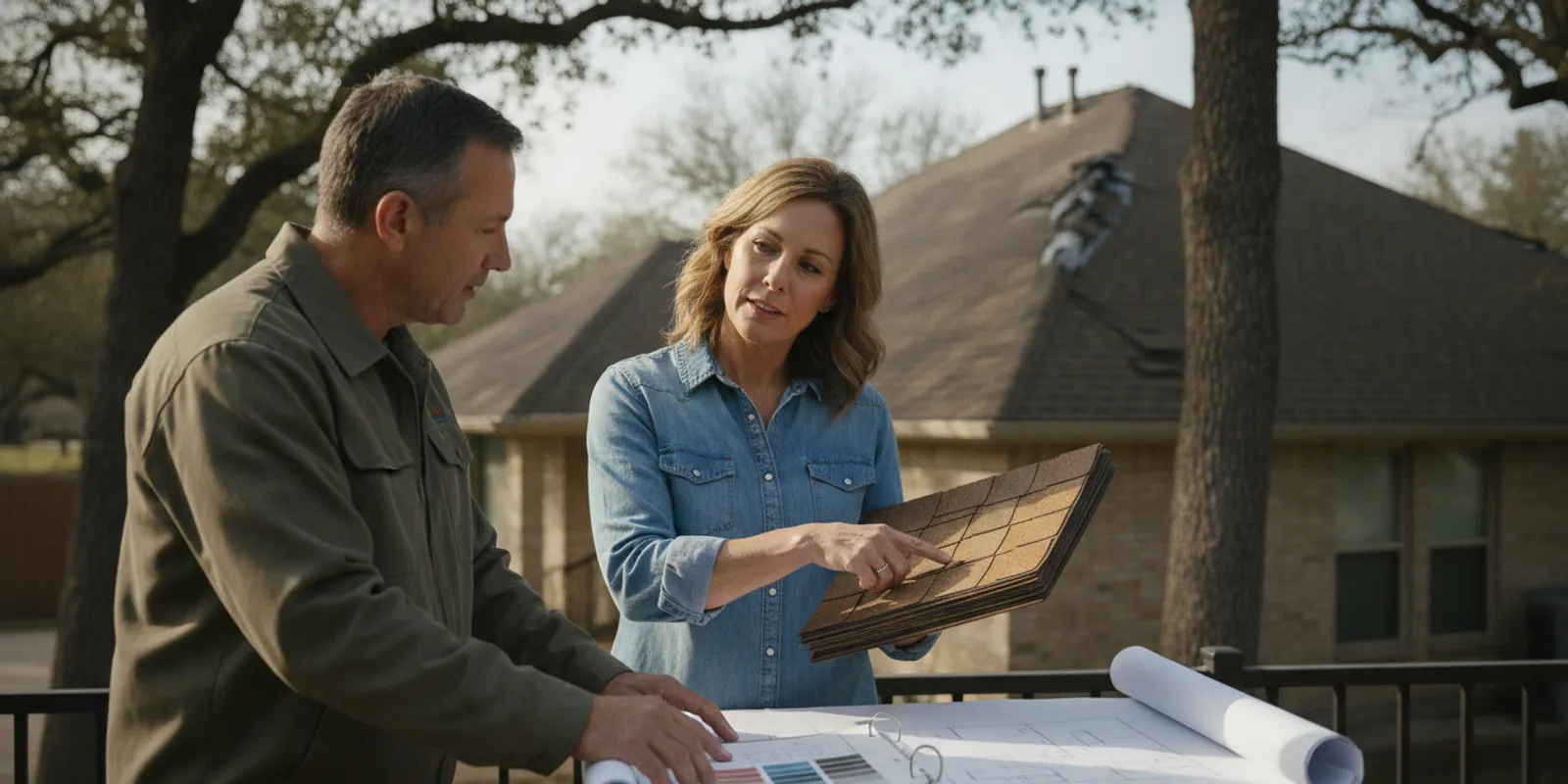
Roof insurance discounts can sound straightforward, but there is no single roof upgrade that guarantees a lower premium for every Texas homeowner. Insurers set their own eligibility rules, and the policy, roof age, material, condition, and documented improvements can all affect the answer. Before you plan a project around a possible discount, ask your carrier what it recognizes and what proof it needs.
Contact Elevation Roofing & Restoration to discuss your roof and next steps.
What Can Affect Roof Insurance Discounts?
A carrier may consider whether a roof has features or improvements that reduce the likelihood or severity of damage under the carrier’s underwriting rules. The details differ by insurer. A discount may be tied to a particular roof characteristic, a verified mitigation feature, or an approved certification, rather than simply to the fact that the roof is new.
Ask your insurer to distinguish a premium discount from other policy decisions. A roof’s age or condition can affect whether a policy is offered, what coverage applies, or how a claim is settled. Those are not the same thing as receiving a discount. The Texas Department of Insurance explains that some policies may pay less for an older or worn roof through actual cash value coverage, so review your policy language and ask how roof age affects your coverage. Read the Texas Department of Insurance guidance on insurance and your roof.
Possible factors to ask about include:
- Roof age and condition: The carrier may have underwriting requirements for roof condition or remaining useful life. A newer roof does not automatically mean a discount.
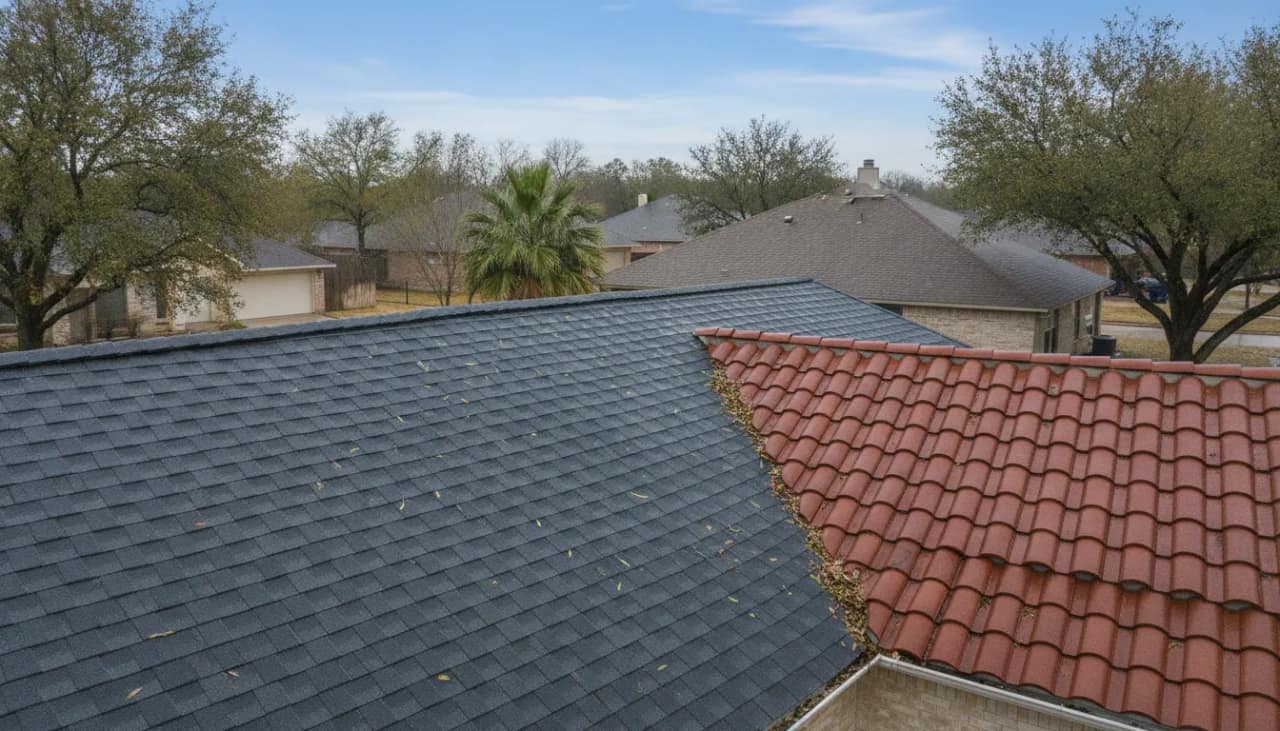
- Roofing material: Ask whether your specific material or product type is recognized in your policy territory. Do not assume an insurer treats all shingles, metal, tile, or other systems the same way.
- Wind or impact resistance: Some insurers may review qualifying features or documented mitigation measures. Find out what standard, documentation, or inspection they require.
- Installation and maintenance records: Clear records can help an insurer evaluate what was installed and when, even if documentation alone does not qualify you for a rate change.
- Property-specific underwriting: The home’s location, construction, policy form, and the carrier’s current rules can affect eligibility.
For a Texas property, use your actual policy and insurer’s written requirements as the source of truth. General advice online cannot confirm that a particular material or upgrade qualifies under your contract.
Which Roof Improvements Should You Ask About?
Start with the specific change you are considering, then ask the insurer whether it affects pricing, coverage, or eligibility. If the carrier uses an approved program or certification, ask for the exact program name and required verification before signing a roofing contract. Do not rely on a contractor’s general statement that a feature will earn a discount.
| Roof detail or improvement | What to ask the insurer | Documents to gather |
|---|---|---|
| New roof or replacement | Does roof age or the replacement date change eligibility, coverage terms, or premium? | Final invoice, completion date, product details, and dated photos |
| Different roofing material or product | Does this exact product qualify under my policy, and is a product listing or rating required? | Product information, packaging or manufacturer documents, and installation records |
| Wind or impact mitigation feature | Which features are recognized, and must they be inspected or certified? | Inspection report, certification if requested, photographs, and contractor records |
| Repair or roof maintenance | Will documented repairs address an underwriting concern, or is a different roof condition required? | Repair scope, paid invoice, before-and-after photos, and inspection notes |
| Roof age or condition review | What evidence will you accept to verify age and condition? | Prior permits or invoices, inspection report, and clear roof photos |
The table is a conversation guide, not a list of guaranteed discounts. Ask for the insurer’s current rules for your address and policy. If the carrier says a particular feature qualifies, ask whether it must be present on the entire roof, meet a technical specification, or be verified by a particular kind of inspection.

How Can You Verify Eligibility Before Work Begins?
Contact the insurer or agent before choosing a roof product or approving a project. A short written record of the conversation can help you compare the carrier’s requirements with the proposed scope of work. Keep the discussion focused on your property and policy, not an assumed industry-wide rule.
- Locate your current policy documents. Note your policy number, renewal date, named insured, and any roof-related conditions or endorsements.
- Describe the existing roof accurately. Share what you know about its age, material, condition, and any recent repairs. If you are unsure, say so rather than guessing.
- Describe the planned work. Provide the proposed material and scope, and ask whether the carrier needs a specific product, feature, inspection, or certification.
- Ask what kind of benefit is possible. Clarify whether the change could affect the premium, the policy’s availability, a deductible, or claim settlement. Ask when any premium change would take effect.
- Confirm the proof required. Ask whether the insurer needs an invoice, photographs, an inspection report, a permit, product documentation, or a formal certification.
- Request written confirmation. Ask the carrier or agent to send the applicable requirements and explain how to submit the documents after the work.
A helpful question is: “For my current policy and address, what exact roof feature qualifies for a discount, and what documents must I submit for you to verify it?” If the answer is conditional, ask what condition remains unresolved. A quote or estimate from a roofing contractor is not the same as confirmation from your insurer.
Elevation Roofing & Restoration works with residential and commercial roofing systems, including shingle, tile, and metal roofing. Homeowners can review the company’s roofing services and roof type information when comparing project options. The right choice should fit the building and the insurer’s stated requirements, not a promised premium reduction.
Request a conversation about your roof project and documentation needs.
What Records Should You Keep for the Insurer?
Keep one organized file for the roof, whether you are documenting a replacement, repair, or inspection. Submit only what your insurer requests, and retain copies of anything you send. Good records make it easier to answer follow-up questions and show what work was completed, but they do not guarantee a discount or a particular claim outcome.
- Pre-work and post-work photographs with dates, including broad views and relevant roof details.
- The inspection report and written scope of work.
- Invoices and proof of payment, with the project completion date.
- Product names, material descriptions, and manufacturer information provided with the installation.
- Permits, inspection records, or certification documents when applicable and requested.
- Messages or letters from the insurer describing eligibility, deadlines, or required forms.
Ask the roofing contractor for copies of project records that apply to the work. Check that the documents identify the property and describe the materials and work clearly. If the insurer requires a form completed by a specific professional, confirm who can complete it before the installation is finished.
How Do You Compare a Potential Discount With the Project Cost?
Do not make a roof decision based only on an estimated insurance reduction. First determine whether the roof needs repair or replacement based on its condition and your property’s needs. Then compare written project proposals on scope, materials, installation details, cleanup, and documentation. A discount, if approved, is only one part of the financial picture, and the carrier can change its rules or renewal terms.
Before treating a projected savings figure as part of your budget, ask the insurer to explain whether it is an estimate or a confirmed change, how long it applies, and whether it depends on an inspection or other conditions. Compare the total cost of the improvement with the confirmed premium impact over a realistic period. Avoid assuming that a discount will pay for an upgrade or that one carrier’s rules apply to another policy.
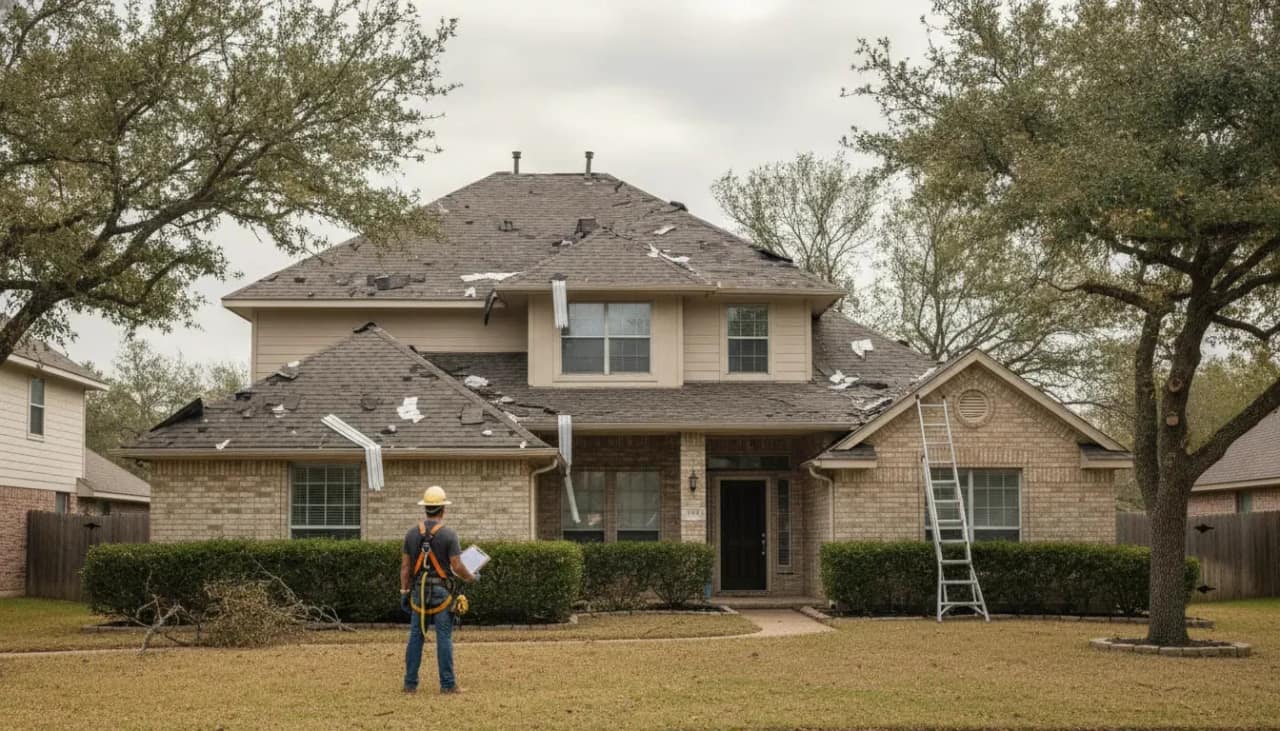
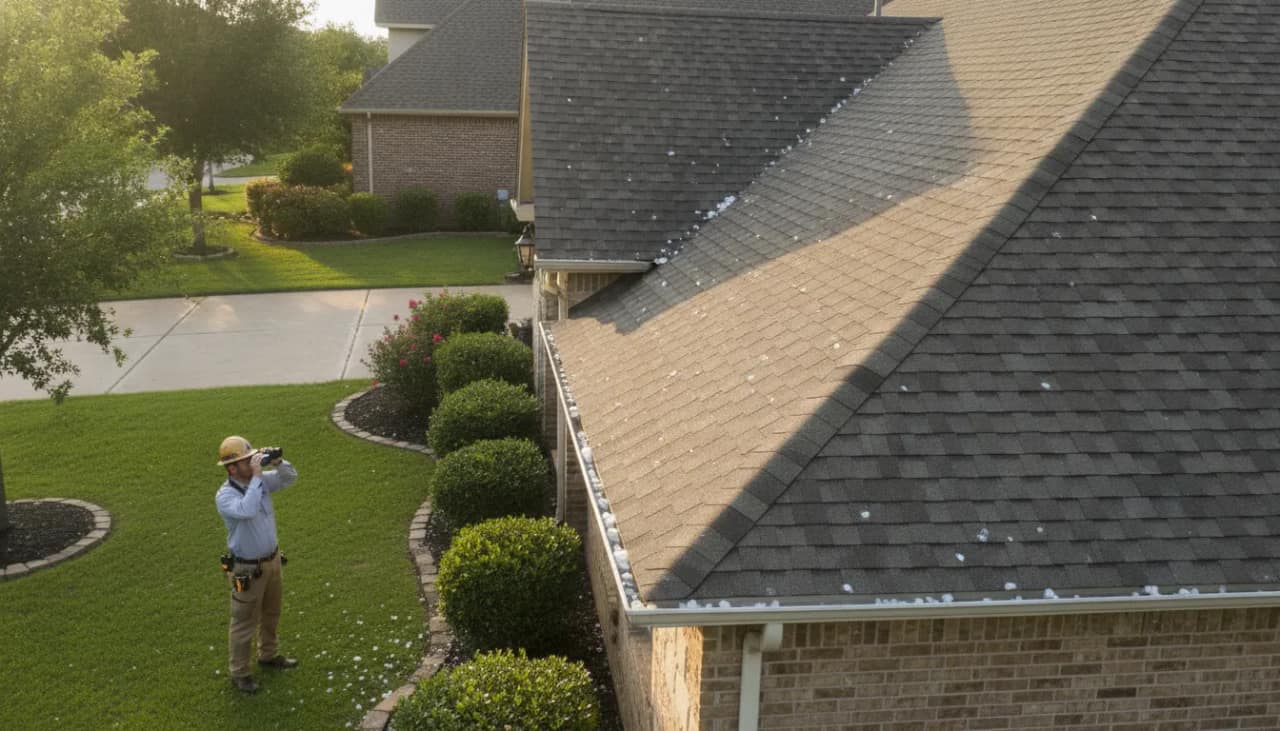
When the roof has damage, address the condition promptly and document it. If you are considering an insurance claim, keep the inspection and repair information organized and speak with your insurer about the policy process. A contractor can explain observed roof conditions and proposed work, but only the carrier can confirm how the policy applies.
What Should Houston and Austin Homeowners Keep in Mind?
Texas weather and property conditions vary, so do not treat a neighbor’s discount or a general online list as proof of your eligibility. The insurer may ask for different documentation depending on the property and policy. Homeowners in Houston, Austin, and surrounding communities should confirm requirements directly with the carrier before making an upgrade for insurance reasons.
If you are comparing roof systems, review information about shingle roofs, metal roofs, or tile roofing alongside the insurer’s criteria. Elevation Roofing & Restoration serves property owners in the Houston and Austin service areas. Ask for project details you can share with your agent, then get the carrier’s response in writing.
For additional background, see the company’s guide to roof lifespan in Texas and its information about roof inspections. These resources can help you prepare questions, but your insurer’s policy documents determine coverage and discount eligibility.
Contact Elevation Roofing & Restoration to discuss a roof inspection or project.
Frequently Asked Questions
Will a new roof automatically lower my homeowners insurance premium?
No. A new roof may affect how an insurer evaluates a property, but a lower premium is not automatic. Ask your carrier whether the replacement qualifies under your policy and what documents it needs.
Can a certain roofing material guarantee a discount?
No material guarantees a discount across insurers. Ask the carrier about the exact material or product you are considering, any required technical standards, and how eligibility must be verified.
What documents should I send after roof work?
Follow the insurer’s instructions. Commonly requested records may include a final invoice, completion date, product details, dated photographs, inspection findings, and certification or permit documents when applicable. Confirm the exact list before submitting.
Does a discount mean my roof is covered for replacement value?
No. A discount and the method used to settle a claim are separate policy issues. Review your policy for roof-specific terms, including how age and condition may affect payment, and ask your insurer to explain anything unclear.
Should I choose a roof upgrade mainly to get an insurance discount?
Do not rely on an assumed discount to justify the project. Confirm eligibility and any expected premium change with the insurer first, then weigh that information alongside roof condition, project scope, and your budget.
Plan Your Roof Decision With Clear Information
Roof insurance discounts depend on your carrier, policy, property, and proof of qualifying features, so verify the details before you commit to an upgrade. Keep complete project records and use the insurer’s written guidance to make an informed decision.