When most people picture their household carbon footprint, they think of the car in the driveway. It's a fair instinct — tailpipes are visible, fuel is a recurring cost, and the auto industry dominates climate conversations. But the structure sitting over your head all day, every day, has its own quiet environmental story. Here in Texas, where a roof bakes under relentless UV from March through October, that story is bigger than most homeowners realize.
At Elevation Roofing & Restoration, we install and restore roofs across more than 100 communities in Greater Houston and the Austin metro, and we field this question more than you'd expect: does my roof actually matter for the environment, the way my car does? The short answer is yes — just in different ways, on a different timeline. Here's an honest comparison, and what it means for your next roofing decision.
Two Very Different Footprints
A car and a roof both have an environmental impact, but the shape of that impact is almost opposite.
- A car's footprint is mostly operational. Manufacturing matters, but the bulk of a gas vehicle's emissions come from years of burning fuel. You feel it every time you fill the tank.
- A roof's footprint is mostly upfront and passive. The carbon is embedded in manufacturing and transporting the materials. After that, a roof doesn't burn fuel — but it dramatically influences how much energy your home consumes to stay cool.
That second point is where Texas changes the math. A car in Houston and a car in Maine pollute about the same. A roof does not. Under our intense heat load, the wrong roof can force your air conditioner to run for thousands of extra hours a year, and that electricity has a carbon cost of its own.
The Heat Equation: Why Texas Roofs Burn Energy
On a clear Houston afternoon, a dark, standard asphalt roof can reach 150°F or higher. That heat radiates straight down into your attic and living space, and your HVAC system spends the day fighting it. Multiply that across a long Gulf Coast cooling season — often eight or nine months — and the roof becomes one of the single largest drivers of your home's energy use.
This is the roofing equivalent of choosing between a fuel-guzzler and an efficient vehicle. Two roofs can look similar from the curb but perform completely differently:
- Reflective ("cool-roof") shingles and coatings bounce more of the sun's infrared energy away, lowering attic temperatures and easing AC load.
- Proper attic ventilation and underlayment let trapped heat escape instead of soaking into your ceilings.
- Lighter color blends — weathered wood, slate gray, silver tones — absorb less heat than deep charcoals without forcing you into a stark white roof.
If lowering energy use is a priority, ask your contractor about cool-rated lines during a roof replacement or new installation. The efficiency upgrade is often modest in cost and pays back in comfort and lower cooling bills.
Material Choices: The Embedded Carbon Question
Just as an electric vehicle shifts emissions from the tailpipe to the power grid and the battery factory, every roofing material carries its own manufacturing footprint and its own lifespan. The most sustainable choice usually isn't the one with the lowest sticker price — it's the one that lasts longest and reflects best for your specific home.
Asphalt shingle
The most common roof in Texas. Petroleum-based, but modern architectural shingles last 25 to 40+ years and increasingly come with reflective granules. Many are recyclable rather than headed straight to a landfill at tear-off.
Metal
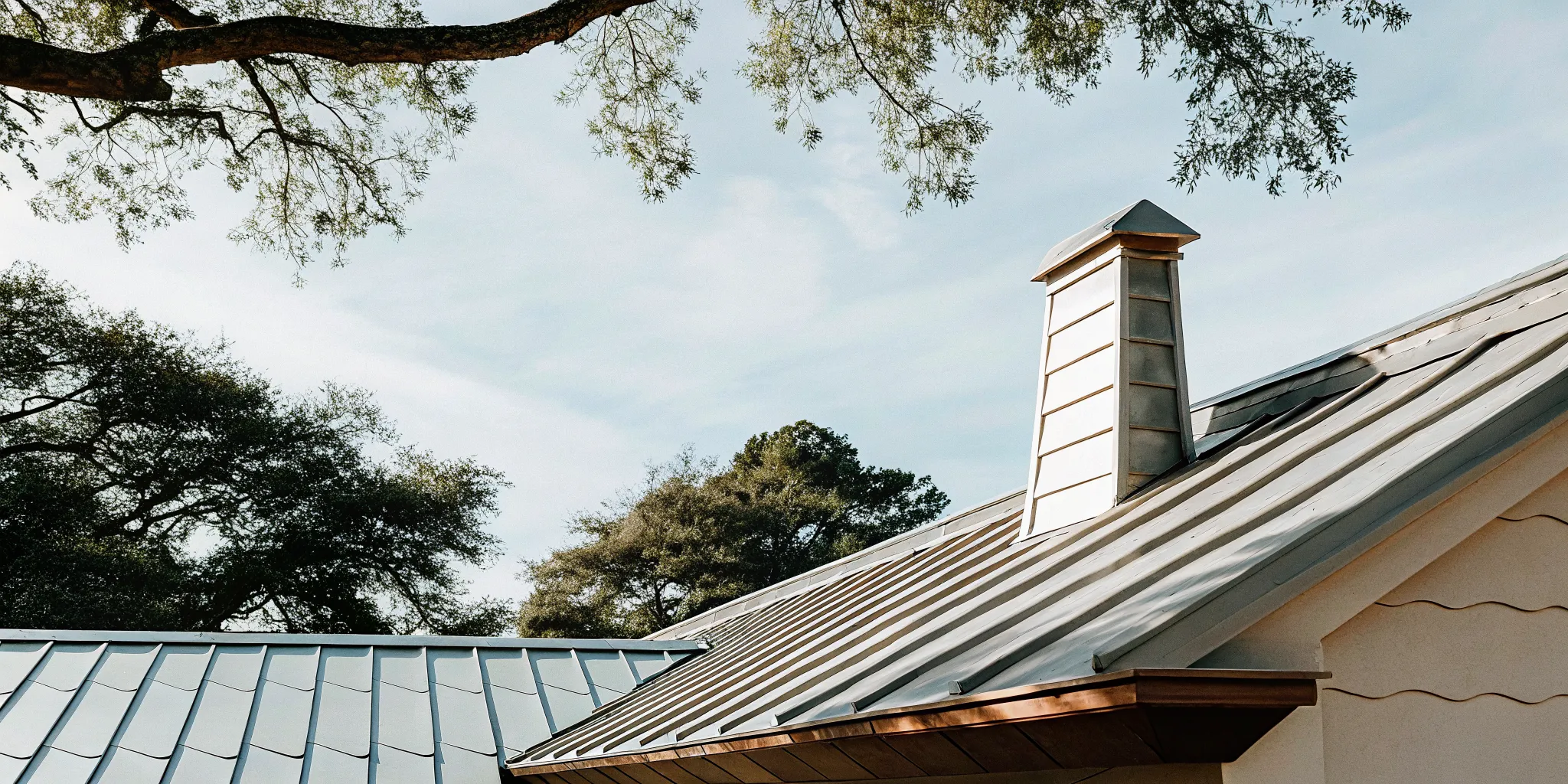
A standout for sustainability. Metal roofing is highly reflective, frequently made with recycled content, fully recyclable at end of life, and routinely lasts 40 to 70 years. One metal roof can outlive two or three asphalt roofs, which means far less material churned over the life of the house.
Tile and slate
Clay and concrete tile and natural slate are extremely durable — often lasting 50+ years — and their thermal mass can help moderate attic temperatures. They're heavier and pricier upfront, but their longevity spreads that embedded carbon across decades.
Flat and commercial systems
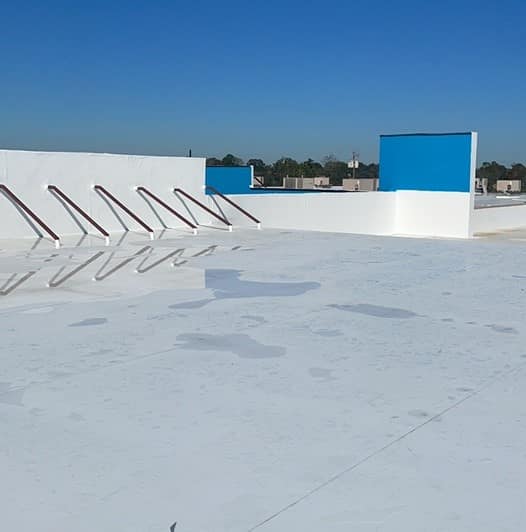
For flat and low-slope roofs, reflective single-ply membranes like TPO are designed to throw heat back at the sky, a real advantage on Texas commercial buildings and modern flat-roofed homes.
Not sure which material fits your structure and budget? Our overview of roof types breaks down the tradeoffs, and our team can model the options for your specific home.
Durability Is Sustainability
Here's the principle that ties cars and roofs together: the longest-lasting product is usually the greenest one. A vehicle you keep running for 200,000 miles spreads its manufacturing footprint thin. A roof that survives 50 years instead of 15 does the same — fewer tear-offs, fewer truckloads of new material, less waste.
In Texas, durability isn't just about the material; it's about surviving our climate. Hail, 130-mph wind gusts, hurricane-driven rain off the Gulf, and brutal UV all shorten a roof's life if the system isn't built for them. That's why we install complete GAF lifetime systems rather than mixing mismatched components — a roof engineered as a system reaches the upper end of its lifespan instead of failing early and getting replaced before its time. Routine roof maintenance and prompt repairs extend that life even further, keeping a usable roof out of the landfill.
So, Cars or Roofs?
It's not really a competition. Your car and your roof are two different levers on the same goal. The car is the obvious one most people already think about. The roof is the quiet one working 24 hours a day — and in our climate, choosing an efficient, durable, properly installed roof is one of the more meaningful sustainability moves a Texas homeowner can make without changing how they live.
The best part is that the eco-friendly choice and the smart-money choice tend to be the same roof: reflective enough to cut cooling costs, durable enough to last decades, and installed correctly the first time.
If you're weighing a replacement or just want to know how your current roof is performing, schedule a free roof inspection (a $399 value). We'll walk the roof, document its real condition, and lay out honest, efficiency-minded options for your home in Houston, Austin, or anywhere across the 100+ Texas communities we serve.