Flat roof drainage is a vital system built to move water off low-slope roofs before it causes leaks or damage. On a flat roof, water must flow toward drains, scuppers, or gutters to stop ponding. Heavy pools of water add weight and wear down the roof surface. The EPA notes that moisture problems often lead to costly repairs and bad air quality indoors. Without a proper slope, water can sit for days. This raises the risk of mosquito breeding and early roof failure. In Houston and Austin, heavy storms are common. Keeping drains clear and using the right roof pitch is the best way to keep your building safe.
Understanding Flat Roof Drainage: How Low-Slope Systems Work
The myth of the flat roof
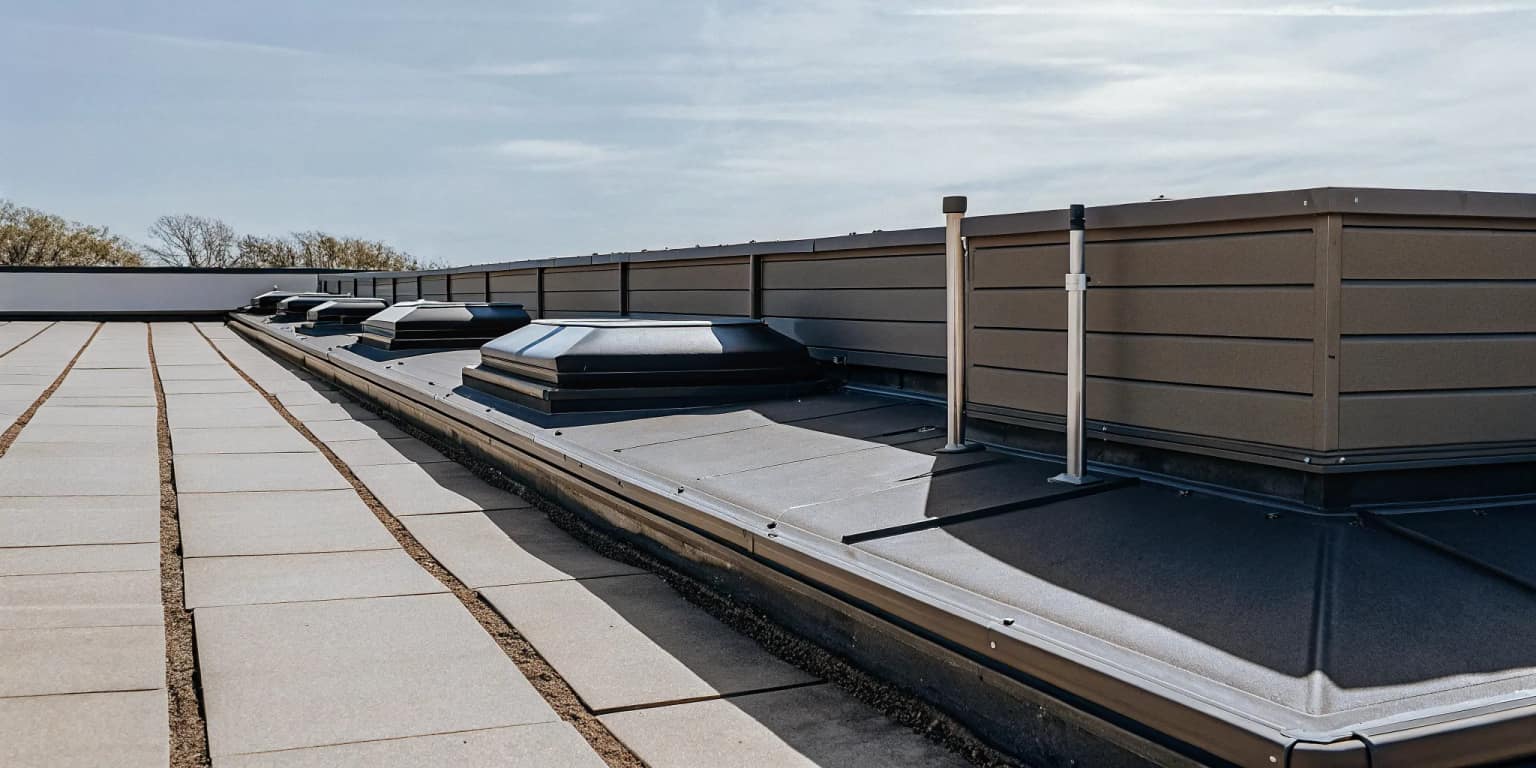
While many people use the term "flat roof," no roof should be truly flat. These systems are low-slope. A small pitch is vital because it allows water to move toward a drain. Without this angle, water would sit on the surface. This can lead to leaks and heavy weight that harms your building. Proper design and construction of slopes are key for any flat roof drainage setup.
In Texas, our weather makes this even more important. Cities like Houston and Austin often face heavy rain and storms. During a big storm, a roof must move a lot of water very fast. If the slope is off, the water stays put. This creates a risk for any property owner. Elevation Roofing & Restoration is Owens Corning and GAF Certified. We know how to build and check these systems to keep your property safe.
Main ways to move water
There are several ways a flat roof can clear water. Internal drains are one common choice for large sites. These drains sit at the low points of the roof. They pull water into pipes that run through the building. Most of these drains use domes or strainers. These parts help keep leaves and trash out of the pipes.
Another option is the scupper. Scuppers are holes in the edge of the roof. They let water flow out into downspouts or directly off the side. Some sites use siphonic drains too. These systems use a vacuum effect to pull water through the pipes at high speed. This is very helpful during the heavy rain we see in the Southeast. To get it right, pros must find your roof size and how much rain to expect. This helps them size the pipes correctly for your needs.
The role of tapered insulation
Tapered insulation is a smart way to fix a roof that is too flat. This product uses foam boards that vary in thickness. By laying them down in a specific order, a roofer can create a slope on a level surface. This helps guide water toward your drains or scuppers. It is a great fix for older roofs that have low spots where water pools.
Adding slope with insulation also helps with energy costs. It keeps your building warm in the winter and cool in the summer. If you have issues with ponding water, you should look into flat roof maintenance services to find the best fix. A professional team can check your slope and drains to ensure they work as they should. This keeps your roof in good shape for many years.
Common Causes of Flat Roof Drainage Problems
Flat roofs are not truly flat. They have a slight pitch to guide water toward drains. When water stays on the roof, it can cause big problems. You must find the cause of the blockage to keep your building safe. Most issues come from a lack of care or small changes in the roof structure over time. Proper flat roof drainage is vital for a long-lasting roof.
A good system moves water off the surface in a few hours. In places like Houston and Austin, heavy rain is common. If the water has nowhere to go, it will sit and cause rot. This extra weight can even lead to a roof collapse in the worst cases. Regular checks help you spot these risks before they cost too much to fix.
How Debris Blocks the Flow
Wind and storms bring more than just rain to your roof. They carry dirt, leaves, and trash that can stop water from leaving. Without professional roof maintenance, these items build up fast. This is a common issue for property owners in Texas after a heavy storm.
- Leaves and Twigs: Trees near your building drop leaves that pile up in the corners. This waste traps water and creates a dam that prevents proper flow.
- Clogged Drains and Scuppers: Dirt can fill the strainers on your drains. If the water cannot enter the pipe, it will sit on the surface and add weight to your roof.
- Growth of Plants or Moss: When dirt sits too long, seeds can grow. Plant roots can dig into the roof skin and cause leaks while blocking the path to the drain.
- Poor Structural Slope: Over many years, a building may settle or sag. This creates low spots where water pools instead of moving toward the drain points.
- Damaged Roof Membrane: Bubbles or tears in the roof material can trap water. These failures often happen at the seams where the roof sheets meet.
Structural and Surface Failures
Poor design is another reason for flat roof drainage issues. If the first plan did not include enough drains, the system will fail during a big storm. Texas rain is often heavy, and a small drain cannot handle it all. Proper drainage must move water off the roof within three days to prevent health risks.
Based on the Centers for Disease Control and Prevention, standing water should last less than 72 hours. If water stays longer, it can become a home for pests like mosquitoes. This shows why a clear path for water is a health matter as well as a structural one. You want your roof to stay dry to keep your family or staff safe.
The Impact of Local Weather
Heat from the Texas sun also plays a role in these problems. Constant heat can make the roof surface brittle. When the roof skin cracks, water finds a way into the layers below. This leads to soft spots and more pooling. Checking your roof often helps you find these cracks before they turn into major leaks. Even a small hole can let in a lot of water during a flash flood.
Strong sun can also warp the metal parts of your drainage system. Scuppers and gutters may bend or pull away from the walls. This creates gaps where water can pour into your building instead of into the drain pipe. A quick check after a heat wave is a smart move for any owner.
Warning Signs Your Flat Roof Has a Drainage Problem
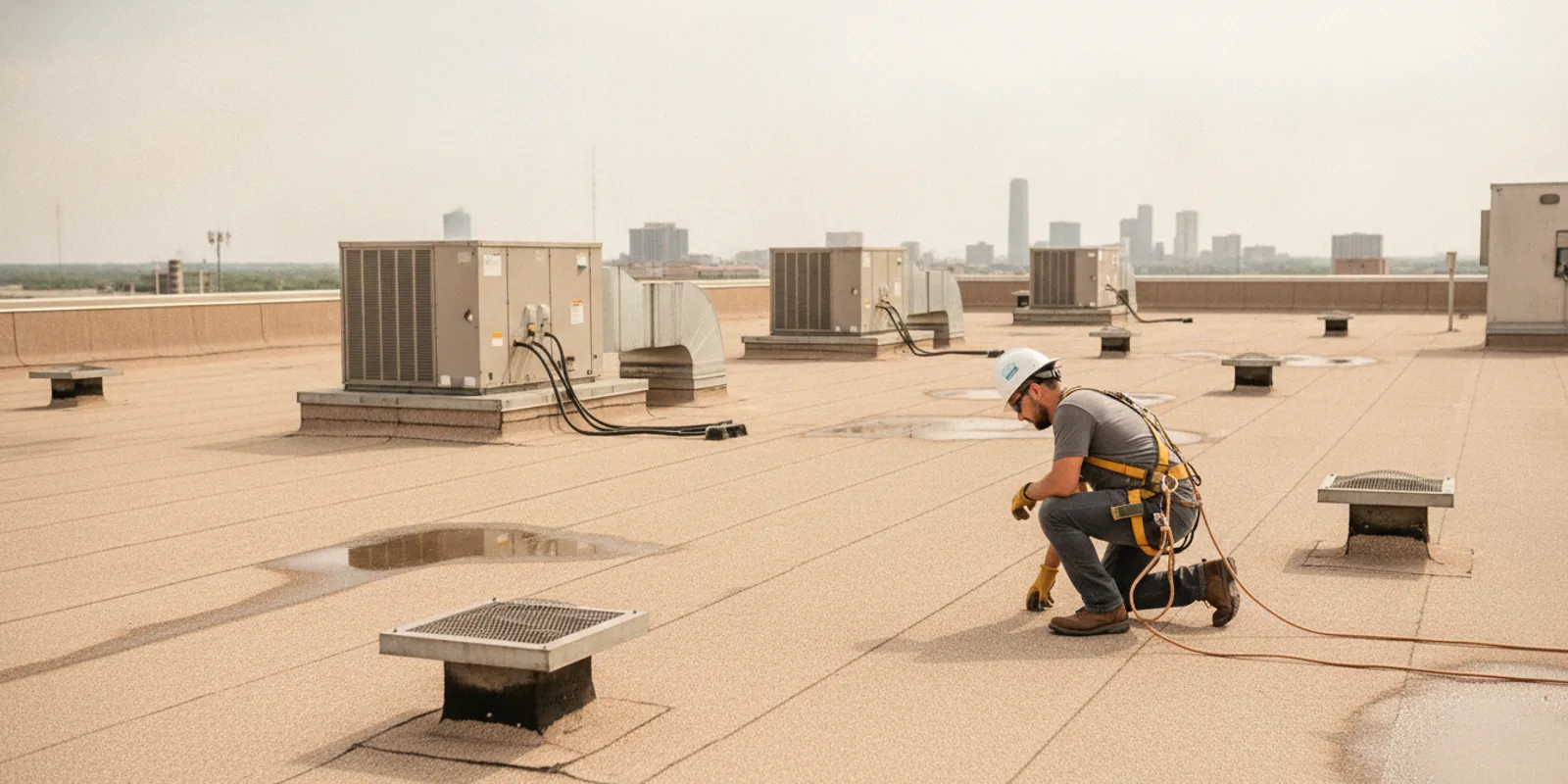
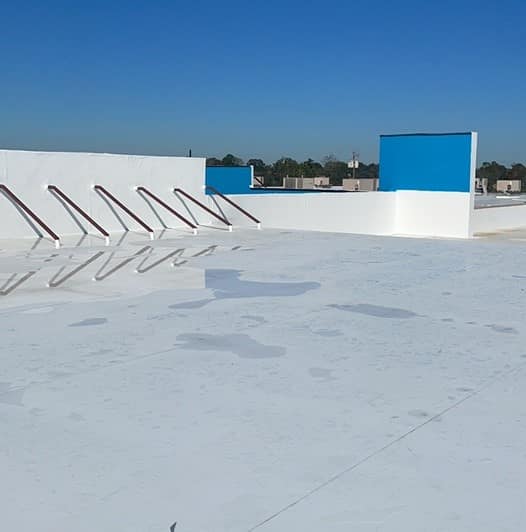
Ponding water is a clear sign that your roof does not shed water well. Most flat roofs have a slight slope to move water toward drains or scuppers. When that slope fails, water stays in place. You may see large pools of water after a storm. If these pools stay for more than two days, you have a problem that needs a fast fix.
Ponding water on the roof surface
Standing water, or ponding, is the most common sign of a drainage issue. Water should leave your roof within 48 to 72 hours. If it stays longer, it can harm the roof surface. As noted by the CDC, standing water that lasts more than three days can also become a place for mosquitoes to breed. This creates a health risk for people near the building.
Extra water adds a lot of weight to your roof. Over time, this weight can cause the roof deck to sag or bend. A sagging deck makes the ponding worse. It creates a low spot that holds even more water. If you see deep pools that do not dry, you should call for roof repair services right away. A pro can find if the problem is a clog or a bad slope.
Inside leaks and water stains
You may find signs of drainage trouble inside your building first. Look for water stains on your ceilings or walls. These stains often look like brown or yellow circles. They show that water is getting through the roof layers. A small leak can lead to big problems if you do not act fast.
Moisture that gets into your building can cause mold to grow. The EPA states that moisture problems lead to high repair costs and poor air quality. If you see damp spots or smell mold, your roof drainage might be blocked. Water that cannot leave the roof will find a way inside. Checking your drains for clogs like leaves or twigs can help you find where the leak starts.
Failing seams and plant growth
Poor drainage also shows on the roof surface in other ways. Check the seams and edges of your roof for signs of stress. Standing water puts a lot of pressure on these parts. You may see the seams start to split or pull apart. This allows water to reach the deck below. Blisters or bubbles on the roof surface are also bad signs. They show that moisture is trapped under the top layer of the roof.
Plants growing on your roof are another warning. You might see moss, algae, or even small grass patches. These plants need water to grow. If they are there, it means water is sitting on your roof too long. Roots from these plants can dig into your roof and cause deep damage. They can also trap more dirt and debris, which blocks your drains even more.
Comparing Flat Roof Drainage Systems: Drains vs. Scuppers
Choosing the right drainage system is vital for your building's health. In Texas, our roofs must handle heavy rain and sudden storms. Most flat roof maintenance services look at two main choices: internal drains and scuppers. Each system has its own perks based on your roof's size and shape. Proper design must account for local rain levels to size pipes and outlets correctly, as noted by the Centers for Disease Control and Prevention.
Internal roof drains
Internal drains sit in the low spots of your roof. They connect to pipes that run inside the building. These systems work well for large roofs where water cannot easily reach the edges. Many commercial roofs use this setup to move water off the surface fast. It keeps the outside of your building clean but requires care to keep the pipes clear of clogs.
Roof scuppers and gutters
Scuppers are holes in the side walls of your roof. They let water flow out and away from the building. You can pair them with gutters or downspouts to guide the flow. These are easier to set up and maintain than internal pipes. They are a top pick for smaller roofs or buildings where internal plumbing is not an option. Regular care helps ensure these outlets stay open during a big storm.
| System Type | Installation Complexity | Maintenance Needs | Storm Efficiency |
|---|---|---|---|
| Internal Drains. | High (needs interior pipes). | Medium (check for clogs). | Excellent for large areas. |
| Scuppers. | Low (wall openings). | Low (easy to clear). | Good for perimeter drainage. |
| Siphonic Drains. | Very High (sealed pipes). | High (needs expert check). | Best for extreme rainfall. |
| Gutter Systems. | Medium (edge brackets). | High (frequent cleaning). | Best for small flat roofs. |
Siphonic drainage systems
Siphonic drains use a special design to pull water off the roof. When it rains hard, the pipes fill completely. This creates a vacuum that sucks water out at high speeds. These systems are great for huge commercial buildings. They move vast amounts of water quickly during a hurricane or heavy downpour. While they cost more to set up, they offer the best protection for large, flat spaces.
No matter which system you pick, professional roof maintenance is the key to success. Effective drainage prevents moisture damage that leads to costly building repairs, according to EPA guidelines. Keeping your drains clear helps your roof last longer and stay strong against the Texas weather.
The Hidden Costs of Poor Flat Roof Drainage
A small puddle on your roof might look like a minor issue. But for building owners in Houston and Austin, poor flat roof drainage is a serious money and safety risk. When water sits on a low-slope surface, it starts a chain of events that can damage your site from the top down. Knowing these hidden costs helps you stop small leaks before they turn into major structural failures.
Public health and safety risks
Standing water is more than a maintenance headache; it is a health hazard. Per the CDC, water that stays on a roof for more than 72 hours can become a breeding ground for mosquitoes. In Texas, this grows the risk of West Nile virus and other sickness for people in and around your home. Quick drainage is vital to limit these public health risks and keep your site safe for all.
Structural stress and weight issues
Water is heavy, weighing about 62 pounds per cubic foot. When your drainage system fails, ponding water adds massive weight to your roof structure. This extra load can exceed what your building was designed to hold. Over time, the stress may cause the roof deck to sag or even collapse. Regular checks from roof repair services can find these weak spots early and prevent a total structural failure.
Membrane damage and mold growth
Standing water also acts as a "silent killer" for your roof membrane. Constant moisture breaks down the seams and flashing that keep your building dry. As the material weakens, water seeps into the insulation and walls. This damp space often leads to costly mold repairs and poor indoor air quality. Fixing these moisture problems early saves you from the high cost of a full rebuild later.
How Texas Property Owners Can Solve Flat Roof Drainage Issues
Texas weather is tough on low-slope roofs. Houston and Austin see heavy rain that can dump inches of water in a short time. If your roof system fails, water will sit on top. This creates weight and leads to leaks. Building owners must take steps to fix these issues before they cause big damage. You have a few ways to keep your roof dry and safe.
Install tapered boards for better slope
A flat roof needs a slight pitch to work well. If your roof is too flat, water will pool. This is called ponding. To fix this, you can use tapered boards. These are foam boards that are thick on one end. When you lay them down, they create a slope that guides water toward the drains. This is a great choice when you get a new roof.
Using these boards helps you avoid the cost of changing the roof frame. It is a smart way to stop standing water. The EPA says that good drainage helps prevent moisture damage. It also keeps building repair costs low. If you see large pools on your roof, this fix might be your best bet.
Add more drains or overflow scuppers
Some roofs in Austin and Houston were built with too few drains. Modern storms often dump more water than old pipes can handle. You can solve this by adding new drains or scuppers. Scuppers are holes in the edge of the roof. They let water flow off the side. They are easy to set up and keep clean. They work well for Texas buildings that face fast, heavy rains.
You should also add overflow drains. These sit a few inches higher than your main drains. They stay dry most of the time. But if a main drain clogs, the overflow drain takes over. This prevents water from getting deep enough to stress the roof beams. You can learn more about these tools through flat roof maintenance services for your site.
Keep drains clear with routine care
Debris is the most common cause of drainage failure. Leaves and dirt can block your roof drains in one storm. You must clear these clogs to keep your system working. The CDC notes that clearing brush and sediment helps minimize standing water. This also helps stop pests like mosquitoes from breeding on your roof.
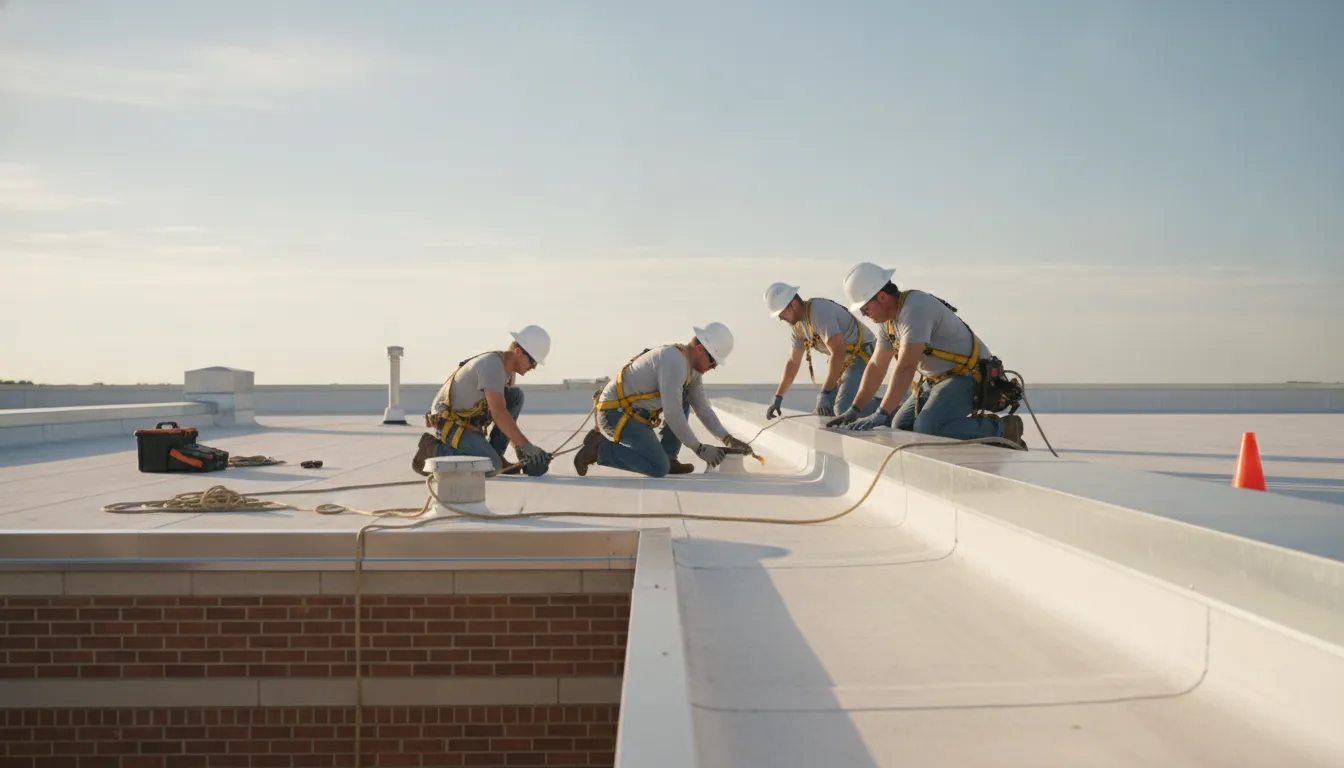
For a long-term fix, hire a pro to check your roof twice a year. Elevation Roofing & Restoration is Owens Corning and GAF Certified. We serve the Houston and Austin areas with local care. We can find small clogs or cracks in your drains before they lead to a leak. Regular checks keep your roof in good shape for many years. We focus on quality work to give you peace of mind.
Frequently Asked Questions
How long can water sit on a flat roof before it becomes a problem?
As noted by the CDC, water should not stay on a flat roof for more than 72 hours. Standing water that lasts over three days can help mosquitoes breed and spread disease. This ponding also adds weight and wears down the roof cover. Over time, this leads to leaks and bad air quality inside. You should hire a pro to check your roof if water does not drain away fast.
How often should I clean my flat roof drains?
Clean your roof drains at least twice a year to clear out leaves and dirt. If your place has many trees or heavy storms, you may need to check them more often. As noted by the EPA, good care stops moisture from causing big repair bills. Routine checks help find small leaks before they grow. Keeping drains clear helps your roof last longer and stay strong against rain.
Do I need an overflow drain for my flat roof?
Yes, most flat roofs need an overflow drain as a backup. This second drain sits a bit higher than the main one. It works if the first drain gets clogged by leaves or dirt. Without it, water can pool and add too much weight to your building. As stated by Overhead Roofing, this weight can cause the roof to sag or fall. It is a key safety part for any flat roof.
Can I fix my own flat roof drainage problems?
You can clear small bits of trash from your drains, but big issues need a pro. Trying to fix a slope or swap a drain yourself can lead to more leaks. Experts can find hidden damage and make sure your roof stays safe. As noted by Elevation Roofing, expert care helps find issues before they cause real harm. A roofer who is Owens Corning and GAF Certified has the right tools to keep your drains working well.
Ready to book your free flat roof inspection?
Leaving small leaks on your flat roof today risks high costs from frame damage and mold that will ruin your daily work or home life. Acting now prevents a small drain issue from turning into a total roof failure that needs a new roof and weeks of loud repair work. A quick expert check finds clogged drains or poor slopes before the next heavy storm hits Texas, saving you time with flat roof maintenance services.
Our local Texas team knows how to handle heavy rain, high heat, and ponding water on your low slope roof. Ready to schedule a free flat roof inspection? Call (832) 271-1726 to talk to an Owens Corning and GAF Certified roofer and protect your building from the next big storm today.