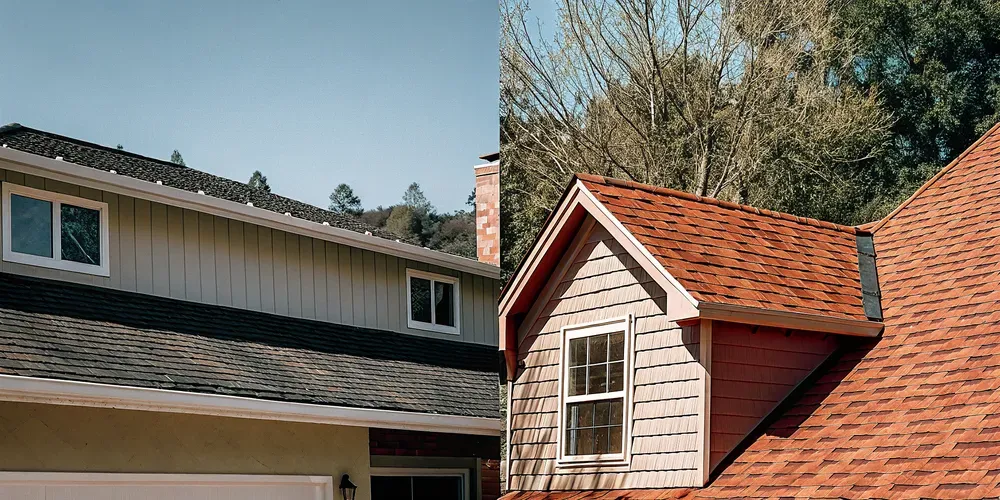
Choosing a roof for a Texas home is not simply a matter of picking the style you like best. Houston and Austin homes must manage intense sun, heavy rain, humidity, and occasional storm damage. So slope affects how water leaves the roof and how much maintenance the system may require.
Call Elevation Roofing & Restoration at (832) 271-1726 for a free roof inspection and estimate.
The best flat roof vs pitched roof choice depends on your home's architecture, local weather exposure, budget, and willingness to maintain the system. Flat or low-slope roofs can support a modern design and usable rooftop space, but they depend on carefully designed drainage. Pitched roofs use gravity to shed water and debris more naturally, often providing attic space and a simpler maintenance path.
Before comparing materials, costs, and long-term performance, it helps to understand what the roof's slope changes in practical terms. That difference influences drainage, ventilation, usable space, and the way each system fits your home.
What Is the Real Difference Between a Flat Roof and a Pitched Roof?
The primary difference is slope. A flat roof is not perfectly level. It uses a low-slope surface, typically under 10 degrees, with a slight pitch that guides water toward drains or roof edges. A pitched roof rises to a peak or ridge, commonly reaching roughly 20 to 45 degrees. That steeper shape changes how the roof handles rain, debris, materials, attic space, and maintenance.
For a closer look at the terminology, see this guide to understanding flat roof systems and learn more about the benefits of a pitched roof.
How does slope affect drainage?
Gravity does more of the drainage work on a pitched roof. Rainwater runs down the sloped planes and into gutters or other collection points, while leaves and small debris are more likely to slide or wash away. A pitched design does not eliminate leak risk, however. Flashing, penetrations, gutters, and the connections between roof components still need proper installation and inspection.
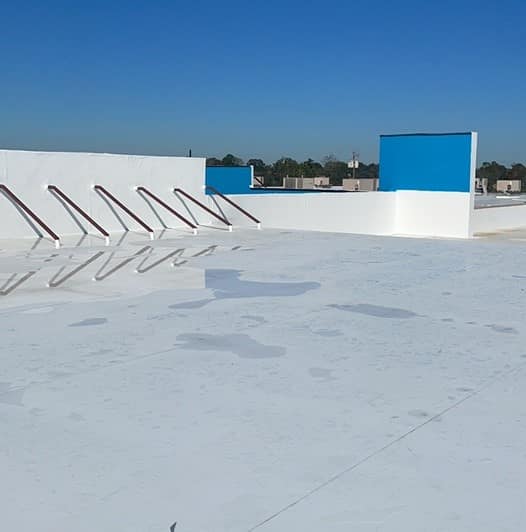
A flat or low-slope roof depends more heavily on its drainage design. Drains, scuppers, gutters, tapered insulation, and a continuous waterproof surface must work together to move water off the roof. If a drain becomes blocked or the surface settles, water can remain in one area and create ponding. That is why drainage inspection is an important part of maintaining a low-slope system, especially after heavy Texas rain.
- Flat or low-slope roof: Uses planned drainage paths and a waterproof membrane.
- Pitched roof: Uses steeper planes and gravity to shed water and debris.
- Both systems: Require sound flashing, ventilation where applicable, and routine inspection.
Which materials are typically used?
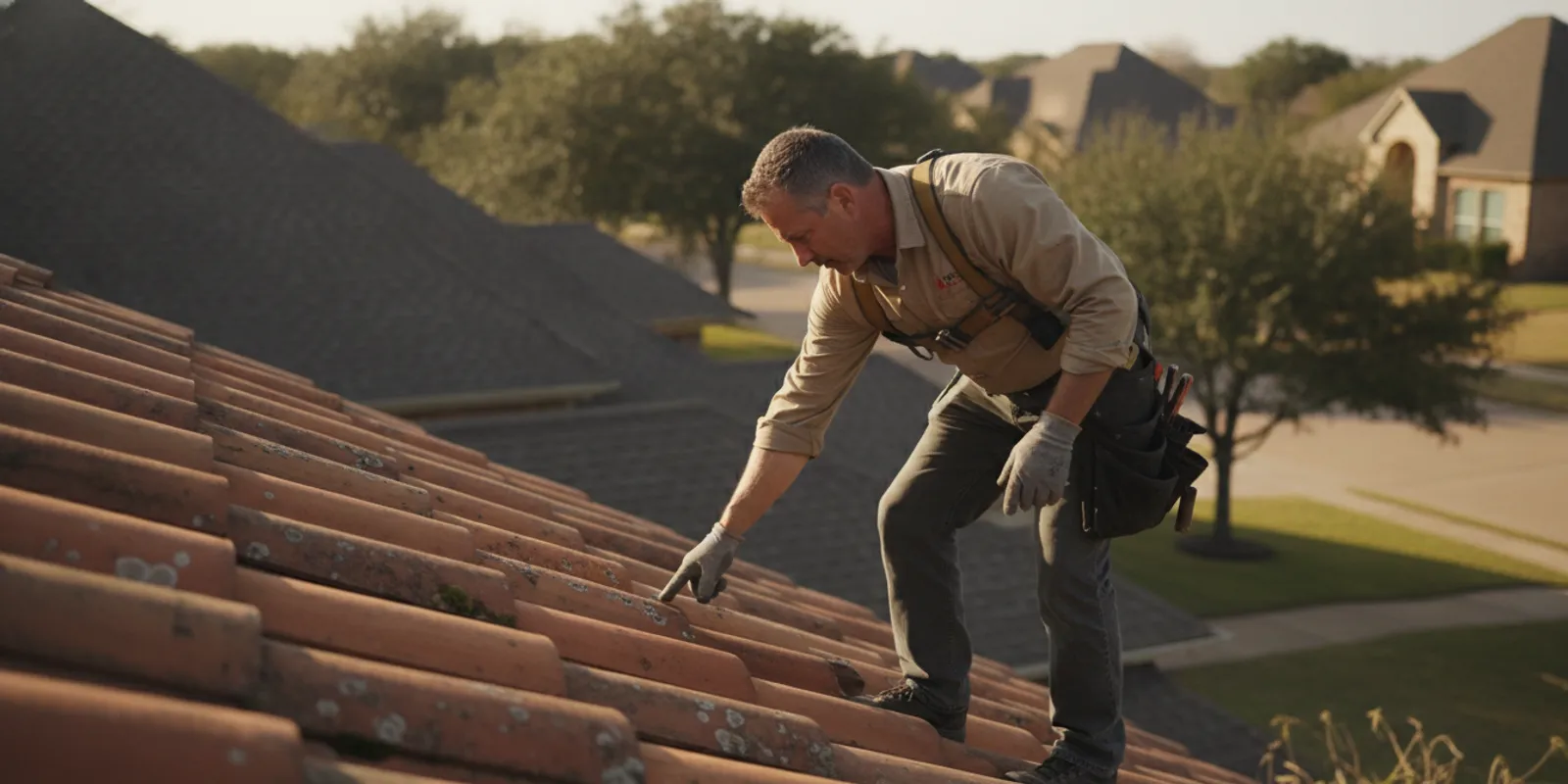
Flat and low-slope roofs commonly use membrane materials such as thermoplastic polyolefin, or TPO. TPO is designed to create a continuous waterproof surface across the roof area. Pitched residential roofs more often use shingles, metal, or tile because these materials can be installed on sloped planes and shed water effectively. Elevation Roofing provides expertise with shingle, tile, metal, and TPO roofing systems.
The right choice depends on more than appearance. Architectural style, drainage conditions, Texas weather, budget, and expected maintenance all matter. A professional inspection can identify the existing slope, drainage layout, ventilation needs, and material condition before you decide whether repair, replacement, or a different roof system makes sense.
Flat Roof Pros and Cons for Texas Homes
Flat and low-slope roofs can be a strong fit for Texas homes when the design, membrane, and drainage plan work together. They are especially common on modern or contemporary homes, as well as properties with a commercial-inspired exterior. Compared with a steep roof, a flat profile can create a clean architectural look and make better use of the roof surface. But it also leaves less margin for installation or maintenance mistakes.
Advantages of a flat roof
- Lower initial cost: A simpler roof profile can require fewer materials and less labor than a complex pitched design. Although the final price depends on access, structural requirements, membrane choice, and drainage.
- Usable rooftop space: A properly designed flat roof may accommodate equipment or functional space such as a roof deck. Any occupied or heavily used area requires appropriate structural planning and waterproofing.
- Modern appearance: The low-profile lines complement contemporary and modern architecture, and can also suit certain homes with a commercial-flavored design.
- Efficient membrane systems: TPO is commonly used for flat and low-slope roofing. It forms a continuous waterproof surface and can provide durable performance when correctly specified and installed.
For a closer explanation of slope, materials, and drainage, review these low-slope or flat roof systems before choosing a design.
Disadvantages and maintenance concerns
- Greater ponding risk: Flat roofs are not perfectly level. They need carefully planned slope, drains, scuppers, and reliable flashing so rainwater moves off the surface instead of collecting. Ponding water can contribute to leaks and structural problems, making regular drainage inspections important.
- More maintenance sensitivity: Leaves, debris, blocked drains, membrane damage, and deteriorated seams can create problems quickly. A maintenance plan should include inspections after severe weather and before small defects become larger repairs.
- Humidity and condensation: Houston's humid conditions make moisture management especially important. Proper ventilation, insulation, and air sealing help reduce condensation and protect the roof assembly from premature degradation.
- Often shorter service life: Basic flat-roof materials may last around 20 years, while quality EPDM or TPO systems can reach roughly 30 years with sound design and maintenance. Actual service life varies with material quality, installation, exposure, drainage, and upkeep.
The right choice depends on more than the lowest upfront bid. Compare the expected maintenance, drainage requirements, material life, and architectural goals with a qualified roofing professional before committing to a flat roof.
Pitched Roof Pros and Cons for Texas Homes
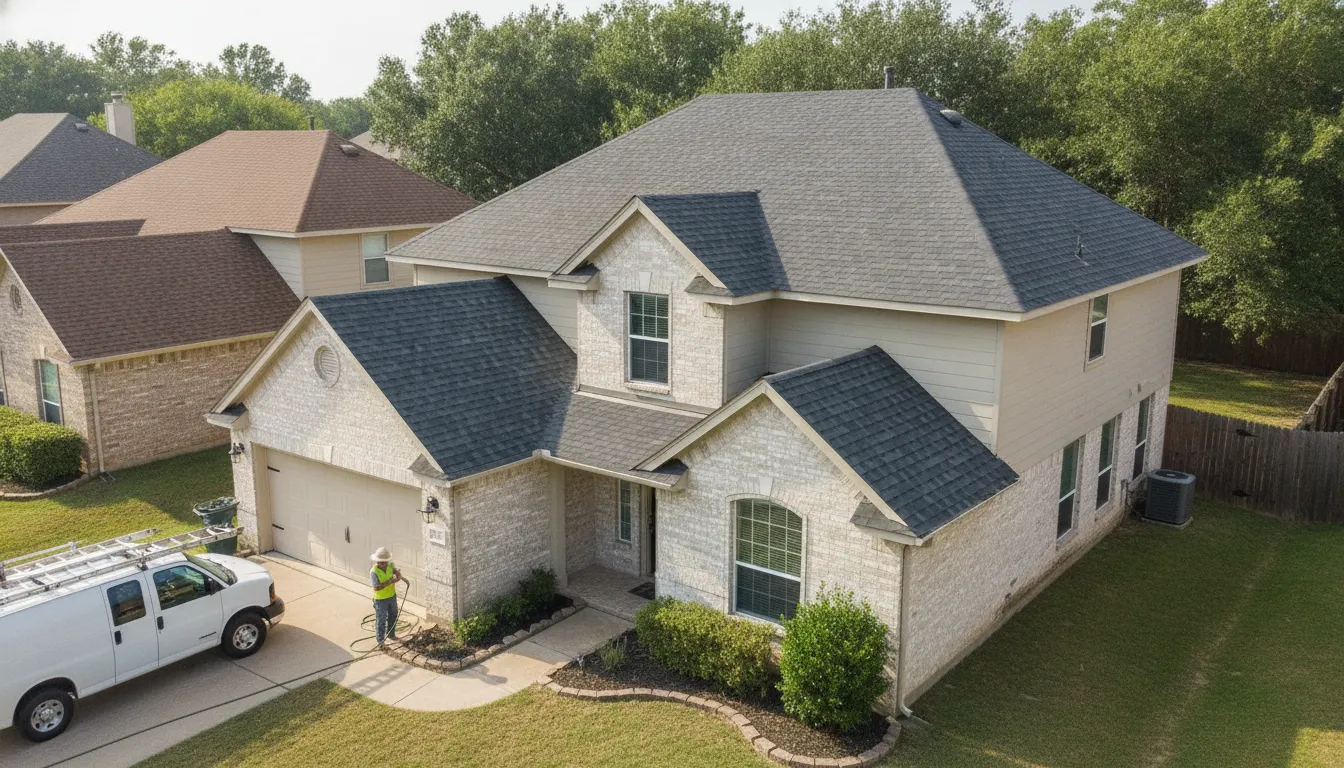
Pitched roofs remain a common choice for Texas homes because their slope helps move moisture and debris away from the structure. Gravity naturally sheds rain, snow, and leaves, reducing the chance of standing water and some leak risks. That drainage advantage is especially useful during heavy Houston or Austin rain, although proper flashing, ventilation, and installation still matter.
There is more to the decision than drainage. A pitched design can create a comfortable balance of curb appeal, usable attic space, and long-term material performance. This overview of the benefits of a pitched roof explains the basic design in more detail.
Advantages of a pitched roof
- Efficient water and debris shedding: Sloped surfaces use gravity to direct rainwater toward the roof edge and drainage system. Water does not collect in broad, level areas.
- More attic flexibility: The space beneath the slopes can provide storage room and make it easier to plan ventilation. In a hot, humid climate, good ventilation helps manage moisture and reduce condensation concerns.
- Versatile residential appearance: Pitched roofs suit many traditional and contemporary home styles. Asphalt shingles, tile, and metal can each change the appearance while maintaining the familiar residential profile.
- Potentially longer material life: Asphalt shingle roofs can last about 30 years when properly selected, installed, and maintained. Metal roofing can last 40 to 50 years or more, depending on the product, installation, exposure, and upkeep.
- Strong Texas performance from metal: Metal roofing can perform well in the state's heat and severe wind conditions. The material choice still needs to be matched with sound roof design and professional installation.
Disadvantages to consider
- Higher initial investment: A pitched roof generally uses more materials and requires more labor than a simpler low-slope design. The added framing, underlayment, flashing, and installation time can increase the upfront cost.
- Complex rooflines raise maintenance needs: Valleys, dormers, skylights, and other penetrations create more locations where flashing and drainage details must work together. Research from Virginia Cooperative Extension notes that complex roof designs can increase both installation and long-term maintenance costs: roof design and maintenance guidance.
- Access can be more difficult: Steeper or highly detailed roofs may require additional safety planning during inspections, repairs, and replacement work.
A simple pitched roofline usually offers the best balance of drainage, cost, and maintainability. When a home has multiple valleys or penetrations, ask a roofing professional to evaluate those details rather than judging the roof style by slope alone.
How Texas Weather Affects Flat vs Pitched Roofs
Houston and Austin homeowners need to evaluate roof slope against the conditions a roof must manage year after year. Intense sun, hail, heavy rainfall, and humidity can affect both flat and pitched systems, but they expose different strengths and maintenance needs.
Heat and severe weather put materials to the test
Texas heat makes the roof surface and the materials beneath it important parts of the decision. Metal roofing is a strong option for both pitched and low-slope applications because it is durable in Texas climates and offers high solar reflectance. That reflectance can help limit how much solar energy the roof surface absorbs. Metal also offers durability in severe weather, including the high winds that can accompany Texas storms. Material selection still needs to match the roof design and installation details.
Hail is another consideration in both markets. A hailstorm can damage shingles, metal panels, tile, membranes, flashing, or vents depending on the storm and the system. A roof that looks intact from the ground may still have impact damage that warrants a closer inspection. After a severe storm, document visible damage and arrange a professional assessment before assuming the roof is unaffected.
Why Texas rain matters for flat roofs
- Low-slope systems depend heavily on properly designed and maintained drains, scuppers, and other drainage paths.
- Heavy rainfall can expose blocked or undersized drainage and create ponding on a flat roof.
- Standing water adds moisture exposure and can contribute to leaks or structural concerns if drainage problems persist.
- Pitched roofs use gravity to shed water and debris, but valleys, flashing, and roof penetrations still require careful inspection.
Flat and low-slope roofs commonly use a continuous waterproof material such as TPO. That membrane can perform well when the roof is correctly designed, installed, and maintained, but it does not eliminate the need to monitor drainage. Pitched roofs generally move rainfall away more naturally, although a complex roofline can create additional areas where water and debris collect.
Humidity, ventilation, and storm-damage support
Houston's humidity makes condensation management and ventilation important. Moisture can build up when warm, humid air meets cooler roof or attic surfaces, so sealing and ventilation should be considered as part of the complete roof system. Pitched construction may provide attic space for ventilation planning, while flat construction requires a design-specific approach to insulation, air sealing, and moisture control. The right answer depends on the home's structure, not slope alone.
When hail, wind, or heavy rain causes damage, Elevation Roofing can inspect the roof and support homeowners dealing with storm-related damage and insurance claims. A documented inspection can help clarify whether damage is cosmetic, functional, or related to an active leak. For Houston or Austin properties, call Elevation Roofing & Restoration at (832) 271-1726 or request a storm-damage inspection online.
Weighing Cost and Lifespan in the Flat Roof vs Pitched Roof Decision
Upfront price is only one part of the decision. A roof that costs less to install may require more frequent drainage checks and maintenance, while a higher initial investment can provide a longer service life. The right comparison considers the home's design, Texas climate, materials, inspection needs, and expected time in the property. Roofing guidance also recommends weighing initial installation costs against long-term maintenance requirements rather than judging options by price alone (U.S. Department of Energy roofing guidance).
| Factor | Flat or low-slope roof | Pitched roof |
|---|---|---|
| Initial cost | Typically a lower initial investment. The final cost depends on the membrane, insulation, drainage design, access, and roof complexity. | Generally a higher initial investment because the design uses more framing and roofing materials. Complex rooflines with dormers or penetrations can increase installation costs further. |
| Expected lifespan | A basic system may last about 20 years. A well-installed membrane such as quality EPDM or TPO may approach 30 years with appropriate care. | Asphalt shingles commonly last about 30 years, while a properly selected and maintained metal roof may last 40 to 50 years or more. |
| Maintenance | Usually requires more frequent attention. Drains, flashing, seams, and low points should be inspected so ponding water does not create larger problems. | Often requires less routine maintenance because gravity helps shed water and debris, but inspections remain important for shingles, flashing, ventilation, and storm damage. |
| Energy efficiency | Can perform efficiently with properly selected insulation and reflective membrane options. Condensation control and ventilation still matter in humid Houston conditions. | Can also be efficient, particularly when the attic is properly insulated and ventilated. Metal and other material choices can further affect heat performance. |
| Best fit | Often suits modern architectural designs, additions, and homes where a low-slope system is part of the structure. TPO is commonly used for flat and low-slope applications. | Often suits traditional residential designs and homes that benefit from attic space, natural drainage, and a longer-lived roofing material. |
How to interpret the cost difference
A lower starting price does not automatically make a flat roof the better value. A drainage problem, neglected seam, or difficult-to-access repair can change the long-term ownership cost. Conversely, a pitched roof with a complicated design may carry higher installation and maintenance costs than a simple roofline. Periodic inspections and appropriate maintenance help both systems deliver their expected value.
Material selection also changes the comparison. Elevation Roofing works with shingle, tile, metal, and TPO systems, so the recommendation can be matched to the structure rather than based on roof shape alone. Review the company's customer reviews and have a qualified roofer evaluate drainage, ventilation, flashing, and existing damage before choosing a replacement system.
Get a free roof inspection in Houston or Austin and confirm which system fits your home.
Frequently Asked Questions
Is a pitched roof better than a flat roof for a Texas home?
Neither option is automatically better. A pitched roof naturally sheds rain and debris through gravity. A flat or low-slope roof can support a modern design or usable rooftop area when its drainage system is properly designed. In Houston or Austin, the right choice depends on your home's architecture, local weather exposure, budget, and willingness to plan for maintenance. A roof inspection can identify which system fits the structure rather than relying on a general rule.
What is the biggest disadvantage of a flat roof?
The main concern is drainage. Because a flat roof has less slope, clogged drains, blocked scuppers, or poor design can allow water to pond. Standing water can contribute to membrane wear, leaks, and structural stress over time. Flat roofing therefore needs a suitable waterproof membrane, such as TPO for many flat or low-slope projects, along with routine checks of its drainage components. Regular inspection is especially important after heavy Texas rain.
Are flat roofs harder to insure than pitched roofs?
Insurance decisions vary by carrier, policy, roof material, installation quality, age, and documented condition. A flat roof is not automatically uninsurable, but its drainage and membrane condition may receive closer attention during underwriting or a claim. Before choosing a system, ask your insurance professional how the proposed roof will be evaluated. After storm damage, keep inspection records and photographs, and work with a qualified contractor who can document the roof condition accurately.
Why do many residential homes use pitched roofs?
Pitched roofs work well with many traditional residential designs and provide attic space for storage or ventilation. Their slope also helps move rain and debris away from the roof surface. That does not make every pitched roof low-maintenance: flashing, penetrations, materials, and workmanship still matter. A simple roofline with fewer openings generally requires less maintenance and can cost less to repair than a highly complex design. See your home's architecture and long-term needs as part of the decision.
Ready to Schedule Your Roof Inspection?
Comparing flat and pitched systems is easier when your home's current condition and drainage needs are part of the decision. Schedule a free roof inspection and estimate with Elevation Roofing & Restoration, and get practical guidance for your Texas home. Schedule your free inspection and estimate today.