A heavy Texas thunderstorm can dump two inches of rain on your roof in one hour. Without a proper system to handle this runoff, that water will saturate the soil against your home.
Call Elevation Roofing & Restoration at (832) 271-1726 for a free gutter inspection and estimate.
A professional gutter installation protects a home by routing heavy rainwater safely away from the roofline and foundation. Standard systems include seamless aluminum, durable steel, or premium copper, with total installation costs often ranging between $1,500 and $2,500 for a standard home. According to moisture control guidance from the Environmental Protection Agency, effective roof drainage systems are crucial for protecting the structure of any building. Properly installed gutters catch rain runoff at the roof edge and send it through downspouts at least five feet away from your walls. This smart flow protects your home from paint peeling, siding decay, mold growth, and costly foundation damage. Investing in the right gutters and expert setup keeps your home dry and strong for decades.
To choose the perfect system for your property, you must understand your design options and material costs. In the next section, we will answer What Are the Main Types of Gutters for Texas Homes? to help you make the right choice. Let's find out:
What Are the Main Types of Gutters for Texas Homes?
Choosing the right material for your gutters is a key step in protecting your home from storm damage. Gutter installation projects can vary widely in cost. Homeowners can expect to pay $3 to $25 per linear foot depending on the material and roof layout.
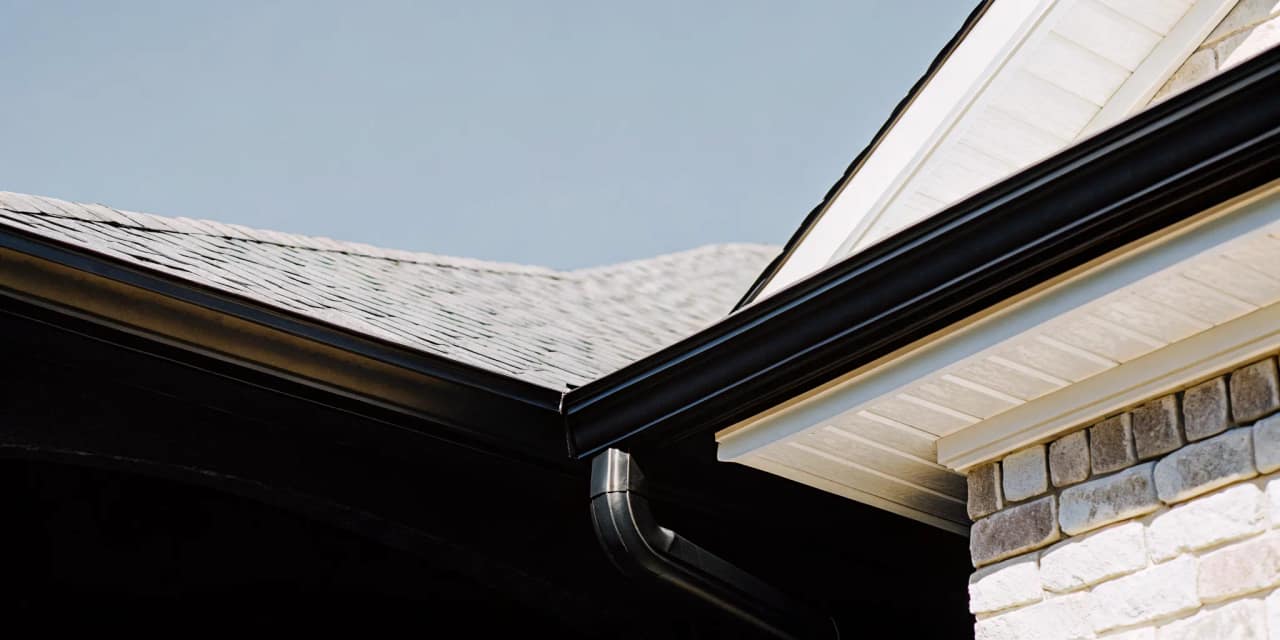
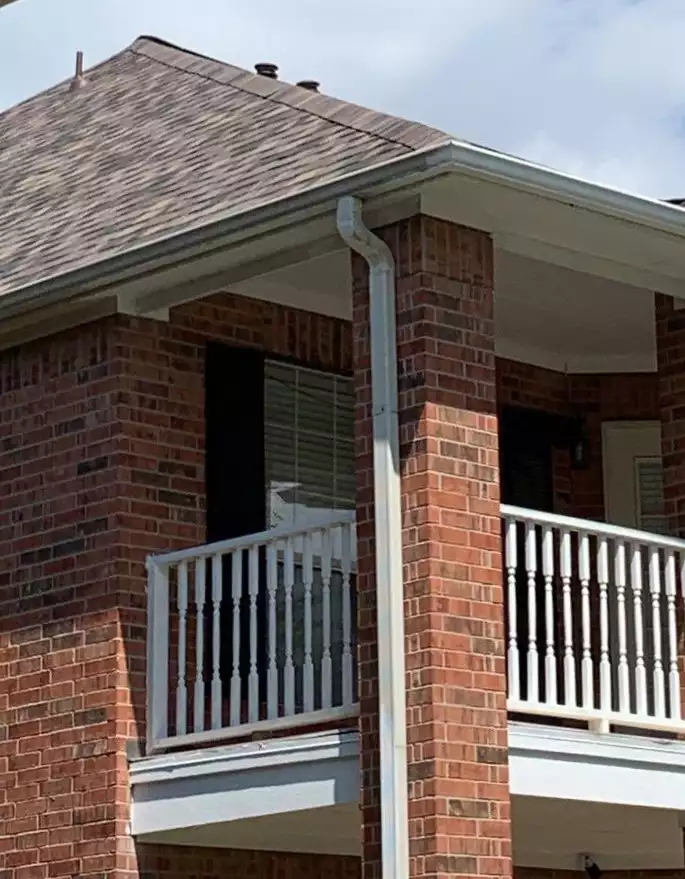
There are four main choices for home gutters. These options are aluminum, steel, copper, and vinyl. Each material has unique strengths that work well for different budgets and styles.
Four Common Gutter Choices
Aluminum is the most common material used for home gutter systems. It offers a great balance of strength and low cost. Aluminum gutters cost about $4 to $9 per foot, making them popular. Most homeowners spend about $1,500 to $2,500 for a complete aluminum system.
Many homeowners choose to install seamless systems instead of sectional styles. Seamless options have fewer joints, which means they are less likely to leak during heavy rain. This makes them a great long-term investment for Texas properties.
Vinyl gutters are the most affordable option, costing about $3 to $5 per foot. They are light and easy to handle, but they can crack under intense Texas heat.
Steel gutters are a strong mid-range choice, usually priced between $8 and $10 per foot. Copper gutters are a premium choice, costing about $15 to $25 per foot. Copper lasts for decades, resists rust, and adds a beautiful look to custom homes.
Each of these four popular choices has unique advantages for Texas homes. Here is a quick look at how they compare on cost, durability, and best use before you buy.
| Material | Cost per Foot | Durability | Best For |
|---|---|---|---|
| Vinyl | $3-$5 | Lower | Budget-minded buyers on a tight timeline |
| Aluminum | $4-$9 | High | Most Texas homes and storms |
| Steel | $8-$10 | Very high | High-wind and heavy-rain areas |
| Copper | $15-$25 | Extreme | Custom and long-term homes |
- Aluminum: Highly resistant to rust, easy to shape, and budget-friendly.
- Vinyl: The cheapest option, lightweight, and simple to set up.
- Steel: Extremely strong, holds up in high winds, and resists storm damage.
- Copper: Longest lifespan, does not rust, and creates a classic look as it ages.
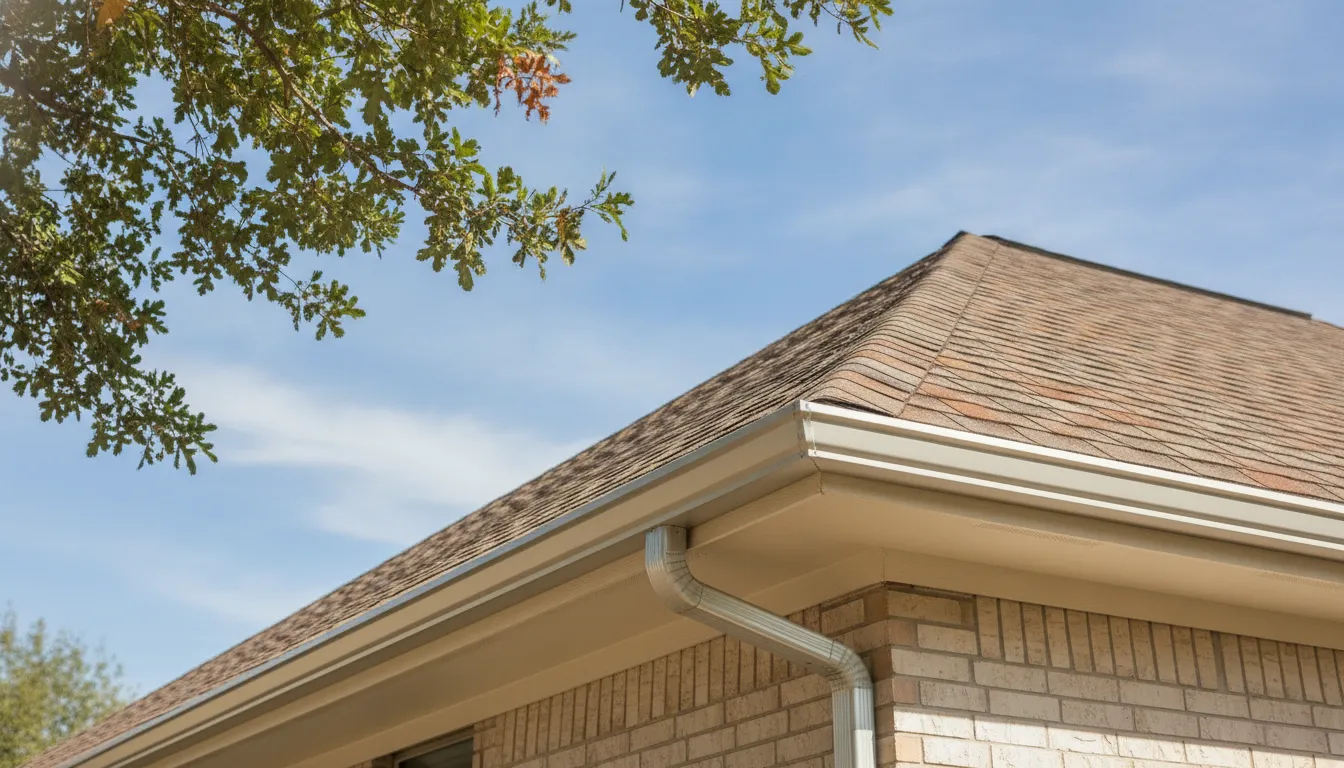
How to Choose the Best Fit
When planning your project, you should also think about adding gutter guards. Guards help block leaves and debris from clogging your system. Adding high-quality guards usually adds about $5 to $10 per foot to your total cost.
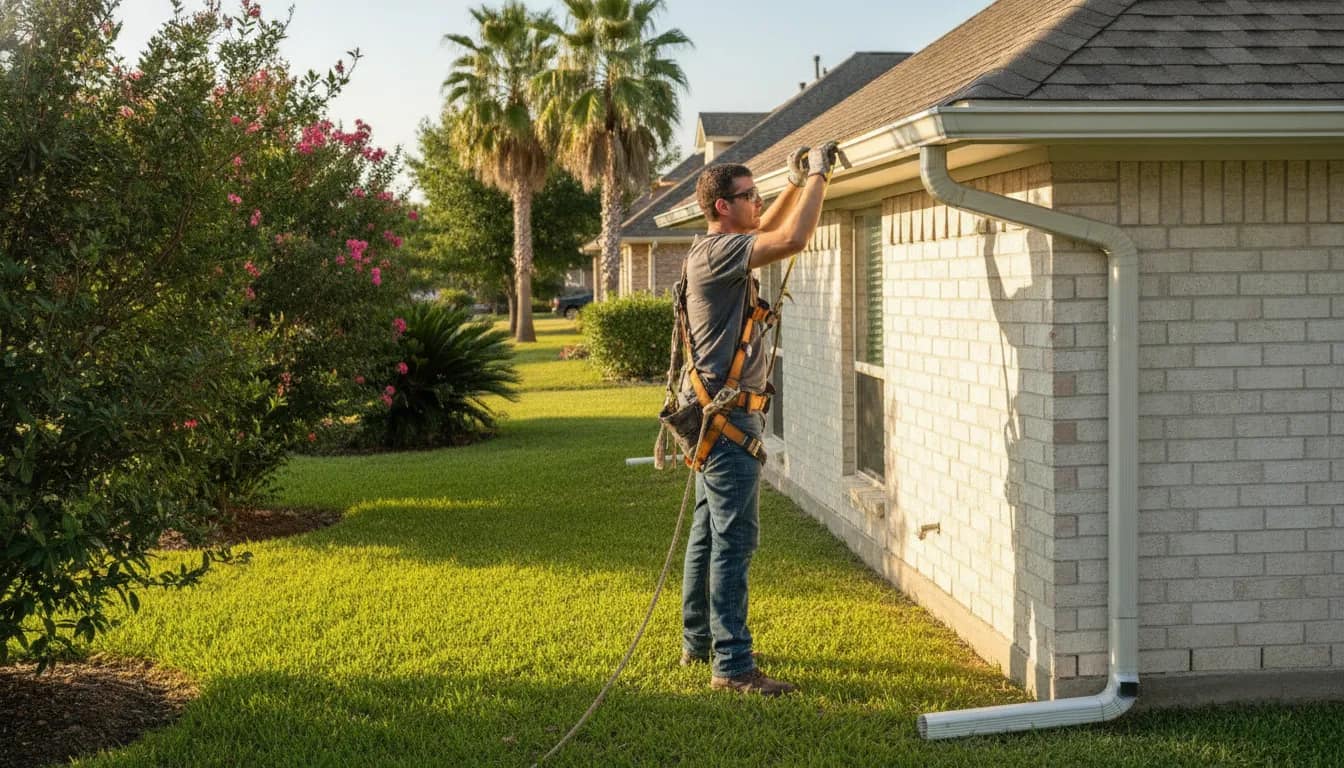
To get the best performance from your new system, you should work with a trained team. Our team provides professional gutter installation services to help protect your home.
The Importance of Water Management
No matter which material you select, the main goal of your gutters is to control rainwater. Proper water management keeps your home safe and dry during heavy storms. Guidance from the Environmental Protection Agency shows that roof drainage is essential for maintaining building strength.
When water is not channeled away safely, it can soak the soil near your foundation. This can lead to costly leaks and cracks over time.
How Much Does Gutter Installation Cost in 2025?
Planning a home budget often means looking at the price of upkeep. When you need to install new gutters, you might wonder about the total price. A standard gutter installation costs about $1,434 across the country.
Most property owners pay between $781 and $2,103 for the full job. If you choose a complete aluminum system with guards, you can expect the cost to range from $1,500 to $2,500. This is a common benchmark, but prices can vary based on your local market and house size.
Typical gutter installation costs and benchmarks
Your local weather and home style will shape your real costs. While national numbers give a good starting point, local prices can vary. For instance, Texas homes that face heavy storms may need thicker materials and larger downspouts. Getting an expert estimate is the best way to plan your project budget.
Key factors that affect your gutter estimate
Several details can change the final price of your project. The total footage of your roofline is the biggest factor, but material choice and labor rates also play large roles. Knowing these points can help you make the best choice for your property.
- Material Choice: Materials vary in price from $3 to $25 per foot. Simple vinyl is the cheapest option at $3 to $5 per foot, while aluminum costs $4 to $9 per foot. Strong steel runs from $8 to $10 per foot. Copper is the most costly, pricing at $15 to $25 per foot.
- Labor Needs: Expert labor fees often run from $2 to $4 per foot. This rate can climb up to $10 per foot for a tall, multi-story home or a very steep roof.
- System Add-ons: Adding guards to keep leaves out will help save on maintenance. These guards often add another $5 to $10 per foot to your total bill.
Why expert setup protects your long-term home value
Paying for expert help to set up your gutters protects your home from costly water damage. Good water drainage keeps your roofline and foundation safe from rot and dampness. According to the U.S. Environmental Protection Agency, moisture control is key to stopping mold growth. Investing in professional gutter installation services will ensure that heavy rain flows safely away from your house.
Why Properly Installed Gutters Protect Your Roof and Foundation
A dry home is a strong home. Your house needs proper water management to stay safe and stable. Rain must have a clear path to flow from your shingles to the ground. Without this path, water can damage your walls, roof, and foundation. Water that pools around your home can seep into basement spaces or crawl spaces.
Good drainage keeps the roof and walls safe. A proper gutter installation helps protect these areas. The main purpose is to channel storm water away from your home. When gutters are placed right, they catch rain as it rolls off the shingles and guide it into downspouts.
Texas Storm Water Risks
Texas weather can be harsh on a home. Spring and summer storms can dump over 2 inches of rain in a single hour. This is a massive amount of water for any roof to handle. Without a clear path, this heavy flow spills over the edge. It then pools right next to your foundation. In a dry climate like Texas, the soil can shrink and swell quickly. When heavy rain hits dry ground, the soil shifts and puts stress on your concrete slab.
How Gutters Guard Your Structure
An expert setup protects your home in several key ways. It ensures that every drop of rain is directed to a safe drain zone. Here is how gutters save your home from water damage:
- Directing water away from the foundation. The EPA notes that moisture control is key to guarding your home and saving money. Gutters collect rain at the roofline and channel it safely away. This prevents standing pools from forming at the base of your walls.
- Preventing soaked soil around the base. Strong gutters stop rain from soaking the soil near the house. This wet soil can crack your concrete base or cause the slab to shift. Keeping the ground dry helps maintain a level foundation.
- Guarding the siding and walls. Without gutters, water pours off the shingles and splashes dirt onto the walls. This damp air can rot wood, ruin paint, and damage siding. A clean runoff path protects your walls from ugly stains and rot.
- Keeping structural areas dry. Good roof drainage is vital for keeping a building strong, in line with EPA moisture control guidance. Managing water keeps your home safe for years to come. It ensures that moisture does not seep into walls or ceilings where mold can grow.
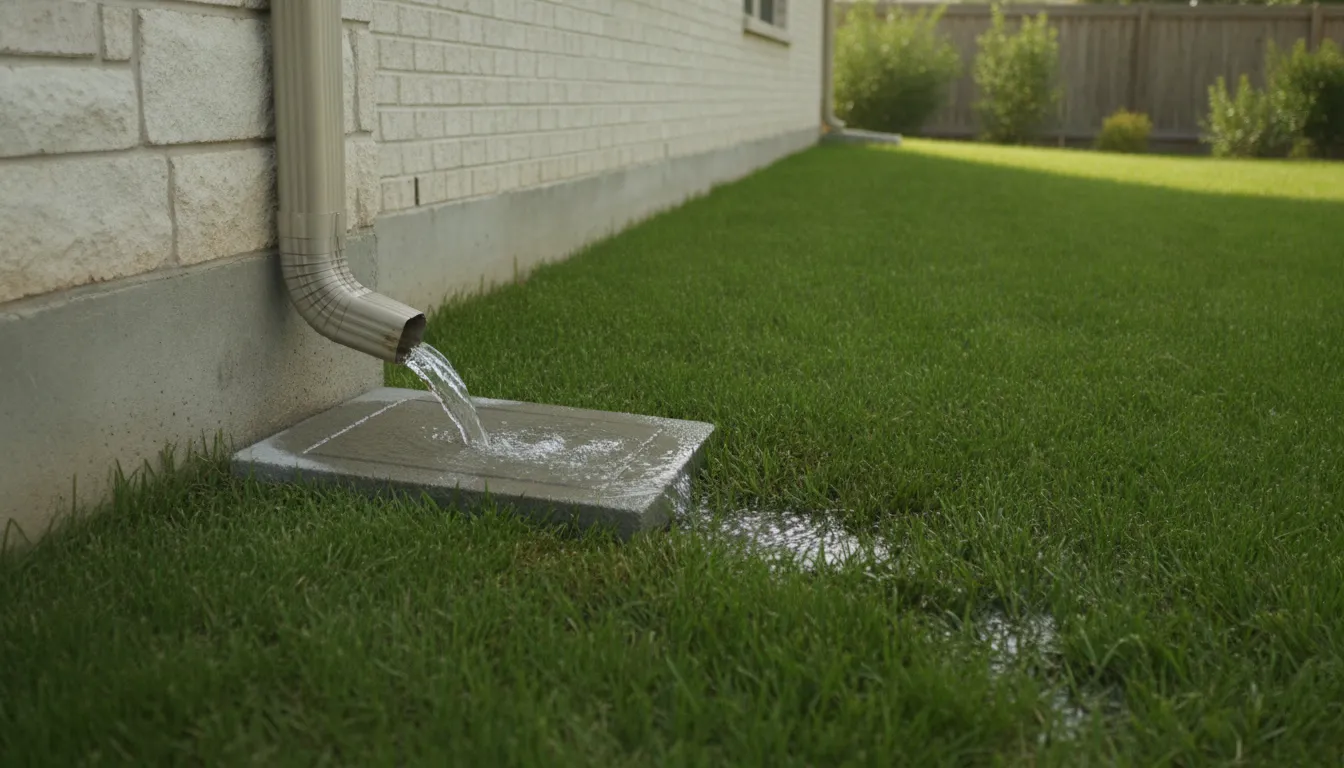
The Long-Term Cost of Neglect
Failing to care for gutters can lead to major structural issues. When gutters fail, the pooled water can cause deep cracks in your foundation. In fact, one storm can lead to a foundation repair bill of up to $3,000 or more. Taking care of your gutters is a simple way to avoid these high costs. Buying a good gutter system now saves you from major headaches and bills later.
How a Gutter Installation Protects Houston and Austin Homes
Texas weather is often harsh on local homes. Big storms can dump more than two inches of rain in one hour. When that much water hits your roof, it must go somewhere. Without a good drainage setup, the heavy rain pours straight down your walls. This washes away your dirt and pools near the base of your home. Over time, this pooling can cause major cracks in your concrete slab.
Texas storms and water risks
In places like Houston and Austin, heavy downpours are a constant threat to your house. Fast water runoff can quickly wear down your roofline and rot your wood trim. We see this water damage often at our Houston and Austin locations. Owners must deal with sudden storms that test their roof drainage every year. An expert gutter installation is the best way to handle these large volumes of water. It captures the runoff at the edge of your roof and guides it safely away.
Here are some ways a new gutter system protects Texas homes during major storms:
- It stops heavy rain from splashing mud and water onto your siding.
- It keeps water from pooling in your yard and killing your plants.
- It prevents leaks from getting into your crawl space or basement.
- It keeps water away from your doors and windows to stop wood rot.
Shielding your foundation and roofline
The main job of a gutter is to protect your foundation. When rain falls off your roof, it lands right next to your walls. This water makes the ground wet and soft. Under the moisture guidance of the Environmental Protection Agency, keeping water away from the structure is key to mold control. Stopping moisture stops damage to your home and protects your family. A good gutter installation does this job well.
You must also protect your roofline. Gutters keep water from flowing back under your shingles. If water sits on your fascia boards, the wood will rot. This can lead to roof leaks and costly repairs. Our team is well-known for doing high-quality work in Texas. We hold a 5.0-star rating on Google because we care about protecting your home. We make sure every downspout and gutter fits your roof just right.
We use top-grade metals that do not rust or bend easily. Our crews measure and cut the gutters on-site for a seamless fit. This means fewer joints where water can leak out. By choosing a skilled team, you ensure your home stays safe during the worst storms. We help you pick the right size and style for your house.
Signs You Need New Gutters Installed
Gutters face harsh weather and heavy storms in Texas. Over time, rain and wind will wear down even the best systems. While proper gutter maintenance helps them last, every system has a limit.
You should check your roofline often for damage. If you ignore small issues, they can quickly turn into costly repairs. Knowing the main warning signs will help you decide when it is time for a new setup.
Physical damage and gutter sagging
One of the clearest signs of wear is when the metal starts to sag or bend. When gutters fill with wet leaves, twigs, and debris, the heavy weight pulls them down. This weight strains the brackets and makes the gutters pull away from your house. Once a section begins to sag, water will pool in that spot instead of flowing to the downspout.
You can often find these problems by looking up from your yard. Keep an eye out for these key signs:
- Cracks, splits, or holes in the metal that let water leak through.
- Sagging or bowing sections that no longer run straight along the roofline.
- Orange rust spots, rust stains, or peeling paint on steel gutters.
- Gutters that pull away or come loose from your wood fascia boards.
- Rotting wood, soft spots, or dark water stains on your fascia boards.
- Water marks, mold lines, or peeling paint along your home siding.
- Pools of standing water or washed-out dirt on the ground after a storm.
Water pooling near your foundation
An effective gutter system must channel rainwater away from your walls. If your gutters fail, water will pool right next to your home. This sitting water is a big risk because it can crack your concrete slab. Over time, a wet foundation can shift and cause major damage to your entire home.
To protect your home, you should drain stormwater at least five feet from your foundation. This is in line with EPA guidance on downspout runoff. If your current gutters cannot handle heavy rain, water will spill over and soak the soil around your walls.
Fascia board and wall damage
When water overflows from clogged or broken gutters, it runs down your walls. This constant moisture causes paint to peel and wood to rot. It can also lead to mold on your siding, which damages your home walls and lowers its value.
If you see wood rot or mold, your gutter system is likely failing. Replacing damaged parts or getting professional gutter installation services will stop the damage from spreading. New gutters will ensure that rain water flows safely away from your home and keeps your siding dry.