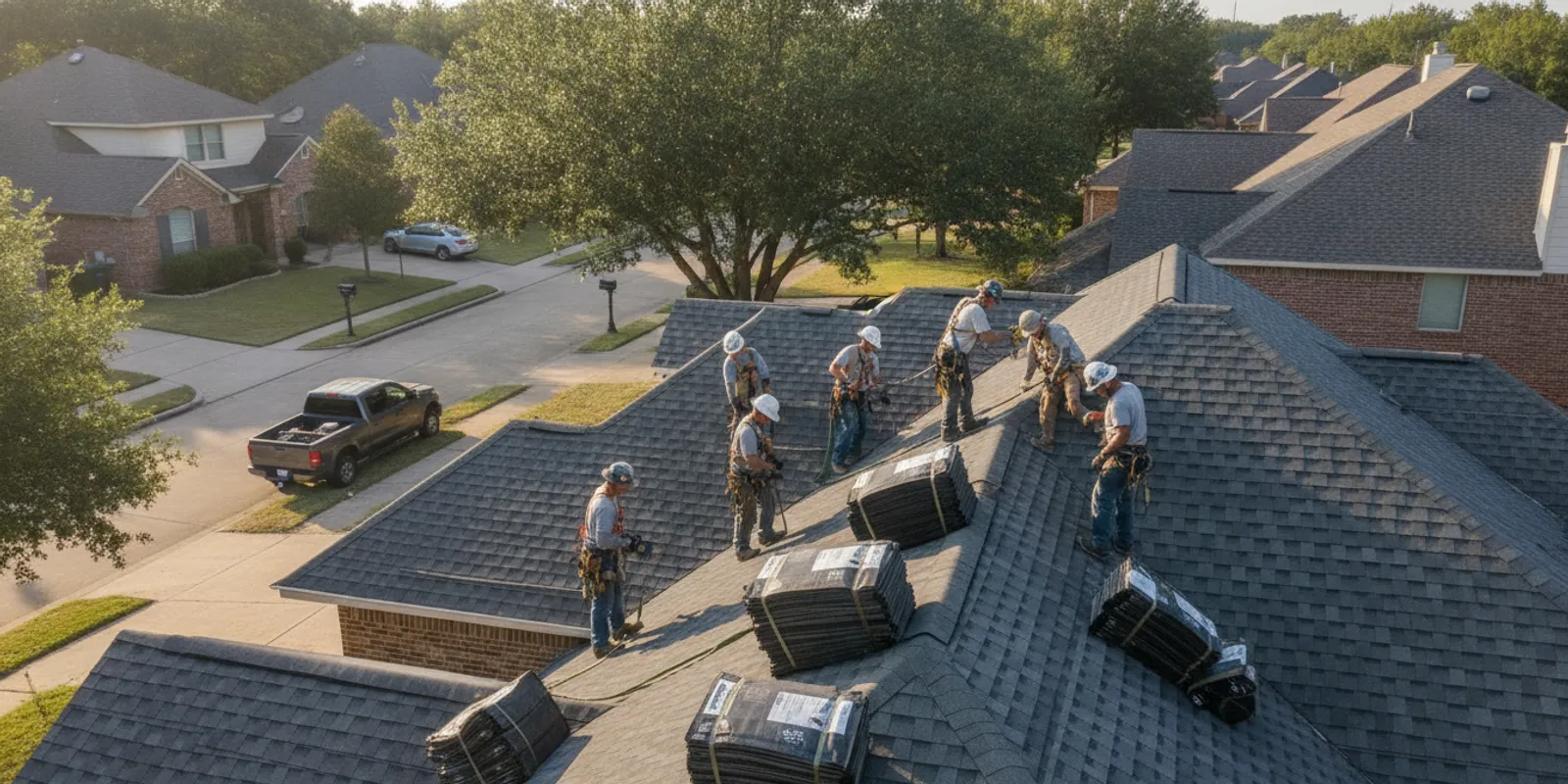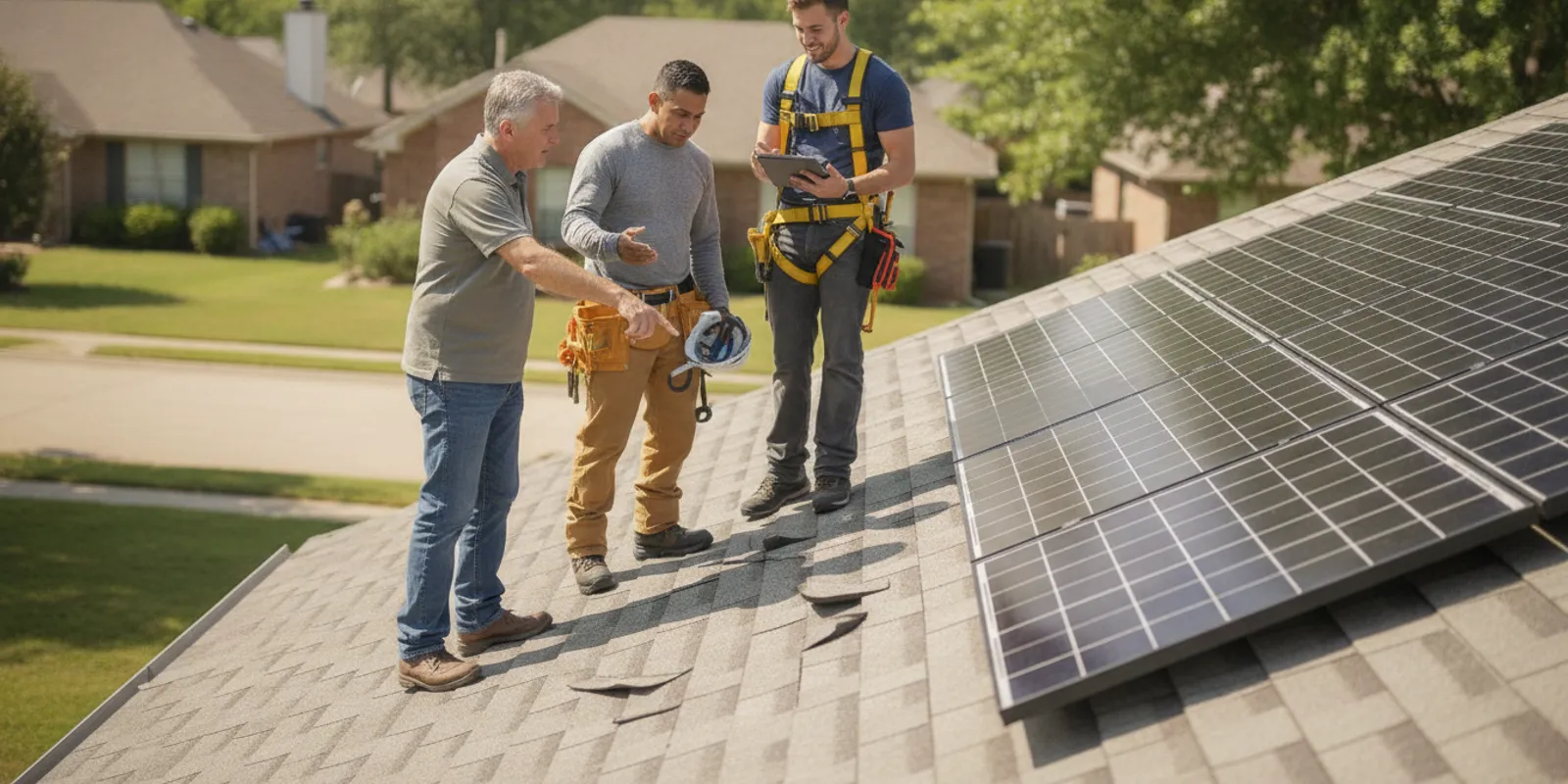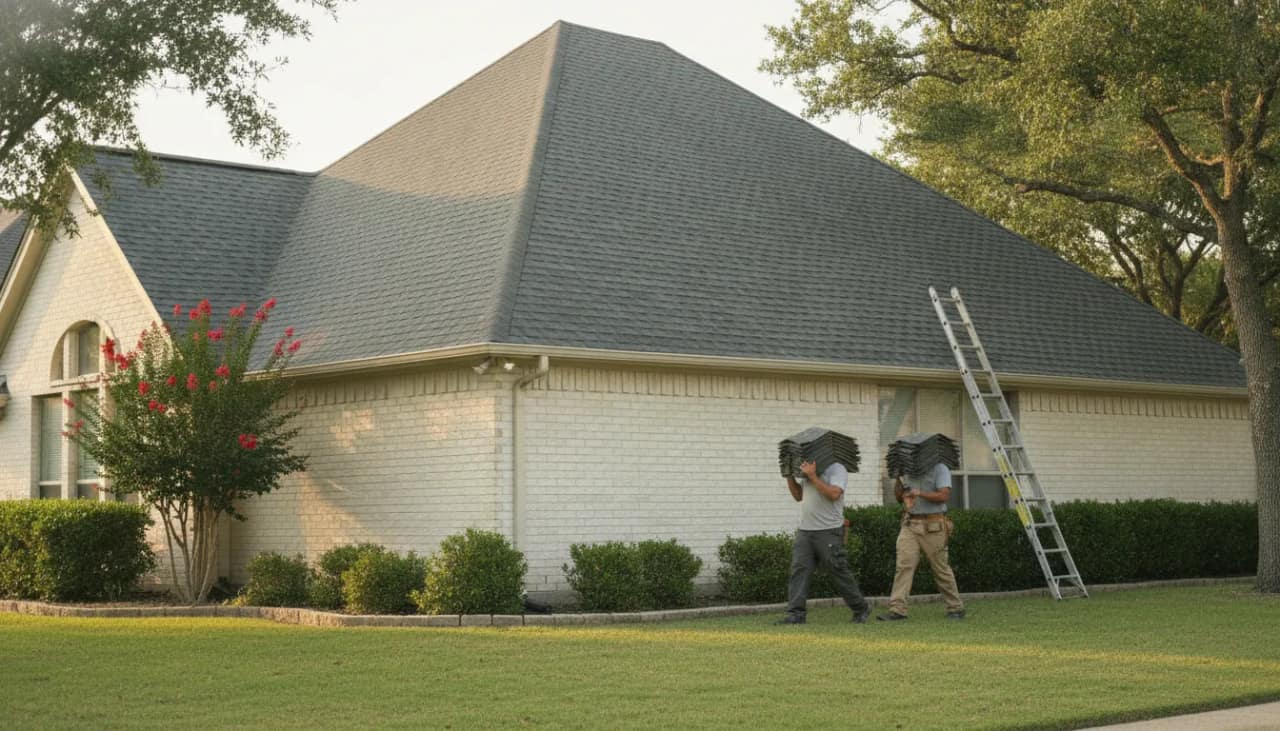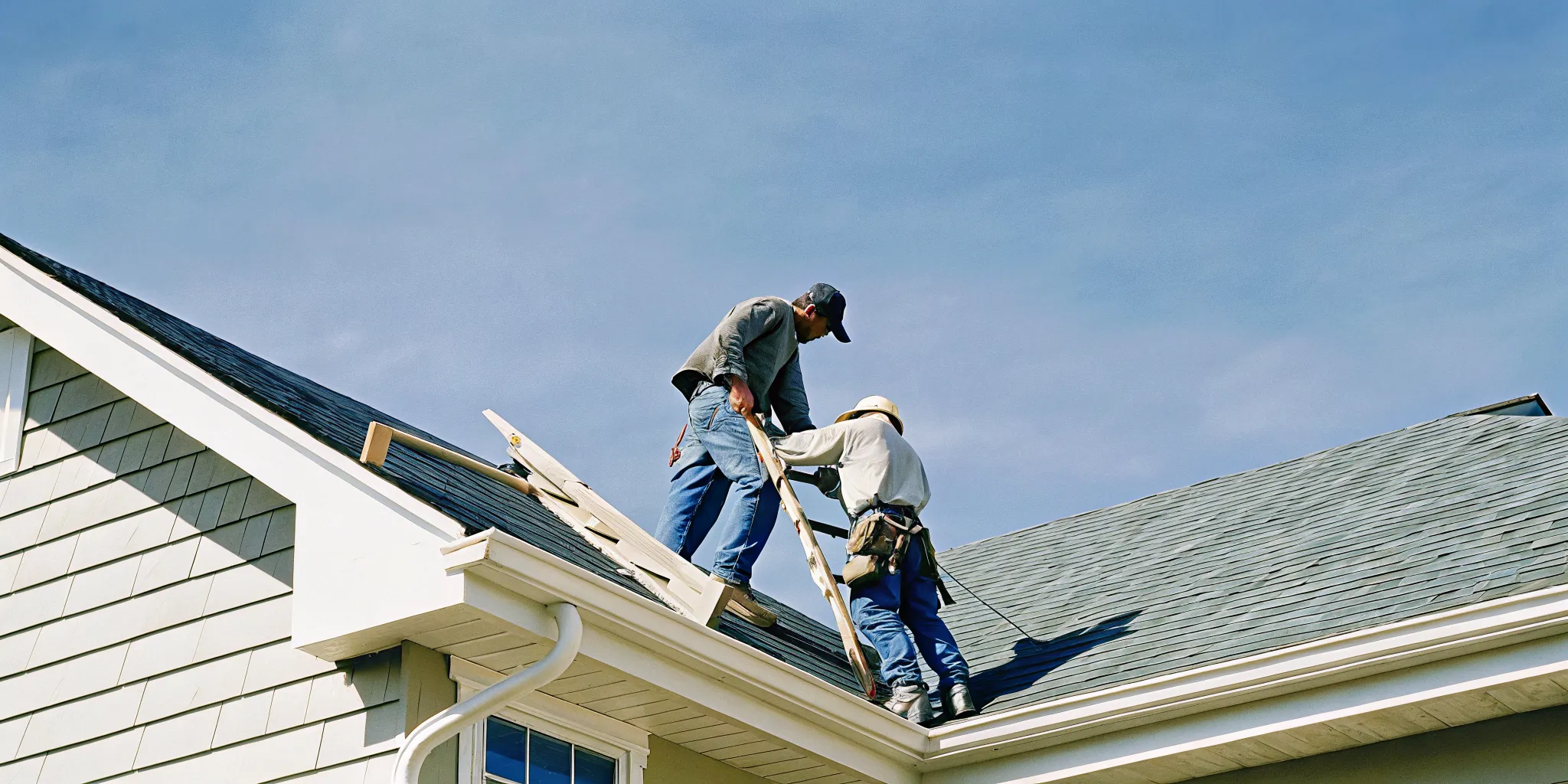
Replacing a roof is rarely an isolated project. Once crews begin inspecting the roofline, they may also uncover aging gutters, worn exterior materials, or remodeling needs that affect how water moves away from the home. Managing each improvement separately can create repeated scheduling, mismatched materials, and avoidable disruption.
Call Elevation Roofing & Restoration at (832) 271-1726 for a free roof inspection and estimate.
For Texas homeowners, home exterior remodeling with roof replacement Texas works best when one coordinated plan connects the roof, gutters, and remodeling work. Using one full-service contractor can reduce project-management stress, support consistent material and color choices, and help each part of the upgrade work together.
Elevation Roofing serves homeowners across the Houston and Austin metro areas with roofing, gutter, and residential remodeling services. Before choosing an order of work, it helps to understand what a complete exterior upgrade actually includes and how each component supports the others.
What Does Home Exterior Remodeling with Roof Replacement in Texas Include?
A complete exterior upgrade looks beyond one isolated repair. It brings the roof, gutter system, and related remodeling work into one coordinated plan, so each part supports the others. This approach is especially useful for homes that are 15 to 25 years old, when aging materials and storm exposure may make a broader assessment worthwhile.
Elevation Roofing provides home exterior remodeling services alongside roofing and gutter work. Managing these components through one contractor can help keep materials, colors, transitions, and project timing aligned instead of leaving homeowners to coordinate separate crews with separate plans.
Roofing and roof-edge work
The roof is the primary protective layer of the home. An exterior upgrade may include an inspection, repair, replacement, or restoration based on the roof's condition. The plan should also account for the roof edges and the areas where roofing meets walls, siding, and gutters. Treating those connections as part of the same project helps prevent a new roof from being paired with worn or mismatched surrounding materials.
Gutters and downspouts
Gutters and downspouts direct rainwater away from the structure. They are not simply decorative additions. Their size, placement, and discharge points should work with the roof layout and site conditions. A coordinated plan also makes it easier to select gutter colors and finishes that complement the new roof and other exterior surfaces.
Residential remodeling and finish work
Residential remodeling can include exterior improvements that complete the home's updated appearance and function. Depending on the property's needs, this may involve siding-related transitions, trim, or other exterior details. When remodeling is planned with roofing and gutters, the contractor can account for shared edges and material changes before work begins.
- Roof inspection, repair, replacement, or restoration
- Gutter installation or replacement with properly planned downspouts.
- Residential remodeling and exterior finish improvements.
- Color and material coordination across the visible exterior.
- A unified schedule for connected work and cleanup.
The goal is not to add work that the home does not need. It is to evaluate the exterior as a connected system and address the right components together when conditions justify it.
Why Should You Start with a Roof Replacement First?
The roof is the home's uppermost structural layer, so it establishes how water moves across every connected exterior surface. Starting there gives the rest of the project a sound, weather-resistant foundation. It also lets the crew coordinate roof edges, wall transitions, siding, and future gutter work before those areas are covered by finished materials. For homeowners planning home exterior remodeling with roof replacement Texas properties, this sequence helps prevent avoidable tear-outs and water-management problems.
Roof-to-wall transitions need careful planning
A roof replacement is not just the installation of shingles, tile, or metal panels. Where a roof meets an existing wall, the new system should include properly integrated flashing that maintains continuous water and air control across the roof and wall assemblies. The flashing must work with the siding and the wall's weather-resistant barrier, rather than stopping at the roofline. The U.S. Department of Energy's Building America Solution Center recommends installing new step and kick-out flashing where an existing roof meets an existing wall during replacement: see the roof-wall flashing guidance.
Kick-out flashing is especially important at the lower end of a sidewall-roof intersection. It directs runoff away from the wall and helps prevent bulk water from entering the side-wall assembly. Without it, repeated rain exposure can contribute to concealed deterioration behind siding. If existing flashing is missing, damaged, or allowing water to reach the wall. The siding may need to be removed so the repair area exposes at least 8 inches of wall. Addressing this work while the roof is open is generally more practical than completing siding or remodeling first and then disturbing it later.
Protect vulnerable intersections before installing the finish roof
Critical roof-wall intersections also need an ice-and-water protector membrane, installed with the appropriate flashing and integrated into the surrounding wall and roof coverings. This membrane adds a water-resistant layer at locations where ordinary roof field materials and gravity alone may not provide enough protection. The goal is not simply a clean roof surface. It is a connected assembly that manages water from the roof edge through the wall transition without leaving a hidden entry point.
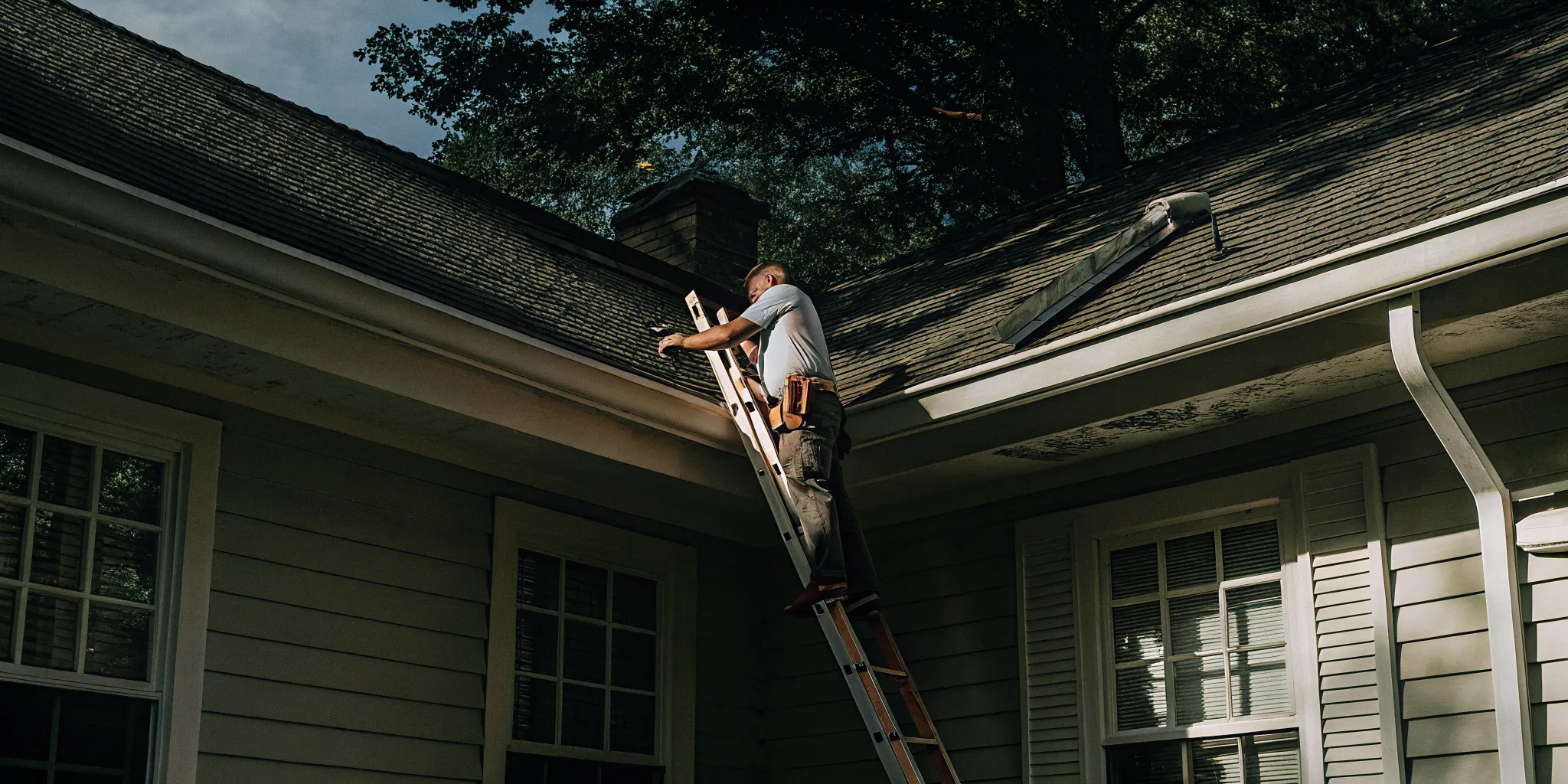
That is why homeowners should evaluate flashing, membranes, siding interfaces, and roof-edge drainage before moving on to cosmetic exterior work. A properly sequenced project can then continue with gutters, siding, or remodeling without forcing finished areas to be removed for basic roof integration. Review Elevation Roofing's professional roof replacement service to see how this foundational phase can be planned for your property.
How Do Gutters and Water Management Fit into Your Exterior Upgrade?
Gutters should be planned after the new roof is installed, because their job is to collect and control the rainwater draining from the roof edge. Replacing both systems as one coordinated project helps ensure the gutters, downspouts, roofline, and surrounding grade work together instead of leaving water to spill beside the home.
That coordination matters at the foundation. Properly installed gutters and downspouts direct rainwater away from the house and reduce the chance of saturating the soil around the foundation. The U.S. Department of Energy's Building America Solution Center recommends routing downspout discharge to a sloping final grade at least five feet from the foundation or to an appropriate underground catchment system. Review the drainage guidance for additional technical details.
Water that is not managed at the roof edge can collect near the foundation or enter vulnerable parts of the exterior. Over time, excess moisture may contribute to mold, rot, indoor air quality problems, and reduced building durability. A roof replacement is therefore an opportunity to check whether existing gutters are correctly sized, securely attached, and positioned to handle runoff from the new roof.
What Should Be Checked During Gutter Installation?
- Roof-edge alignment: Position gutters to receive water from the new roof without creating gaps or uncontrolled overflow.
- Downspout placement: Use enough downspouts for the roof drainage pattern and route their discharge at least five feet from the foundation when practical.
- Final grade: Confirm that the ground slopes away from the home so discharged water does not return toward the foundation.
- Connections and support: Check seams, outlets, hangers, and downspout joints for secure connections that can withstand heavy Texas rainfall.
- Existing moisture: Look for staining, soft materials, odors, or other signs that poor drainage has already affected the exterior.
For homeowners planning home exterior remodeling with roof replacement Texas, this sequence keeps water management connected to the larger project. Elevation Roofing can coordinate the roof edge and drainage plan through its gutter replacement services, helping protect the foundation while the rest of the exterior upgrade moves forward.
What Are the Benefits of Coordinating Roofing and Residential Remodeling?
Managing a roof replacement alongside exterior improvements can be simpler when the work is planned as one project instead of several unrelated jobs. A coordinated approach connects the roof, walls, gutters, and remodeling decisions before installation begins. That can reduce scheduling friction, surface moisture concerns earlier, and create a more consistent finished appearance. Elevation Roofing can help plan residential remodeling projects alongside roofing work.
| Consideration | Piecemeal approach | Coordinated approach |
|---|---|---|
| Project management | You manage separate contractors, schedules, scopes of work, and points of contact. Delays with one trade can affect the next. | One plan and one accountable contractor can consolidate timelines, reducing the project management stress that comes with coordinating multiple crews. |
| Hidden moisture issues | A remodeling crew may uncover moisture damage or aging exterior components after a separate roofing decision has already been made. | Roofing and remodeling can be evaluated together, allowing hidden moisture concerns to be addressed before they are covered. Moisture can contribute to mold, rot, and indoor air quality problems, according to the U.S. Department of Energy's Building America Solution Center: water management guidance. |
| Completed exterior work | Later roof work may require access around siding, trim, or other finished improvements, creating avoidable disruption or rework. | Sequencing the work in advance helps avoid disrupting completed exterior work when roof replacement, gutters, or related repairs are performed. |
| Materials and curb appeal | Roofing, siding, trim, and gutters may be selected at different times, making color and material compatibility harder to maintain. | Colors, textures, and materials can be reviewed together for a cohesive appearance that supports curb appeal and the home's overall value. |
| Warranty continuity | Separate contracts can leave homeowners sorting through different warranty terms, exclusions, and responsible parties. | One project record makes it easier to understand who installed each component and how the work relates. Elevation Roofing offers a 100% satisfaction guarantee and lifetime warranties on qualifying installations. Confirm the specific terms for your selected materials and scope before work begins. |
The goal is not to combine work that does not need to happen together. It is to make decisions in the right order, with the roof and surrounding exterior treated as connected systems. That approach can be especially useful when an older home needs both protection and a visual update.
How to Choose the Right Exterior Remodeling Contractor in Texas
Choosing a contractor for home exterior remodeling with roof replacement Texas homeowners can trust requires more than comparing the lowest estimate. Your contractor should understand how roofing, insurance claims, and related remodeling work fit together, while remaining accountable after the project is complete. Use this checklist when comparing companies in the Houston or Austin area:
- Verify the right certifications. Ask whether the company is Owens Corning and GAF Certified, and confirm that the credentials apply to the roofing work being proposed. Certifications can help you evaluate whether a contractor maintains recognized installation and material standards. But they should be one part of your review rather than the only deciding factor.
- Look for insurance-claim expertise. Storm damage can involve inspection records, estimates, claim documentation, and communication with an adjuster. A contractor that handles insurance paperwork and adjuster coordination can make the restoration process easier to navigate. Ask exactly what support is included before signing an agreement. Storm damage repair should address the roof condition without promising coverage that an insurer has not approved.
- Ask who performs the work. In-house crews provide a clearer line of accountability than an arrangement built around unknown subcontractors. Ask who will supervise the project, who will be on site, and how workmanship concerns are handled. This is particularly important when one project includes roofing, gutters, and remodeling.
- Choose a permanent local company. A contractor with an established presence in the Houston and Austin markets is easier to contact when questions arise after a storm or installation. Review the company's service history and customer reviews for evidence of communication, cleanup, and follow-through. Be cautious of any company whose local presence or contact information is difficult to verify.
- Start with a documented inspection. Before discussing a full replacement, get a clear assessment of the roof's condition and whether storm damage may support an insurance claim. Elevation Roofing offers a professional free roof inspection valued at $399. The findings can help you distinguish between a repair, a claim-related restoration, and a larger exterior project.
A careful selection process protects more than the roof. It also gives you a contractor who can coordinate the surrounding exterior work, explain the scope clearly, and remain available when the project is finished.
Frequently Asked Questions
Should I coordinate roofing, gutters, and remodeling?
Yes. Coordinating the work lets one plan account for roof edges, flashing, drainage, siding, and other exterior transitions before installation begins. It also makes color and material choices easier to match and reduces the risk of one contractor disrupting work another contractor just completed.
What order should exterior improvements follow?
Start with the roof and its flashing, then complete gutter and downspout work so the drainage system matches the new roofline. Schedule remodeling elements around that sequence, especially when wall, siding, or trim work meets the roof. The exact order can change after an inspection reveals moisture or structural concerns.
Does roof replacement include gutters or other remodeling?
Not automatically. Roof replacement covers the roofing scope unless the contract also includes gutters, residential remodeling, siding, trim, or related work. Ask for a written scope that identifies each component, the materials, the sequence, cleanup responsibilities, and how changes will be handled before construction starts.
How do I choose a Texas exterior remodeling contractor?
Look for a local contractor with relevant certifications, documented insurance support, accountable in-house crews, and a clear process for coordinating roofing with gutters and remodeling. Review completed work and customer feedback, then ask who will supervise the project and how the warranty applies to each part of the upgrade.
Ready to Plan Your Exterior Upgrade?
A coordinated inspection can help you understand how your roof, gutters, and remodeling plans fit together before work begins. Schedule a free roof inspection and estimate online to get started. The Elevation Roofing team can discuss your home's needs and help outline the next steps for a connected exterior improvement plan.