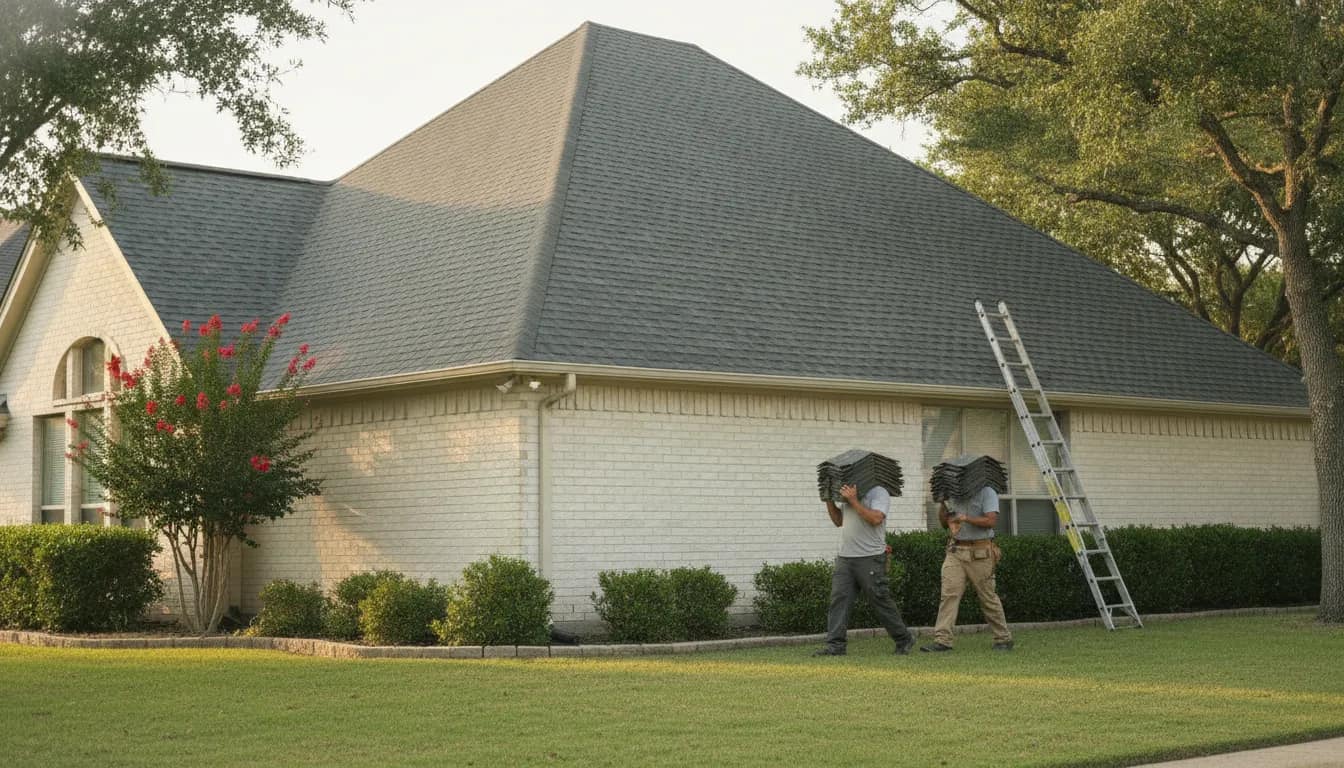
Replacing a roof is a major home project, but the decision does not have to be based on age alone. Leaks, recurring repairs, visible wear, and the condition of the underlying structure all deserve a closer look. Especially after the heat, rain, wind, and storms common in Houston and Austin. A professional inspection can help separate a repairable problem from a roof that is no longer a practical candidate for repair.
Call Elevation Roofing & Restoration at (832) 271-1726 for a free roof inspection and estimate.
Residential roof replacement may be worth considering when a roof is more than 20 years old, has persistent leaks, or needs repairs that are no longer cost-effective. Because lifespan varies by material, installation, maintenance, and local conditions, an inspection should guide the decision rather than a calendar date alone.
Once replacement is under consideration, the next step is to look closely at the roof's warning signs and overall condition. That starting point helps you plan the work, compare suitable materials, and ask better questions before installation begins.
How Do You Know It Is Time for Residential Roof Replacement?
Roof age, recurring leaks, and repairs that no longer make practical sense can all support a replacement discussion. They are decision signals, not automatic instructions. A roof's condition depends on its material, installation quality, maintenance history, and exposure to local weather. In Houston, Austin, and surrounding Texas communities, a qualified evaluation is more useful than relying on age alone.
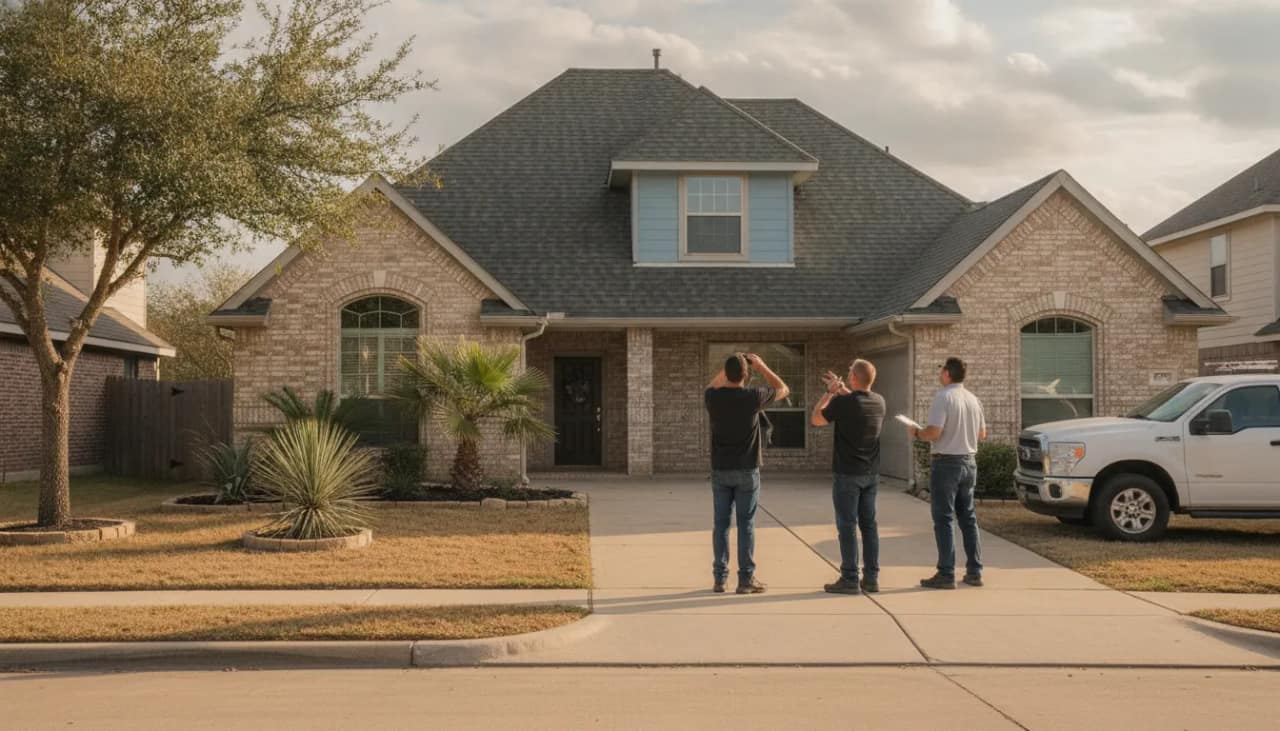
A thorough professional roof inspection should look beyond the most visible damage. Elevation Roofing's inspection scope includes shingles, fascia, soffits, drains, gutters, vents, and flashing. These components help reveal whether the problem is isolated or part of a broader roofing-system failure.
Use the inspection to define the project
If the roof is leaking in multiple areas, showing widespread deterioration, or requiring repairs that are no longer cost-effective, replacement may provide a more appropriate long-term solution. The next question is not simply which covering looks best. It is what the existing roof needs from tear-off through final cleanup.
- Confirm whether the roof deck or underlying structure needs attention after the old covering is removed.
- Discuss materials that fit the roof's slope, ventilation, appearance, and exposure.
- Clarify how flashing, drainage, ventilation, and cleanup will be handled.
This approach keeps the warning-sign discussion concise and moves the decision toward a complete replacement plan. Elevation Roofing provides roof replacement services for several roofing systems, with the appropriate scope determined by the property's condition and the homeowner's priorities.
What Should You Do Before Replacing a Texas Roof?
Start with a property-specific assessment rather than choosing materials from a brochure. A professional roof inspection should examine shingles or other roof coverings, fascia, soffits, drains, gutters, vents, and flashing. It should also identify visible leaks, storm damage, drainage concerns, and areas that may need closer review after the existing covering is removed.
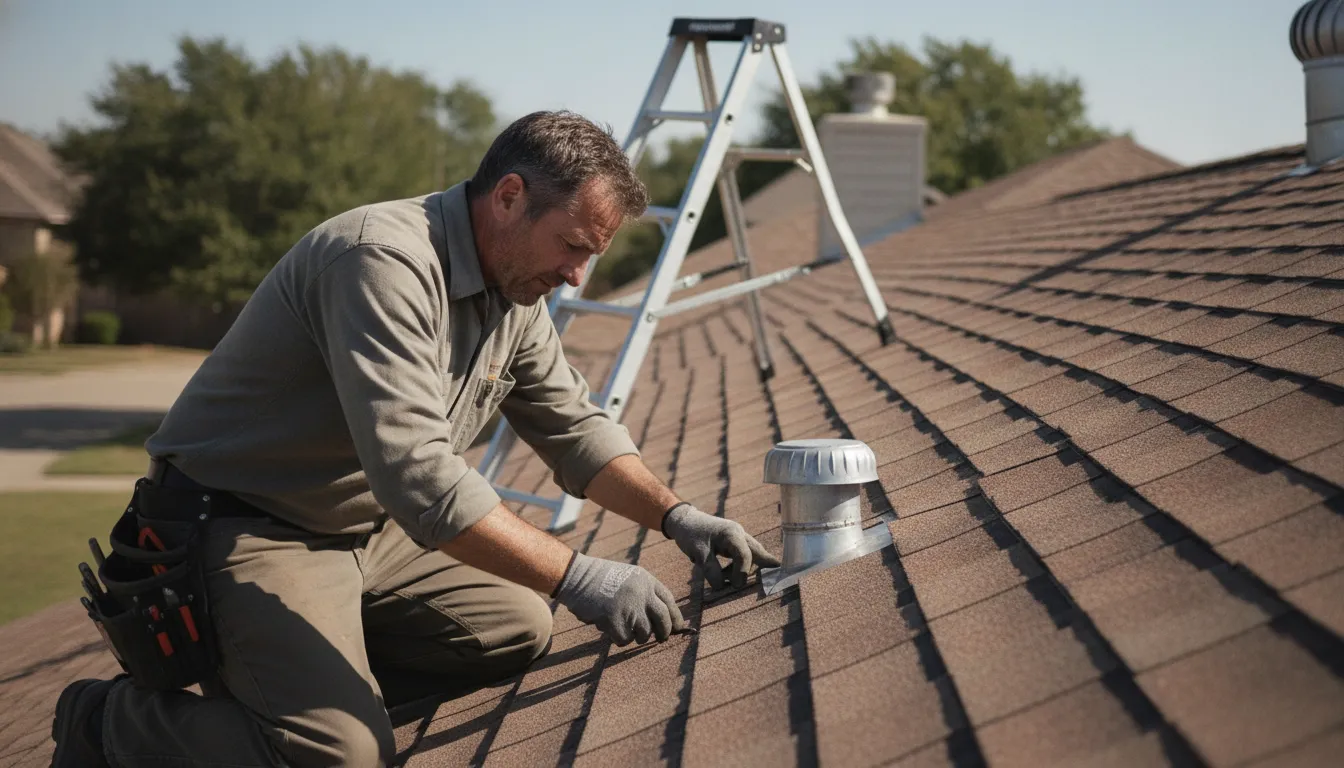
Before the inspection, collect useful records and observations. Note when the current roof was installed, previous repairs, recurring leaks, attic moisture, and any recent wind or hail event. Take clear photographs from the ground and indoors, especially around ceilings, skylights, vents, and attic areas. Roof age can be a consideration, as can leaks or repairs that are no longer practical, but none of these factors automatically determines the right outcome. Material, installation quality, maintenance, and local conditions all affect service life.
Ask the contractor to explain the proposed scope in writing. Useful questions include:
- What condition is the roof deck in, and how will damaged wood be handled if it is uncovered?
- Which underlayment, flashing, ventilation, and drainage details are included?
- Who will perform the work, and how will the site be protected during installation?
- What manufacturer installation requirements apply, and what documentation will be provided?
Permit requirements are set by the responsible local authority, so ask which department handles your project, whether a permit is needed, and who will arrange inspections. Do not assume one statewide Texas rule applies to every city or roof scope. Clear answers about inspection, materials, ventilation, cleanup, and follow-up help you compare proposals on workmanship and completeness, not just on a line-item total.
Which Roofing Materials Fit a Texas Home?
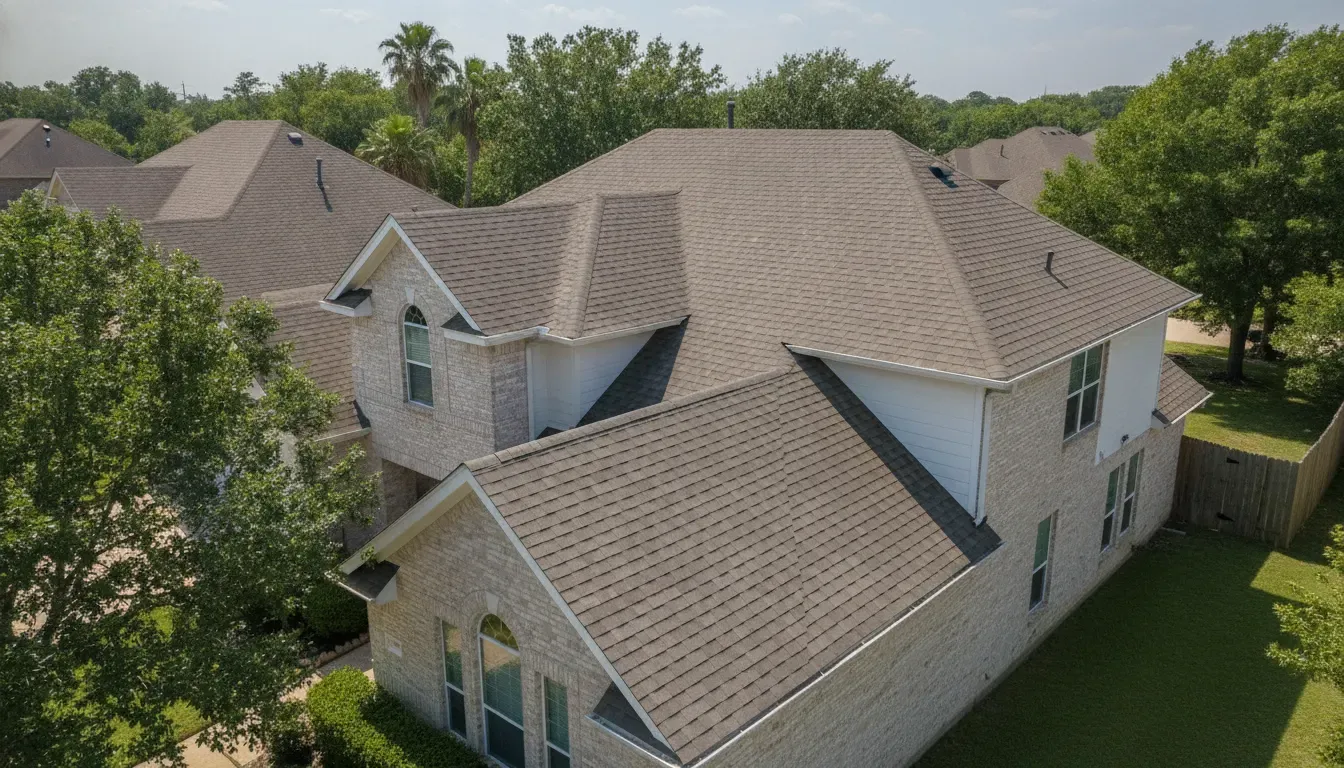
Material selection should follow the home's structure, roof slope, drainage, exposure, and your priorities for appearance and maintenance. Shingles, metal, tile, and low-slope systems can all be appropriate in Texas, but they solve different roofing needs. Elevation's replacement offering includes asphalt shingle, TPO, metal, and modified bitumen systems, while its broader installation portfolio also includes tile and other systems.
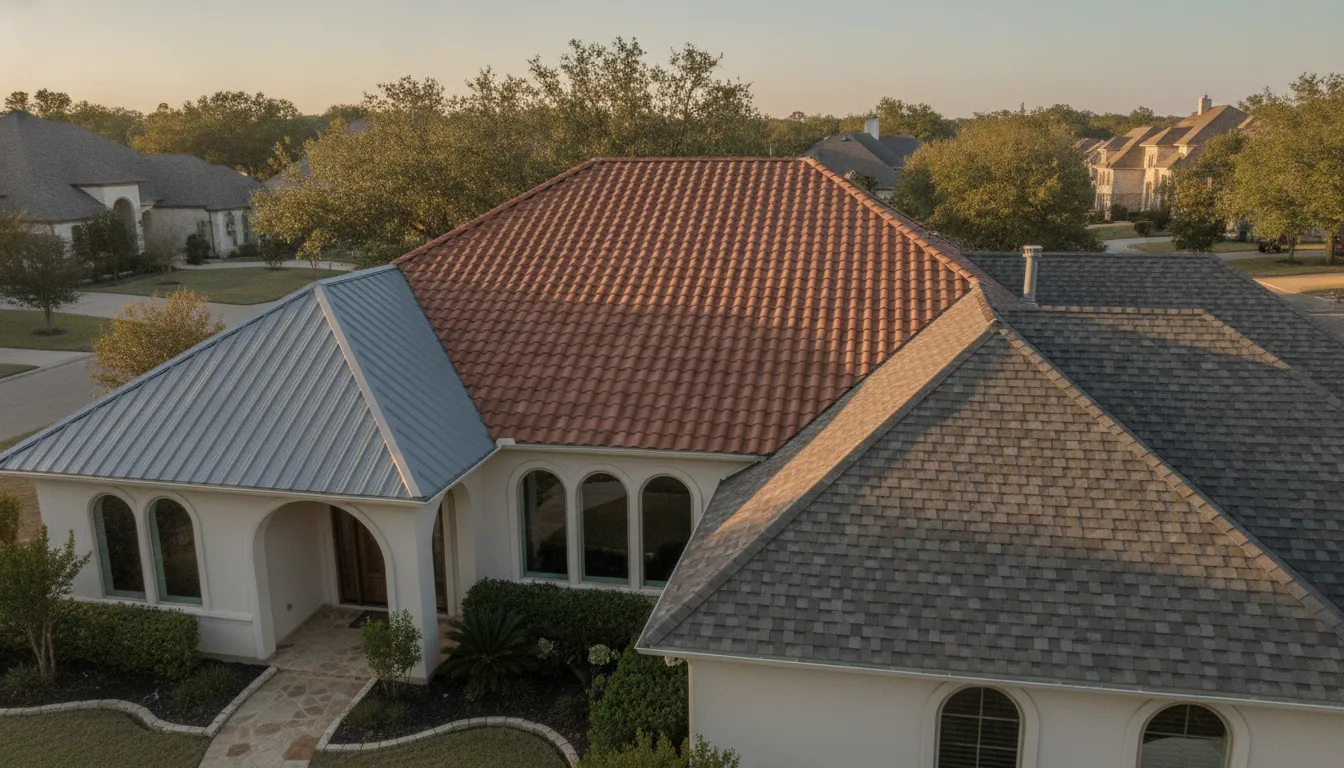
| Material. | Where it may fit. | Questions to discuss during an inspection. |
|---|---|---|
| Asphalt shingles. | A common choice for many steep-slope residential roofs, with a wide range of styles and colors. | Is the roof deck sound? Which shingle specification suits the home's exposure, ventilation, and design? |
| Metal. | A durable-looking option that can support different architectural styles and may be available with reflective finishes. | How will the panels, fasteners, flashing, and drainage details work with the existing roof design? |
| Tile. | A distinctive option for homes whose structure, slope, and design can accommodate its installation requirements. | Can the structure support the selected system, and how will broken or displaced pieces be addressed? |
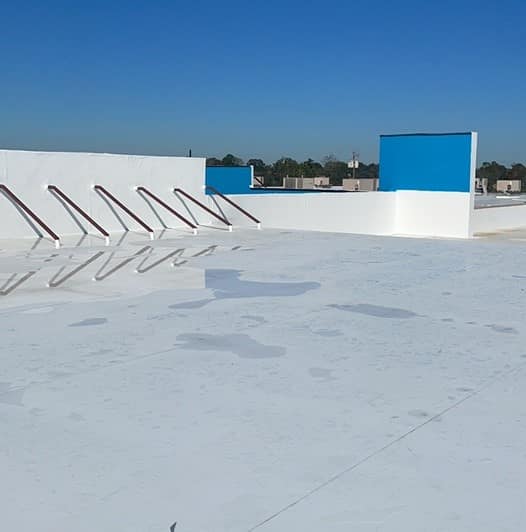
| Low-slope or TPO. | Useful to evaluate where roof areas have a low pitch or a gently sloping configuration. A low-slope roof is generally at or below 2:12. | How will seams, drainage, edges, penetrations, insulation, and transitions be detailed? |
Heat is another factor worth evaluating. ENERGY STAR explains that a cool roof can use high solar reflectance and thermal emittance to reduce heat transferred into a building. And that cool-roof materials can include high-reflectance shingles, metal, tile, and membranes. These features may be especially relevant in hot, sunny parts of Texas, but they do not make one material universally best. Ask how the proposed product performs with the home's insulation, ventilation, slope, and appearance goals.
For a deeper look at the tradeoffs, review these roofing materials for Texas homes, then compare the options against the inspection findings rather than choosing by material name alone. The ENERGY STAR guidance on cool roofs provides additional context on reflectance and emittance.
Schedule a free roof inspection to discuss which material fits your Texas home.
How Does Residential Roof Replacement Work From Inspection to Cleanup?
A well-managed replacement follows a defined sequence, but the details should reflect the home's roof design, existing condition, and local requirements. The inspection is not just a formality. It establishes what needs to be removed, repaired, protected, and installed before work begins. Elevation's roof installation process can include several roofing systems, so the installation plan should be specific to the property and selected materials.
- Inspect the existing roof and confirm the scope. The project starts with an assessment of the roof covering and related components, including flashing, vents, gutters, fascia, soffits, and drains. The contractor should document visible damage and clarify which materials, accessories, and protection measures are included in the replacement.
- Confirm permits, inspections, and site preparation. Permit and inspection requirements should be verified with the city or other authority for the specific property. They are not a universal Texas rule with identical requirements everywhere. The homeowner and contractor should also confirm access, landscaping protection, material delivery, and how the work area will be secured.
- Remove the old roof covering. The existing shingles, panels, or other roof covering are removed so the underlying roof assembly can be evaluated. Tear-off should be controlled to protect the home and surrounding property, while exposed areas are covered if weather conditions require temporary protection.
- Check the roof deck and underlayment. Once the covering is removed, damaged or deteriorated wood substrate or framing should be replaced as needed. The crew then installs the specified underlayment and related water-shedding layers. Local inspection guidance commonly emphasizes that damaged substrate must be corrected rather than covered.
- Install the new roof system. Roofing materials should be installed according to the manufacturer's specifications. Correct fastening, alignment, overlap, and required accessories matter because installation standards and manufacturer requirements can affect warranty validity. The chosen system may include shingles, metal, tile, TPO, or another appropriate material.
- Complete flashing and ventilation details. Flashing around roof penetrations, walls, valleys, and other transitions helps manage water at vulnerable points. Adequate attic ventilation should also be provided as part of the roof assembly, rather than treated as an afterthought.
- Clean the site and perform a final review. The crew should remove roofing debris, inspect the finished surfaces and flashing, check gutters and visible roof components, and address remaining cleanup items. A final review confirms that the completed work matches the agreed scope and identifies any follow-up needed.
These checks support a durable installation without assuming that every home has the same construction or local inspection path. For broader installation guidance, consult the roofing inspection guidance and discuss property-specific requirements with a qualified contractor.
How Long Does a Residential Roof Replacement Take?
There is no dependable one-size-fits-all schedule for replacing an existing roof. A straightforward project may move quickly, while a home with multiple rooflines, difficult access, or concealed damage can require more time. The right timeline comes from the inspection and the final scope, not from a calendar promise.
What can change the project schedule?
- Roof size and complexity: A larger roof, steep slopes, multiple sections, dormers, skylights, or detailed flashing work can increase preparation and installation time.
- Selected material: Asphalt shingles, metal, tile, TPO, and other systems have different handling and installation requirements. Manufacturer specifications should guide the installation.
- Weather: Rain, high winds, and saturated surfaces can pause work to protect the home and the crew. Texas weather can shift quickly, so a responsible schedule includes room for safe-weather decisions.
- Hidden deck repairs: Once the existing covering is removed, damaged wood substrate or framing may need replacement before the new roof can be installed. This is a quality-control step, not an unnecessary delay.
- Local approvals: Permit and inspection requirements vary by jurisdiction. Required applications, in-progress inspections, or final approvals may affect when work can begin or close out.
Before committing to dates, ask what work is included, how weather changes will be handled, and how unexpected substrate repairs will be documented. Elevation's roof replacement services can be scoped around the home's condition and selected system, giving homeowners a clearer basis for planning.
What Should You Check After the New Roof Is Installed?
A final walkthrough helps you confirm that the finished roof matches the agreed scope and that the details supporting long-term performance are in place. Do not rely only on the roof surface. Check the components that move water, protect openings, and support ventilation.
- Roof finish: Look for consistent shingle or panel alignment, secure-looking edges, and clean transitions around ridges, valleys, and roof penetrations. Any visibly loose, damaged, or uneven material should be documented and discussed before the crew leaves.
- Flashing and vents: Ask the installer to review flashing around chimneys, walls, skylights, and plumbing vents. Confirm that vents are unobstructed and that the attic ventilation plan was completed. Adequate attic ventilation is part of the re-roof inspection guidance documented by Placer County (inspection guidance).
- Gutters and drainage: Check gutters, downspouts, drains, and fascia for roofing granules, fasteners, or other debris. Water should have a clear path away from the home. Elevation's inspection scope includes gutters, drains, vents, and flashing, so these items deserve attention during the follow-up.
- Cleanup and documentation: Walk the property for loose nails and tear-off debris, including driveways, landscaping, and paths. Request copies of the final scope, product information, permit or inspection records when applicable, maintenance guidance, and any documented manufacturer requirements. Installation standards and manufacturer requirements can affect warranty validity, so keep these records with your home documents.
If anything looks different from the approved plan, photograph it and ask for a clear explanation. A professional post-installation review can also identify questions that are difficult to assess from the ground. The goal is not to create a problem list, but to make sure the roof, drainage, ventilation, and paperwork are all accounted for before the project is closed.
Call Elevation Roofing & Restoration at (832) 271-1726 for a free roof inspection and estimate.
Frequently Asked Questions
How do I know whether my roof needs replacement or repair?
Look for recurring leaks, widespread shingle or tile damage, sagging, damaged flashing, and problems that keep returning after repairs. Roof age can add context, but it is not an automatic replacement mandate. A professional roof inspection can assess the roof covering, deck, underlayment, ventilation, and water-management details before you choose a path.
Which roofing material is best for a Texas home?
There is no single best material for every property. Shingles may fit homeowners seeking a familiar, versatile option, while metal and tile offer different performance, appearance, and installation considerations. Low-slope sections may require a different system than steep-slope areas. Compare durability, ventilation, maintenance, roof structure, appearance, and local weather exposure with a qualified contractor.
What can delay a residential roof replacement?
Timing depends on the home's size and roof complexity, selected material, weather, permitting or local requirements, crew availability, and conditions discovered after the existing covering is removed. Hidden deck damage or ventilation issues may add work. Ask for the planned sequence, decision points, cleanup process, and communication plan rather than relying on a fixed promise.
What should I check after the new roof is installed?
Walk the property with the contractor and review the visible roof surface, flashing, vents, gutters, edging, and cleanup. Confirm that debris and exposed fasteners have been addressed, attic ventilation concerns were reviewed, and project documentation is complete. Ask how to report a concern and schedule a follow-up inspection if any detail is unclear.
Ready to Plan Your Roof Replacement?
A property-specific inspection can help you understand your roof's condition, clarify the work involved, and make material and timing decisions with greater confidence. When you are ready to take the next step, call (832) 271-1726 to schedule a free roof inspection and estimate for your residential roof replacement project. The conversation gives you a practical starting point for planning the work around your home.