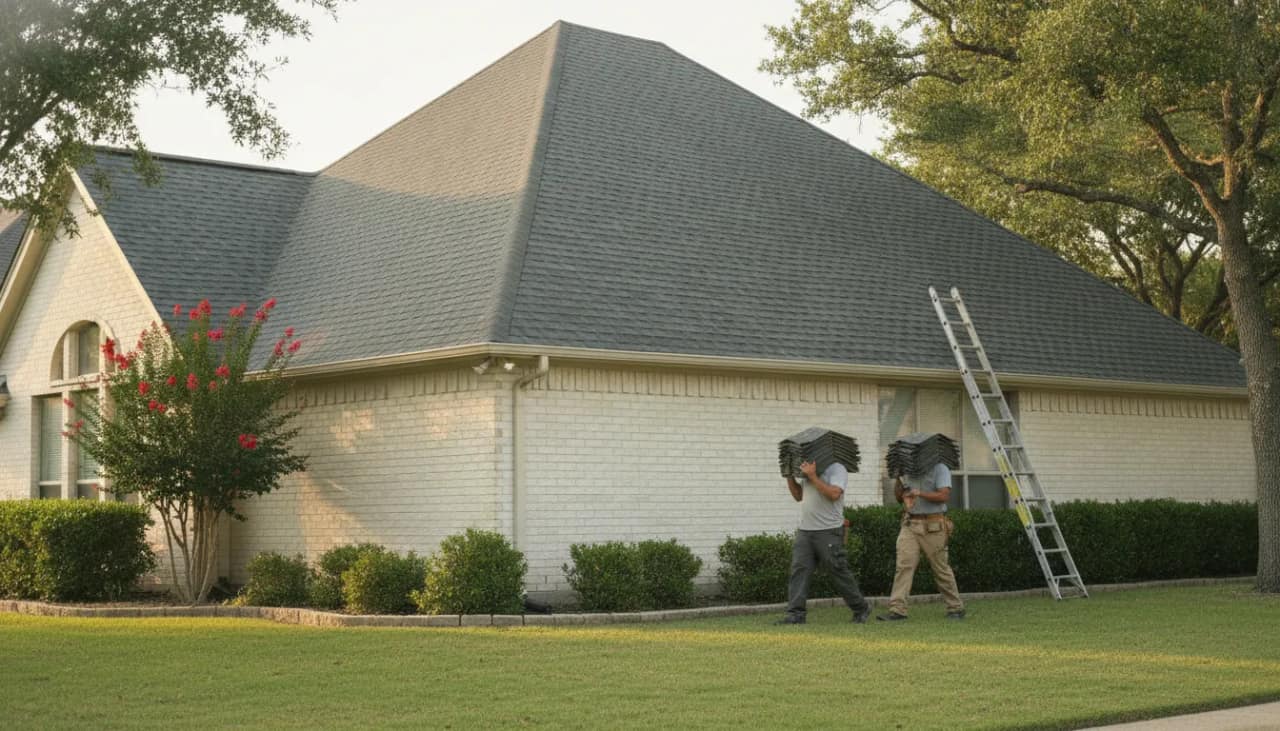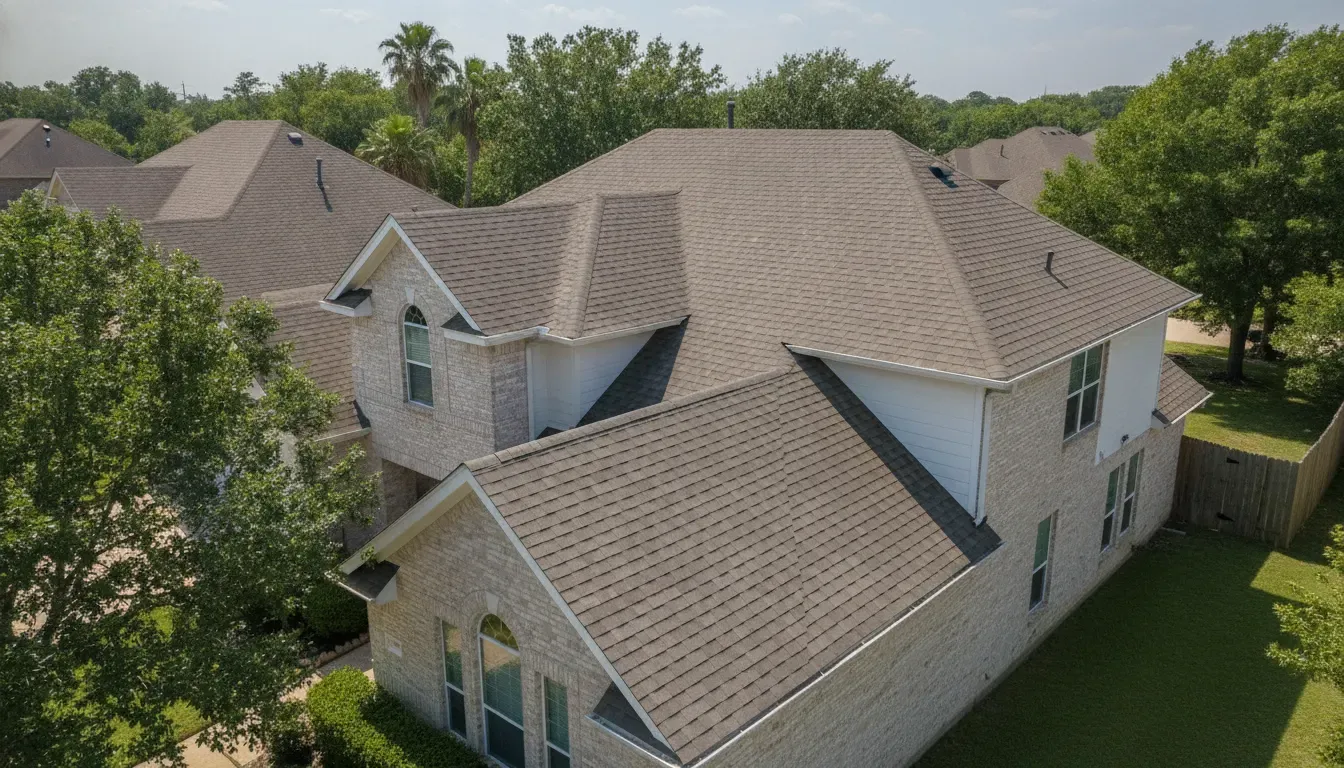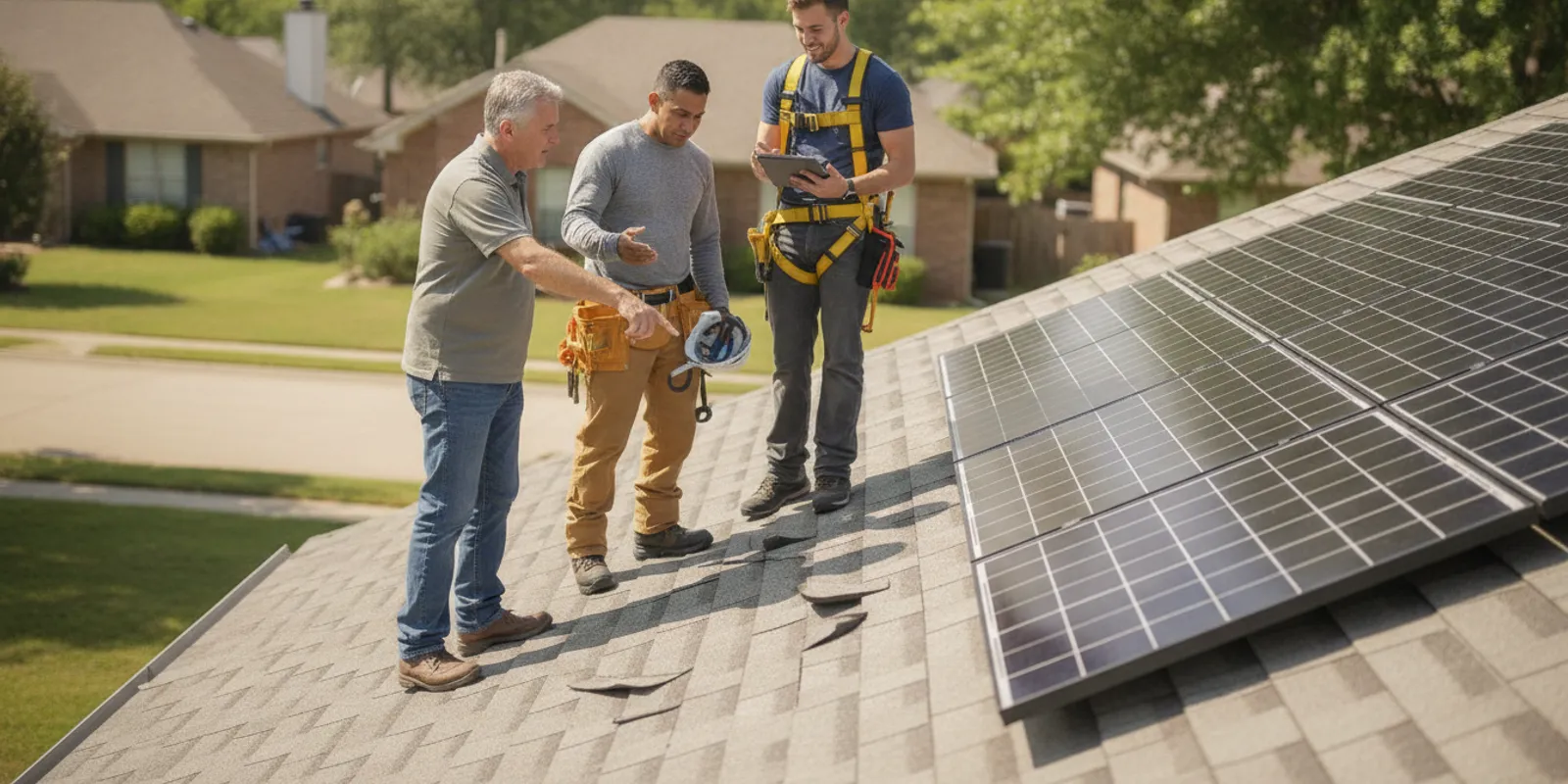
If you need to replace a roof when solar panels are already installed, the roof and solar work usually need to be planned together. In many projects, panels and mounting equipment must be removed before roofers can access the covered surface, then reinstalled after the roof work is complete. The right sequence depends on the roof condition, attachment system, and the solar equipment, so start with an inspection and a coordinated plan.
Contact Elevation Roofing & Restoration to discuss your roof project
A roof replacement does not automatically mean that your solar panels need to be replaced. It does mean that someone must determine who will disconnect and remove the array, how the roof will be restored, and who is responsible for putting the system back into service. A roofer can assess the roof, while a qualified solar professional should address solar-system work. For Texas property owners, agreeing on those roles before work begins can help avoid delays and unclear responsibilities.
What Should You Check Before You Replace Roof With Solar Panels?
Start by finding out whether the roof really needs a full replacement and what condition the solar array is in. A roof inspection should look at the accessible roofing surface, flashing, drainage, and signs of leaks or damage. The solar installer can explain the array's layout, attachment points, equipment, and any system-specific requirements for safe removal and reconnection.
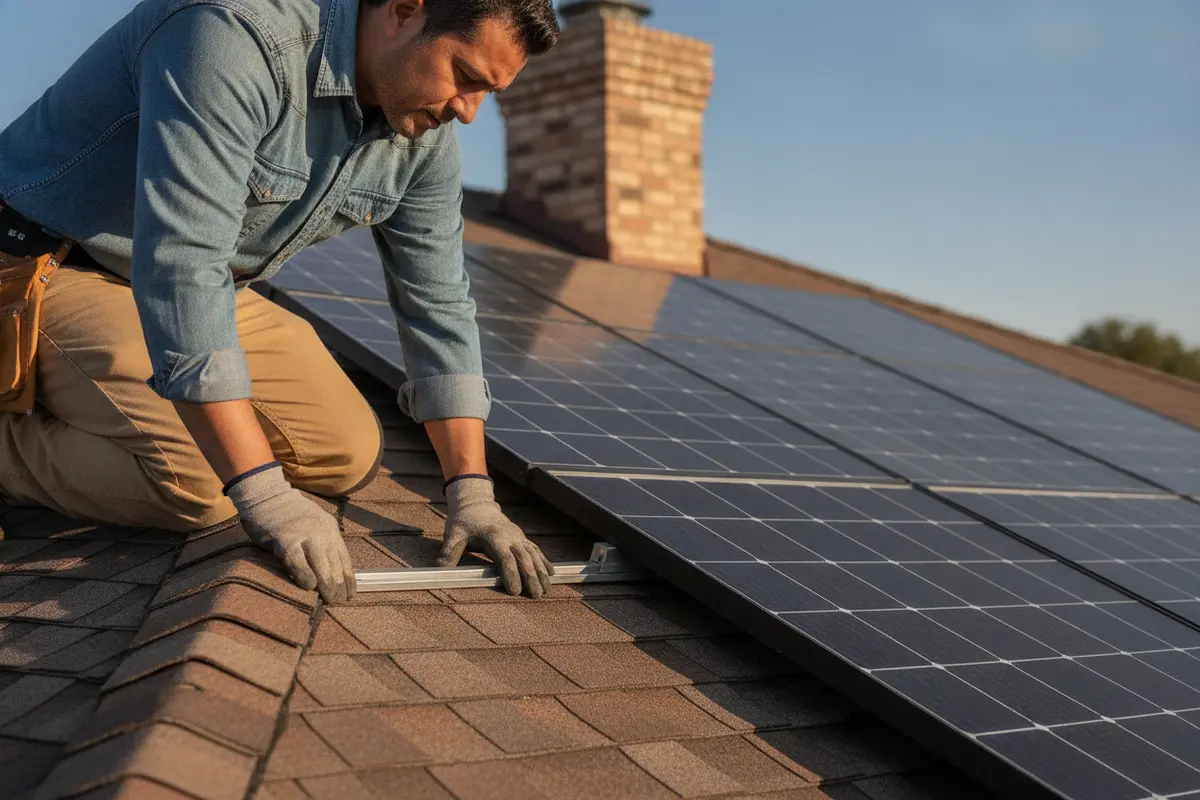
Before requesting proposals, gather the following information:
- Roof age and material: Note the approximate installation date and whether the roof is shingle, tile, metal, or another material. If you do not know, an inspection can help identify the system.
- Visible roof concerns: Record leak locations, damaged areas, and any water staining inside. Do not climb onto the roof to investigate.
- Solar paperwork: Look for the installer's agreement, system plan, equipment information, and documents describing warranties or service responsibilities.
- System ownership: Confirm whether you own the equipment or have a lease, power purchase agreement, or another arrangement. Review the agreement and ask the provider what approvals and procedures apply.
- Previous repairs: Share available records about roof repairs, leaks, or solar service so both contractors understand the history.
Keep the roof and solar assessments distinct. A roofer evaluates the roof and proposed roofing scope. A solar professional evaluates the array and the work needed to disconnect, remove, store, and reinstall it. One contractor should not make assumptions about the other's equipment or responsibilities.
Who Removes and Reinstalls the Solar Panels?
Do not assume the roofing crew will handle the solar system. Ask the solar installer or another qualified solar provider whether they will perform the system work, and ask the roofer which roof tasks are included. Depending on the agreement and equipment, panel removal may involve electrical disconnection and careful handling of modules, rails, and attachments. The project plan should identify the responsible party for each step.
A clear written scope can address:
- Who will shut down and disconnect the system, and who will verify it is safe for roof work.
- Who will remove and protect the panels, rails, wiring, and other components, and where they will be stored.
- Whether mounting hardware will be reused or replaced, and who determines its condition.
- How roof penetrations and attachment points will be handled as part of the roofing work.
- Who will reinstall, reconnect, and check the system after roofing is finished.
- How the parties will communicate if hidden damage or a change in scope is discovered.
Ask for a sequence, not just separate start dates. Usually, the roof surface must be accessible before the relevant roofing work can be completed, and the panels should not go back until the roof work and agreed checks are finished. Actual timing depends on the project, weather, material availability, and coordination between providers.
For a roof estimate, compare the roofing scope with the solar provider's work plan. Elevation Roofing & Restoration describes its roof replacement service and broader roofing services; an inspection can clarify the roofing portion of a project that also involves solar equipment.
Schedule a free roof inspection to understand the roofing scope
How Do Roof and Solar Warranties Fit Together?
Review the documents for both systems before authorizing removal. Roof and solar warranties may have different terms, providers, and procedures. Do not assume that a roof replacement cancels a warranty, or that it leaves every warranty unchanged. Ask the relevant provider to explain in writing what notice, approved methods, or documentation is required for removal and reinstallation.
Questions worth putting to the solar provider include:
- Does your agreement require your company or an approved provider to remove and reinstall the array?
- What warranty terms or service obligations could be affected by this work?
- Will the existing mounting equipment be inspected, and how will you document any parts that should not be reused?
- What checks will be completed before the system is considered operational again?
Ask the roofer how the proposed roof work treats existing mounting points and penetrations, and what roof-related workmanship or product documents will be provided. Get answers from the party responsible for each system rather than relying on a general verbal assurance. Save the proposals, written approvals, photos, and completion records together.
What Does the Roof-and-Solar Project Sequence Look Like?
A basic sequence helps both providers identify handoffs before the work starts. The exact order may vary with the roof design and system, but owners can use this outline to ask informed questions.
- Inspect and scope: Have the roof condition assessed and ask the solar provider to review the array and its documentation. Decide whether a repair or replacement is being proposed, and why.
- Confirm responsibilities: Obtain written scopes from the roofer and solar provider. Make sure removal, storage, roof work, reinstallation, and system checks are assigned.
- Set the schedule: Coordinate the expected dates and allow the providers to explain dependencies, possible weather delays, and what happens if concealed roof damage is found.
- Complete the agreed removal: The responsible solar professional should follow the system's applicable shutdown and handling procedures before roofing work begins.
- Finish and document roof work: The roofer completes the approved scope. Ask what installation or repair records and photos will be available.
- Arrange reinstallation and checks: The solar provider reinstalls and reconnects the equipment under its agreed scope and explains the checks or next steps for returning the system to service.
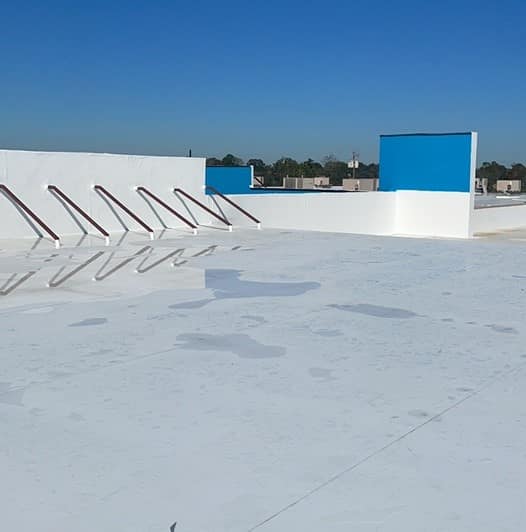
A U.S. Department of Energy project document describes rooftop solar work planned with new racking and replacement of an existing membrane roof. It is an example of coordinating roof and photovoltaic scopes, not a universal specification for residential projects. The document is available in the Department of Energy rooftop solar project record.

How Can You Compare Roof-and-Solar Proposals?
Compare written scopes side by side, not just the bottom-line amount. A proposal may cover roofing but exclude solar removal, or it may assume another provider will reinstall the array. Ask each company to identify exclusions and dependencies. Costs depend on roof size and complexity, selected materials, solar system configuration, access, and the work each provider includes, so a generic estimate cannot tell you the full project cost.
| Project item | Questions to ask | Who should clarify it? |
|---|---|---|
| Roof inspection and scope | Which areas need repair or replacement, and what is included? | Roofing contractor |
| Solar disconnection and removal | Who performs the work, protects components, and stores them? | Solar provider |
| Mounting points and roof work | How will attachments and roof penetrations be addressed? | Roofer and solar provider together |
| Reinstallation | Who reinstalls the array, and what equipment or parts are included? | Solar provider |
| System checks and records | What checks and completion documents will you receive? | Solar provider; confirm roofing records with roofer |
| Changes and delays | How will hidden damage, weather, or a revised scope affect timing and approval? | Both providers |
Elevation Roofing & Restoration serves the Houston and Austin areas. Property owners can review its Texas service locations and its Houston and Austin pages for regional information. Confirm that the roofing work you need is within the agreed project scope before scheduling.
What Should Texas Property Owners Plan For?
In Houston, Austin, and nearby communities, weather can affect outdoor work dates. Ask how schedule changes will be communicated and how any exposed roof areas will be protected if work pauses. Do not assume a particular season guarantees a dry project window. The providers can explain their plans for the actual forecast and job conditions.
Property owners can make coordination easier by keeping one shared set of records and naming a main contact for schedule updates. If the property is part of a managed community or a commercial site, confirm any access, operating-hour, or approval requirements before setting dates. Owners with an insurance claim should keep the approved scope and communications with their insurer organized, and should direct coverage questions to the insurer or qualified adviser.
For projects that include work beyond the roof, Elevation's other services page describes additional service areas. Review the company's customer reviews for more information about customer experiences, while relying on the written agreement for your project's actual responsibilities.
What Should You Ask Before Approving the Work?
Before signing, make sure you can answer these questions without guessing:
- Has the roof been inspected, and is the recommendation to repair or replace explained?
- Who is responsible for disconnecting, removing, storing, and reinstalling the solar equipment?
- Have the solar provider and roofer reviewed the roof attachments and their respective scopes?
- What do the existing agreements say about warranty procedures and approved work?
- What is included in each proposal, what is excluded, and how will additional work be approved?
- What order and schedule do the providers expect, and how will changes be communicated?
- What records, photos, and completion information will each provider give you?
Ask for written answers and keep them with the agreements. If you need additional general information before planning, Elevation's roofing FAQs can be a useful starting point, but your project-specific agreement should define the actual work and responsibilities.
Request a free roof inspection before planning solar panel removal
Frequently Asked Questions
Do solar panels have to come off for a roof replacement?
Often, panels and mounting equipment need to be removed so roofers can access the covered roof surface, but the required work depends on the array and roof. Ask a solar professional and roofing contractor to review the system and document the removal and reinstallation plan.
Can I replace the roof without replacing the solar panels?
Yes, a roof replacement does not by itself mean the panels must be replaced. The solar provider can assess the array and its components, and the roofer can assess the roof. Whether existing equipment can be reused depends on its condition and the providers' evaluation.
Who should I hire to remove and reinstall the solar panels?
Ask the original solar installer or another qualified solar provider whether they can perform the work and whether your agreement requires a particular provider. Confirm the roofer's scope separately, including how the roof work will be coordinated with solar attachments.
Will roof replacement affect my solar or roof warranty?
It may involve warranty procedures or conditions, but the answer depends on your agreements and providers. Review the documents before work begins and request written guidance from the solar and roofing providers about approvals, methods, and records.
How long will a roof replacement with solar panel removal take?
There is no single schedule for every home or commercial building. Roof size, project scope, weather, equipment, and coordination all affect timing. Ask both providers for a sequence and schedule, including how they will handle delays or newly discovered roof damage.
Plan the Roof Work and Solar Work Together
The key is to treat the roof and solar array as connected scopes with different responsibilities. Have the roof assessed, involve the solar provider early, get removal and reinstallation assignments in writing, and coordinate timing before approving the project. That preparation gives you a clearer basis for comparing proposals and deciding what to do next.