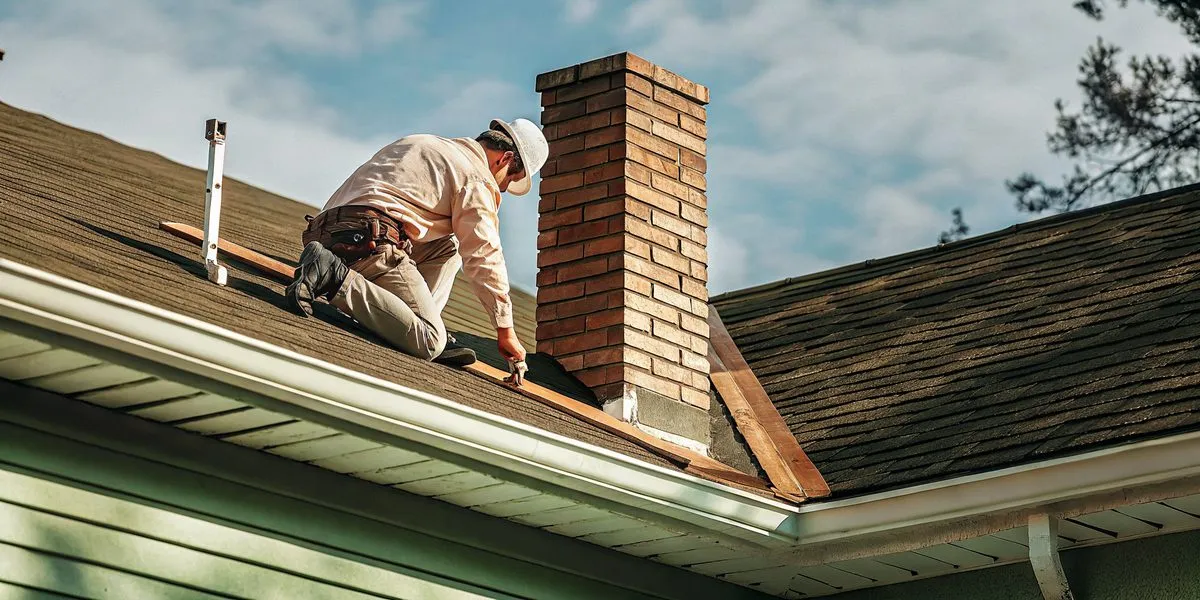
A roof leak rarely stays confined to the spot where you first notice a stain. Texas heat, wind, hail, and heavy rain can expose small weaknesses, allowing water to travel through decking, insulation, and ceilings before the source is obvious. Acting quickly can help limit interior damage and make the repair easier to assess.
Call Elevation Roofing & Restoration at (832) 271-1726 for a free roof inspection and estimate.
Effective roof leak repair starts with controlling active water, documenting visible damage, and tracing the leak to its actual entry point rather than sealing only the stain. Homeowners can check ceilings, walls, and the attic from a safe position. But a professional inspection is often needed when the source is hidden or storm damage is involved.
Before choosing a repair, it helps to understand where roof leaks most often begin. Some causes are visible from the ground, while others involve seals, flashing, drainage, or materials that have gradually deteriorated.
What Are the Most Common Causes of Roof Leaks?
Roof leaks in Texas homes often begin with a small weakness that becomes obvious during heavy rain, high winds, or hail. Common causes include:
- Damaged, cracked, curling, or missing shingles
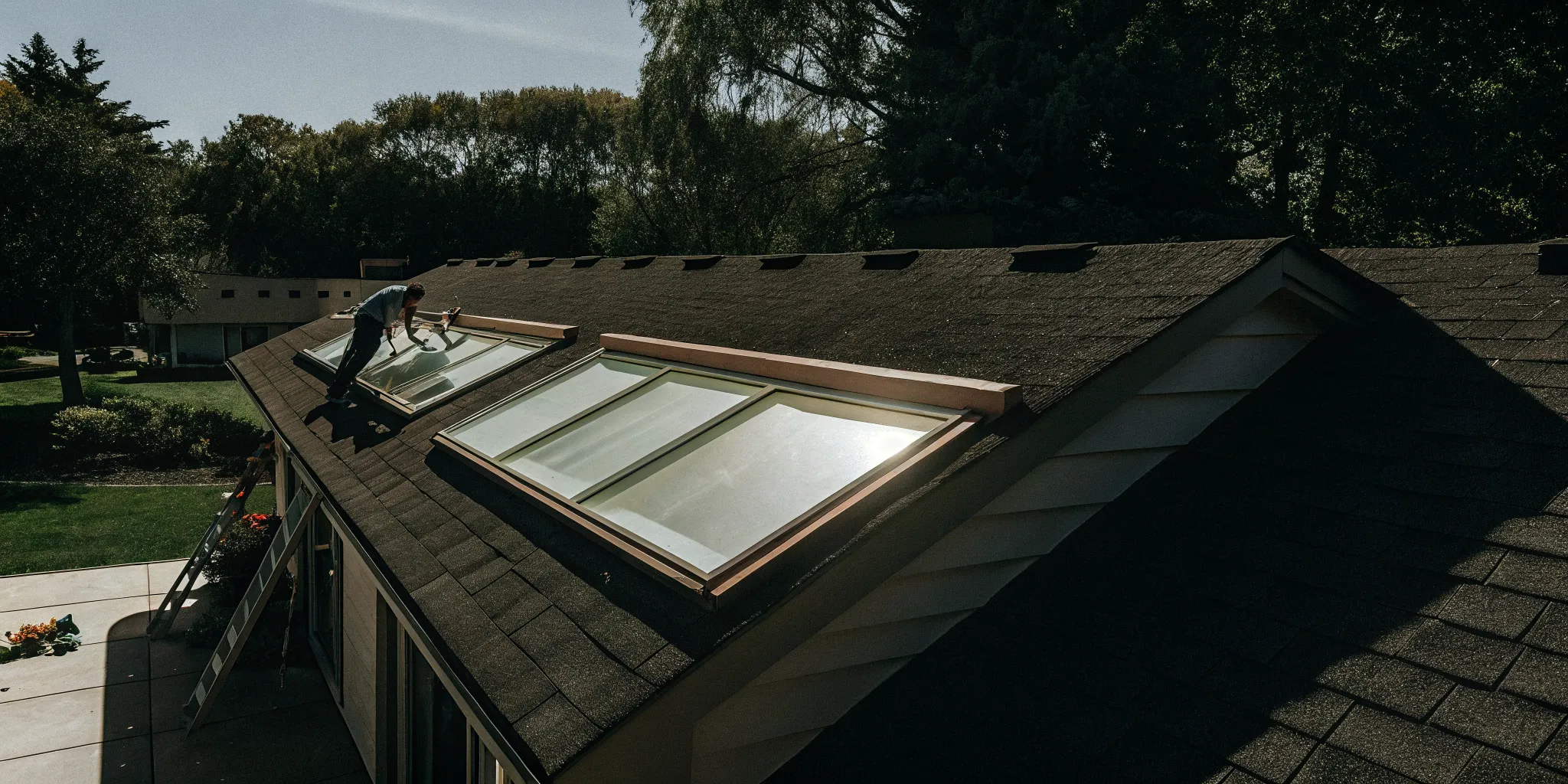
- Cracked or deteriorated flashing around chimneys, vents, and skylights
- Clogged gutters and blocked drainage paths
- Hail and wind damage from severe storms
- Aging roofing materials or poor installation
Each cause leaves different clues, so identifying the source matters before choosing a roof leak repair method. A missing shingle may require a focused repair, while widespread deterioration can point to a larger maintenance or replacement concern.
Damaged shingles and aging materials
Shingles form the outer barrier that directs water away from the roof deck. When a shingle is missing, cracked, or curled, the underlayment is exposed to rain. Heavy Texas downpours can then push water beneath nearby shingles and into the roof assembly. Older materials are also more vulnerable to weathering, especially after repeated heat, wind, and storm exposure.
Age does not automatically mean a roof needs replacement. However, recurring leaks, brittle shingles, granule loss, and damage across multiple roof areas deserve a professional assessment. Poor installation can create similar problems, including exposed fasteners, inadequate sealing, or improperly aligned materials.
Flashing, gutters, and storm damage
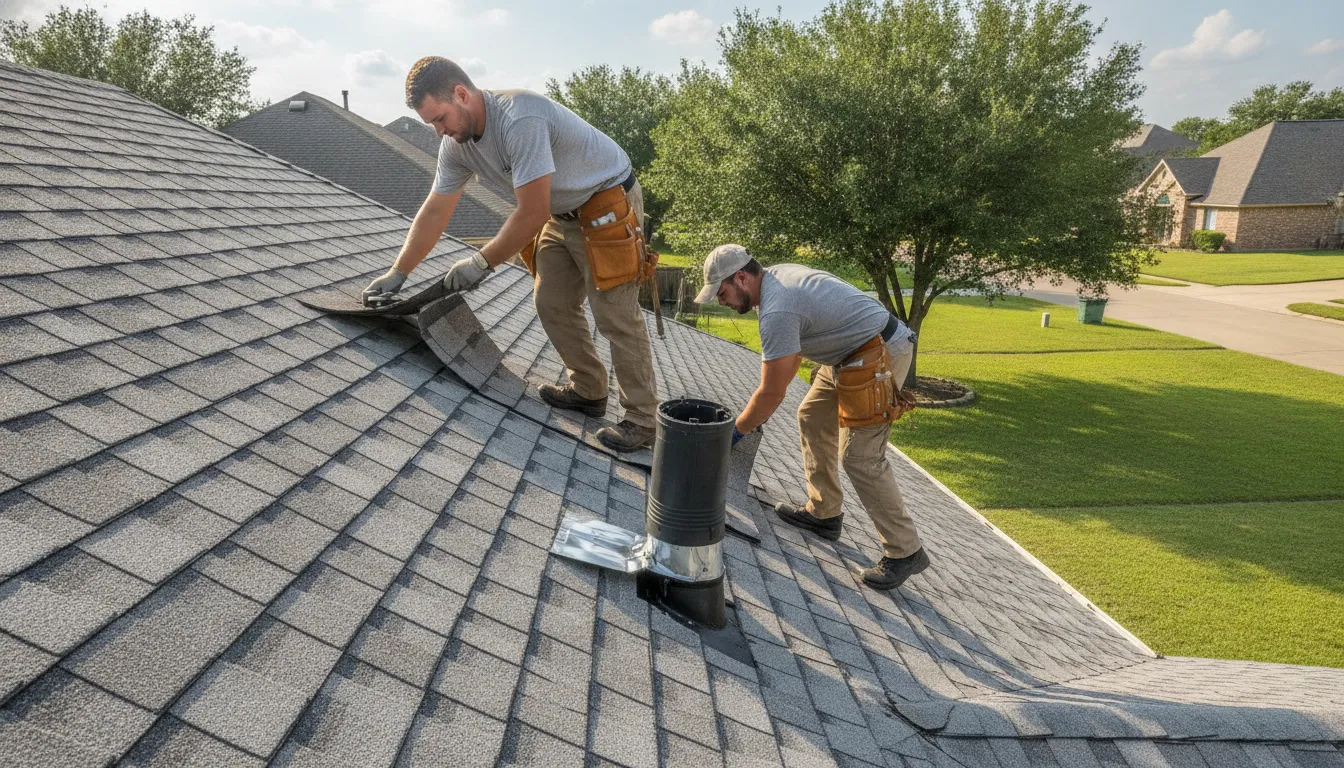
Flashing seals the transition points where the roof meets a chimney, vent, or skylight. Cracked flashing or degraded sealant can allow water to enter around these openings, even when the surrounding shingles appear intact. Skylights and vent pipes deserve particular attention because their seals are exposed to changing temperatures and weather.
Gutters protect the roof edge by carrying rainwater away from the structure. When leaves and other debris clog the system, water can back up under the roof edge and damage nearby materials. Cleaning gutters and checking downspouts can reduce that risk, but existing water damage still needs evaluation.
Hail and wind can break shingles, loosen flashing, and create openings that are difficult to see from the ground. After a major storm, a roof may leak immediately or only when the next heavy rain exposes the damage. For a broader overview, review these common roofing problems in Texas. If you notice ceiling stains, dripping, or visible roof damage, arrange an inspection promptly rather than waiting for the problem to spread.
How to Find the Source of a Leak: A Step-by-Step Roof Leak Repair Guide
Finding the entry point is not always as simple as looking directly above a drip. Water can travel along roof decking, rafters, insulation, and wall cavities before it becomes visible inside the home. Work from the safest accessible areas first, and avoid walking on the roof if you are not trained and properly equipped.
Check the attic during daylight hours
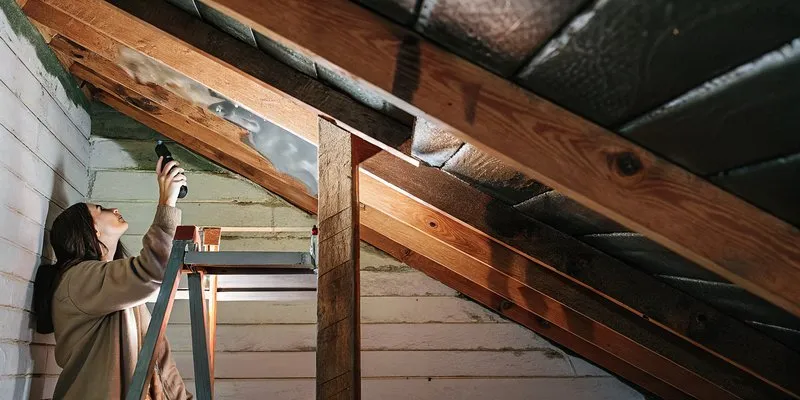
Use a flashlight and inspect the underside of the roof deck, especially after rain. Look for damp insulation, darkened wood, fresh water trails, or daylight shining through a gap. Seeing light through the roof deck can identify a potential hole or opening where water may enter. This attic check is based on a practical inspection method described by Elevation Roofing's roofing guidance: check for daylight coming through the roof during the day. Do not touch wet electrical components, and do not enter an attic if the flooring is unsafe.
Trace ceiling and wall stains back toward the roof
Mark the location of water stains, peeling paint, bubbling drywall, or damp wall surfaces. The stain may not be directly below the breach. Water stains on ceilings and walls can appear some distance from the actual source as moisture follows framing or the slope of the roof. Compare the stain's location with roof valleys, penetrations, and nearby exterior walls rather than assuming the highest visible mark is the entry point.
Inspect common leak-prone areas from a safe position
With binoculars from the ground or from a safe vantage point, examine flashing around chimneys, vents, and skylights. Also look for cracked or missing shingles, separated sealant, lifted flashing, and damaged pipe boots. Flashing around roof penetrations is a frequent source of leaks when seals deteriorate. Do not climb onto a wet, steep, or damaged roof to inspect these areas.
Use a controlled garden hose test
When conditions are dry and safe, have one person remain in the attic or affected room while another stands outside with a garden hose. Start at the lowest suspected area and apply a small, controlled amount of water for several minutes before moving upward. The person inside should communicate immediately when moisture appears. Never use a pressure washer, and remember that water can take time to travel before it shows up indoors.
Ask a professional about thermal imaging
Some leaks leave no obvious stain and only appear under specific weather conditions. A roofing professional can use thermal imaging to identify temperature differences associated with hidden moisture. Specialized thermal imaging is a useful tool for locating elusive roof leaks that are not visible to the naked eye. A professional inspection can help confirm the source before repair work begins, and regular inspections can identify problems before they cause major structural damage.
What Temporary Roof Leak Repair Measures Can You Take?
A leaking roof can cause more damage with every rainfall, but homeowners should focus on containing water safely rather than attempting a complete repair. Temporary measures may limit interior damage until a qualified roofing professional can inspect the roof and identify the underlying problem.
- Protect the interior. Move furniture, electronics, boxes, and other belongings away from the leak. Place buckets or other sturdy containers under active drips, and use towels to catch splashing or runoff.
- Clear debris from the area. If the affected spot is reachable without climbing onto the roof, remove leaves, branches, and loose debris. A clean surface makes it easier to see the damage and prepare a temporary patch. This step should be done from a safe location, not by walking on a steep or wet roof. Roofing guidance from Elevation Roofing also emphasizes clearing debris before attempting a minor temporary repair.
- Use sealant or wet-patch compound cautiously. A high-quality roofing sealant or wet-patch product can cover a small, accessible opening for a short time. Apply it only according to the product directions and only where you can work from a stable, safe position. A patch may hold temporarily, but it does not restore damaged underlayment, flashing, decking, or shingles. Research on temporary roof patches supports treating sealant as an interim measure, not a permanent solution.
- Consider a tarp from outside only when safe. A properly secured tarp can shed rain over an exposed area, but installing one may require ladders, roof access, and work near slippery surfaces. Do not climb onto a steep, wet, damaged, or otherwise unsafe roof. If the tarp cannot be placed from ground level or another secure location, leave it to professionals.
These actions can reduce immediate water intrusion, but they cannot determine why the roof is leaking or confirm that hidden damage has stopped. Temporary fixes like patches may hold for a while, while a permanent repair is needed for long-term roof integrity. Arrange professional roof leak repair as soon as practical, especially after wind, hail, or heavy rain.
When Should You Call a Professional for Roof Leak Repair?
Call a professional as soon as you suspect a roof leak, particularly after heavy rain, hail, or high winds. Acting quickly can prevent a small opening from becoming extensive interior or structural damage. A trained roofer can identify the source, assess the condition of the roof, and recommend a repair based on the underlying problem rather than the visible stain alone.
Signs it is time to call a roofer
You do not need to wait for water to drip through the ceiling. Schedule an inspection when you notice water stains, bubbling paint, damp drywall, or musty odors. Watch for missing or curled shingles after a storm, daylight through the roof deck, loose flashing, or a leak that keeps returning after a patch.
- Water stains, bubbling paint, damp drywall, or a musty odor in the attic or living areas
- Missing, cracked, or curling shingles after a storm
- Daylight visible through the roof deck from inside the attic
- Loose or damaged flashing around chimneys, vents, or skylights
- Water collecting near the roof edge or backing up around clogged gutters
- A leak that continues after a temporary patch or returns during the next rainfall
Repair versus replacement: when each option fits
| Factor | Repair | Replacement |
|---|---|---|
| Roof age | Under 15 years, localized damage | Over 20 years, nearing end of service life |
| Damage extent | One or two small areas (missing shingles, leaking flashing) | Widespread damage, multiple active leaks, sagging deck |
| Granule loss | Minimal or isolated | Widespread granule loss, exposed mat on many shingles |
| Roof condition | Rest of roof is sound, no recurring issues | Chronic leaks despite past repairs, visible deterioration |
| Cost outlook | Lower upfront cost; address the specific problem | Higher upfront cost but may prevent repeated repair bills |
Protect yourself and document the damage
Roof work is hazardous. Do not walk on the roof if you are not trained and properly equipped, even if the damage appears easy to reach. Wet shingles, steep slopes, and hidden structural damage can make a roof unsafe. Instead, take photos from the ground and from a safe location in the attic. Clear images of missing materials, stains, fallen branches, or visible water can help document the condition for an insurance claim.
If a storm caused the damage, Elevation Roofing can help with insurance claims for storm-damaged roofs in Houston and Austin. The team can inspect the roof, explain what it finds, and help you understand the repair process. For residential homeowners who need a qualified assessment, explore Elevation Roofing's professional roof leak repair services.
Choose a roofer who stands behind the work
Before hiring a contractor, review its service history, inspection process, and commitment to workmanship. Elevation Roofing offers a 100% satisfaction guarantee on its services. You can also read Elevation Roofing reviews to see how customers describe their experience. A prompt professional evaluation is the safest way to limit damage and move from a suspected leak to a durable repair.
How Can You Prevent Roof Leaks?
Preventive maintenance helps Texas homeowners catch small vulnerabilities before they become interior damage. A consistent roof care routine is especially useful in Houston and Austin, where heavy rain, high winds, hail, and heat can place repeated stress on roofing materials.
Schedule inspections before problems grow
Schedule a professional roof inspection at least once a year and after any major storm. An inspection can identify loose or damaged materials, deteriorating flashing, and other entry points that may not be visible from the ground. After severe weather, a post-storm roof inspection can help identify damage early, even when the roof is not actively leaking.
Control moisture in the attic
Proper attic ventilation helps move warm, humid air out of the attic and limits moisture buildup. Poor ventilation can contribute to roof issues and may make it harder to distinguish condensation from an active leak. Ask a roofing professional to evaluate airflow if you notice damp insulation, musty odors, or recurring moisture.
Maintain roof openings and drainage
Roof penetrations deserve regular attention because seals and protective components can deteriorate over time. Check skylight seals annually, and confirm that roof vents have properly installed rain shields to help prevent water entry during high winds and heavy rain.
- Clean gutters regularly so leaves and debris do not block drainage or force water back under the roof edge.
- Trim branches that overhang the roof to reduce rubbing, falling debris, and storm-related impact.
- Look for visible changes around skylights, vents, and roof edges, but avoid walking on the roof if you are not trained and properly equipped.
Homeowners throughout Houston, Austin, and nearby Texas service areas can use these steps as a starting point. If you notice water stains, damaged roofing, or recurring moisture, arrange a professional assessment before a minor issue develops into more extensive roof leak repair.
Frequently Asked Questions
How do you find a roof leak?
Start in the attic with a flashlight and look for wet insulation, water stains, or daylight through the roof deck. Trace the moisture upward, but remember that the interior stain may appear away from the actual breach. A professional can use targeted testing or thermal imaging when the entry point is difficult to locate.
What is the best way to temporarily patch a roof leak?
Clear debris from the area, then use a high-quality roof sealant or patch designed for the surface and conditions. This can limit water entry until a permanent repair is completed. Treat a patch as temporary, not as a substitute for correcting damaged shingles, flashing, or another underlying problem.
Can I repair a roof leak myself?
Some minor issues may be manageable for an experienced homeowner, but roof work carries fall risks and hidden damage is easy to miss. Do not walk on the roof if you are not trained. A professional inspection is the safer choice when the leak involves flashing, structural materials, widespread damage, or repeated water entry.
When should I replace my roof instead of repairing it?
Replacement may make more sense when the roof is near the end of its service life, has widespread damage, or continues to leak after repeated repairs. A qualified roofing professional can assess the materials, affected areas, and repair history, then explain whether a focused repair or full replacement is the more practical long-term solution.
Ready to Schedule a Roof Inspection?
A professional inspection can help identify the source of a leak and clarify the next repair step before moisture leads to more damage. Schedule a free roof inspection and estimate with Elevation Roofing & Restoration. Our team serves Texas property owners in the Houston and Austin areas with practical, solution-oriented roofing support.