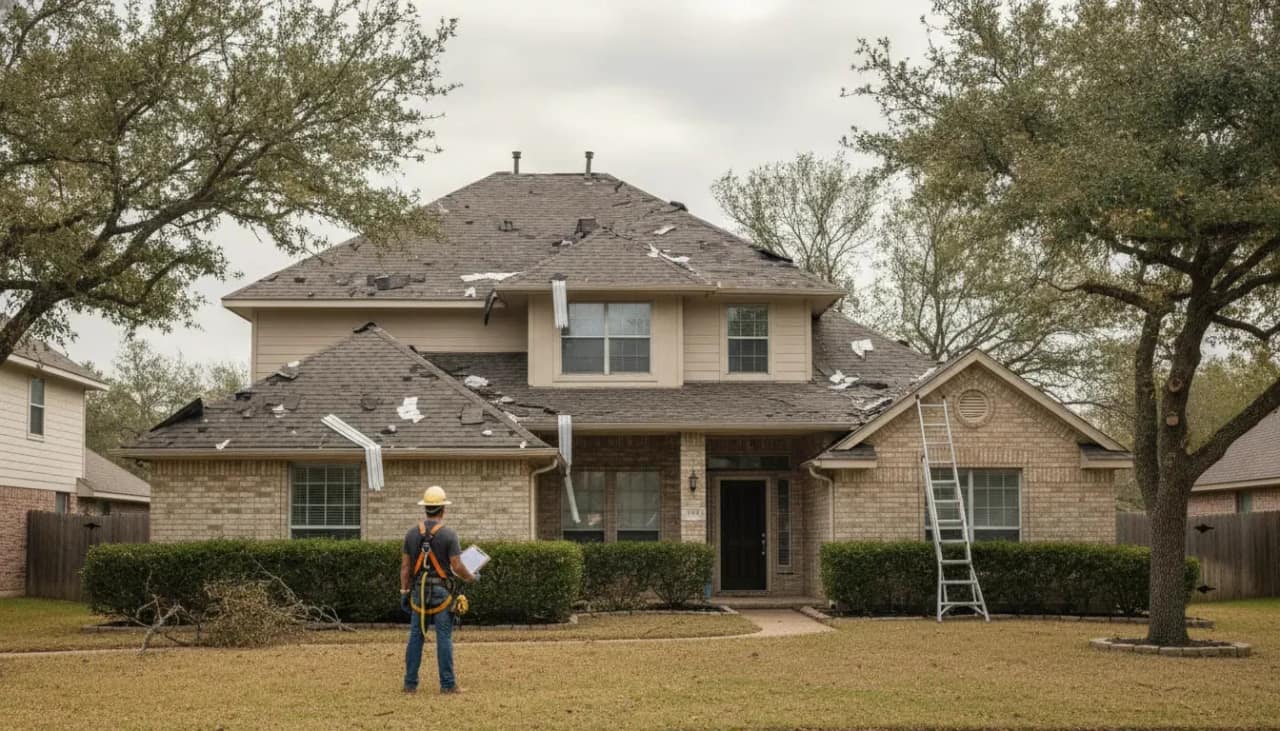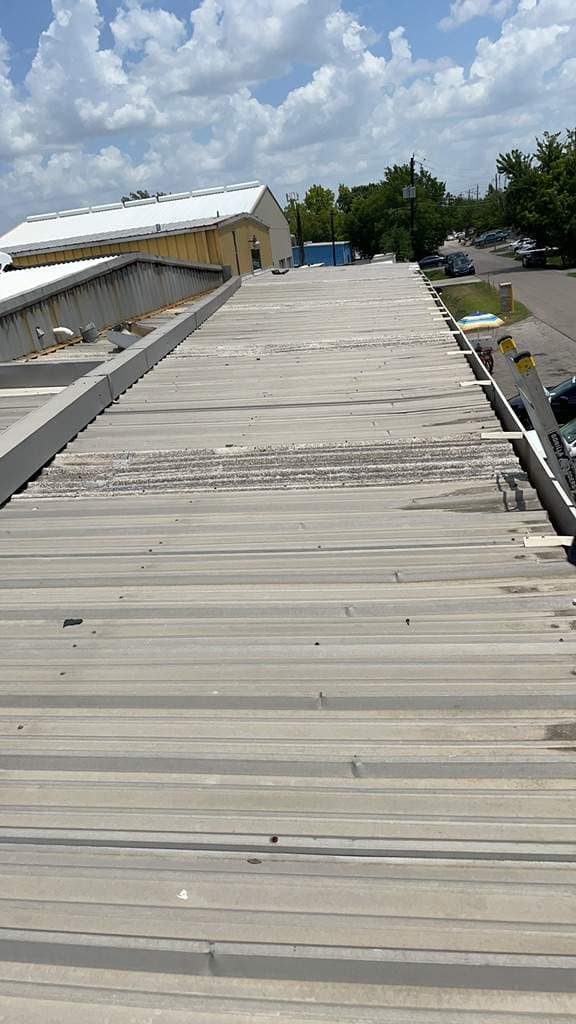
When Hurricane Beryl moved across Greater Houston, it left thousands of roofs damaged in ways that were not always obvious from the curb. That is the hard truth of Gulf Coast storms: the missing shingles you can see are rarely the whole story. The wind that lifts a few tabs also breaks adhesive seals across an entire slope, and the rain it drives sideways finds gaps around vents and flashing that never leak in an ordinary thunderstorm. Months later, those quiet failures show up as ceiling stains, attic mold, and rotted decking, long after the deadline to file a clean insurance claim has passed.
If a hurricane or tropical storm has just moved through your area, the days right after landfall matter more than almost any other time in your roof's life. This is a practical, step-by-step recovery playbook for homeowners across Greater Houston and the Austin metro, covering what to do first, how to document damage the way an insurance adjuster expects, and how to tell an emergency fix from a permanent repair.
First, Stay Safe and Slow Down
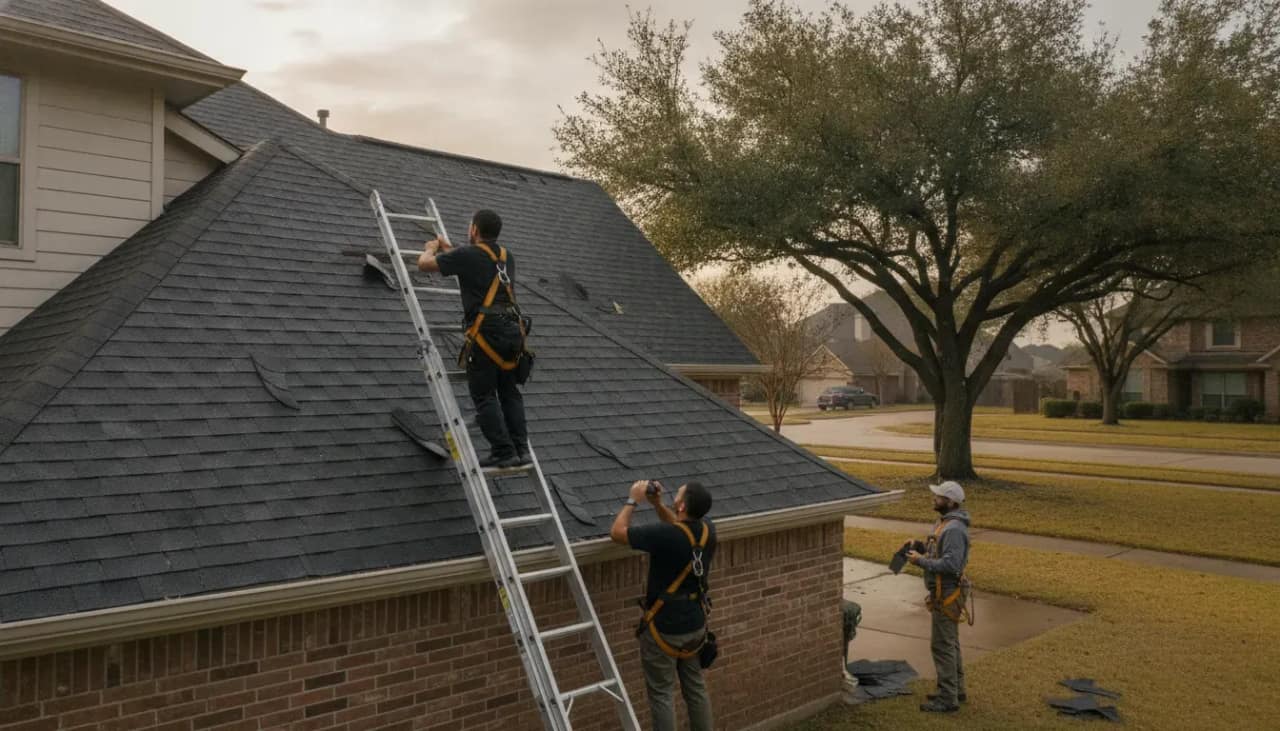
The single most important rule after a storm is not to climb onto your own roof. Wet decking, hidden structural damage, and downed power lines turn a routine look into a serious hazard, and a fall the day after a hurricane is far more common than people expect. Do your first assessment from the ground and from inside the house.
- Check for safety hazards first: sagging ceilings, the smell of gas, exposed wiring, or any active water coming through a light fixture. If you see these, treat them as urgent.
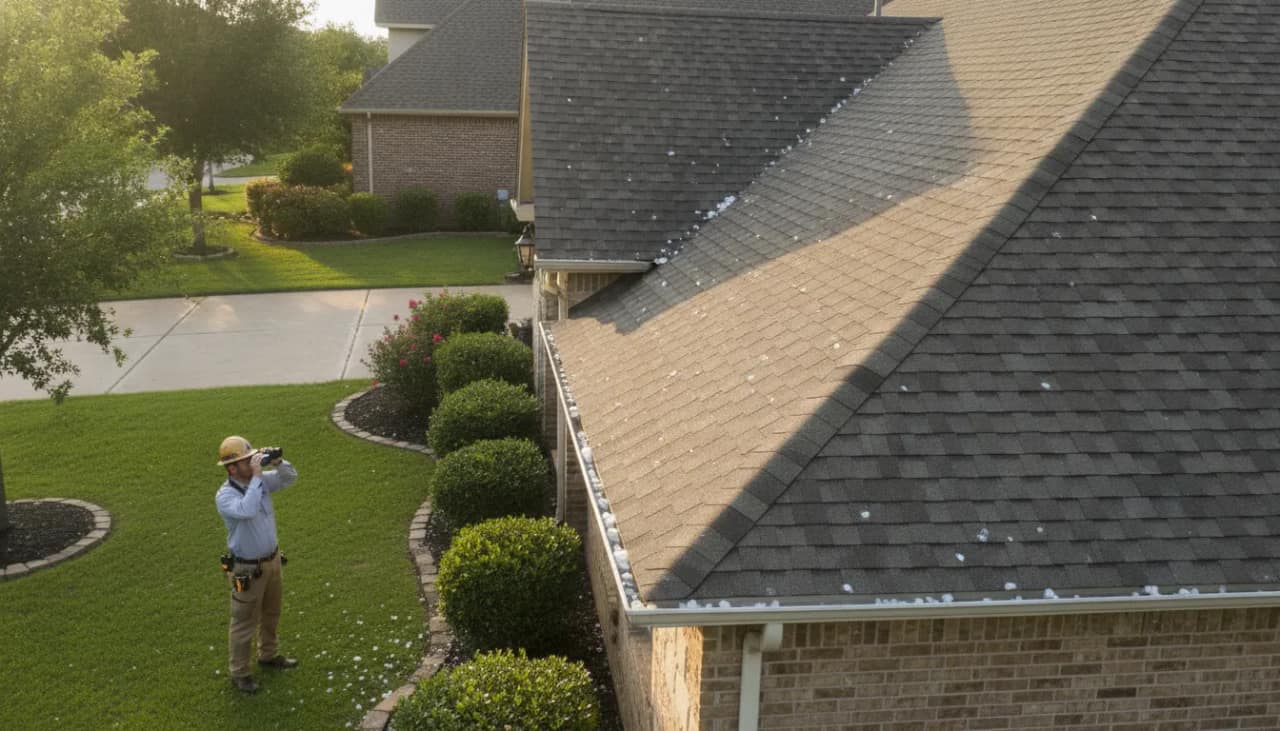
- Walk the perimeter from the yard: use a phone camera or binoculars to scan each slope for missing, curled, or displaced shingles, dented metal, and slipped tile.
- Look in the attic: daylight at the ridge, fresh water stains on the underside of the deck, or wet insulation all point to intrusion you cannot see from outside.
Resist the urge to start cleaning up debris or hosing things off before you have documented the scene. What looks like a mess is also evidence.
The Damage Texas Hurricanes Hide
Storms like Beryl rarely fail a roof in one dramatic spot. They cause distributed, lower-profile damage that adds up. Knowing what to look for helps you describe the problem accurately and explains why a professional roof inspection usually finds far more than a homeowner does.
Wind and Uplift Damage
Hurricane-force gusts pry at every edge. Once the adhesive seal under a shingle breaks, that shingle is no longer waterproof even if it looks flat and in place. Inspectors check for creased shingles, lifted tabs, and bruising along ridges and eaves, the zones where uplift is strongest. On metal roofs, the same wind loosens fasteners and distorts seams.
Wind-Driven Rain and Flashing Failures
Hurricanes push water uphill and into seams that gravity normally protects. The metal flashing around chimneys, skylights, vent pipes, and roof-to-wall transitions is where most post-storm leaks actually begin. A small displacement there can soak decking and insulation for weeks before a stain appears on the ceiling below.
Impact and Debris Damage
Flying limbs, lifted neighboring shingles, and hail riding the front edge of a tropical system all leave punctures and granule loss. Bald spots where the protective granules have washed into the gutters are a sign the shingle's UV and weather protection is compromised, even if it has not failed yet.
Document Everything Like an Adjuster Will
The strength of your insurance claim depends heavily on documentation gathered right after the storm. The goal is to make the connection between the storm and the damage impossible to dispute.
- Photograph and date everything: wide shots of each roof slope, close-ups of damaged areas, interior stains, and any debris that caused impact. Capture the date and, ideally, the storm name.
- Keep a written log: note the date of the storm, when you first noticed each issue, and any temporary measures you took.
- Save receipts: tarps, emergency repairs, and even hotel costs if your home became unlivable are often reimbursable.
- Find your pre-storm records: a prior inspection report or older photos showing the roof in good condition is powerful evidence that the damage is new.
Insurers in Texas often apply specific windstorm and named-storm deductibles, and many policies have tight filing windows. Starting your documentation immediately protects you on both counts.
Emergency Repair vs. Permanent Repair
After a hurricane, there are two distinct jobs, and confusing them costs homeowners money. The first is emergency mitigation: stopping further water intrusion with a properly installed tarp or temporary patch so the storm damage does not get worse. Most policies require you to take reasonable steps to prevent additional damage, so this stage matters legally as well as practically. A tarp is a stopgap, not a fix.
The second job is the permanent repair or replacement, which should happen only after the damage is fully assessed and your claim is understood. Rushing into permanent work before an adjuster has seen the damage can undercut your claim. This is also where the repair-versus-replace decision gets made honestly: scattered damage on a younger roof often calls for a targeted repair, while widespread uplift on an aging roof usually points toward full replacement with a modern, wind-rated system.
Why a Tarp Is Not a Plan
Every summer after a storm, we see roofs that have worn the same blue tarp for months because the homeowner got stuck at the back of an overwhelmed repair queue. Tarps degrade in Texas heat, flap loose in the next gust, and let UV and moisture keep working. Getting a real assessment scheduled early is what gets you off the tarp and back to a watertight roof.
Beware of Storm-Chasing Contractors
Major Texas storms attract out-of-town crews who knock on doors, pressure homeowners to sign on the spot, and often disappear before the work is warrantied or finished. Protect yourself with a few simple rules:
- Work with a local, established company you can find again next year. As a GAF Preferred Contractor with 9-plus years serving 100-plus Texas communities, we are not going anywhere after the season ends.
- Never pay in full up front, and be wary of anyone who wants you to sign over your insurance check.
- Get the scope and warranty in writing, and confirm the system being installed, from GAF lifetime shingles to RhinoRoof underlayment.
Choosing a contractor who works with your insurer rather than around it keeps the process transparent and the workmanship accountable.
How Elevation Handles Post-Storm Recovery
Elevation Roofing & Restoration works directly with homeowners' insurance on storm and hail claims, so you are not facing the adjuster process alone. Our team documents the damage thoroughly, helps you understand your coverage, and carries the roof from emergency mitigation through permanent repair or replacement, all backed by a 100% satisfaction guarantee and a 5-star track record across Houston and the Austin metro. Whether the storm hit a single-family home or a commercial building, we install and repair the full range of systems, asphalt shingle, metal, tile, slate, and flat or low-slope roofs alike.
Don't Wait for the Stain on the Ceiling
The most expensive post-hurricane mistake is assuming a roof is fine because nothing is dripping yet. Hidden uplift and slow leaks compound quietly, and they get harder to tie to the storm with every week that passes. If a hurricane or tropical storm has moved through Greater Houston or the Austin area, get a clear-eyed assessment while the evidence is fresh. Book your free roof inspection (a $399 value) today, and let's make sure the next storm finds your roof ready instead of recovering.