If you have noticed dark streaks running down your shingles or fuzzy green-and-black patches creeping across the north side of your roof, you are not imagining things and you are not alone. Across Greater Houston and the Austin metro, the combination of Gulf humidity, frequent rain, and warm temperatures creates a year-round breeding ground for roof mold, mildew, and algae. Left unchecked, that organic growth does more than make your home look neglected. It can shorten the life of your roof and quietly affect the air your family breathes.
This guide walks you through what is actually growing on your Texas roof, how to clean it off without doing damage, and how to keep it from coming back. We will also be honest about when a job is better left to a professional crew.
What Is Really Growing on Your Roof?
Homeowners tend to lump every dark stain into the word "mold," but in our Texas climate you are usually dealing with one of three culprits, and the treatment overlaps:
- Algae (Gloeocapsa magma): Those long black streaks on asphalt shingles are almost always blue-green algae. It feeds on the limestone filler in shingles and spreads fastest on shaded, north-facing slopes that stay damp.
- Mold and mildew: Typically darker, patchier, and often accompanied by a musty smell. Mildew thrives where moisture lingers, such as under tree cover or along clogged valleys.
- Moss: The thick, green, carpet-like growth that lifts shingle edges and traps water against the deck. It is less common in dry Austin summers but shows up readily in shaded, humid Houston neighborhoods.
None of these are purely cosmetic. As they spread, they hold moisture against your roofing material, accelerate granule loss on shingles, and can create the kind of trapped dampness that leads to rot and interior roof repair down the line.
Why Texas Roofs Are Especially Vulnerable
The Gulf Coast gives algae and mold nearly everything they want. High humidity keeps surfaces damp long after a storm passes. Heavy summer rains and tropical moisture deliver a constant water supply. And the intense Texas sun, while drying, also stresses shingles and opens up the granular surface where spores take hold. Even in drier Central Texas, shaded slopes and overhanging live oaks hold enough moisture to support growth.
Because our weather works against you, prevention and routine attention matter more here than in cooler, drier climates. A roof that looks fine in spring can develop visible streaking by late summer.
Cleaning Mold and Algae Off Your Roof, Step by Step
1. Inspect before you touch anything
Walk the perimeter from the ground with binoculars and note where growth is concentrated, usually north and shaded slopes, valleys, and around penetrations. Look for lifted or missing shingles, soft spots, or staining that signals an existing leak rather than surface algae. If you find damage, a free roof inspection should come before any cleaning.
2. Choose the right cleaning solution
Skip the pressure washer entirely. High-pressure water strips the protective granules off asphalt shingles and voids many manufacturer warranties. Instead, use a gentle approach:
- A roof-specific, non-toxic cleaner formulated for shingles is the safest choice.
- A diluted solution of water with a small amount of bleach or oxygen bleach can work on stubborn algae, but it must be rinsed thoroughly and kept off landscaping and gutters.
- Always pre-wet plants, shrubs, and the lawn below, and rinse them again afterward to protect them from runoff.
3. Set up safe access
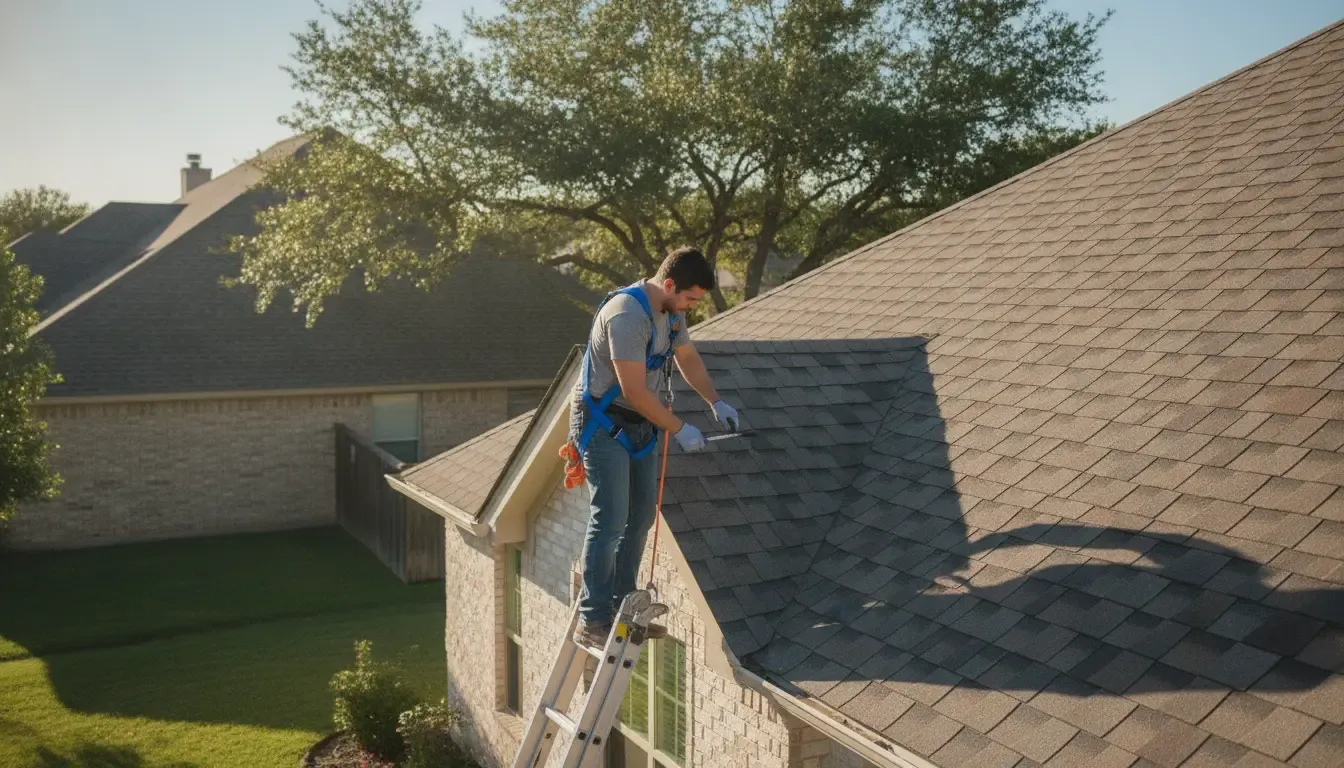
This is where many homeowners should stop and call a pro. A wet, soapy roof is dangerously slick, and Texas roofs heat up fast. If you proceed, use a stable, properly footed ladder or scaffolding, wear soft-soled non-slip shoes, work with a spotter, and never get on a steep or two-story roof alone.
4. Clean gently, section by section
Apply your solution to a damp roof, let it dwell according to the product directions, then loosen growth with a soft-bristled brush using gentle, downward strokes that follow the shingle direction. Work in shaded sections when possible so the solution does not flash-dry. Rinse from the top down at low pressure so water never runs up under the shingles.
5. Let it finish working
With many cleaners, some staining continues to fade over the following weeks as rain rinses away dead algae. Resist the urge to scrub harder, which only damages the granule surface.
How to Keep Mold and Algae From Coming Back
Cleaning treats the symptom. Prevention treats the cause, and in our climate that is the part that pays off:
- Install zinc or copper strips along the roof ridge. Every rain washes trace metal down the slope, which inhibits algae and moss growth, a simple and proven defense for humid Texas roofs.
- Trim overhanging branches to let more sun reach shaded slopes and reduce the leaf debris that traps moisture.
- Keep gutters and valleys clear so water drains fast instead of pooling. Clogged gutters are a leading cause of recurring growth, and our gutter services can help if yours are overwhelmed each storm season.
- Consider algae-resistant shingles at your next replacement. Many asphalt shingle systems we install, including GAF lines, carry built-in copper-infused granules that resist streaking for years.
- Schedule routine maintenance. An annual roof maintenance visit catches growth early, before it spreads or hides a developing leak.
When to Call a Professional Instead
DIY cleaning makes sense for light surface algae on a low, accessible roof. Call in a crew when you see thick moss lifting shingles, growth tied to a leak or soft decking, a steep or multi-story roof, or staining that returns within months of cleaning. Those are signs the issue runs deeper than the surface, and a professional can address both the growth and the underlying cause safely, without voiding your warranty or risking a fall.
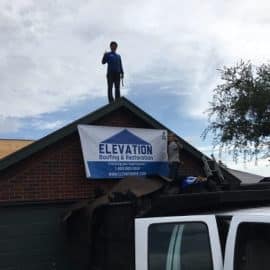
As a GAF Preferred Contractor serving more than 100 communities across Houston and Austin, our team at Elevation Roofing & Restoration has spent over nine years keeping Texas roofs clean, sound, and warranty-protected. Whether your roof needs a careful cleaning, targeted restoration, or a full assessment, we are glad to take a look. Book your free roof inspection, a $399 value, and we will tell you honestly whether you have a surface problem or something that needs more attention.