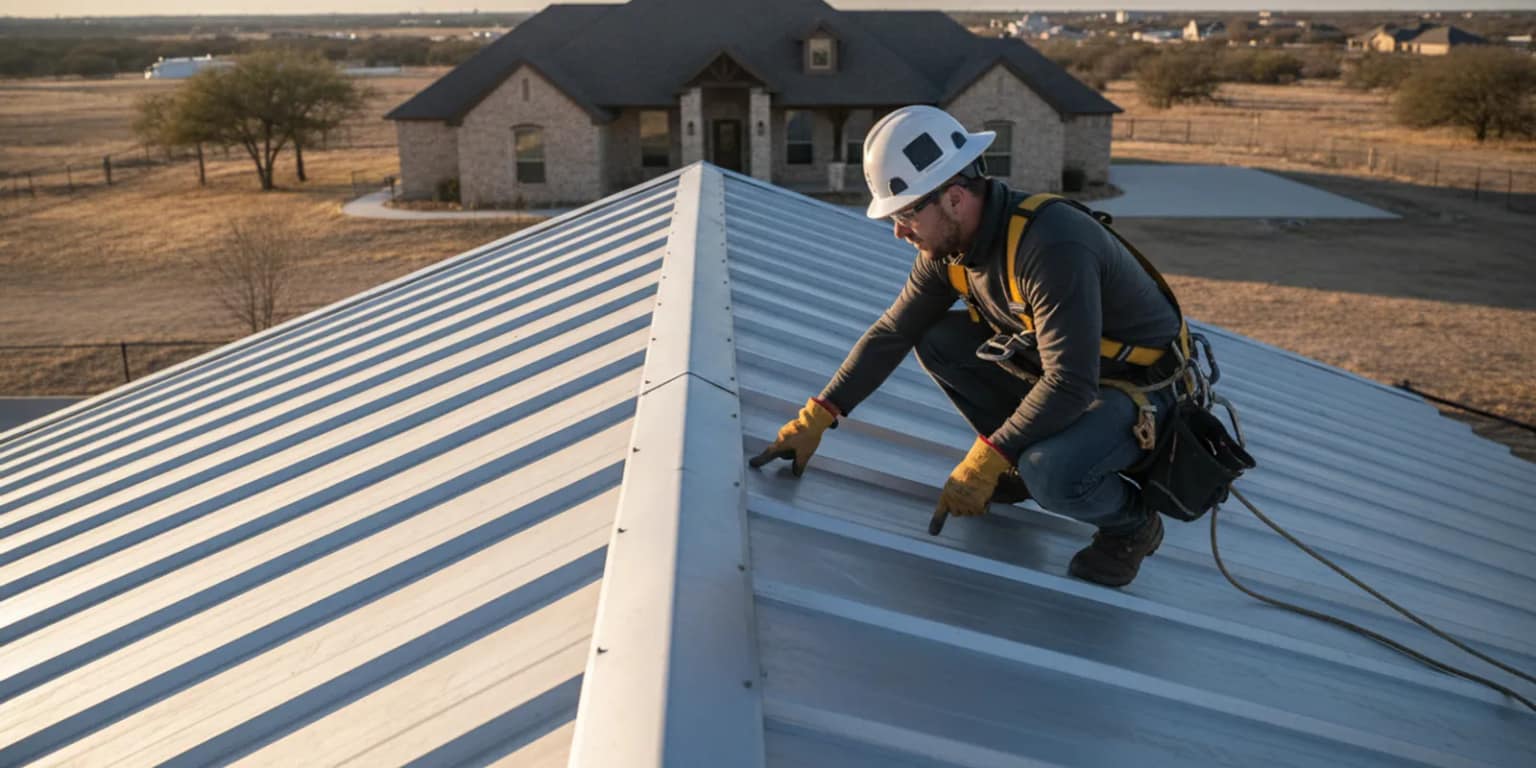
Metal roof restoration is not a single repair or a guaranteed alternative to replacement. It is a condition-based process: inspect the roof, identify what is failing, address suitable repair needs, and decide whether the existing system can continue to serve the building. For Texas property owners, understanding those steps makes it easier to compare options before committing to a larger project.
Schedule a free roof inspection to discuss your metal roof.
What Does Metal Roof Restoration Involve?
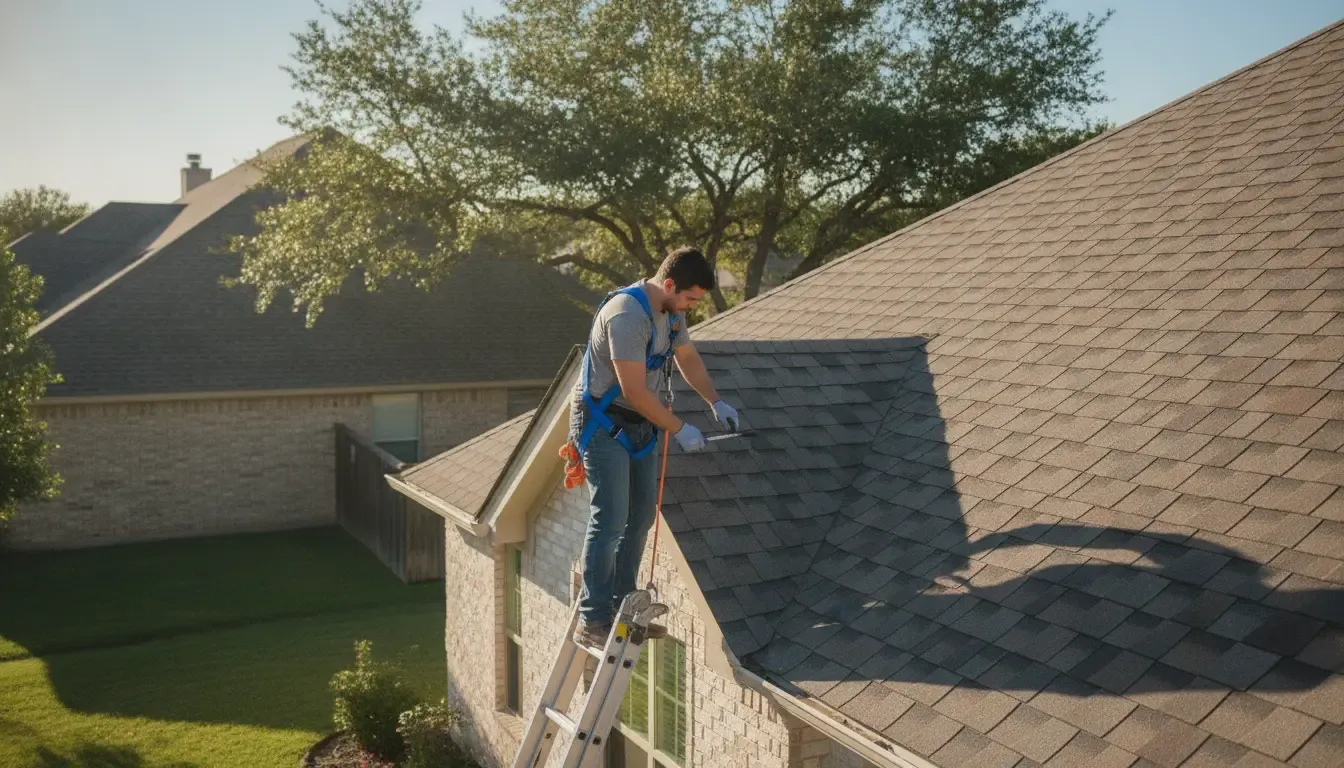
Restoration starts with an evaluation of the roof as a system, rather than a quick look at one visible leak. A professional should consider the roof surface, seams, fasteners, penetrations, edges, drainage, and the building areas below. The purpose is to understand the roof’s current condition, find likely paths for water entry, and determine whether repair or broader work is appropriate.
The scope depends on the roof type and what the inspection finds. Metal roofs can include standing seam and other panel systems. Age alone does not tell the whole story: the condition of the panels and connections, evidence of recurring leaks, and the overall ability to address defects all matter. A restoration plan should explain the observed conditions and the work proposed to address them.
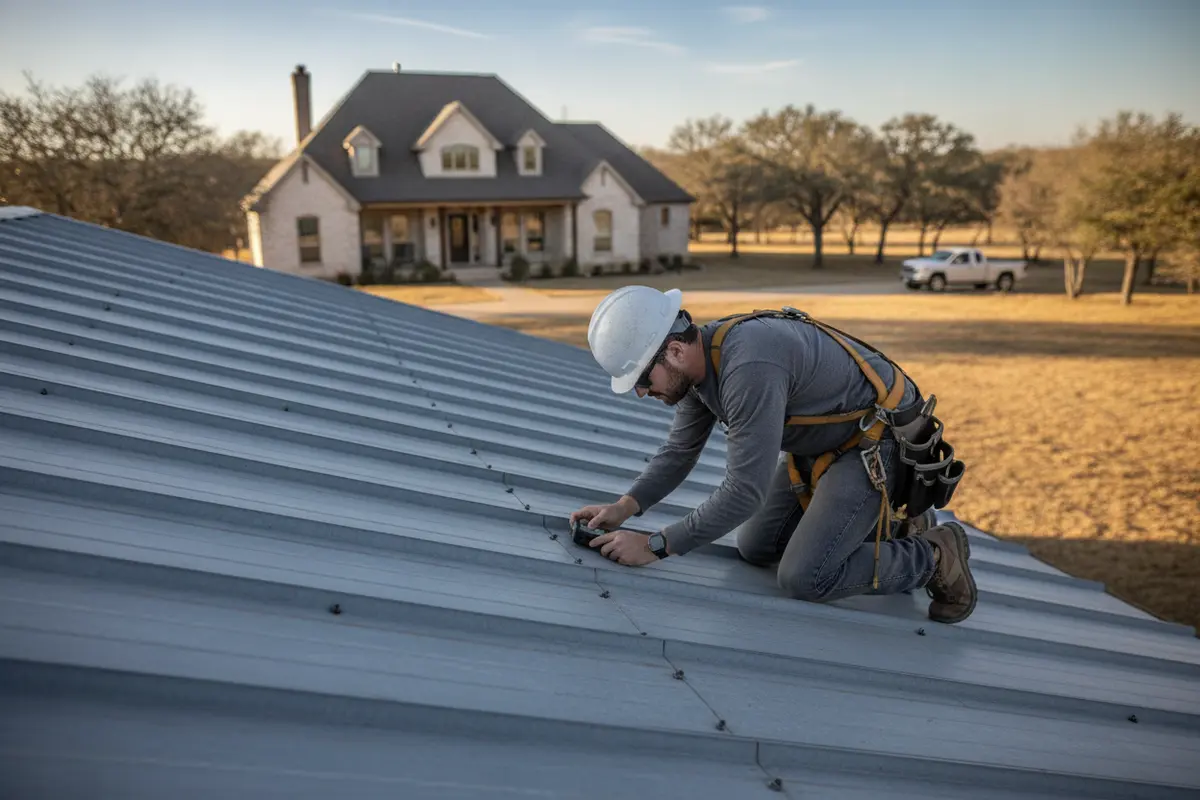
Restoration may involve correcting suitable localized issues and renewing parts of the existing roof assembly when that is technically appropriate. It is different from simply placing a patch over a symptom, and it is not the same as installing a new roof. Ask the contractor to distinguish immediate repairs from any broader recommended work, and to explain what the plan will—and will not—resolve.
A straightforward evaluation usually moves through a few practical stages:
- Gather the history. Describe leaks, earlier repairs, visible interior effects, and any concerns after severe weather.
- Inspect accessible roof details. The roofer assesses the panels and connections, transitions, openings, edges, and drainage conditions relevant to the reported issue.
- Explain the findings. Ask which observations are confirmed, which are possible causes, and whether additional investigation is needed.
- Compare a defined scope. The recommendation should connect the proposed work to the findings and identify limits, follow-up needs, and alternatives.
This sequence helps keep a discussion focused on the property’s actual condition. An inspection is not a promise that every hidden condition can be seen before work begins. If access is limited or a condition is concealed, ask what the inspection could not verify and how the contractor will communicate if new information emerges during the project.
What Should an Inspection Look at?
Leaks can appear far from the point where water enters. A useful inspection therefore considers connected details as well as the interior signs. Property owners can note where and when water appears, whether the issue follows rain or wind, and whether the problem has returned after earlier repairs. Do not climb onto the roof to investigate; roof work carries fall and surface hazards.
- Panels and seams: Look for visible separation, distortion, corrosion, or damage that may warrant closer professional assessment.
- Fasteners and attachments: Ask whether fasteners or connection points show signs of movement, deterioration, or water entry.
- Roof penetrations and edges: Vents, equipment, transitions, and perimeter details can be important inspection points.
- Drainage: Check whether water can move toward the intended drainage points and whether debris or other obstructions are present.
- Interior evidence: Stains, damp materials, or recurring leaks can help the roofer trace a problem, but may not identify its source by themselves.
For commercial buildings, coordinate access and inspection timing with the property manager or facility team. Identify sensitive areas, equipment, tenant schedules, and any known leak history. A written record of observations can help the owner compare recommendations and track whether repairs address the reported issue.
How Do Restoration, Repair, and Replacement Compare?
These terms describe different scopes, and their meaning should be clear in the proposal. A repair targets a defined defect. Restoration involves evaluating and improving an existing roof where its condition supports that approach. Replacement removes and installs a roof system. No option is automatically right for every metal roof.
| Option | Typical purpose | Questions to ask |
|---|---|---|
| Maintenance | Routine attention to roof conditions and details before a larger problem develops | What tasks are included, how often should they be considered, and what findings need follow-up? |
| Repair | Address a specific leak, damaged detail, or other defined issue | What is the suspected source, what work will be done, and how will related conditions be checked? |
| Restoration | Assess and improve an existing roof when its condition and project scope make that suitable | What evidence supports restoration, what is included, and what limitations remain? |
| Replacement | Install a new roof system when the existing roof is not a suitable candidate for the proposed restoration scope | What removal and installation work is proposed, and what system and details are specified? |
This comparison is a starting point, not a diagnosis. A proposal should state the observed condition, the recommended scope, and any assumptions or exclusions. If recommendations differ, ask each contractor to explain the evidence behind the proposed path rather than comparing only the name of the service.
When reviewing estimates, compare the work line by line. One proposal may describe only a localized repair while another includes a wider scope, so the totals alone may not represent equivalent work. Check whether roof areas, access needs, removal or disposal, protection of the property, cleanup, and follow-up are addressed. Ask what could change the scope and whether you will be contacted before additional work is authorized. These questions help clarify what you are agreeing to without assuming that the least expensive or broadest option is automatically the best fit.
For a home or business with a metal roof, identify the main decision you need to make: stop an active leak, plan future work, or understand the roof’s overall condition. Share that priority during the inspection. It helps the roofer explain immediate needs separately from longer-term considerations, so you can plan responsibly without treating every observation as an emergency.
When Is Restoration Worth Discussing?
Restoration is worth discussing when the roof’s condition may allow the existing system to remain in service after appropriate work. The inspection should support that judgment; a sales label alone is not enough. If problems are widespread, underlying components are compromised, or the roof cannot be made suitable for the proposed scope, replacement may need to be considered instead.
Useful questions for the inspection conversation include:
- Which specific conditions did you find, and where are they located?
- What is the likely source of each active or recurring leak?
- Which items are urgent, and which can be monitored or planned?
- Why is the recommended work a better fit than repair alone or replacement?
- What parts of the roof are excluded from the proposal?
- How will access, weather, drainage, and building operations affect the work plan?
- What follow-up inspection or maintenance should the owner plan for?
Ask for photos or other clear documentation of the conditions where practical. This can help a building owner understand the recommendation, authorize the intended work, and keep a useful roof history for future maintenance. Elevation Roofing & Restoration provides roofing inspection, repair, replacement, and restoration services; learn more about its metal roofing services and broader roofing services.
Get a free inspection and discuss the condition of your roof.
How Can Texas Owners Plan the Work?
Weather can affect scheduling and safe roof access. Before work begins, confirm how the contractor will communicate schedule changes and protect the building if conditions shift. For local alerts and weather information, consult the National Oceanic and Atmospheric Administration. Owners should also arrange access to the property and identify any interior areas where leaks have been noticed.
For a commercial property, align the work plan with tenants, operations, and access requirements. For a home, move vehicles or belongings away from the work area if requested, and keep children and pets clear of active work zones. Ask who will be the point of contact and how unexpected findings will be explained before any change in scope.
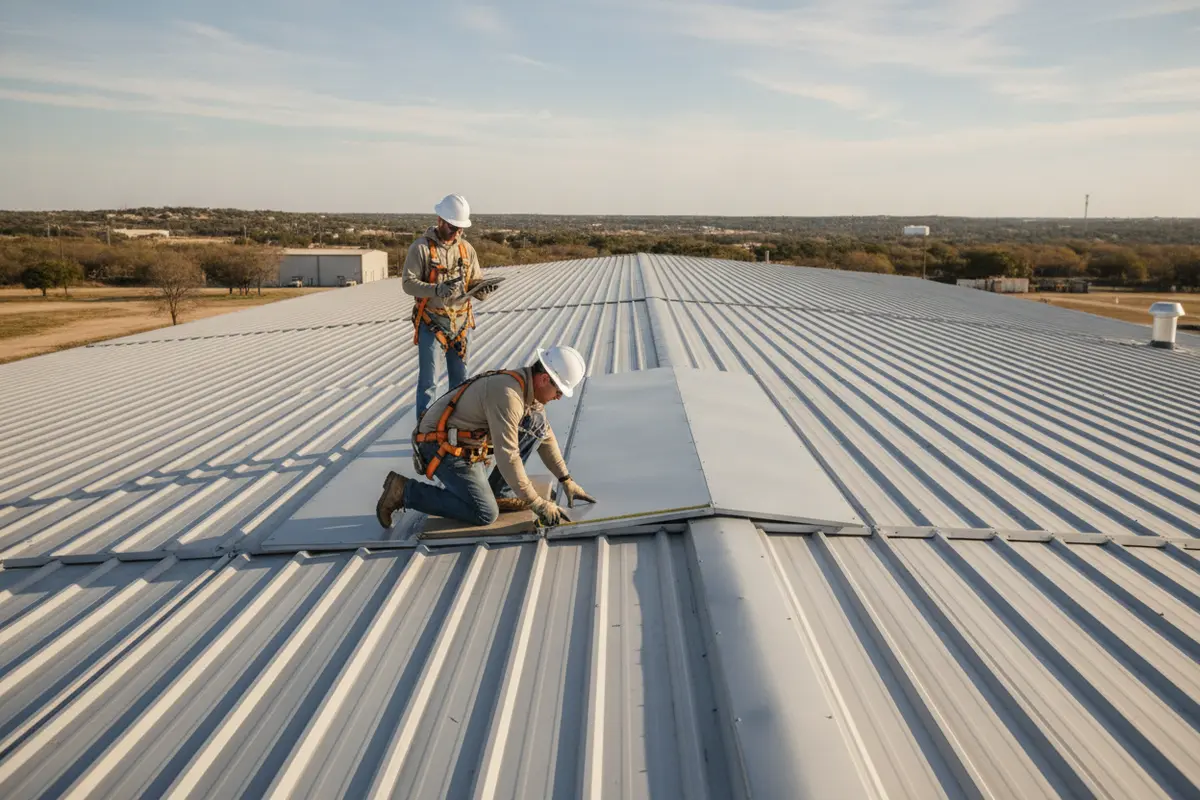
Elevation serves property owners in Houston, Austin, and surrounding Texas communities. Check the company’s service locations to see the areas listed, review its customer reviews, or use the contact page to ask about a project. The company also offers related property services.
What Should You Do Before Approving a Proposal?
Before authorizing work, read the scope carefully and make sure the contractor’s explanation matches what you discussed. Confirm the roof areas included, the work sequence, site access needs, cleanup expectations, and how additional conditions will be handled. If the roof is part of an insurance claim, keep records of damage and communications, and ask questions about the contractor’s role. The property owner should rely on the insurer for coverage decisions; a roofing contractor does not determine policy coverage.
Elevation Roofing & Restoration describes its service as including help with insurance claims for storm damage. Property owners can ask what documentation and coordination that assistance involves while keeping copies of their own records. For storm-related concerns, an inspection can help document visible roof conditions and identify appropriate next steps without presuming what an insurer will cover.
Before comparing estimates, make sure each contractor is evaluating the same roof areas and responding to the same reported concerns. Ask for a written description of the findings, photos when available, and a scope that separates recommended work from optional items. A useful estimate explains why its approach fits the roof rather than relying only on a broad label such as “restoration.” If you need another evaluation or want to discuss the roof’s condition, learn about professional roof inspections.
Schedule a free roof inspection before choosing a restoration plan.
Frequently Asked Questions
Is metal roof restoration the same as roof repair?
No. A repair addresses a defined problem. Restoration is a broader assessment and scope of work for an existing roof, if its condition supports that approach. The proposal should make clear which tasks are repairs and what additional restoration work is included.
Can every metal roof be restored?
No. Suitability depends on the roof’s condition and the work needed. A professional inspection should explain whether restoration is reasonable or whether repair or replacement deserves consideration.
Does a leak always mean the roof needs replacement?
No. A leak needs investigation, but the right response depends on its source, the condition of the surrounding roof, and whether the issue is localized or more extensive. Ask the roofer to document the suspected cause and explain the options.
What should I prepare for a metal roof inspection?
Share the location of leaks or interior stains, when they appear, and any history of prior repairs. Arrange access and point out sensitive areas. Leave roof access and hands-on investigation to qualified professionals.
Schedule a free roof inspection to review your options.
A clear inspection and written scope can help you decide whether maintenance, repair, restoration, or replacement is the practical next step for your Texas property.