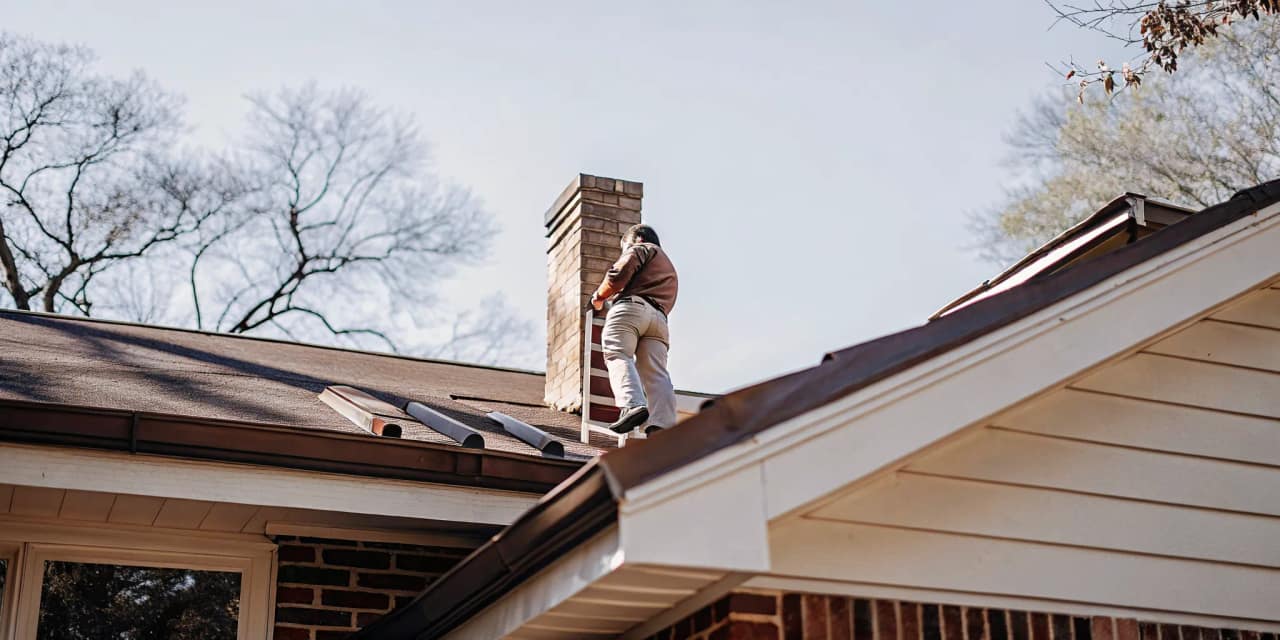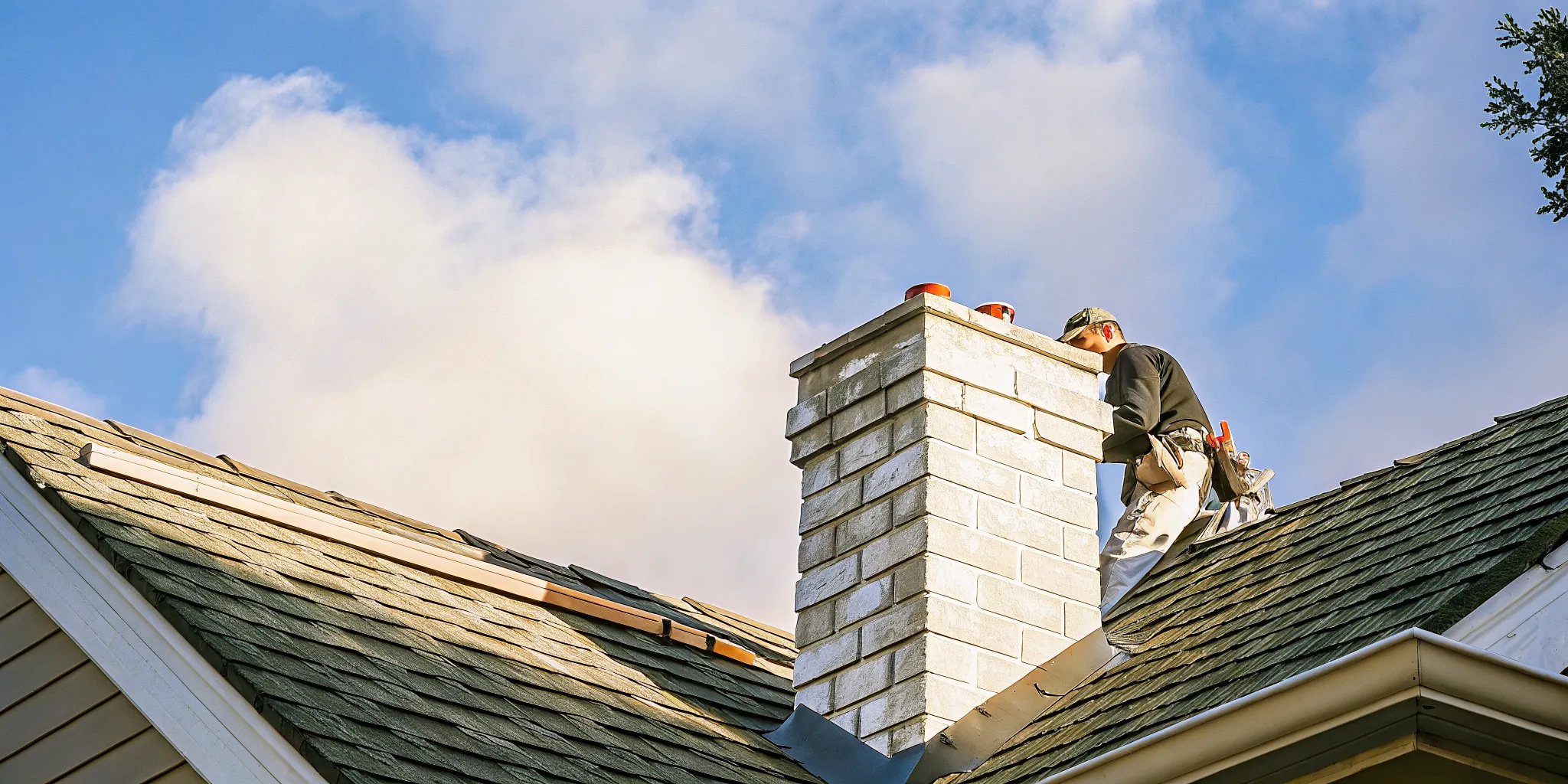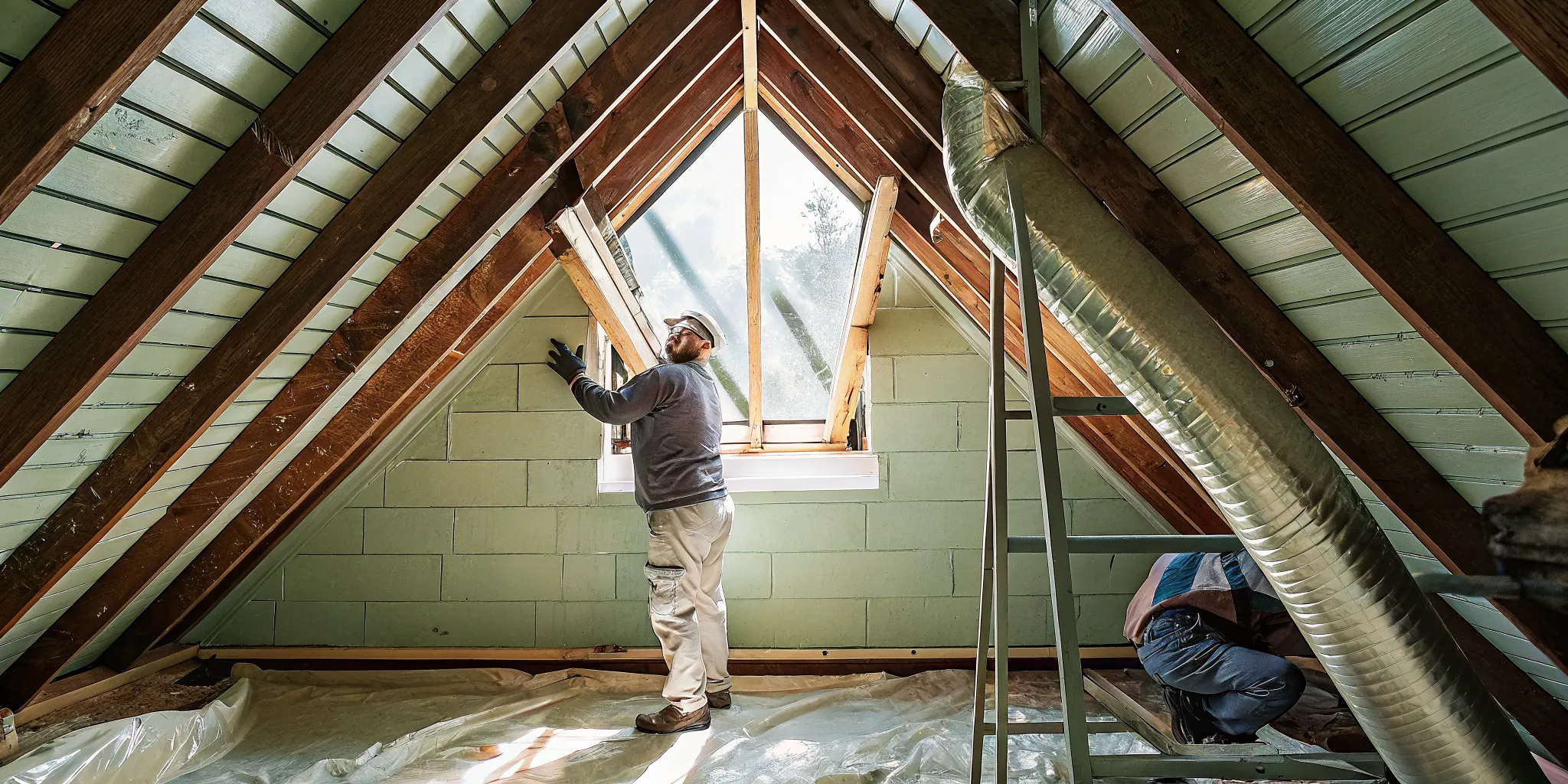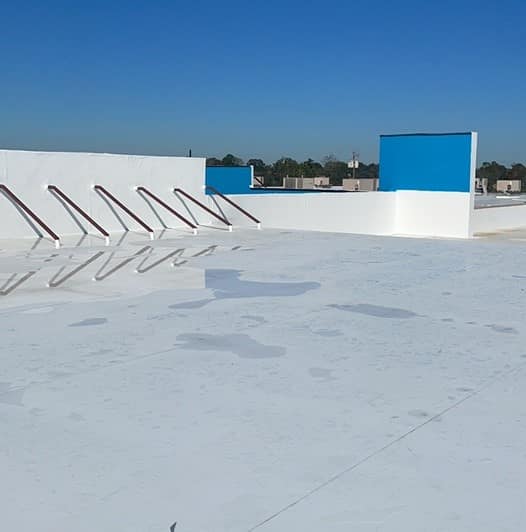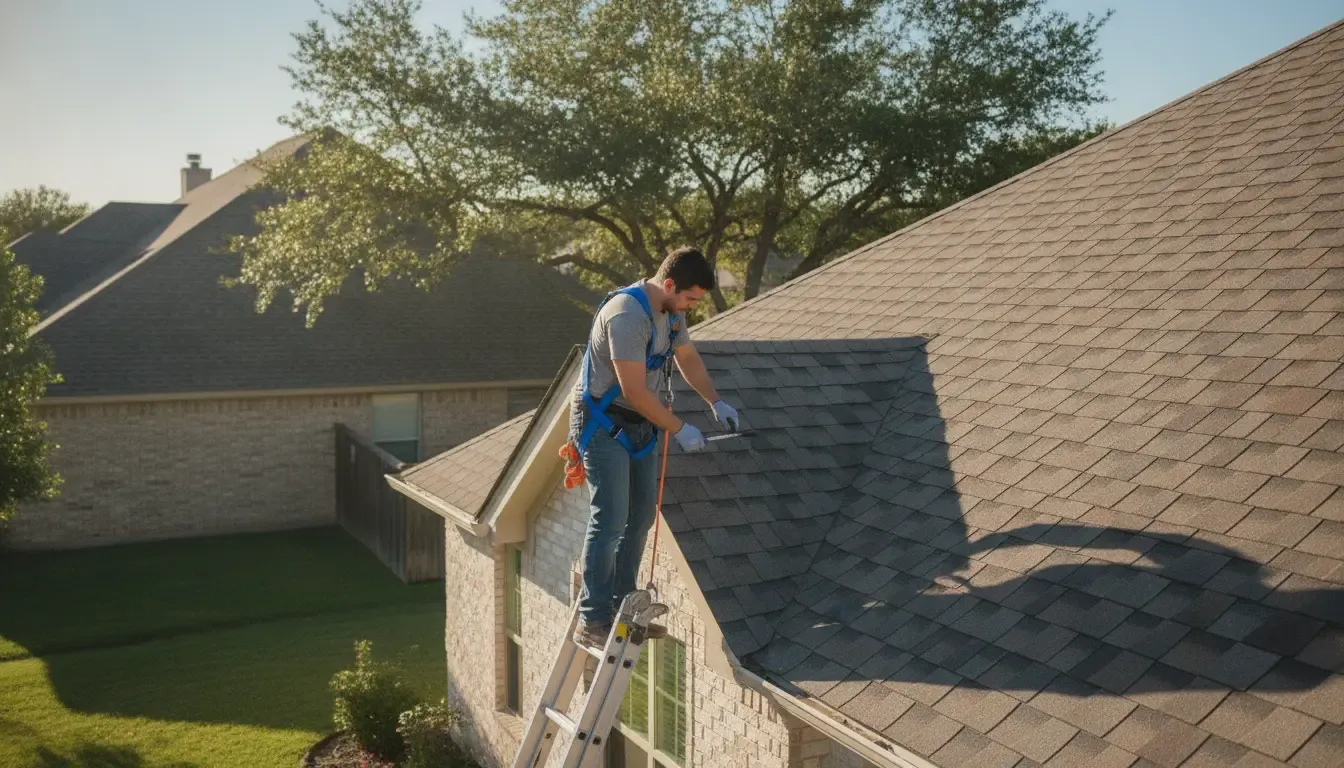
If you are wondering how often should a roof be inspected, a practical Texas starting point is once a year, plus an inspection after significant weather or any event that could have affected the roof. Heat, wind, hail, heavy rain, falling branches, and building changes can create problems that are difficult to see from the ground. A regular inspection gives homeowners and property managers a clearer record of the roof's condition before a small issue becomes an interior leak or a larger repair.
Schedule a roof inspection with Elevation Roofing & Restoration at (832) 271-1726.
How Often Should a Roof Be Inspected in Texas?
For most Texas homes and commercial properties, schedule a professional roof inspection at least once every 12 months. The State Office of Risk Management recommends inspecting each roof at least annually and increasing the frequency when age, leaves, roof equipment, weather exposure, or inspection history creates additional risk. Its guidance also recommends checking roofs before and after inclement weather. You can review the Texas roof inspection guidance from the State Office of Risk Management for the underlying risk-management recommendations.
An annual inspection is a baseline, not a guarantee that every roof has the same needs. A relatively new roof in good condition may need one scheduled inspection each year. An older roof, a roof with a known repair history, or a building exposed to frequent storms may benefit from additional checks. The right schedule is the one that reflects the roof's age, material, drainage, use, and exposure instead of relying on a calendar alone.
When Should You Schedule an Extra Roof Inspection?
Some situations justify an inspection outside the normal annual schedule. In Texas, the most important trigger is significant weather. Hail and wind can damage shingles, flashing, vents, edge metal, and low-slope roofing systems without creating an obvious problem inside the building. Heavy rain can reveal drainage issues, while debris can puncture or scrape a roof surface.
Schedule a professional inspection after a severe storm, even when the roof looks normal from the yard. Stay on the ground for your own initial check. Do not walk on a wet, damaged, or steep roof. A professional can evaluate areas that are not visible from the ground and document findings for your maintenance records.
- After hail, high winds, tornado activity, or a major storm passes through the area.
- After a fallen branch or other impact reaches the roof, gutter, siding, or chimney.
- When you see missing, lifted, cracked, or bruised roofing materials from a safe location.
- When gutters contain an unusual amount of granules or roofing debris.
- When you notice ceiling stains, attic moisture, musty odors, or a new interior leak.
- Before buying or selling a property when roof condition may affect the decision.
- Before a planned addition, solar project, HVAC change, or other work that affects the roof.
For a ground-level safety checklist after severe weather, see Elevation Roofing's guide to after-storm roof inspections for Texas homes. That guide covers what you can observe safely, while this article focuses on the larger inspection schedule.

What Changes the Right Inspection Schedule?
Roof age is one factor, but it is not the only one. A newer roof can still develop a problem after a storm or installation change, and an older roof can remain serviceable when it has been maintained carefully. Ask the inspector to explain why the current condition supports the recommended frequency and which findings should be watched between visits.
Roof age and repair history
As roofing materials age, small defects and previous repairs deserve closer attention. If the roof is approaching the later part of its expected service life, consider asking whether a second inspection during the year would help you plan maintenance or replacement. This is a risk-based choice, not a universal Texas requirement.
Weather and surrounding exposure
Properties exposed to repeated hail, high winds, falling limbs, standing water, heavy leaf accumulation, or intense sun may need more frequent observation. Trees overhanging a roof can add debris and shade that keep some areas damp. Rooftop equipment can also create penetrations, foot traffic, or drainage concerns that belong in a regular maintenance plan.
Roof type and building use
Shingle, tile, metal, TPO, and other systems have different components and failure points. A commercial roof may also have more penetrations, drains, curbs, walk pads, and equipment than a typical home. The building's use matters too. A leak in a busy retail, office, warehouse, or multifamily property can interrupt operations and affect more occupants than a small residential issue.
- Record the roof material, approximate installation date, and known repair dates.
- Note areas with recurring leaks, ponding, damaged flashing, or drainage concerns.
- Track storms and impacts that may have affected the property since the last inspection.
- Keep inspection reports, photos, invoices, and maintenance recommendations together.
What Does a Professional Roof Inspection Cover?
A useful inspection looks at the roof as a system rather than focusing only on a few visible shingles. The exact scope depends on the roof type, access, weather, and building, but the inspection should identify current damage, maintenance needs, safety concerns, and areas that deserve monitoring.
For a residential roof, the review may include shingles or other roof coverings, flashing, valleys, penetrations, vents, edges, gutters, downspouts, and visible attic or interior signs of moisture. For a commercial property, it may also include seams, drains, curbs, rooftop equipment areas, membrane condition, edge details, and interior evidence connected to a roof location.
- Surface and materials: Look for missing, lifted, cracked, blistered, punctured, or deteriorated materials.
- Flashing and penetrations: Review transitions around walls, chimneys, vents, pipes, skylights, curbs, and other openings.
- Drainage: Check gutters, downspouts, drains, scuppers, and low areas for blockage or water-retention concerns.
- Interior indicators: Look for stains, damp insulation, damaged decking, or other signs that water may be entering.
- Ventilation and condition: Note visible ventilation concerns, heat-related wear, and conditions that could shorten service life.
- Documentation: Provide photos, locations, priorities, and recommended next steps rather than a vague statement that the roof is fine.
A roof inspection is not the same as a promise that an insurer will approve a claim or that a roof will never leak. It is a documented assessment that helps you decide whether the next step is routine maintenance, a targeted repair, further evaluation, or replacement planning.
How Does Roof Inspection Timing Differ for Commercial Properties?
Commercial property owners and managers should combine a regular inspection schedule with a documented maintenance plan. An annual professional inspection is a useful baseline, but the building may need additional checks after severe weather, major equipment work, tenant reports, drainage problems, or any incident that may have affected the roof.
Commercial roofs often have more rooftop traffic and more penetrations than residential roofs. HVAC work, contractors, signs, antennas, exhaust systems, and other equipment can create conditions that should be recorded and reviewed. A written report can help a property manager prioritize work, assign responsibility, and reduce the chance that a small issue is forgotten between maintenance visits.
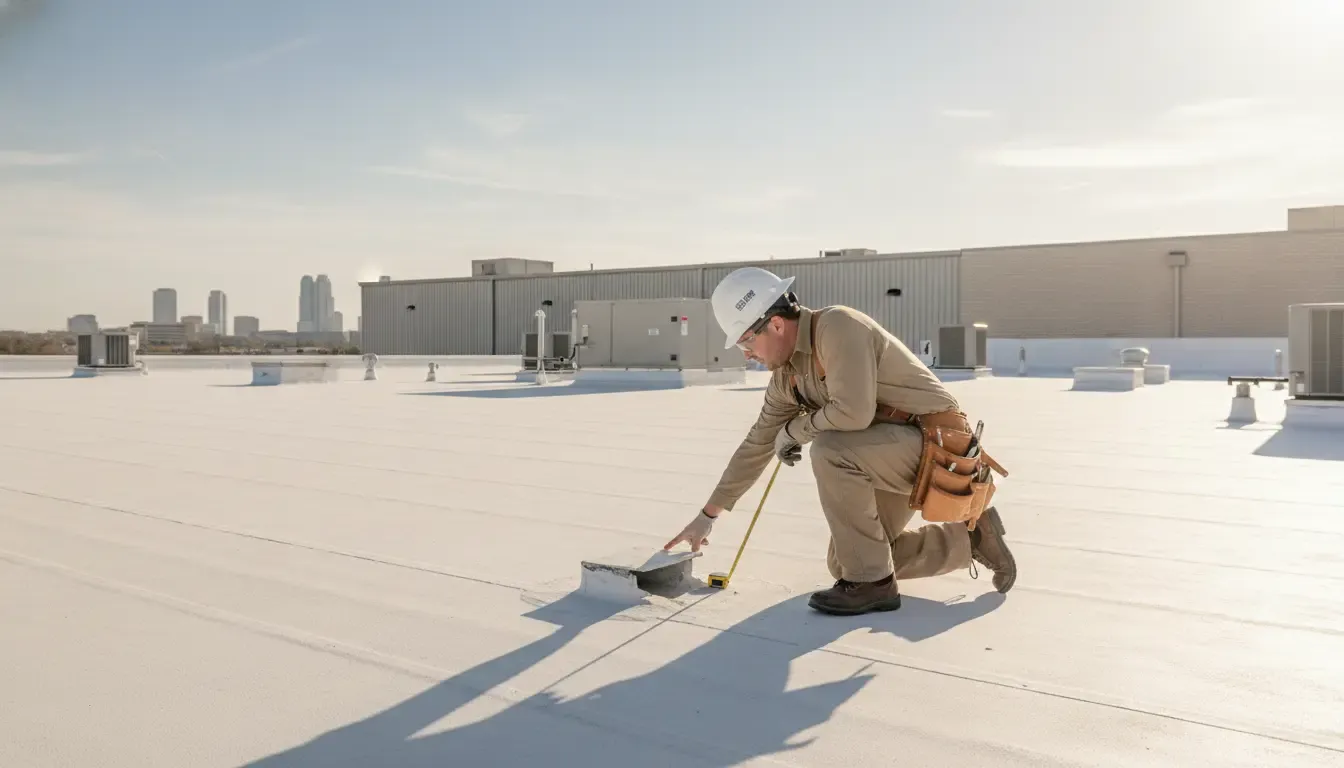
Elevation Roofing's commercial roof inspection checklist for Texas property managers covers a more detailed commercial review. Use it when you need a property-management checklist, and use the annual timing guidance here to decide when that review belongs on the calendar.
How Can You Prepare for a Roof Inspection?
Good preparation helps an inspector connect current findings to the property's history. Before the visit, gather the previous inspection report, repair invoices, roof warranty information if available, and notes about leaks or storm dates. Tell the inspector about rooms with stains, areas where water has appeared, and any recent work on the roof or nearby systems.
Do not make the property look better by covering a stain, moving damaged materials, or attempting a roof repair before the inspection. Instead, take safe ground-level photos and write down when you first noticed the issue. Keep access areas clear when possible, and make sure the inspector knows about pets, locked gates, tenant spaces, or other site conditions that affect safe access.
If the inspection follows a storm or may support an insurance conversation, keep records organized. Elevation Roofing's Texas roof inspection guide for insurance documentation explains how to prepare information without promising a coverage outcome.
What Should You Do After the Inspection?
Ask for a written summary that separates urgent concerns from routine maintenance and longer-term planning. The report should make it clear which roof area was reviewed, what was observed, how serious each item is, and what action is recommended. If a repair is suggested, ask what problem it addresses and what could happen if it is deferred.
Use the report to set reminders rather than putting it in a drawer. Mark the next annual inspection on the calendar, add any storm-related follow-up, and record completed repairs with photos and invoices. If the report suggests a larger project, get a clear scope and compare the recommendation with the roof's age, repair history, and future property plans.
Elevation Roofing serves property owners in Houston, Austin, and surrounding Texas communities. Visit the service locations page to confirm the communities served, or review the company's customer reviews before choosing a roofing professional.
Frequently Asked Questions
How often should a roof be inspected in Texas?
Most Texas homes and commercial properties should receive a professional roof inspection at least once every 12 months. Add an inspection after significant storms or other events that may affect the roof.
Should I inspect my roof after a Texas hailstorm?
Yes. Schedule a professional inspection after significant hail or wind, even when damage is not visible from the ground. Stay off a wet or damaged roof and use a professional for a thorough review.
Do older roofs need inspections more often?
An older roof or a roof with repeated repairs may benefit from more frequent inspections, such as an additional check during the year. The appropriate schedule depends on condition, material, exposure, and repair history.
What is included in a professional roof inspection?
A professional inspection may review roof materials, flashing, penetrations, drainage, edges, ventilation, visible interior moisture indicators, and other components of the roofing system. The provider should document findings and recommended next steps.
How often should a commercial roof be inspected?
An annual professional inspection is a useful baseline for a commercial roof, with additional checks after severe weather, equipment work, tenant reports, drainage issues, or other events that may affect the roof.