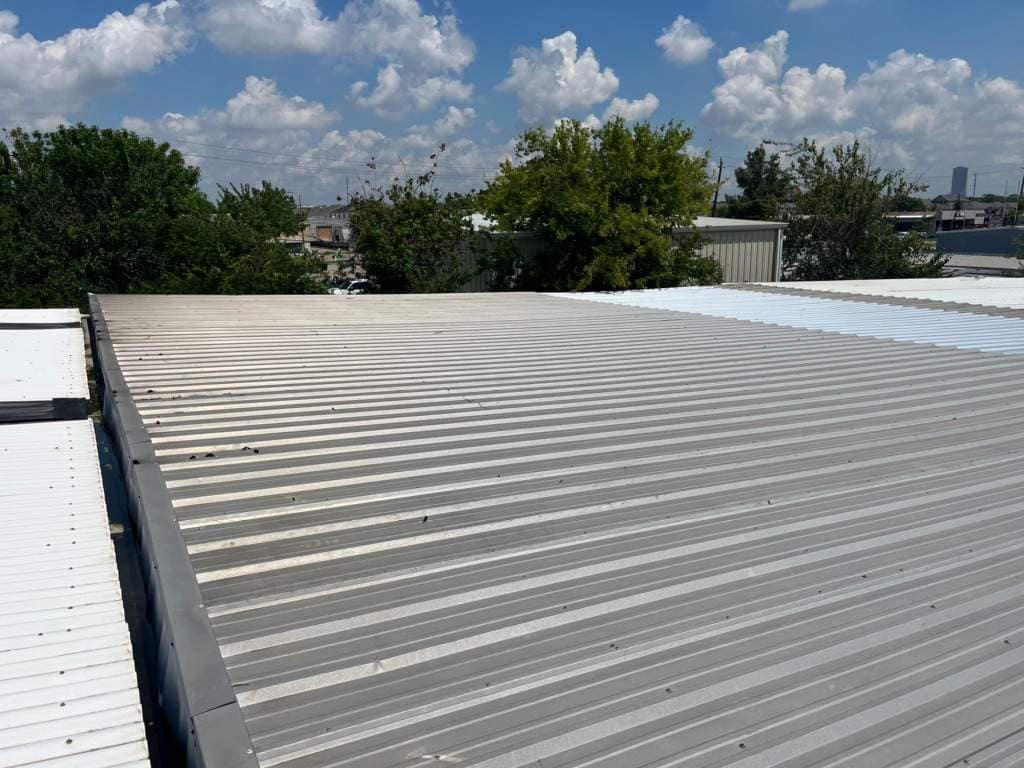
Along the Texas Gulf Coast, hurricane season runs June through November, and the months leading up to a named storm are the worst possible time to discover your roof has a problem. In Greater Houston, where Gulf moisture and warm water can spin up a tropical system in days, and in the Austin metro, where the same systems often arrive as flooding rain and straight-line winds, a roof that is merely "fine" in fair weather can fail fast under sustained gusts and sideways rain. The good news: most storm-season roof failures are preventable with a focused inspection and a few targeted repairs before the first watch is issued.
This guide walks Texas homeowners through a realistic pre-storm roof readiness plan, what to check, what to fix, and how to position yourself for a smooth insurance claim if a storm does cause damage.
Why Texas Roofs Are Especially Vulnerable in Storm Season
A Houston-area roof takes a year-round beating before hurricane season even starts. Intense UV and triple-digit heat dry out and curl asphalt shingles, spring hail bruises the protective granules, and high winds work at any edge that is even slightly loose. By the time peak season arrives in August and September, a roof that has absorbed months of that wear has far less margin to handle hurricane-force wind uplift and wind-driven rain.
Two failure modes cause most of the storm damage we see:
- Wind uplift: Once a single shingle or a strip of flashing breaks the seal at the edge, wind gets underneath and peels back larger sections. Roofs in the 15-to-20-year range are especially prone because the adhesive strips have lost their grip.
- Water intrusion: Hurricanes push rain sideways and uphill, finding gaps around vents, skylights, and chimneys that never leak in an ordinary thunderstorm.
Your Pre-Hurricane Roof Checklist
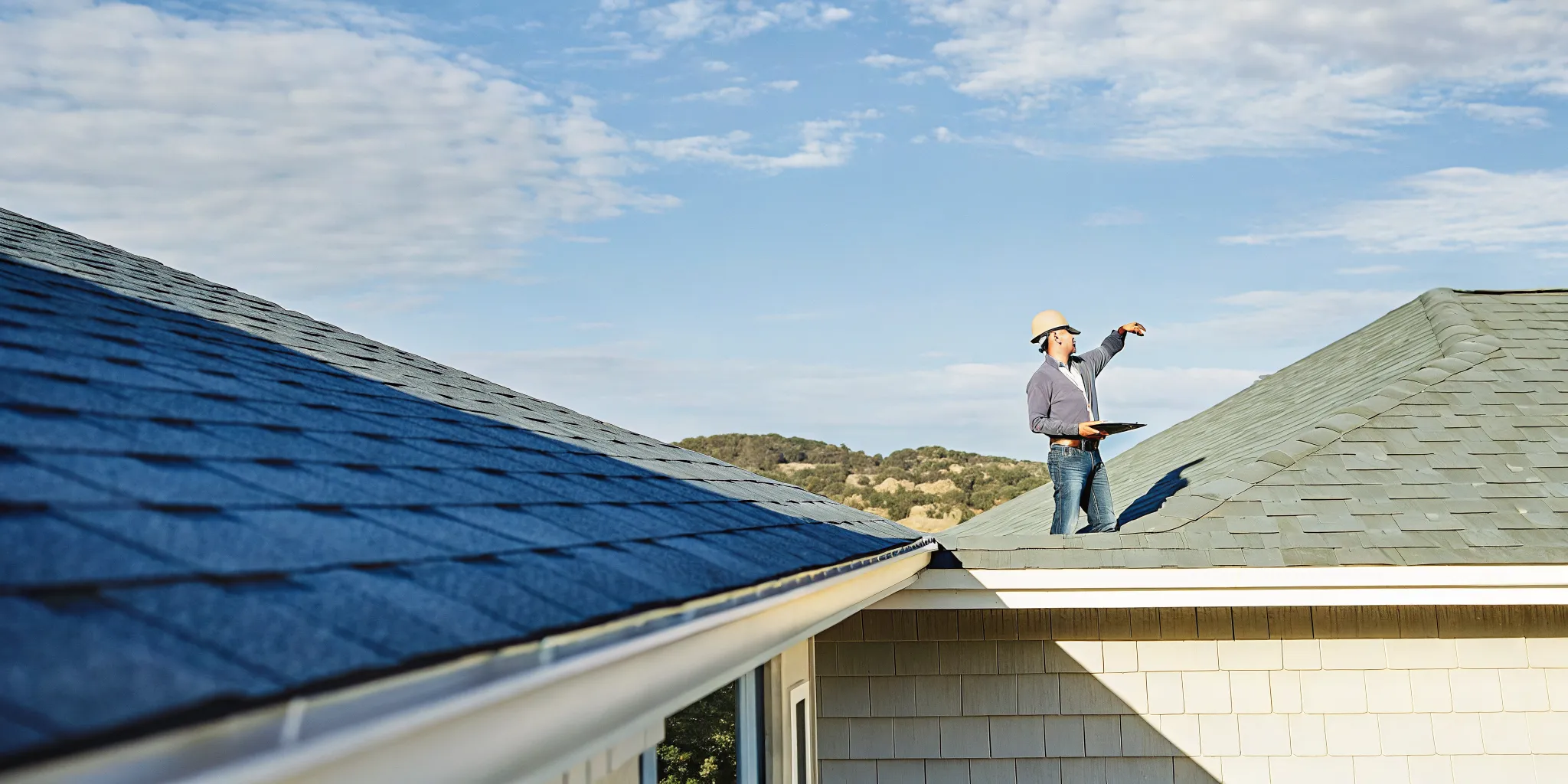
You can do a careful ground-level look yourself with binoculars, but the items that matter most are easiest to miss from the yard. Here is what a thorough professional roof inspection covers, and what you can watch for in between.
1. Shingles, Panels, and Surface Integrity
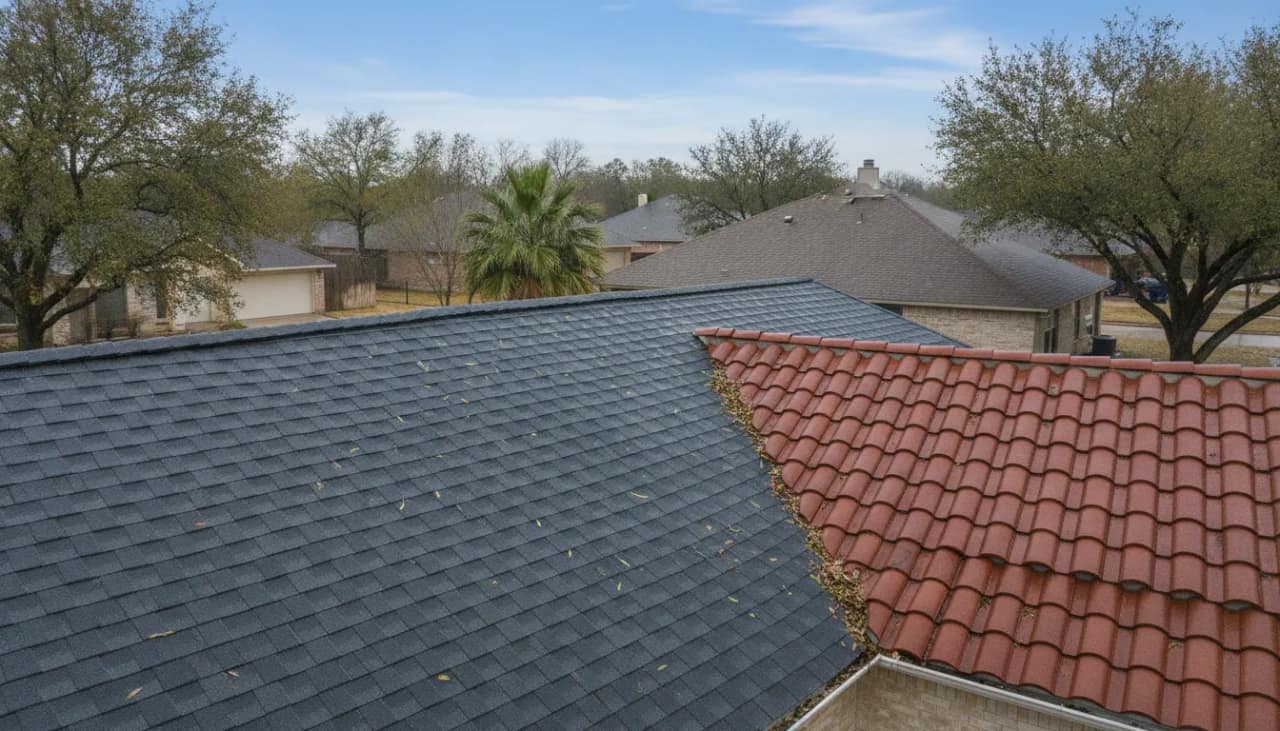
Look for shingles that are cracked, curled, lifted, or missing entirely, and for bald spots where granules have washed into the gutters. On metal roofs, check for loosened fasteners and oil-canning along the seams; on tile and slate, look for slipped or chipped pieces. Any of these is an entry point a hurricane will exploit. Catching them now usually means a small roof repair instead of an emergency one.
2. Flashing and Penetrations
The metal flashing around chimneys, skylights, vent pipes, and roof-to-wall transitions is where most storm leaks actually start. Rusted, lifted, or improperly sealed flashing should be repaired before the season peaks, because driving rain finds these gaps long before it gets through the shingle field.
3. Gutters and Drainage
Hurricanes dump rain in volume, sometimes a foot or more in a day across parts of Texas. Clogged or sagging gutters let that water back up under the roof edge, rot the fascia, and overwhelm the soffit. Clear them, confirm downspouts carry water well away from the foundation, and make sure the drip edge is intact.
4. Previous Repairs and Patches
Temporary tarps, roofing cement, or DIY patches from a past storm are common failure points. What held through a regular rain can let go under sustained hurricane wind. Have older repairs reassessed and made permanent now rather than trusting them under load.
5. Attic and Decking
From inside the attic, look for daylight at the ridges, water stains on the decking, or a musty smell. Soft or stained sheathing signals a slow leak that a storm will turn into a fast one. This is also where you confirm the roof deck is solid enough to hold fasteners during high winds.
Why Timing Matters More Than You Think
Roofing crews across Houston and Austin book out for weeks, sometimes months, after a major storm. Demand spikes, materials get scarce, and the homeowners who waited end up at the back of a very long line, often with a tarp on the roof in the meantime. Scheduling your inspection and any needed work in early summer means you are repaired and ready before the rush, not competing for a crew during it.
If your roof is near the end of its service life, storm season is also the moment to honestly weigh replacement against repeated repairs. A modern GAF lifetime system installed with proper wind-rated fastening and RhinoRoof underlayment is built to handle Gulf Coast conditions far better than an aging roof patched one storm at a time.
Prepare for the Insurance Side Now, Too
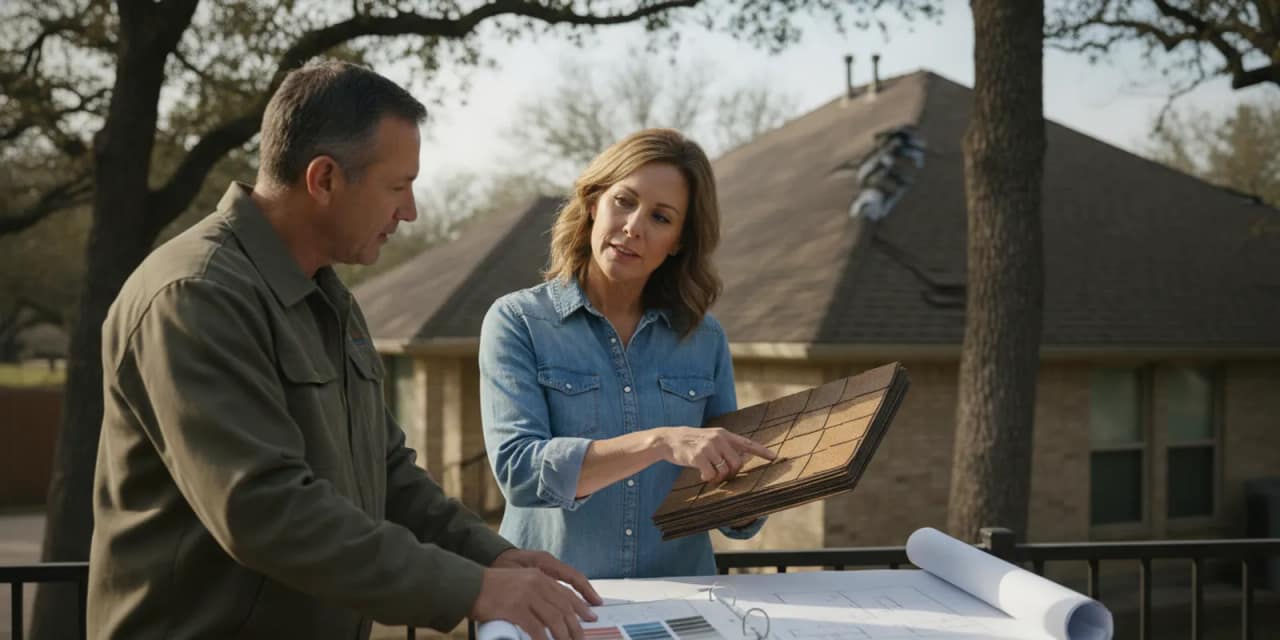
The strongest storm claims start before the storm. Take dated photos of your roof in good condition, keep your inspection report on file, and hold onto receipts for any maintenance. After a storm, that documentation makes it far easier to prove what the wind and hail actually did. Elevation Roofing & Restoration works directly with homeowners' insurance on storm and hail claims, so you are not navigating the adjuster process alone.
Get Storm-Ready Before the Next Watch
Hurricane preparation is not about predicting the next storm, it is about making sure your roof is not the weak point when one arrives. A focused inspection in June or July, a short list of small repairs, and good documentation can be the difference between a stressful season and a quiet one. As a GAF Preferred Contractor serving 100-plus communities across Greater Houston and the Austin metro, we have spent 9-plus years getting Texas roofs ready for exactly this. Book your free roof inspection (a $399 value) today and head into storm season with confidence.