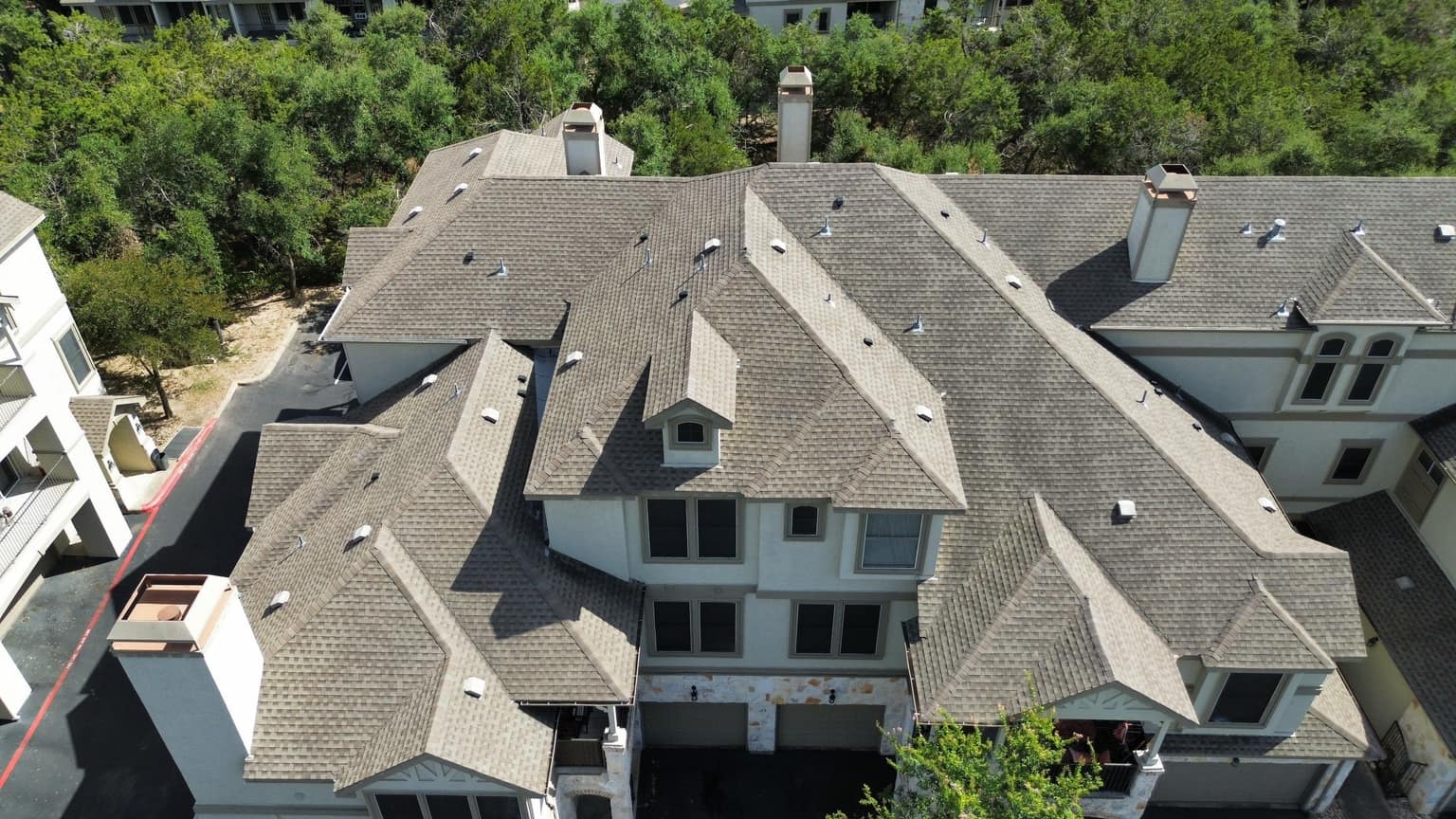
"Is your roof ready for storm season?" is easy to ask and hard to answer honestly, because a roof that looks fine from the driveway can still be one strong gust or one hailstorm away from a failure. Across Greater Houston, the Austin metro, and the 100-plus Texas communities we serve, the homes that come through storm season unscathed are rarely lucky. They are prepared, and their owners knew exactly where their roof stood before the first watch was ever issued.
Instead of a vague checklist, this guide gives you a readiness scorecard. Walk through seven areas, give your roof an honest grade in each, and you will know whether you are genuinely storm-ready or quietly running on borrowed time. Then we cover what to do during a storm and the moves that protect you in the critical hours after one passes.
Score Your Roof: 7 Areas That Decide Storm Survival
For each area below, rate your roof Green (solid), Yellow (watch and address soon), or Red (fix before the next storm). You can assess most of this from the ground with binoculars and from inside your attic, but the items that fail first are also the easiest to miss, which is why a professional set of eyes settles the close calls.
1. Shingle and Surface Integrity
The roof surface is your first and largest line of defense. Walk the perimeter and look up at every slope.
- Green: Shingles lie flat and uniform, no missing pieces, gutters free of granule sediment.
- Yellow: A few curled or lifted edges, some granule loss, minor color fade on south- and west-facing slopes.
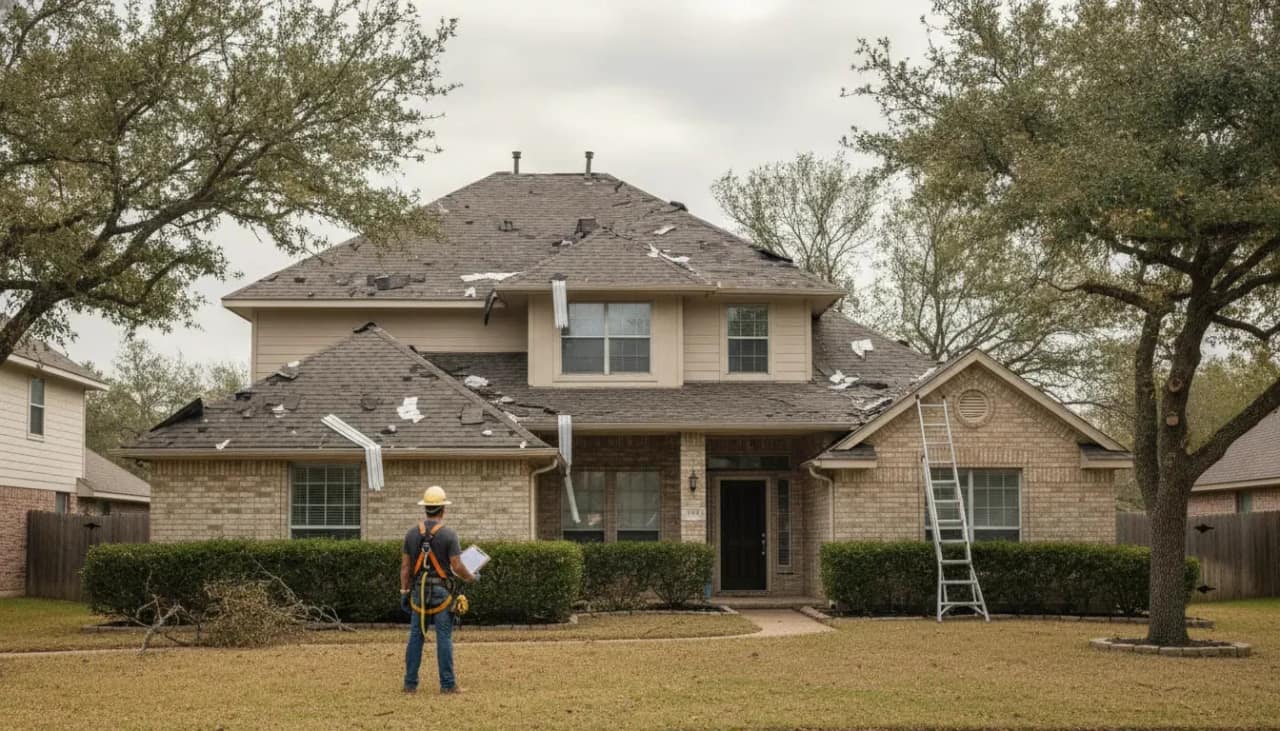
- Red: Missing shingles, bald spots, widespread curling, or any soft, spongy area. These are open doors for wind and water.
On metal roofs, look for backed-out fasteners and loosened seams; on tile or slate, look for slipped or cracked pieces. Anything in the Red zone usually means a focused roof repair now is far cheaper than an emergency one mid-storm.
2. Flashing and Penetrations
Most storm leaks do not start in the open shingle field. They start at the metal flashing around chimneys, skylights, vent pipes, and roof-to-wall joints. Rusted, lifted, or poorly sealed flashing is the single most common entry point we find after a Texas storm. If your flashing is corroded or pulling away, that is an automatic Red.
3. Seal Strength and Roof Age
Asphalt shingles depend on heat-activated adhesive strips to bond each course into a single wind-resistant sheet. Years of Texas UV and 40-to-60-degree daily temperature swings dry out that adhesive. A roof in the 15-to-20-year-plus range often has weakened seals even when it looks intact, which is why those roofs lose shingles first when gusts arrive. If your roof is past 15 years and has never been professionally evaluated, score it Yellow at best.
4. Gutters and Drainage
Texas storms deliver rain in volume, sometimes a foot or more in a day. Clogged or sagging gutters let water back up under the roof edge, rot the fascia, and overwhelm the soffit. Confirm downspouts carry water well clear of the foundation and that the drip edge is intact. Standing water or overflow during ordinary rain is a Red.
5. Attic, Decking, and Ventilation
Climb into the attic on a bright day. Daylight at the ridges, water stains on the underside of the decking, a musty smell, or damp insulation all signal an existing weakness that a storm will exploit. Solid, dry decking is what holds your fasteners during high winds, so soft or stained sheathing is a serious Red. Healthy ventilation also keeps the deck dry between storms.
6. Surroundings and Wind Exposure
Your roof does not weather a storm in isolation. Overhanging limbs become battering rams in high wind, and loose patio furniture, satellite dishes, or unsecured solar mounts turn into projectiles. Trim back branches that touch or overhang the roof, and note any nearby trees showing rot or lean. This is one area you can move from Yellow to Green in an afternoon.
7. Documentation and Insurance Readiness
The strongest storm claims are built before the storm. Do you have dated photos of your roof in good condition, a recent inspection report, and receipts for past maintenance? If not, score this Red. That paper trail is what lets you prove what the wind and hail actually did, and Elevation works directly with homeowners' insurance on storm and hail claims so you are not facing the adjuster alone.
Reading Your Score
Tally your seven grades:
- Mostly Green: You are in good shape. Lock it in with one professional roof inspection to confirm and document your condition before peak season.
- Several Yellows: You have time, but not much. Schedule repairs in early summer before crews book out, and consider routine roof maintenance to keep small issues small.
- Any Reds: Treat these as urgent. A single Red item can compromise an otherwise healthy roof, and if you are stacking several Reds on a roof past its prime, it is worth weighing repairs against a roof replacement with a modern, wind-rated system.
Why Timing Beats Luck in Texas
Gulf Coast storm season runs June through November, and Central Texas hail can arrive even earlier in spring. The problem is that everyone calls a roofer after the storm. Demand spikes, materials get scarce, and the homeowners who waited end up at the back of a weeks-long line with a tarp on the roof. Scoring your roof and fixing the Reds in early summer means you are ready before the rush, not competing during it. A modern GAF lifetime system installed with proper wind-rated fastening and RhinoRoof synthetic underlayment is built to take Texas wind and wind-driven rain far better than an aging roof patched one storm at a time.
During and After the Storm: Your 24-Hour Plan
Even a storm-ready roof deserves a clear plan for the storm itself and the hours that follow.
- During: Stay inside and away from windows. Do not climb onto a wet or wind-loaded roof for any reason. If water starts entering, place buckets and move valuables, but leave the roof to the weather.
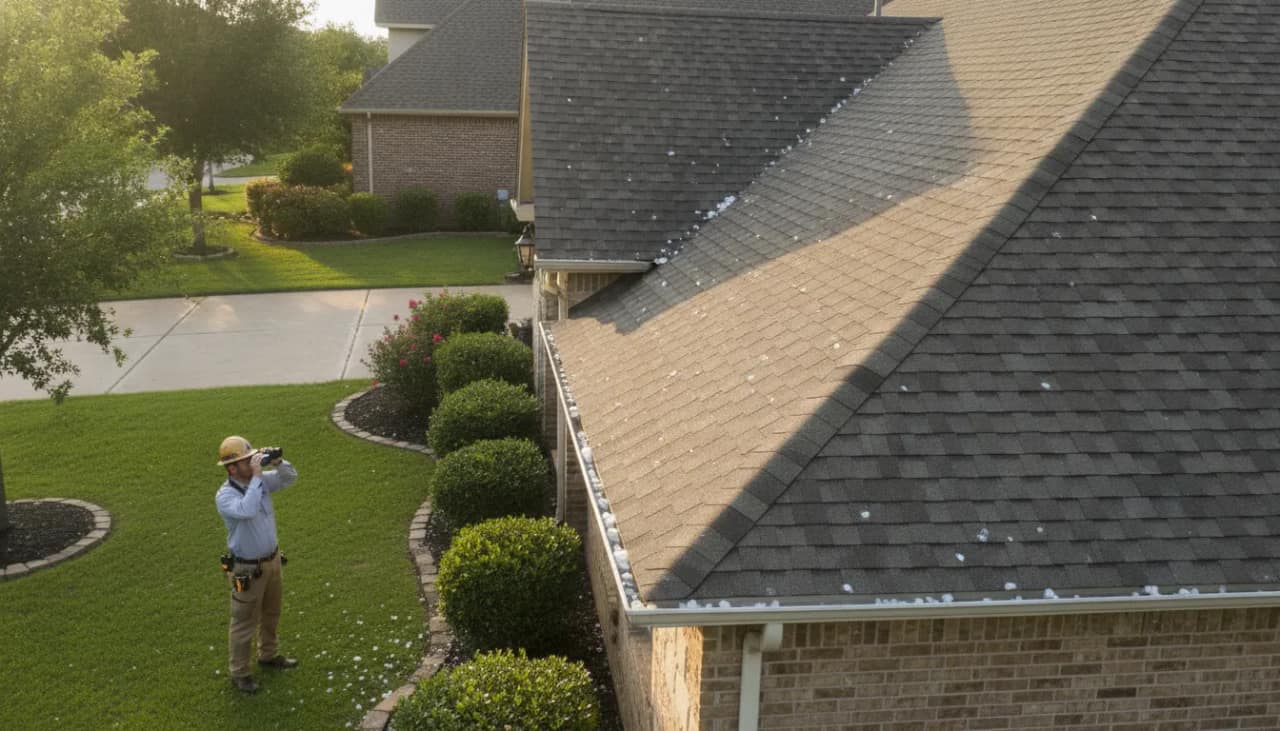
- First daylight after: From the ground, photograph any visible damage, missing shingles, dented gutters, or scattered debris. Note the date and time. Check the attic for fresh water entry.
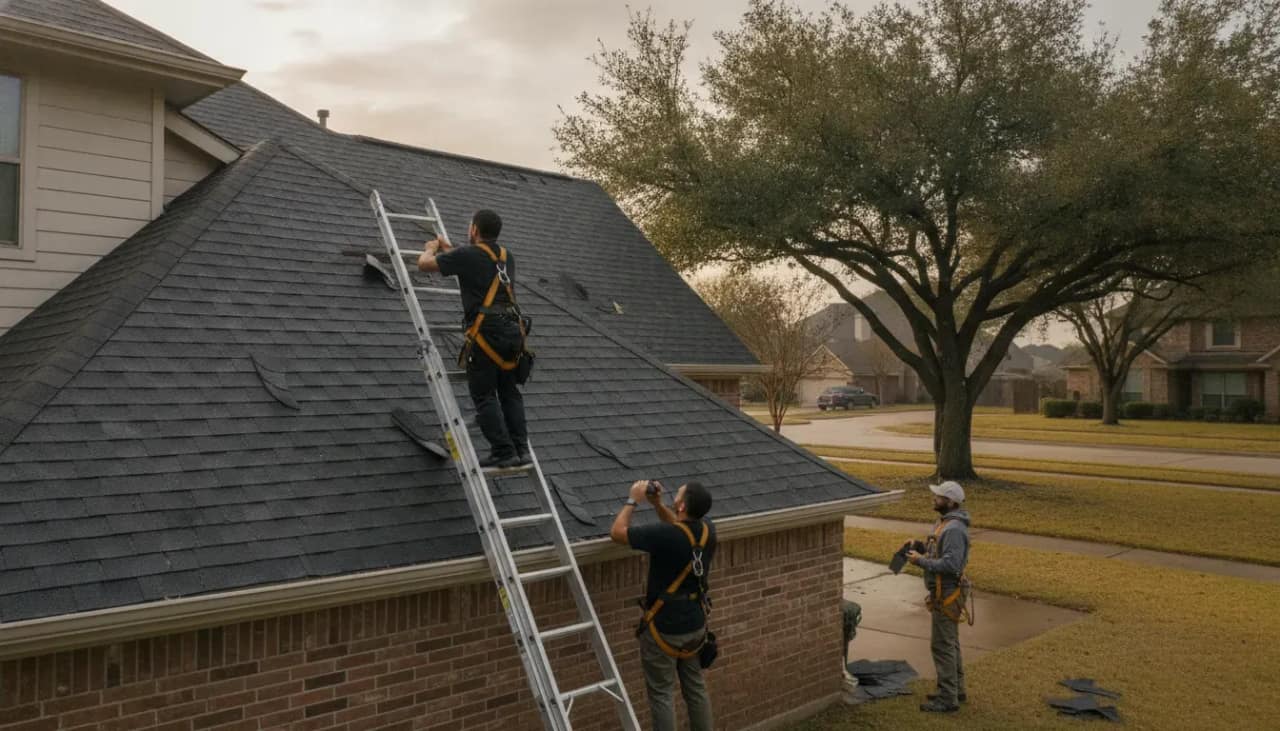
- Within the claim window: Book a professional storm assessment promptly. Much hail and wind damage is invisible from the street, and many insurance claim windows are tight. A documented inspection protects your claim before the evidence weathers away.
- Avoid storm-chasers: After major Texas storms, out-of-area crews flood neighborhoods. Work with an established, local GAF Preferred Contractor with 9-plus years in the market and a 5-star Google rating, backed by a 100% satisfaction guarantee.
Get a Definitive Answer Before the Sky Turns
A scorecard tells you a lot, but the Yellows and the close calls are exactly where professional eyes earn their keep. The fastest way to turn "I think my roof is ready" into "I know it is" is a no-pressure look from a crew that does this across Houston and Austin every week. Book your free roof inspection (a $399 value) today, or call (832) 271-1726, and head into storm season certain your roof is not the weak point.