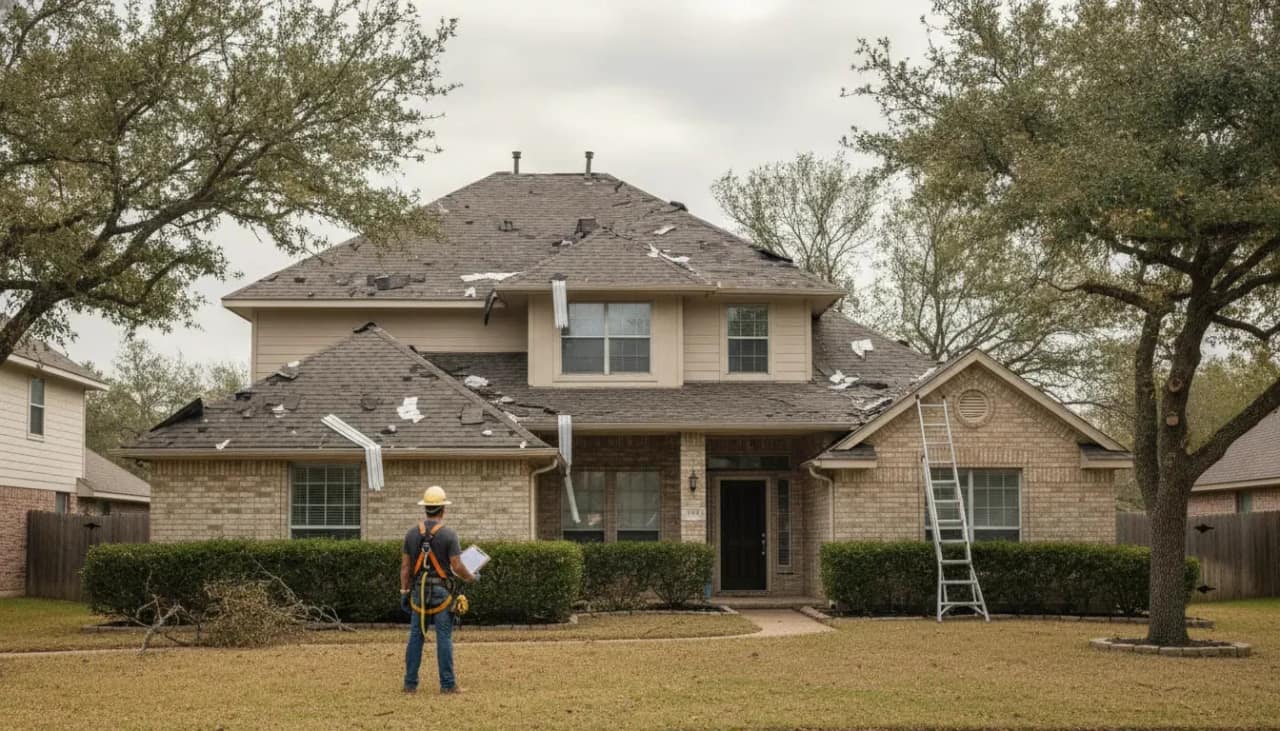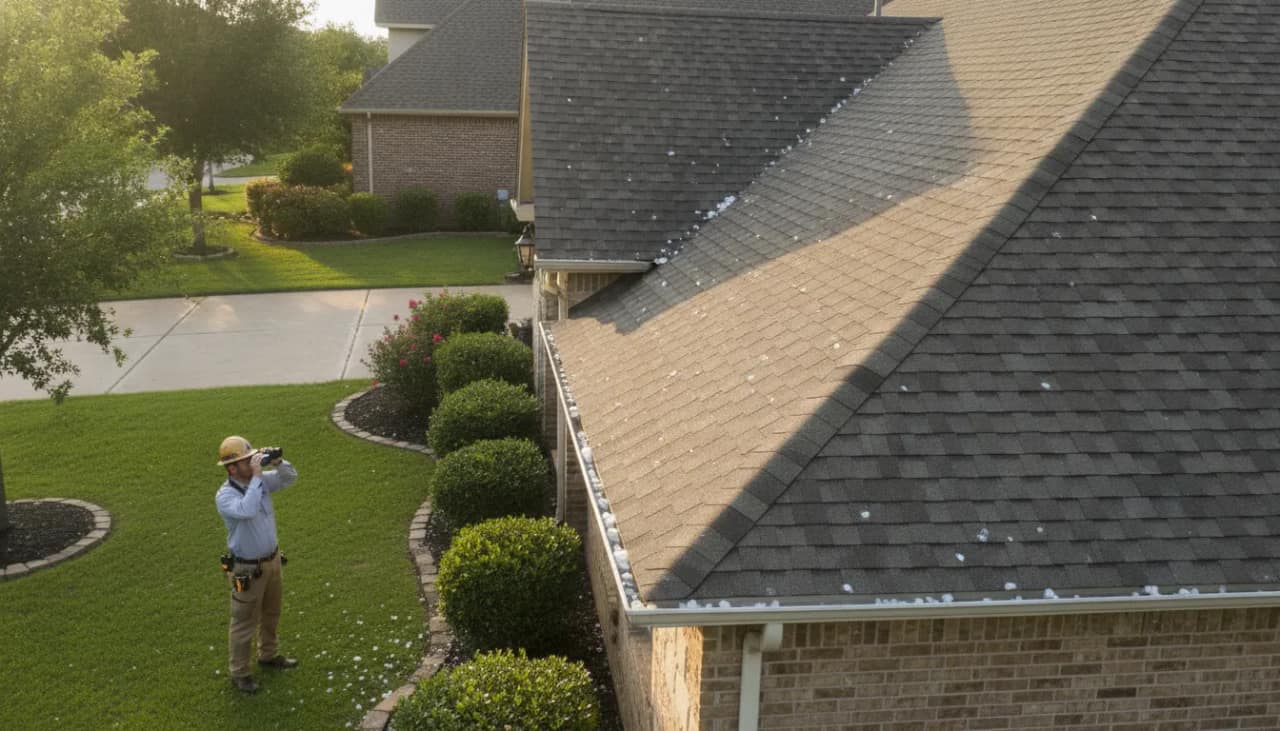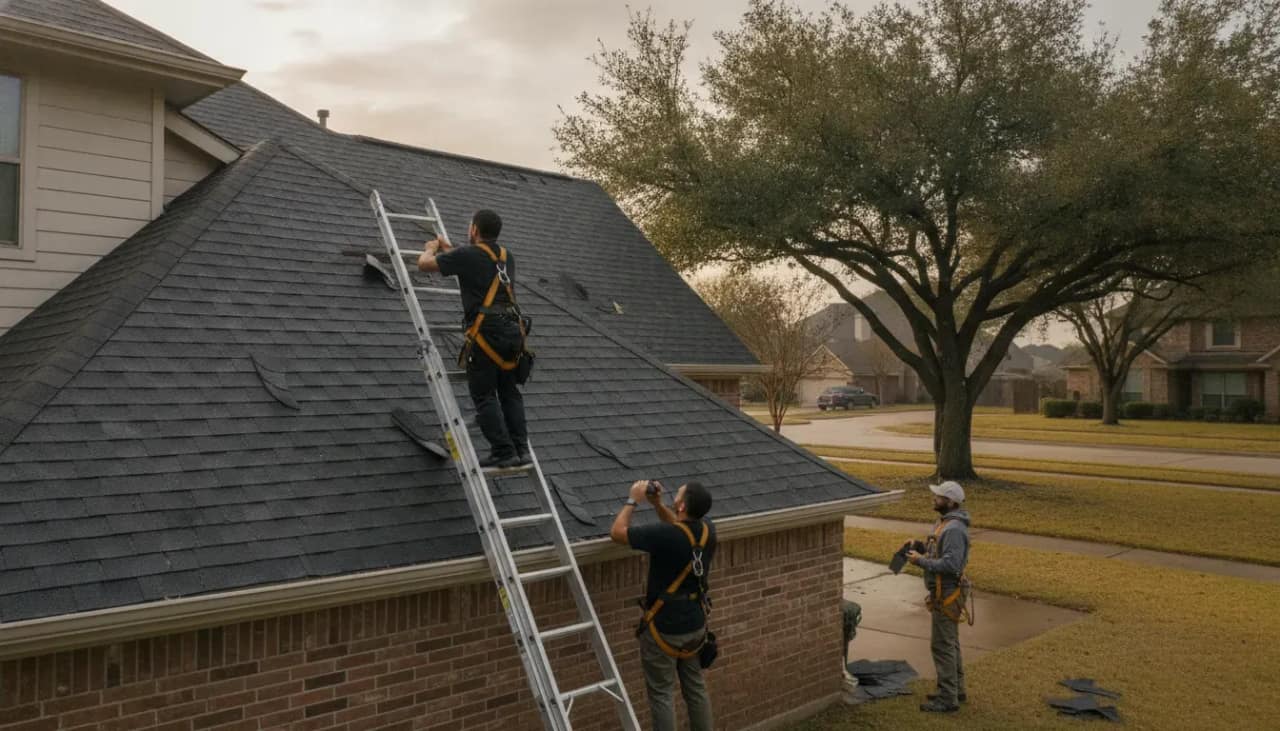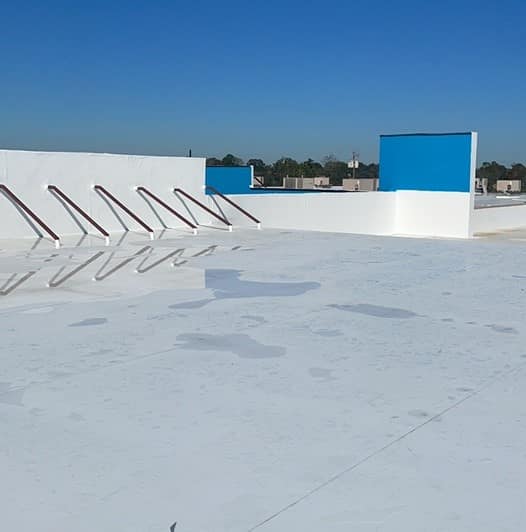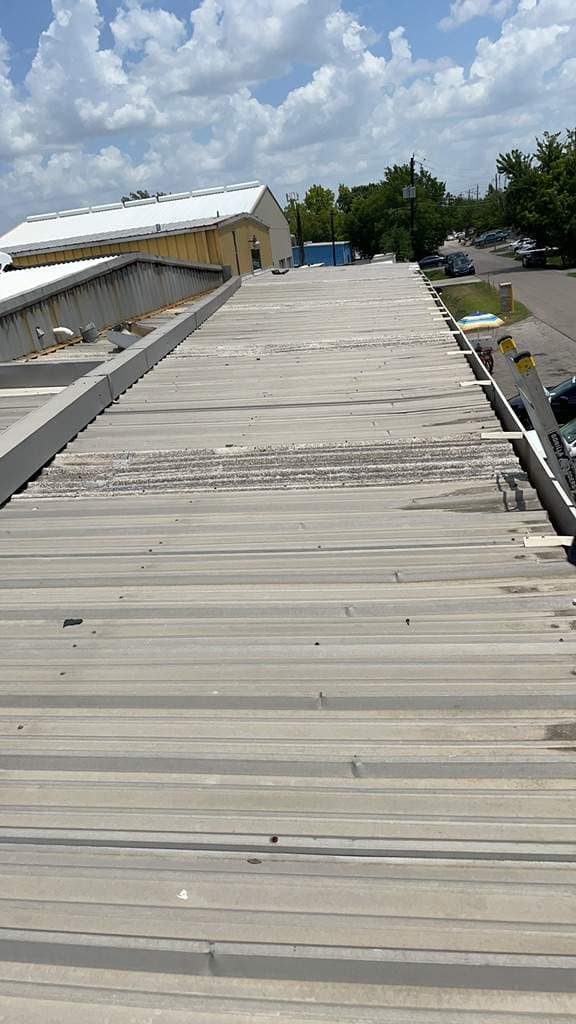
Few states test a building the way Texas does. Over a single year, a roof in Greater Houston or the Austin metro can face 100-plus degree heat, golf-ball hail, hurricane-force gusts off the Gulf, drenching tropical downpours, and an occasional hard freeze that arrives without warning. For both homeowners and commercial property owners, the question is not whether extreme weather will arrive, but whether your building is hardened to survive it with minimal damage. Protecting Texas properties from extreme weather starts at the roof and works outward through the entire building envelope.
At Elevation Roofing & Restoration, we have spent more than 9 years helping owners across 100-plus Texas communities turn vulnerable structures into storm-ready ones. This guide breaks down the real threats, the upgrades that actually move the needle, and the maintenance habits that keep a property resilient season after season.
The four extreme-weather threats every Texas property faces
Effective storm hardening begins with understanding what you are defending against. In Texas, four forces do the most structural damage, and they often work together.
1. Hail and impact damage
The I-35 corridor through Austin, Round Rock, and San Antonio sits inside one of the most active hail belts in the country, and Houston is far from immune. Hail bruises and fractures the shingle mat, dents metal panels and flashing, and shatters skylights and rooftop equipment. The danger is that much of this damage is invisible from the ground, which is why a documented roof inspection after every significant storm is the single smartest habit a Texas owner can build.
2. High winds, hurricanes, and tornadoes
Sustained tropical winds and sudden tornadic gusts find any weakness in a roof's edge. Once one shingle or panel lifts, it becomes a lever that peels its neighbors and exposes the deck to wind-driven rain. Properly fastened systems, sealed edges, and rated underlayment are what separate a building that loses a few shingles from one that loses an entire roof section.
3. Heavy rain and flooding pressure
Texas storms dump rain in volume. Healthy roofs shed it; compromised roofs let it exploit every crack in the flashing, every worn pipe boot, and every clogged drain. On flat and low-slope commercial roofs, ponding water adds weight and accelerates membrane failure. Functioning gutters and clear drains are a frontline defense, not an afterthought.
4. UV, heat, and freeze-thaw stress
Relentless sun bakes the protective oils out of roofing materials and strips granules, while daily 40-to-60-degree temperature swings fatigue seams and sealants. When a rare hard freeze hits an already-weakened roof, trapped moisture expands and widens every existing crack. This slow weathering is what leaves a roof brittle and unable to absorb the next big hailstorm.
How to harden a residential property against extreme weather
For homeowners, storm hardening is a series of practical, high-return decisions rather than one giant project. The goal is a building envelope that resists impact, wind, and water as a connected system.
- Upgrade to impact-resistant materials. When it is time to re-roof, Class 4 impact-rated shingles, standing-seam metal, or other durable systems hold up dramatically better against Texas hail. As a GAF Preferred Contractor installing GAF lifetime systems, we help you weigh asphalt shingle, metal, tile, and slate options against your budget and exposure.
- Strengthen the weak points. Edges, ridges, valleys, and penetrations fail first. Sealed starter strips, properly nailed shingles, and premium synthetic underlayment, the kind our RhinoRoof certification covers, keep wind-driven water out long after the surface takes a hit.
- Maintain attic ventilation. Balanced ventilation lowers heat load, slows UV aging, and reduces moisture buildup, extending the life of everything above it.
- Keep water moving. Clear gutters and downspouts prevent backups that rot fascia and roof edges during heavy rain.
When a storm has already passed, fast action protects both your home and your insurance options. Our team handles storm damage repairs and works directly with your homeowners' insurance to document hail and wind damage before claim windows close.
Commercial properties need a different playbook
Businesses face the same weather but with higher stakes: larger roof areas, rooftop equipment, inventory, and the cost of downtime. Most commercial buildings in Texas use flat or low-slope systems, where extreme weather creates distinct risks.
- Ponding and membrane stress. After heavy rain, water that does not drain quickly adds load and degrades the membrane. Systems like TPO, modified bitumen, and built-up roofing each handle Texas conditions differently, and the right choice depends on your building.
- Wind uplift at the edges and corners. Commercial roof failures often start at perimeter flashing and corners where uplift pressure is highest. Proper attachment and detailing are essential.
- Equipment and penetration leaks. HVAC units, vents, and conduit create dozens of seams that storms exploit. These are common first points of failure on a flat roof.
Because so much commercial weather damage hides above sightlines and below the membrane surface, scheduled professional assessments matter even more here, across every system type we install and service.
The maintenance habits that keep a property resilient
Storm hardening is not a one-time event. The properties that come through Texas weather best are the ones that stay ahead of small problems. We recommend a simple, repeatable routine:
- Inspect twice a year, plus after every major storm. Spring and fall catch seasonal wear; post-storm checks catch fresh hail and wind damage while it is still documentable for insurance.
- Fix small issues immediately. A single lifted shingle, cracked pipe boot, or loose flashing seam is cheap to address now and expensive to ignore. Our roof repair team responds quickly.
- Keep records. Inspection reports and photos build the documentation trail that makes storm claims far smoother.
- Plan upgrades strategically. When a roof nears the end of its life, replacing it with an impact-rated, properly ventilated system pays off the first time it faces serious weather.
Built for Texas weather, backed by experience
Elevation Roofing & Restoration serves homeowners and businesses across Greater Houston, the Austin metro, and 100-plus Texas communities. We hold a 5-star Google rating and back every residential and commercial project with a 100% satisfaction guarantee, and we work directly with insurance carriers on storm and hail claims so you are never navigating the process alone.
If your property has weathered a recent storm, or it has simply been more than a year since a professional looked at your roof, do not wait for the first ceiling stain or interior leak. Schedule a free roof inspection, a $399 value with no obligation, and find out exactly how ready your building is for the next round of Texas weather. Call (832) 271-1726 to get started.