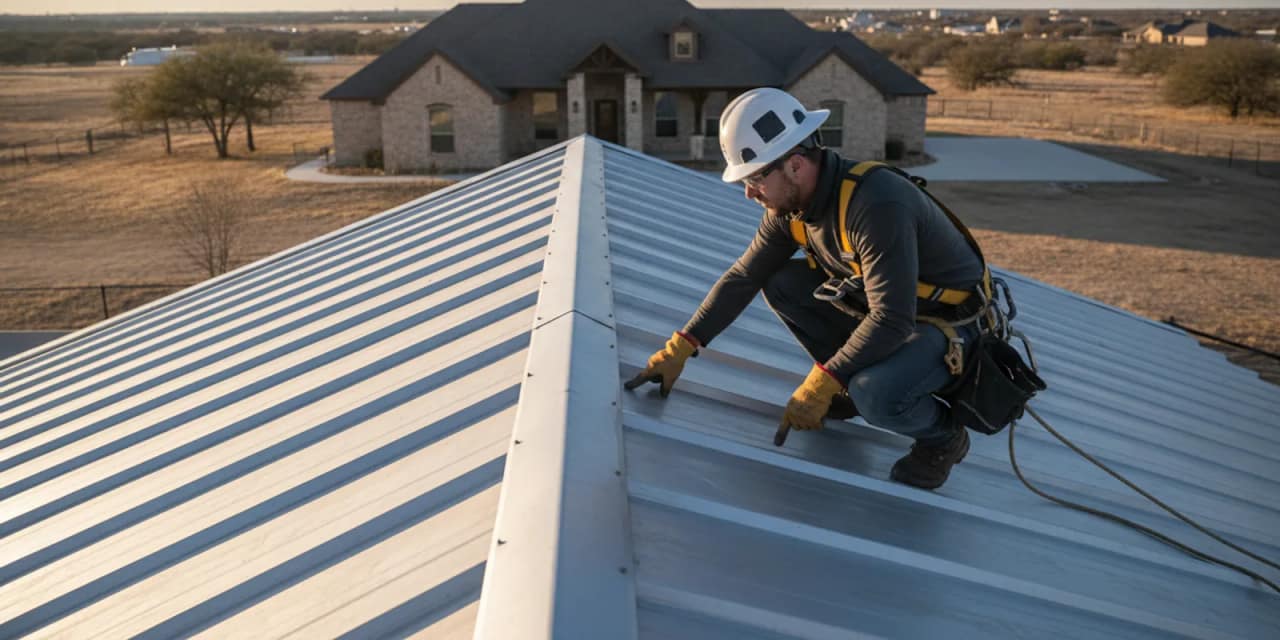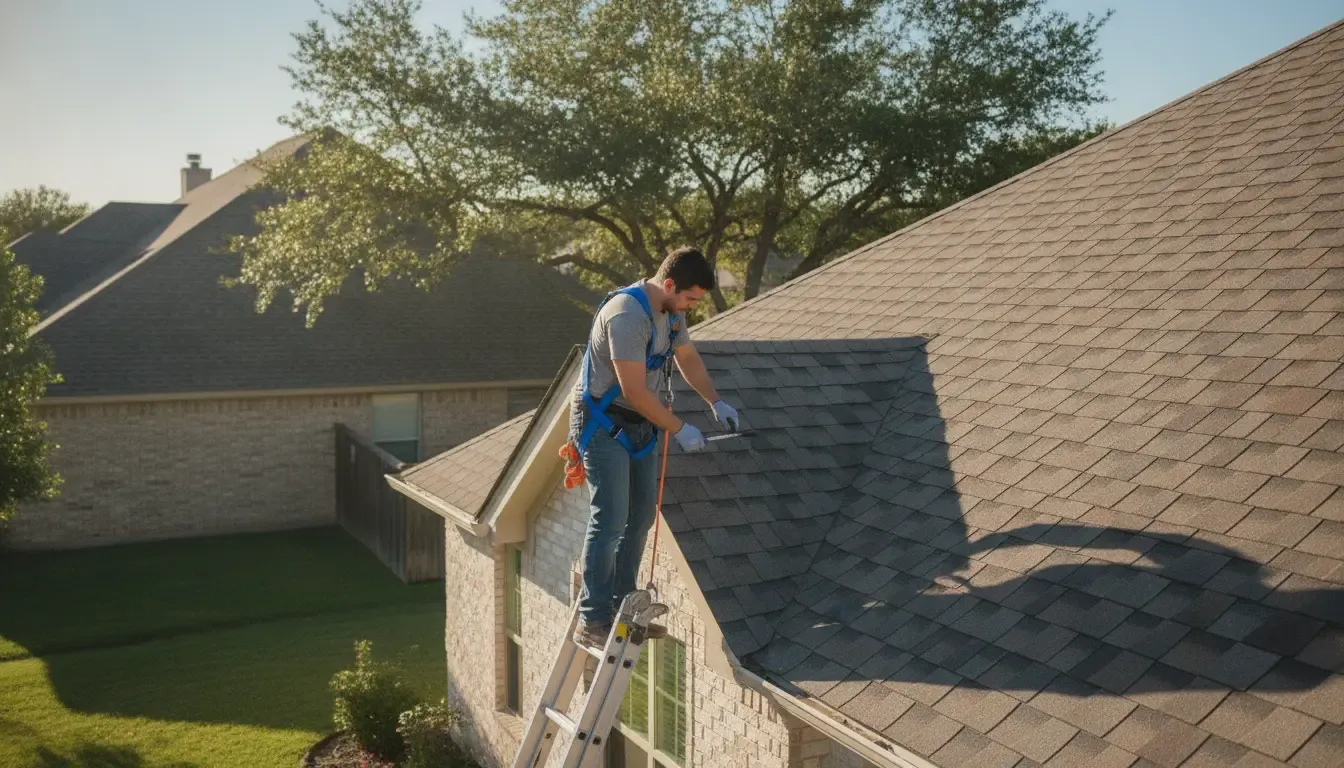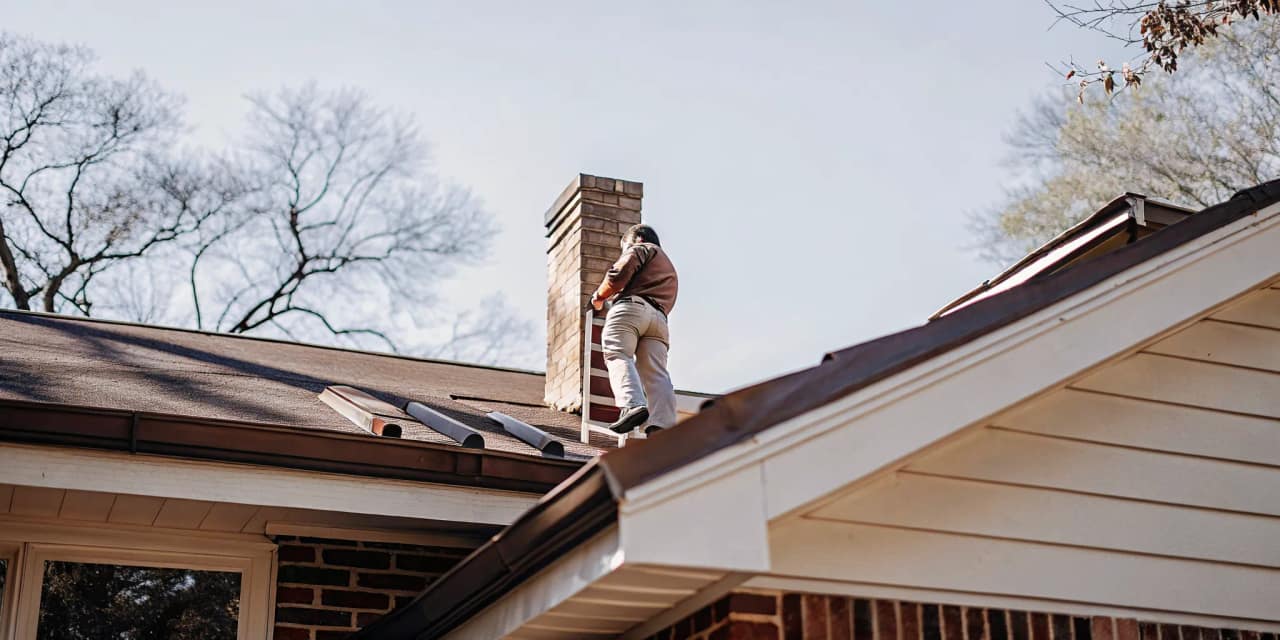
Most Texans don't think about their roof until something goes wrong—a stain spreading across the ceiling, a pile of granules in the gutter, or a shingle blown into the yard after a storm. But by then, the problem has usually been building for months or years. If you live in Greater Houston or the Austin metro, summer is exactly the season to stop ignoring your roof and get honest about its condition. The Texas sun is relentless, and it punishes a tired roof faster than almost any other climate in the country.
This guide walks you through how to realistically evaluate your roof's health, what summer heat actually does to roofing materials, and the specific warning signs that mean it's time to call a professional. No scare tactics—just the kind of straight talk that helps you protect one of the most expensive assets you own.
Why Texas Summers Are So Hard on Roofs
Roofing materials in Texas endure a punishing cycle that homes in milder climates never face. Surface temperatures on a dark asphalt roof can climb well past 150°F on a July afternoon in Houston, then cool down significantly overnight. That daily expansion and contraction works shingles loose, dries out sealants, and cracks aging materials over time.
Layer in our unique mix of threats, and the picture gets clearer:
- Intense UV radiation breaks down the asphalt binders and protective granules on shingles, fading and brittling them year after year.
- High humidity—especially near the Gulf Coast and along rivers—traps moisture in attics and encourages rot, mold, and decking damage.
- Hail and high winds from spring and summer storms loosen, bruise, or strip shingles, often invisibly from the ground.
- Hurricanes and tropical systems push wind-driven rain under any compromised edge or flashing along the coast.
A roof that would last 25 years in a temperate climate can age noticeably faster here without proper care. That's why understanding your roof's true condition matters so much.
How to Honestly Assess Your Roof's Condition
You don't need to climb a ladder—and we'd rather you didn't, for safety. Most early warning signs are visible from the ground or from inside your home. Walk your property and look for these red flags.
What to Look For Outside
- Curling, cupping, or buckling shingles—a classic sign of heat and age that signals the material is failing.
- Bald spots or dark patches where protective granules have worn away, exposing the asphalt underneath.
- Granules collecting in gutters or at downspout outlets—like coarse black sand. A little is normal on a new roof; a lot on an older one is not.
- Sagging rooflines, which can point to moisture damage in the decking or structural issues.
- Cracked, lifted, or rusted flashing around chimneys, vents, and valleys—common entry points for leaks.
What to Look For Inside
- Water stains on ceilings or upper walls, even faint brown rings.
- An attic that feels like an oven, which usually means poor ventilation is cooking your roof from below.
- Daylight visible through the roof boards in the attic—a clear sign of gaps.
- A spike in your summer energy bills, often tied to heat-trapping or failing insulation around the roof system.
If you spot any of these, it's worth getting a professional opinion. Our team offers a thorough, no-pressure roof inspection—a $399 value we provide free—so you know exactly where your roof stands before deciding anything.
Beating the Heat: Smart Upgrades That Extend Roof Life
If your assessment reveals a roof that's aging but not yet failing, there are practical ways to slow the damage and improve comfort. Texas homeowners get real value from heat-conscious roofing choices.
Reflective and Cool Roofing Materials
Lighter-colored and reflective shingles bounce a meaningful share of solar energy away instead of absorbing it. That keeps attic temperatures down, eases the load on your AC, and reduces the thermal stress that ages shingles prematurely. As a GAF Preferred Contractor, we install reflective asphalt shingle systems and can walk you through cool-roof options that balance performance with curb appeal.
Reflective Coatings for Flat and Low-Slope Roofs
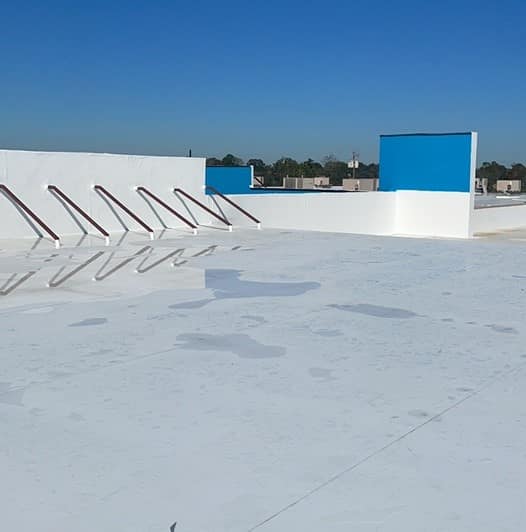
Commercial buildings and homes with flat or low-slope roofs benefit enormously from reflective coatings. These coatings control heat absorption, seal minor imperfections, and can extend the service life of an existing roof rather than forcing a full tear-off. It's often the most cost-effective way to get more years out of a serviceable roof.
Proper Attic Ventilation and Insulation
This is the upgrade homeowners overlook most. When hot, humid air gets trapped in the attic, it bakes the underside of your decking and shingles all summer long. Balanced intake and exhaust ventilation lets that heat escape, protecting both the roof and your energy budget. Pairing good ventilation with sound insulation is one of the highest-return investments you can make in a Texas home.
Repair, Restore, or Replace?
Once you know your roof's condition, the path forward usually falls into one of three buckets:
- Repair—isolated issues like a few damaged shingles, loose flashing, or a small leak. Targeted roof repair is the right call when the rest of the roof is sound.
- Restore—an aging but structurally solid roof that benefits from coatings, resealing, and renewal. Roof restoration can add years of life for a fraction of replacement cost.
- Replace—widespread granule loss, multiple leaks, sagging, or a roof near the end of its lifespan. A full roof replacement with a GAF lifetime system gives you a fresh start built for Texas weather.
If recent hail or wind played a role in the damage, you may also have an insurance claim worth pursuing. We work directly with homeowners' insurance on storm damage claims, handling the documentation and inspection so you don't have to navigate it alone.
Don't Wait for the Ceiling to Tell You
The hardest lesson in roofing is that small problems rarely stay small in the Texas heat. A loose shingle becomes an exposed deck; an exposed deck becomes a leak; a leak becomes rot and a major repair bill. Getting serious about your roof's condition now—before the next round of summer storms—is simply the smartest, least expensive way to protect your home.
With 9+ years serving more than 100 Texas communities across Houston and Austin, a 5-star Google rating, and a 100% satisfaction guarantee, our team is ready to give you an honest read on where your roof stands. Schedule your free roof inspection today, and let's make sure your roof is ready for whatever this Texas summer brings.