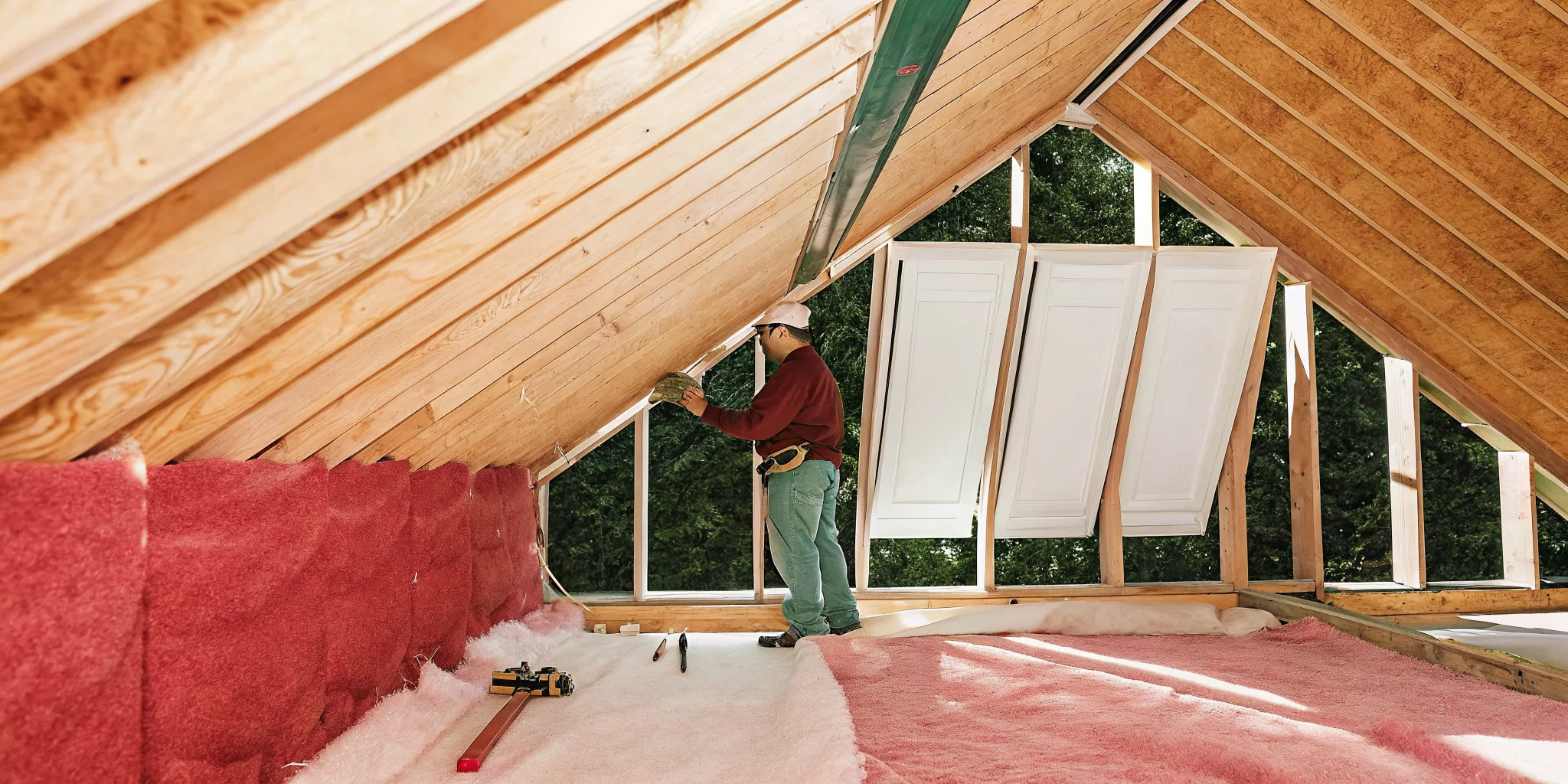
Texas roofs work through long stretches of intense sun, high temperatures, and seasonal humidity. That heat does more than raise indoor cooling costs. It can drive attic temperatures high enough to accelerate shingle aging, stress roof decking, and worsen moisture problems when airflow is poor.
Call Elevation Roofing & Restoration at (832) 271-1726 for a free roof inspection and estimate.
In Texas, attic insulation and roof health Texas are closely connected because effective insulation slows heat transfer into the attic and roof assembly. When it is paired with balanced ventilation, it helps limit heat buildup and condensation, supporting more consistent roof performance and a longer service life.
The right approach depends on your attic's current insulation level, ventilation layout, moisture conditions, and roof materials. Understanding how these systems work together is the first step toward protecting your home through the Texas heat.
Attic Insulation And Roof Health Texas: How Does Attic Insulation Protect Your Roof in the Texas Heat?
Attic insulation works as a thermal barrier between your living space and the roof assembly. Instead of allowing intense outdoor heat to move freely through the attic floor and build stress throughout the roofing system, properly installed insulation slows that transfer. In Texas, where attic temperatures can reach 150°F during summer, that extra resistance helps protect the roof deck and shingles from repeated heat exposure.
How does insulation reduce heat transfer?
Heat naturally moves from a hotter area toward a cooler one. Without enough insulation, heat collected beneath the roof can transfer into the attic floor and increase the cooling load inside the home. Research on South Texas homes links insufficient attic-floor insulation with increased air-conditioning loads and thermal stress on roofing materials. Attic insulation does not make the roof cold, but it reduces the speed and amount of heat moving through the assembly.
Coverage matters as much as material. Gaps, compressed sections, and areas around penetrations can create thermal bridges where heat moves more easily. Insulation should cover the attic floor consistently, while air sealing can help limit unwanted air movement through cracks and openings. The U.S. Department of Energy identifies insulation and air sealing as complementary measures for reducing cooling costs in hot climates.
Why does lower attic-side stress matter for shingles?
Roof shingles are exposed to sun and weather from above, but excessive heat from below adds another source of stress. Over time, that attic-side thermal stress can contribute to brittle materials and curling edges. Heat-driven degradation may also cause shingles to lose their granular coating, leaving them more vulnerable to ultraviolet damage. Cracked or curling shingles should not be dismissed as normal Texas wear, especially when they appear across broad areas of a roof.
A stable temperature gradient between the attic and outdoor air helps reduce premature shingle aging. Insulation is one part of that protection, while balanced airflow provides another. Learn more about attic ventilation and roof longevity, including how ventilation helps manage heat and humidity rather than trapping them around the roof deck.
When should you check the entire roofing system?
Insulation cannot correct a roof leak, blocked intake vent, damaged decking, or failed shingle surface. Wet insulation can also lose nearly all of its thermal resistance, so moisture problems need attention before adding more material. If you notice curling, cracks, granular loss, unusually high cooling demand, or uneven attic temperatures, arrange a professional roof inspection. An evaluation can identify whether the priority is insulation, ventilation, roof repair, or a combination of improvements.
What Are the Signs Your Attic Insulation Needs Attention?
Texas attic insulation problems often show up throughout the home before they are obvious in the attic. Because insulation, ventilation, and the roof work as one system, changes in comfort, energy use, or roof appearance deserve attention. Watch for these warning signs:
- Uneven temperatures between rooms: If one bedroom stays hot while another is comfortable, or upstairs rooms are consistently warmer. Insulation may be thin, displaced, compressed, or missing in parts of the attic floor. Gaps can create thermal bridging, allowing more heat to move into the living space.
- Spiking energy bills: A sudden or persistent increase in summer cooling costs can indicate that conditioned air is escaping or that the attic is transferring too much heat into the home. The U.S. Department of Energy notes that insulation and air sealing can reduce cooling costs in hot climates. Compare bills across similar weather periods, while also considering changes in utility rates and air-conditioner performance.
- Moisture, condensation, or a musty attic smell: Damp insulation, water stains, rusty fasteners, or visible condensation may point to trapped humidity, a roof leak, or inadequate ventilation. In Texas, high attic humidity can promote mold growth on roof decking and weaken the wood over time. Condensation can also contribute to rot in roof decking and framing. A moisture problem should be investigated rather than covered with new insulation. Insulation and thermal regulation are closely connected to attic moisture control.
- Curling, cracked, or brittle shingles: Heat-driven degradation can cause shingle edges to curl or the material to become brittle. Inadequate attic cooling may contribute to that thermal stress, although age, installation defects, and weather exposure can cause similar symptoms. A roof inspection can help separate an insulation or ventilation concern from a shingle-specific defect.
- Granules collecting in gutters: A noticeable buildup of shingle granules in the gutters can mean the protective surface is wearing away. Increased attic heat may accelerate granular loss, leaving shingles more exposed to ultraviolet damage.
- Ice dams: Ice dams are a familiar insulation and ventilation warning sign in northern climates, but they are uncommon in Texas. Their absence does not rule out an attic problem here. Houston and Austin homeowners should focus more on heat buildup, moisture, and uneven cooling.
These symptoms can overlap, so avoid assuming that adding insulation alone will solve the issue. A professional assessment should check the insulation depth and condition, roof leaks, soffit intake, exhaust ventilation, decking, and shingle surface together. Elevation Roofing can evaluate the full system through its residential and commercial roofing services and recommend the appropriate next step.
Which Type of Attic Insulation Works Best for Texas Homes?
There is no single insulation product that fits every Texas attic. The right choice depends on the existing insulation, roof design, moisture conditions, air leaks, and whether the attic floor or roofline is being insulated. Texas attics generally need an overall insulation level around R-30 to R-60, depending on location and the home's construction. Materials also have different R-values per inch and coverage characteristics, so a professional assessment matters more than choosing by product name alone.
| Insulation type | R-value per inch and coverage | Moisture resistance | Typical cost and best Texas use |
|---|---|---|---|
| Blown-in fiberglass | Provides a variable R-value per inch and can cover large attic-floor areas efficiently. Coverage depends on installed depth and density. | Resists moisture better than some organic materials, but it should not be installed over an active roof leak. | Often a practical choice for topping up existing attic-floor insulation in an accessible attic. It fits many retrofit projects where broad coverage and budget control matter. |
| Spray foam | Offers strong thermal resistance per inch and expands to seal gaps and penetrations. The final performance depends on the product and installation thickness. | Its air-sealing properties make it useful in humid climates such as Texas, but roof leaks and moisture sources must be corrected first. | Usually the higher-cost option. It can be a good fit for difficult-to-seal areas, vaulted ceilings, or a roofline assembly when the design calls for it. |
| Cellulose | Provides a different R-value per inch and can fill irregular attic-floor spaces effectively when installed to the specified depth. | Because it is a fiber-based material, moisture control and leak prevention are especially important. Wet insulation can lose nearly all of its thermal resistance. | Often selected for attic-floor retrofits where effective cavity coverage is the priority. Installed project costs commonly fall within the $1,500-$4,500 range, depending on size and scope. |
For most Texas homes, the best result comes from complete attic-floor coverage rather than simply adding insulation in the center of the space. Gaps around edges, penetrations, and access points can create thermal bridging, allowing heat to move through areas that appear insulated. Attic-floor insulation is a key part of reducing the heat load transferred toward the roof structure and improving energy efficiency. The U.S. Department of Energy also emphasizes pairing insulation with air sealing in hot climates.
A radiant barrier may supplement insulation by reflecting radiant heat away from the roof deck, but it does not replace adequate insulation or ventilation. The roof assembly still needs an appropriate airflow plan, and the insulation must not block intake vents. Homeowners comparing insulation with broader roofing decisions can also review the types of roofing materials available for Texas conditions. A roof inspection can help determine whether the existing insulation, roof deck, and ventilation system are working together before new material is installed.
How Does Attic Ventilation Work Together With Insulation?
Attic insulation and ventilation perform different jobs, but they protect the same roofing system. Insulation slows heat transfer between the living space and the attic, while ventilation moves hot, humid air out of the attic. When both are properly designed, your roof deck is exposed to less thermal stress and moisture.
Air should enter through soffit vents at the lower edge of the roof and leave through a ridge vent near the peak. This intake-and-exhaust path creates continuous airflow instead of allowing stagnant hot air pockets to collect. In a Texas summer, that matters because inadequate ventilation can accelerate shingle degradation and increase stress on roof materials.
Why airflow matters for moisture control
Insulation alone cannot correct trapped humidity. Warm, moist air that remains in the attic can condense on cooler areas of the roof decking. Over time, that moisture may contribute to wood rot, structural decay, and mold growth. A well-ventilated attic helps regulate temperature and humidity, reducing the conditions that allow condensation to persist. This is especially important in the humid Houston area, although Austin homes also need protection from prolonged summer heat.
Texas roofing guidance emphasizes assessing attic spaces for proper air circulation to support long-term structural integrity. The Texas Department of Licensing and Regulation publishes standards and procedures related to this type of building evaluation. A qualified inspection should also confirm that insulation has not blocked soffit vents, a common failure point.
How to keep intake and exhaust in balance
More exhaust ventilation is not automatically better. If ridge vents can remove air faster than soffit vents can supply it, the system may draw air from unintended locations, including gaps around ceiling fixtures. If intake is blocked, the ridge vent cannot establish an effective airflow path. Ask a roofing professional to evaluate the complete system rather than adding a single vent without checking the others.
- Keep soffit vents clear of insulation, debris, and nesting materials.
- Use a continuous ridge vent when the roof design supports it.
- Check for signs of condensation, mold, damp decking, or musty attic air.
- Inspect insulation coverage and moisture condition before adding more material.
For more detail, read about attic ventilation and roof longevity, then review practical guidance on Texas roof health in extreme heat. Together, adequate insulation and balanced airflow help the entire roof perform more reliably through Texas weather.
What Is the ROI of Proper Attic Insulation for Texas Homeowners?
Proper attic insulation can pay back in more than lower utility bills. In a Texas home, it helps control the heat reaching the roof system, improves comfort, and may reduce the frequency of premature repairs. The exact return depends on the attic's existing R-value, air leakage, roof condition, home size, and how long you plan to stay.
The U.S. Department of Energy explains that insulation and air sealing work together to reduce cooling costs in hot climates. For Texas homeowners, that can translate into measurable savings during long Houston and Austin cooling seasons. One industry estimate places potential electricity bill reductions at 10% to 30% per year, while typical payback for an attic insulation project is about two to five years. These figures are estimates, not guarantees, so an assessment of the existing insulation and ductwork should come first.
- Lower operating costs: Less heat transfer can reduce the workload on your air conditioner and help rooms maintain more consistent temperatures.
- Longer roof service life: Roof lifespan in Texas is often around 20 years with proper maintenance, but excessive heat can shorten it. Reducing heat-driven stress may help protect shingles, decking, and related components.
- Fewer moisture-related repairs: When insulation and ventilation are correctly designed together, the attic is better positioned to manage heat and humidity, reducing risks that can contribute to roof-deck deterioration.
- Potential incentives: Energy-efficient upgrades may qualify for tax credits or utility rebates in some parts of Texas. Confirm current eligibility with the applicable program before budgeting around an incentive.
- Added buyer appeal: Better comfort, lower energy demand, and a documented history of roof maintenance can support a home's value and make it more attractive to future buyers. Although insulation alone does not guarantee a higher sale price.
Insulation is only one part of the return. Blocked soffit vents, roof leaks, or inadequate exhaust ventilation can undermine the investment. A roofing professional can evaluate the entire system before work begins. Elevation Roofing can review these conditions as part of its residential and commercial roofing services, helping you prioritize improvements that protect both the roof and the home.
Frequently Asked Questions
How does attic insulation affect roof longevity in Texas?
Proper insulation slows the transfer of extreme outdoor heat into the attic. That helps reduce heat buildup beneath the roof deck, which can accelerate shingle degradation over time. Insulation also works with air sealing to make indoor temperatures more consistent and reduce strain on the cooling system. It cannot repair an aging roof, but it can help create a less damaging attic environment when installed correctly.
What is the recommended R-value for attic insulation in Texas?
The appropriate R-value depends on the home's location, construction, and existing insulation. Texas guidance commonly points to a range of R-30 to R-60, depending on the climate zone. A roofing or insulation professional should measure the current depth, check for gaps and compression, and recommend an improvement that fits the attic rather than adding material blindly.
How does proper attic ventilation protect roof shingles?
Ventilation moves hot, humid air out of the attic while allowing replacement air to enter through properly placed intake vents. Ridge vents and soffit vents must work as a balanced system. This airflow helps limit heat buildup and moisture accumulation, two conditions that can shorten shingle life and contribute to condensation or damage to the roof decking.
What are the signs of poor attic ventilation in a Texas home?
Warning signs include unusually high attic temperatures, rooms that are difficult to cool, rising energy bills, musty odors, visible moisture, mold, or damp insulation. You may also notice roof decking discoloration or shingles that appear prematurely worn. Because some problems remain hidden above the ceiling, a professional inspection can identify blocked vents, missing intake ventilation, and moisture sources before they worsen.
Ready to Schedule a Roof and Attic Assessment?
Attic insulation and ventilation can influence how well your roof handles the intense Texas heat. A professional assessment can help identify heat buildup, moisture concerns, or insulation gaps before they affect roof performance. Call Elevation Roofing & Restoration at (832) 271-1726 to schedule a professional roof inspection and attic assessment.