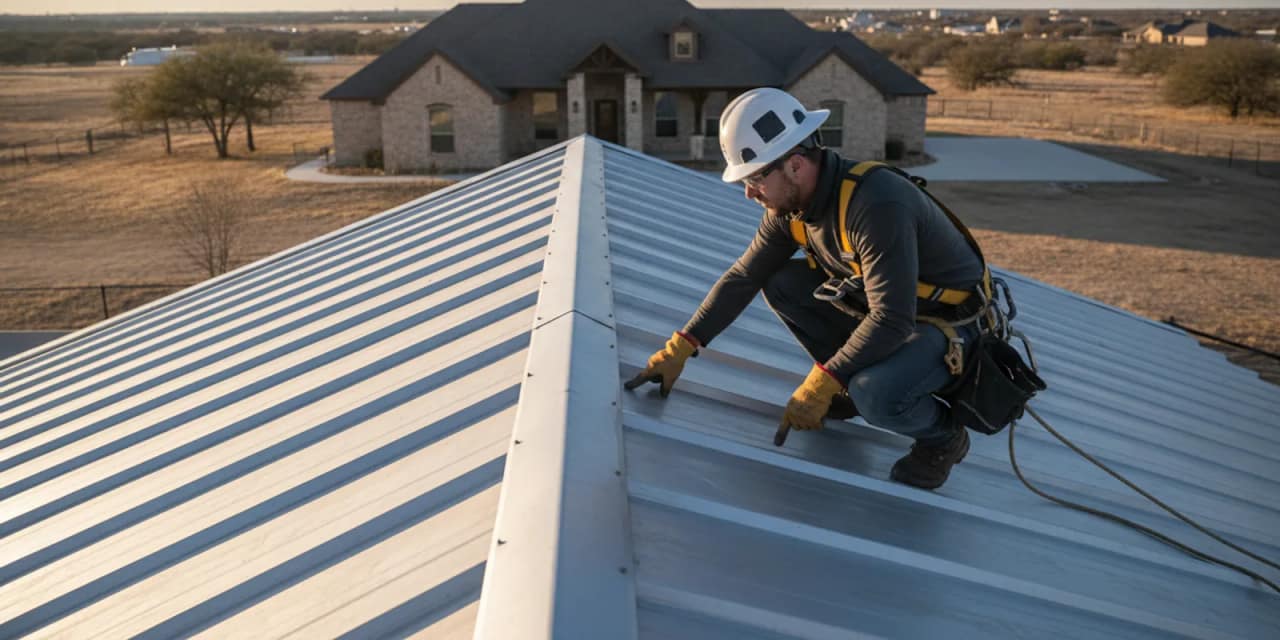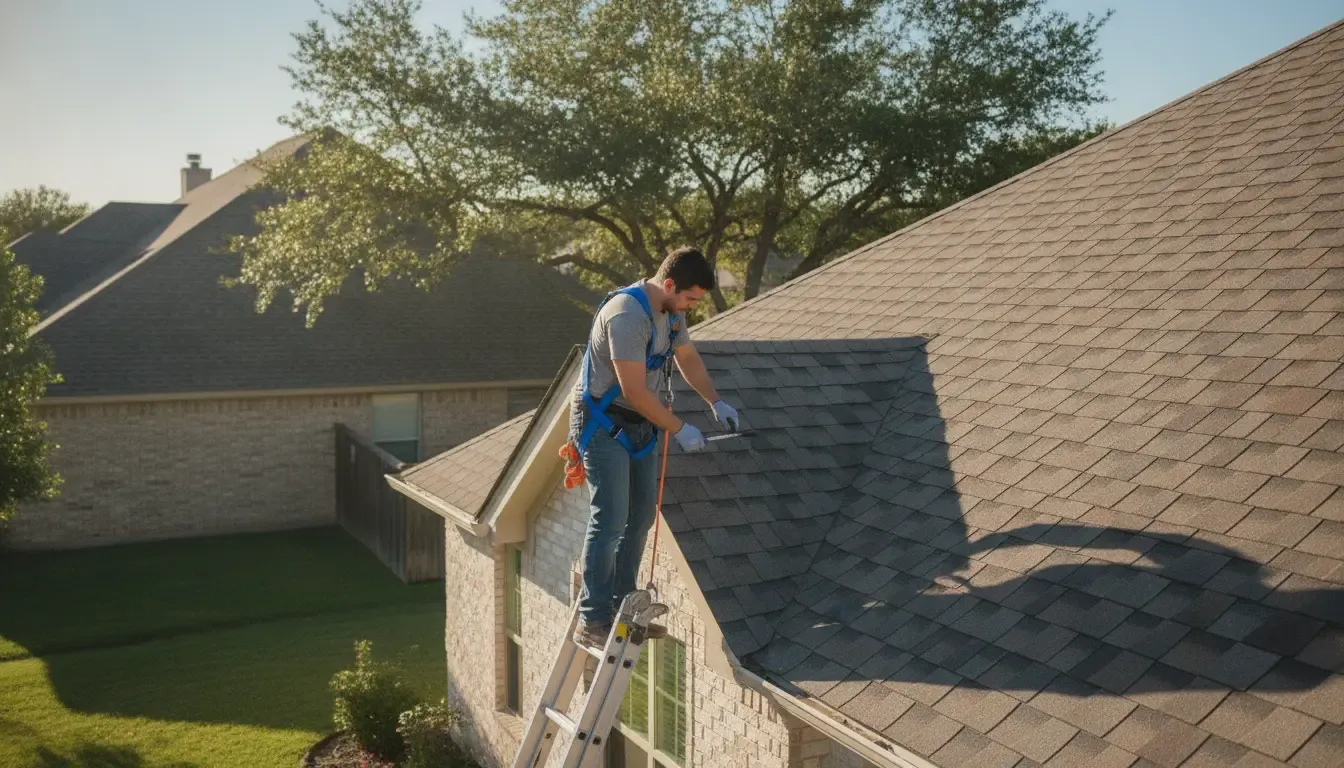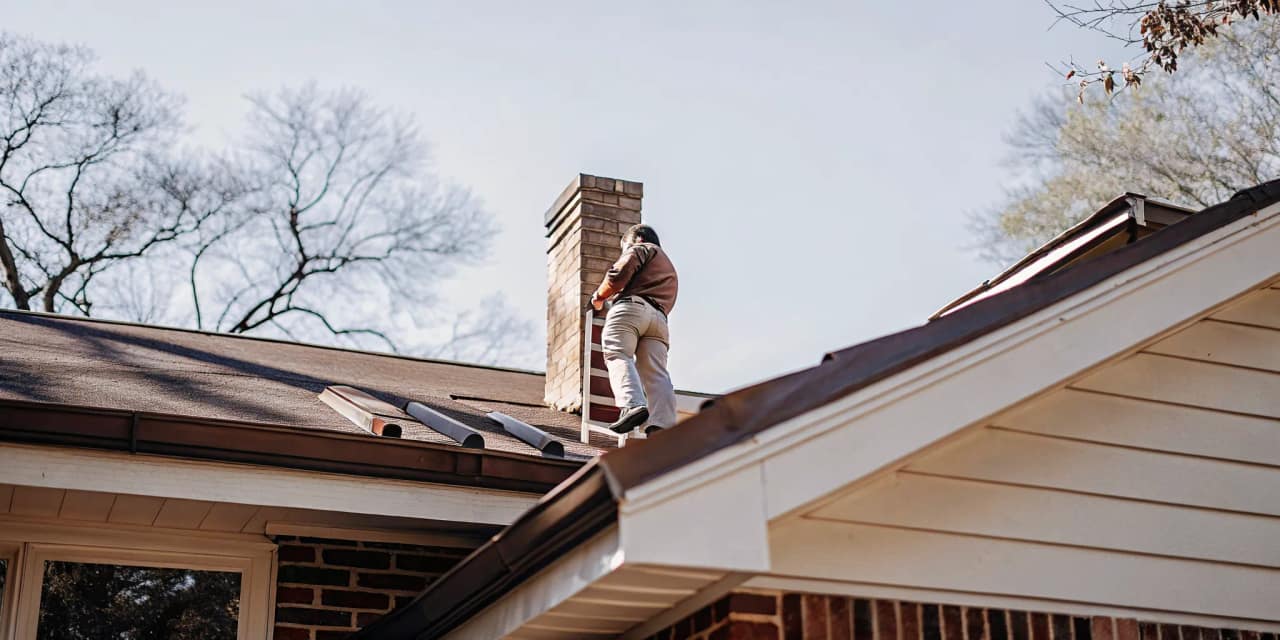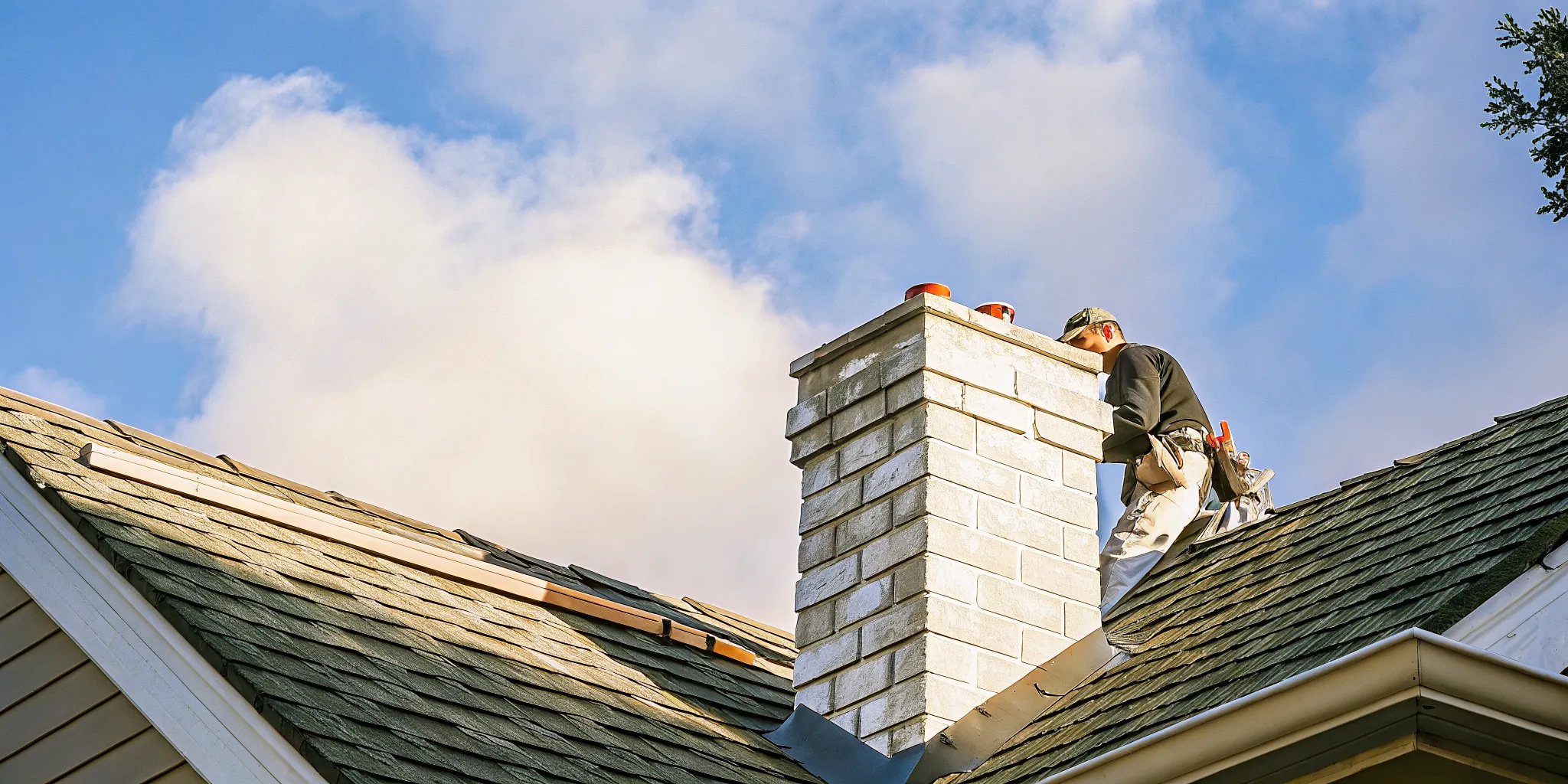
A small gap around a chimney, vent, skylight, or roof valley can let water travel far beyond the original entry point. In Texas, intense sun, repeated heat cycles, hail, heavy rain, and high winds place extra stress on these critical joints. What looks like a minor ceiling stain may already involve damaged insulation, mold-friendly moisture, or early structural rot.
Call Elevation Roofing & Restoration at (832) 271-1726 for a free roof inspection and estimate.
Professional roof flashing repair Texas homeowners can rely on starts with identifying vulnerable penetrations and joints. Then restoring the metal, seals, and overlaps that direct water away from the roof structure. Prompt attention can help prevent a localized flashing problem from becoming a larger roof repair.
Understanding what flashing does, where it is installed, and why it fails makes it easier to recognize warning signs before the next Texas storm exposes them.
Roof Flashing Repair Texas: What Is Roof Flashing and Why Does It Matter?
Roof flashing is a thin, water-resistant sheet material installed where roofing components meet or where the roof is interrupted. It creates a guided path for runoff, directing water away from seams that could otherwise allow moisture beneath the roofing system. Flashing is commonly installed around chimneys, vent pipes, skylights, roof-to-wall joints, and roof valleys.
These locations need extra protection because they create changes in direction, openings, or joints in an otherwise continuous roof surface. The U.S. Department of Energy's Building Science Education site identifies valleys and penetrations through the roof decking as especially vulnerable areas for water intrusion. Learn more about roof flashing and water management.
How Does Flashing Protect a Roof?
Shingles, tiles, or metal panels shed most rainwater down the roof slope. Flashing supports that drainage pattern at the points where roofing materials cannot provide complete coverage. Properly installed pieces overlap in the direction water flows, reducing the chance that rain will work underneath a joint.
A small flashing defect can lead to a much larger repair. Water that enters through the roof may damage insulation, create conditions for mold growth or pest invasion. And contribute to structural rot, according to the same federal building-science guidance. Finding the source early can help prevent moisture from spreading beyond the original seam.
What Are the Main Types of Roof Flashing?
Different roof details call for different flashing designs. A roofing professional selects and installs the appropriate type for the joint, penetration, and surrounding materials.
- Step flashing: Individual pieces installed where a roof slope meets a wall, with each piece integrated with the courses of roofing material.
- Counter flashing: A protective layer installed over or into a wall, chimney, or masonry surface to shield the upper edge of base flashing.
- Valley flashing: Metal or another approved water-shedding material installed in a roof valley, where runoff from two slopes collects and moves downward.
- Vent-pipe flashing: A formed base and collar designed to seal around plumbing or other roof penetrations while allowing the pipe to pass through.
Flashing should be evaluated as part of the entire roof system rather than treated as an isolated strip of metal. If you notice water stains, damaged sealant, or visible gaps around a penetration, schedule an inspection with Elevation Roofing's professional roof repair services before the next storm exposes the weakness.
What Are the Signs of Roof Flashing Failure?
Flashing can fail gradually, so a small change around a chimney, vent, skylight, or roof valley may be an early warning of a larger leak. Texas conditions make these warning signs especially important. Intense heat, ultraviolet exposure, hail, high winds, and heavy rain can wear down metal and sealants over time.
During a visual check from the ground or attic, look for these common signs:
- Rust spots or corrosion: Orange or dark discoloration can indicate that metal flashing is losing its protective surface. Corrosion may eventually create weak points where water can enter.
- Gaps or separation at joints: Flashing should meet tightly at seams and transitions. Visible openings around chimneys, vents, or walls can allow wind-driven rain beneath the roofing materials.
- Lifted, bent, or curled edges: Edges that no longer lie flat may have been loosened by wind, hail, repeated heat cycles, or movement in the roof assembly.
- Cracked or missing sealant: Caulking around penetrations can dry out, split, shrink, or pull away from the surrounding surface. Replacing sealant alone may not solve the problem if the flashing underneath has shifted or deteriorated.
- Water stains on ceilings or walls: Brown discoloration, bubbling paint, or damp drywall near a chimney or vent can signal that water is getting past the flashing. The visible stain may appear some distance from the actual entry point.
Why Texas Weather Makes These Symptoms Worse
Roofing materials expand during hot Texas afternoons and contract as temperatures drop. Repeated movement can stress joints and separate sealants. Ultraviolet exposure can make caulking brittle, while hail and severe storms can dent metal or lift edges. Heavy rain then tests every weakened seam, particularly around roof penetrations.
Do not wait for an interior stain before investigating. Include flashing in regular roof maintenance, and arrange a professional inspection when you notice rust, separation, or damaged sealant. Early roof flashing repair in Texas can help identify the source before moisture damages insulation, ceilings, or framing.
Why Does Texas Weather Accelerate Flashing Deterioration?
Texas weather puts roof flashing through repeated stress that can shorten its service life. In Houston and Austin, a flashing system may face intense summer heat, strong ultraviolet exposure, hail, heavy rain, and high winds within the same season. Each condition can weaken a different part of the system, and the damage often begins before a homeowner sees a ceiling stain or other obvious leak.
How Do Heat Cycles Loosen Metal Flashing?
Metal expands when it heats up and contracts as temperatures fall. Texas roofs can experience this cycle between hot afternoons and cooler nights, then repeat it day after day. Over time, movement can loosen fasteners, widen small gaps at joints, or pull flashing away from the surfaces it is meant to protect. Sealants may also lose their bond as the materials beneath them move at different rates.
This matters around chimneys, wall intersections, vents, skylights, and roof valleys. A flashing detail does not have to fail completely to admit water. A lifted edge or narrow opening can allow wind-driven rain to travel beneath the roofing materials and into the roof assembly.
What Role Do UV Rays and Storms Play?
Strong ultraviolet radiation gradually dries and breaks down exposed caulking and sealants. Once those materials crack, shrink, or separate, they no longer provide a reliable secondary barrier around seams and penetrations. Hail can dent metal flashing, while a direct impact or severe storm may displace it. Heavy rain and high winds then force water behind the compromised area, increasing the chance of hidden moisture damage.
Because these threats are recurring rather than occasional, Houston and Austin homeowners should schedule flashing inspections more frequently than they might in a milder climate. A professional can look for movement, corrosion, failed sealant, and storm damage before a small defect becomes a larger repair. Timely maintenance and repair are important for extending roof life in Texas, and protective roofing materials can provide additional defense in vulnerable areas.
After extreme heat, hail, or a period of heavy rain, check attic and ceiling areas for dampness or staining. But do not climb onto the roof to inspect damaged flashing yourself. A qualified roofing professional can assess the condition safely and determine whether the flashing needs resealing, adjustment, or replacement.
How Is Roof Flashing Repair Done?
A durable repair starts with finding the full path of water entry, not simply covering the most visible gap. Flashing around walls, chimneys, vents, skylights, and other roof penetrations must work with the surrounding shingles and drainage layers. A professional process protects the roof deck, matches the existing contours, and leaves water with a clear route away from vulnerable joints.
- Inspect all flashing and nearby roof areas. A roofing professional examines the suspected leak location, then checks related roof-wall intersections, valleys, penetrations, sealant joints, and fasteners. This broader inspection helps identify multiple compromised areas that may be contributing to one interior stain. The inspection should also consider storm impact, movement, corrosion, and installation details rather than assuming the first visible defect is the only problem.
- Remove deteriorated flashing and failed sealants. Rusted, bent, loose, or poorly overlapped metal is removed carefully so the surrounding shingles and roofing layers are not damaged unnecessarily. Old caulk and sealants are also cleared away. Applying new sealant over failing material may hide the symptom temporarily, but it does not restore the flashing's drainage function.
- Assess the roof deck and surrounding structure. Once the flashing is opened, the technician checks the underlying deck for soft spots, staining, rot, or other water damage. Any damaged substrate should be addressed before new metal is installed. Covering a deteriorated area can trap moisture and leave the roof vulnerable to another leak.
- Fabricate replacement metal to fit the roof. Flashing is not a one-size-fits-all component. New pieces should follow the roof's pitch, wall transitions, corners, and penetrations. Custom fabrication, including work completed through an in-house metal shop, allows precise measurements and a closer fit than forcing generic pieces into an irregular area.
- Install step flashing and drainage layers correctly. At a roof-wall intersection, the IRC 2015 guidance cited by the U.S. Department of Energy's building guidance says step flashing should extend at least 4 inches up the wall and 4 inches along the roof deck. Each piece must be integrated with the surrounding drainage plane and overlapped so water cannot run behind the metal. Explore Elevation Roofing's roofing services for professional repair support.
- Add counter-flashing over the step flashing. Counter-flashing covers and protects the upper edge of step flashing where it meets the wall or masonry. This layered design helps direct runoff over the flashing rather than behind it. The transition should be secure, properly fitted, and compatible with the wall surface.
- Seal appropriate joints and verify the finished repair. High-quality roofing sealant is applied where the system requires it, without treating sealant as a substitute for proper metal placement. The technician then checks overlaps, edges, fasteners, and drainage paths, and looks for remaining signs of moisture. Homeowners in Houston and Austin service areas can schedule a professional evaluation when flashing damage follows severe weather or recurring leaks.
Is Roof Flashing Repair Covered by Insurance?
Homeowners insurance may cover roof flashing repair when the damage results from a sudden, covered event. In Texas, that can include hail, high winds, or falling debris from a storm. Coverage depends on your policy, the cause of damage, and the condition of the roof before the event, so document the damage and contact your insurer promptly.
When coverage is more likely
A storm can bend, puncture, or dislodge flashing around chimneys, vents, skylights, and roof edges. If an inspection connects the flashing failure to a recent covered event, your carrier may approve repair or replacement as part of the claim. Keep dated photos, avoid disturbing damaged materials, and arrange a professional inspection before temporary repairs hide important evidence.
Covered and not-covered situations
- Often covered: flashing damaged by hail impact, wind, or a fallen tree limb, subject to your deductible and policy terms.
- May not be covered: corrosion, sealant failure, or gradual deterioration caused by age, neglect, or normal wear and tear.
- May be disputed: damage related to poor prior installation, deferred maintenance, or an existing leak that was not addressed.
Flashing damage: covered vs. not covered
| Damage Type | Covered | Not Covered |
|---|---|---|
| Hail impact on flashing | Yes (deductible applies) | No |
| Wind damage (lifted/displaced) | Yes (deductible applies) | No |
| Fallen tree limb or debris | Yes (deductible applies) | No |
| Corrosion or rust from age | No | Yes (wear and tear) |
| Failed sealant or caulking | No | Yes (normal deterioration) |
| Poor prior installation | No | Yes (workmanship) |
Elevation Roofing helps Texas homeowners understand the damage, organize documentation, and navigate the insurance claims process for storm-related flashing problems. We can also identify whether the issue requires a targeted repair or broader work through our other services. Before choosing a contractor, review our customer reviews and ask about the company's 100% satisfaction guarantee. A careful inspection gives you clearer information before you commit to a claim or repair.
Frequently Asked Questions
What are the signs of roof flashing failure?
Common warning signs include rust, cracked or missing sealant, gaps at joints, lifted edges, and water stains on ceilings or walls. Leaks may appear some distance from the actual failure, so a professional inspection is the safest way to identify the source.
Do roofers repair flashing?
Yes. A qualified roofer can inspect flashing around chimneys, vents, skylights, and valleys, determine whether it can be repaired, and replace sections that are corroded, bent, or improperly installed. The repair should also address the surrounding shingles, underlayment, and sealant so water is redirected correctly.
Is roof flashing covered by insurance?
Coverage depends on the policy, the cause of damage, and the insurer's assessment. Flashing damaged by a covered event such as hail or wind may qualify, while deterioration from age or neglected maintenance may not. Document the damage and ask a roofing professional to help you understand the repair scope before filing a claim.
Can I repair roof flashing myself?
Minor sealant maintenance may seem simple, but flashing repairs often require lifting roofing materials and finding hidden water damage. Working on a roof also creates fall and material-damage risks. A professional inspection is a better choice when flashing is rusted, loose, cracked, or leaking.
Why is roof flashing important in Texas?
Texas roofs face intense heat, ultraviolet exposure, hail, heavy rain, and high winds. Repeated heating and cooling can stress metal and seals, while storms can loosen or bend flashing. Regular inspections help catch small failures before they allow water into the roof assembly or interior.
Ready to Schedule Your Roof Inspection?
Flashing problems can be difficult to spot before they allow water into your home. A professional inspection can identify worn seals, gaps, or other vulnerable areas and help you understand the next step. To schedule your free roof inspection and estimate, call Elevation Roofing at (832) 271-1726. Our team can review the condition of your flashing and recommend practical service for your roof.
You can also schedule your free estimate online.