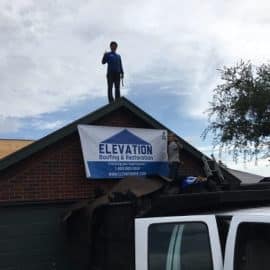
Your roof is the single most weather-exposed part of your home, and in Texas it works harder than almost anywhere else in the country. Between the relentless summer UV, sudden hailstorms along the I-35 corridor, Gulf Coast tropical systems, and the occasional hard freeze, a Houston or Austin roof takes a beating that a roof in a milder climate never sees. The good news is that protecting your roof in Texas does not require a contractor on speed dial. A handful of easy, low-cost habits, done at the right time of year, will add years to your roof and keep small problems from becoming five-figure repairs.
This is a practical homeowner's playbook. No jargon, no upselling. Just the simple things you can do yourself, the warning signs worth knowing, and the moments when it genuinely pays to call a professional.
Why Texas Roofs Need Extra Attention
Roofing materials are designed to perform within a specific temperature and exposure range. Texas regularly blows past every limit at once. A dark asphalt shingle can hit 150 degrees or more on a July afternoon in Houston, then cool rapidly when an evening storm rolls off the Gulf. That daily expansion and contraction, repeated thousands of times a year, slowly fatigues shingles, loosens adhesive seals, and dries out the sealant around vents and flashing.
Layer hail, high wind, heavy rain, and humidity on top of that thermal stress and you have a roof that ages faster than its warranty suggests. The flip side is encouraging: because most Texas roof damage starts small and builds slowly, the homeowner who pays a little attention catches it early, when it is cheap to fix.
A Season-by-Season Roof Care Routine
The easiest way to protect a Texas roof is to tie a few quick tasks to the seasons. You do not need to climb up top for most of this. A walk around the yard with your eyes up does the bulk of the work.
Spring (March to May): Prepare for storm season
- Do a ground-level visual check for missing, lifted, or curling shingles after winter.
- Clear your gutters and downspouts of pollen, oak catkins, and seed pods before the heavy spring rains arrive.
- Trim back overhanging branches so wind-driven limbs cannot scrape or puncture the roof.
- Schedule a professional inspection before peak hail and storm season, ideally while the weather is calm.
Summer (June to September): Manage heat and storms
- Check your attic on a hot day. If it feels like an oven, your ventilation may be inadequate, which cooks shingles from below and drives up cooling bills.
- Look for granule buildup in your gutters, which looks like coarse black sand and signals UV wear.
- Inspect after every hailstorm or named tropical system. Gulf Coast homeowners especially should treat storm season as inspection season.
Fall (October to November): Reset before winter
- Clean gutters again after Texas trees finish their late leaf drop.
- Re-seal or have a pro re-seal any cracked caulking around pipe boots, vents, and chimneys.
- Confirm flashing is tight at all roof penetrations, the spots where most leaks actually begin.
Winter (December to February): Watch for freeze damage
- After a hard freeze, check for cracked or split shingles, which expand and worsen when trapped moisture freezes.
- Keep gutters clear so meltwater drains instead of pooling and refreezing at the roof edge.
Easy Tips That Make the Biggest Difference
If you only remember a few things from this guide, make it these. They deliver the most protection for the least effort.
1. Keep water moving off the roof
More roof damage traces back to drainage than to any single storm. Clean gutters and clear downspouts let water leave the roof in a controlled path. When water backs up, it creeps under the bottom course of shingles and rots the decking and fascia. Staying on top of your gutters is the highest-return habit on this list.
2. Trim trees before the wind does it for you
Overhanging limbs do double damage in Texas. They drop debris that traps moisture in valleys and gutters, and in a windstorm they whip against shingles or break off entirely. Keep branches at least several feet clear of the roofline.
3. Address small repairs immediately
A single lifted shingle, a cracked pipe boot, or a dab of failed sealant is inexpensive to fix today and ruinous to ignore. Water is patient. Once it finds an opening, it works its way to the decking, insulation, and ceiling. Prompt roof repair is the difference between a service call and a replacement.
4. Don't skip professional inspections
You can spot a lot from the ground, but hail bruising, hairline mat fractures, and worn flashing often hide in plain sight. A trained eye catches what you cannot. We offer a free roof inspection, a $399 value, with no obligation, so there is no reason to guess.
5. Choose the right materials when it's time to upgrade
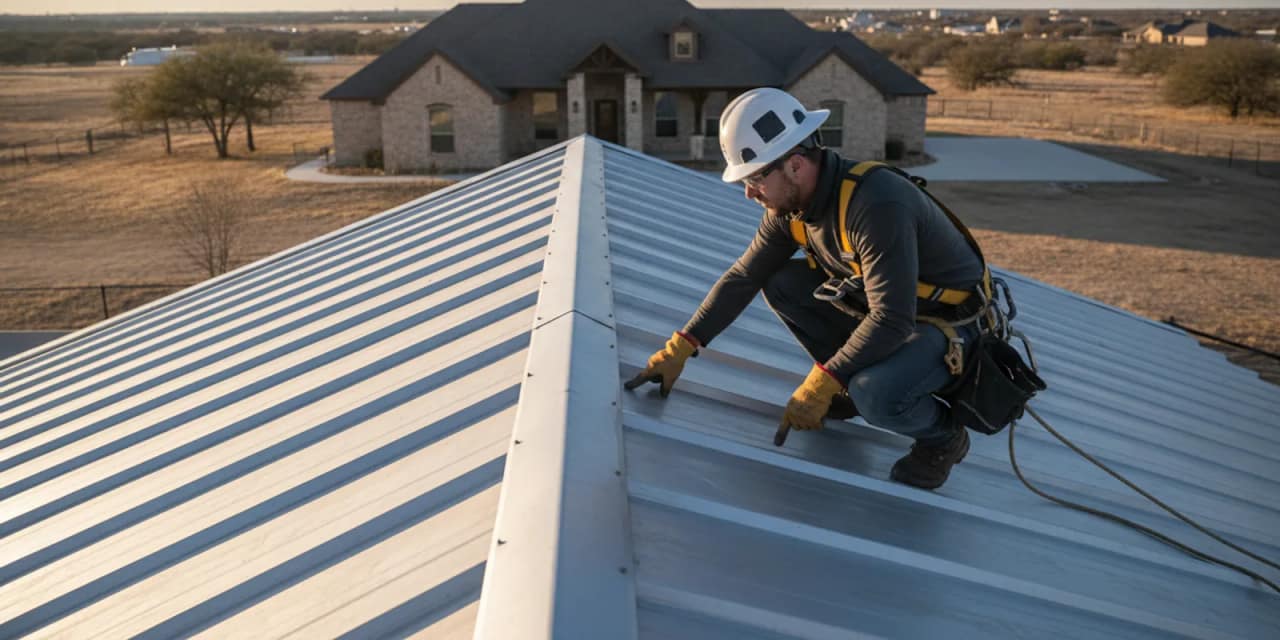
When a roof reaches the end of its life, what you put on next matters enormously in our climate. Impact-resistant shingles, standing-seam metal, and tile all stand up to Texas weather better than basic three-tab shingles. Explore the full range of roof types we install, from asphalt shingle to metal, tile, and slate, and match the system to your home and budget.
Warning Signs You Should Never Ignore
Between scheduled checks, keep an eye out for the early signals that your roof needs attention sooner rather than later:
- Granules collecting in gutters or at downspout outlets
- Curling, cupping, or missing shingles, especially on south- and west-facing slopes
- Daylight or water stains visible in the attic
- Sagging rooflines or soft spots underfoot, which can signal decking damage
- Interior ceiling stains that grow or spread after rain
Any one of these is worth a closer look. Several together usually mean it is time for a professional assessment before the next storm.
When to Handle It Yourself, and When to Call a Pro
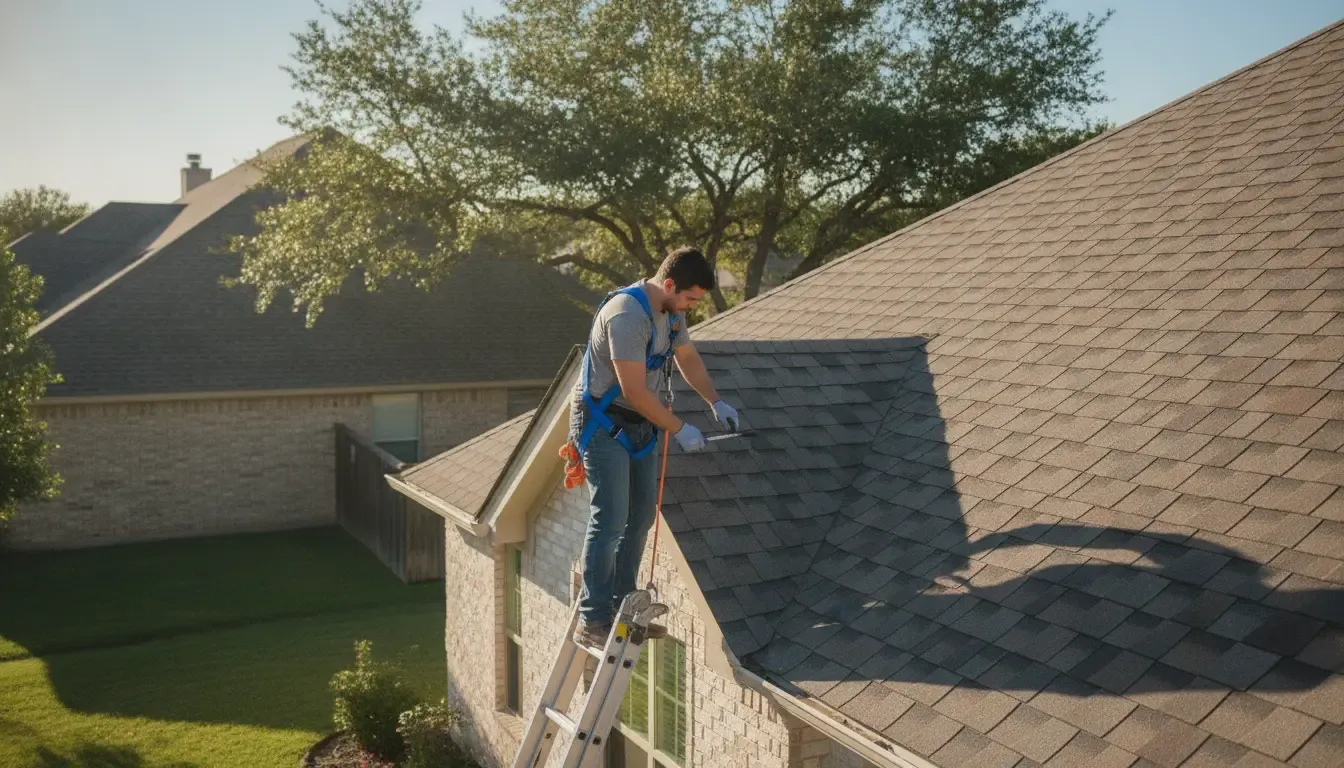
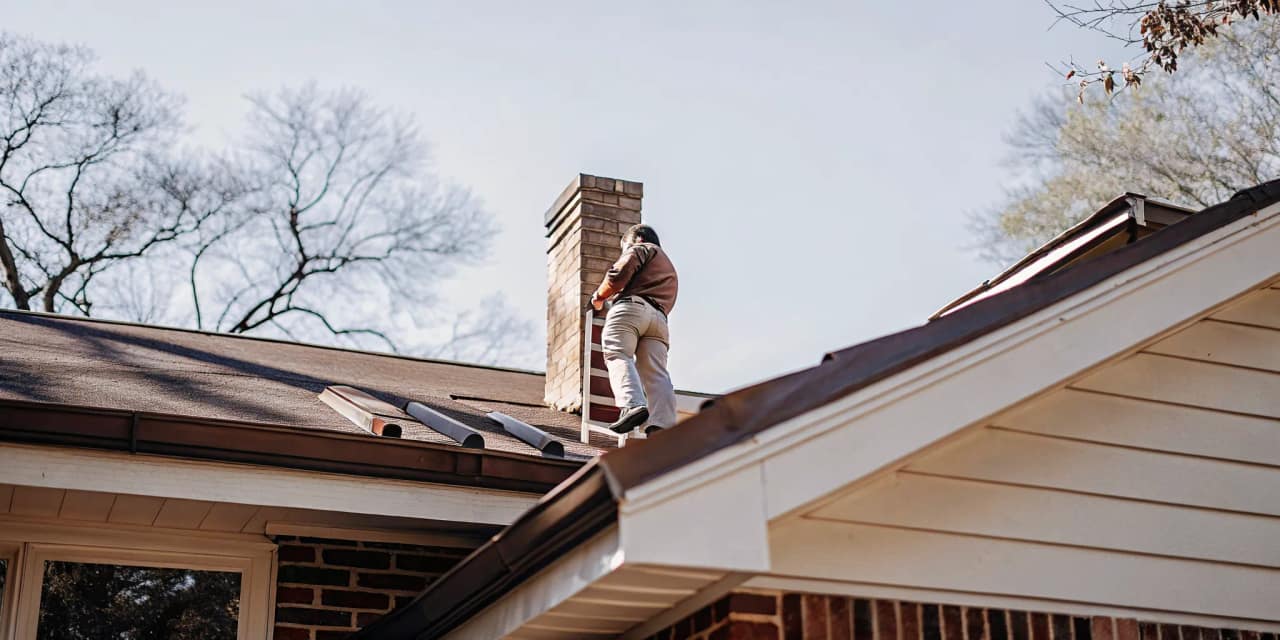
Clearing a single-story gutter, trimming a low branch, or noting a few missing shingles from the driveway are reasonable do-it-yourself tasks. Walking a steep or two-story roof, assessing hail damage, working with insurance, or making structural repairs are not. Falls and misdiagnosed damage cost far more than a service call.
If a storm has passed over your neighborhood, your roof is more than a year past its last inspection, or you have spotted any of the warning signs above, bring in a professional. As a GAF Preferred Contractor serving over 100 Texas communities across Greater Houston and the Austin metro, we work directly with your homeowners insurance on storm and hail claims, so you are not navigating that process alone.
A Little Care Now Saves Thousands Later
For more than 9 years, Elevation Roofing & Restoration has helped Texas homeowners protect their roofs against everything the sky throws at them, backed by a 5-star Google rating and a 100% satisfaction guarantee on both residential and commercial work. The seasonal habits in this guide cost almost nothing, yet they routinely add years of life to a roof.
If it has been a while since a professional looked at your roof, or a recent storm has you wondering what is happening up there, schedule your free, no-pressure roof inspection today. We will tell you honestly what we see and what, if anything, needs attention. Call (832) 271-1726 to get started.