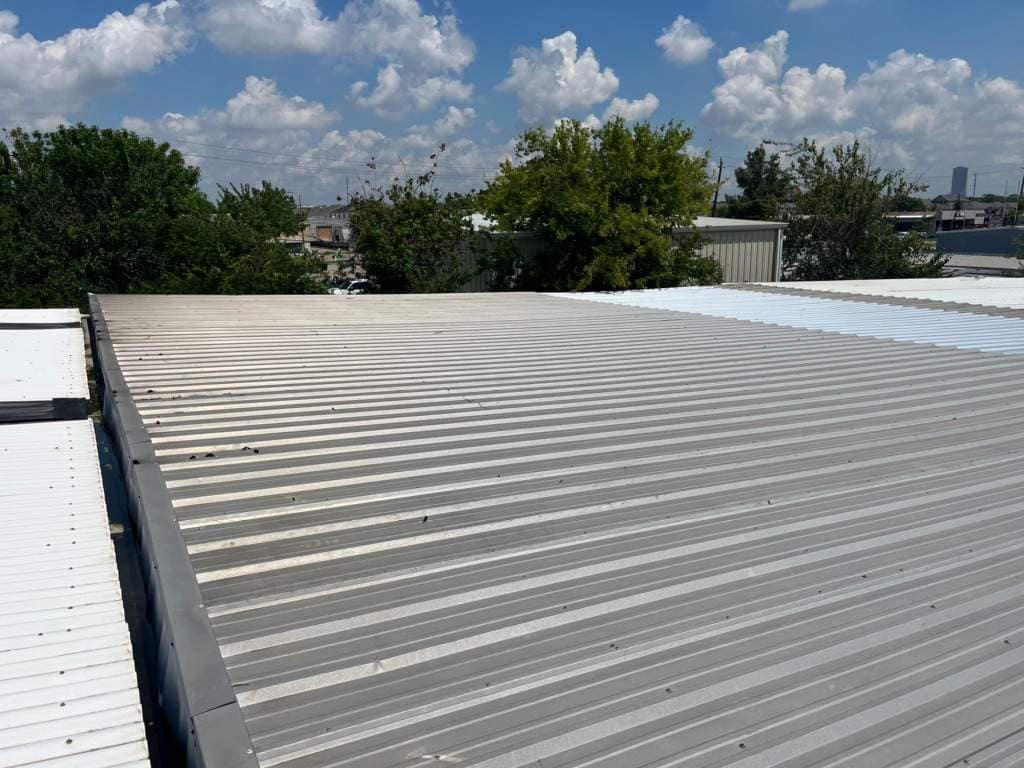
Texas hail does not knock politely. A single spring supercell rolling across Greater Houston or the Austin metro can pelt your roof with ice the size of golf balls in under ten minutes, bruising shingles, denting metal panels, and fracturing the granule layer that protects your roof from our brutal UV and summer heat. The damage is often invisible from the ground, which is exactly why so many Texas homeowners miss their window to file a fair insurance claim. This guide walks you through the entire process, step by step, so you can document the damage correctly, deal with adjusters confidently, and get the roof you are actually owed.
Step 1: Recognize Hail Damage Before It Becomes a Bigger Problem
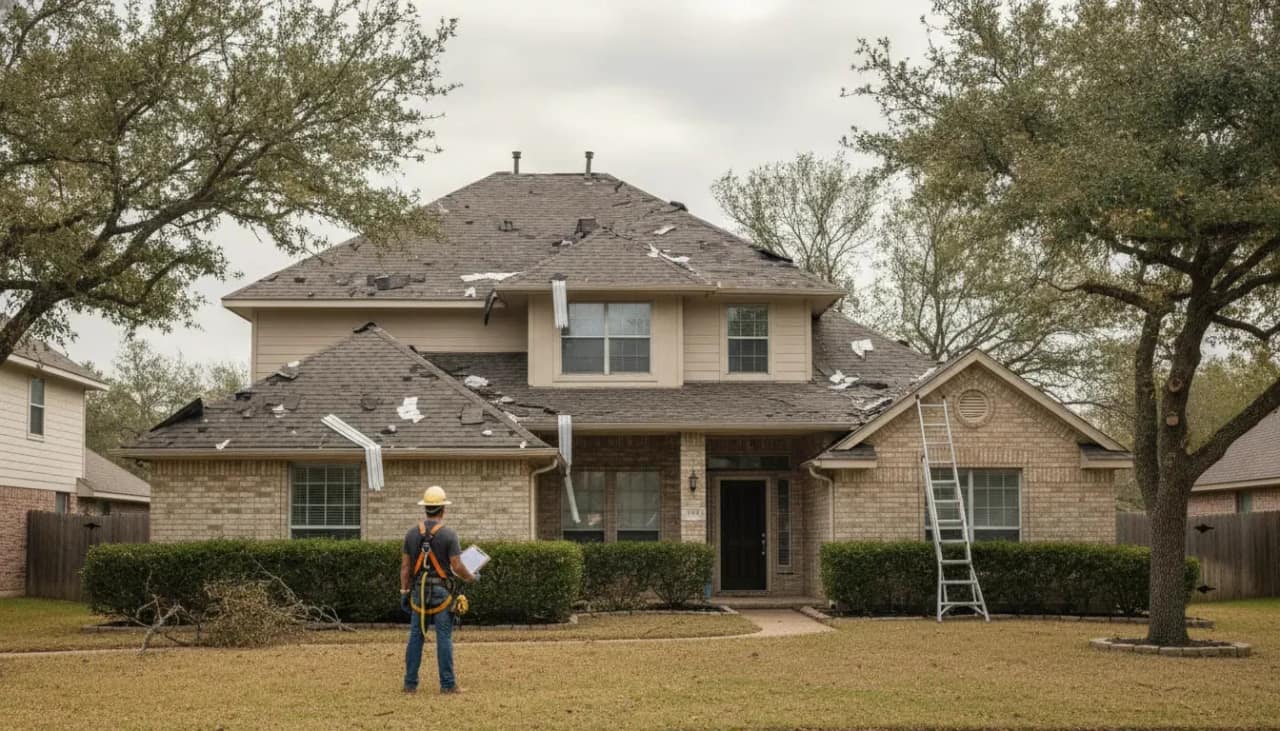
Hail rarely punches a clean hole through a roof. Instead, it leaves subtle signs that a trained eye catches and an untrained one overlooks. After a storm, watch for these indicators:
- Granule loss: Dark, soft-looking spots on asphalt shingles where the protective granules have been knocked away, exposing the asphalt mat. Check your gutters and downspouts for piles of loose granules.
- Dents and bruises: Round impact marks on shingles, metal panels, vents, gutters, flashing, and your AC condenser. Damage to soft metals is often the clearest proof a storm actually hit your address.
- Cracked or split shingles: Hail combined with high Texas winds can crack shingles outright or loosen the adhesive seal that holds them down.
- Damaged collateral: Dinged window screens, splatter marks on decks and fences, and dented mailboxes all corroborate a hail event for your insurer.
Because climbing a wet or steep roof is genuinely dangerous, the smartest first move is a professional roof inspection. Our team documents damage safely and thoroughly, and your free roof inspection is a $399 value at no cost to you.
Step 2: Document Everything (Your Claim Lives or Dies Here)
Insurance is a paper business. The stronger your documentation, the harder it is for an adjuster to underpay or deny. Build a damage file that includes:
- The storm date. Insurers cross-reference weather data, so note when the hail hit. NOAA and local news archives can confirm it.
- Dated photos and video of roof damage, collateral damage, and any interior water stains on ceilings or walls.
- A written summary of what you observed: leaks, missing shingles, debris in the yard.
- Receipts for any emergency repairs, like tarping, to stop further water intrusion.
Keep this in mind: if a leak goes unaddressed and causes more damage, insurers may argue you failed to mitigate. Temporary roof repair to stop active leaks protects both your home and your claim.
Step 3: File the Claim and Understand Your Deductible
Once you have documentation, contact your insurance company to open a claim. In Texas, most homeowners policies carry a separate wind and hail deductible, often expressed as a percentage of your home's insured value (1% to 2% is common) rather than a flat dollar amount. On a $400,000 home, a 1% deductible means you pay the first $4,000 out of pocket before coverage kicks in. Know this number before you file, because it determines whether a claim even makes financial sense for minor damage.
Be factual and consistent when you report. Stick to what you can document. Avoid speculating about causes or downplaying damage, both of which can come back to bite you during the adjuster's visit.
Step 4: ACV vs. RCV (The Difference That Costs Thousands)
This is the single most misunderstood part of a roof claim, and getting it wrong leaves real money on the table.
Actual Cash Value (ACV)
ACV pays the depreciated value of your roof. If your roof was 12 years into its lifespan when the hail hit, the insurer subtracts depreciation for that age and wear before cutting a check. An ACV-only policy means you absorb the gap between what your old roof was worth and what a new one costs.
Replacement Cost Value (RCV)
RCV pays to replace your roof with one of like kind and quality, minus only your deductible. Here is the part people miss: most RCV policies pay in two installments. First you receive the ACV (depreciated) amount. Then, after the work is completed and invoiced, the insurer releases the recoverable depreciation, the remaining balance. You must finish the job and submit proof to collect that second check. Walking away after the first payment means leaving thousands behind. Check your declarations page to confirm which type of coverage you carry before the adjuster arrives.
Step 5: Work With the Adjuster the Right Way
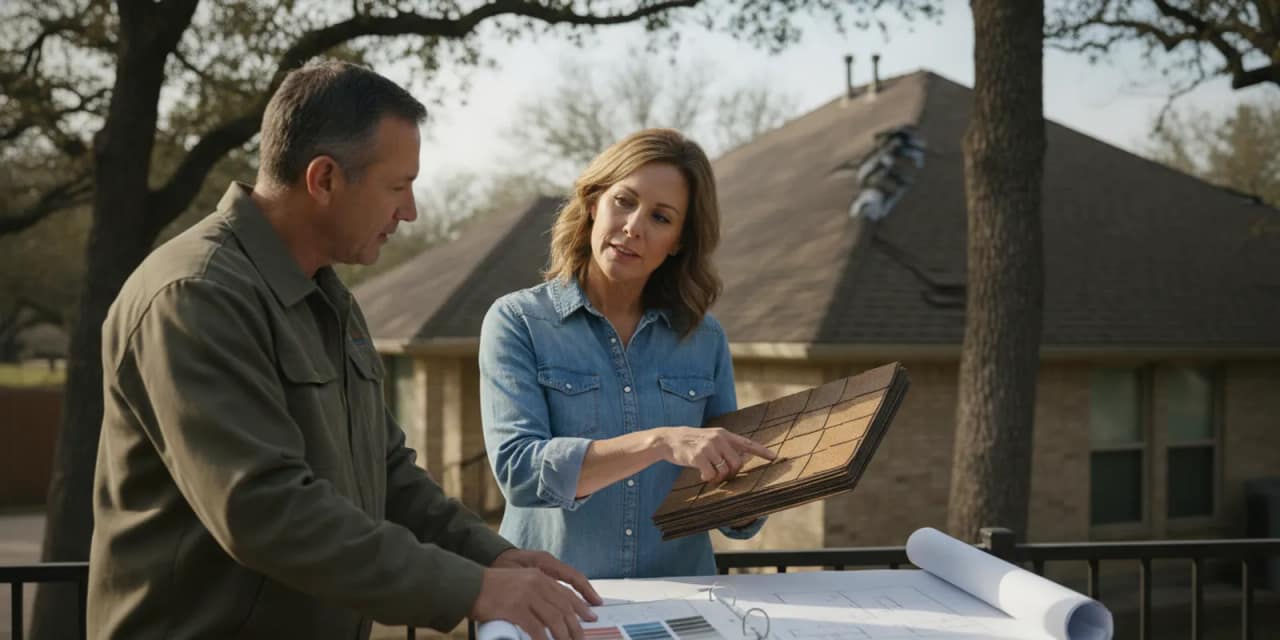
Your insurer will send a field adjuster to inspect the roof and write an estimate. This meeting sets the value of your entire claim, so do not face it alone. We recommend having your roofing contractor present to walk the roof alongside the adjuster. Why it matters:
- Adjusters can miss damage. They inspect dozens of roofs a week. A contractor who installs roofs every day spots bruising, soft metal dents, and code-required upgrades an adjuster may overlook.
- Texas building codes add cost. Items like proper underlayment, drip edge, and ventilation may be required by code on a replacement. A knowledgeable contractor ensures these are included in the scope.
- Documentation gets matched. When the contractor's findings line up with the adjuster's, the estimate is far more likely to reflect the true cost of repair.
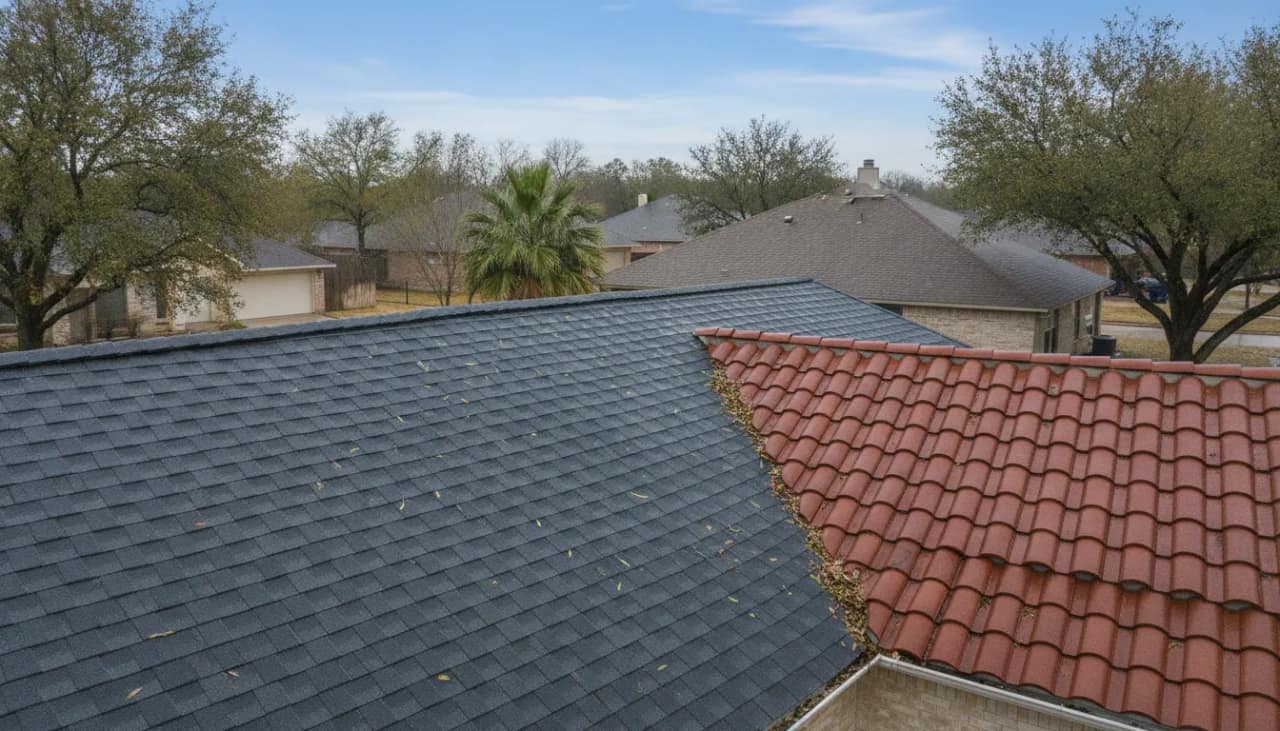
If the adjuster's estimate comes in low or misses obvious damage, you have the right to request a re-inspection or supplement. Whether you have an asphalt shingle, metal, or tile roof, the scope should reflect what it actually takes to restore it to pre-storm condition.
Step 6: Get the Work Done Right
Once your claim is approved, the repair or replacement begins. This is where the quality of your contractor directly affects the next 20 to 30 years of your home's protection against Texas heat, wind, and the next hail season. As a GAF Preferred Contractor installing GAF lifetime roofing systems and RhinoRoof certified underlayment, we restore roofs to a standard that holds up to Gulf Coast storms, not just the minimum the claim allows.
How Elevation Handles Your Claim From Start to Finish
For more than nine years, Elevation Roofing & Restoration has worked directly with homeowners' insurance companies across Greater Houston and the Austin metro, serving 100+ Texas communities. We document the damage, meet your adjuster on-site, build a scope that captures everything the storm caused, and manage the paperwork through final payment, including recoverable depreciation. Our 5-star Google rating and 100% satisfaction guarantee mean we stand behind the result. Explore our full storm damage repair services to see how we turn a stressful claim into a finished, weather-ready roof.
If a recent storm rolled through your neighborhood, do not wait for a leak to tell you there is a problem. Book your free roof inspection today, and let our team document the damage and guide your claim every step of the way.