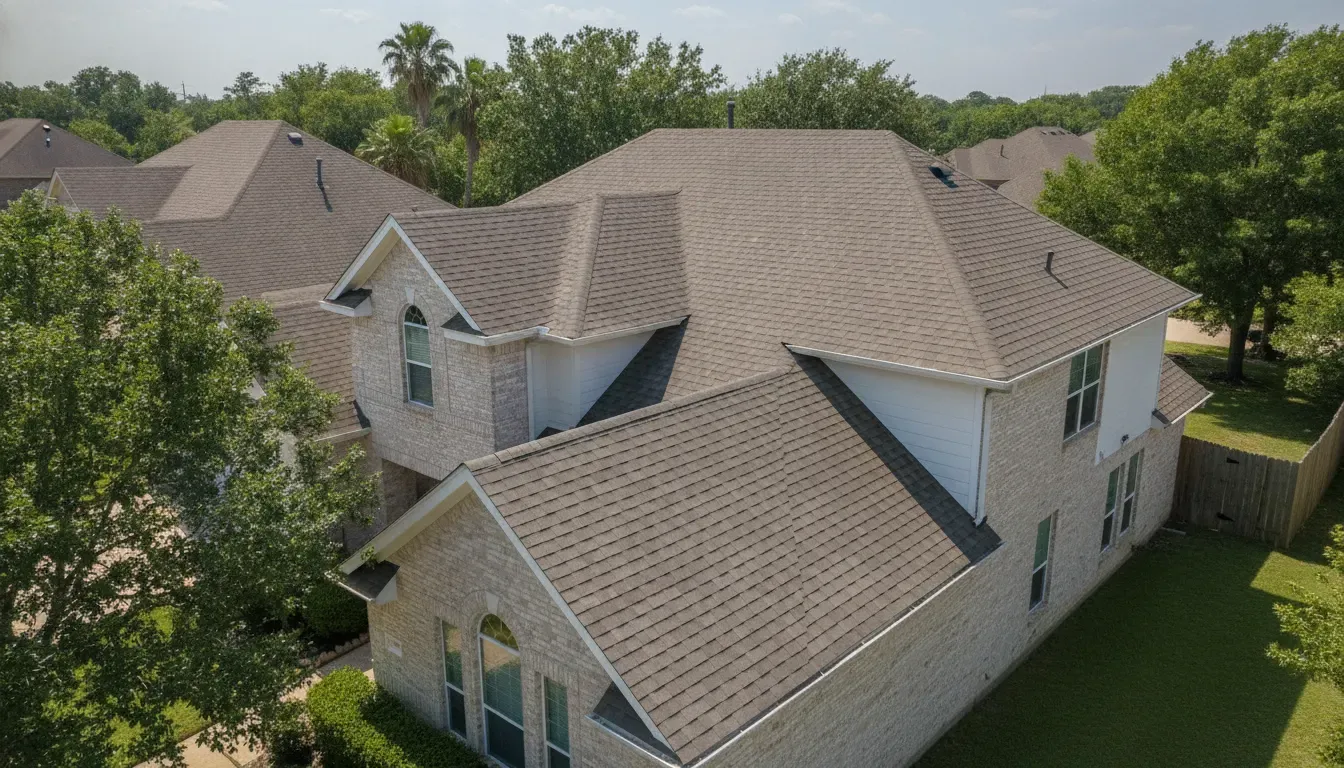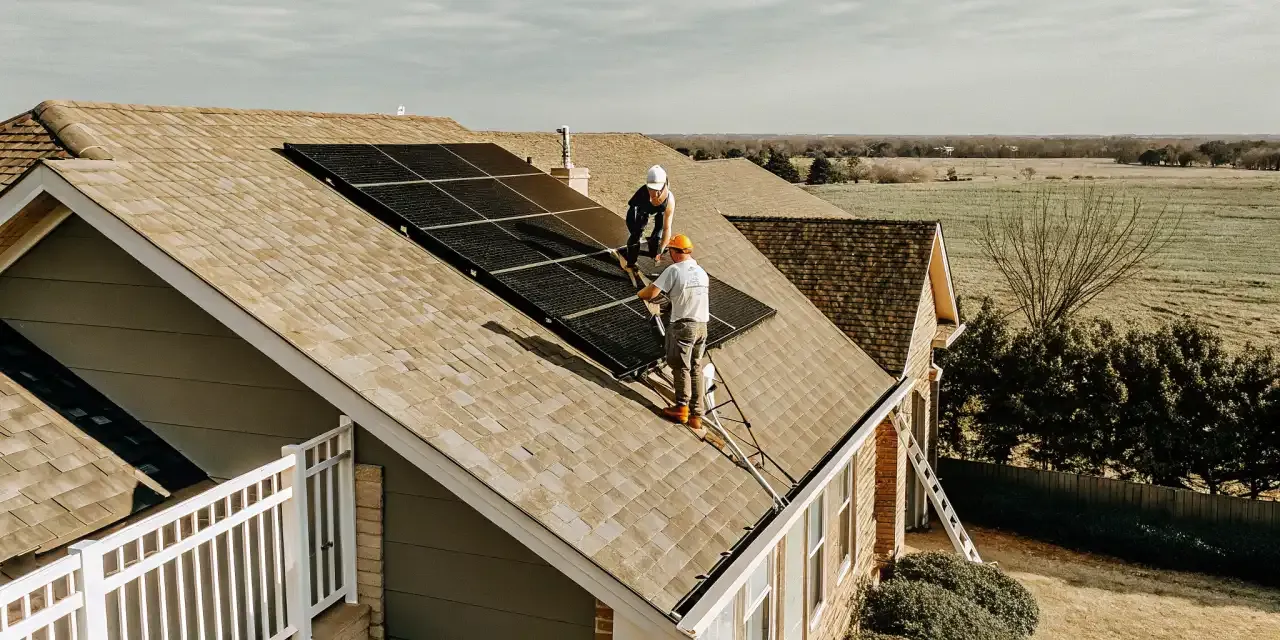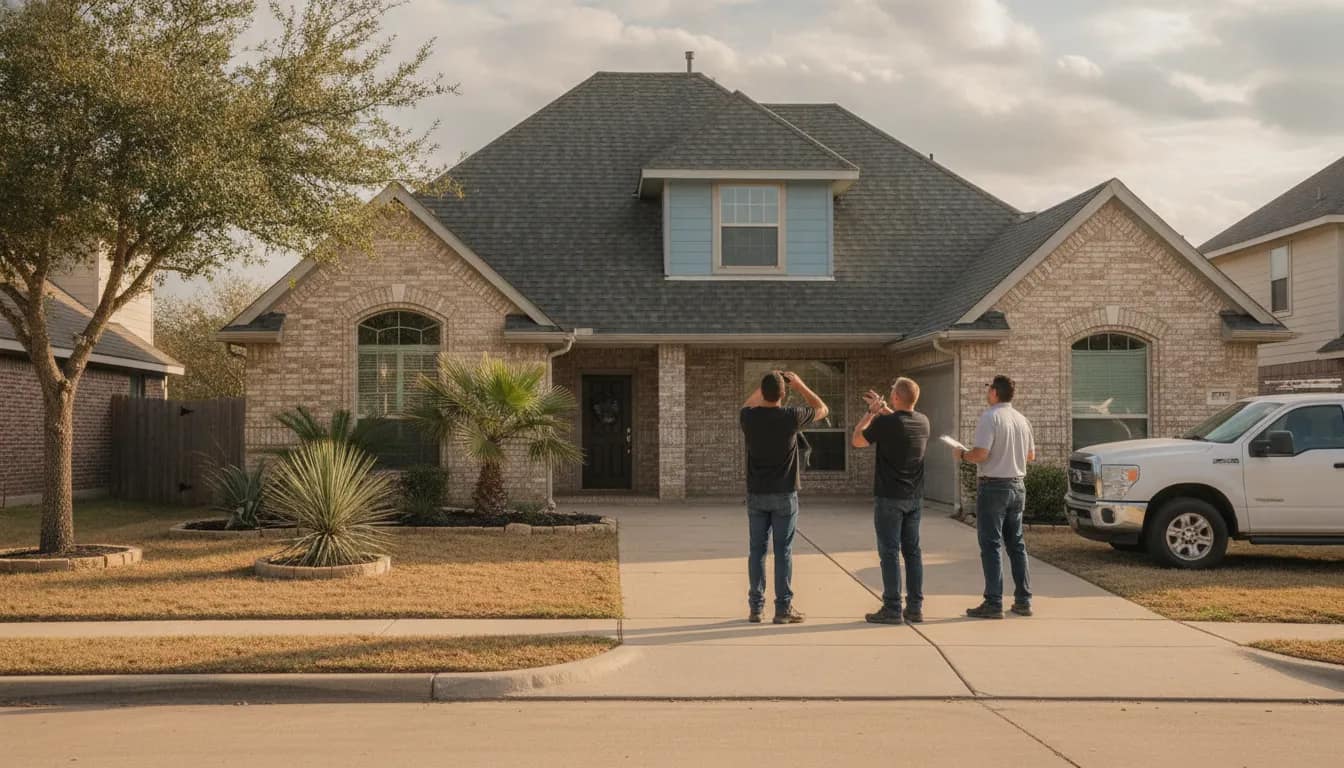
A new roof is more than a layer of shingles. For a Houston or Austin home, the right plan accounts for the roof's design, existing materials, current condition, local requirements, and the work your property actually needs.
Call Elevation Roofing & Restoration at (832) 271-1726 for a free roof inspection and estimate.
Residential roof installation should begin with a professional evaluation, followed by decisions about materials, scope, preparation, and installation methods that fit the home's structure and local Texas conditions.
That planning stage also helps clarify whether the project calls for targeted repairs or a full replacement. How the roof area will be measured, and which permits may apply. Before comparing material options, start by defining the project clearly and asking the questions that protect your home's performance, budget, and long-term maintenance needs.
What Should You Plan Before Residential Roof Installation?
A successful project starts before materials arrive. For homeowners in Houston, Austin, and nearby Central Texas communities, planning means understanding the roof you have. Defining the work you need, and making sure the proposed installation fits the property and local requirements. The goal is not to choose a product from a brochure first. It is to create a clear project brief that your contractor can inspect, explain, and price accurately.
Start with an inspection and a repair-versus-replacement decision
Ask for an evaluation of the roof design, existing materials, visible condition, and areas that may be vulnerable to moisture. An inspection should help separate isolated repair needs from broader replacement concerns. It can also identify details that affect the scope, such as roof penetrations, drainage components, flashing, and the condition of the underlying structure. A repair may be reasonable when the issue is limited and the rest of the system remains serviceable. Replacement may warrant discussion when the roof's condition, design, or repeated problems make a larger project more appropriate. That decision should follow the inspection, not an assumption based only on the roof's age.
Elevation Roofing's free roof inspection page describes a review of shingles, fascia, soffits, drains, gutters, vents, flashing, moisture, and hail damage. Those details give homeowners useful questions to raise during an assessment, especially after heavy rain, wind, or hail in the Houston and Austin markets.
Confirm measurements, permits, and the written scope
Do not use the home's living-area square footage as a substitute for the roof measurement. Pitch and overhangs affect the actual roof area, so the contractor should document how the roof is being measured and what areas are included. Ask whether the estimate accounts for each roof plane, valleys, penetrations, attached structures, and any material removal that the inspection identifies.
Permit requirements can vary by municipality and project scope. Ask who will confirm the applicable requirements for your address and whether permit-related work is included in the project plan. Then request a written scope that identifies the existing condition, recommended repair or replacement work, selected material system, preparation, flashing and ventilation details, cleanup, and final inspection. Exact installation steps depend on roof design, materials, condition, code requirements, and the agreed scope.
- What did the inspection find, and which findings require action now?
- Is repair practical, or is replacement being recommended because of broader condition issues?
- How was the roof area measured, and what is included in the scope?
- Which permits or local requirements apply to this project?
- What materials, installation details, cleanup responsibilities, and final checks are documented?
For a broader review of installation, repair, and replacement options, see Elevation Roofing's residential roofing services.
How Do You Choose Roofing Materials for Houston and Austin?
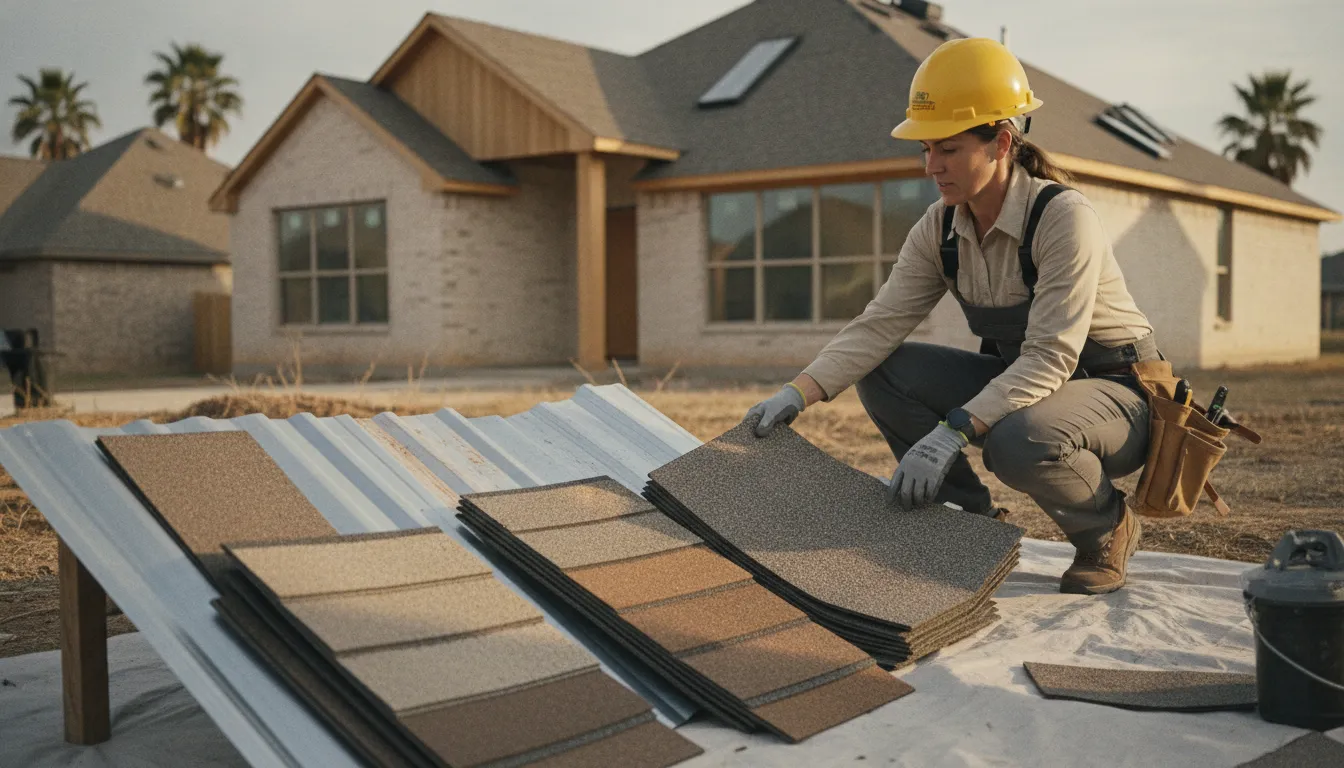
Material selection should fit the home, the roof structure, and the conditions the roof will face throughout the seasons. Houston homes may need planning for coastal storm exposure, while Austin homes commonly contend with hail and wind. Elevation Roofing supports several systems, including asphalt shingles, metal, tile, TPO, slate, modified bitumen, and built-up roofing. The right choice depends on more than appearance. Consider the roof's slope and structure, the desired look, maintenance expectations, and the installation requirements for the selected product.
For a helpful overview of asphalt, metal, and clay options, see this Texas roofing materials guide. A contractor should also confirm that the product is appropriate for the home's design wind speed. In warm climates, solar-reflective shingles may be worth considering, and impact-resistant shingles can be evaluated where windborne debris and hail are concerns. These features are options to discuss, not universal requirements. Building America guidance provides additional context on selecting asphalt roofing products.
| Material | Potential fit | Key questions |
|---|---|---|
| Asphalt shingles | Versatile appearance and a common residential option | What wind, hail, reflectivity, and product requirements apply? |
| Metal | Useful when a homeowner wants a distinct appearance and a durable system matched to the structure | Is the roof structure suitable, and how will seams, edges, and penetrations be detailed? |
| Tile | A strong design choice for homeowners who want a pronounced architectural look | Can the structure support the selected tile, and what maintenance access will be needed? |
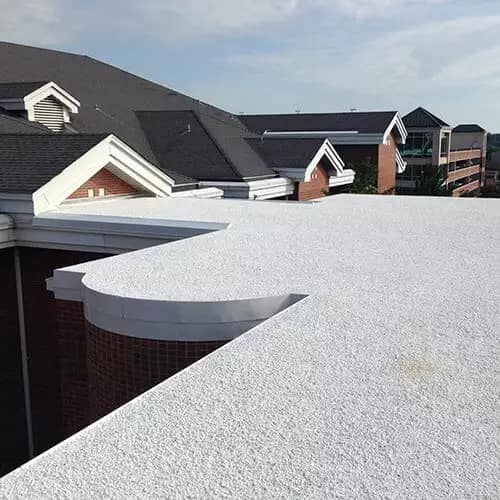
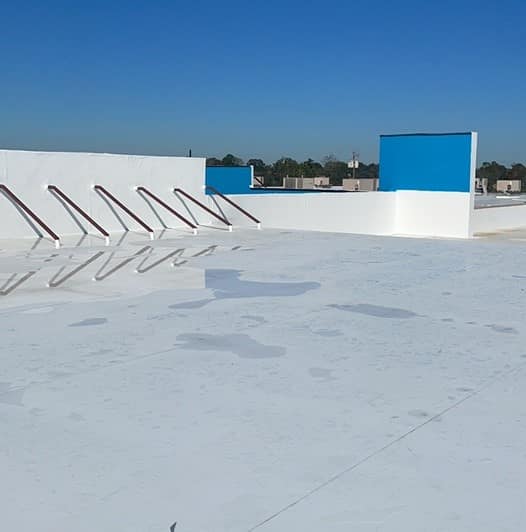
| TPO or other membrane | Applicable to some low-slope or commercial-style roof designs | Does the roof design call for a membrane system and specialized detailing? |
| Slate and related systems | May suit specific architectural goals and structural conditions | Are the weight, installation requirements, and future maintenance appropriate? |
Look beyond the visible surface
A roof is an assembly, not just a covering. The material must work with the deck, underlayment, flashing, ventilation, fasteners, and roof geometry. Before approving a system, ask:
- Does the product match the roof slope and existing structure?
- What maintenance, cleaning, and inspection needs should be expected?
- Which manufacturer installation instructions apply to this product?
- How will the system address local wind, hail, heavy rain, and roof penetrations?
Exact warranty terms vary by product and project, so they should be reviewed in writing rather than assumed from the material category. Elevation uses manufacturer-authorized techniques and in-house crews, helping keep the installation aligned with the selected system's requirements. For a narrower comparison, read about tile roof installation in Houston and Austin before making a final decision.
What Happens During Roof Preparation and Tear-Off?
Preparation is where a residential roof installation becomes more than a material change. Before the old roof is removed, the crew should protect the property, establish debris controls, and confirm how the roof deck and drainage details will be handled. Exact steps vary with the roof's design, condition, material, and project scope. But a careful preparation phase helps keep the work organized and gives the installer a clear surface to build on.
How is the property prepared for tear-off?
Homeowners can help by moving fragile items away from exterior walls, securing patio furniture. Clearing access to the driveway, and keeping pets and children away from the work area. The crew can then set up protective materials and a plan for collecting removed roofing. Tear-off involves removing the existing roof components so the deck can be examined rather than simply covering an unknown condition.
Once the roof deck is exposed, the installation team looks for areas that may need attention before new materials are installed. This inspection is especially important around valleys and penetrations, which are vulnerable areas for water intrusion. A sound installation addresses the condition found on site instead of assuming every section is identical.
What details are installed before the roof covering?
Preparation also includes the water-management components beneath and at the edges of the roof. Depending on the assembly and project requirements, these may include:
- Checking the exposed roof deck and identifying damaged areas for discussion before covering them.
- Reviewing attic ventilation and confirming that vents are not obstructed or overlooked.
- Installing drip edge at the roof edges to help direct water away from the deck and fascia.
- Using an appropriate underlayment, such as synthetic underlayment or a self-adhered membrane, to add a layer of moisture protection.
- Paying particular attention to valleys, roof-wall intersections, and penetrations, where membrane and flashing details help manage water.
- Removing debris as work progresses and checking the surrounding property for stray nails and roofing material.
Ventilation is part of the roof system, not an afterthought. Elevation Roofing also provides maintenance services that include debris removal, drainage clearing, ventilation checks, and flashing inspections. Those checks can help identify details worth reviewing before or after a project.
Because Elevation uses in-house crews rather than subcontractors, responsibility for preparation and workmanship stays with the same team managing the installation. Homeowners planning a larger project can review the roof replacement service page to understand how preparation fits into the broader process.
How Is a New Roof Installed for Texas Weather?
A new roof is more than the visible shingles, tile, or metal panels. The layers beneath the finished surface manage water, secure the roof, and protect vulnerable transitions around valleys, walls, vents, and other penetrations. The exact sequence depends on the roof design, selected material, existing conditions, and project scope, but a careful installation follows a deliberate progression.
For homeowners in Houston, Austin, and surrounding Central Texas communities, the goal is a roof assembly prepared for heat, heavy rain, wind, and other local conditions. Elevation Roofing provides residential roof installation services for multiple roofing systems, including shingles, tile, metal, and TPO.
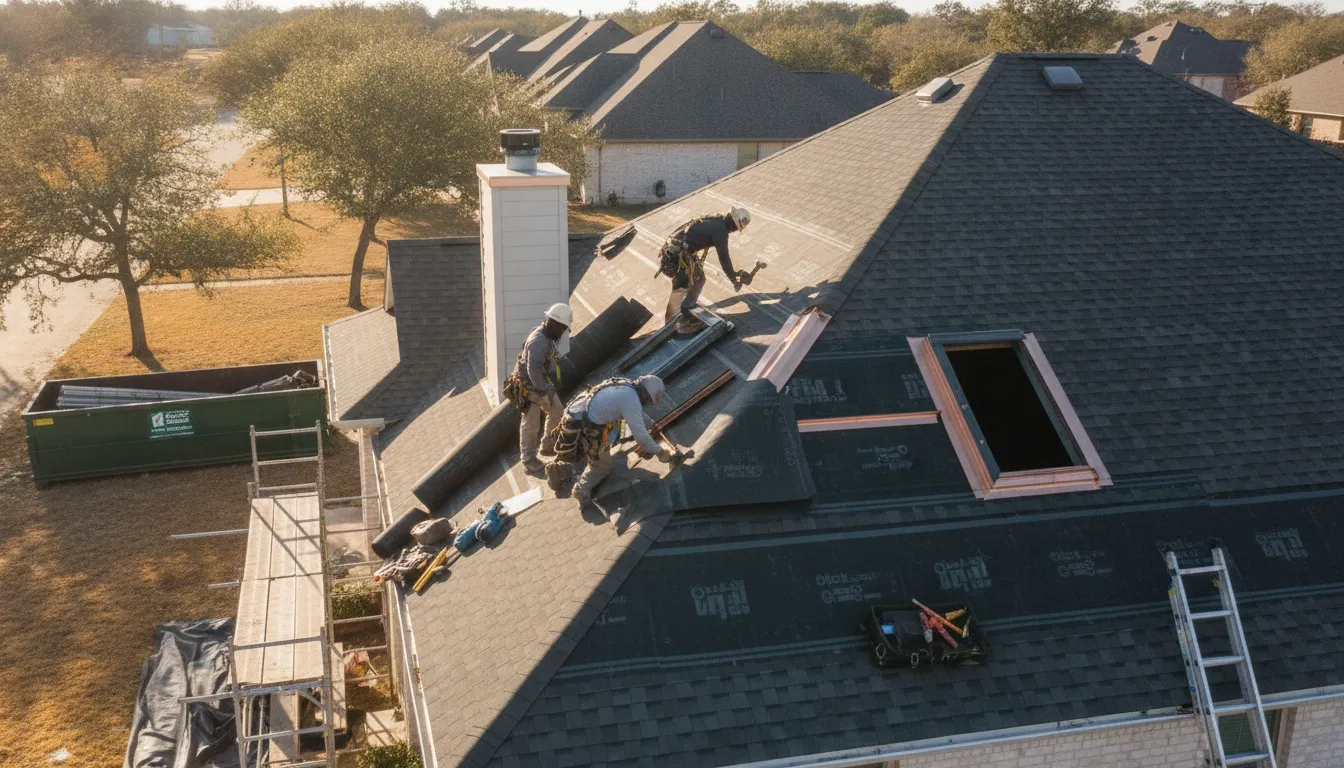
- Prepare the deck and install the water-shedding layers. After the existing roof is removed and the deck is ready, the crew installs the specified membrane or underlayment. These layers provide secondary moisture protection beneath the finished roof. The sequence may include a self-adhered membrane in locations that need additional protection, followed by the underlayment system selected for the project.
- Protect the edges and reinforce the valleys. Drip edge is installed along the eaves and rakes to help direct water away from the roof edge. Valleys concentrate runoff and are especially important to detail. A membrane is installed in vulnerable valley areas, then the selected valley treatment is integrated with the roofing material so water can continue toward the drainage path.
- Install starter material and the field material. Starter shingles or the appropriate first course establish the initial line and help seal the roof's exposed edge. The crew then installs the main field material, whether the project uses shingles, tile, metal, or another supported system. Fasteners must follow the product requirements, with nails placed in the designated nailing zone and driven neither too deeply nor too shallowly. Correct placement helps the material perform as designed.
- Complete flashing around transitions and penetrations. Metal flashing is integrated with the roof covering around chimneys, vent stacks, roof-wall intersections, valleys, and other penetrations. Step flashing and kick-out flashing are part of the water-management details where a roof meets a wall or directs water toward siding. These areas deserve close attention because changes in plane create opportunities for water to enter if they are not properly integrated.
- Finish the ridge and review the installation. Ridge caps complete the uppermost roof lines and help close the assembly. The crew then checks the finished work, removes installation debris, and confirms that the roof details match the agreed scope. Manufacturer instructions and project requirements guide material application, fastening, and detailing throughout the process rather than treating every roof as identical.
A staged installation gives the homeowner clear points to discuss before work begins: which membrane is specified. How valleys and wall intersections will be handled, and which fastening requirements apply to the selected product. Those details matter as much as the color or profile visible from the street.
What Should the Final Roof Inspection Confirm?
The last stage of a residential roof installation is more than a quick look at the finished shingles. It is an opportunity to review the completed work, confirm that key water-management details are in place, and make sure you understand how to care for the roof. Elevation Roofing performs a final quality check and cleanup, then walks the owner through the completed project.
During that walkthrough, look closely at flashing around vents, chimneys, roof-wall intersections, skylights, and other penetrations. These transitions deserve careful attention because they interrupt the roof surface and can become vulnerable points if water is not directed away correctly. Ask the contractor to explain what was installed in those areas and how the details connect with the surrounding roofing material.
Which installation details deserve a close look?
Ventilation should also be part of the conversation. The final review can confirm that vents are present, unobstructed, and consistent with the planned roof assembly. The owner and contractor should consider both the roof surface and the spaces below it, including visible attic conditions where access allows. On the ground, inspect the perimeter for leftover materials, loose fasteners, packaging, or roofing debris.
- Flashing at penetrations, valleys, and roof-to-wall transitions.
- Vents and other roof openings, along with visible attic conditions.
- Shingles, panels, tiles, ridge details, and exposed edges.
- Gutters, drainage paths, landscaping, and driveway areas after cleanup.
- Project documentation, selected materials, care instructions, and outstanding questions.
Before the crew leaves, ask for documentation that identifies the installed product and explains any maintenance recommendations. Exact warranty terms vary by product and project, so request the written terms that apply to your roof rather than relying on a general statement about coverage. Keep those records with your home files, along with inspection notes and photographs if they are provided.
How does maintenance fit into the handoff?
A completed installation still benefits from periodic attention. Elevation Roofing's maintenance services include inspections, cleaning, debris removal, drainage clearing, ventilation checks, and flashing inspections. A maintenance handoff should make clear which areas deserve routine observation and when to schedule a professional review. Learn more about roof maintenance so small concerns can be addressed before they become larger project questions.
A thorough final walkthrough gives you a clear record of what was completed, what to monitor, and where to find help later. It also creates a practical opportunity to resolve questions while the installation details are still fresh.
How Can Homeowners Prepare for a Smooth Installation?
A well-organized homeowner can make residential roof installation easier for everyone involved. Before work begins, confirm how the crew will access the property, where materials or equipment may be placed, and which areas should remain clear. Move vehicles from the driveway when requested, secure fragile outdoor items. And protect or relocate patio furniture, planters, and decorations that could interfere with safe movement around the home.
Make access and household logistics clear
Let the roofing team know about gates, narrow driveways, detached structures, irrigation controls, or other property details that may affect access. Keep children and pets away from the work area, and make arrangements for pets that may react to unfamiliar sounds or open gates. If you work from home. Ask where noise and equipment are likely to be concentrated so you can plan calls or quiet periods without assuming an exact project schedule.
Communication is especially important when the roof design, existing materials, condition, local requirements, or project scope changes what the crew needs to do. Ask who your primary contact will be, how questions will be handled, and what decisions require your approval. It is reasonable to request a written outline of the planned work, the selected materials. Preparation expectations, cleanup responsibilities, and any items the crew needs you to remove or protect.
Plan for Texas weather without forcing the schedule
Weather conditions can affect when exterior roofing work is practical, so keep some flexibility in your plans. Houston homeowners may need to account for coastal storm exposure, while Austin homeowners should consider the area's hail and wind exposure. These local conditions are useful reasons to discuss material selection and installation details with an experienced contractor, not reasons to rush into a decision.
Before approving the work, prepare a short list of questions: What will happen if hidden roof damage is found? How will the property be protected during tear-off? Which areas will be inspected before installation? What should you check during the final walkthrough? Reviewing the project scope carefully helps align expectations before materials arrive. You can also review Elevation Roofing's Houston, Austin, and surrounding service areas to confirm local coverage and discuss the conditions specific to your property.
Schedule a free roof inspection and estimate before residential roof installation.
Frequently Asked Questions
How long does residential roof installation take?
There is no reliable one-size-fits-all schedule. Project length depends on roof size, design, existing materials, deck condition, selected roofing system, weather, and required scope. Your contractor should explain the expected sequence and identify conditions that could change the schedule before work begins.
How do I choose the right roofing material for my home?
Start with the roof design, structural considerations, appearance, maintenance needs, local weather, and the product requirements. Asphalt shingles, metal, tile, and other systems can all be appropriate in Texas. But the best fit depends on the property and installation plan rather than a single universally superior material.
Should I repair my roof or replace it?
A professional inspection can help distinguish localized damage from broader deterioration. Repair may be reasonable when the issue is limited and the surrounding roof remains serviceable. Replacement may make more sense when damage, age, or recurring problems affect a larger portion of the system. The recommendation should follow the roof's actual condition, not a preset rule.
Will a new roof disrupt my household?
Roof work can create noise, vibration, debris, and temporary access limitations. Homeowners can reduce inconvenience by securing fragile items, planning for pets and children, keeping driveways and work areas accessible, and communicating any access concerns in advance. A professional crew should maintain jobsite safety and clean up as work progresses.
What should I ask about the roof warranty and final inspection?
Ask which coverage comes from the manufacturer, which terms apply to workmanship, and what conditions or maintenance responsibilities affect coverage. Warranty terms vary by product and project. Before closing out the work, request a final walkthrough covering visible installation details, flashing, penetrations, ventilation, cleanup, and any maintenance recommendations.
Schedule Your Residential Roof Installation Consultation
A clear inspection can help you understand your roof's condition, compare practical material options, and plan the work around your home's needs. Schedule a free roof inspection and estimate with Elevation Roofing & Restoration for residential roof installation planning in Houston, Austin, or surrounding Central Texas communities. Call (832) 271-1726 to get started.