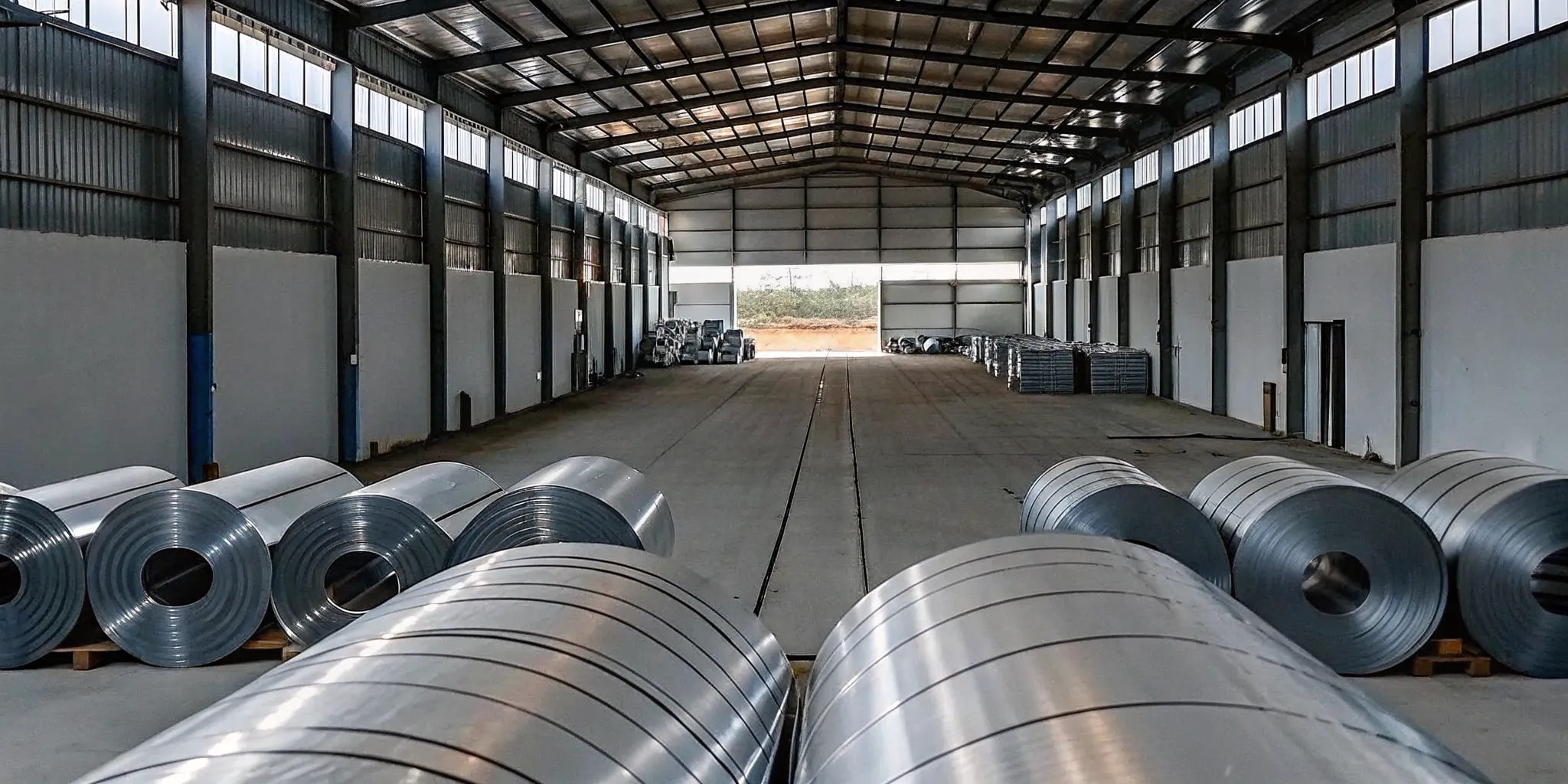
Metal roofs are a popular choice for their modern look and sustainable benefits, like their long lifespan and recyclability. But the production of any material has an environmental story. For steel, that story is centered around the steel mill, a place that is undergoing significant innovation. The industry is actively working to reduce its footprint through cleaner technologies, a strong focus on recycling, and the development of "green steel." Exploring how a modern steel mill operates reveals a commitment to efficiency and sustainability, giving you a clearer picture of the eco-friendly advantages of choosing a metal roof for your property.
Key Takeaways
- Steel production has two main paths: Traditional mills create steel from raw iron ore, while modern minimills use electric furnaces to recycle scrap metal. This recycling process is more energy-efficient and is how the flat-rolled steel for your roof is often made.
- Safety and sustainability are top priorities: Making steel is a hazardous process, so strict safety rules are non-negotiable. The industry is also actively reducing its environmental impact by leading in recycling and developing cleaner production methods.
- Innovation is driving the industry forward: Technology like AI and robotics leads to higher-quality, more consistent steel for products like your roof. At the same time, the development of "green steel" using hydrogen and renewable energy is making the entire process more sustainable.
What Is a Steel Mill?
If you’re considering a metal roof for your home or business, you might be curious about where that durable material comes from. The journey of your roof’s steel panels begins in a massive industrial factory called a steel mill. These facilities are the heart of steel production, transforming raw materials into the strong, reliable metal we use for everything from skyscrapers to the very roof over your head. Understanding what happens inside a mill can give you a new appreciation for the quality and craftsmanship that goes into your property, ensuring you get a roof that’s built to last.
What Do Steel Mills Do?
At its core, a steel mill is a factory where steel is made, but not all mills operate the same way. There are two primary types: integrated mills and minimills. Think of an integrated mill as starting from scratch. It handles the entire production process, from melting iron ore in a blast furnace to creating liquid steel and shaping it into finished products. In contrast, a minimill works more like a high-tech recycling plant. It uses an electric arc furnace to melt down scrap metal, like old cars and appliances, to create new steel. This method is generally more energy-efficient and has a smaller environmental footprint.
How Steel Production Shaped Our World
The history of steelmaking is long, but the industry truly took off in the 1850s with inventions that made mass production possible. This innovation paved the way for modern construction, building the bridges, railways, and buildings that define our cities. However, this progress has an environmental cost, as the steel industry is a major source of greenhouse gas emissions. In response, many companies are now working to develop "green steel," a more sustainable alternative produced using renewable energy instead of fossil fuels. This shift aims to secure a cleaner future for one of the world's most essential materials.
Integrated vs. Minimills: What's the Difference?
When you picture a steel mill, you might imagine a massive industrial complex, and you wouldn't be wrong. But not all steel is made the same way. The journey from raw material to the sturdy metal panels on your roof can start in one of two places: an integrated mill or a minimill. While both produce steel, they operate on different principles, use different materials, and have distinct impacts on the economy. Understanding the difference gives you a little more insight into the story behind your home's materials.
How Integrated Mills Operate
Integrated mills are the traditional titans of the steel industry. Think of them as starting from scratch. They manage the entire steelmaking process from start to finish, beginning with raw iron ore. In massive blast furnaces, they combine iron ore, coke (a type of coal), and limestone to create liquid iron. This iron is then refined into steel, cast into large blocks, and rolled into finished products like thick plates, railway tracks, and large structural beams. These mills are enormous, often producing millions of tons of steel each year, and they run continuously to maintain their high-heat operations.
How Minimills Operate
Minimills represent a more modern and nimble approach to making steel. Instead of starting with raw iron ore, their primary ingredient is recycled scrap metal, like old cars, appliances, and construction debris. They use an electric arc furnace to melt this scrap down, which is a much different process than using a blast furnace. After melting, the liquid steel is refined and shaped into new products. Because they can be switched on and off more easily, minimills can quickly adjust their production to meet customer demand. They come in various sizes and are a key part of the steel recycling ecosystem.
A Look at Energy Use and Cost
The operational differences between these mills have a big impact on their energy consumption. Integrated mills are designed for continuous operation, often running for years without shutting down. The energy required to cool and reheat their massive blast furnaces is immense, so it’s more efficient to keep them going. In contrast, the electric arc furnace used in minimills offers much more flexibility. This allows minimills to scale production up or down based on market demand, which can lead to more efficient energy use overall and helps them manage operational costs more effectively.
How Steel Is Made: A Step-by-Step Guide
Ever wonder how the strong, reliable metal for your roof comes to be? It’s a fascinating process that transforms raw, earthy materials into the sleek, durable steel we know. The journey from iron ore to a finished steel panel involves incredible heat, precise chemistry, and powerful machinery. Let's walk through the three main stages of steel production.
Step 1: Melting Raw Materials
The process starts with some serious heat. In what's known as primary steelmaking, the main ingredient is iron ore. This rock is loaded into a massive blast furnace along with coke (a high-carbon fuel) and limestone. The furnace is then heated to temperatures over 2,000 degrees Fahrenheit, melting everything down into a fiery liquid. This molten iron, often called "hot metal," is the foundation for the steel to come. It’s a dramatic first step that separates the iron from unwanted elements in the ore, getting it ready for the next stage of its transformation.
Step 2: Refining the Steel
Once you have molten iron, the next goal is to refine it into steel. This is where the real magic happens. The "hot metal" from the blast furnace still contains impurities, like excess carbon, that make it brittle. To fix this, steelmakers use a process called secondary steelmaking. They might blow pure oxygen through the molten metal to burn off impurities or use an electric arc furnace to melt down and refine scrap steel. This is also the stage where they add other elements, called alloys, to create specific steel grades. Adding chromium and nickel, for example, creates stainless steel with excellent rust resistance.
Step 3: Casting and Shaping
With the steel refined to perfection, it’s time to give it a shape. The molten steel is poured into a continuous casting machine, which is a bit like a giant, high-tech Jell-O mold. The steel flows through a cooled mold, solidifying into a long, continuous strand. This strand is then cut into more manageable semi-finished shapes, like thick slabs, blooms, or billets. From there, these pieces are sent to other mills to be rolled, pressed, and formed into the final products you see every day, from car parts to the sturdy metal panels that protect your home.
Common Products Made from Steel
Once the molten metal is refined and cast, it’s ready to be shaped into the products we use every day. Steel’s incredible versatility means it can be formed into everything from massive structural beams to thin, flexible sheets. You’ll find these finished products in your car, your appliances, and even protecting your property from the Texas weather. Think about the sturdy frame of your vehicle, the sleek body of your refrigerator, or the rebar reinforcing the foundation of your office building. All of these begin their life in a steel mill.
Understanding the basic categories of steel products helps you appreciate the material's journey from the mill to your home or business. Most steel is categorized as flat-rolled, long, or specialty steel, and each type plays a distinct role in modern construction and manufacturing. For property owners, knowing the difference can give you a better sense of the quality and durability of materials like the metal roofing we install and the structures that support them. It’s not just a single material, but a family of products, each with a specific job to do. This knowledge helps you ask the right questions and understand what makes a particular material the best choice for your project.
Flat-Rolled Steel
Just as the name suggests, flat-rolled steel products are made by passing steel through rollers to create flat sheets or coils. This is one of the most common forms of steel, and you can find it almost everywhere. It’s used to make car bodies, household appliances like refrigerators and washing machines, and countless other manufactured goods. In the construction world, these steel sheets are the foundation for durable and weather-resistant building materials. This is exactly the type of steel that is shaped and coated to become the high-quality metal roofing we install on homes and commercial buildings. Its strength and formability make it a perfect choice for creating a protective, long-lasting barrier.
Long Steel Products
If flat-rolled steel forms the skin of many products, long steel products form the skeleton. This category includes items like rebar, wire, and structural beams, which are essential for providing strength and support in construction projects. When you see a new building going up, the steel framework that gives it shape and stability is made from long steel. These products are crucial for creating the underlying structure that holds everything together, from bridges and overpasses to the framework of your own home. Their job is to bear heavy loads and ensure the integrity of the entire building, including the roof system it supports.
Specialty Steel
Specialty steel products are engineered for very specific and often demanding jobs. This category includes materials like high-strength alloys, stainless steel, and tough tool steels. Because they are designed for superior performance, you’ll often find them in high-tech industries like aerospace, automotive manufacturing, and medical equipment. While your roof might not need to withstand the same forces as a rocket, the technology developed for specialty steel often influences the entire industry. Innovations in alloys and coatings can trickle down, leading to more resilient and longer-lasting roofing materials for everyone. These advancements help enhance performance, offering better protection against corrosion and wear.
Major Safety Risks in a Steel Mill
Steel mills are incredible places, but they are also filled with potential dangers. The process of turning raw materials into the strong, reliable steel used for things like a metal roof involves extreme heat, massive machinery, and chemical reactions. Because of this, safety isn't just a priority; it's a fundamental part of the entire operation. Understanding these risks highlights the skill and care required in the industry, from the mill floor to the final installation of your roof. It’s a testament to the professionals who manage these hazards every day to produce the materials that build our world.
Burns and Heat Exposure
The most obvious danger in a place that melts metal is the heat itself. Workers face constant risks from molten metal splashes, which can cause severe burns in an instant. Beyond direct contact, the ambient temperature in a steel mill can be incredibly high. This environment can lead to serious health issues like heat stress, exhaustion, and other heat-related illnesses if not properly managed. To counter this, mills use specialized cooling systems, protective barriers, and strict procedures to keep everyone safe. It’s a constant battle against the elements, even when you're indoors.
Heavy Machinery Hazards
Steel mills are home to some of the largest and most powerful machines on the planet. Giant rollers, presses, and cranes move multi-ton pieces of steel as if they were weightless. This equipment presents significant hazards. Workers can get caught in moving parts of machines like rollers and presses, which can lead to devastating injuries. Preventing these incidents requires meticulous equipment maintenance, clear safety zones, and extensive training so every worker understands how to operate and move around this massive machinery safely. It’s a powerful reminder of the precision and awareness needed on the job.
Respiratory and Chemical Risks
The process of melting and refining steel releases a variety of substances into the air. Harmful gases like carbon monoxide can be a silent but deadly threat. Without proper ventilation and monitoring, these gases can build up to dangerous levels. In addition to gases, the air can contain fine dust and metal particulates that pose long-term respiratory risks. This is why air quality is constantly monitored and why workers in certain areas must use specialized breathing apparatuses to protect their health from these invisible dangers.
The Role of Personal Protective Equipment (PPE)
When you're working around molten metal and heavy equipment, the right gear is non-negotiable. Personal Protective Equipment (PPE) is a worker's last line of defense against injury. This isn't just a standard hard hat and gloves. We're talking about aluminized coats that reflect heat, heavy-duty boots that can withstand impacts, and specialized face shields to protect from splashes and sparks. Making sure workers always wear the right protective equipment and that it's in good condition is a critical part of the daily safety routine in any steel mill.
How Safety Protocols and Training Prevent Accidents
While PPE is crucial, the best safety strategy is preventing accidents from happening in the first place. This is where rigorous safety protocols and continuous training come in. Many accidents can be prevented with better safety rules, regular machine checks, and good worker training. This means creating a culture where safety is everyone's responsibility. It involves daily equipment inspections, clear communication, and ongoing education to ensure every team member knows the procedures and can identify potential hazards before they cause a problem. This proactive approach is what truly keeps people safe.
The Environmental Footprint of Steel Production
Metal roofs are incredibly durable and long-lasting, which makes them a sustainable choice for your home or business. But it's also helpful to understand where that steel comes from and the environmental impact of making it. The steel industry has a significant footprint, but it's also a leader in recycling and innovation, constantly working to become more eco-friendly. Let's look at the key environmental factors and how the industry is adapting for a greener future.
CO2 Emissions and Climate Impact
The biggest environmental challenge for steel production is its carbon dioxide (CO2) emissions. Traditional steelmaking, which often involves a blast furnace, is a carbon-intensive process. In fact, making just one ton of steel can release approximately 1.8 tons of CO2 into the atmosphere. Globally, this adds up, with the steel industry accounting for a significant portion of all CO2 emissions. These numbers highlight why the industry is so focused on finding cleaner production methods and embracing new technologies, which is great news for anyone looking to make an environmentally conscious choice for their property.
Water and Energy Use
Beyond emissions, steel production is also a highly energy-intensive process. Think about the power needed to mine raw materials and then heat furnaces to over 2,000 degrees Fahrenheit. Historically, much of this energy has come from fossil fuels, which contributes to the industry's carbon footprint. The process also requires a substantial amount of water for cooling and processing. Managing energy and water consumption is a major focus for modern steel mills as they work to improve efficiency. These efforts not only reduce the environmental impact but also help lower production costs.
The Important Role of Steel Recycling
Here’s the good news: steel is one of the most recycled materials on the planet. Because steel doesn't lose its strength when it's melted down and reformed, it can be recycled over and over again. This makes a huge difference. For every ton of steel that gets recycled, we avoid about 1.5 tons of CO2 emissions that would have been created making new steel from raw materials. Currently, about 30% of all new steel is produced from recycled scrap. By choosing a metal roof, you're investing in a material that is part of a strong, circular economy, reducing waste and the need for new mining.
What Is "Green Steel"?
When you hear the term "green steel," you might picture a new kind of metal. But it’s not about the final product; it’s about the process. Green steel is simply steel produced using methods that dramatically cut down on carbon emissions. Traditional steelmaking is one of the world's largest industrial sources of CO2, so finding cleaner ways to produce this essential material is a huge focus for the industry. As we all become more conscious of our environmental impact, the materials used in our homes are getting a closer look, too.
This shift toward sustainability is especially important for long-lasting products like the metal roofs we install, which are valued for their durability and recyclability. The push for green steel involves several innovative strategies. Some methods replace fossil fuels with clean-burning hydrogen, while others focus on using recycled materials powered by renewable energy. There are even technologies designed to capture carbon emissions directly from older furnaces, preventing them from entering the atmosphere. These advancements are paving the way for a more sustainable future in construction and beyond.
Reducing Emissions with Hydrogen
One of the most exciting frontiers in green steel is the use of hydrogen. In traditional steelmaking, coal is used to remove oxygen from iron ore, a process that releases large amounts of CO2. A cleaner alternative is Hydrogen Direct Reduction (HDR), which uses hydrogen to do the same job. When the hydrogen is produced using renewable energy like wind or solar (making it "green hydrogen"), the only byproduct of the reaction is water. This completely eliminates carbon emissions from this stage of the steelmaking process. While this technology is still being scaled up, many companies are investing heavily in it as a long-term solution for truly carbon-free steel.
Using Electric Furnaces and Renewable Power
Another key method for producing green steel involves Electric Arc Furnaces (EAFs). Unlike traditional furnaces that start with raw iron ore, EAFs primarily melt down recycled steel scrap. This process is a major win for sustainability because it gives old steel new life and requires significantly less energy than creating steel from scratch. The "green" aspect is taken a step further when these powerful furnaces are run on electricity from renewable sources. This combination of recycling and clean energy drastically reduces the overall carbon footprint of the steel, making it a popular and effective method already in use today, especially in smaller-scale minimills.
Capturing and Storing Carbon
While new technologies are being developed, the industry also needs solutions for the thousands of traditional blast furnaces still in operation. This is where carbon capture comes in. Instead of letting CO2 escape into the atmosphere, technologies like Top Gas Recovery are designed to capture it directly from the furnace’s exhaust. In this process, the emitted gases are collected, and the CO2 is separated out to be stored underground or used in other industrial applications. The remaining useful gases can even be recycled back into the furnace. This approach acts as a critical bridge, helping to reduce the environmental impact of existing facilities as the industry transitions to cleaner production methods.
Top Challenges for the Steel Industry
The steel industry is a global powerhouse, but it faces its own set of significant hurdles. These challenges are not just boardroom talk; they can ripple outward and affect the price and availability of everything from cars to construction materials, including the metal roof you might be considering for your home. Understanding these pressures gives you a clearer picture of the market and why material costs can change over time. From economic shifts to energy demands, the industry is constantly adapting to a complex global landscape.
Supply, Demand, and Price Changes
Like any major commodity, steel is subject to the classic laws of supply and demand. When there is more steel available than people want to buy, prices tend to drop. When demand outpaces supply, prices go up. The steel industry often deals with price volatility because of overcapacity in some parts of the world, which means some regions can produce more steel than they need. This imbalance makes it tough for producers to keep their profits stable. For homeowners, this instability can translate to fluctuating quotes for projects like a new metal roof, as the cost of raw materials can change from one month to the next.
The High Cost of Energy
Making steel is an incredibly energy-intensive process. Think about the immense heat needed to melt iron ore and scrap metal. Because of this, one of the biggest hurdles for steelmakers is the high cost of energy. When electricity and natural gas prices rise, a mill's operational costs shoot up, making it more expensive to produce each ton of steel. This directly impacts their competitiveness on the world stage. As the industry also works to adopt cleaner energy sources to reduce its environmental footprint, these transitions can add even more complexity and expense. Ultimately, these higher production costs can be passed on to consumers who buy steel goods.
Navigating Global Trade Policies
Because steel is produced and sold all over the world, it is heavily influenced by international relationships and politics. The U.S. steel market is especially sensitive to global trade policies, such as tariffs (taxes on imported goods) and trade agreements between countries. These rules can make it more or less expensive for foreign steel to enter the country, which directly affects domestic supply and pricing. For a local business like ours, these policies determine the cost and availability of the high-quality steel we use for your roof. Shifts in international competition and demand add another layer of complexity, creating a constantly changing environment for steel producers and buyers alike.
How Innovation Is Changing the Steel Industry
The steel industry might seem old-school, but it’s buzzing with new technology. From the moment raw materials enter the mill to the final product arriving at a job site, innovation is making steel production safer, smarter, and more efficient. These advancements aren't just happening behind the scenes; they directly impact the quality and reliability of the steel used in everything from cars to the durable metal roof over your head. Let's look at a few key ways technology is shaping the future of steel.
Automation, Robotics, and AI in Production
Steel mills are increasingly using automation and robotics to enhance production efficiency and precision. Think of it like having super-smart, incredibly strong assistants that never get tired. These automated systems and AI-powered robots can handle heavy materials and perform repetitive tasks with perfect accuracy. This level of control over the manufacturing process means fewer errors and less waste. For you, this translates to higher-quality steel products. The metal panels for your roof are more uniform and dependable because technology helped ensure they were made to exact specifications, creating a stronger and more resilient final product.
Wearable Tech and Advanced Safety Systems
Safety has always been a major focus in steel mills, and new technology is making the environment safer than ever. Companies are now using wearable devices to monitor worker health and safety in real time. These aren't just fancy fitness trackers; they can track vital signs, detect falls, and sense dangerous gases or extreme heat in the air. If a potential hazard is detected, the device can immediately alert the worker and their supervisor. This proactive approach to safety helps prevent accidents before they happen, protecting the skilled people who are essential to the steelmaking process.
Predictive Maintenance for Better Quality
Unexpected equipment breakdowns can halt production and compromise the quality of the steel being made. To prevent this, mills are turning to predictive maintenance. Instead of waiting for a machine to fail, this technology uses sensors and data analysis to anticipate equipment failures ahead of time. By constantly monitoring the health of the machinery, mills can schedule repairs and maintenance during planned downtime. This ensures the equipment is always running at its best, which is crucial for producing the consistent, high-grade steel needed for reliable roofing materials and other essential products.
Modernizing the Supply Chain
Getting steel from the mill to the customer is a complex logistical puzzle. The industry is modernizing its supply chain with digital tools that help improve logistics and inventory management. Using advanced analytics and Internet of Things (IoT) devices, companies can track materials every step of the way. This digital transformation allows for better planning, reduces shipping delays, and helps manage inventory more effectively. A smarter supply chain means that when you need materials for a project, like a new metal roof installation, the process is more streamlined and dependable from start to finish.
Frequently Asked Questions
Why should I care how steel is made if I'm just getting a new roof? Understanding the journey of your roofing material gives you a deeper appreciation for its quality and durability. Knowing that the steel for your roof was produced with precision, whether from raw materials or recycled scrap, helps you see it as more than just a commodity. It’s a highly engineered product designed for strength and longevity, and a little background knowledge can give you confidence in the material protecting your home.
Is the steel used for roofing typically made from new or recycled materials? It can be a mix of both, but a significant amount of steel used today comes from recycled sources. Many modern mills, called minimills, specialize in melting down scrap metal in electric furnaces to create new steel. Since steel can be recycled again and again without losing its structural integrity, this process is both efficient and environmentally responsible. This means your durable new roof is often part of a sustainable, circular economy.
Does the price of steel change often, and will that affect my roofing quote? Yes, the cost of steel can fluctuate based on global supply and demand, energy prices, and trade policies. These market forces can cause the price of raw materials to change, which can sometimes impact the final cost of a metal roofing project. We always aim to provide clear and competitive estimates, and we can explain how material costs factor into the quote for your specific project.
What's the difference between the steel in my roof and the steel in a skyscraper? The main difference is the form and function. Your roof is made from flat-rolled steel, which is processed into thin, strong sheets that are then formed into weather-resistant panels. A skyscraper's skeleton, however, is built using long steel products like massive structural beams. These are engineered specifically to bear enormous weight and provide structural support. While both are incredibly strong, they are manufactured for very different jobs.
Is "green steel" a better option for my roof, and can I request it? Green steel is made using methods that drastically reduce carbon emissions, which is an exciting step for the industry's future. While it is a superior choice for the environment, it is still an emerging technology and is not yet widely available for all construction products. As production scales up, it will become a more accessible option. In the meantime, choosing any metal roof is a great decision for sustainability, thanks to its long lifespan and high recyclability.