Are you considering steel for your next construction or roofing project? It’s a popular choice, often sold as the ultimate solution for strength and longevity. But it’s worth asking: is it always the best option? Every material has its limits, and understanding each steel weakness is key to avoiding future problems. From its surprising vulnerability in a fire to its heavy weight complicating construction, the downsides are real and can impact your budget and safety. This guide offers a clear-eyed look at steel’s disadvantages, so you can decide if it’s truly the right fit for your Texas property.
Key Takeaways
- Know steel's main weaknesses: While strong, steel is prone to rust, can lose integrity in extreme temperatures, and its heavy weight adds complexity to construction. Recognizing these issues is the first step to proper maintenance and making smart building choices.
- Protect your investment with proven solutions: You can overcome steel's vulnerabilities with the right approach. Using alloys, applying protective coatings like galvanization, and adding fireproofing materials are all effective ways to ensure its long-term safety and performance.
- Choose the right material for your climate: Steel isn't always the best choice, especially for roofing in Texas. Consider alternatives like rust-resistant aluminum or energy-efficient TPO to find a material that fits your property's specific needs and budget.
What Are Steel's Main Weaknesses?
Steel has a reputation for being one of the strongest building materials available, and for good reason. It’s a key component in everything from skyscrapers to residential framing. But even the mightiest materials have their vulnerabilities. As a property owner, understanding these weaknesses is crucial for making informed decisions about construction, roofing, and long-term maintenance. Ignoring them can lead to costly repairs and safety concerns down the road.
Knowing what you’re up against helps you plan for proper care and choose the right materials for your specific needs, especially in the demanding Texas climate. Let’s walk through the five main weaknesses of steel that every property owner should have on their radar.
Corrosion and Rust
The most well-known weakness of steel is its susceptibility to corrosion, or rust. Most common steel types, like carbon steel, will oxidize when exposed to moisture and oxygen. This isn't just a surface-level cosmetic issue. Rust actively eats away at the metal, reducing its thickness and compromising its structural integrity. For a roof or building frame, this gradual decay can weaken its ability to carry weight, posing a significant safety risk over time. In humid environments like Houston, this process happens even faster, making proactive maintenance essential to prevent small rust spots from turning into major problems.
Sensitivity to Temperature
Steel’s performance can change dramatically with temperature fluctuations. In the event of a fire, extreme heat causes steel to lose a significant portion of its strength. At temperatures above 1,100°F, structural steel can soften and buckle under the weight it’s designed to support, which can contribute to a building’s collapse. While that level of heat is extreme, it’s a critical factor in fire safety design. On the other end of the spectrum, very cold temperatures can cause some types of steel to become brittle and more prone to fracturing, which is a serious concern for structural integrity during a cold snap.
Heavy Weight and Density
There’s no getting around it: steel is heavy. Its high density is a major factor in construction logistics and costs. A building’s foundation must be engineered to support the immense weight of a steel frame, which can add to the overall project expense. This weight can also limit certain architectural designs, especially those involving large, unsupported spans. When it comes to remodeling projects, adding steel reinforcements requires careful assessment to ensure the existing structure can handle the additional load. This is why lighter alternatives are often considered for specific applications where weight is a primary concern.
Risk of Brittleness and Fracture
While we often think of steel as a material that bends before it breaks, that’s not always the case. Under certain conditions, steel can fail in a brittle manner, meaning it can fracture suddenly without any warning or visible distortion. This is a particular risk at low temperatures, where the metal’s molecular structure changes, making it less ductile. However, impact can also cause brittle failure. For a property in a storm-prone area like Central Texas, a severe impact from hail or flying debris could potentially cause a catastrophic fracture in certain steel components if they aren't the right type or grade for the application.
High Maintenance Needs
Because of its tendency to rust, steel requires consistent upkeep to preserve its strength and appearance. Unprotected steel must be painted and maintained often with specialized coatings to shield it from moisture and oxygen. This isn’t a one-and-done task; these protective layers wear down over time and need to be inspected and reapplied periodically. For property owners, this translates to ongoing maintenance costs that should be factored into the total cost of ownership. Skipping this crucial maintenance can shorten the lifespan of steel structures and lead to much more expensive restoration work later on. Regular professional inspections are key to staying ahead of any potential issues.
How Does Corrosion Weaken Steel?
Corrosion is more than just an ugly orange stain on a metal surface; it’s a chemical process that actively eats away at steel, compromising its strength and integrity from the inside out. When you see rust, you’re seeing the result of a reaction that turns strong steel into a weak, flaky material. For property owners, understanding this process is the first step in preventing serious structural damage to your building, whether it’s a commercial facility or your family home. The humid Texas climate makes this an especially important issue to watch.
Why Does Steel Rust?
At its core, steel rusts because of its main ingredient: iron. When iron is exposed to both oxygen (in the air) and moisture (from rain, humidity, or condensation), a chemical reaction called oxidation occurs. This reaction creates iron oxide, which we all know as rust. While a little surface rust might not seem like a big deal, it’s a sign that the steel is beginning to degrade. This process is why steel’s susceptibility to rust is considered a major weakness, as it directly impacts the material’s ability to support weight and withstand stress over time.
How Moisture and Oxygen Speed Up Deterioration
Think of moisture and oxygen as fuel for the fire of corrosion. The more of them you have, the faster the steel will deteriorate. In places with high humidity like Houston or frequent rainfall like Austin, steel components are under constant attack. The continuous presence of moisture accelerates the oxidation process, causing rust to form and spread more quickly. This rapid deterioration reduces the steel's thickness and, consequently, its load-bearing capacity. What might take decades to rust in a dry climate can happen much faster here, making regular inspections crucial.
Understanding Hydrogen Embrittlement and Internal Cracks
Beyond common rust, some high-strength steels face a more hidden threat: hydrogen embrittlement. This happens when steel components absorb hydrogen atoms, either during manufacturing or from environmental exposure. These tiny atoms can cause microscopic internal cracking that is invisible to the naked eye. The steel may look perfectly fine on the outside, but its internal structure becomes brittle and weak. This makes the material dangerously prone to sudden, unexpected fractures under stress, a risk that’s especially concerning for critical structural components.
The Dangers of Ignoring Corrosion
Putting off dealing with corrosion is a gamble you don’t want to take. What starts as a small patch of rust can spread, silently weakening the structural steel in your roof, support beams, or foundation. Over time, this decay can lead to serious safety hazards and even catastrophic failures that put your property and its occupants at risk. Being proactive is key. Regular maintenance and professional inspections can catch corrosion early, allowing for repairs that prevent minor issues from turning into major, costly disasters. It’s about protecting your investment and ensuring peace of mind.
How Do Extreme Temperatures Affect Steel?
Steel is known for its strength, but it’s not invincible, especially when faced with the extreme temperatures we see in Texas. Both scorching heat and sudden freezes can change steel's fundamental properties, affecting its performance and reliability in a building. While you might not think about the steel components in your property every day, understanding how temperature affects them is key to ensuring your building’s long-term safety and stability. From the structural beams hidden in the walls to a metal roof overhead, temperature-induced weakness is a serious factor to consider.
How Heat Weakens Steel
High temperatures, like those in a building fire, are one of steel's biggest enemies. While steel doesn't burn, intense heat causes it to lose a significant amount of its strength. Once temperatures climb above 1100°F, structural steel can soften and lose its ability to support weight, causing it to buckle under load. In a commercial or residential building, this can lead to a catastrophic structural failure. This is why building codes require fireproofing on steel elements. The vulnerability of steel to heat underscores the importance of proper fire safety measures and construction standards to protect your property and its occupants.
How Cold Makes Steel Brittle
Just as heat softens steel, extreme cold can make it dangerously brittle. At very low temperatures, steel can lose its ductility, which is its ability to bend or deform under stress. Instead, it can transition to a brittle state. When this happens, a sudden impact or high stress can cause it to fracture instantly, almost like glass, without any warning. This phenomenon, known as brittle fracture, is a major concern during the harsh, sudden freezes that can hit Texas. For a property owner, this means that exposed steel structures could be at risk of failing unexpectedly during a cold snap.
Why Temperature Matters for Your Roof
Your roof is on the front line of defense against the elements, and temperature swings directly impact its performance. Steel is a high conductor of heat, meaning a metal roof can get extremely hot under the Texas sun and transfer that heat into your building, driving up cooling costs. More importantly, steel expands when heated and contracts when cooled. This constant cycle of thermal expansion and contraction puts stress on the entire roofing system, from the panels and fasteners to the seams and flashing. Over time, this movement can create openings for water to get in, leading to leaks and costly damage. Choosing the right roofing services and materials designed for our climate is essential to prevent these issues.
Is Steel's Weight a Problem in Construction?
Steel is famous for its strength, which is why it’s a go-to material for everything from skyscrapers to bridges. But that strength comes with a significant downside: it’s incredibly heavy. While you might think heavier equals stronger, that density creates real challenges in construction that architects and engineers have to solve. For property owners, understanding these issues is important because they can affect your building’s long-term stability, safety, and even its design.
The sheer mass of steel adds a tremendous load to a building's foundation and support columns before it even begins to carry the weight of people, equipment, or environmental forces like snow and wind. This self-weight has to be carefully calculated and managed. In some cases, the weight of the steel structure itself can be the biggest force the building has to withstand. This is why you can't just swap in steel for a lighter material without a complete engineering re-evaluation. The entire structural system, from the foundation up, must be designed to handle it. This extra weight also increases transportation costs and requires heavier machinery on the job site, adding complexity and expense to the project from day one.
How Weight Affects Structural Stability
A heavier building has more inertia, meaning it’s harder to move, but it's also harder to stop once it starts moving. During an earthquake, this becomes a serious problem. The high weight of steel increases what engineers call the "seismic mass" of a building. When the ground shakes, a building with a high seismic mass will experience stronger forces, putting immense stress on its structural frame and foundation. This is why buildings in earthquake-prone areas require special design considerations if they are built with a heavy steel frame. Engineers must add reinforcement and design flexible systems to absorb the energy, which can add to the overall cost. The goal is to ensure the structure remains stable and safe, but the inherent weight of steel makes that a more complex engineering puzzle to solve.
Load-Bearing Challenges in Large Buildings
You would think a material as strong as steel could support almost anything, but its own weight can cause it to fail in unexpected ways. When steel is used in long, slender forms like beams or columns, it can become prone to buckling under heavy compression. Think of it like trying to stand a long, uncooked spaghetti noodle on its end; it doesn't snap in half, it bows out and collapses. This means that a steel beam might buckle under a heavy load long before the material itself reaches its breaking point. To prevent this, engineers often have to use thicker, heavier beams or add extra bracing, which increases both the material cost and the total weight of the structure. These disadvantages of steel require careful planning to avoid structural failure in large-scale buildings where long spans are common.
How Weight Can Limit Design Options
The structural demands created by steel's weight can sometimes put a damper on architectural creativity. Because engineers must design a frame that can safely support itself and resist forces like buckling and seismic shifting, certain designs may not be feasible. Ambitious plans for wide-open interior spaces, soaring ceilings, or complex cantilevers might require so much heavy steel reinforcement that they become impractical or too expensive. This is especially true for large commercial buildings or unique custom homes where the architectural vision is a key feature. The need to manage steel's weight can limit design possibilities, forcing architects and clients to compromise on their original concept. It’s a constant balancing act between creating a beautiful, functional space and ensuring the structure is fundamentally sound and safe.
What Are the Hidden Costs of Using Steel?
When you’re planning a construction or roofing project, the initial price tag for materials is a major focus. Steel often seems like a straightforward, durable choice, but its upfront cost doesn't tell the whole story. Several hidden costs can pop up over the lifetime of a steel structure, impacting your budget and peace of mind long after the initial build is complete. These expenses aren't always obvious, but they are crucial to consider for any property owner.
From the relentless need for upkeep to guard against rust, to the unpredictable nature of market prices that can throw a budget off course, the true cost of steel is more complex than it appears. There are also environmental considerations that carry their own weight, especially as more people look for sustainable building solutions. Understanding these factors helps you make a more informed decision about whether steel is truly the right material for your home or commercial building. Let's break down what you should be aware of before you commit.
Ongoing Maintenance and Repair Costs
One of the most significant long-term costs of using steel is maintenance. Uncoated steel has a natural tendency to rust when it's exposed to moisture and oxygen, a common occurrence here in Texas. This isn't just a cosmetic issue; rust, or iron oxide, actively degrades the steel, reducing its strength and ability to support weight.
To prevent this deterioration, steel structures require consistent upkeep. This often means applying protective coatings or paint every few years to create a barrier against the elements. These regular maintenance tasks add up over time, turning what seemed like a one-time purchase into an ongoing financial commitment. Without this care, you risk compromising the structural integrity of your property, leading to much more expensive repairs down the road.
Price Swings and Budget Risks
The price of steel can be volatile, making it difficult to budget accurately for large-scale projects. Sudden market shifts can cause material costs to spike unexpectedly, putting a strain on your finances. This unpredictability is why some in the construction industry have started exploring alternatives to steel rebar to create more stable and predictable project budgets.
Beyond market prices, steel's sheer weight can introduce other hidden expenses. Because it's so heavy, it often requires a more substantial foundation and support structure, which increases both material and labor costs. This high density can also complicate the design and construction process, especially for larger or more complex buildings, adding another layer of potential expense that isn't immediately obvious.
Environmental and Sustainability Factors
The environmental impact of steel production is another hidden cost that is becoming increasingly important to property owners. Manufacturing conventional steel is an energy-intensive process that contributes to significant carbon emissions. As sustainability becomes a higher priority in construction, the environmental footprint of your building materials is a factor worth weighing.
When you're evaluating your options, it's helpful to compare steel with alternative materials like wood, composites, or even advanced polymers. Many of these alternatives offer excellent performance with a lower environmental toll, which can be a deciding factor for an eco-conscious project. Considering the long-term sustainability of your choices can influence not only your conscience but also your property's future value.
How to Overcome Steel's Weaknesses
After learning about steel's potential downsides, you might feel a little hesitant. But here’s the good news: for every weakness, there's a smart, modern solution. Steel remains one of the most reliable building materials available because engineers and manufacturers have developed effective ways to counter its vulnerabilities. These aren't just quick fixes; they are proven methods that enhance steel's performance and extend its lifespan, ensuring your property remains safe and sound for decades.
From mixing metals to create powerful alloys to applying high-tech coatings that shield against rust, the strategies are impressive. We can also use special thermal processes to make steel tougher in cold weather and apply fireproofing materials to protect it from extreme heat. These techniques turn steel’s potential weaknesses into manageable characteristics. Understanding these solutions will help you have more informed conversations with your contractor and ensure you’re getting the best possible materials and protection for your home or commercial building. It’s all about using the right steel and the right treatments for the job, especially when it comes to crucial components like your roofing system.
Alloying to Prevent Corrosion
One of the best ways to stop rust before it starts is by using steel alloys. Think of an alloy as a recipe where metallurgists mix base steel with other elements to give it new and improved properties. To fight corrosion, elements like chromium and nickel are added. When chromium is mixed with steel, it creates stainless steel, which forms an invisible, self-healing layer of chromium oxide on its surface. This passive film prevents oxygen and moisture from reaching the iron, effectively stopping rust in its tracks. While corrosion-resistant alloys can be more expensive upfront, they often save you money over time by drastically reducing maintenance and repair needs.
Using Galvanization and Protective Coatings
If you’re using a type of steel that isn't naturally rust-resistant, the next best thing is to give it a protective jacket. The most common method is called galvanization, which involves coating the steel with a thin layer of zinc. The zinc acts as a sacrificial barrier; it corrodes first, protecting the steel underneath. You’ve likely seen this on chain-link fences or guardrails. Beyond galvanization, there are many advanced coatings available, from specialized epoxy primers to durable polymer paints. These coatings create an impermeable shield that keeps moisture and oxygen away from the steel’s surface. For a metal roof in a humid climate like Houston, a high-quality protective coating is not just a good idea, it’s essential for long-term durability.
Heat Treating for Added Toughness
To address steel’s tendency to become brittle in the cold, we can turn to heat treating. This process involves carefully heating and cooling the metal in a controlled environment to alter its internal crystal structure. The goal is to improve its toughness and make it less susceptible to fracturing at low temperatures. Essentially, heat treating helps lower the temperature at which steel transitions from being flexible to brittle. This is particularly important for properties in areas that experience sudden cold snaps. By undergoing specific heat-treating processes, steel can maintain its strength and resilience, providing reliable performance even when the temperature drops unexpectedly.
Applying Fireproofing and Thermal Treatments
Steel is not flammable, but intense heat from a fire can cause it to lose more than half of its strength, leading it to bend and buckle under pressure. This can compromise the structural integrity of an entire building. To prevent this, builders apply fireproofing materials. Common methods include spraying the steel with a cement-like mixture, encasing it in fire-resistant drywall or concrete, or applying intumescent paint. This special paint looks like regular paint but swells up when exposed to heat, forming a thick, insulating char layer that protects the steel. These fireproofing measures are a critical safety requirement in most building codes and are essential for protecting your property and its occupants.
Preventing Cracks in High-Strength Steel
Some high-strength steels face a hidden risk known as hydrogen embrittlement. This happens when tiny hydrogen atoms get absorbed into the metal during manufacturing or from environmental exposure. These atoms can cause microscopic internal cracks that can lead to sudden and unexpected failure, even under normal loads. While it sounds scary, this is a well-understood phenomenon. The key to preventing it lies in quality control. Reputable manufacturers use specific production techniques to minimize hydrogen exposure. For property owners, the takeaway is the importance of sourcing materials from trusted suppliers and working with experienced contractors who understand the risks and know how to select the right type of steel for your project’s specific needs.
What Are the Best Alternatives to Steel?
While steel is a construction staple, its weaknesses have pushed builders and property owners to look for better solutions. Depending on the project, several other materials can offer superior performance, especially when it comes to weight, corrosion resistance, and handling extreme weather. Exploring these alternatives can help you make a more informed decision for your property, ensuring you get a material that’s perfectly suited to your needs and the demanding Texas climate. From lightweight metals to advanced polymers, there's a whole world of materials designed to overcome steel's shortcomings.
Aluminum: Lightweight and Rust-Resistant
If you’re looking for a material that’s both strong and light, aluminum is a fantastic choice. Its biggest advantage is its natural resistance to rust and corrosion, which is a huge plus in the humid environments of Houston and Austin. Unlike steel, aluminum doesn't need special coatings to fend off moisture. Its impressive strength-to-weight ratio means you can build sturdy structures without the bulk. This makes it easier to transport and install, which can help manage labor costs. For roofing, this means less stress on your building's structure while still getting durable protection.
Fiber-Reinforced Polymer (FRP): Strong and Rust-Proof
Don't let the name intimidate you; Fiber-Reinforced Polymer (FRP) is a game-changer. Think of it as a composite material made of strong fibers (like fiberglass) embedded in a polymer matrix. The result is a material that is incredibly strong yet shockingly lightweight, sometimes up to 75% lighter than steel. More importantly, FRP is completely rust-proof and resistant to chemicals and environmental wear and tear. This makes it an ideal choice for structures exposed to corrosive elements, promising a much longer lifespan with minimal maintenance.
Titanium: High Performance in Extreme Weather
When you need a material that can handle just about anything, titanium is the top contender. It’s often considered a premium material, and for good reason. Titanium has an exceptional strength-to-weight ratio and is virtually immune to corrosion from salt and moisture. It also performs incredibly well in extreme temperatures, both hot and cold, without becoming brittle or weak. While it comes with a higher price tag, its durability and resilience make it an excellent investment for critical projects or for property owners who want the absolute best, longest-lasting protection.
Composites and Carbon Fiber: Strength Without the Weight
Composites are engineered materials that combine different components to create a final product with enhanced properties. Carbon fiber is one of the most well-known examples, famous for being extremely strong and rigid while weighing very little. In construction, these advanced materials allow for innovative designs that wouldn't be possible with heavier materials like steel. They can handle high stress and are resistant to fatigue, making them a durable option for everything from structural reinforcements to modern architectural features. They offer the strength you need without the logistical challenges of heavy steel.
Sustainable Options: Bamboo and Recycled Materials
For those focused on eco-friendly building, there are some exciting alternatives to traditional steel. Bamboo, for instance, is gaining recognition as a viable construction material. It’s a rapidly renewable resource that boasts surprising tensile strength and flexibility, sometimes even rivaling steel. Alongside bamboo, the use of recycled materials is becoming more common. Innovations in recycling allow us to create strong, reliable building components from post-consumer and industrial waste, reducing landfill burden and creating a more sustainable construction cycle. These options allow you to build strong while being kind to the planet.
How to Choose the Right Roofing Material
Picking the right material for your roof is a big decision that impacts your property's safety, curb appeal, and budget for years to come. With so many options available, it’s easy to feel overwhelmed. The best choice depends on your property type, local climate, and long-term goals. Let's walk through the most popular materials for commercial and residential properties so you can feel confident in your choice.
Metal Roofing vs. TPO for Commercial Buildings
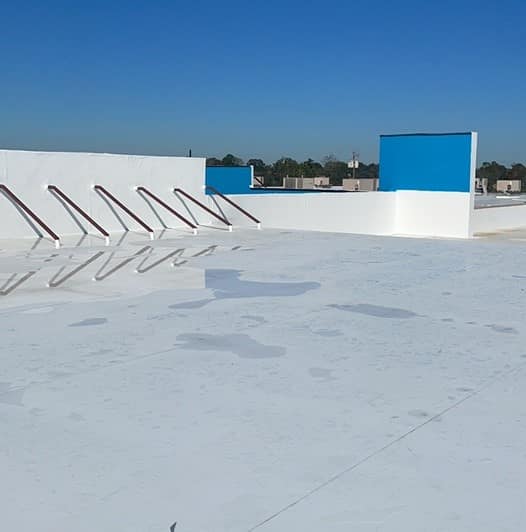
For commercial buildings, the decision often comes down to durability versus cost-effectiveness. Metal roofing is known for its incredible durability and longevity, often lasting 40 to 70 years. It’s a fantastic long-term investment that can withstand harsh weather. On the other hand, TPO (Thermoplastic Olefin) roofing is a modern, single-ply membrane that’s both budget-friendly and energy-efficient. Its reflective surface helps keep cooling costs down, and its lightweight nature makes it a versatile choice for many flat or low-slope commercial roofs. We can help you weigh the upfront cost of TPO against the long-term resilience of metal to find the perfect fit for your business needs and budget.
Shingle and Tile Options for Your Home
When it comes to your home, the choice is just as important. Asphalt shingles are the most common roofing material across the country, and for good reason. They are affordable, come in a wide variety of colors, and are relatively easy to install. However, if you’re looking for superior longevity and a more distinct look, a tile roof is an excellent alternative. Tile offers a longer lifespan and a premium aesthetic that can significantly enhance your home’s curb appeal, especially in warmer climates. Whether you prioritize the classic affordability of shingles or the timeless beauty of tile, our team provides expert roofing services to ensure a flawless installation.
Choosing a Roof for the Houston and Austin Climates
Living in Texas means your roof has to work hard. In humid climates like Houston and Austin, it's smart to choose materials that can handle intense heat and moisture. Materials that resist moisture and heat, such as metal or tile, are highly recommended to prevent issues like mold growth and premature aging. Metal roofs are great at reflecting solar heat, which can help lower your energy bills during scorching summers. Tile is also naturally resistant to heat and rot, making it another durable option for our region. While asphalt shingles are still a viable choice, selecting ones with algae-resistant properties can help them last longer in our humid environment.
When to Call a Roofing Pro
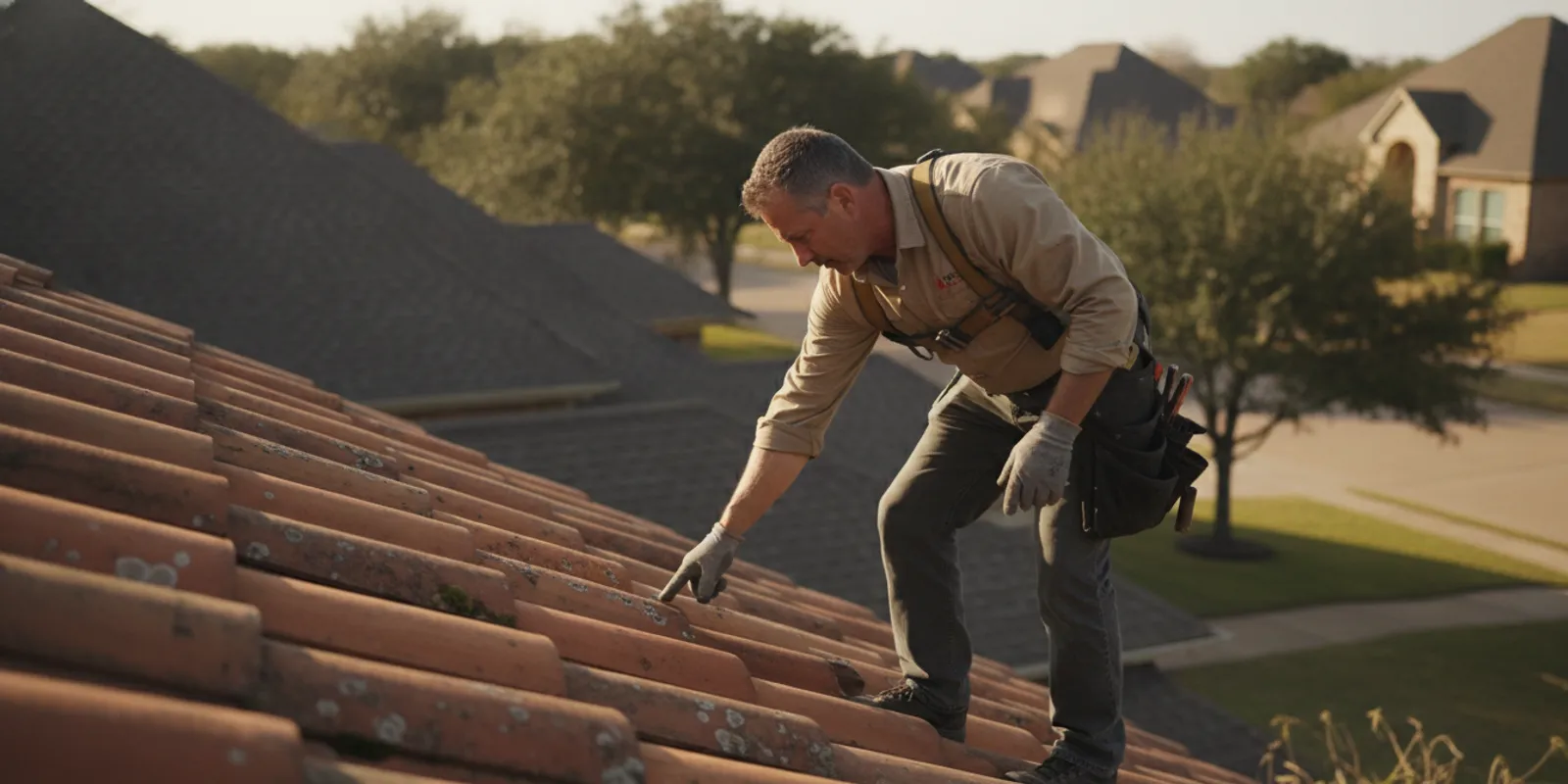
Even the toughest roof needs attention over time. If you notice signs of wear like leaks in your attic, missing or cracked shingles, or visible rust on a metal roof, it's time to act. Don't wait for a small issue to become a major, expensive problem. It's crucial to consult a roofing professional to get an accurate assessment of the damage. A trained expert can spot underlying issues you might miss and recommend the right solution, whether it's a simple repair or a full replacement. Being proactive about your roof's health protects your biggest investment and gives you peace of mind.
Frequently Asked Questions
I see a little rust on my steel components. Is it a big deal? Yes, it's a signal you shouldn't ignore. Think of rust as a wound on the steel's surface. Even a small spot means the protective barrier has been broken and the metal is actively degrading. In a humid climate like ours, that small spot can spread quickly, weakening the steel's thickness and strength. Addressing it early by having a professional clean and recoat the area is much simpler and more affordable than dealing with widespread corrosion and potential structural issues later.
How can I protect my steel roof or structure from the Texas heat and humidity? The best defense is a good offense. For steel, this means using high-quality protective coatings. Methods like galvanization, which coats steel in zinc, or applying modern polymer paints create a durable shield against moisture. For a roof, choosing a reflective coating can also help deflect intense sun, reducing heat transfer into your building. The key is consistent maintenance; have a professional inspect these coatings periodically to ensure they are holding up and providing the protection you need.
My building has a steel frame. Is its weight really a safety concern? For a properly constructed building, no. When architects and engineers design a structure, they meticulously calculate the steel's weight and create a foundation and support system strong enough to manage it. The weight becomes a factor during the design phase, influencing engineering decisions and costs, but it is not an ongoing safety risk for a well-built property. This is why working with experienced professionals who understand these calculations is so important from the very beginning.
Are alternatives like aluminum or composites always better than steel? Not necessarily, it all depends on the specific job. There is no single "best" material for every situation. Aluminum is fantastic for resisting rust and is very lightweight, but it may not be the right choice for a large-span structural beam that requires steel's specific rigidity. The best choice involves balancing factors like your project's goals, your budget, and the specific performance you need. It's about selecting the right tool for the task at hand.
With all these factors, how do I choose the right material for my property? Making the right choice can feel complicated, but you don't have to do it alone. The best first step is to talk with an experienced professional. A knowledgeable contractor can inspect your property, discuss your goals and budget, and explain the practical pros and cons of each option as they apply to your specific situation. This expert guidance helps you move past the technical details and make a confident decision that will protect your property for years to come.