Texas roofs face relentless sun, humidity, hail, and sudden storms, so the right roofing material depends on more than curb appeal. A lower upfront price may matter today, while service life, repairs, and the roof's fit for your home's structure shape the long-term decision.
Get a free roof inspection and estimate from Elevation Roofing & Restoration at (832) 271-1726.
For many Texas homeowners, the tile roof vs shingle roof decision comes down to priorities. Shingles usually offer a lower initial cost and simpler repairs, while properly maintained tile can provide a much longer service life and distinctive appearance. Your budget, home's structure, neighborhood style, and exposure to severe weather should guide the recommendation.
The comparison below weighs cost, lifespan, durability, appearance, and maintenance side by side, then applies those tradeoffs to common Houston and Austin home situations.
Tile Roof vs Shingle Roof at a Glance for Texas Homeowners
When comparing a tile roof vs shingle roof, the right choice depends on more than the initial estimate. Texas homeowners also need to weigh service life, heat and storm exposure, maintenance, structural requirements, and the architectural look they want. This quick comparison provides a practical starting point before a roofer evaluates the home itself.
| Factor | Tile roof | Asphalt shingle roof |
|---|---|---|
| Installation cost | Typically costs about 2 to 3 times more than asphalt shingles. The existing structure may also need evaluation because tile is heavier. | About $4,000 to $17,000 for a standard home, with a commonly cited average near $3.14 per square foot. Actual pricing varies by size, access, tear-off, and installation details. |
| Expected lifespan | Concrete and clay tile can last 50 to 100 years with proper maintenance. Concrete tile commonly lasts 50 years or more. | Often lasts about 15 to 20 years in the Texas climate, although ventilation, installation quality, weather exposure, and maintenance affect service life. |
| Durability | Tile offers long-term resistance to environmental deterioration, but individual tiles can crack if impacted or handled improperly. Proper installation and sound underlayment are essential. | Provides a reliable water-shedding surface when installed correctly and is easier to replace in sections. Heat, UV exposure, thermal cycling, and severe storms gradually stress the material. |
| Maintenance | Requires inspections for cracked or displaced tiles, plus attention to the underlayment and flashing. Walking on the roof can damage tiles, so repairs should be handled carefully. | Maintenance includes checking for loose, cracked, or missing shingles and watching for algae in humid areas. Repairs are generally straightforward when damage is localized. |
| Appearance | Creates a distinctive profile with options such as clay or concrete tile, often complementing Mediterranean, Spanish, and upscale architectural styles. | Offers broad color and style variety at a lower entry cost, making it adaptable to many Texas home designs and neighborhood requirements. |
Tile can be a strong long-term investment, but it is not automatically the best fit for every house. Homeowners should confirm that the roof structure can support the selected material and that the installation plan addresses flashing, ventilation, and underlayment. Explore Elevation Roofing's tile roofing services for more detail, then review our guide to comparing shingle and tile roofing options.
- Tile may make sense when you prioritize decades of service, a distinctive appearance, and long-term material durability, and the structure is suitable.
- Shingles may make sense when you need a lower upfront cost, broad design flexibility, and simpler, more accessible repairs.
- Either material deserves a professional review when your roof has storm damage, recurring leaks, aging materials, or uncertain structural conditions.
What Are the Cost Differences Between Tile and Shingle Roofs?
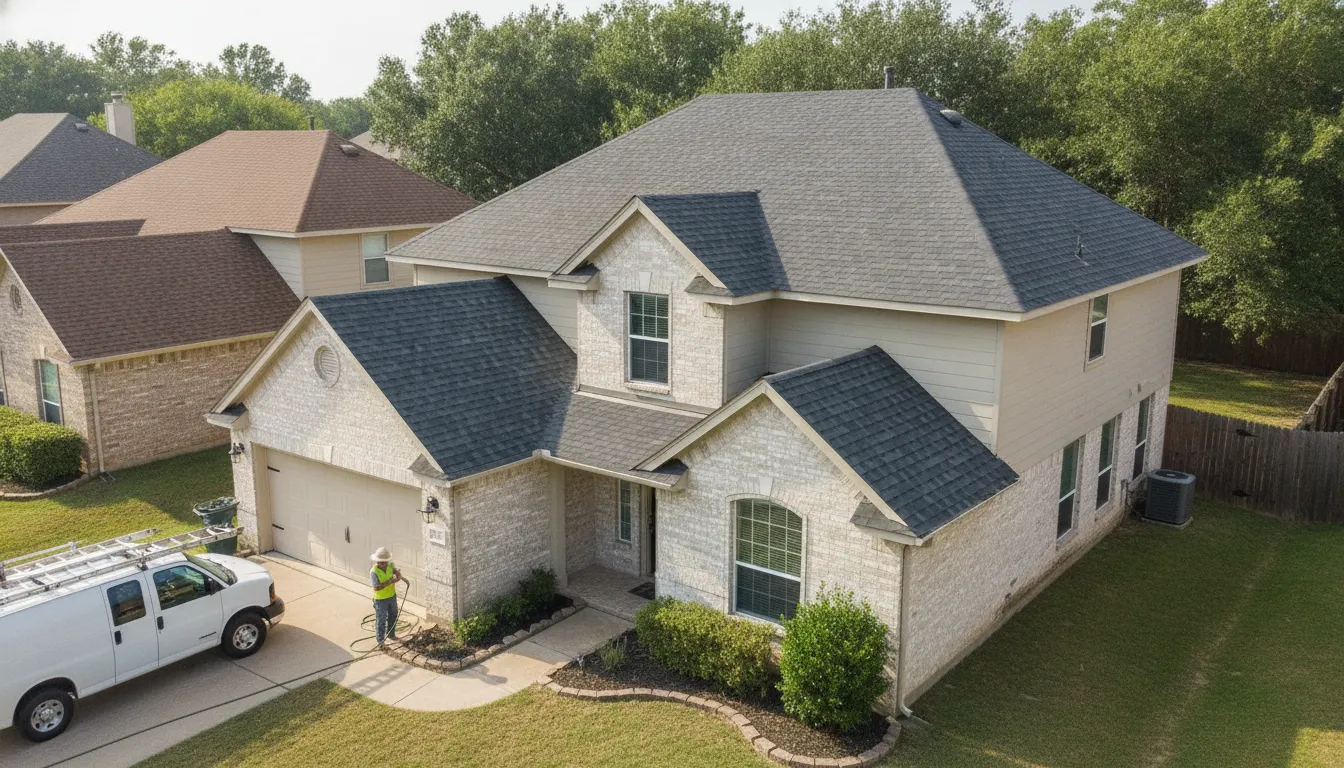
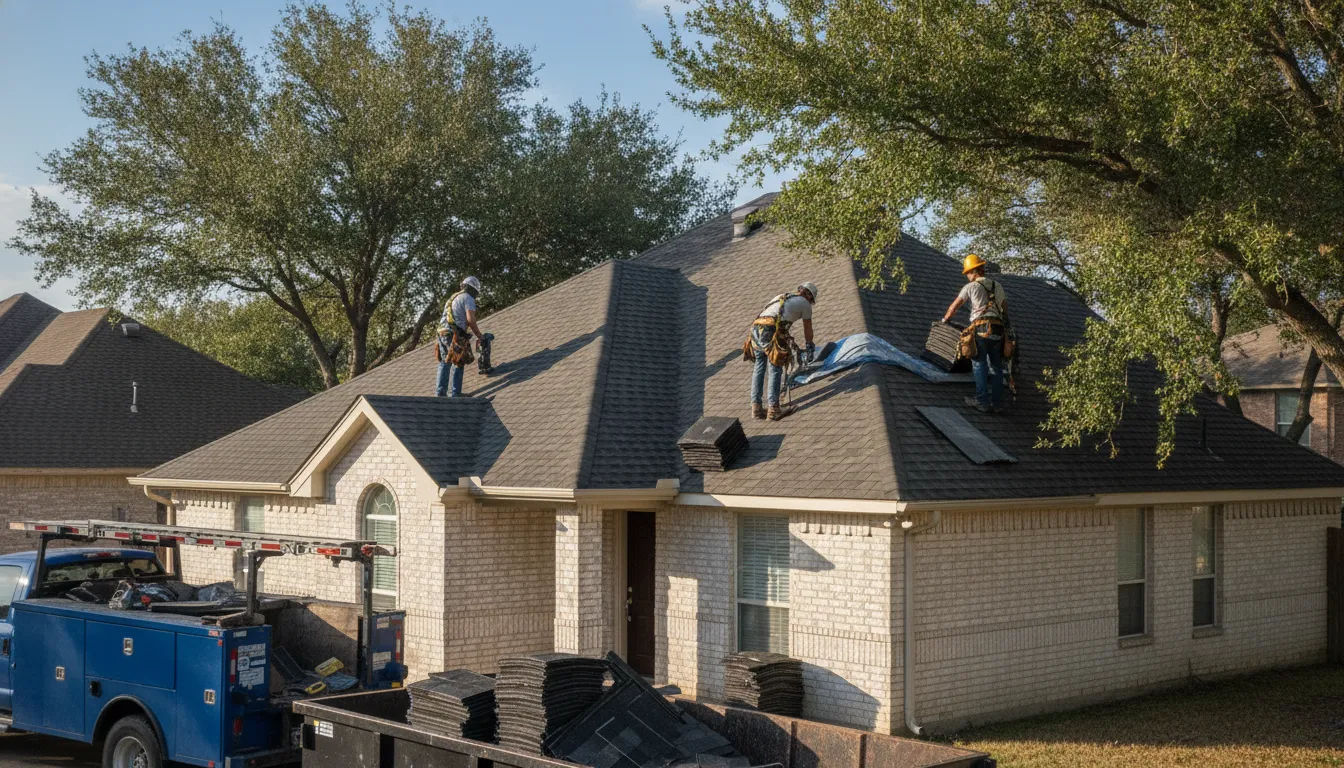
For most Texas homeowners, asphalt shingles have the lower upfront price, while tile requires a larger initial investment. A standard-sized asphalt shingle roof commonly falls between $4,000 and $17,000, depending on the home's design, roof size, labor, and material selection. For a 1,500-square-foot roof, a Homewyse estimate cited by This Old House places the typical range at approximately $4,720 to $16,250. Or about $3.14 per square foot for asphalt shingles.
Upfront installation and material costs
Tile roofing typically costs two to three times more to install than asphalt shingles. The difference reflects more than the tile itself. Tile is heavier, takes specialized handling and installation, and may require additional evaluation of the roof structure before work begins. Clay and concrete tile also carry different material prices, so a detailed estimate matters more than a broad national average.
In Houston and Austin, the final proposal should account for the roof's actual conditions rather than relying on square-foot pricing alone. Common cost-influencing factors include:
- Roof size, layout, valleys, dormers, and other areas that increase installation time.
- Roof pitch and the access or safety equipment required for the work.
- Material grade, profile, color, and whether the system uses asphalt, concrete tile, or clay tile.
- Tear-off labor, disposal, damaged decking, and underlayment replacement.
- Texas storm premiums related to hail exposure, wind preparation, and difficult scheduling after severe weather.
Comparing cost per year of service
Upfront price does not tell the whole story in a tile roof vs shingle roof comparison. Standard asphalt shingles often need replacement in roughly 15 to 30 years, while properly maintained concrete and clay tile can last about 50 to 100 years. That means a shingle roof may cost less today but require another major replacement during the period a tile roof remains in service. Tile's higher initial cost can therefore look more competitive when spread across decades of use.
That long-term value is not automatic. A tile roof still needs sound installation, underlayment maintenance, and prompt repair of cracked pieces. A shingle roof may be the more practical choice when the budget is limited. The home's structure is not suited to tile, or the owner expects to sell before a longer service life delivers value. NIST identifies asphalt shingles as common partly because of their cost-effectiveness and ease of installation, making them a sensible option for many homes.
For a project-specific comparison, review these roof replacement cost considerations with an inspection of the existing roof, decking, ventilation, and drainage. The right decision balances the initial estimate with the expected service life and the home's needs.
How Long Do Tile and Shingle Roofs Last in Texas Weather?
Roofing material is only part of the lifespan equation. Installation quality, ventilation, maintenance, roof slope, and the weather your home faces all influence when replacement becomes necessary. In Texas, the difference between asphalt shingles and tile can become especially noticeable because summer heat. Intense sunlight, hail, and repeated temperature swings place constant stress on the roof system.
- Start with the material's normal service range. Asphalt shingles commonly need replacement after about 15 to 20 years in harsh climates. In milder conditions, some may last 20 to 30 years. Clay and concrete tile have a substantially longer expected life. With proper maintenance, tile can last 50 to 100 years, and concrete tile can last 50 years or more.
- Adjust the estimate for Texas exposure. Texas summers expose shingles to intense UV radiation and sustained heat. Daily expansion and contraction create thermal cycling, while hail and severe storms can damage the surface. The National Institute of Standards and Technology explains that extreme heat, thermal cycling, UV radiation, and freeze-thaw events can degrade asphalt shingles and compromise their mechanical strength. NIST's research on asphalt shingle durability provides useful background on these weathering effects.
- Account for maintenance and installation. A roof that is inspected regularly and repaired promptly has a better chance of reaching the upper end of its expected range. Shingle maintenance includes checking for loose, cracked, or missing shingles. Tile maintenance includes looking for cracked or displaced tiles and confirming that the underlayment remains in good condition. Correct installation matters for both materials, especially because the underlayment and flashing help control water intrusion beneath tile.
- Compare the remaining life with your replacement timing. If an asphalt roof is approaching the end of its expected range, repeated patching may not be the best long-term decision. A professional evaluation can distinguish isolated storm damage from widespread aging and help you plan a roof replacement before leaks affect the interior of the home.
What Shortens a Roof's Lifespan in Texas?
- Extended summer heat and intense UV exposure.
- Rapid temperature changes that cause expansion and contraction.
- Hail strikes, high winds, and storm-related impact.
- Standing moisture, poor drainage, or inadequate ventilation.
- Delayed repairs after cracked, loose, or missing roofing materials.
For homeowners comparing tile roof vs shingle roof options, the practical tradeoff is clear. Shingles usually offer a lower initial cost and a shorter service life, while tile requires a larger upfront investment but can remain serviceable for decades longer. The right choice depends on the home's structure, budget, appearance goals, and how long you expect to own the property.
Which Roof Stands Up Better to Texas Heat, Hail, and Storms?
Texas weather tests every roofing system differently. Asphalt shingles offer an economical, familiar surface, while tile generally provides a more durable response to intense sun, repeated heat cycles, and storm exposure. The right choice depends on the roof structure, installation quality, and conditions at a Houston or Austin property.
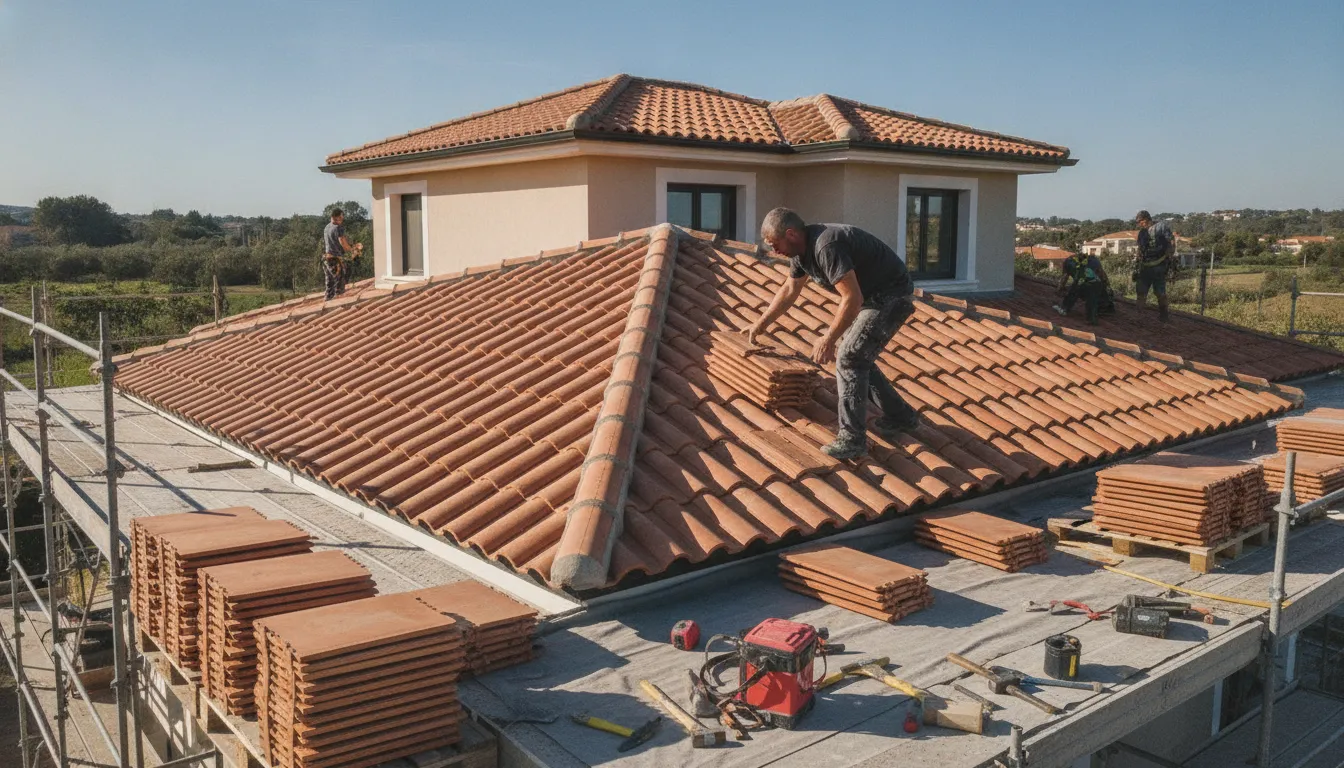
Extreme heat and ultraviolet radiation are important considerations for asphalt shingles. Research from the National Institute of Standards and Technology explains that heat, thermal cycling, and UV exposure can degrade asphalt shingles and compromise their mechanical strength over time. Tile is rigid, naturally resistant to environmental deterioration, and can reflect more sunlight than standard asphalt shingles. Its mass and air space can also help moderate heat transfer, although no roof eliminates the need for proper attic ventilation and insulation.
Hail impact requires a balanced comparison
Tile is typically the stronger long-term performer against sun exposure and can handle ordinary weathering very well. However, hail can crack or break individual clay or concrete tiles, especially when stones strike at a vulnerable angle. Asphalt shingles can also lose granules, split, or become bruised after hail. A post-storm inspection matters more than appearance alone, because damage may not be visible from the ground. When a roof has storm damage, Elevation Roofing & Restoration can help document the condition and navigate the insurance claim process.
Wind uplift depends on the complete roof system
Heavier tile is generally more resistant to wind uplift than lighter shingle materials, but weight alone is not a guarantee during a hurricane or severe thunderstorm. Tile must be supported by a suitable structure and installed with code-compliant fastening. Shingles also require correct nail placement, secure edges, and properly installed flashing. In both cases, workmanship determines whether the roof performs as designed when wind pressure rises.
- Schedule a professional inspection after hail, high winds, or a major storm.
- Look for missing granules, exposed fasteners, cracked tiles, lifted edges, and damaged flashing.
- Keep gutters and roof drainage paths clear so heavy Texas rainfall can exit quickly.
- Confirm that replacement work uses code-compliant fastening and weather-appropriate materials.
Humidity adds another layer, particularly in Houston. Moisture can encourage algae or moss on asphalt shingles, while tile itself does not rot and damaged pieces can often be replaced without removing the entire field. Underlayment and flashing remain critical to water resistance, so a durable surface cannot compensate for poor installation. For more context, review the importance of quality roofing materials.
In a tile roof vs shingle roof comparison, tile usually has the durability advantage for Texas heat, UV exposure, and long-term weathering. Shingles may still be the practical choice when budget, roof structure, or repair simplicity matters most. Elevation Roofing backs its service with a 100% satisfaction guarantee and can evaluate the roof before you commit to either material.
Appearance, Maintenance, and Repair: Balancing Looks with Care
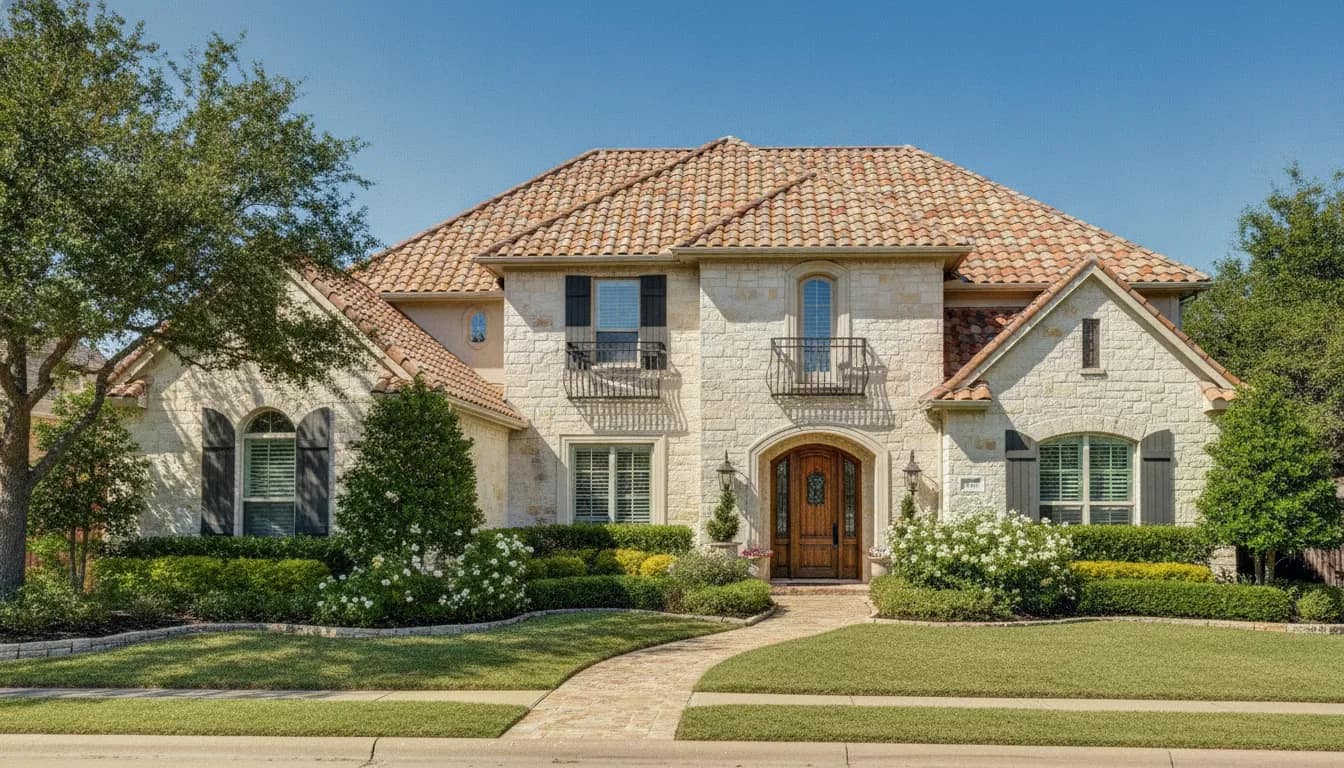
Appearance is often the first difference homeowners notice when comparing roofing materials. Clay or concrete tile can create a distinctive Mediterranean or Spanish-inspired look, adding architectural character and strong curb appeal when it complements the home. That style can also feel out of place on some contemporary, ranch, or traditional properties. Shingles are less dramatic, but their broad range of colors, textures, and profiles makes them easier to coordinate with most Texas home styles.
Maintenance needs are more nuanced than a simple low-maintenance versus high-maintenance label. Tile generally requires less routine attention than many homeowners expect, but it is not maintenance-free. Tiles can crack from impact, weather exposure, or improper foot traffic. Because tile surfaces can be damaged when walked on carelessly, inspections and service should be handled by someone familiar with the material. Shingles should receive periodic inspections, especially after hail or high winds. Over time, their protective granules wear away, which can leave the underlying material more vulnerable to weather.
Routine care for tile and shingle roofs
A practical maintenance plan helps catch small issues before they become water intrusion or structural problems. Homeowners should keep trees trimmed away from the roof, maintain clear gutters, and watch attic ceilings and insulation for signs of moisture. After a major storm, an inspection is more reliable than judging the roof from the ground.
- Tile roof: Check for cracked, loose, or displaced tiles; clear debris without stepping directly on the tile; inspect flashing and valleys; and address damaged underlayment or leaks promptly.
- Shingle roof: Look for missing, lifted, curled, or blistered shingles; check for loose flashing; inspect valleys and penetrations; and watch for excessive granules in gutters or around downspouts.
Repair strategy is another meaningful distinction in the tile roof versus shingle roof decision. Tile damage is often localized, so a contractor may replace individual cracked or displaced tiles while preserving the surrounding roof. The visible tile is only one part of the system, however. A leak beneath an apparently intact tile can involve flashing or underlayment and deserves a complete diagnostic inspection.
Shingle repairs may also be localized when the damage is limited, but matching older shingles can be difficult, and widespread granule loss or wind damage may require work across a larger roof section. A contractor should determine whether a patch addresses the cause or only hides the symptom. Elevation Roofing can help homeowners evaluate these options through its roofing services, including inspection, repair, and replacement planning. When damage is visible after a storm, arranging roof repair promptly can help limit further exposure while the appropriate long-term solution is assessed.
Is a Tile or Shingle Roof Right for Your Texas Home?
There is no universal winner in the tile roof versus shingle roof decision. The better choice depends on how long you expect to own the home. What your structure can support, how much you want to spend now, and which appearance fits the property. Texas weather makes that evaluation especially important. Heat, ultraviolet exposure, hail, wind, and humidity can all affect a roof over time.
For many homeowners, shingles are the practical starting point because they keep the initial project cost lower and suit a wide range of home styles. Tile is usually the stronger long-term investment when longevity, heat resistance, and distinctive curb appeal matter more than the upfront price. Tile installation can cost roughly two to three times as much as asphalt shingle installation, but concrete and clay tile roofs may last 50 to 100 years with proper maintenance. Standard shingles commonly last around 20 years, while some asphalt roofs require replacement in 15 to 20 years.
- Choose shingles when your immediate budget is the priority, your home's style works well with asphalt, or you may sell within the next 15 to 20 years.
- Choose tile when you want maximum service life, stronger resistance to Texas heat and hail, and a look that helps the home stand out.
- Confirm structural support before choosing tile, since the heavier material may require the roof framing to be evaluated.
Think in cost per year, not just project price
A lower installation price does not automatically mean a lower roofing cost over the life of the home. If a shingle roof needs to be replaced more than once while a properly maintained tile roof remains serviceable, the long-term comparison changes. On the other hand, homeowners planning to move within 15 to 20 years may not recover the larger tile investment through ownership alone. Resale value can also depend on neighborhood expectations, architectural style, and whether prospective buyers value a durable tile system enough to justify its higher initial cost.
Texas resilience should be part of that calculation. Asphalt shingles can degrade under extreme heat, thermal cycling, and ultraviolet radiation, according to the National Institute of Standards and Technology. Tile can offer a longer-lasting option, but no material eliminates the need for sound installation, appropriate underlayment, inspection, and maintenance.
Let the home and roof structure settle the question
Before committing to either material, have the existing roof evaluated. A professional can review the framing, roof pitch, ventilation, drainage, storm damage, and remaining service life. If tile fits the structure and your long-term plans, review Elevation Roofing's tile roofing options. If replacement is the sensible path, the team can explain roof replacement choices. Start with a free roof inspection so the recommendation reflects your actual home rather than a generic comparison.
Get Started With a Roof Inspection
A professional inspection can help you compare tile and shingle options against your home's condition, design, and Texas weather exposure. Get a free roof inspection and estimate from Elevation Roofing & Restoration, or call (832) 271-1726 to take the next step.