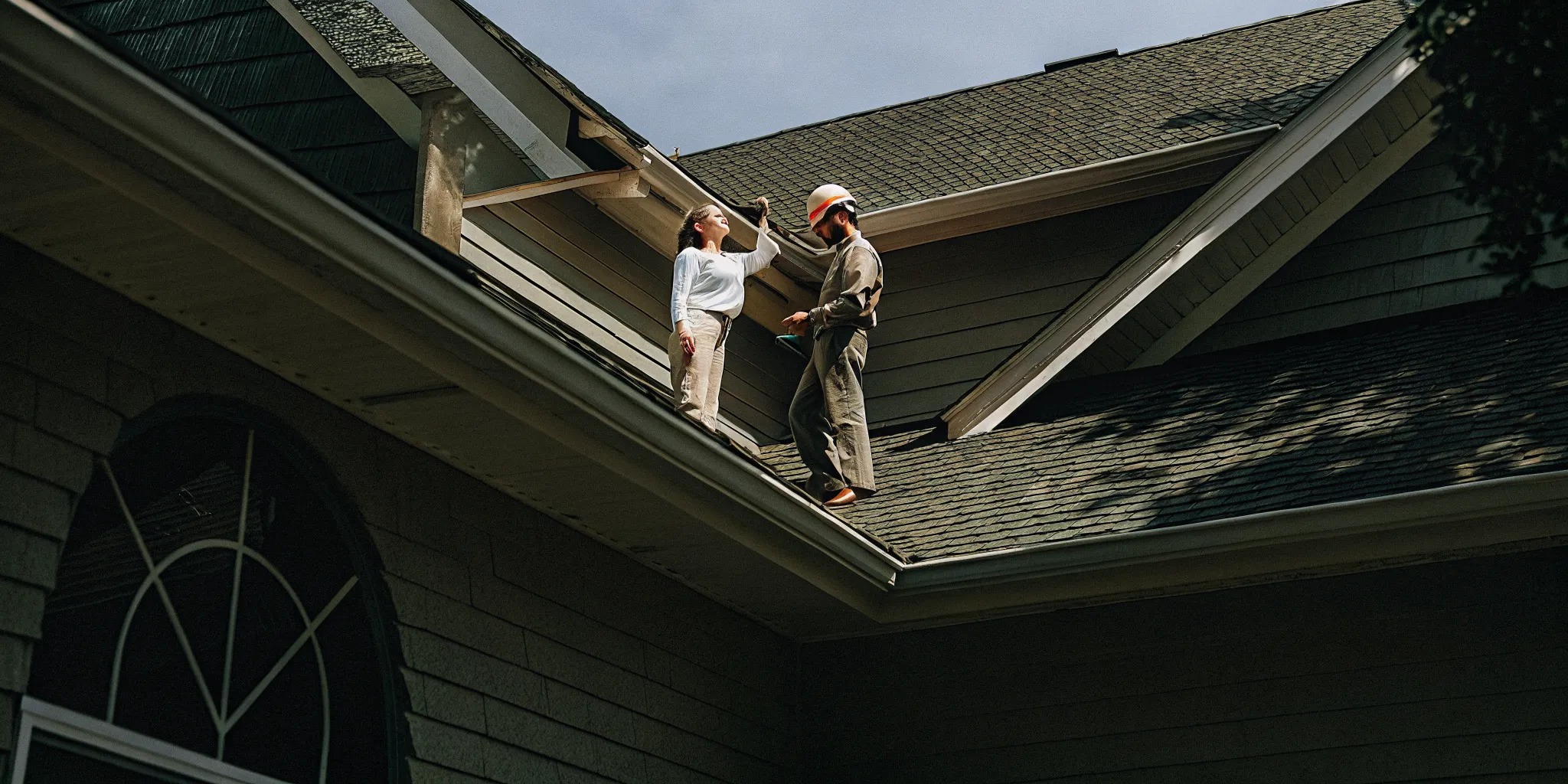
High winds and heavy hail can leave Texas homeowners facing leaks, damaged shingles, and a confusing insurance process. This guide explains how to document the loss, file the claim, work with the adjuster, and move toward a proper repair.
Get your free roof inspection from Elevation Roofing before you file so you can document visible and hidden storm damage.
Texas roof insurance claims generally start with a safe damage check and professional inspection. Then, review your policy, notify the insurer, document the loss, meet the adjuster, compare the estimate with the repair scope, and complete approved work. Texas homeowners must pay their stated deductible.
Elevation Roofing helps Houston and Austin property owners understand roof damage and prepare clear repair documentation while keeping the roles of contractor and insurance adjuster separate. Start by understanding how Texas roof insurance claims work.
How Texas roof insurance claims work
Filing Texas roof insurance claims starts with knowing what your policy covers. In Texas, most plans cover damage from sudden events like hail or wind. But they won't pay for a new roof just because it's old or worn out. You must show that a specific storm caused the harm. A roof damage inspection can find this proof before you call your provider.
Understanding your policy coverage
The type of policy you have changes how much you get paid. Some plans use replacement cost coverage. This pays the full cost to replace your roof at current prices. Other plans use actual cash value. These pay less if your roof is old or showing wear. It is wise to check your plan details to see how they calculate your payout.
Comparing cost coverage options
Insurance companies offer different ways to pay for a new roof. These choices affect your out-of-pocket costs and the final check you receive. Use this table to see how the two main options compare for Texas property owners.
| Feature | Replacement Cost | Actual Cash Value |
|---|---|---|
| How it pays | Full price to buy new | Value minus age and wear |
| Price impact | Higher yearly cost | Lower yearly cost |
| Your payout | Covers full work cost | Covers only current value |
| Best for | New or high-value roofs | Budget-focused plans |
Rules for your deductible
A deductible is the amount you must pay before the company pays for repairs. In Texas, the law is very clear about these costs. It is illegal for a contractor to waive or absorb your deductible. You must pay this sum yourself. Some firms may even ask for proof that you paid it before they close the claim.
Policy rules also control who can help you. Texas does not allow a roofer to act as a public adjuster if they also do the repair work. This keeps the process fair for everyone. Working with an expert team can help you handle storm damage insurance claims while staying within these state rules.
Step-by-step: file a Texas roof insurance claim
Filing a roof claim in Texas can feel like a big job.
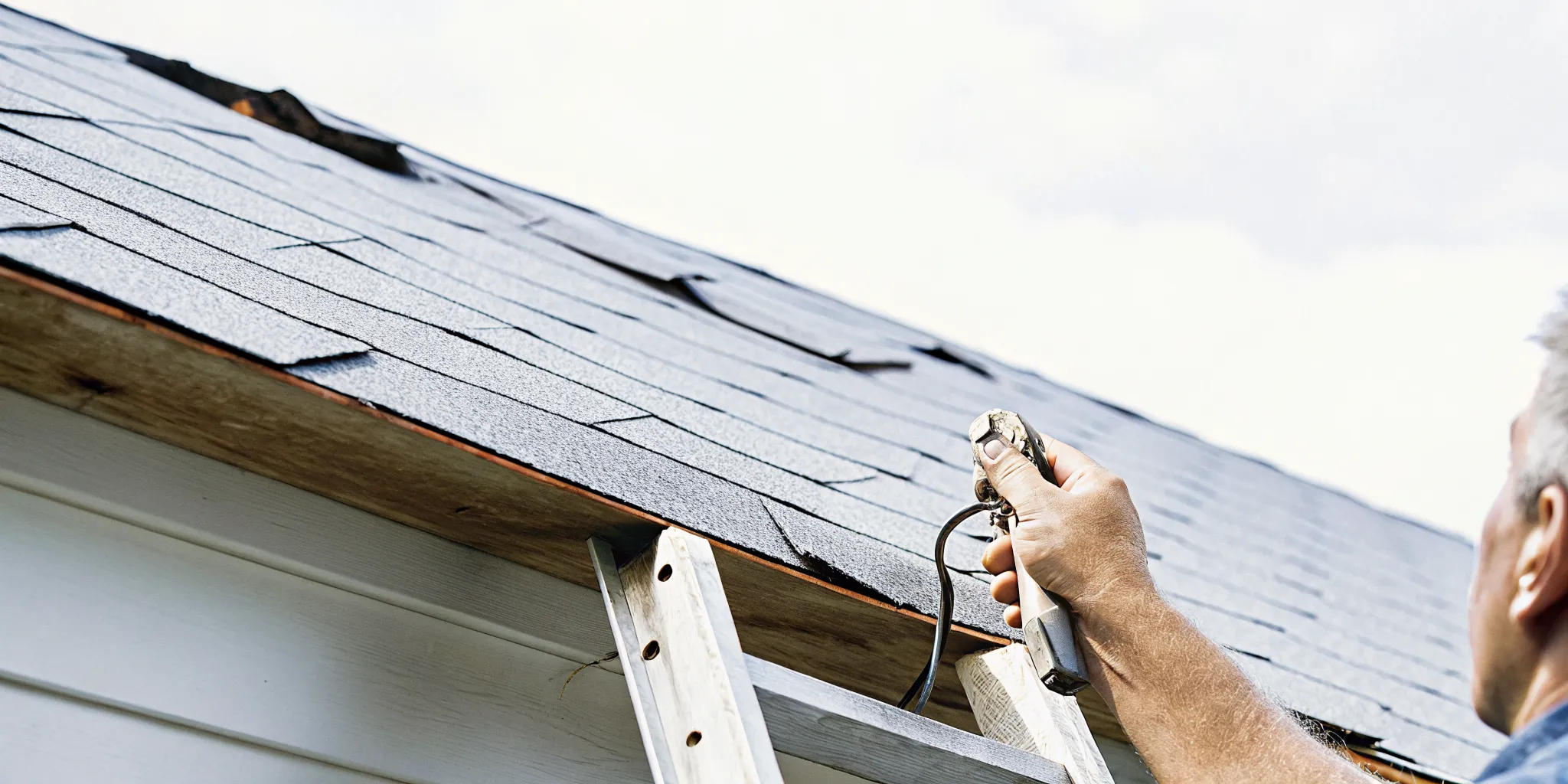
The state has unique rules and weather patterns that shape how you should act after a storm. You need to move fast but stay calm to get the best results for your home. Taking the right steps in the right order helps you avoid common traps. It also makes sure your insurer has the proof they need to pay for your repairs. Most people find that a clear plan saves them time and stress during this hard time.
Safety and early damage checks
Your first task is to make sure everyone is safe after a bad storm. Check for down power lines or big branches that might fall. Do not get on your roof yourself. It is dangerous and you might cause more harm to the shingles. Instead, look for damage from the ground using your phone or zoom lens. Look for missing pieces, cracks, or dents in the metal vents and gutters. Taking photos of these issues now will help your case later.
If water is leaking into your home, you must act fast to stop more damage. Most policies require you to make short-term repairs to protect the home. This might mean putting a tarp over a hole or fixing a broken window. Keep the receipts for any tools or goods you buy for these quick fixes. Your insurance company may pay you back for these costs later as part of the total claim. Do not start big repairs until the adjuster has seen the roof.
The Texas roof claim sequence
The path from a storm to a new roof involves several key people. You will work with your insurance agent, a claims adjuster, and a local roofer. It is vital to know that in Texas, your roofer cannot also act as your insurance adjuster. These roles must stay separate to follow the law. Having a clear plan keeps the process moving without delays or legal issues. This list shows the typical steps you will take to get your roof fixed.
- Get a professional roof inspection. Contact a local expert for a roof damage inspection to find all damage. They can spot small leaks or hail bruises that you might miss from the ground.
- Review your insurance policy. Look at your coverage to see if you have replacement cost or actual cash value. This tells you how much the company will pay for an older roof. Find your deductible amount so you know your out of pocket cost.
- File the claim with your insurer. Call your agent or use their app to start the claim. Give them the date of the storm and a basic list of what you found. They will give you a claim number to track the file.
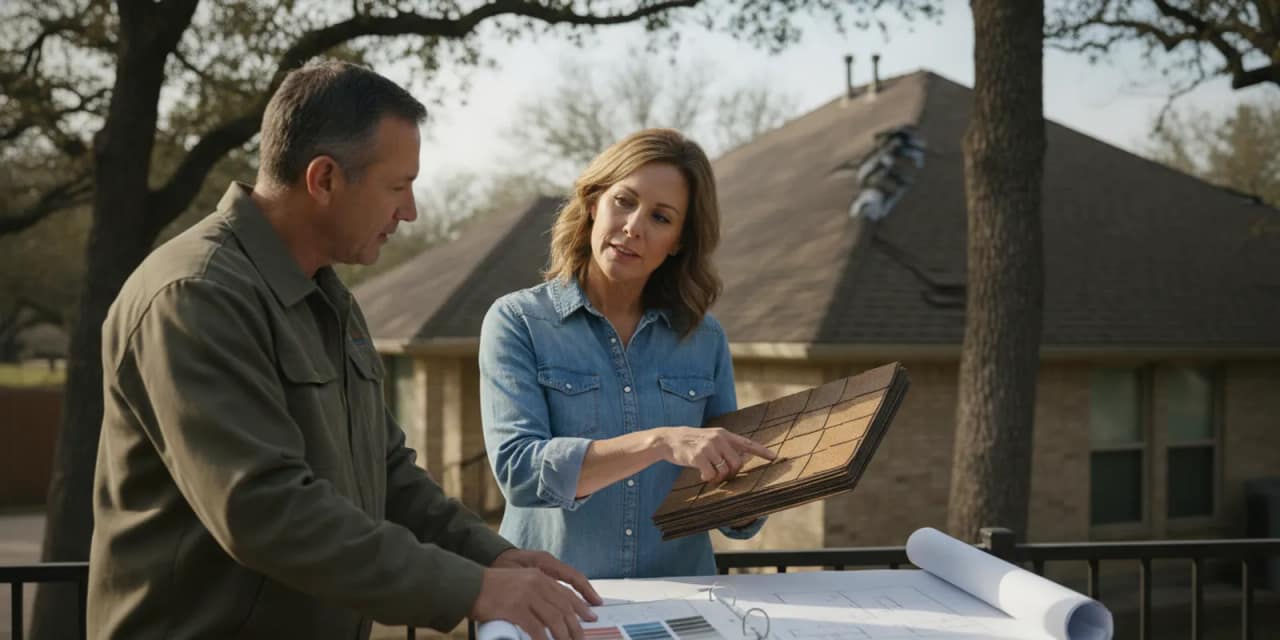
- Meet with the insurance adjuster. The insurance company will send an adjuster to look at the roof. It is helpful to have your roofer there at the same time. They can point out the damage together so the report is more right.
- Review the claim estimate. Once the adjuster is done, you will get a list of what they will pay. Check this list against the bid from your roofer. If the numbers do not match, you may need to ask for a review or a second check.
- Schedule and complete the repairs. After you sign off on the funds, your roofer can start the work. They will pull the right permits and fix the damage. Make sure they follow all local Texas building codes for your area.
Avoid common claim mistakes
Many homeowners make mistakes that can hurt their claim. One big error is waiting too long to file. Most Texas policies have a time limit for storm claims. This is often one or two years, but you should check your specific plan. If you wait, it gets harder to prove that the storm caused the damage. It is best to report the loss as soon as you find it. This keeps your claim fresh and easier to process.
You should also avoid signing anything with a "door knocker" roofer right after a storm. These people often travel from state to state following bad weather. They may push you to sign a contract before you even talk to your insurance company. Instead, look for a local team with a real office in Houston or Austin. Local crews care about their name in the town and will be here if you have a leak next year.
Estimate review and final payment
Once you have the claim report, read the fine print about your deductible. In the state of Texas, it is against the law for a roofer to waive your deductible or pay it for you. You must pay this amount yourself to stay within the law. If a roofer offers to cover it, they are breaking the rules. This could lead to big legal risks for both you and the roofer. It is always better to follow the law and keep your home safe.
Final payment usually happens in two parts. The first check covers the current value of the work. The second check comes after the roofer finishes the job and sends a final bill. Your insurance company may ask for proof that you paid your deductible before they send the last sum. Keep all your records and bills in one spot until the whole project is done. This makes the final hand off smooth and fast for everyone involved.
What evidence strengthens a roof claim?
Winning a claim for storm damage needs clear proof. You must show that a certain event caused the loss. For most Texas roof insurance claims, this means showing that wind or hail hit your home on a certain date. Strong records make the process fast and help you get the full amount for work.
Taking photos of damage safely
Start your records as soon as the storm ends. Do not climb on your roof to take photos. It is risky and you might cause more damage to the shingles. Instead, stand on the ground and take clear photos of your home from every side. Look for debris in the yard or dents in your car. These items show how strong the storm was at your home.
Videos can also help your case. Walk around your yard and point out any new issues. Save these files in a folder with the storm date as the name. Most policies cover roof repairs for damage from storms rather than just old age. Having a record of the storm date helps link the damage to a covered event.
Keeping records and receipts
If your roof leaks, you must act fast to stop more water from getting inside. Buy a tarp or hire a pro to make short-term repairs. Keep every receipt for these costs. Your insurance firm may pay you back for the money you spent to protect your home. Also, keep any old records of past roof work or yearly checks. These show that your roof was in good shape before the storm hit.
You should also save a copy of your contract and any cost quotes. In Texas, your insurer has the right to ask for proof that you paid your deductible before they close the claim. An expert roof inspection for insurance gives you a detailed report that acts as a core piece of proof. This file lists every soft spot and torn shingle with expert detail.
Finding hail and wind clues
Wind damage is often easy to see from the ground. Look for shingles that are missing, curled, or flapping in the breeze. Hail damage can be harder to find. It often looks like dark spots or "bruises" on the roof surface. You might also see small piles of grit in your gutters or at the end of your pipes. These are signs that the shingles are losing their top layer.
Check your gutters and metal vents for dents. These soft metal parts show hail hits clearly. A local roofer can help find these clues and write a report for your file. Some insurers even offer discounts for using materials that stand up well to hail and wind. Sharing these details helps ensure your claim covers the right level of damage.
Common mistakes that can slow a roof claim
Dealing with Texas roof insurance claims can be hard for any home owner. Small slips early on often lead to long waits or lost cash. Staying away from these traps helps your claim move fast through the system.
Delaying your claim or inspection
A big slip is waiting too long to start. Most plans have a set time to report a loss. If you wait months after a storm, the firm may say the harm came from old age. You should get a roof damage inspection as soon as the storm ends. This gives you a clear paper to show your agent.
Do not try to climb on the roof yourself. This is not safe. You might also cause more harm that the plan will not pay for. Let the pros do the work. They have the tools to find hidden leaks without any risk.
You should also watch out for crews who want to clean up too fast. Throwing out broken parts can hurt your claim. The person who checks the damage needs to see the proof. Take many photos of the hail or tree limbs before you move them. If you must do a quick fix to stop a leak, keep every bill for the tools or parts you buy.
Missing key facts and records
Many people think their plan pays for a new roof no matter what. This is not always true. Some plans pay the full cost to fix the roof at today's price. Other plans pay less if the roof is old. Knowing your plan type helps you plan for the final bill.
You should also keep a file for all your notes. Write down every call you have with your insurance agent. Keep a log of when the roofer visits your home. This trail of data makes it easy to prove your case if the firm tries to say no to your claim. A good team will help you handle storm damage insurance claims with care and help you keep these facts straight.
Taking illegal deals on the cost
In Texas, there are firm rules about your out-of-pocket cost. This is known as your deductible. Some crews may offer to "waive" or pay this cost for you. This sounds like a good deal, but it is against the law. Under Texas law, a roofer cannot pay your deductible for you.
If a roofer makes this offer, stay away. Your insurance firm can ask for proof that you paid this fee from your own bank. Breaking this rule can lead to big legal woes. Keeping clear notes of all you pay is the best way to keep your claim safe and on track.
What if the roof claim is denied or paid too little?
It is hard to find out your claim was denied or paid too little. This happens often with Texas roof insurance claims after a big storm. You might feel like the path has reached a dead end. But a denial does not mean you should give up. You have the right to seek more info and ask for a second look. There are clear steps to take if you feel the firm missed key facts about your roof damage.
Reviewing the rejection letter
The first step is to read your denial letter with care. By law, your insurer must give you a clear reason for their choice. This reason should point back to exact parts of your policy. Many times, a claim is turned down because the firm thinks the damage is from old age. They may claim it is normal wear and tear rather than storm damage.
Check these reasons against your own records. If the letter is not clear, reach out and ask for more details in writing. You need to know if they think the damage is not covered or if they need more proof. This will help you know what kind of notes to gather. Common items to keep include:
- A copy of your full insurance policy.
- Photos of the roof damage from after the storm.
- Records of when you first noticed the leaks.
- Notes from all calls with the claim firm.
Keep a copy of all notes and chats you have with your insurer. This creates a trail of proof that you can use later if the dispute grows.
Requesting a second check
If you do not agree with the claim choice, you can ask for a second check. This is a normal part of the process. It is common for an adjuster to miss small hail hits or wind lift during a quick look. A second check gives you a chance to point out damage that was skipped. You can ask for a new adjuster to come out if you feel the first one was not thorough.
Getting an expert roof check for insurance can make a big change. An expert roofer can find damage that a standard check might miss. They use tools and years of skill to find small issues. They can take clear photos and write a report on what they find. This report can be a strong tool for your case. It gives the insurer a deep look at why the roof needs repair or a new one. This proof can often lead to a change in the claim outcome.
Seeking a fair payout
If an insurer pays much less than the repair cost, do not cash the check yet. This is an underpaid claim. It often happens when the firm uses low price quotes for parts. You can ask the firm to review the quote based on local market costs. If they refuse, you can look into the appraisal process. You can also file a formal complaint with the Texas Department of Insurance.
You may also hire a public adjuster to handle the full claim process for a fee. Be sure to know the rules in Texas. A roofer cannot act as a public adjuster if they also do the repair work on that home. For very large claims, a lawyer may be your best bet for legal advice. Always stay in touch with your roofing team as you work through these steps. They can give the special data needed to handle storm damage insurance claims and get a fair payout.
How a roofing contractor can help
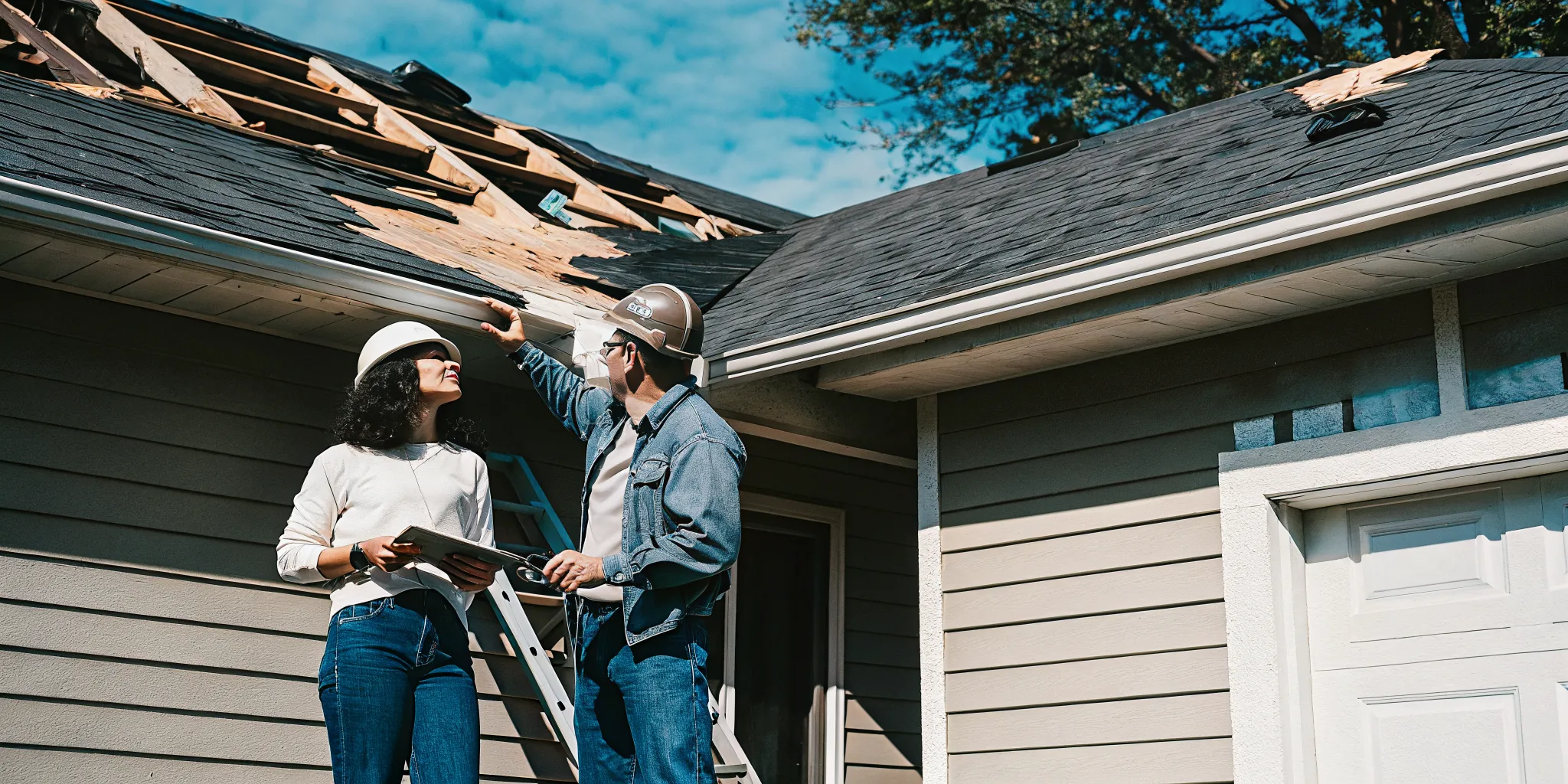
A skilled roofer is a key partner during the insurance process. While they do not decide if your claim is paid, they give the building facts your company needs. Their job is to find the damage and give you a clear plan for the fix.
This helps you move through the steps with less stress. They act as a guide to help you get the roof facts right from the start. This teamwork ensures that the building side of the roof is clear to all.
Expert damage review
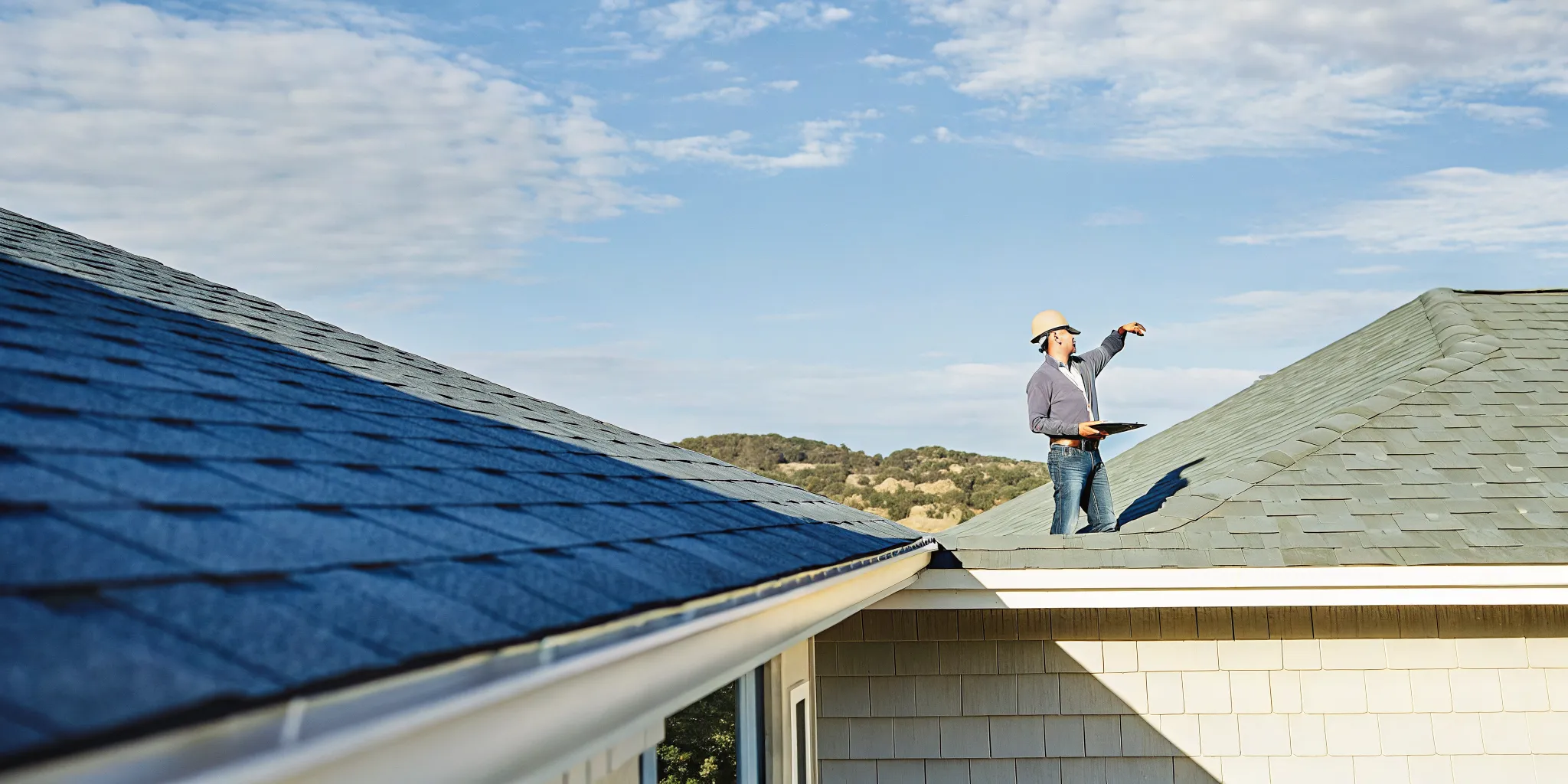
The first step is a deep look at the roof. A roofer will check for leaks, missing parts, and hail marks. They use their eyes and tools to find things that a home owner might miss. This search creates a full record of what is wrong with the roof.
Having these facts ready makes it easier for you to talk to your company. Many experts suggest you get a roof damage inspection after any big storm hits your area.
In Texas, regular care can stop big problems later. You should clear tree limbs and keep your gutters clean. It is also wise to hire a roof expert for a check every few years. This helps you know the state of your roof before a storm happens.
If you wait until a leak starts, the damage inside your home could be much worse. Good records of care show that you are a smart owner. This can help when you need to file a claim later on.
Records and scope of work
Once the check is done, the roofer writes a list of the work needed. This list is the scope of work. It should show every part of the repair or new roof. The roofer provides a price for the job based on local costs.
This gives you a clear number to show the adjuster. Keep in mind that Texas law has strict rules for roofers. A roofer cannot act as a public insurance adjuster if they are also doing the repair work on your home.
Their role is to give you facts about the building and the roof's state. Your roofer can also be there when the insurance adjuster visits. They can point out the damage they found during their first check. This ensures that the adjuster sees everything.
The roofer can talk to the adjuster about the parts and labor needed. They do not talk about your policy or what the company must pay. They stick to the building side of the roof. This teamwork helps make sure the claim cover reflects the real needs of the home.
Quality repairs and finishing
After your company gives the okay, the roofer starts the work. This is when their skill really matters. They must use the right parts and follow all local codes. A good team will work fast to protect your home from more rain or wind.
They handle the heavy work so you do not have to. When the job is done, they clean up the site and check the work one last time. This gives you a roof that is ready to last for many years to come.
Choosing a team that knows how to handle storm damage insurance claims is a smart move. They know what the company looks for. They can provide the final proof of work that you need to get your last check.
This proof shows that the job was done as planned. It also keeps your home in good standing for your next policy renewal. A solid repair job is the best way to keep your home safe and dry.
Schedule a storm-damage inspection before small roof problems become larger leaks.
Frequently Asked Questions
How do I file a roof insurance claim in Texas?
To start a claim, first take clear photos and video of all the damage. Call a local roofer to get a free expert check of your roof. Once you have their report, call your insurance company to open the claim. According to the Texas Department of Insurance, you should also read your policy to know your limits and costs.
What is the deadline for filing a roof insurance claim in Texas?
In Texas, most insurance plans give you one to two years after a storm to file a claim. However, some companies may have shorter deadlines, such as six or twelve months. It is best to report the damage as soon as you find it. Waiting too long can make it harder to prove that the storm caused the harm to your home.
What are the Texas laws for roof insurance deductibles?
In Texas, it is illegal for a roofer to offer to pay or hide your insurance deductible. This law helps stop fraud and makes sure all repairs meet state safety rules. If a roofer offers to cover your cost, they are breaking Texas law and could face fines or jail time.
How can I avoid storm chasers in Texas?
Storm chasers are workers from out of state who follow bad weather to find fast jobs. You can avoid them by picking a local roofer with a real office in Houston or Austin. Always check for a local phone number and reviews from people in your area. Do not sign papers or pay money until a well-known local business checks your roof.
Ready to schedule your free roof inspection?
If you wait to file your claim, you risk being turned down by your insurance firm for old damage. Leaks that start small can fast turn into big water issues that hurt your home value. Starting now makes sure you stay inside the tight time limits of your Texas plan. You will also avoid paying for more work out of your own money later on. A quick check of your roof today keeps your family safe and gives you a clear path to a full repair. Our team helps you handle every part of the storm damage repair so you can get back to your normal life. We work fast to make sure your home is ready for the next round of Texas storms.
Explore Elevation Roofing's complete roofing services, find help in our Houston and Austin service areas, or read reviews from property owners.
Ready to schedule your check? Call (832) 271-1726 to schedule a free roof inspection or request a quote.