When two roofing quotes land on your kitchen table for what looks like "the same" roof, the gap between them almost always comes down to one thing: the quality of the materials. In Texas, that gap is not a detail you can ignore. A roof here is asked to survive scorching summer UV, surprise hailstorms, Gulf Coast wind, and the rare hard freeze, sometimes all in a single year. Cheap materials may look identical on day one, but they are the first thing to fail when the weather turns serious. Choosing high-quality roofing materials is one of the most consequential decisions a homeowner in Greater Houston or the Austin metro can make.
This guide focuses on the materials themselves: how to tell premium from builder-grade, what each option actually costs over its lifetime, and why spending more upfront usually means spending less overall. If you want a broader look at what makes an entire roof system hold together, our companion piece on how Texas roofs are built covers installation and ventilation too. Here, we keep the lens on the materials.
What "High-Quality" Actually Means
Quality in roofing is not marketing language; it is measurable. High-quality materials are rated, tested, and engineered for specific stresses, and those ratings are printed right on the product. When comparing materials, three numbers matter most in Texas:
- Wind rating — the sustained wind speed a shingle or panel is certified to withstand. Premium architectural shingles are often rated to 130 mph; builder-grade three-tab shingles frequently top out far lower.
- Impact rating — a Class 4 impact rating means the material resisted a standardized hail-strike test. In a hail-prone state, this rating can also earn you an insurance discount.
- Lifespan and warranty — the manufacturer's stated service life and the warranty that backs it. Lifetime systems exist only because the materials are built to earn that promise.
Builder-grade materials cut cost by skimping on exactly these properties: thinner asphalt, fewer protective granules, lower-grade metal, no impact rating. They pass inspection on a clear day and then age twice as fast under the Texas sun.
A Material-by-Material Look
There is no single "best" roofing material, only the best fit for your home, slope, and budget. Here is how the most common options stack up for Texas conditions.
Asphalt Shingles
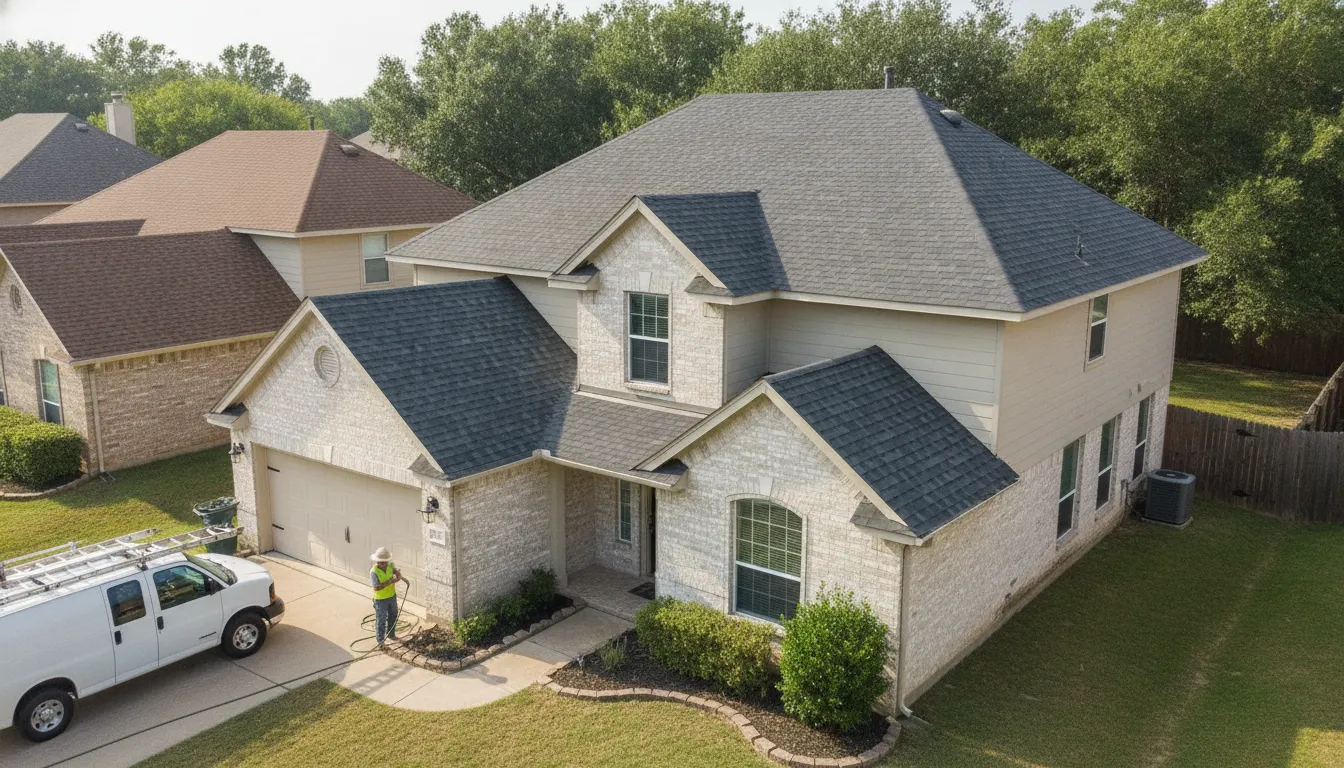
The most popular choice for Houston and Austin homes, and for good reason. But there is a wide quality range. Premium GAF lifetime architectural shingles use multiple laminated layers, UV-resistant granules, and high wind and impact ratings. They cost more than basic three-tab shingles but commonly last 25 to 30 years in this climate, where a cheap shingle might surrender granules and curl within a decade. For most homeowners, a quality asphalt shingle roof is the sweet spot of performance and price.
Metal Roofing
Standing-seam metal roofs reflect solar heat instead of absorbing it, which can meaningfully lower cooling bills during a long Texas summer. Quality gauge steel or aluminum shrugs off hail and is rated for high winds, with service lives of 40 to 50-plus years. The upfront cost is higher, but the lifespan and energy savings make it a strong long-term value, especially for homeowners who plan to stay put.
Tile and Slate
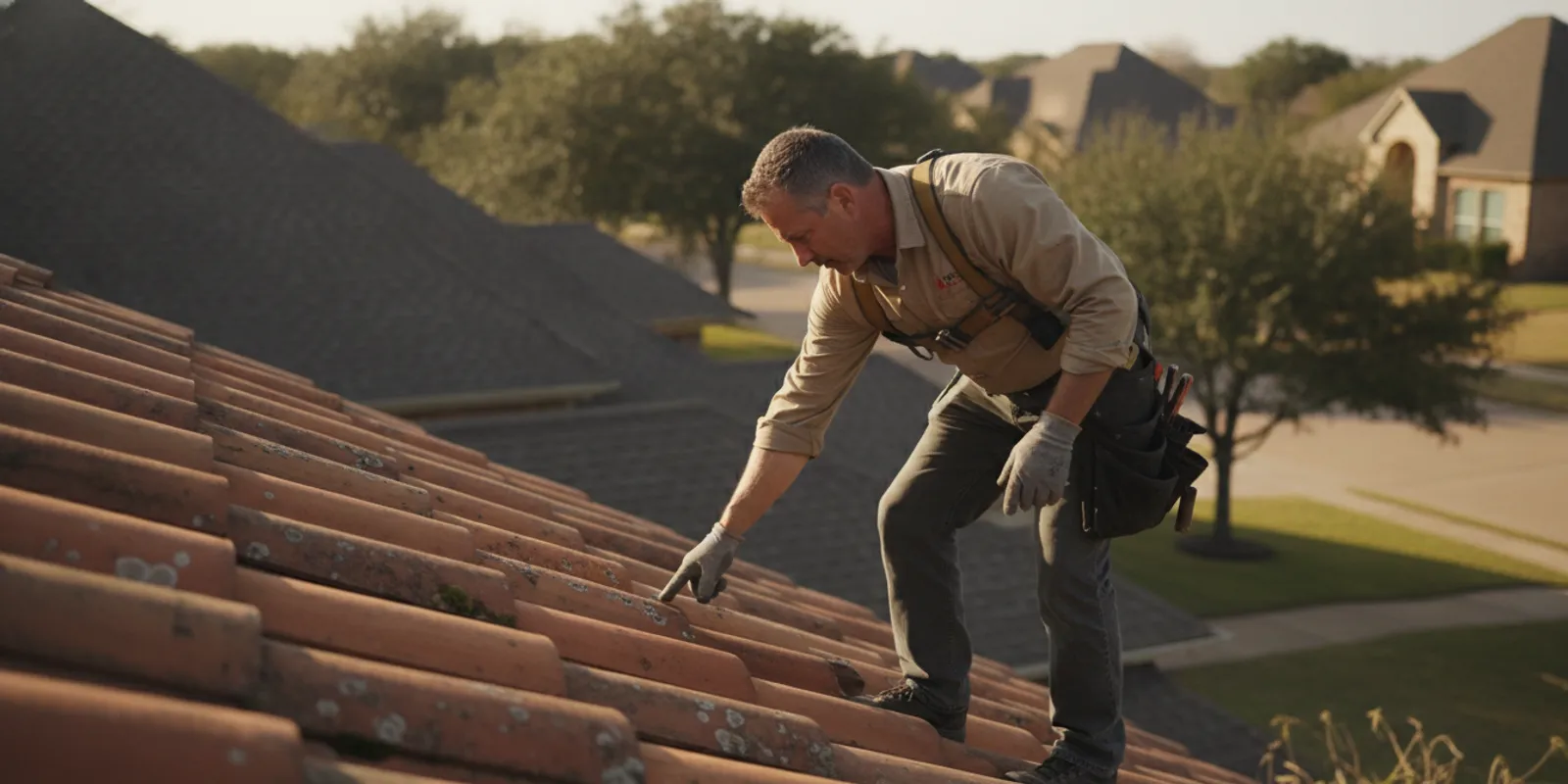
Clay and concrete tile resist fire, UV, and rot, holding their character for 50 years or more. Natural slate can last 75 to 100 years and is one of the most durable materials available. Both are heavier and carry premium prices, so they suit homes built or reinforced to carry the load and owners who value longevity and architectural distinction.
Flat and Low-Slope Membranes
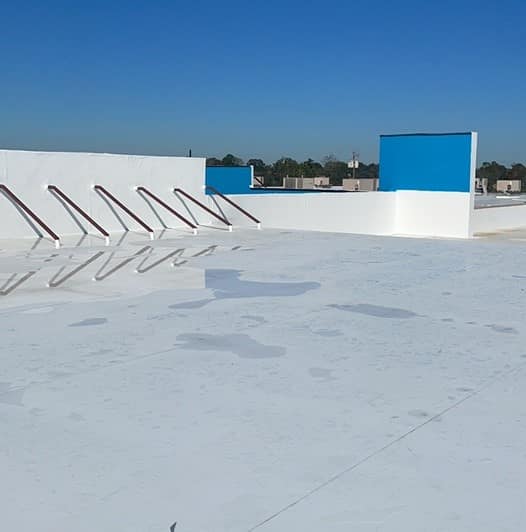
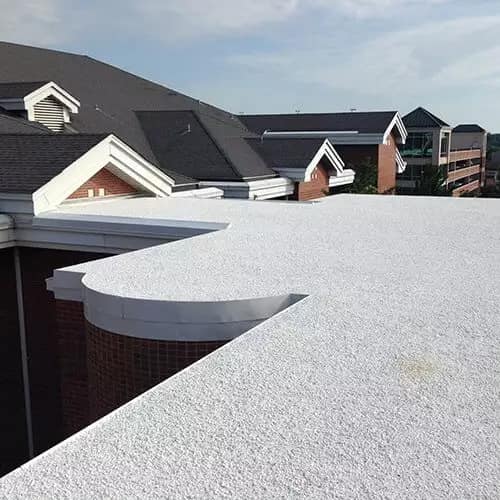
Not every roof is a steep slope. For low-slope sections and commercial buildings, the material still defines the outcome. Quality flat-roof systems like TPO, modified bitumen, and built-up roofing are engineered to hold standing water and resist UV degradation, which is exactly where cheaper membranes split and leak.
The Hidden Layers That Separate Good From Great
The visible surface gets all the attention, but high-quality roofing materials extend beneath it. A premium roof uses synthetic underlayment rather than felt, ice-and-water shield in valleys and around penetrations, and quality flashing metal where the roof meets chimneys, walls, and vents. These components are invisible from the curb, which is exactly why a budget contractor is tempted to downgrade them. They are also where the majority of leaks begin. When you compare two quotes, the cheaper one is often cheaper precisely because it cut here.
The Real Math: Upfront Cost vs. Lifetime Cost
The case for quality materials is not sentimental; it is financial. Consider what cheap materials actually cost over time:
- Earlier replacement. A budget roof that lasts 12 years instead of 25 means you pay for two roofs in the time a quality one would have served once.
- More repairs in between. Lower-rated materials fail sooner after hail and wind, meaning more repair calls and more disruption.
- Higher energy bills. Reflective and properly rated materials cut cooling costs through the Texas heat; cheap dark asphalt absorbs it.
- Weaker warranty protection. Premium materials carry longer, stronger warranties; builder-grade products do not.
Add it up and the "expensive" roof is frequently the cheaper one over its life. That is the difference between a cost and an investment, and it is why we walk every homeowner through lifecycle value, not just the sticker price, before a roof installation or replacement.
How to Spot Quality in a Roofing Quote
You do not need to be a roofer to read a quote critically. Before you sign, ask:
- What is the brand and product line of the shingles or panels, and what are their wind and impact ratings?
- Is the underlayment synthetic, and is ice-and-water shield included in valleys and around penetrations?
- Is new flashing included, or is the crew reusing old metal?
- Which warranties apply, and does the contractor's certification unlock the manufacturer's strongest coverage?
As a GAF Preferred Contractor and RhinoRoof certified installer with 9+ years serving Texas, we install GAF lifetime systems specified for this climate and put every material choice in writing, so you know exactly what is going on your home and why.
See What Your Roof Is Actually Made Of
The fastest way to understand the materials over your head is to have someone look. Elevation Roofing & Restoration offers a free roof inspection (a $399 value) anywhere across Greater Houston and the Austin metro. We will assess your current materials and condition, show you photos of what we find, and explain in plain terms which materials make sense for your home and budget, with no pressure. Reach out today and invest in a roof built to last.