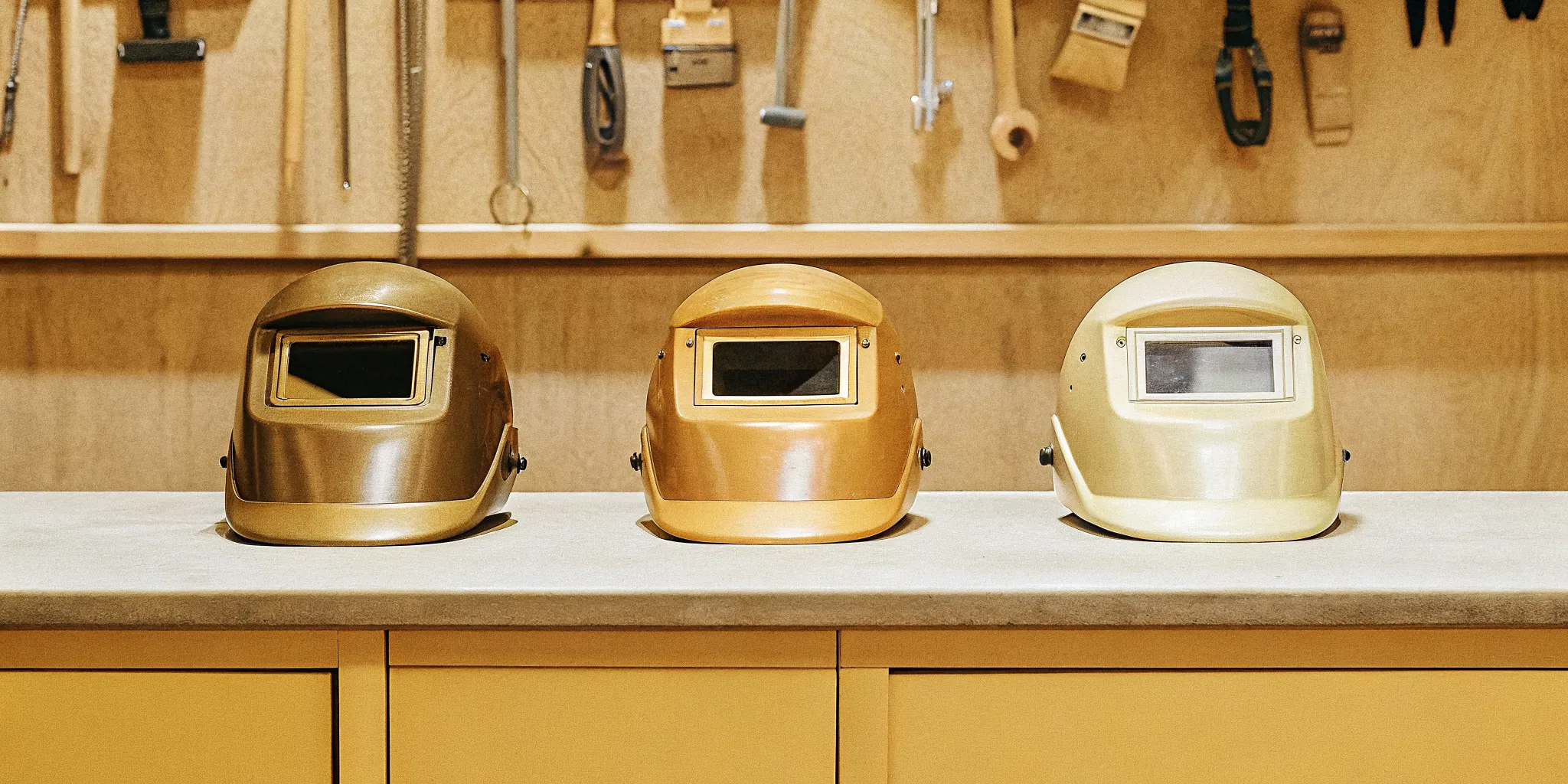
A bad welding hood can ruin your day and your project. If you’ve ever dealt with a lens that flickers, a view that’s too dark or murky, or headgear that gives you a headache, you know the frustration. These aren't just minor annoyances; they are serious issues that compromise your safety and make it nearly impossible to lay down a clean bead. The good news is that these problems are entirely avoidable. By understanding what separates quality gear from the cheap knockoffs, you can select a helmet that works with you, not against you. This guide will show you what to look for in the best welding hoods, from lens clarity and comfort to the brands you can trust.
Key Takeaways
- Align your hood with your work and your comfort: Choose a helmet based on your main projects, such as a high-clarity lens for precision TIG or a lightweight pancake hood for outdoor jobs. A comfortable, adjustable fit is just as crucial, as it prevents strain and ensures you wear it properly.
- Choose between auto-darkening tech and passive reliability: Auto-darkening helmets offer hands-free convenience that's perfect for beginners or projects with frequent stops. Passive helmets are the rugged, budget-friendly alternative, providing simple, battery-free protection ideal for long, continuous welds.
- Look for safety certifications and quality construction: A welding hood is essential safety gear, so always confirm it has the ANSI Z87.1 certification mark. Investing in a durable helmet from a trusted brand and keeping the lens clean will safeguard your vision and prevent frustrating equipment failures.
What Is a Welding Hood?
If you’re getting into welding, the very first piece of gear on your list should be a welding hood. Often called a welding helmet, this is a specialized shield for your head and face. Its primary job is to protect you from the intense and hazardous conditions created when you weld. Think of it as non-negotiable. It’s an essential piece of personal protective equipment for anyone striking an arc, from a professional on a commercial job site to a homeowner tackling a DIY project in the garage.
The most obvious danger from welding is the incredibly bright light from the arc. This light emits powerful ultraviolet (UV) and infrared (IR) rays that can cause serious, painful damage to your eyes. A condition known as "arc eye" or "welder's flash" is essentially a sunburn on your cornea, and it can happen after just a few seconds of exposure. A good welding hood is specifically designed to protect your eyes by filtering out these harmful rays, allowing you to see your work without risking your vision.
Beyond the intense light, welding also produces a shower of hot sparks and flying debris. The hood acts as a physical barrier, shielding your face and neck from painful burns caused by molten metal spatter. It also stops small particles from flying into your eyes or hitting your skin. Just as our teams at Elevation wouldn't get on a roof without the right safety equipment, you should never attempt to weld without a proper hood. It’s the single most important tool for ensuring you can work safely and comfortably.
Exploring the Types of Welding Hoods
When you picture a welder, you probably imagine the iconic helmet they wear. But not all welding hoods are the same. The technology and design have come a long way, and different styles are suited for different types of work and personal preferences. Getting to know the main categories is the first step in understanding what makes a good welding hood. From high-tech automatic lenses to simple, lightweight shields, each type offers a unique set of benefits for safety and comfort on the job. Whether you're just starting with a new hobby or tackling a specific project, the right hood makes your work safer, easier, and more precise. Let's look at the most common options you'll find.
Auto-Darkening Helmets
If you're looking for convenience and efficiency, an auto-darkening helmet is your best friend. These helmets have a special lens that automatically darkens the instant it detects a bright welding arc. This means you don't have to constantly flip your hood up and down to see your workpiece. You can set up your weld with a clear view, and the helmet will protect your eyes the moment you start. This feature not only saves time but also improves the accuracy of your work, since you can keep the helmet in place. The technology is straightforward; auto-darkening helmets use sensors that darken the lens in a fraction of a second, providing seamless protection.
Passive Helmets
Passive helmets are the classic, no-frills option. They use a piece of dark-tinted glass or polycarbonate with a fixed shade, which means the lens is always dark. To see your work before you start welding, you have to lift the helmet or master the classic "head nod" to flip it down just before you strike the arc. While they lack the fancy tech of auto-darkening models, passive helmets are often lighter, more affordable, and incredibly durable since there are no electronic components to fail. They are a reliable choice that has been trusted by welders for decades and are perfect for anyone who prefers simplicity and ruggedness in their gear.
Pancake Hoods
You can spot a pancake hood by its unique design: a circular shield attached to a small, form-fitting box that covers one side of your face. These are especially popular with pipeline welders who work outdoors for long hours. According to the experts at PrimeWeld, the pancake hood is designed to block sun glare, which is a huge advantage when you're outside. They are also incredibly lightweight, often weighing half as much as a standard helmet. This makes them much more comfortable to wear all day, reducing strain on your neck and head while the snug fit blocks out distracting light from behind.
Sugar Scoop Hoods
At first glance, sugar scoop hoods look similar to pancake hoods, but they are typically a single, molded piece of plastic that "scoops" around the welder's head. They offer good protection and are a simple, lightweight alternative to traditional helmets. However, one common point of comparison is their stability. Some welders find that pancake hoods, with their separate balsa box, tend to stay more securely in place during work. In contrast, the one-piece design of a sugar scoop can sometimes shift or move around, which can be a frustrating distraction when you're trying to focus on a precise weld. The choice between the two often comes down to personal preference for fit and feel.
Auto-Darkening vs. Passive: Which Hood Is Right for You?
Choosing between an auto-darkening and a passive welding hood is one of the first major decisions you'll make. Think of it as picking between an automatic and a manual transmission in a car. Both get the job done, but they offer very different user experiences and excel in different situations. An auto-darkening hood does the work of shading for you, while a passive hood requires a bit more manual effort. Your choice will come down to the type of work you plan to do, your budget, and your personal preference for convenience versus simplicity. Let's break down how they work and which one might be the right fit for your projects.
How Each Type Works
The main difference between these two hoods lies in the lens. A passive helmet uses a piece of tinted glass or polycarbonate with a fixed dark shade, usually a #10. To see your work, you have to lift the hood, and just before you strike an arc, you snap your head down to flip it into place. It’s a simple, time-tested design with no electronics involved.
In contrast, an auto-darkening helmet has a special electronic lens. These hoods automatically get dark the instant their sensors detect a welding arc. Before you start welding, the lens is transparent (usually a shade #3 or #4), so you can see your workpiece clearly without lifting the hood. This allows you to set up your torch or electrode with precision before you begin.
Comparing the User Experience
The biggest advantage of an auto-darkening hood is convenience. You don't need to constantly flip your hood up and down, which saves your neck from strain and makes it much easier to start a weld exactly where you intend to. Many users find the headgear on modern auto-darkening hoods to be lightweight and comfortable, with adjustable delay and shade settings for a customized experience.
Passive hoods, on the other hand, are known for their rugged simplicity. With no batteries or sensors, they are incredibly reliable and often more durable in harsh environments. However, the constant "helmet-nod" can be tedious, especially for projects with a lot of tack welds. While some budget auto-darkening hoods can have issues out of the box, a simple passive hood is a dependable workhorse.
When to Choose an Auto-Darkening Hood
An auto-darkening hood is the clear winner for beginners. Being able to see your work right up until the arc is struck removes a major barrier to learning. They are also ideal for any work that involves frequent starts and stops, like tack welding parts together or working on intricate projects.
For precision processes like TIG welding, where your torch placement is critical, an auto-darkening hood is practically a necessity. Top-tier models even offer features like a larger viewing area and technology that automatically adjusts the darkness based on the arc's intensity. If you’re doing a variety of projects or value speed and accuracy, an auto-darkening hood is a worthwhile investment.
When a Passive Hood Is the Better Choice
A passive hood is a fantastic, budget-friendly option if you primarily do long, continuous welds. If you’re stick welding for extended periods, for example, you won’t be stopping and starting as often, which minimizes the need to flip the hood. Their durability also makes them a favorite for tough job sites where an electronic hood might get damaged.
Some specialized passive hoods, like pancake hoods, are preferred by outdoor welders because they block more light and stay securely in place. Just be aware that the quality of the lens matters. While a passive hood is simple, a very cheap one can make it difficult to see the weld puddle clearly, so it’s still worth investing in a reputable brand for the best visibility.
Key Features to Look for in a Welding Hood
Picking the right welding hood can feel overwhelming with all the options out there, but it really comes down to a few key features. Think of it like any other tool in your workshop; you want the one that fits the job and feels right in your hands, or in this case, on your head. A great helmet does more than just protect you from sparks and bright light. It improves your visibility, reduces fatigue, and ultimately helps you produce cleaner, more accurate welds. When you're comparing models, focus on four main areas: the lens quality and shade range, the viewing area and switching speed, the overall comfort and weight, and how well the headgear adjusts. Getting these four things right will make a world of difference in your safety and the quality of your work, letting you focus on the project instead of the gear.
Lens Quality and Shade Range
The lens is the heart of your welding hood, and its most important job is protecting your eyes. When you look at different welding helmets, you’ll see them advertised with a shade range, typically from 3 to 14. A lower number is lighter (for grinding or setup), while a higher number is darker (for heavy-duty welding). A helmet with a wide, adjustable range is incredibly versatile, allowing you to switch between different types of welding, like delicate TIG work or powerful stick welding, without needing multiple hoods. A quality lens also provides a clear, crisp view of your work, not a murky or distorted one, which is essential for laying down a perfect bead.
Viewing Area and Switching Speed
Once you know the lens is safe, think about how well you can see through it. The viewing area size is a matter of personal preference, but a larger window can give you a better field of vision, which helps with spatial awareness and reduces that tunnel-vision feeling. For auto-darkening helmets, the switching speed is a critical safety feature. This is how fast the lens goes from its light state to its dark, protective shade the instant you strike an arc. A faster speed, measured in fractions of a second, means less exposure to the bright flash, which significantly reduces eye strain and fatigue after a long session.
Comfort, Weight, and Fit
You could have the best lens technology in the world, but if the helmet is painfully uncomfortable, you won’t want to wear it. Pay close attention to the helmet's total weight, as a lighter hood can prevent neck strain, especially if you’re welding for more than a few minutes at a time. However, balance is just as important as weight. A well-designed helmet distributes its weight evenly, making it feel lighter than it is. A proper fit is also non-negotiable. The hood should feel secure on your head without being too tight, ensuring it won’t slip and expose your face or eyes to the arc mid-weld.
Headgear and Adjustability
The headgear is the suspension system that connects the helmet to your head, and it’s the key to a comfortable and stable fit. A quality headgear will have multiple points of adjustment, allowing you to customize how it sits. You should be able to adjust the tightness, the height of the helmet, and how far it is from your face. This ensures the hood stays exactly where you want it without wobbling or drifting down while you work. Learning how to properly adjust the headgear is a crucial first step with any new hood, as it makes the helmet feel like an extension of you so you can focus on the weld.
Match Your Hood to Your Welding Style
The type of welding you do most often is the biggest factor in choosing the right hood. A helmet that’s perfect for detailed, indoor work might be a terrible choice for a heavy-duty outdoor project. Different welding processes create different levels of light, spatter, and fumes, and your hood should be equipped to handle the specific demands of your work. Thinking about your primary projects will help you find a helmet that feels less like a piece of safety gear and more like a natural extension of yourself. Let's look at some common welding styles and the hoods that suit them best.
For MIG and TIG Welding
When you’re doing MIG or TIG welding, you’re often focused on creating precise, clean welds. This means you need excellent visibility and a comfortable helmet that lets you concentrate. Look for hoods with high-quality, true-color lenses that reduce the classic green tint, giving you a much clearer view of your weld puddle. Some welders find that a helmet like the GYS Alien TrueColor offers an almost perfect view of the workpiece. A clear view not only helps improve the quality of your work but also reduces eye strain, which is a huge plus during longer welding sessions.
For Stick Welding
Stick welding can be a bit more intense than MIG or TIG, often producing more sparks and spatter. You need a durable hood that offers great protection and a reliable auto-darkening lens. The Miller Elite helmet is a popular choice in the welding community for its solid performance and comfort. However, it’s important to remember that what works for one person might not work for another. Some users have reported issues with sunspots or a slightly obscured view. This really highlights how personal a helmet choice is; you need one that gives you a clear and complete picture of your work area.
For Pipeline and Heavy-Duty Work
If you’re tackling pipeline jobs or other heavy-duty projects, you’ll likely be welding for long hours, sometimes in awkward positions. For this kind of demanding work, many pros swear by pancake hoods. These hoods are incredibly lightweight and have a unique design that straps securely to your head, so they won't slip or shift while you're working. This secure fit is a major advantage, and the lighter weight helps reduce neck strain and fatigue over a long day. A pancake welding hood can make a huge difference in your comfort and endurance on the job.
For Grinding and Cutting
Your welding helmet isn't just for welding. Many hoods come with a grind mode, which is essential for switching between welding and grinding without having to change your headgear. When you’re grinding or cutting, you’re not dealing with a bright arc, but you are wearing the helmet for an extended time. A heavy, poorly fitting helmet can cause headaches and neck pain, making it hard to focus. For these tasks, pay close attention to the helmet's weight and how the headgear feels. A comfortable, well-balanced helmet will allow you to work safely and effectively without unnecessary discomfort.
Decoding Welding Hood Safety Standards
When you’re shopping for a welding hood, you’ll see a lot of letters and numbers stamped on the packaging and the helmet itself. These aren't just for decoration; they are safety certifications that tell you the hood has been tested to protect you from serious injury. Think of them as your guarantee that the helmet can handle the intense light, heat, and potential impacts of welding. Understanding these standards will help you choose a hood that truly keeps you safe, so you can focus on your project with confidence.
ANSI Z87.1
Here in the United States, the most important standard to look for is ANSI Z87.1. This certification comes from the American National Standards Institute, and it’s the gold standard for personal eye and face protection devices. A hood with this rating has been rigorously tested to shield you from hazards like flying debris (impact), harmful non-ionizing radiation from the welding arc, and even chemical splashes. When you're comparing helmets, make sure you see "Z87.1" marked clearly on the product. It’s a simple way to confirm you’re getting the protection you need for your DIY projects around the house.
CSA Z94.3
If you come across a hood with a CSA Z94.3 certification, it’s another good sign. This is the Canadian equivalent of the ANSI standard, issued by the Canadian Standards Association. It ensures the hood meets strict requirements for eye and face protection against impact, heat, and radiation, much like its American counterpart. While it’s the primary standard for Canada, many high-quality brands test their products to meet both ANSI and CSA standards. Seeing CSA on a helmet just gives you extra confidence that it’s a well-made, protective piece of gear that has passed multiple safety evaluations.
CE and DIN Plus Certifications
You might also see CE or DIN Plus markings, especially on helmets from European brands. The CE mark signifies that the product meets European safety, health, and environmental protection standards. It’s a requirement for products sold in the European Union and is a widely recognized indicator of quality. The DIN Plus certification is a German standard that often involves even more stringent testing. For you, the homeowner, seeing these certifications alongside the ANSI Z87.1 mark is a great bonus. It means the helmet has been put through multiple, rigorous testing processes, giving you peace of mind that your eyes and face are well-protected.
Top-Rated Welding Hood Brands
When you start shopping for a welding hood, you'll notice a few brand names pop up again and again. These companies have earned their reputations by consistently producing high-quality, reliable gear that welders trust for protection and performance. While there are many great options out there, focusing on these top-rated brands is a great way to narrow your search and ensure you’re getting a product that’s built to last. Each one has its own strengths, so let's look at what makes them stand out.
Miller Electric
Miller Electric is a giant in the welding world, and for good reason. Their helmets are known for being incredibly reliable and packed with smart features. Many of their popular models come with X-Mode technology, which is a lifesaver when you’re welding outdoors or in tricky positions where sensors might get blocked. This mode senses the weld’s electromagnetic field instead of just the arc’s light, ensuring the lens darkens exactly when it should. Welders often recommend Miller for its high-quality welding helmets, praising their effectiveness and dependability day in and day out. If you prioritize performance and cutting-edge tech, Miller is a brand you can’t ignore.
Lincoln Electric
Lincoln Electric is another trusted name that offers a diverse range of welding helmets known for their sheer durability. These hoods are built tough to handle demanding jobs. While some users note that certain Lincoln models can feel a bit heavier than competitors, many see it as a fair trade-off for a helmet that feels solid and protective. Their performance is consistently strong across various welding applications, making them a top choice for both professionals and serious hobbyists. If you need a robust helmet that can take a beating and keep performing, Lincoln Electric is a fantastic option to consider.
Optrel
If crystal-clear optics are at the top of your list, look no further than Optrel. This Swiss brand is recognized for its innovation, especially when it comes to lens clarity. Their Optrel Crystal model is famous for providing an incredibly clear, true-color view both before and during the weld, which can make a huge difference in the quality of your work. This level of performance has earned them a loyal following among professionals who depend on their gear. Users frequently point to the trustworthiness of Optrel products, making them a preferred brand for welders who are willing to invest in top-tier visibility and comfort.
3M Speedglas
3M Speedglas helmets are celebrated for their thoughtful, user-centric design. Models like the 9100XXi are praised for their easy-to-use controls and superior visibility, which helps reduce eye strain during long sessions. One of the standout features is that the controls are designed to be easily adjusted even while you’re wearing gloves, so you don’t have to stop what you’re doing to make a change. This focus on practical, real-world use makes Speedglas a favorite for welders who value efficiency and safety. When you need a helmet that works with you, not against you, 3M Speedglas is a leading contender.
ESAB
ESAB is another major player that consistently delivers excellent welding hoods for every skill level. Whether you’re a weekend warrior or a seasoned professional, ESAB has high-quality products designed to meet your needs. Their helmets are often highlighted for their advanced features, comfortable headgear, and overall reliability. The Sentinel A50, for example, is known for its radical design and fantastic optical clarity. Investing in an ESAB helmet means you’re getting a piece of equipment from a brand with a long history of excellence in the welding industry, making it a solid choice for anyone serious about their craft.
Common Problems to Watch Out For
A good welding hood should feel like a natural extension of yourself, protecting you without getting in the way. But not all hoods are created equal. Knowing what can go wrong helps you choose a helmet that will serve you well for years, preventing frustration and ensuring your projects turn out right. From lenses that obscure your view to headgear that causes headaches, here are a few common issues to keep an eye on when you're shopping.
Lens Performance and Visibility Issues
This is probably the biggest complaint with lower-quality hoods. If you can't see your work clearly, you can't produce a good weld. Some welders find that cheap lenses give them "sunspots" or flashes that make it impossible to follow the seam, leading to off-track welds. A quality lens should offer a crisp, clear view of the weld puddle without distortion. Look for hoods that feature advanced lens technology that reduces eye strain and provides a more natural color perception. A faulty auto-darkening sensor that flickers or doesn't darken fast enough is not only annoying, it's a serious safety risk for your eyes.
Long-Term Comfort and Fit Problems
A welding hood might feel fine when you try it on for a minute, but how will it feel after an hour? An ill-fitting hood can be a real pain, literally. As one user noted, tightening a poor-fitting hood to keep it in place can lead to "headaches, neck strain, and focus issues within just a couple of hours." Look for a lightweight, well-balanced design and adjustable headgear that distributes weight evenly. A comfortable hood allows you to focus on your work, not on your gear. Proper fit is a key part of welding safety, as a distracting or slipping helmet can be a dangerous liability.
Durability and Sensor Failures
Your welding hood is a piece of safety equipment, and it needs to be reliable. Cheaper models often use less durable materials that can crack under heat or from an accidental drop. More importantly, their auto-darkening sensors can be prone to failure. An inconsistent sensor that doesn't darken every time you strike an arc is a major hazard. As one long-time welder mentioned about their trusted hood, "it's never failed me and never had any issues." That's the kind of reliability you should aim for. Investing in a hood known for its durability and performance means you can trust it to protect you every single time.
Quality vs. Budget: What's the Real Difference?
While it can be tempting to grab the cheapest hood on the shelf, you often get what you pay for. The real difference between a budget hood and a higher-quality one lies in the details we've just covered: lens clarity, sensor speed and reliability, long-term comfort, and overall durability. Reputable brands like Optrel and others invest heavily in research and development to perfect these features. Just as you wouldn't use subpar materials for a home repair, skimping on your personal protective equipment isn't the place to cut corners. A slightly larger investment upfront can save you from ruined projects, discomfort, and serious safety risks down the line.
How to Care for Your Welding Hood
Your welding hood is your most important piece of safety gear, so taking good care of it is non-negotiable. A little routine maintenance not only extends the life of your helmet but also ensures it protects you properly every time you strike an arc. Think of it as a simple checklist to run through for your own safety and peace of mind. Keeping your hood clean and in good repair is a straightforward process that makes a huge difference in your work and your well-being. Here’s how to keep your hood in top shape.
Clean Your Lens Correctly
A clear view is a safe view. To keep your visibility sharp, you need to clean your lens regularly. Start by gently wiping the hood, lens, and protector plates with a soft cloth to remove any surface dust or grease. For a deeper clean, you can remove the cover lens and wash it with a mild soap and water solution. Just be sure to let it dry completely before putting it back in the helmet. Avoid using harsh chemicals or abrasive materials, as they can easily scratch the lens or damage its protective coatings, which is the last thing you want.
Inspect for Wear and Tear
Before you start any welding project, get into the habit of giving your hood a quick once-over. A pre-use inspection only takes a moment and is your first line of defense against equipment failure. Check the outer lens for any deep scratches or cracks that could interfere with your vision. If you have an auto-darkening helmet, make sure the sensors are clean and unobstructed. Dust or spatter can prevent them from detecting the arc, meaning the lens won’t darken when you need it to. Also, check the helmet shell itself for any cracks or damage that could compromise its integrity.
Know When to Replace Your Hood
Even the best welding hood won’t last forever. Knowing when to retire your helmet is key to staying safe. If you find significant cracks in the helmet shell or if the lenses are so scratched that cleaning doesn't help your visibility, it’s time for a replacement. Exposure to extreme temperatures or harsh chemicals can also weaken the plastic and make it unsafe. While it can be tempting to push your gear to its absolute limit, a welding hood is not the place to cut corners. Your eyesight is priceless, so investing in a new, fully functional welding helmet when your old one is worn out is always the right call.
Where to Buy Your Next Welding Hood
Online vs. Local Supply Stores
Once you know what you’re looking for, it’s time to shop. You have two great options: buying online or visiting a local welding supply store. Heading to a local supplier like Airgas is a smart move if you prefer a hands-on approach. You can try on different welding helmets, feel the weight, and see how the headgear adjusts before you buy. This is the best way to guarantee a comfortable fit right from the start.
On the other hand, the convenience of online shopping is hard to beat. Websites like Jackson Safety offer a massive selection, allowing you to compare different brands and models from home. If you enjoy doing your research or already have a specific hood in mind, buying online can save you time and help you find exactly what you need.
Tips for Buying Online
If you choose to buy your welding hood online, a few simple tips will help you have a better experience. First, make sure you have accurate pricing and delivery information. Many sites, including Airgas, require you to enter your zip code to show final costs and shipping options, which helps prevent surprises at checkout. It’s a small step that ensures a smooth transaction.
Also, take advantage of any comparison tools the website offers. Some retailers allow you to compare several welding helmets side-by-side, which is extremely helpful for weighing the pros and cons. Finally, always read customer reviews. Hearing from others who have used the hood can provide honest insight into its everyday performance, comfort, and durability.
Frequently Asked Questions
What's the most important feature for a beginner to look for? For your first hood, I'd strongly recommend an auto-darkening model. The ability to see your work clearly right up until the arc strikes removes a huge learning curve and helps you start your welds more accurately. Beyond that, focus on comfort. A helmet with a highly adjustable headgear that feels balanced on your head is one you'll actually keep on, which is the whole point of safety equipment.
Do I really need an expensive hood for occasional home projects? You don't need a top-of-the-line professional model, but this isn't the place to grab the cheapest option on the shelf. Instead of focusing only on price, look for value. A good mid-range hood from a reputable brand will offer reliable sensors, decent optical clarity, and comfortable headgear. Most importantly, make sure any hood you consider is rated ANSI Z87.1. This certification ensures it has passed standardized tests for impact and radiation protection.
How do I know which shade number to use for my project? This is a great question, as the right shade protects your eyes and helps you see the weld puddle. As a general rule, you'll use shades 9 through 13 for most common welding processes. Lower numbers, like 9 or 10, are good for low-amperage TIG welding, while higher numbers, like 12 or 13, are better for stick or flux-core welding. Your helmet's manual is your best friend here, as it will have a detailed chart recommending shades for different applications and amperages.
Can I use my welding hood for grinding too? Yes, and you absolutely should. Most auto-darkening helmets have a "grind mode" that turns off the darkening sensor. This allows you to use the helmet as a full-face grinding shield, protecting you from sparks and debris without the lens darkening from the shower of sparks. If you have a passive helmet, it also works for grinding, but you'll have to lift it frequently to see what you're doing.
My auto-darkening helmet isn't darkening. Is it broken? It might not be. Before you worry, run through a quick checklist. First, if your helmet has replaceable batteries, check to see if they need to be changed. Second, make sure the sensors on the front of the helmet are clean and not blocked by spatter or grime. Finally, check your sensitivity setting. If it's turned down too low, it may not detect the arc. If you've checked all three and it still isn't working, it may be time to contact the manufacturer or consider a replacement.