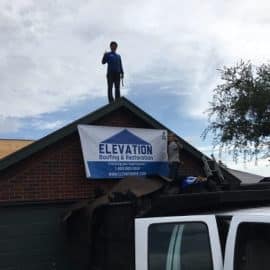
Most Texas homeowners never look at their roof until water is dripping onto the kitchen floor. By then, the cheap fix is long gone. The honest truth about roofing is that the cost of a problem rarely stays still — a $200 flashing repair ignored for two summers can quietly become a $14,000 deck replacement. That gap between what a problem costs today and what it costs later is exactly why routine roof inspections save Houston and Austin homeowners thousands of dollars. This article breaks down the real math, what a thorough inspection actually checks, and how Texas weather makes the timing matter more here than almost anywhere else in the country.
The Hidden Math of a Neglected Roof
Roof damage is rarely a single event. It is a slow chain reaction, and each link is more expensive than the last. A lifted shingle lets wind-driven rain reach the underlayment. Saturated underlayment rots the wooden decking beneath it. Rotted decking sags, pulls fasteners loose, and channels water into the attic, where it ruins insulation, stains drywall, and feeds mold. What started as a five-minute fix is now a multi-trade restoration project.
Consider how the numbers typically escalate when a small issue goes unseen:
- Caught at inspection: A handful of replaced shingles and resealed flashing — often a few hundred dollars, sometimes covered under workmanship warranty.
- Caught at the first ceiling stain: Repair plus interior drywall and paint, and possibly attic insulation that has to be torn out and replaced.
- Caught when the leak is obvious: Decking replacement, mold remediation, and structural drying — frequently five figures, and not always reimbursed because the damage looks like deferred maintenance to an insurer.
That last point is the one most people miss. Insurance covers sudden, accidental damage — not the slow decay that a homeowner could reasonably have caught. A documented inspection history is part of how you protect a future storm damage claim from being denied as wear and tear.
Why Texas Roofs Age Faster
A roof in a mild climate might coast for two decades with little attention. A Texas roof does not get that luxury. Between the Gulf Coast and the Hill Country, our roofs absorb a punishing variety of stress, and each type leaves a different signature an inspector is trained to read.
Relentless UV and Heat
Houston and Austin summers bake asphalt shingles day after day. UV exposure dries out the protective oils in the shingle, cracks the surface, and sheds the granules that shield the asphalt below. Granule loss is one of the earliest, most reliable signs a roof is aging — and it is nearly invisible from the ground.
Hail and High Winds
Texas sits in one of the most active hail corridors in the nation. Hail bruises shingles in ways you cannot see from the driveway: the granules fracture, the mat underneath weakens, and the damaged spot fails months later. High winds and the outer bands of tropical storms lift shingle edges and tear at flashing around chimneys and vents.
Heavy Rain and the Occasional Hard Freeze
When several inches of rain arrive in an afternoon, every weak seam and clogged gutter is tested at once. Add the rare Texas hard freeze, and trapped moisture can expand and pry materials apart. Because these threats stack up, we recommend professional inspections twice a year — ideally before hurricane season and again after winter — rather than the once-a-decade glance many homeowners settle for.
What a Real Roof Inspection Covers
A genuine inspection is far more than a walk around the yard with binoculars. When our crews perform a professional roof inspection, they evaluate the whole system — because a roof is a system, not just a layer of shingles.
- Surface materials: Cracked, curling, missing, or bruised shingles, granule loss, and the condition of metal panels, tile, or flat and low-slope membranes.
- Flashing and penetrations: The metal seals around chimneys, skylights, vents, and valleys — statistically the most common entry point for leaks.
- Drainage: Gutters, downspouts, and slope, since standing water and overflow quietly damage fascia and foundations. Failing gutters are often a cue to look at gutter replacement.
- Attic and ventilation: Daylight through the decking, moisture stains, mold, and inadequate airflow that traps heat and shortens shingle life from the inside out.
- Structure: Sagging planes, soft decking, and fastener pull-through that signal deeper problems.
You leave with a clear picture of where your roof stands — whether that means a minor repair, a maintenance plan to extend its life, or honest guidance that you have years of service left and need nothing at all.
Inspections Protect More Than the Roof
The savings reach well beyond avoided repairs. A roof in documented good condition supports your home's resale value and clears inspection contingencies during a sale. Proper ventilation and an intact roof envelope cut cooling costs through brutal Texas summers. And catching damage early often means you are repairing on your schedule, not scrambling for an emergency crew the week a tropical system is forecast for the Gulf.
There is also peace of mind in simply knowing. A roof you have had evaluated is one less thing to worry about when the hail warnings start scrolling across your phone.
Make the Smart, Free Move
The single cheapest thing you can do for your roof is to know its true condition before a storm decides it for you. Elevation Roofing & Restoration is a GAF Preferred Contractor serving Greater Houston, the Austin metro, and more than 100 Texas communities, and we offer a FREE roof inspection — a $399 value — with no obligation. If we find storm or hail damage, we work directly with your insurance company on the claim. If we don't, we'll tell you that too.
Don't wait for the ceiling stain to make the decision for you. Schedule your free roof inspection today, see why your neighbors give us a 5-star rating on our reviews page, or reach out to our team with any questions — the small step now is what saves the thousands later.