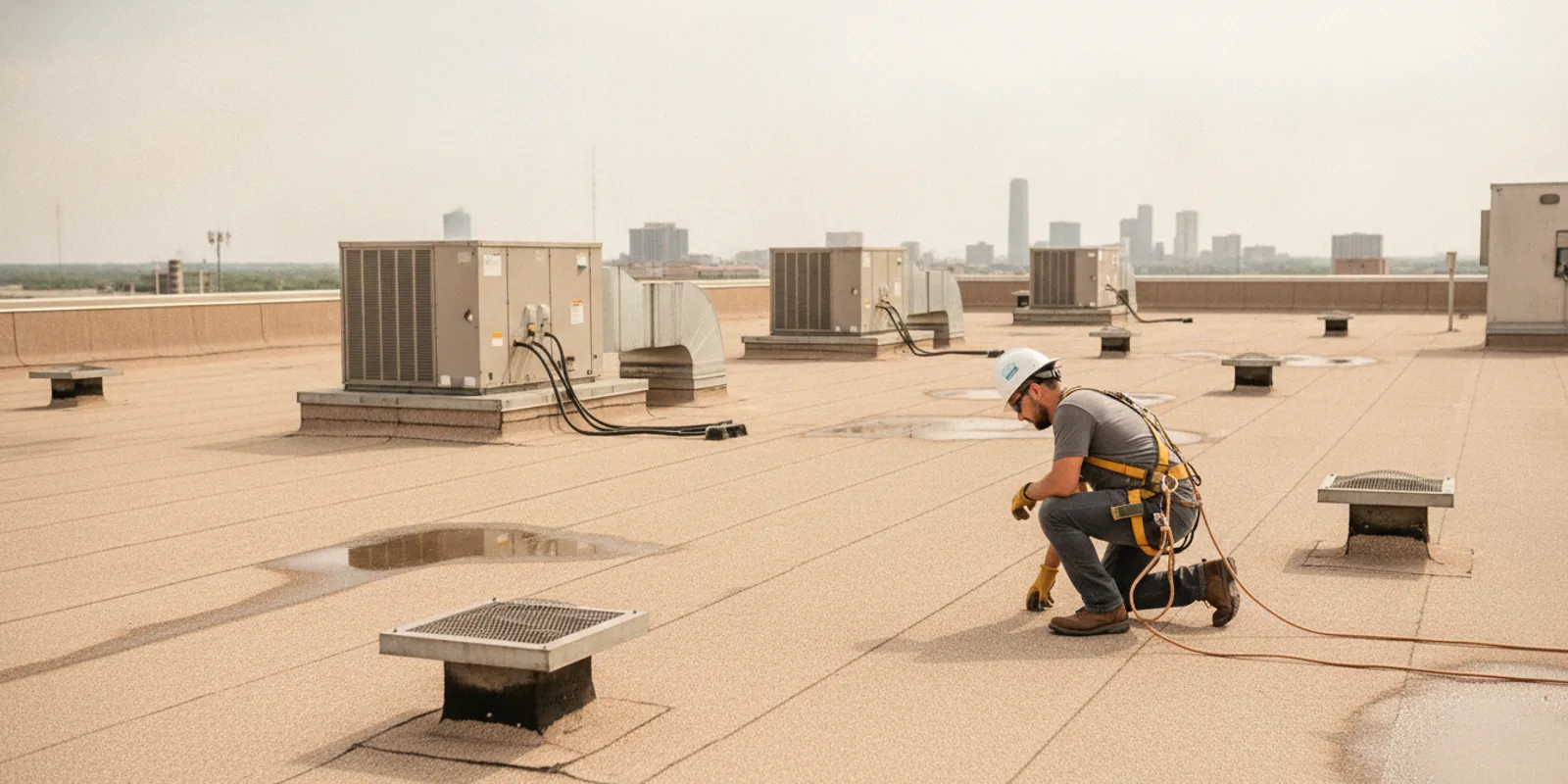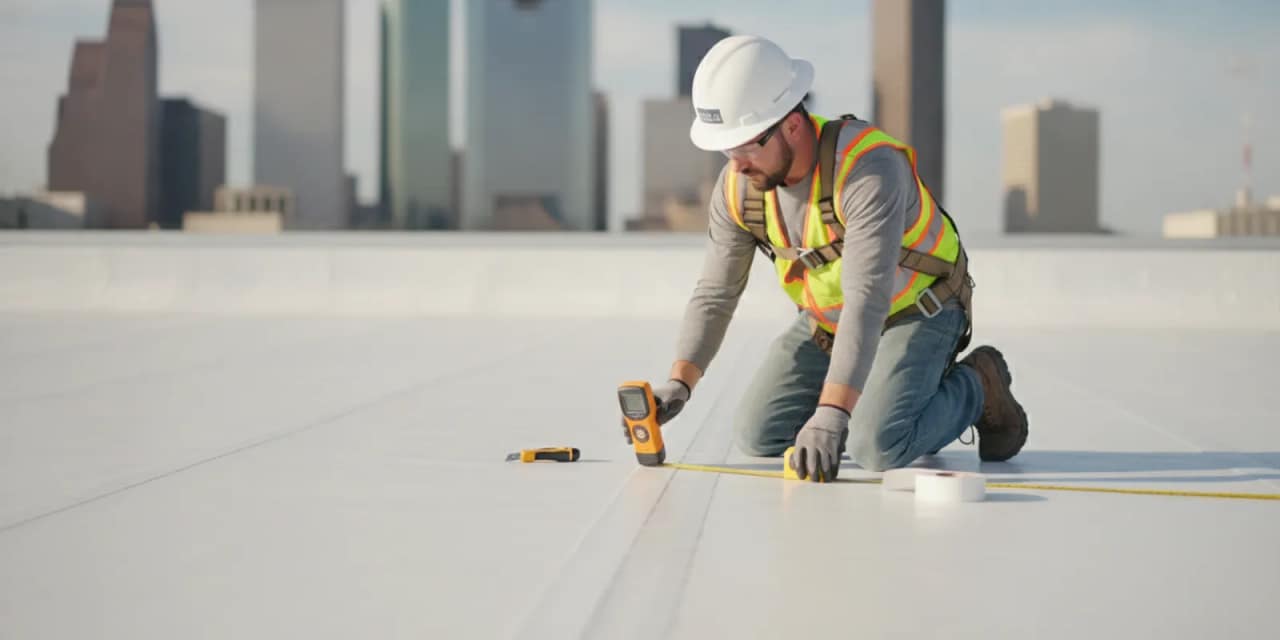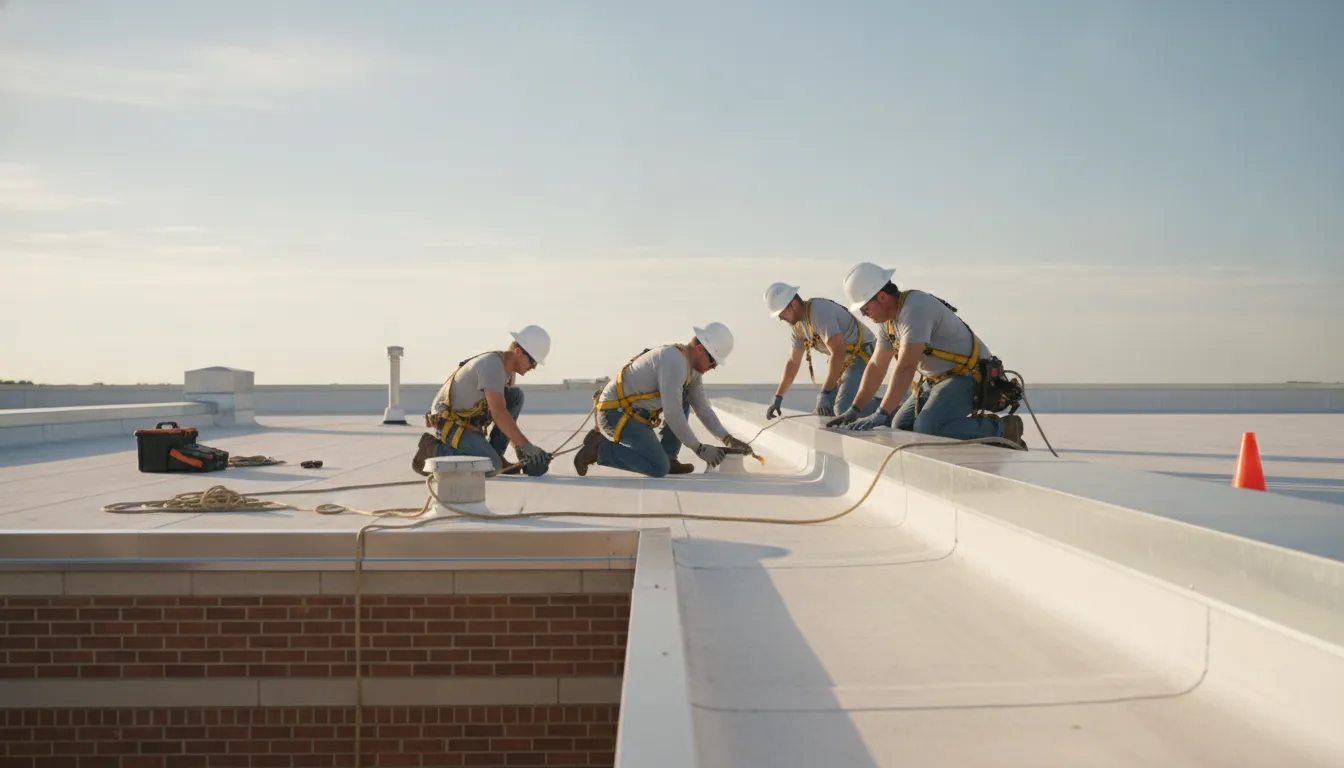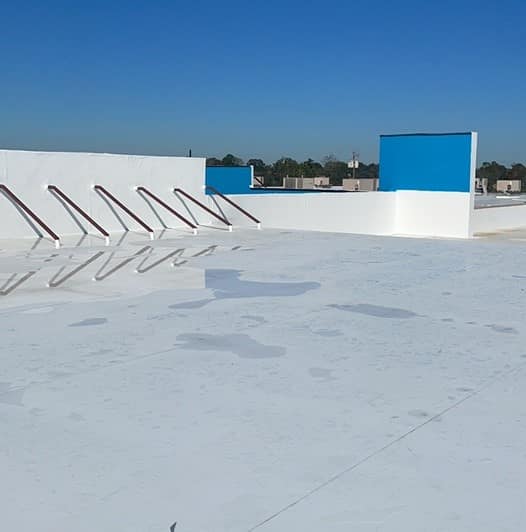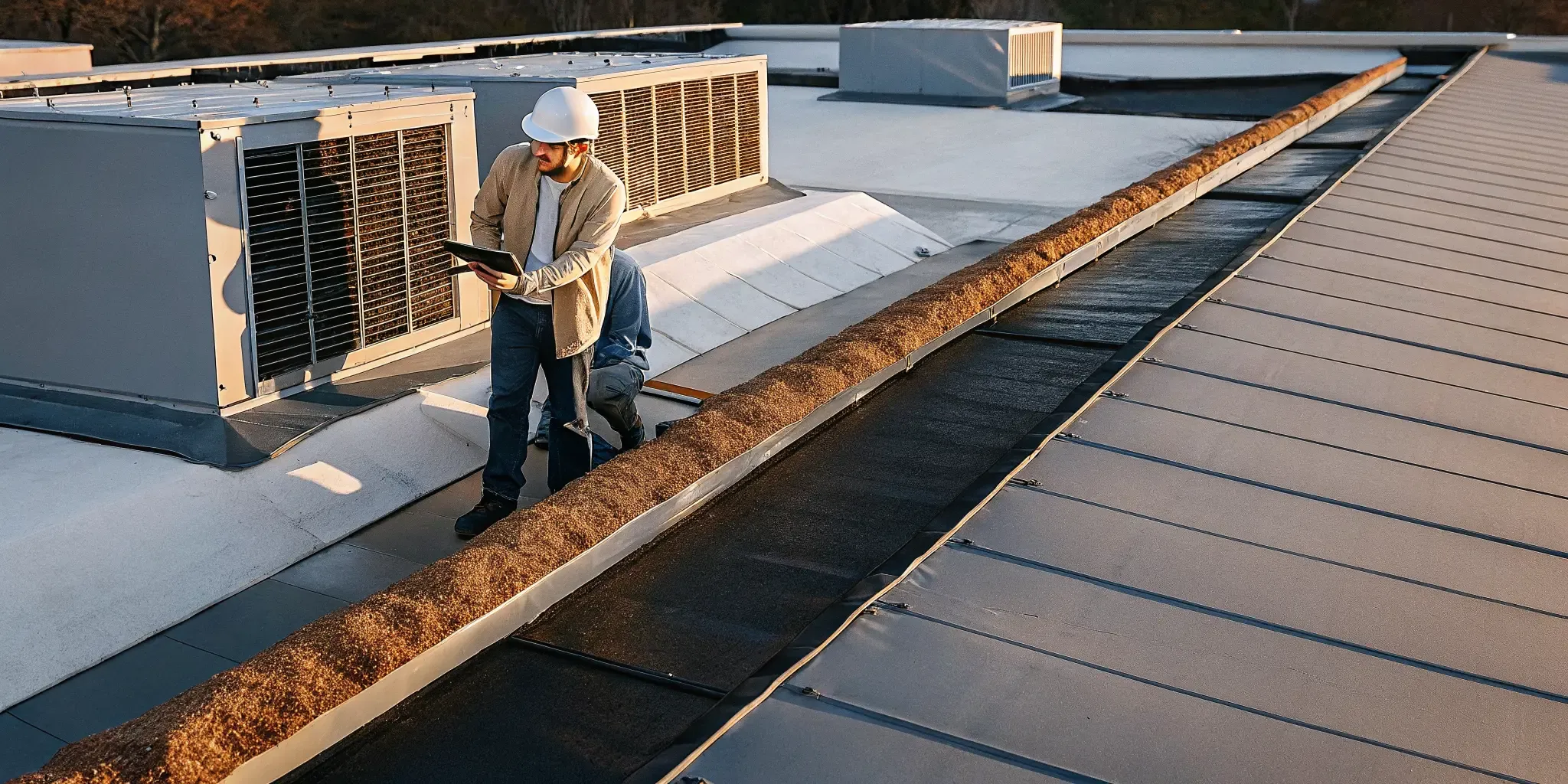
A practical commercial roof inspection checklist helps Texas property managers find small problems before the next hailstorm, heat wave, or heavy rain turns them into tenant complaints and operational disruptions. Use this guide to organize routine visual checks, document changes, and know when a condition needs a commercial roofing professional. Do not walk onto a roof unless access is authorized, conditions are safe, and you have the required fall protection and training.
Schedule a professional roof inspection with Elevation Roofing & Restoration to get an informed assessment of your commercial property.
Quick Commercial Roof Inspection Checklist
A commercial roof inspection should cover records, interior moisture evidence, drainage, roof surfaces, seams, edges, penetrations, equipment curbs, and storm damage. Property managers should photograph each concern, map its location, assign a priority, and call a commercial roofing professional for unsafe conditions or suspected damage.
- Review previous reports, warranties, repairs, leaks, and roof-access logs.
- Check ceilings, walls, and top-floor spaces for moisture signs.
- Look for debris, standing water, and blocked drainage components.
- Inspect the roof surface for cracks, punctures, blisters, splits, or loose material.
- Review seams, flashings, roof edges, parapets, and coping.
- Check penetrations and equipment curbs around vents, pipes, skylights, and HVAC units.
- Look for storm damage, displaced materials, and impact marks.
- Confirm walkway pads, roof access points, and visible safety components are in good condition.
- Photograph and map every concern, then compare it with prior inspections.
- Assign each finding an action, responsible party, and target date.
Why Texas Commercial Roofs Need Consistent Inspections
Texas commercial roofs face intense sun, abrupt temperature changes, high winds, hail, and heavy rain. Consistent inspections identify changes before water reaches insulation or occupied space, while dated reports help property managers prioritize maintenance, communicate with ownership, and support informed capital-planning decisions.
Waiting for a visible leak can allow moisture to spread into insulation, decking, ceilings, or occupied space. Routine inspections create a record of roof condition and give managers time to plan preventive roof maintenance rather than reacting during an emergency.
The checklist also supports better communication. A dated report with marked photos gives ownership, facilities teams, tenants, insurers, and roofing contractors a common reference. That is far more useful than a note that only says the roof "looks fine." A consistent record also shows whether a previously monitored condition has changed, stayed stable, or been repaired.
Before the Inspection: Review Records and Set Priorities
Start at the desk, not on the roof. Collect the roof plan, system type, approximate installation date, warranty documents, prior inspection reports, maintenance history, invoices, and leak records. Review recent roof-access logs as well. HVAC technicians, sign installers, electricians, and other trades can unintentionally damage a membrane or leave debris behind.
Mark recurring leaks and previous repairs on a roof plan. Note any tenant reports of stains, odors, dripping, or unusually warm areas. These records help an inspector connect an interior symptom with a rooftop feature such as a drain, seam, curb, or penetration. They also prevent a new observer from overlooking a concern that only appears during wind-driven rain.
Questions to answer before a roof review
- What type of commercial roof system is installed?
- When was the last professional inspection or repair?
- Has the building experienced recent hail, high wind, or heavy rain?
- Are there active leaks or repeated trouble spots?
- Has new rooftop equipment been installed or serviced?
- Are there warranty-specific inspection or maintenance requirements?
Where Should a Commercial Roof Inspection Start?
Start inside the building, then review the roof only through authorized, safe access. Interior evidence can reveal a problem that is difficult to see from above. A careful route through top-floor rooms, mechanical areas, and accessible ceiling spaces also gives the rooftop review specific locations to investigate.
Look for water stains, bubbling paint, damaged ceiling tiles, damp insulation, corrosion, or musty odors. Ask occupants whether dripping appears only during wind-driven rain or continues after a storm. Record the location, time, and weather conditions for each symptom.
Moisture does not always travel straight down, so the leak source may be some distance from the interior stain. Avoid assuming a roof is the only possible cause. Plumbing, HVAC condensation, and wall-envelope issues can produce similar signs. A qualified professional can help isolate the source.
Inspect Drainage and Look for Ponding Water
Commercial low-slope roofs depend on clear, functional drainage. Inspect drains, strainers, scuppers, gutters, and downspouts for leaves, sediment, loose material, or other obstructions. Look for water marks, dirt rings, algae, or surface discoloration that suggest water regularly collects in the same area.
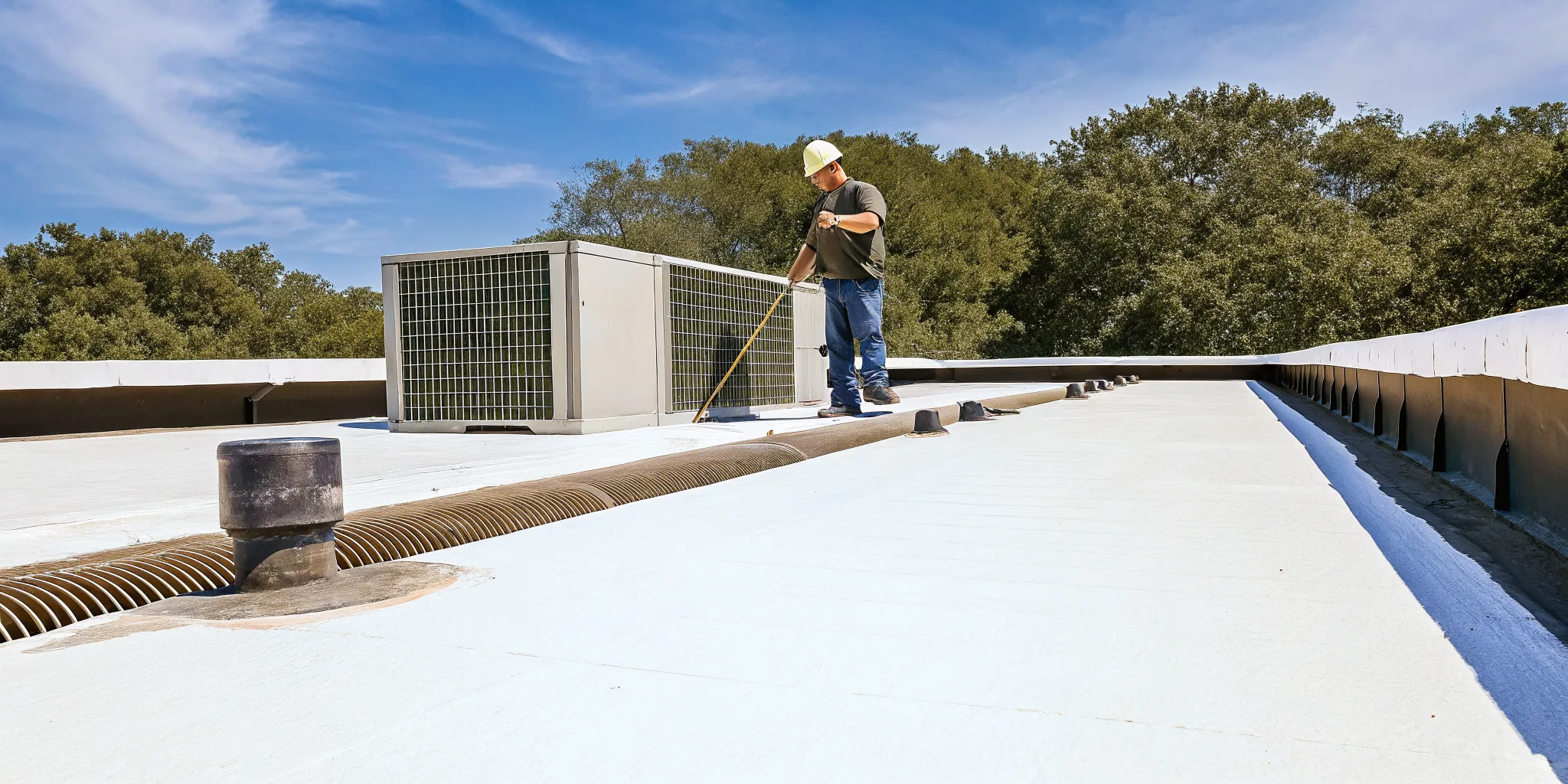
Standing water adds weight and can accelerate deterioration around seams, repairs, and penetrations. It may point to blocked drainage, compressed insulation, or a low area in the roof assembly. Document the location and approximate size of ponding areas, but do not attempt structural or drainage changes without professional evaluation.
A useful record includes a wide photo showing where the ponding occurs and a closer photo showing nearby seams, drains, or repairs. Compare the same area after future rain events. If water remains, grows, or appears near an active interior symptom, request a professional evaluation.
Ask Elevation Roofing & Restoration about a commercial roof maintenance plan built around your property and roof system.
Check the Roof Surface and Membrane
The surface inspection depends on the roof type, but the goal is consistent: identify changes that may allow moisture into the assembly. Scan the field of the roof systematically rather than walking only between obvious trouble spots. Property managers can learn more about the systems Elevation services on its roofing services overview.
Low-slope membranes and modified bitumen
- Punctures, cuts, open laps, or displaced patches.
- Blisters, bubbles, wrinkles, ridges, or surface cracking.
- Loose seams or changes around repaired areas.
- Exposed reinforcement or worn protective surfacing.
- Damage along common foot-traffic routes.
Metal commercial roofs
- Loose or missing fasteners.
- Open seams, lifted panels, or damaged closures.
- Rust, corrosion, scratches, or failed coatings.
- Deteriorated sealant at transitions and penetrations.
- Movement or distortion around edges and rooftop equipment.
Do not probe, cut, lift, or patch materials during a routine visual check. Improper work can cause damage and may conflict with warranty requirements. If the surface shows distress, arrange a professional assessment and discuss whether commercial roof repair is appropriate.
Review Seams, Flashing, Edges, and Parapets
Transitions deserve special attention because they connect different materials and building planes. Examine visible seams and flashing at walls, curbs, roof edges, parapets, and changes in elevation. Look for open laps, cracks, gaps, wrinkles, loose edge metal, displaced coping, and deteriorated sealant.
Wind pressure can make roof perimeters and corners particularly vulnerable. After a high-wind event, inspect from a safe location for lifted or missing materials and debris around the building. Also check parapet walls for cracks or damage that could let water enter behind the roofing system.
Inspect Penetrations and Rooftop Equipment
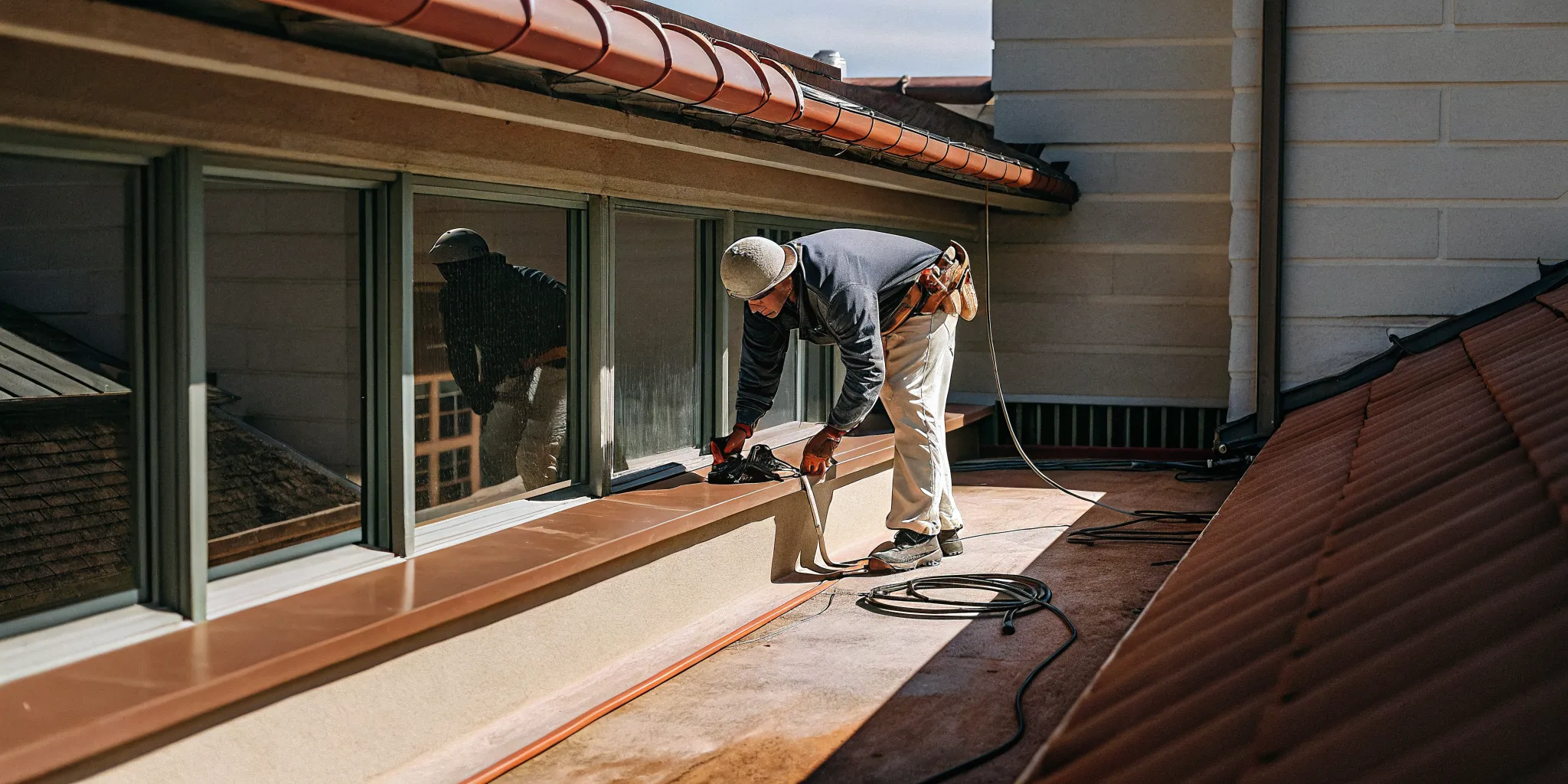
Every pipe, vent, skylight, conduit, hatch, and equipment curb creates a transition that must remain watertight. Review flashing and sealant around each penetration. Look for gaps, splits, loose components, unsecured lines, or signs that recent mechanical work disturbed the roof.
Check HVAC areas for condensation discharge, oil, discarded screws, sheet-metal scraps, and foot-traffic damage. Confirm that walkway pads remain positioned where technicians need them. Coordinate repairs with the appropriate trade when the issue involves both roofing and mechanical equipment.
After any rooftop trade visit, log who accessed the roof, where they worked, and whether they moved protective pads or opened equipment. A short follow-up review can catch debris or damage while the work is still recent and responsibilities are easier to identify.
What Should Be Checked After a Texas Storm?
After hail, high winds, or heavy rain, begin with safe ground-level and interior observations. Look for newly displaced materials, fresh moisture evidence, clogged drainage, and visible impact damage. Preserve dated photos and maintenance records, then schedule a professional inspection when damage is suspected.
- From the ground, look for displaced edge metal, panels, flashing, or rooftop components.
- Inside, check for fresh stains, dripping, damp ceiling materials, or unusual odors.
- At approved access points, note debris, clogged drainage, and visible impact damage.
- Photograph conditions with dates and preserve relevant maintenance records.
- Prevent access to unsafe areas and contact a professional promptly.
If a storm has affected the property, Elevation Roofing & Restoration provides storm-damage roof repair services and can help property owners document roofing concerns for an insurance claim. Coverage and claim decisions remain subject to the specific policy and insurer.
How Often Should a Commercial Roof Be Inspected?
A common preventive approach is to arrange professional inspections twice a year and after significant weather. The right schedule depends on the roof system, its age and condition, building use, warranty terms, and insurer requirements. Facilities with frequent rooftop traffic or critical operations may need more frequent checks.
| Timing | Purpose |
|---|---|
| Spring | Review winter wear and prepare drainage and vulnerable details for severe-weather season. |
| Fall | Assess summer heat exposure and address maintenance before colder conditions. |
| After major weather | Document possible hail, wind, or rain damage and identify urgent concerns. |
| After rooftop trade work | Check for punctures, debris, disturbed flashing, or unprotected traffic areas. |
| Before a transaction or capital plan | Establish current condition and support budgeting decisions. |
Always check the roof warranty and insurance policy for required inspection intervals, documentation, and approved repair procedures. A missed maintenance obligation or unauthorized repair can create avoidable complications.
How to Document Inspection Findings
A useful report turns observations into actions. Take wide photos that show location, then close photos that show the condition. Give each finding a unique number and mark it on a roof plan. Record the date, weather, observer, roof area, description, and recommended next step.
Use simple priority levels:
- Urgent: active leaking, unsafe conditions, displaced materials, or other concerns that require immediate professional attention.
- Near-term: deterioration or drainage issues that should be evaluated and addressed soon.
- Monitor: stable conditions that should be photographed again during the next scheduled review.
Keep reports, photos, invoices, and repair records together. Over time, the file becomes a condition history that helps managers identify recurring trouble spots and support capital planning. If widespread wear appears, a professional can help compare repair options with commercial roof restoration or replacement planning.
When to Call a Commercial Roofing Professional
Call a commercial roofing professional for active water entry, suspected storm damage, recurring ponding, open seams, damaged flashing, soft or unstable areas, widespread deterioration, or any unsafe condition. Routine property-manager observations are valuable, but they do not replace a trained inspection of the complete roofing system.
A professional can evaluate the complete system and explain whether a finding calls for monitoring, maintenance, repair, restoration, or replacement. That distinction matters because addressing the source of a problem is more effective than repeatedly treating an interior symptom.
Contact Elevation Roofing & Restoration or call (832) 271-1726 to discuss a commercial roof inspection in Houston, Austin, or a surrounding Texas community.
FAQs About the Commercial Roof Inspection Checklist
Can property managers perform commercial roof inspections?
Property managers can perform routine interior and ground-level observations and document visible changes. Roof access should be limited to authorized people with appropriate training, safe conditions, and required fall protection. A qualified commercial roofing professional should evaluate suspected damage, active leaks, unsafe areas, or concerns that require probing or repairs.
What records should be kept after an inspection?
Keep the dated report, marked roof plan, wide and close photos, weather conditions, repair recommendations, invoices, warranty documents, and roof-access logs. Record who owns each action and its target date. Comparing consistent records over time helps identify recurring conditions and supports maintenance and capital-planning decisions.
Does a roof inspection help with an insurance claim?
Dated inspection records and photos can help document roof condition before and after a storm. Elevation Roofing & Restoration can help property owners document roofing concerns during the claim process. Coverage, documentation requirements, and claim decisions remain subject to the specific policy and insurer.
Should a commercial roof be inspected after HVAC work?
Yes. Rooftop trade work can leave debris, disturb flashing, move walkway pads, or create accidental surface damage. Log the work and arrange a safe follow-up observation of the work area. A professional review is appropriate if you see punctures, displaced materials, new moisture evidence, or damaged transitions.
What is the difference between a routine check and a professional inspection?
A routine check records visible interior, exterior, and safely accessible conditions. A professional inspection evaluates the complete roof system, interprets how findings relate to one another, and recommends whether each concern should be monitored, maintained, repaired, restored, or replaced.
Put the Checklist Into a Repeatable Roof-Care Process
The most effective commercial roof inspection checklist is the one your team uses consistently. Set inspection dates, control roof access, log trade work, keep drainage clear, compare photos over time, and close the loop on every finding. This process helps Texas property managers reduce surprises and make informed decisions about the building.
Elevation Roofing & Restoration serves residential and commercial property owners across Houston, Austin, and surrounding communities. The team provides inspections, maintenance, repairs, replacement, restoration, and storm-damage support for major roof systems.