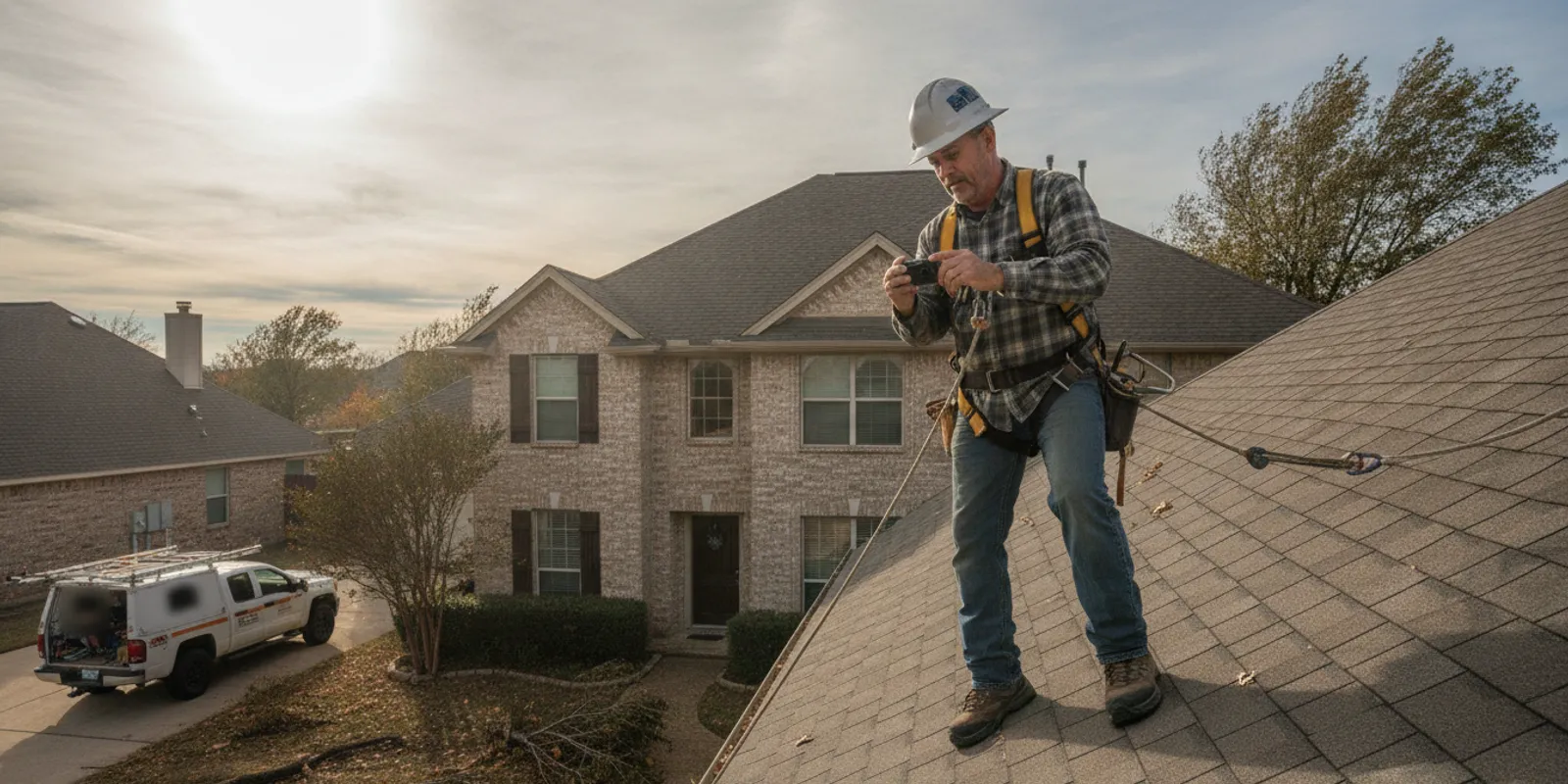
Does homeowners insurance cover wind damage to roof surfaces in Texas? A policy may cover sudden wind-related damage, but the answer depends on the policy language, the cause of the damage, and how the loss is evaluated. Start by protecting people and property, then document what you can see and ask your insurer about the specific terms that apply. If the roof needs a closer look after that review, Elevation Roofing & Restoration can assess conditions through roof restoration and explain repair options without deciding the claim.
Schedule a free roof inspection
Does Homeowners Insurance Cover Wind Damage to Roof Surfaces?
Many homeowners policies include coverage for some sudden, accidental wind damage. That does not mean every roof problem after a windy day will be paid for. An insurer may consider the reported cause, the roof’s condition before the event, policy exclusions, deductible, and supporting evidence. Your policy and the insurer’s claim decision control.
For example, wind may lift or displace shingles, loosen flashing, or cause a tree limb to strike a roof. A leak discovered after a storm can also have another cause, such as worn materials, an older repair, or maintenance issues. Timing alone does not prove what caused the damage. In a practical review, wind alone is not the test. The condition must fit a covered event. The contract must also provide coverage for that loss.
Review your declarations page and policy wording, especially sections on wind, covered property, exclusions, deductibles, and duties after a loss. If the language is unclear, ask your insurer to explain the relevant provision in writing. The Texas Department of Insurance offers consumer guidance about windstorm insurance and claims.
When Does Homeowners Insurance Cover Wind Damage to Roof Work?
Coverage is specific to the policy and circumstances. Do not assume that a neighbor’s result applies to your home. Look for these details before making decisions:
- Covered cause of loss: Check how the policy describes wind and whether a separate endorsement applies.
- Exclusions and limitations: Policies may address wear, deterioration, faulty maintenance, or water intrusion in specific ways. Read the actual wording.
- Deductible: Find out whether a standard or separate wind or hail deductible applies and how it is calculated. Ask whether it is a fixed amount or tied to a percentage shown in the policy.
- Payment terms: Ask whether the policy uses replacement cost or actual cash value for the relevant property and what documentation is needed. These terms can affect how and when payment is calculated.
- Notice and mitigation duties: Check deadlines and steps for reporting damage and preventing additional loss.
- Roof-specific terms: Look for limits, endorsements, or settlement provisions that apply to the roof material or its age. Do not assume every policy treats every roof the same way.
These are questions to verify, not conclusions about any particular contract. If you have difficulty finding a clause, ask the insurer to identify the wording that applies to the reported damage and explain how the deductible is applied. The Texas Department of Insurance guidance is a useful starting point, but it cannot replace your policy or advice about your individual claim.
What Signs May Point to Wind Damage?
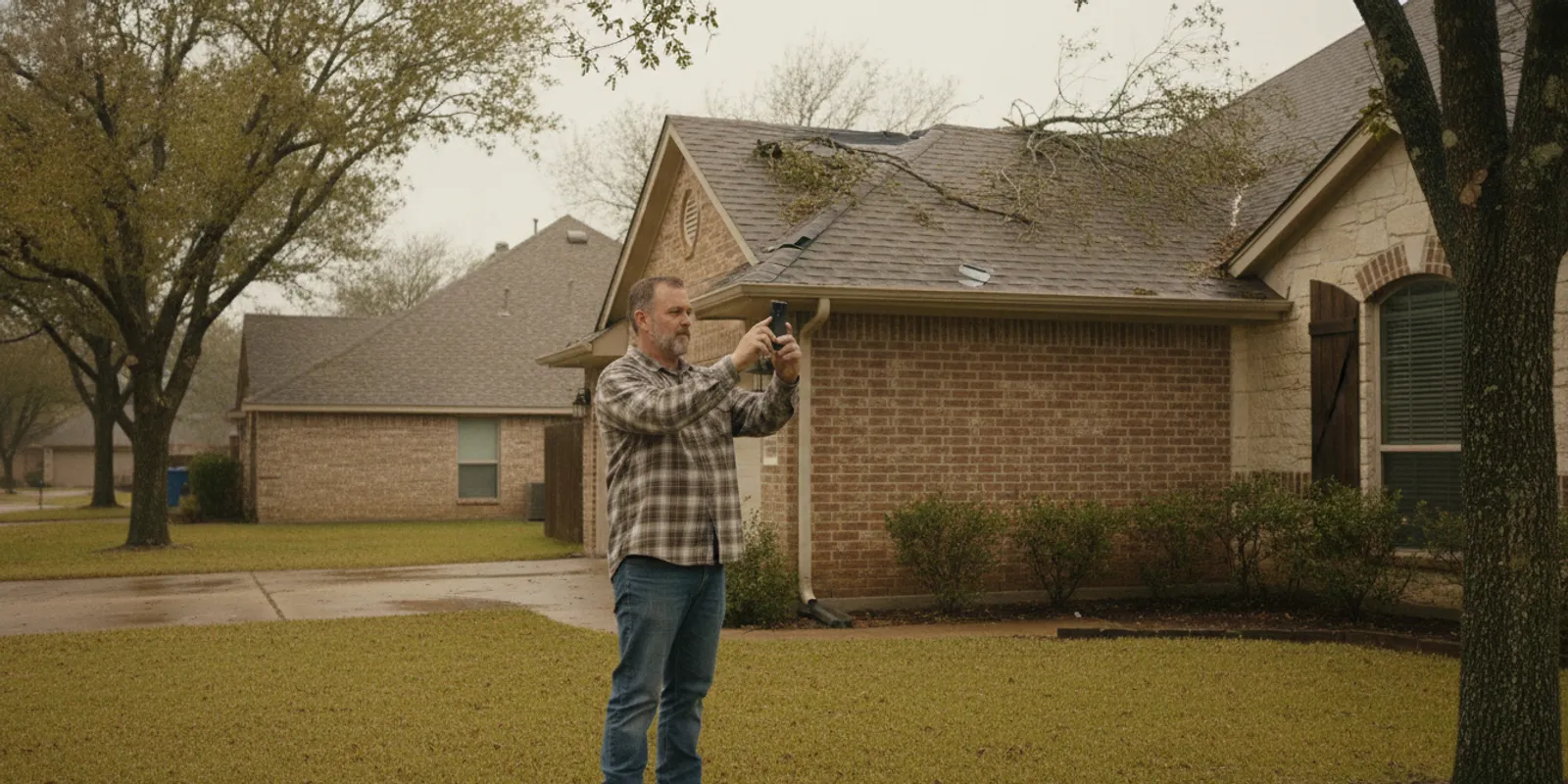
From the ground, look for displaced shingles, loose or hanging components, branches on the roof, or debris in gutters. Indoors, note new water staining, damp insulation visible from a safe access point, or moisture around a ceiling fixture. These clues warrant attention, but they do not establish the cause or extent of damage.
Record where you see each clue. A stain in an upstairs hallway is more useful as a dated observation. Write “new mark near the east-side ceiling after the storm,” not “wind destroyed the roof.” The first statement reports an observation; the second asserts a cause before an inspection. Keep the same distinction when speaking with your insurer or a contractor.
Do not climb onto a roof to investigate. A wet, steep, or damaged roof can be dangerous, and walking on it may worsen the condition. Keep people away from sagging ceilings, exposed wiring, or areas where water is entering. If a ceiling is bulging, do not stand beneath it. If water is near electrical fixtures, avoid touching them and seek qualified help.
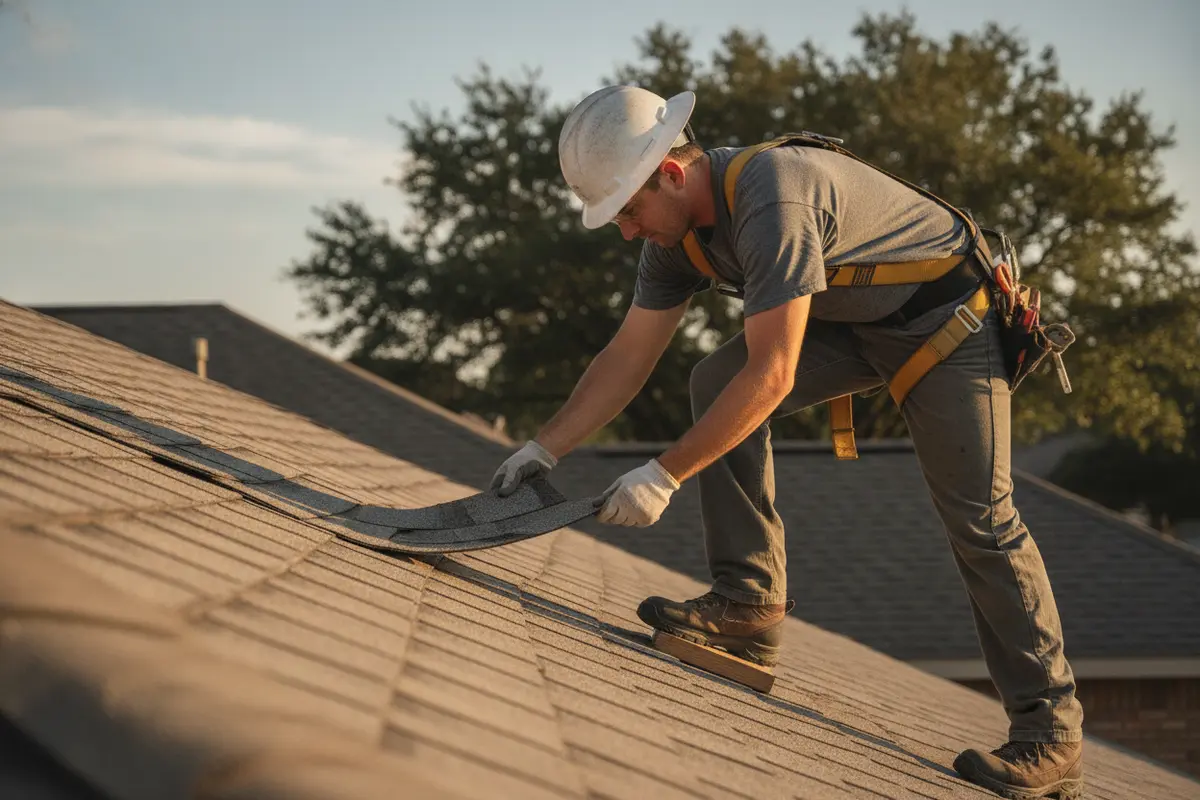
Call Elevation Roofing & Restoration at (832) 271-1726 to schedule a free roof inspection.
How Should You Document Possible Wind Damage?
Good records can help you describe what happened and respond to questions. They do not guarantee coverage. Gather information from safe locations and keep original files where possible.
- Record the timeline. Note when you noticed the issue, when the wind occurred as far as you know, and when water intrusion began. Include whether the condition changed over time.
- Photograph visible conditions. Take wide exterior views from the ground and close photos of interior stains or water damage. Include a few images that show the location in context, not only close-ups. Avoid climbing or reaching into unsafe areas.
- Make a room-by-room list. Identify affected ceilings, walls, flooring, belongings, or equipment. Describe what you can see without estimating repair costs or deciding the cause.
- Keep affected items and receipts. Make a list of damaged belongings and save receipts for reasonable temporary protection or emergency work. Keep items if safe until you know whether the insurer needs to inspect them.
- Track communications. Write down the claim number, dates, names, instructions, and documents sent or received. After a call, note the main points while they are fresh.
- Preserve repair records. If temporary work is needed to limit further damage, photograph the condition first when safe, keep invoices, and ask the insurer what documentation it needs.
Make a basic record before cleanup changes the scene, as long as doing so is safe. Do not delay urgent steps to prevent further harm. For broader guidance on a professional assessment, see our information about roof inspections after a storm. You can also keep these materials together in a folder, with separate sections for photos, insurer messages, contractor observations, and receipts. That makes it easier to answer questions without confusing one source’s findings with another’s.

What Should You Do After Finding Possible Wind Damage?
Take these steps in order, adjusting for immediate safety needs and your policy’s requirements:
- Protect people first. Stay out of unsafe rooms and keep clear of downed lines or damaged structures. Contact emergency services if there is an immediate danger.
- Limit additional water entry when safe. Use a qualified professional for temporary protection when roof access is needed. Avoid risky do-it-yourself work. Keep receipts and note what was done and when.
- Notify your insurer. Follow the reporting instructions and timelines in your policy. Describe what you observed without guessing about the cause. Ask what records it wants and whether it needs to inspect before permanent work.
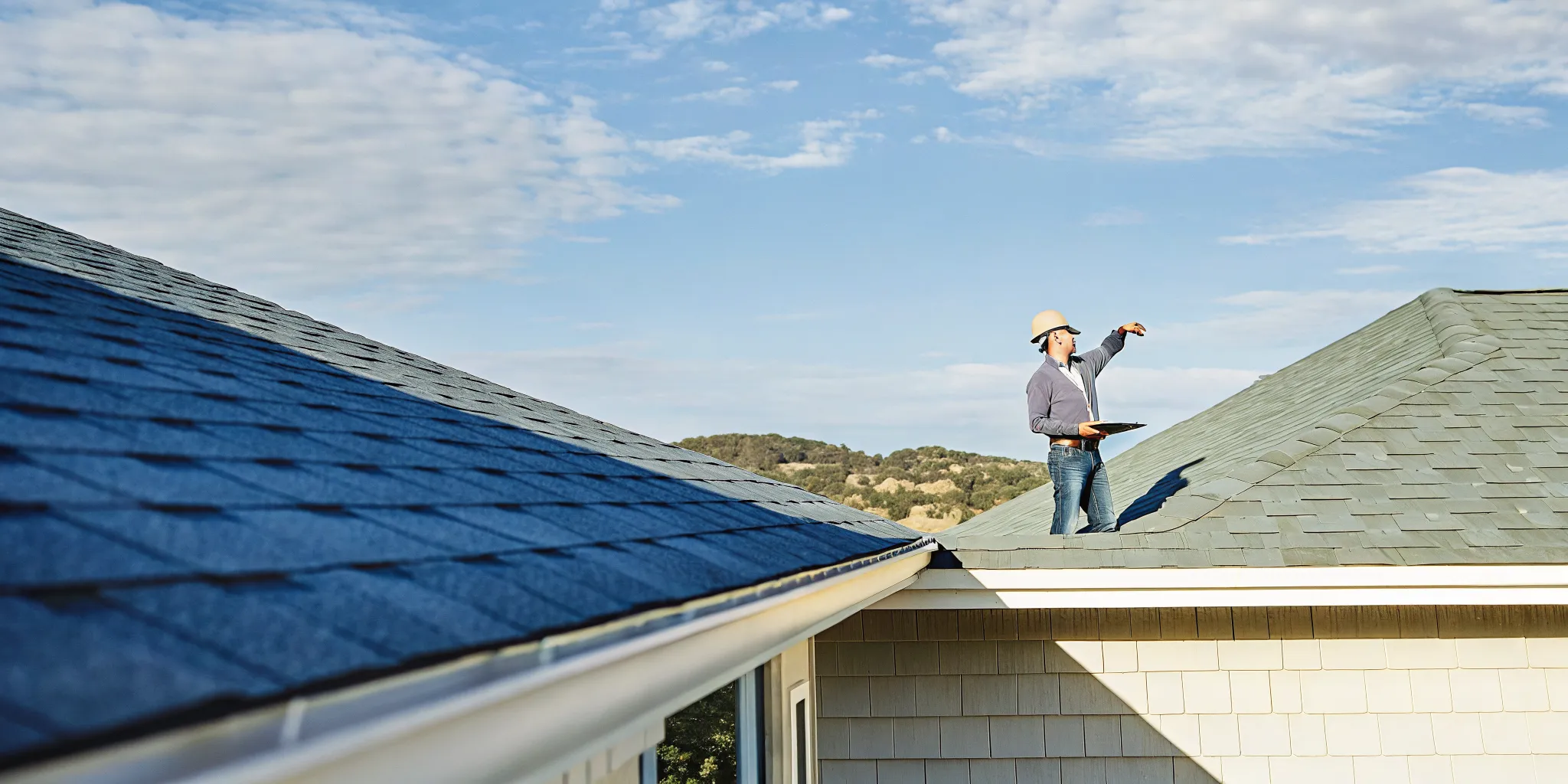
- Arrange an inspection. A roofing professional can assess visible roof conditions, document observations, and explain recommended repairs. An inspection is not a promise that insurance will cover the work.
- Compare findings and ask questions. If the insurer’s assessment differs from the contractor’s observations, ask each party to explain the scope and evidence. Submit relevant records through the insurer’s process.
- Review any proposed work before signing. Understand the scope, price, payment terms, and what happens if additional damage is found. Do not sign a document you do not understand.
For repair, replacement, and restoration options, visit our roofing services page. Property owners can also review service locations to see the Houston and Austin areas served, or explore storm repair services to understand the type of work a roofer may assess.
Request a roof inspection and discuss next steps
How Do Wind Damage and Other Roof Problems Differ?
Visible symptoms can overlap. A water stain could follow wind-driven rain, a plumbing leak, a failed flashing detail, or an aging roof. A missing shingle may be related to wind, prior wear, installation issues, or another event. Determining cause often requires inspecting the roof and considering its history.
The table below is a practical guide to observations and next steps, not a coverage decision. It can help you prepare questions for an inspection. A professional may consider the surrounding roof area, the condition of adjacent materials, interior evidence, prior repair records, and the timing of the reported event.
| Observation | Possible explanation | Useful next step |
|---|---|---|
| A shingle looks lifted or missing. | Wind, wear, or another cause may apply. | Photograph it from the ground. Arrange a professional inspection. |
| A new ceiling stain appears after a storm. | A roof opening, flashing issue, or another source may apply. | Record the location and date. Protect belongings and report it. |
| Granules are gone or materials look brittle. | Age or gradual wear may be relevant. | Collect maintenance history. Ask for an assessment. |
| A tree limb or debris hit the roof. | Impact damage may need review. | Stay clear of hazards. Photograph safely and contact your insurer. |
| Damage is noted only after a contractor visit. | The condition may predate the visit or be newly observed. | Ask for dated photos. Request a clear description of the findings. |
How Can You Avoid Common Claim Missteps?
Clear records and careful communication reduce confusion. Avoid making statements about coverage before reviewing your policy and claim details. A simple process can keep the file organized:
- Use dates and direct observations rather than conclusions about why damage happened.
- Keep copies of every estimate, inspection note, photograph, receipt, and message, and label them with a date and source.
- Do not discard damaged materials or belongings before asking whether the insurer needs to inspect them, unless safety requires removal.
- Do not authorize broad work based only on a verbal promise that an insurer will pay. Confirm the written scope, cost, and responsibilities before work begins.
- Do not ignore temporary water entry; document it and take reasonable safe steps to limit additional damage.
- If a claim decision is unclear, request the explanation and relevant policy language in writing, then follow the insurer’s stated process for questions or review.
For example, if an inspection identifies a lifted shingle and an interior stain, keep the roof observation, indoor photo, and moisture-related repair receipt as separate records. Ask how the proposed repair addresses each condition. If one estimate includes replacing an entire roof and another describes a localized repair, request the evidence and scope behind each recommendation before comparing them. An estimate is a contractor’s proposed work, not a decision about policy coverage.
Elevation Roofing & Restoration can inspect roof conditions and assist customers navigating storm damage and insurance claims, but the insurer determines coverage under the policy. Learn about roof restoration, view customer reviews, or see other home services.
What Should Texas Homeowners Ask Before Permanent Roof Work?
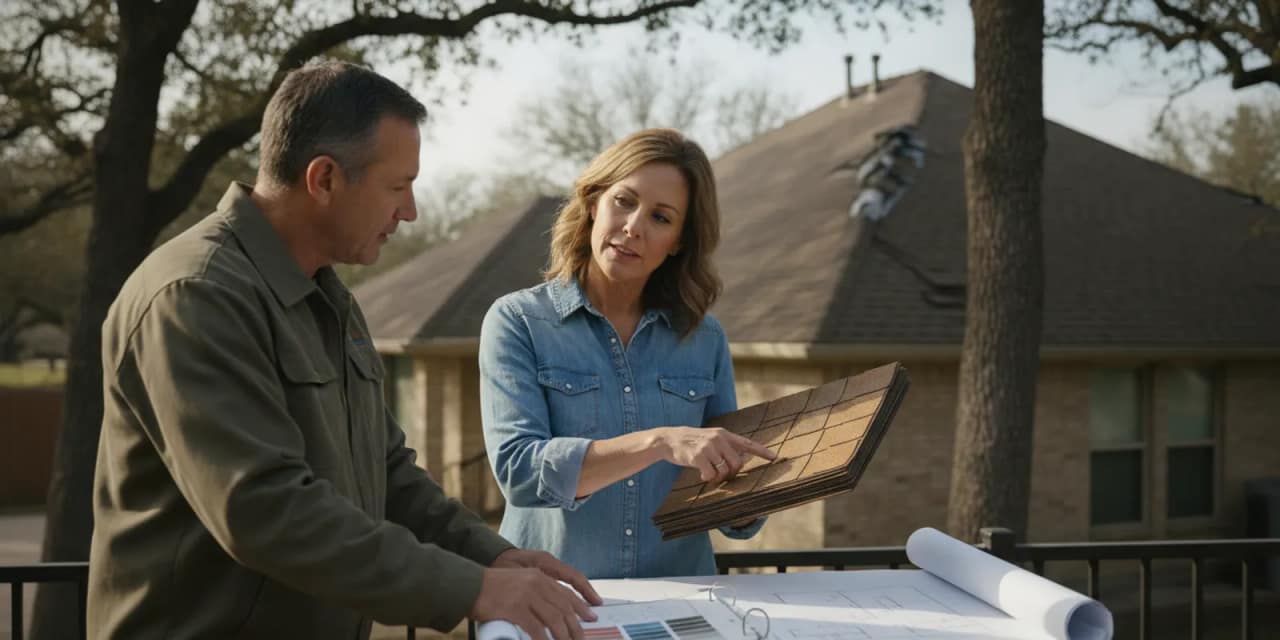
A coverage question and a repair question are not the same decision. Your insurer decides whether the policy responds. A roofer describes the roof condition and a proposed scope. Keep those roles separate so a conversation about wind does not turn into a promise about payment.
Before permanent work starts, ask these questions and write down the answers:
- What did each party observe? Ask for dated photos and a plain description of the roof, flashing, and any interior stain.
- What work is proposed now versus later? Separate temporary protection from a full repair or replacement.
- What does the written scope include? Confirm materials, locations, and what is not included.
- Who approves payment? Ask the insurer, in writing, what it has agreed to consider and what remains open.
- What records should stay in the file? Keep estimates, invoices, and messages with dates and names.
Houston and Austin homeowners often see the same pattern after a strong wind event. A few shingles look disturbed, a ceiling mark appears a day or two later, and the deductible language is hard to parse. None of those facts, on their own, settles coverage. They do tell you what to photograph and whom to call.
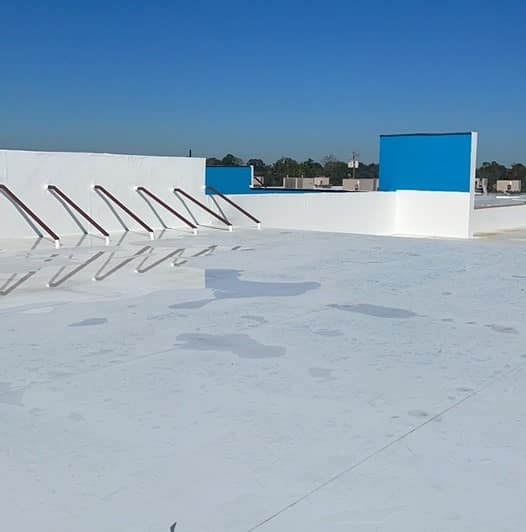
Elevation Roofing & Restoration serves residential and commercial property owners across the Houston and Austin areas. The team handles shingle, tile, metal, and TPO roofs, plus inspection, repair, replacement, restoration, and help navigating storm-damage insurance claims. Owens Corning and GAF Certified crews can document what they see. They do not approve or deny a claim. If you want a second set of eyes before you authorize broad work, start with a ground-level photo set and a scheduled inspection.
Use the same folder you built for the claim. Add the inspection notes beside the insurer messages, not mixed into them. If one note says a flashing detail is loose and another says the shingle field looks worn, keep both. A later reviewer can compare them. Do not rewrite either note into a cause you have not confirmed.
Schedule a free roof inspection
Frequently Asked Questions
Does homeowners insurance cover wind damage to roof shingles?
A policy may cover sudden wind damage to shingles, subject to its terms, exclusions, deductible, and the facts of the loss. Your insurer makes the coverage decision.
Will insurance pay for a roof that was already worn?
Coverage for wear or deterioration depends on the policy language and circumstances. If a storm affects an older roof, the insurer may review both the roof’s prior condition and the reported event. Ask for the specific policy basis for any decision.
Should I file a claim after every windstorm?
Not necessarily. First review what you observed, your deductible, policy duties, and insurer reporting instructions. A professional inspection can help clarify roof conditions, but it cannot predict approval.
Can I repair the roof before the insurer inspects it?
Address urgent hazards and reasonable steps to prevent further damage, while following your policy’s instructions. Photograph the condition when safe, save invoices, and contact the insurer promptly about whether it needs to inspect before permanent repairs.
What if the insurer and roofer describe different damage?
Ask for written explanations, dated photographs, and a clear itemized scope from each. Send relevant information through the claim process and ask the insurer how to request further review under your policy.
When wind may have affected your roof, prioritize safety, preserve clear records, and use your policy and insurer’s instructions to guide the claim process. A careful inspection can help you understand the roof’s condition and decide what to do next.