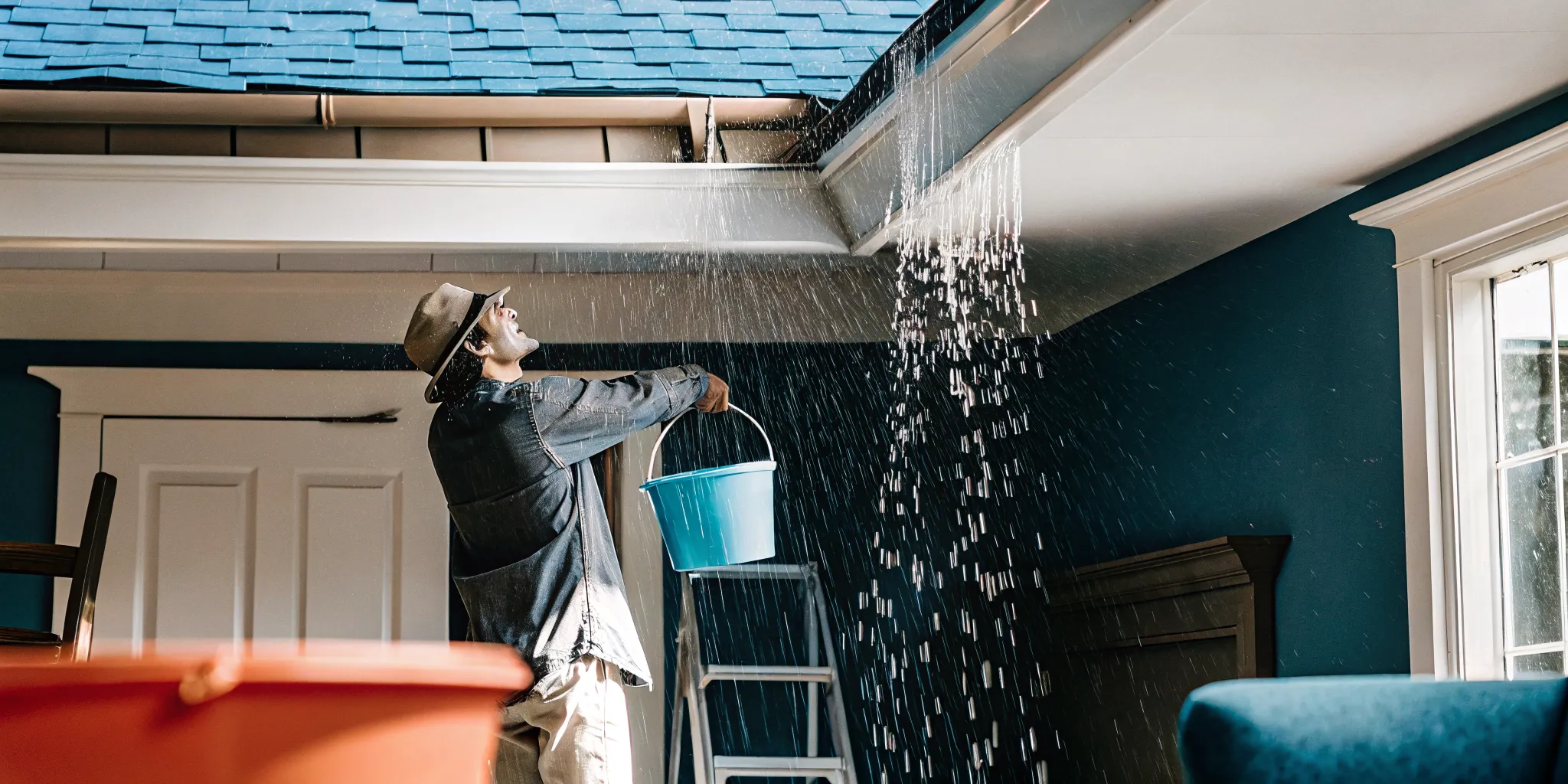
An emergency roof leak can turn a Texas thunderstorm into a stressful race against water damage. The safest response is not to climb onto the roof. Move people and valuables away from the wet area, watch for electrical hazards, contain dripping water when safe, document the damage, and contact a qualified roofer.
Need help after a storm? Call Elevation Roofing at (832) 271-1726 to request a roof inspection or quote.
Water may travel along rafters and decking before appearing indoors, so the visible drip may not be directly below the roof opening. The steps below will help Houston and Austin property owners limit damage without taking unnecessary risks while professional help is arranged.
Emergency roof leak safety comes first
Your first priority is people, not property. Keep children, pets, and other occupants away from the affected room. If the ceiling is sagging, cracking, or shedding material, leave the room and do not stand beneath it. Water trapped above drywall adds weight, and damaged ceiling material can fall without warning.
Watch for electrical hazards
Water near a light fixture, ceiling fan, outlet, appliance, or electrical panel creates a serious hazard. Do not touch wet electrical equipment or walk through standing water near a power source. If you can reach the breaker panel without entering a wet area, turn off power to the affected circuit. If there is any doubt, leave the area and call an electrician or emergency services.
Stay off a wet or damaged roof
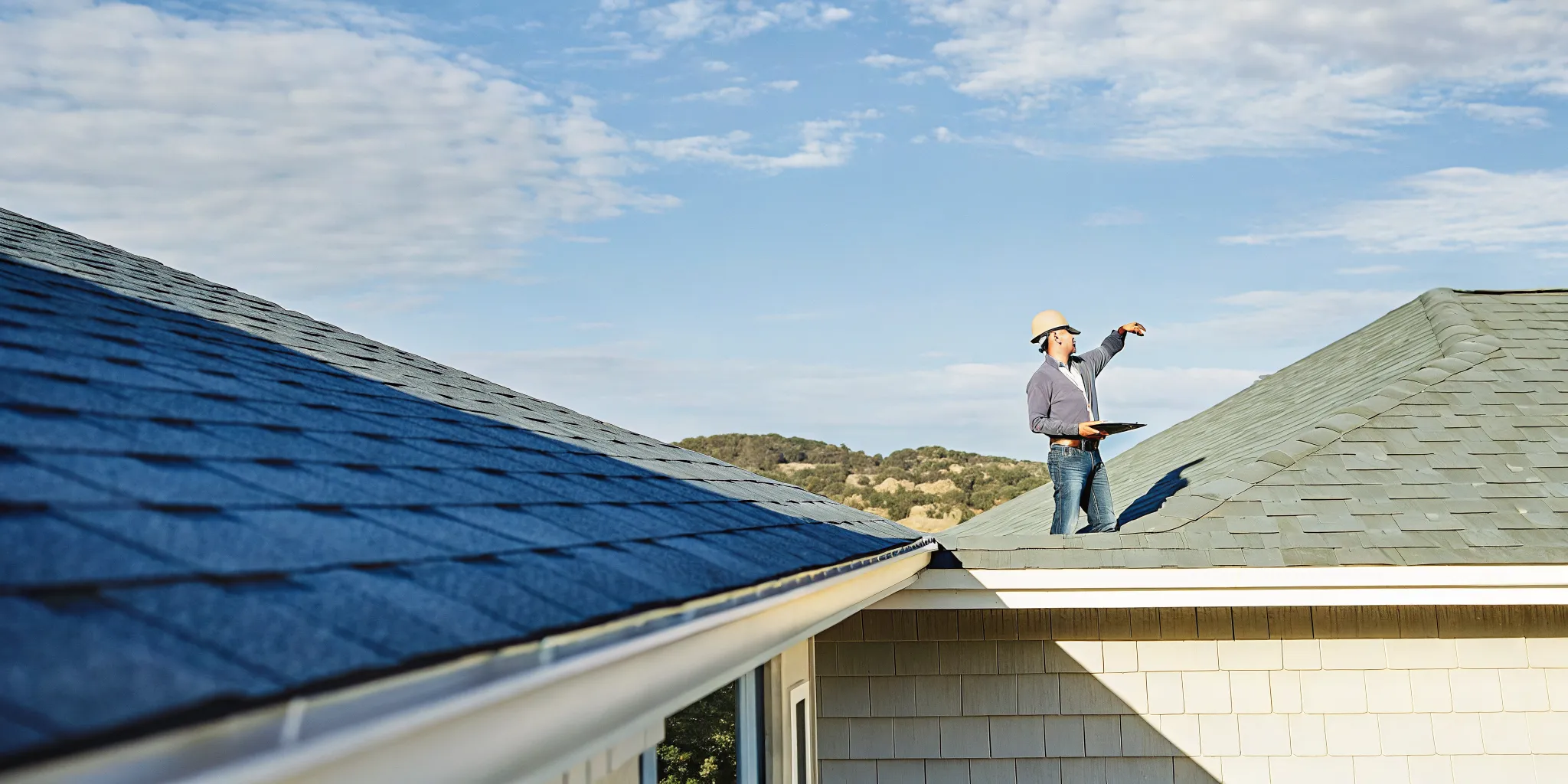
Never climb onto a roof during rain, high winds, lightning, or darkness. Wet shingles, tile, metal, and roofing membranes can be extremely slippery. Storm damage may also weaken parts of the roof that look stable from the ground. Exterior inspection and temporary tarping should wait for trained professionals with suitable safety equipment.
What should you do during an active roof leak?
Once everyone is safe, take practical indoor steps to limit additional damage. Move belongings, contain drips, reduce slip hazards, record the damage, and call a roofer. Work only in areas that are structurally stable and clear of electrical hazards, and never climb onto the roof during the storm.
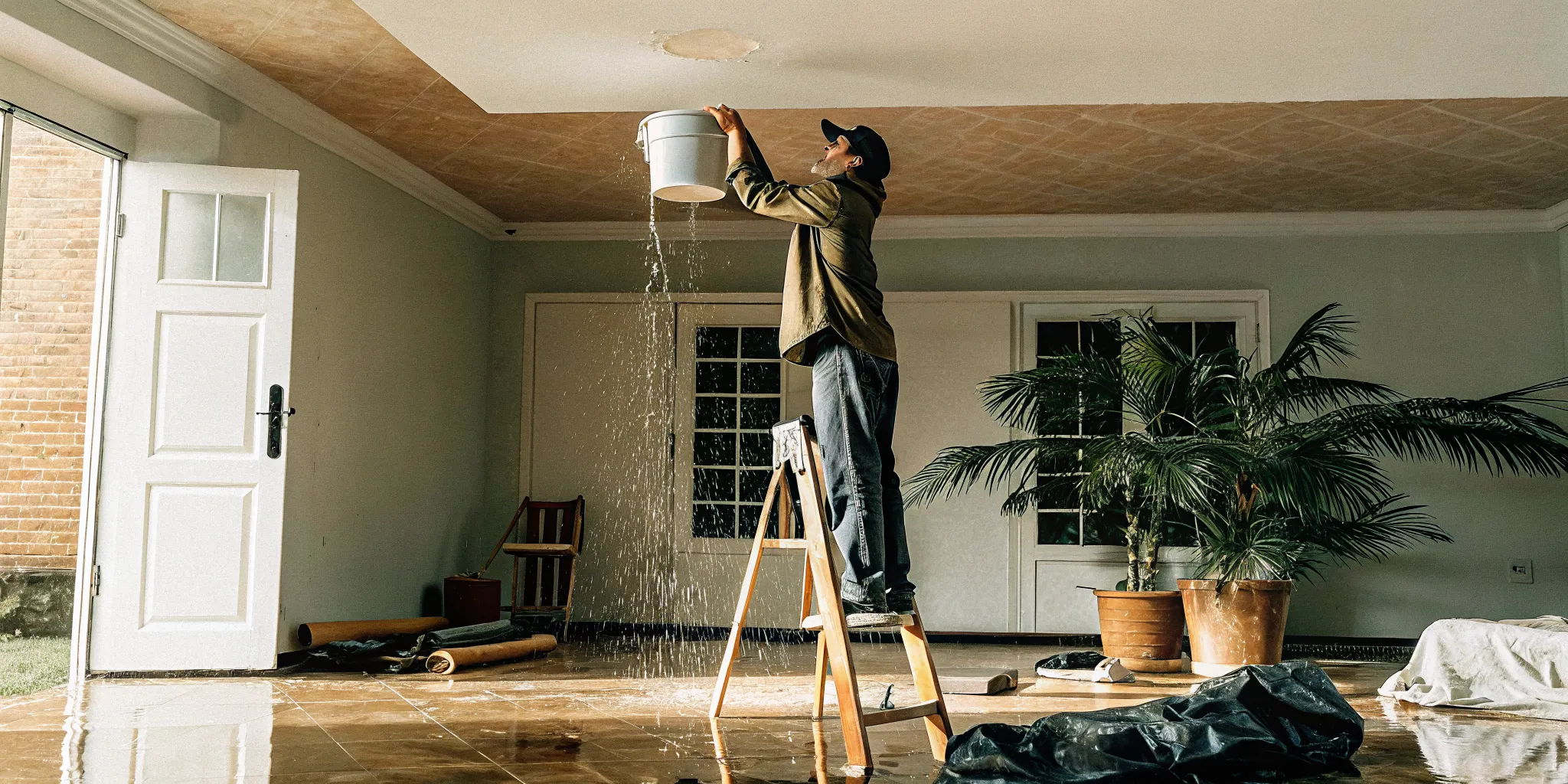
- Move furniture, electronics, rugs, and valuables away from the wet area.
- Place a sturdy bucket or plastic bin beneath the drip. Put a towel inside to reduce splashing.
- Use plastic sheeting to cover large items that cannot be moved safely.
- Mop small amounts of standing water to reduce slip hazards, but avoid contaminated water or any area near electricity.
- Take photos and video before and during cleanup.
- Contact a roofer and describe the leak, storm conditions, and any visible structural concerns.
If a ceiling is bulging, do not assume it is safe to drain yourself. Clear the room and ask a professional for guidance. A large bulge can signal extensive trapped water or weakened drywall. Protecting belongings is useful, but it is not worth standing beneath a ceiling that may collapse.
Do not make a permanent repair during the storm
Roof cement, loose tarps, and improvised patches can create more danger when applied in bad weather. They can also hide damage that a roofer or insurance representative needs to inspect. Focus on safe indoor containment until conditions allow a professional assessment.
Can you find where the water is entering?
The stain or drip inside your home shows where water became visible, not necessarily where it entered the roof. Water often follows decking, rafters, pipes, and seams before it reaches the ceiling. The actual opening may be several feet uphill from the indoor damage.
Observe without taking risks
If your attic has a safe, stable walkway and is free of electrical hazards, you may be able to observe damp insulation, darkened wood, or a wet trail with a flashlight. Do not step between joists, disturb wet insulation, or enter an attic that feels unsafe. Mark the indoor location from below and share your observations with the roofer.
Common leak areas include roof penetrations, vents, flashing, valleys, damaged shingles, and places where different roof sections meet. Only an inspection can confirm the cause. Learn more about common causes of roof leaks and why a visible ceiling stain rarely tells the whole story.
Document the leak and damage before cleanup
Good documentation helps your roofer understand the event and gives you useful records for conversations with your insurer. Take wide photos that show the room, then close-ups of stains, drips, damaged belongings, and any visible exterior damage that can be photographed safely from the ground.
Create a simple event log
Write down when you first noticed the leak, where the water appeared, whether the flow changed, and what weather occurred. Record every temporary step you took. Save receipts for buckets, plastic sheeting, drying equipment, and professional services. Keep copies of messages and estimates in one place.
Contact your insurer promptly to ask about coverage, deadlines, and required documentation. Policy terms vary, so avoid assuming a specific repair or expense will be covered. Do not discard damaged property or begin major permanent work until you understand the insurer's documentation requirements, unless waiting would create a safety hazard.
Which temporary roof leak measures are safe?
Safe temporary measures keep water away from belongings without exposing anyone to a fall, electrical shock, or unstable structure. During an active storm, use buckets, towels, and plastic sheeting indoors when conditions are safe. Leave tarping and other exterior protection to a qualified roofing professional after the weather clears.
Not sure which response is safe? Call Elevation Roofing at (832) 271-1726 and describe what you see before taking action.
| Situation | Safer response | Avoid |
|---|---|---|
| Water dripping into a stable room | Use buckets, towels, and plastic sheeting | Standing beneath sagging drywall |
| Water near electricity | Keep away and shut off power only if safely accessible | Touching wet fixtures or equipment |
| Possible exterior damage | Photograph from the ground and call a roofer | Climbing onto a wet roof |
| Damaged belongings | Document and move them when safe | Discarding items before documentation |
| Temporary exterior protection | Use a trained roofing professional | Installing a tarp during wind or rain |
A tarp is not a permanent roof repair. Even when installed correctly, it only buys time until the leak source can be evaluated and repaired. See this overview of how roof tarping protects property, but leave installation to professionals when the roof is wet, steep, damaged, or otherwise unsafe.
When does an emergency roof leak need a roofer?
Any active roof leak deserves prompt professional attention. Urgency increases when water is flowing rapidly, more than one area is leaking, the ceiling is sagging, roofing material is visibly missing, or a recent storm brought hail or high winds. Leave the building and call emergency services if there is a risk of structural collapse, fire, or electrical shock.
What to tell the roofing team
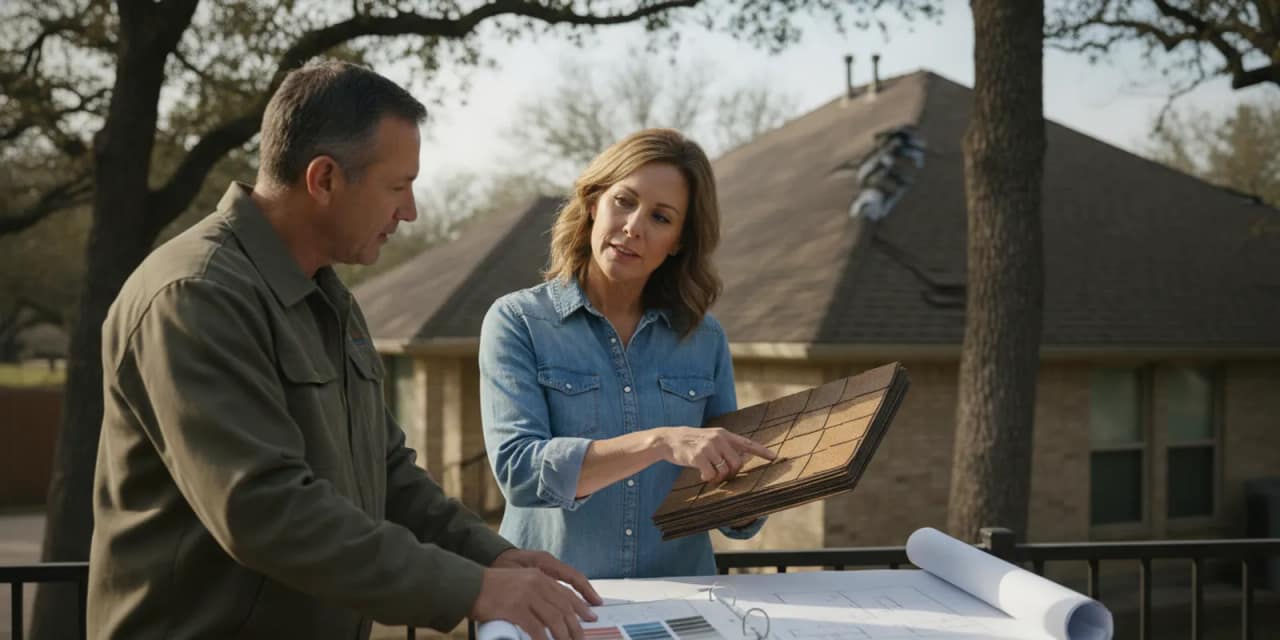
Share the property address, roof type if known, when the leak started, where water is visible, and whether the flow is active. Mention sagging ceilings, electrical concerns, fallen trees, or visible openings immediately. Send photos when requested. These details help the team prepare for the inspection and prioritize safety.
Elevation Roofing works with residential and commercial roof systems in the Houston and Austin markets. Explore available roofing services and the company's Texas service areas.
What happens after the storm passes?
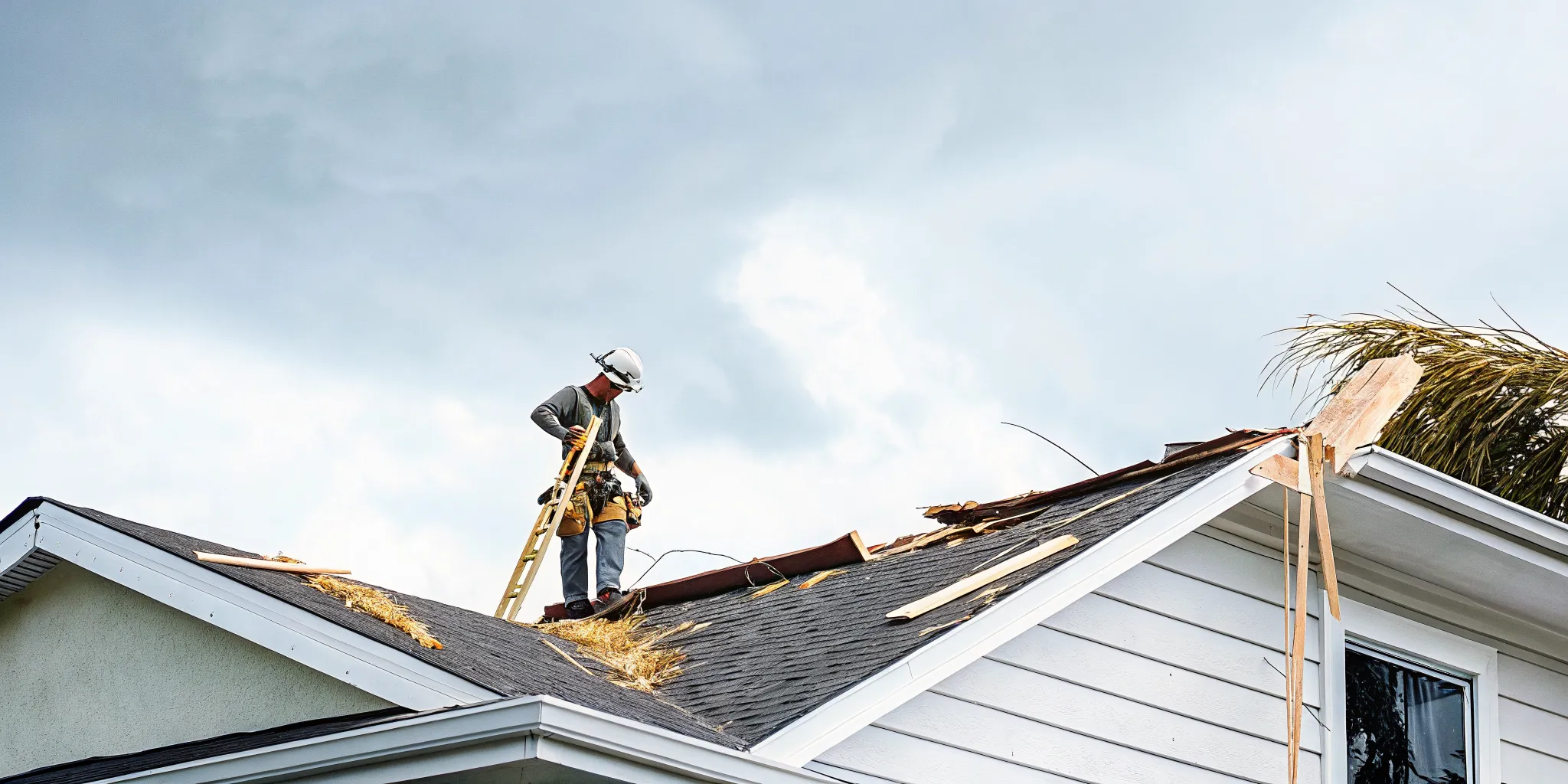
After conditions improve, a roofer can inspect the exterior, attic, roof deck, flashing, penetrations, and visible interior damage. This inspection identifies the entry point, measures the extent of damage, and separates immediate temporary protection from the lasting repair needed to restore the roof.
Inspection and repair planning
A professional may recommend temporary protection if permanent work cannot begin immediately. The final repair depends on the source of the leak and the condition of surrounding materials. A missing shingle, failed flashing, puncture, or damaged roof section requires a different solution. Ask for a written explanation of the recommended work and whether additional interior drying or restoration is needed.
Continue monitoring the interior
Check ceilings, walls, attic areas, and flooring for new stains, odors, or dampness. Water can remain hidden after visible dripping stops. Drying the affected materials promptly helps reduce additional damage. If a large area is wet or contaminated, contact a qualified water-remediation professional rather than attempting a full cleanup yourself.
For storm-related damage, Elevation Roofing can inspect the roof and discuss appropriate storm repair options. Keep your photos, notes, receipts, and repair documents together throughout the process.
Common emergency roof leak causes to watch for
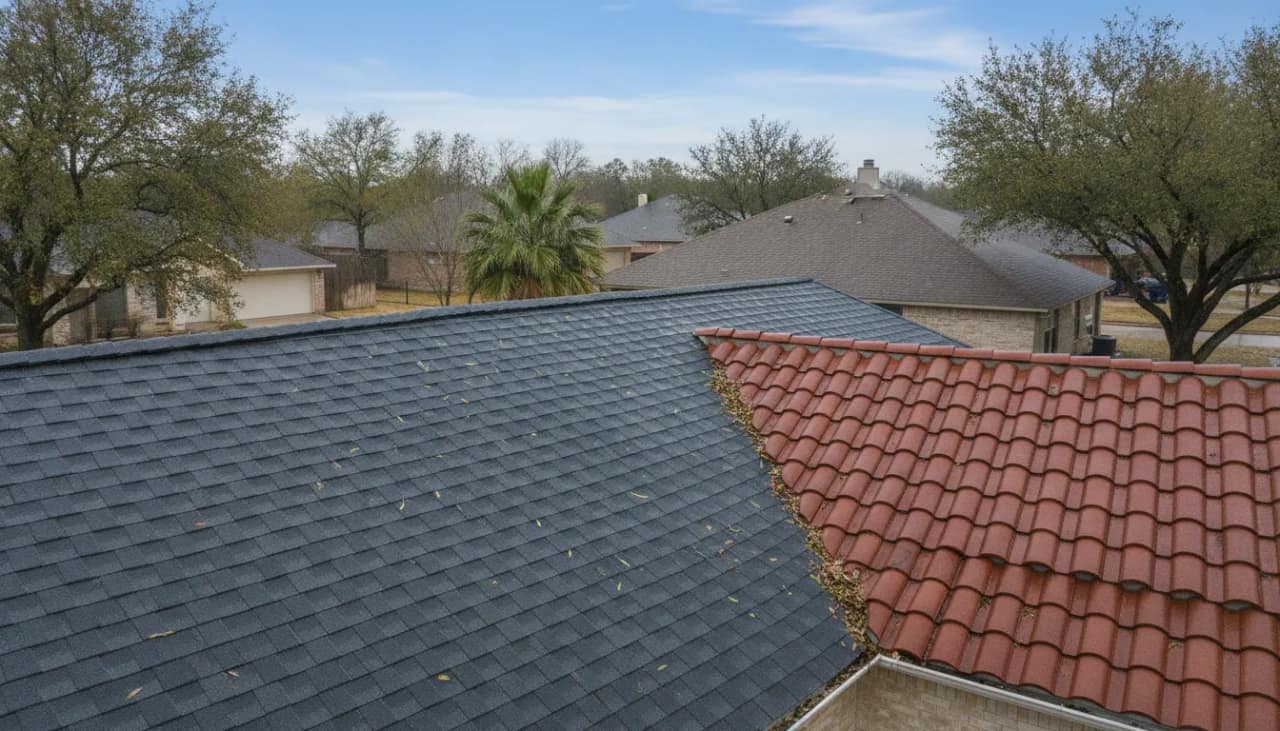
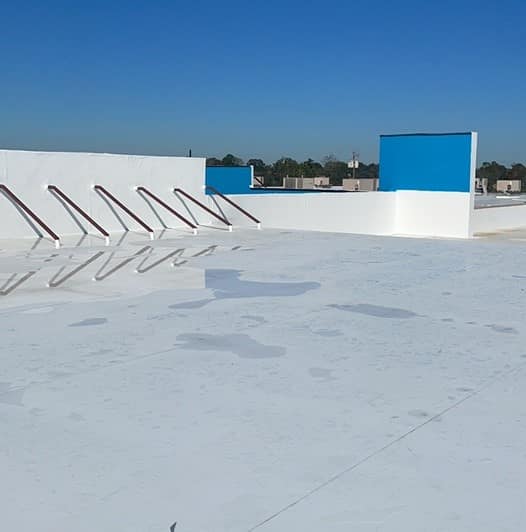
Knowing the likely cause helps you describe the problem, but it does not replace an inspection. Wind can lift or remove shingles. Hail can damage roofing materials and flashing. Branches and debris can puncture a roof. Aging sealants around vents and other penetrations can also allow water inside. On low-slope commercial roofs, standing water and damaged seams may contribute to leaks.
The timing of a leak can offer clues. A leak that starts only during wind-driven rain may involve flashing, siding transitions, or a roof penetration. Water that appears after a storm has passed may have traveled through insulation or collected above the ceiling. A recurring leak in the same location may point to an unresolved repair or a problem outside the visible stain.
Do not assume a new roof cannot leak or that an older roof automatically needs replacement. The correct solution depends on the source, surrounding material, and overall roof condition. A professional should explain the evidence behind the recommendation and identify whether repair, temporary protection, or a broader replacement discussion makes sense.
How can you prepare before the next Texas storm?
Preparation makes a future leak easier to handle. Keep a flashlight, batteries, plastic sheeting, towels, and sturdy buckets in an easy-to-reach location. Know where the electrical panel is and which breakers serve major rooms. Save your roofer's phone number and insurer's claim contact in your phone before severe weather arrives.
Routine roof inspections can identify loose materials, damaged flashing, clogged drainage, and other concerns before heavy rain exposes them. Keep trees trimmed away from the roof and clear gutters when it is safe to do so. After major wind or hail, inspect the property from the ground and schedule a professional evaluation if you notice missing materials, debris impacts, or new interior stains.
Review your insurance policy and confirm how to document storm damage. Store policy details and recent property photos where you can reach them if power or internet service is interrupted. These simple steps do not prevent every leak, but they can help you respond calmly and reduce avoidable damage.
Frequently asked questions
These quick answers cover the decisions property owners most often face during an emergency roof leak. When safety, electricity, or structural stability is uncertain, leave the area and get professional help rather than attempting an exterior repair yourself.
Is a leaking roof always an emergency?
An active roof leak is urgent because water can spread into ceilings, insulation, walls, and electrical systems. Treat the area as an emergency when there is rapid water flow, sagging material, structural concern, or water near electricity. Even a slow drip should receive a prompt professional inspection.
What should I do if my roof leaks at night?
Keep everyone away from unsafe areas, contain water indoors when safe, and do not climb onto the roof in darkness. Photograph the damage and call a roofer to explain the situation. An exterior inspection should happen only when weather and lighting allow safe access.
Can I tarp an emergency roof leak myself?
Do not install a tarp during rain, wind, lightning, darkness, or when the roof may be damaged. Roof work carries a serious fall risk and a loose tarp can become hazardous. Ask a qualified roofing professional to handle exterior temporary protection.
How much does emergency roof leak repair cost?
Cost depends on the roof type, leak source, accessibility, and extent of damage. A professional inspection is the best way to understand the repair scope. Ask for a written estimate and clarify whether the proposed work is temporary protection or a lasting repair.
Request help with an emergency roof leak
An emergency roof leak is easier to manage when safety comes first and every step is documented. Once the immediate area is secure, arrange a professional inspection to identify the source and plan the right repair.
Call Elevation Roofing at (832) 271-1726 to request a roof inspection or quote for a Houston or Austin area property.