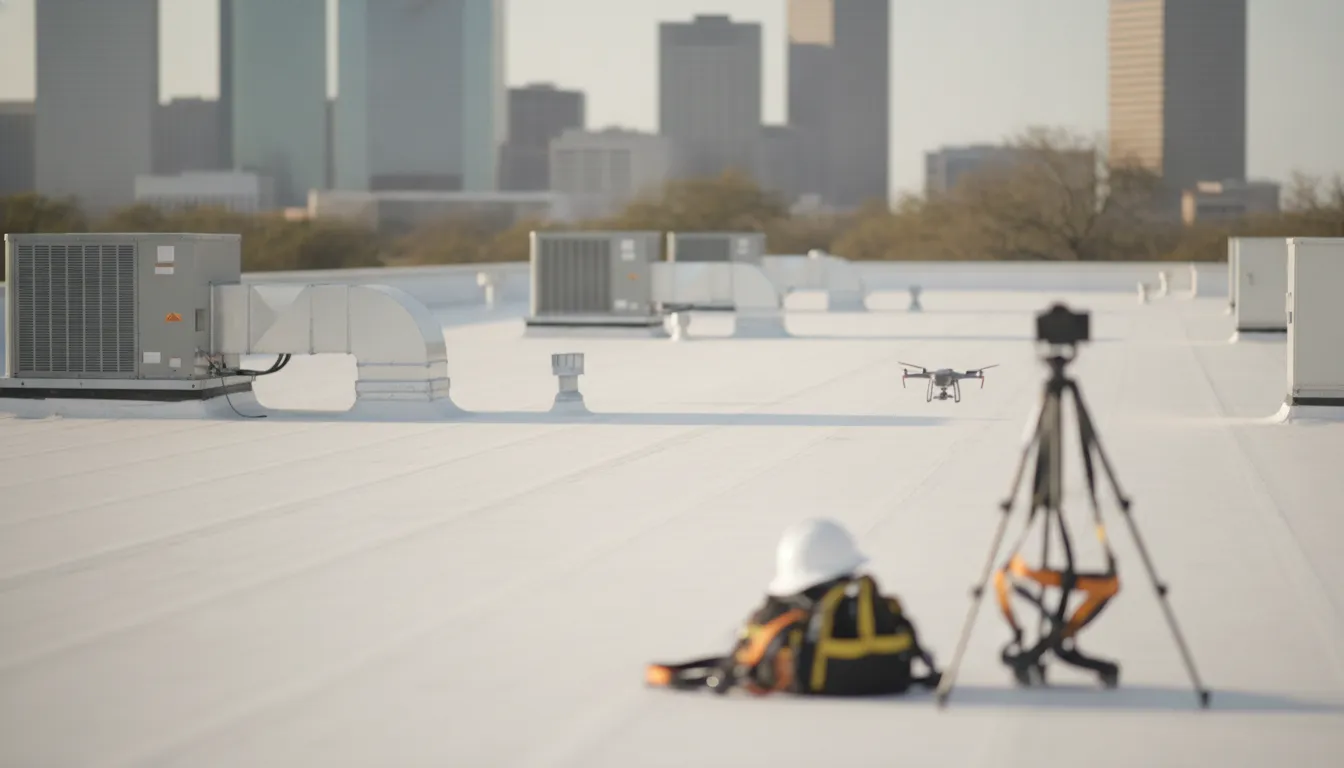
How long does a commercial roof last in Texas? Most commercial roofing systems can serve for about 15 to 30 years, while properly installed and maintained metal systems may last much longer. The actual service life depends on the roof material, installation quality, drainage, weather exposure, building use, and how quickly small problems are addressed.
What Is the Average Lifespan of a Commercial Roof in Texas?
A commercial roof in Texas commonly lasts 15 to 30 years, but that range is a planning estimate rather than a guarantee. TPO, EPDM, PVC, modified bitumen, built-up roofing, and metal each age differently. Houston humidity, Austin heat, wind, hail, ponding water, rooftop equipment, and maintenance history can move a roof toward the shorter or longer end of its expected life.
For a property owner, the most useful answer is not a single year on a calendar. It is a condition-based estimate based on the roof's age, system, seams, flashing, drains, insulation, and repair history. A professional inspection can help determine whether the next step is routine maintenance, a targeted repair, restoration, or a planned replacement.
| Commercial roofing system | Common planning range | What most affects service life |
|---|---|---|
| TPO or PVC membrane | About 20 to 30 years | Seam quality, UV exposure, punctures, drainage, and maintenance |
| EPDM membrane | About 20 to 30 years | Weathering, flashing details, penetrations, and ponding water |
| Modified bitumen or built-up roofing | About 15 to 25 years | Surface condition, moisture, seams, repairs, and drainage |
| Commercial metal roofing | About 40 to 70 years | Coating, fasteners, corrosion control, movement, and maintenance |
These ranges describe common expectations, not a promised warranty period. The condition of the roof assembly matters more than the material label alone. Two roofs installed in the same year can have very different remaining service lives if one has clear drains, sound flashing, and documented maintenance while the other has repeated leaks and standing water.
How Long Do Different Commercial Roofing Materials Last?
Commercial roof life varies by system because each material handles heat, moisture, movement, and impact differently. The building's slope and drainage plan matter too. A qualified roofing professional should evaluate the complete assembly before recommending a replacement based only on age.
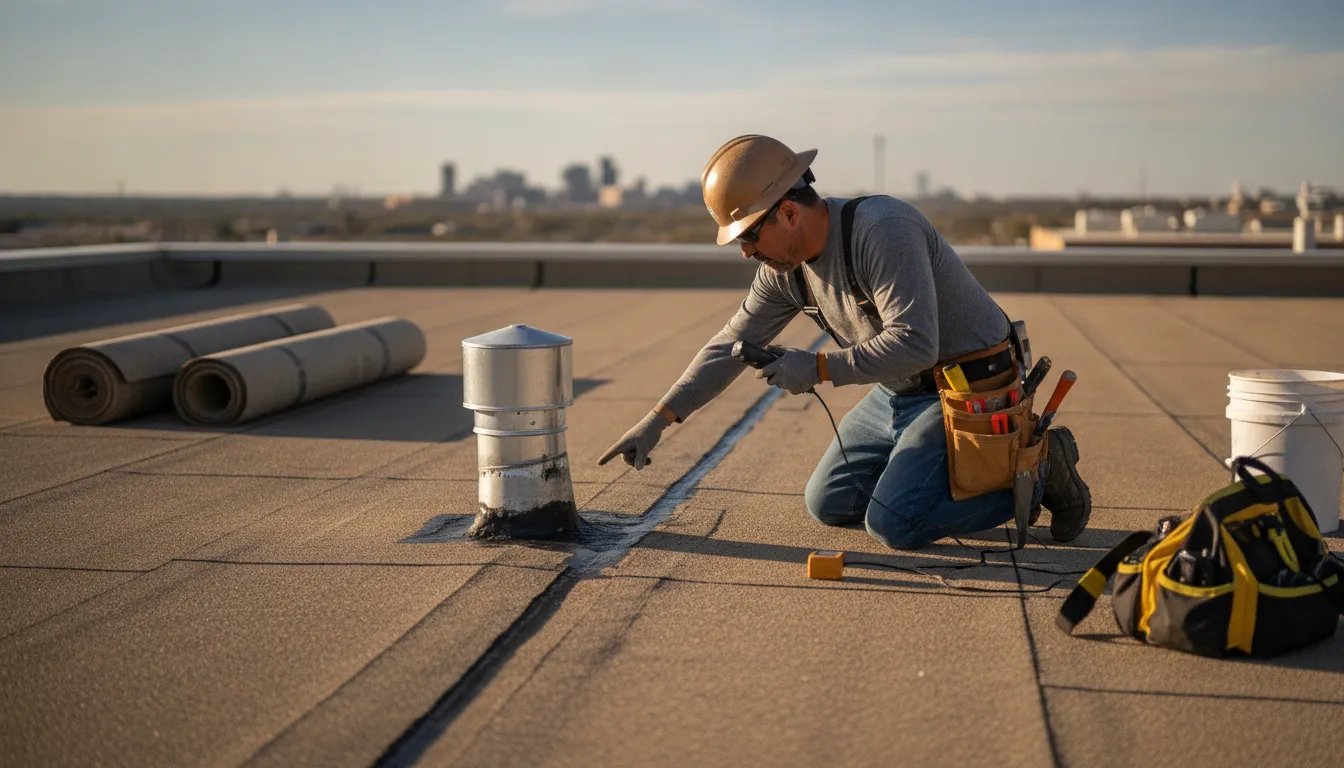
TPO and PVC roofing
TPO and PVC are single-ply membranes commonly used on flat and low-slope commercial buildings. With sound installation, heat-welded seams, correct flashing, and regular maintenance, these systems often have a planning life of roughly 20 to 30 years. Their performance can be affected by rooftop traffic, punctures, poor detailing around equipment, and water that does not drain as designed.
Reflective membranes can help manage solar exposure, but reflectivity does not remove the need for inspections. Seams, penetrations, edge details, and drainage points still need attention after severe Texas weather and during routine maintenance.
EPDM roofing
EPDM is a flexible rubber membrane used on many low-slope commercial roofs. A well-installed EPDM system may serve for about 20 to 30 years, depending on exposure, detailing, maintenance, and the condition of its seams and flashing. The membrane itself is only one part of the roof. Adhesion, fasteners, insulation, edge metal, and drainage all influence how long the system remains dependable.
Modified bitumen and built-up roofing
Modified bitumen and built-up roofing systems can offer durable protection when the layers, seams, surfacing, and drainage are kept in good condition. A reasonable planning range is about 15 to 25 years, although roof design and maintenance can produce a different result. Blisters, open seams, exposed reinforcement, damaged flashing, and recurring leaks deserve prompt evaluation.
Commercial metal roofing
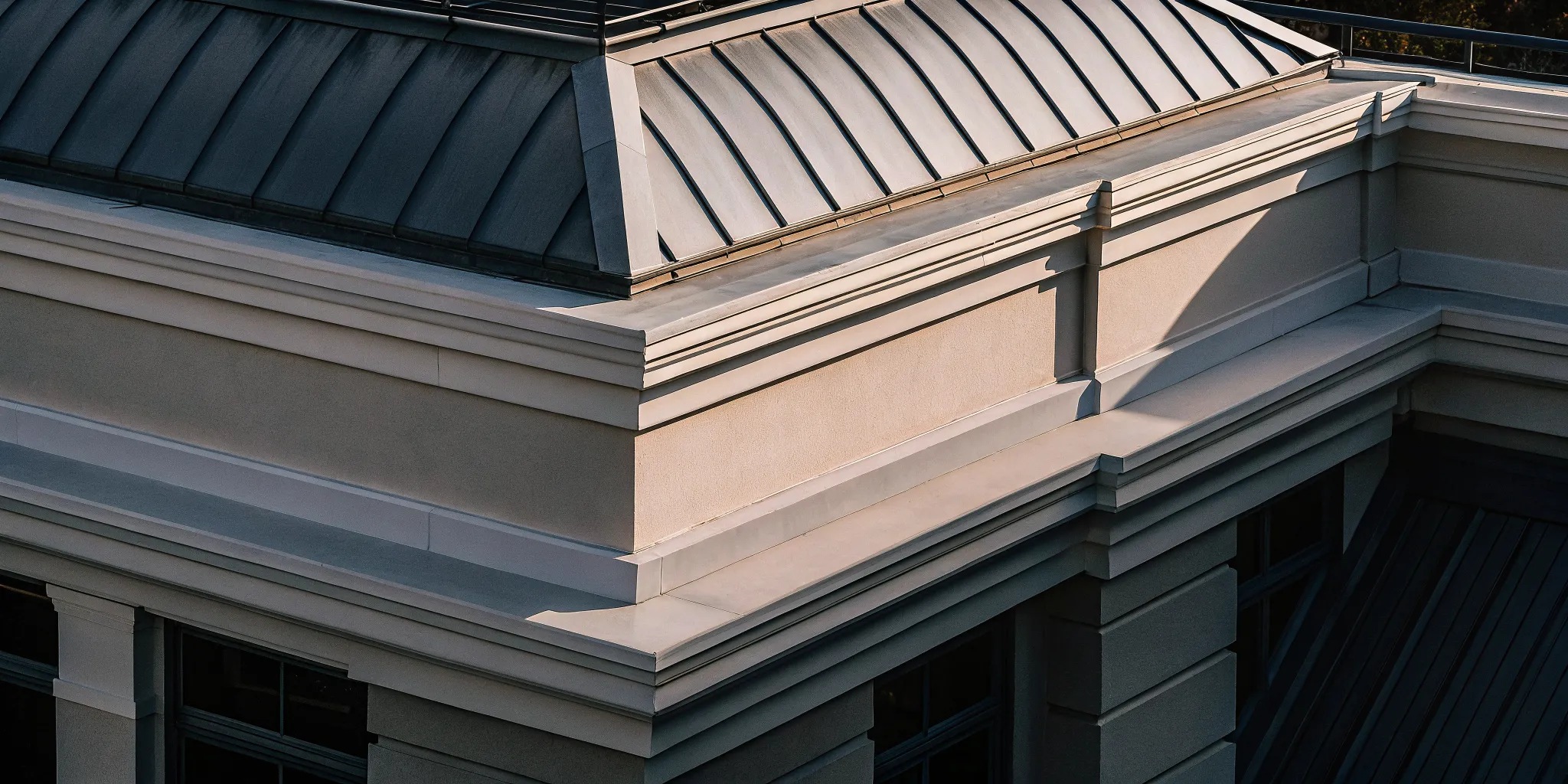
Commercial metal roofing can last about 40 to 70 years when the panels, fasteners, seams, penetrations, and protective finish are maintained. Metal does not become maintenance-free simply because it has a long expected life. Corrosion, loose fasteners, failed sealants, coating wear, and expansion and contraction can create leaks before the panels reach the end of their useful life.
For some metal roofs, restoration and protective coatings can extend service life when the underlying panels and deck remain suitable. An inspection should confirm whether restoration is appropriate or whether replacement is the safer long-term plan. Elevation Roofing & Restoration provides commercial roof restoration guidance as part of its broader roofing services.
What Shortens a Commercial Roof's Life in Texas?
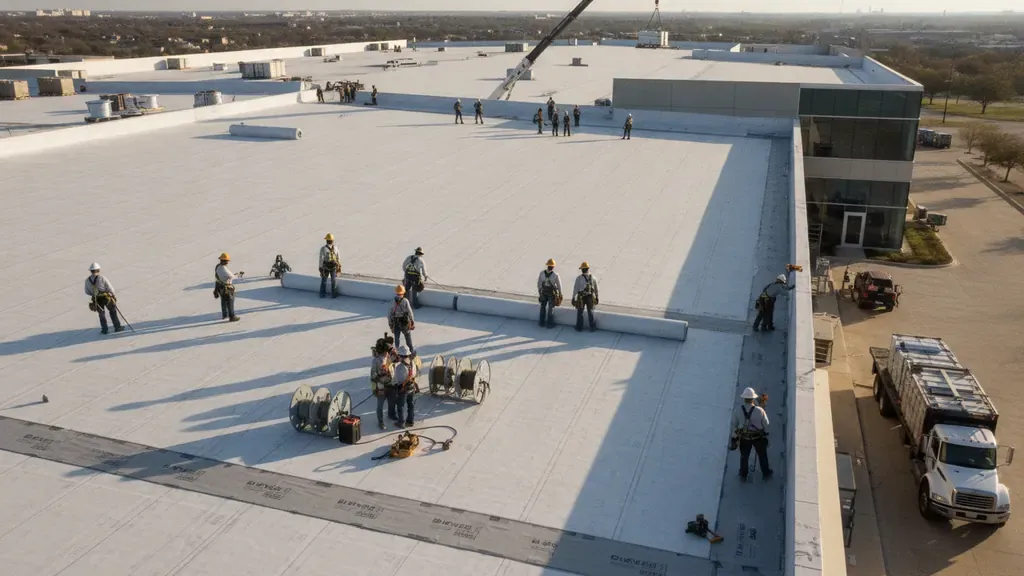
Texas commercial roofs face a combination of heat, UV exposure, wind, hail, heavy rain, humidity, and rapid weather changes. Those conditions do not automatically cause premature failure, but they make installation quality and maintenance more important. A roof may also age faster when building operations create frequent foot traffic or when new equipment is installed without protecting the membrane and flashing.
- Standing water: Blocked drains, damaged crickets, and poor slope can keep water on the roof after rain.
- Heat and ultraviolet exposure: Repeated solar exposure can weather membranes, coatings, sealants, and exposed components.
- Hail and wind: Storm impact can damage membranes, metal panels, flashing, insulation, and rooftop accessories.
- Mechanical traffic: Service visits and equipment work can puncture or abrade a roof when walk paths are not protected.
- Weak flashing details: Curbs, pipes, edges, walls, and transitions are common areas for water entry.
- Delayed repairs: A small leak can reach insulation, decking, interior finishes, and stored property if it is ignored.
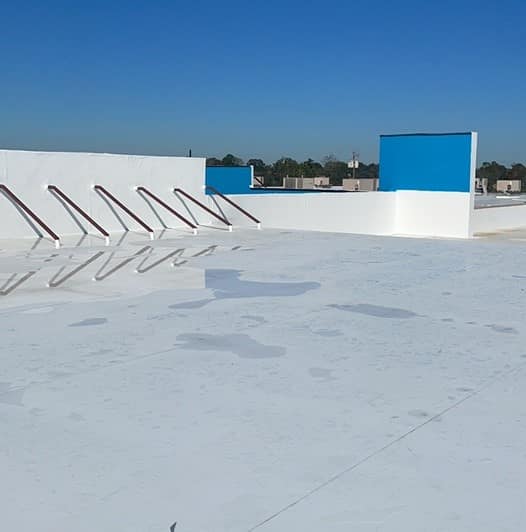
Drainage deserves special attention because commercial roofs often collect water around drains, scuppers, curbs, and rooftop equipment. Keeping those areas clear and documenting repairs gives property owners better information when they need to plan capital work or discuss a claim.
How Can Maintenance Extend Commercial Roof Life?
Commercial roof maintenance can extend useful service life by finding defects before they become widespread damage. A practical program combines scheduled inspections, drain and gutter care, documentation, prompt repairs, and a plan for weather events. Maintenance cannot reverse a failing roof assembly, but it can help protect a roof that is still a good candidate for continued service.
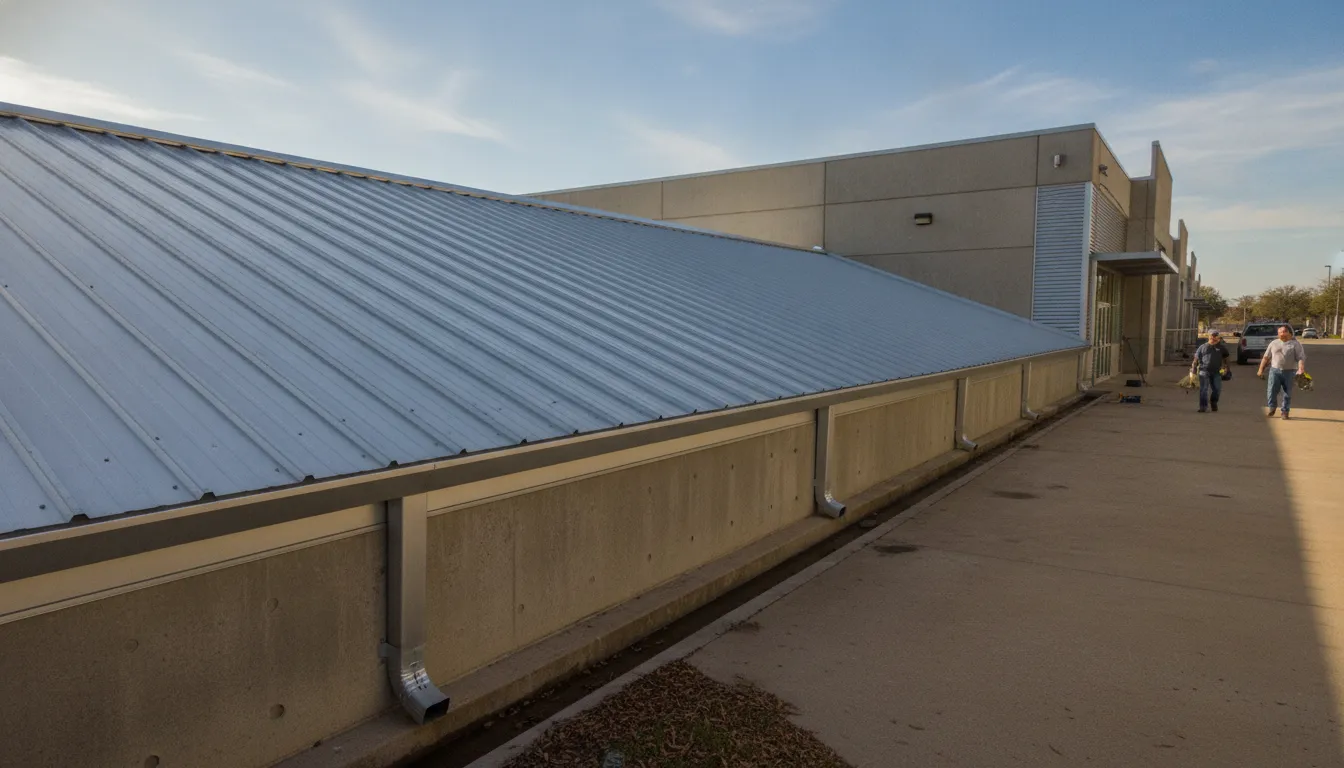
Property owners and facility managers should consider these recurring steps:
- Start with a baseline inspection: Record the roof system, installation history, visible defects, drainage condition, penetrations, and previous repairs.
- Inspect on a planned schedule: Use recurring inspections rather than waiting for an interior leak to reveal an exterior problem.
- Check after significant storms: Hail and high winds can create damage that is not visible from inside the building.
- Keep drains and access areas clear: Remove debris and control foot traffic around sensitive roof components.
- Document every repair: Maintain photos, invoices, dates, material details, and warranty information for future decisions.
- Address small defects promptly: Repair failed sealants, open seams, damaged flashing, and punctures before they spread.
Elevation Roofing & Restoration offers commercial roof maintenance services for property owners who want a clearer plan for protecting an aging or recently installed roof.
When Should You Inspect or Replace a Commercial Roof?
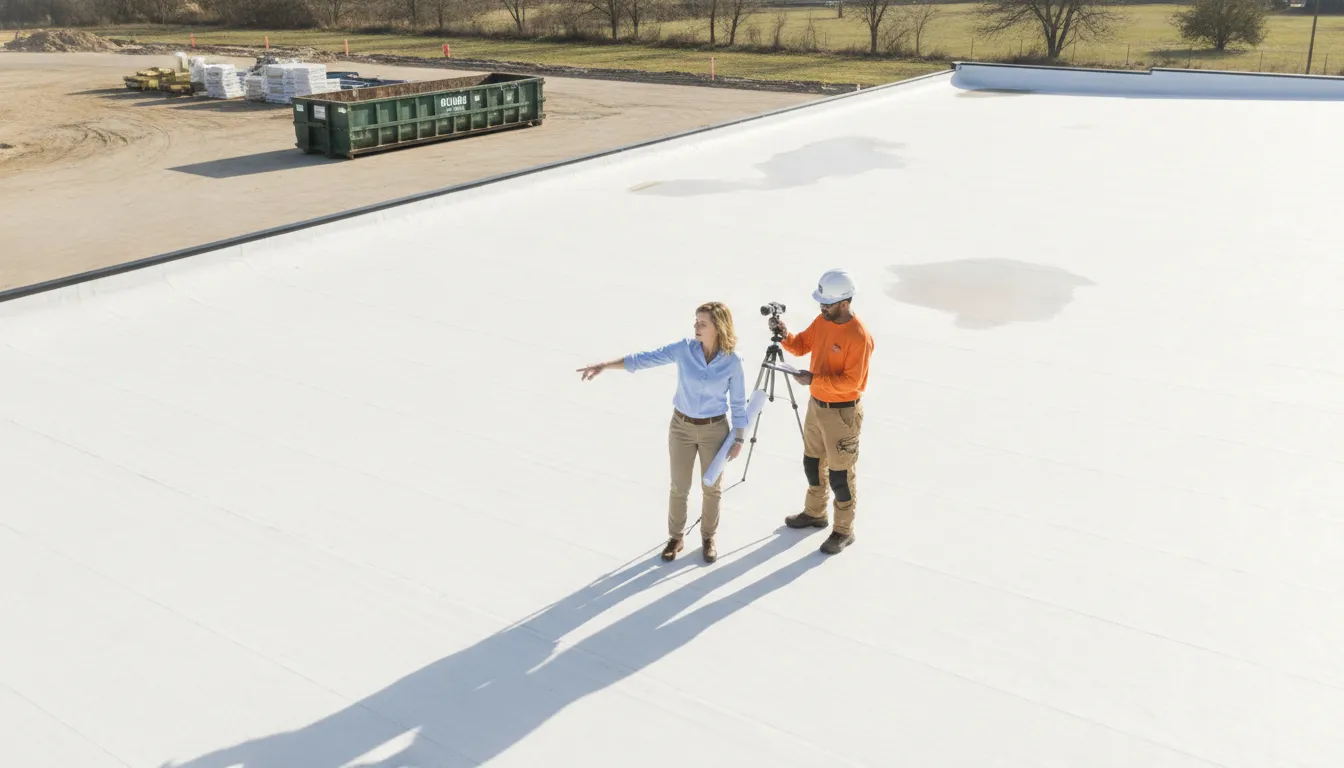
A commercial roof should be inspected before the owner commits to replacement, particularly when the roof is leaking, has storm damage, has recurring repairs, or is approaching the expected service range. Age is an important signal, but condition and repair history provide better decision-making information. A roof that is 18 years old may have useful life remaining, while a younger roof with drainage or installation problems may need urgent work.
Schedule an evaluation when you notice:
- Repeated leaks or interior water stains
- Open seams, failed flashing, blisters, punctures, or exposed materials
- Standing water that remains after normal drainage time
- Corrosion, loose fasteners, coating loss, or damaged metal panels
- Higher repair frequency or rising maintenance costs
- Hail, wind, or severe weather that may have affected the roof
- Wet insulation, damaged decking, or persistent interior odors
Inspection findings can support three common paths. A targeted repair may be appropriate when damage is limited. Restoration may fit a suitable roof with a sound underlying assembly. Replacement may be the better choice when the roof has widespread moisture, repeated failures, structural concerns, or a repair history that no longer makes financial sense. Elevation Roofing & Restoration can help Texas property owners compare those options through its commercial roof inspection service.
How Should Texas Business Owners Plan for Roof Replacement?
Planning before a commercial roof reaches an emergency helps protect business continuity. Start by identifying the roof system, age, current condition, drainage issues, warranties, rooftop equipment, and areas where work could affect employees, tenants, customers, inventory, or operating hours.
A useful replacement planning checklist includes:
- Review inspection reports and repair records.
- Confirm whether the existing deck, insulation, and drainage need work.
- Compare systems based on building use, slope, weather exposure, and maintenance expectations.
- Ask how the contractor will protect occupants, equipment, and inventory during the project.
- Define the work area, access plan, cleanup process, and communication schedule.
- Request a clear proposal that separates roof work from related upgrades.
When replacement is necessary, Elevation Roofing & Restoration provides commercial roof replacement services for Texas properties. The right recommendation should be based on the building and roof assembly, not on a generic promise that one material is always best.
Frequently Asked Questions
How long does a commercial roof last in Texas?
Most commercial roofing systems last about 15 to 30 years in Texas. Metal systems may last about 40 to 70 years when the panels, flashing, fasteners, and protective finish are maintained. Heat, hail, wind, drainage, installation quality, and repair history all influence the result.
What is the life expectancy of a TPO roof?
A TPO roof commonly has a planning life of about 20 to 30 years. Seam quality, punctures, rooftop traffic, flashing, drainage, UV exposure, and maintenance can shorten or extend that range.
What is the life expectancy of a commercial metal roof?
A commercial metal roof can last about 40 to 70 years, but it still needs inspection and maintenance. Corrosion, loose fasteners, failed sealants, coating loss, and movement around penetrations can cause leaks before the panels reach the end of their useful life.
How often should a commercial roof be inspected?
Use a recurring inspection schedule and arrange an additional inspection after significant hail or wind. The best schedule depends on the roof system, age, building use, drainage, and weather exposure.
Can maintenance extend the life of a commercial roof?
Yes. Keeping drains clear, limiting unprotected foot traffic, documenting repairs, and correcting small defects early can help protect a roof that remains structurally sound. Maintenance is not a substitute for replacement when the roof has widespread failure.
When should a commercial roof be replaced?
Replacement may be appropriate when the roof has widespread moisture, repeated leaks, severe storm damage, structural concerns, or repair costs that no longer make sense. An inspection helps distinguish a repairable problem from a roof that needs a planned replacement.