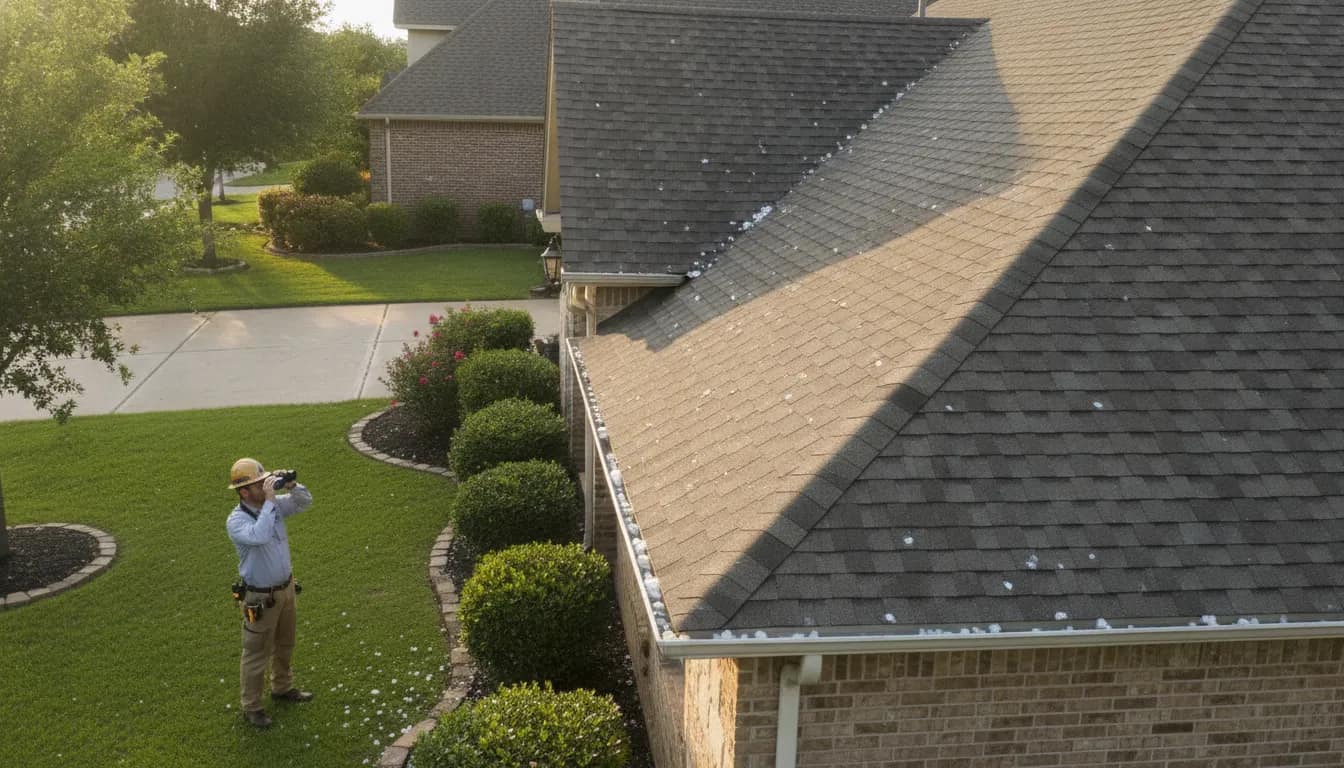
Hail can leave damage that is easy to miss from the ground. This is especially true after a storm affects a large residential or commercial property. Start with safe observations around the building rather than reaching for a ladder. Wet, steep, deteriorating surfaces and nearby power lines can make roof access dangerous. A visual check cannot confirm hidden damage.
Call Elevation Roofing & Restoration at (832) 271-1726 to schedule a free roof inspection.
The safest way to learn how to check roof for hail damage is to inspect from the ground. Only when conditions are safe, look for signs inside the attic. Check for dents, loose materials, granules, leaks, or damaged metal, then have a qualified roofing professional evaluate anything concerning.
Knowing where to look first helps you collect useful information without turning a suspected storm problem into an injury. Begin with the areas visible from the ground and the building's interior, then compare what you find with the roof's material and recent storm conditions.
How Can You Check a Roof for Hail Damage Without Climbing?
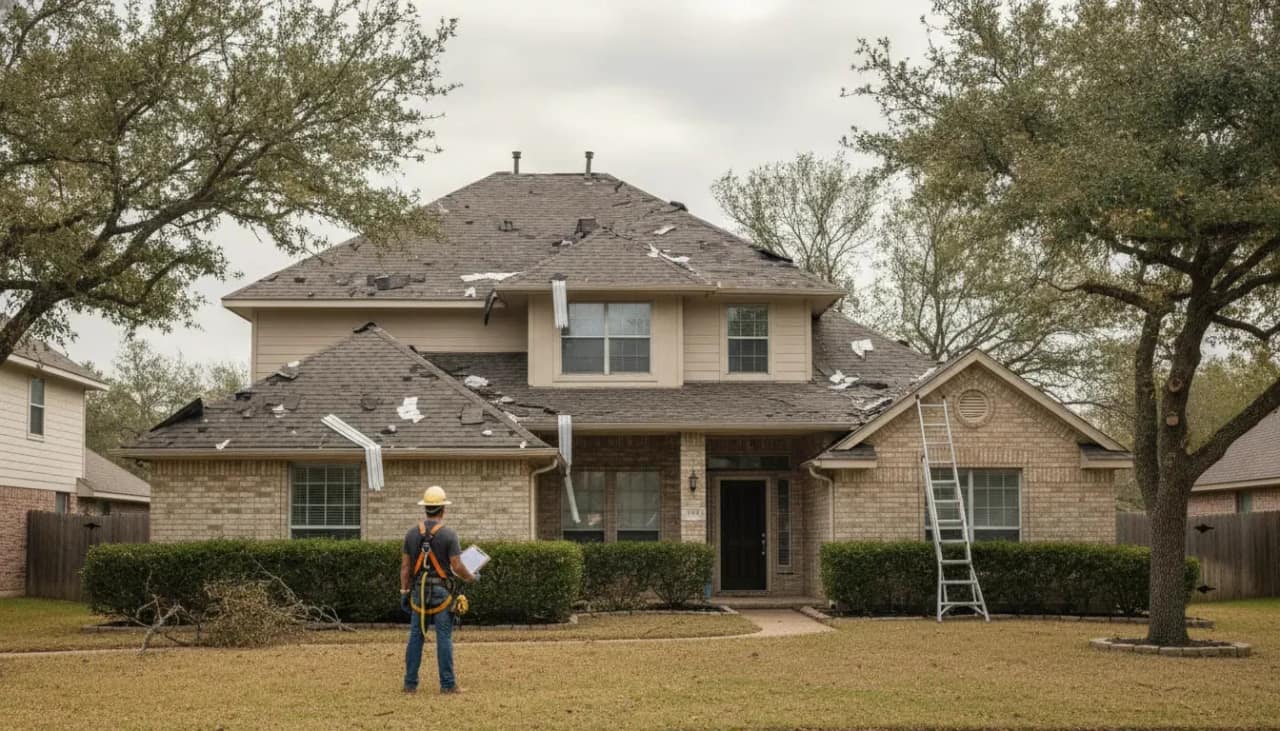
The safest way to check for hail damage is to stay on the ground and look for changes around the building. Do not treat a visual check as a diagnosis. OSHA notes that roof surfaces can be steep, slippery, or deteriorating, and that roof inspection work generally requires ladders or scaffolding. After a storm, avoid the roof entirely if it is wet, steep, visibly damaged, unstable, or near utility lines. These hazards are described in OSHA's roof inspection guidance.
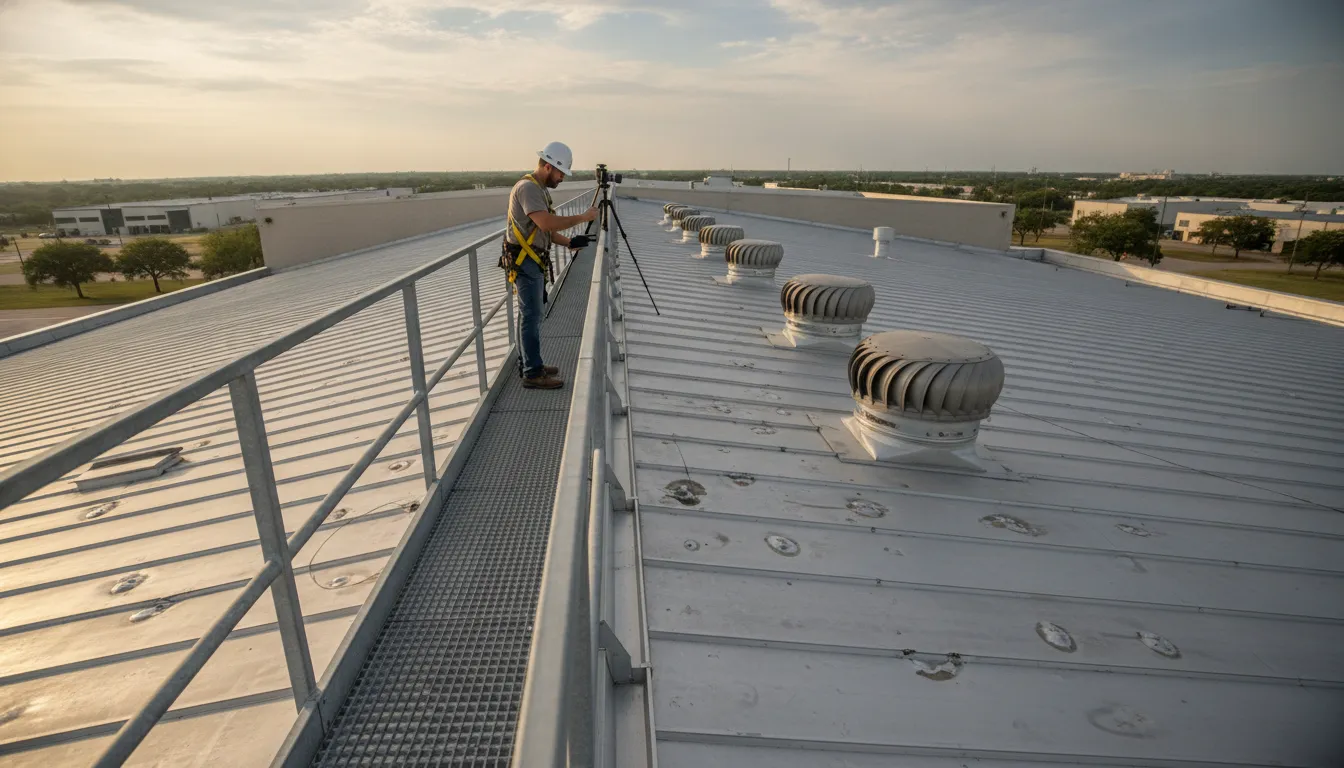
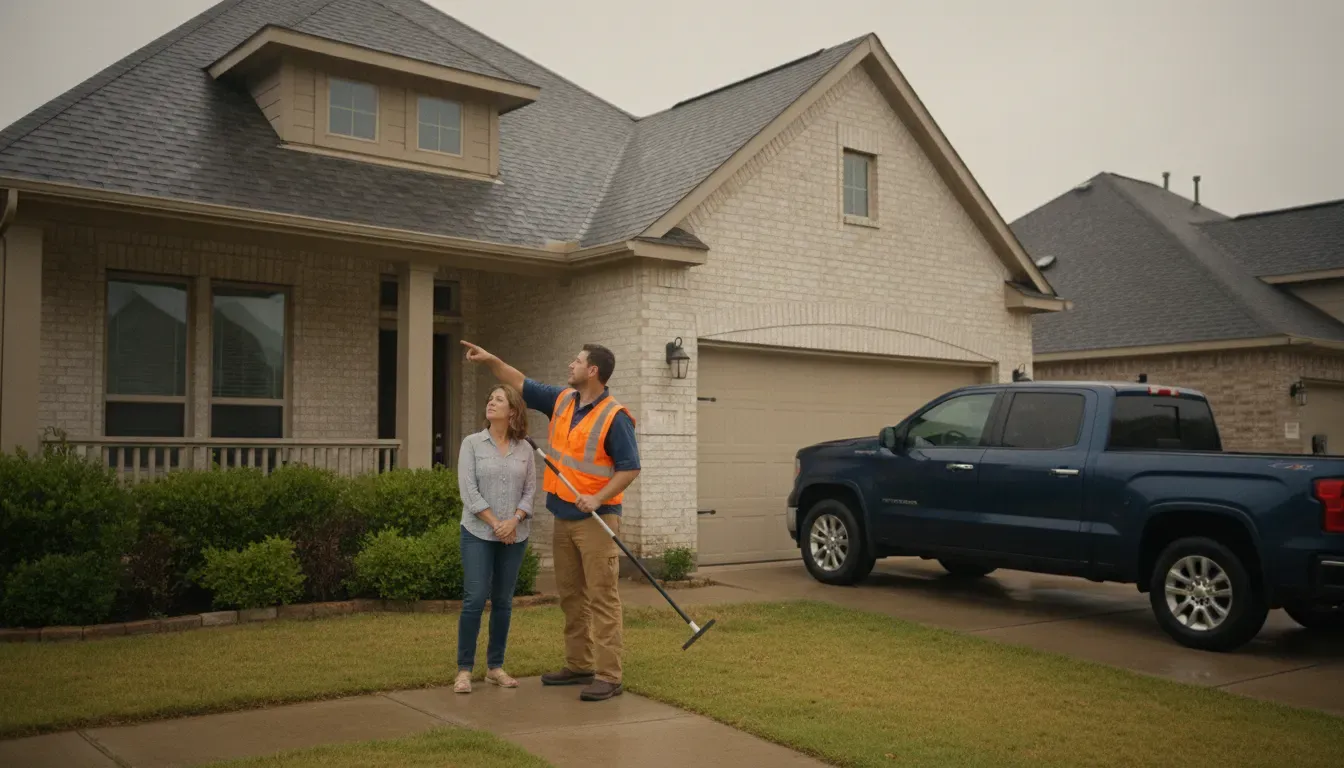
From a safe location, walk around the property and use binoculars or a phone camera with zoom. Look for visible changes without leaning over edges or placing a ladder against the roof. A county hail-damage checklist recommends checking for:
- Dented metal roof vents or other lightweight metal components.
- Broken pieces or loose shingles on the ground around the building.
- Dents or other visible damage on air-conditioner housings.
- Damage to HVAC condenser fins, especially on commercial properties.
These clues can suggest impact, but they do not prove that the roof covering or underlying structure is damaged. The checklist's guidance on vents, shingles, HVAC fins, and air-conditioner housings is available in this hail damage inspection checklist.
Continue the ground-level check along the walls and drainage path. Look for bent or separated gutters, dented downspouts, damaged fascia or soffits, exposed flashing, and fresh piles of granules near downspout outlets. Compare the same elevations on different sides of the building because hail direction can make damage more noticeable on one slope or wall. For a commercial property, ask a facilities contact to check rooftop equipment from an approved safe access area rather than sending untrained staff onto the roof.
Check the attic only if you can enter safely from inside the property, without stepping onto the roof or disturbing insulation and wiring. Look for new stains, damp insulation, daylight through the roof deck, or a slow recurring leak. Recurring interior leaks can indicate moisture intrusion related to hail damage, but the source may be flashing, a vent, a pipe, or another component. If you see water near electrical equipment, leave the area and arrange professional help.
For homes and commercial buildings, note the storm date and photograph visible conditions from stable ground. Then contact a qualified roofer for a closer assessment. OSHA advises that damaged roofs should be inspected and then repaired or replaced to help prevent further structural damage. Elevation Roofing & Restoration can evaluate suspected storm damage and explain the next step through storm damage roof repair services.
What Does Hail Damage Look Like on Different Roofing Materials?
Hail can affect asphalt, metal, tile, slate, and wood roofing, but the visible clues vary by material. A mark that looks minor from the ground may still deserve closer review, while an apparent blemish may have another cause. Use these signs as observation points, not a definitive diagnosis. For a broader overview of roofing systems, review these roofing materials and roof types.
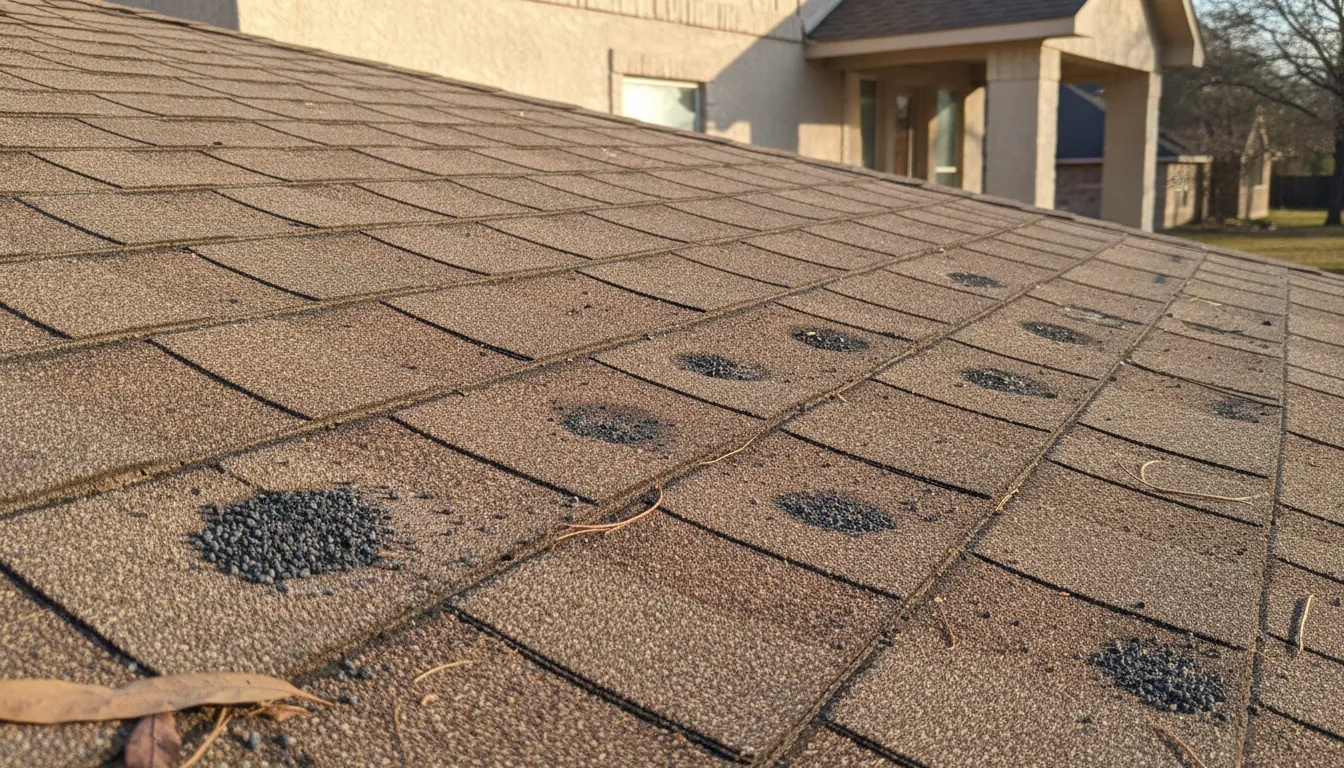
Progressive's overview of hail damage describes several material-specific patterns. Look from a safe location, use binoculars if helpful, and avoid stepping onto a wet, steep, or damaged roof.
| Roofing material | Possible visible clues after hail | What the clue may mean |
|---|---|---|
| Asphalt shingles | Dark spots, divots, or areas where granules are missing | Impact may have disturbed the shingle surface and reduced its protective coating. |
| Metal | Dents, distorted seams, or loose-looking fasteners | Impact around seams can create a path for future moisture intrusion. |
| Tile or slate | Broken pieces, punctures, chips, dents, or exposed coating | Individual units may be fractured even when the overall roof looks intact. |
| Wood | Splitting, cracking, bruises, or scars on the surface | Impact can damage the wood grain and may allow moisture to enter. |
After a storm, compare the suspected area with nearby sections at the same angle. Hail patterns may be easier to notice where surfaces are clean and evenly lit. Also check the ground for broken shingles or tile fragments. These observations can help a roofer focus the inspection, but they cannot confirm the cause or extent of damage.
Asphalt shingles: Check for irregular dark spots or shallow depressions that stand out from surrounding shingles. Granule loss may appear as exposed, smoother-looking patches or collect in gutters and downspouts. A single spot does not establish hail damage, especially on an older roof, so note patterns rather than making a final call.
Metal roofing: Hail may leave round or uneven dents. Pay particular attention to horizontal or vertical seams, flashing, and fasteners. Damage at a seam can loosen the connection and eventually contribute to water damage, even if no leak is visible yet.
Tile and slate: These materials can show chips, punctures, dents, or broken individual pieces. Large hail may fracture a tile or slate and create a leak path. Do not walk the roof to inspect isolated units because stepping pressure can break otherwise stable material.
Wood roofing: Look for fresh-looking splits, cracks, bruises, or scars. Weathering can also change the appearance of wood, so compare suspected marks with nearby areas and older photographs when available. Across every material, photograph observations from a safe position and have a qualified professional determine whether repair is needed.
What Should You Check Around the Property After a Hailstorm?
After a hailstorm, inspect the property from safe, stable locations before trying to decide whether the roof needs repair. You do not need to climb onto the roof to gather useful information. Look for changes on the ground, inside the building, and around exterior equipment. These observations can help a roofing professional focus the inspection, but they do not confirm the cause or severity of damage.
- Check interior ceilings and accessible attic areas. Look for new stains, damp insulation, peeling paint, dripping water, or slow leaks that return after rainfall. Recurring or slow interior leaks can indicate moisture intrusion associated with roof hail damage, according to this hail damage checklist. If you enter an attic, stay on a supported walking surface, avoid exposed wiring, and stop if the area is wet, unstable, or poorly lit.
- Inspect gutters and downspouts from the ground. Note fresh dents, separated sections, loose fasteners, excessive granules, or pieces of shingles collected inside or below the gutter. Do not use a ladder to reach storm-damaged areas. Loose shingles or broken roofing material on the ground can be an important clue, even when the roof surface cannot be viewed safely.
- Look at siding and exterior walls. From ground level, check for new dents, chips, cracks, or marks on siding, trim, fascia, soffits, vents, and painted surfaces. Lightweight metal roof vents can show dents after hail, so include visible vents in your observations. A mark on siding alone does not establish roof damage, but it can help show the storm's direction and intensity.
- Check windows and screens. Look for torn screens, cracked glass, bent frames, or new impact marks. Keep clear of broken glass and do not remove damaged components before photographing them. If a window is leaking, protect the interior from further water while avoiding contact with electrical equipment.
- Examine the HVAC equipment without touching unsafe components. Hail can damage condenser fins, and dents in an air conditioner housing can be an exterior sign of impact. These indicators are documented in the same property hail checklist. Contact an HVAC professional if the unit is not operating normally.
- Take safe, useful photos. Photograph the building from several ground-level angles, plus visible debris, stains, dents, damaged screens, gutters, siding, and HVAC components. Include wider context and close views, and note the storm date and when each condition appeared. Documentation should use criteria relevant to insurance claim adjusters when payable damage may exist, as explained by InterNACHI.
- Arrange professional follow-up. Share your observations and photographs with a qualified roofing professional rather than attempting a roof walk or making a definitive diagnosis. A professional roof inspection can evaluate areas that are unsafe or hidden from the ground and identify appropriate next steps.
How Should You Document Suspected Hail Damage?
Good documentation gives you a useful record without putting you in danger or turning a visual clue into a diagnosis. Start from the ground after the storm has passed and conditions are stable. Photograph each exterior elevation, roof edges, gutters, vents, siding, windows, and nearby air-conditioning equipment. Take wide images that show location, then closer images of dents, loose materials, granule deposits, or cracked surfaces. Never climb a wet, steep, unstable, or visibly damaged roof.
Record the storm date and approximate time, your property address, and the areas where you observed changes. Save the original files. If you see a leak, write down when it began, which room is affected, whether it recurs during rain, and what furniture or finishes are exposed. Photograph interior staining from a safe position, but do not open electrical fixtures or enter areas with active water nearby.
- Photograph the same areas from multiple safe distances and directions.
- Note visible damage to vents, gutters, HVAC housings, condenser fins, siding, and ground-level shingles.
- Keep storm notes, inspection reports, receipts, bids, and repair communications together.
- Do not discard damaged materials before a qualified professional can document them when practical.
Review your property policy and ask your insurance agent about notice deadlines, documentation requirements, and whether repairs must meet the International Building Code or International Residential Code. Texas guidance says certain coastal counties and specified Harris County cities may have windstorm inspection requirements. Ask whether the Windstorm Inspections Program applies, contact your local building official about requirements, and ask how an inspected repair can receive a Certificate of Compliance. Read the Texas storm repair guidance for these policy, code, and contractor questions.
Use your record to help a qualified contractor verify conditions. Check the contractor's name, address, phone number, references, insurance, or bond. Request at least three written bids, keep signed agreements and warranty terms, and be cautious of door-to-door storm solicitors. For broader follow-up, see this Texas storm damage repair guide.
Professional inspectors may document hail patterns using a 10-by-10-foot test square, or another shape containing 100 square feet, as described in InterNACHI's roof inspection guidance. This helps apply consistent criteria and compare findings with insurance requirements. It is not a DIY instruction or a reason to walk on your roof. Hail documentation should use criteria relevant to claim adjusters, and a professional should verify whether marks represent functional damage.
When Should You Schedule a Professional Hail Damage Inspection?
Schedule a professional inspection after a hailstorm when you see roof debris, dents, missing or damaged materials, interior leaks, or changes you cannot safely evaluate from the ground. You should also arrange an inspection when the roof appears intact but the storm was severe. Hail can affect flashing, vents, fasteners, underlayment, or other areas that are difficult to identify without close access. A clean-looking ceiling does not confirm that the roof escaped damage.
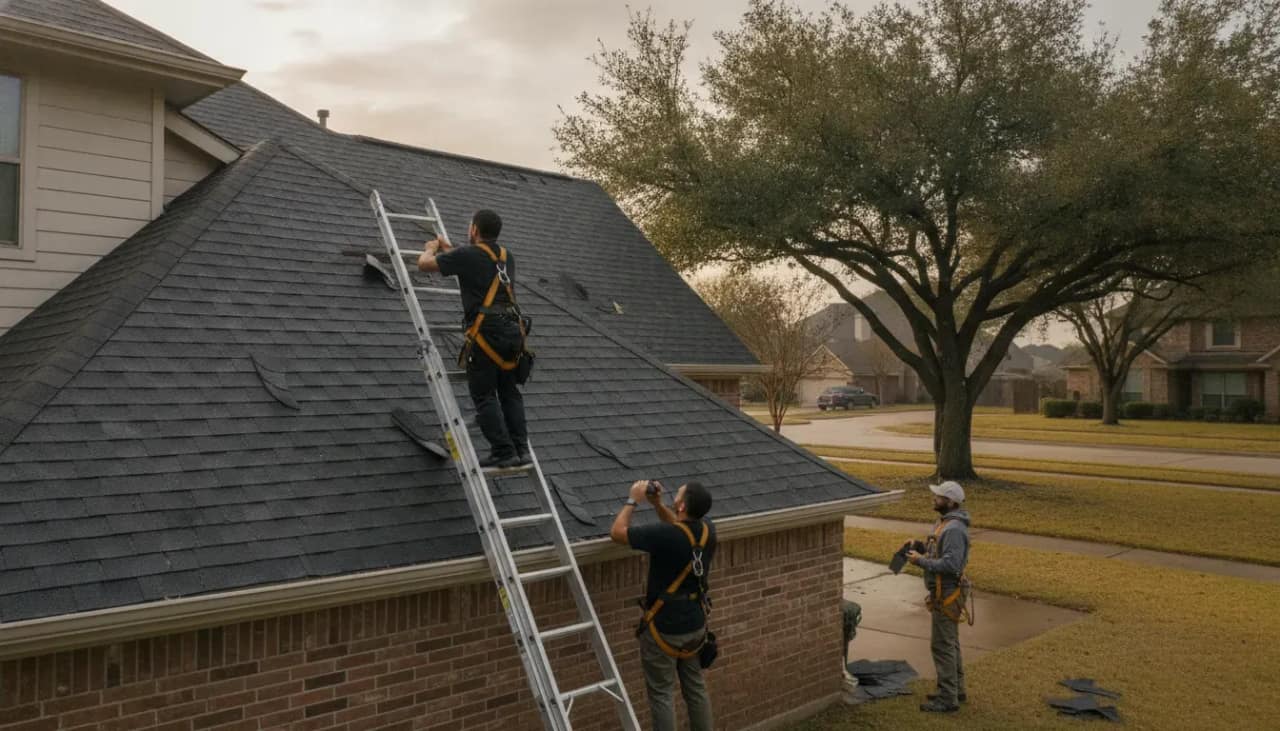
Do not climb up to investigate if the roof is wet, steep, unstable, visibly deteriorated, or near utility lines. OSHA notes that roof surfaces may be steep, slippery, or deteriorating, and that inspection work generally requires ladders or scaffolding. Roofing operations involving shingles, tile, or tar paper can also occur near power lines attached to a structure. These conditions create risks beyond simply recognizing a dent. A safer first step is to photograph visible conditions from the ground, check accessible interior areas for recurring moisture, and contact a qualified professional.
This is especially important when damage may be hidden. A displaced component or small impact can allow water intrusion later, while damage around seams, penetrations, flashing, or roof edges may not be visible from a driveway. OSHA guidance states that each damaged roof should be inspected and then repaired or replaced as appropriate to help prevent further structural damage. An inspection is not a promise that a claim or repair will be approved. It is a way to establish what is present and what should happen next.
Residential and commercial inspection needs
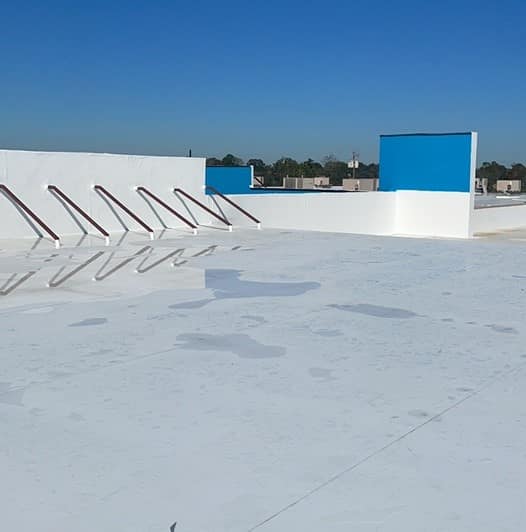
Residential roofs often have multiple slopes, valleys, skylights, vents, and adjoining structures that require close review. Commercial properties can add low-slope systems, larger roof areas, rooftop equipment, drains, penetrations, and access concerns. Hail may also affect HVAC condenser fins or housings, making the inspection broader than the roof covering alone. A professional should account for the building type, roofing material, age, storm exposure, and visible or reported moisture.
Elevation Roofing & Restoration's inspection scope includes shingles, fascia, soffits, drains, gutters, vents, flashing, moisture, hail damage, and water intrusion. The findings should distinguish observable damage from areas that need additional evaluation. Documentation also matters. InterNACHI explains that hail damage should be identified and recorded using criteria relevant to insurance claim adjusters when payable damage exists. That may include consistent photos, locations, affected components, and representative test areas, rather than a general statement that the roof looks damaged.
For a visual reference, review what hail damage looks like, then arrange a professional roof inspection when the evidence or access conditions call for qualified review.
What Should Texas Property Owners Do After Finding Hail Damage?
After finding hail damage, focus first on safety and preventing interior damage. Do not climb onto a wet, steep, unstable, or visibly damaged roof. Roof inspection and repair work can involve slippery or deteriorating surfaces, ladders, scaffolding, and nearby power lines. From the ground, photograph visible damage, note the storm date, and watch for leaks or fallen roofing materials.
If water is entering the building, place containers beneath active drips and move furnishings or inventory away from the affected area when it is safe. Temporary plastic protection may be appropriate when permanent repairs cannot happen immediately, but roof-level tarping should be handled by a qualified professional. Avoid using a ladder or stepping onto the roof to install a tarp yourself.
Next, review your property insurance policy and contact your agent about notice requirements, documentation, deductibles, repair deadlines, applicable building codes, and any windstorm inspection rules. Keep photographs, videos, receipts for reasonable temporary protection, and written communications together. Asking questions early helps you understand the process without assuming that a claim will be approved or that a particular repair will be covered.
Before hiring anyone, verify the contractor carefully. Texas Department of Insurance guidance recommends that property owners:
- Confirm the contractor's name, address, telephone number, and references.
- Check whether the contractor carries insurance or a bond.
- Obtain at least three written bids that describe the proposed work.
- Keep copies of signed agreements and written warranty terms.
- Avoid door-to-door storm repair solicitations and pressure to sign immediately.
Residential owners should coordinate with household members, tenants, and the insurer so access, documentation, and repair decisions are clear. Commercial owners and facility managers may also need to coordinate with tenants, maintenance teams, roof-access policies, HVAC contractors, and operations staff. Hail can affect roof surfaces, vents, gutters, and HVAC components, so one person should maintain a complete property record.
The repair path usually starts with a professional inspection, followed by documentation, policy and code review, and a written scope of work. Depending on the findings, the appropriate solution may involve limited repairs, replacement of sections, or broader restoration. Elevation Roofing & Restoration serves Houston and Austin service areas and can evaluate suspected storm damage. When an inspection confirms a repair need, discuss the scope and timeline for storm damage roof repair without relying on an unverified diagnosis.
Schedule a free roof inspection after suspected hail damage.
Frequently Asked Questions
How can you tell if your roof is damaged by hail?
Start from the ground and look for dented metal vents, loose or broken shingles, damaged gutters, and dents in outdoor air-conditioning equipment. Inside, check for recurring or slow leaks. Asphalt shingles may show dark spots, divots, or missing granules, while tile can have chips, punctures, or breaks. These clues can indicate impact, but they do not confirm the full extent of damage. Avoid climbing onto a roof that is wet, steep, unstable, or near power lines.
What does a roof look like if it has hail damage?
The appearance depends on the roofing material. Metal roofs may have dents or damaged seams, and tile or slate may have cracks or broken pieces. Wood roofing can show splits, cracks, bruises, or scars. Some damage is subtle or hidden beneath the surface, so a ground-level review should be treated as a first check rather than a diagnosis.
Can 1-inch hail damage a roof?
Hail size alone does not determine whether a roof is damaged. Impact can vary with wind, the roofing material, the roof's age and condition, and the location of each strike. Look for visible impact clues around the property, then arrange a professional inspection if you see damage or suspect water intrusion. Do not test the roof by walking on it yourself.
Will insurance pay for hail damage to a roof?
Coverage depends on your policy, the documented cause of loss, exclusions, and the adjuster's findings. Photograph visible conditions safely, keep storm and leak notes, and ask your insurer what documentation and repair standards apply. The Texas Department of Insurance also recommends verifying contractors and getting written bids before authorizing work: Texas Department of Insurance storm-repair guidance.
What Should You Do After Suspected Hail Damage?
If you suspect hail damage, avoid climbing onto the roof or walking across damaged areas. From the ground, note visible dents, missing shingles, exposed underlayment, damaged vents, or loose gutters. Take photographs from a safe position, then arrange a professional inspection before attempting repairs or contacting a contractor about next steps. A trained roofing professional can examine the roof, document concerns, and explain practical options for your residential or commercial property.
Elevation Roofing & Restoration serves property owners in Houston, Austin, and surrounding Texas areas. Schedule a free roof inspection after suspected hail damage and get clear guidance on the condition of your roof.