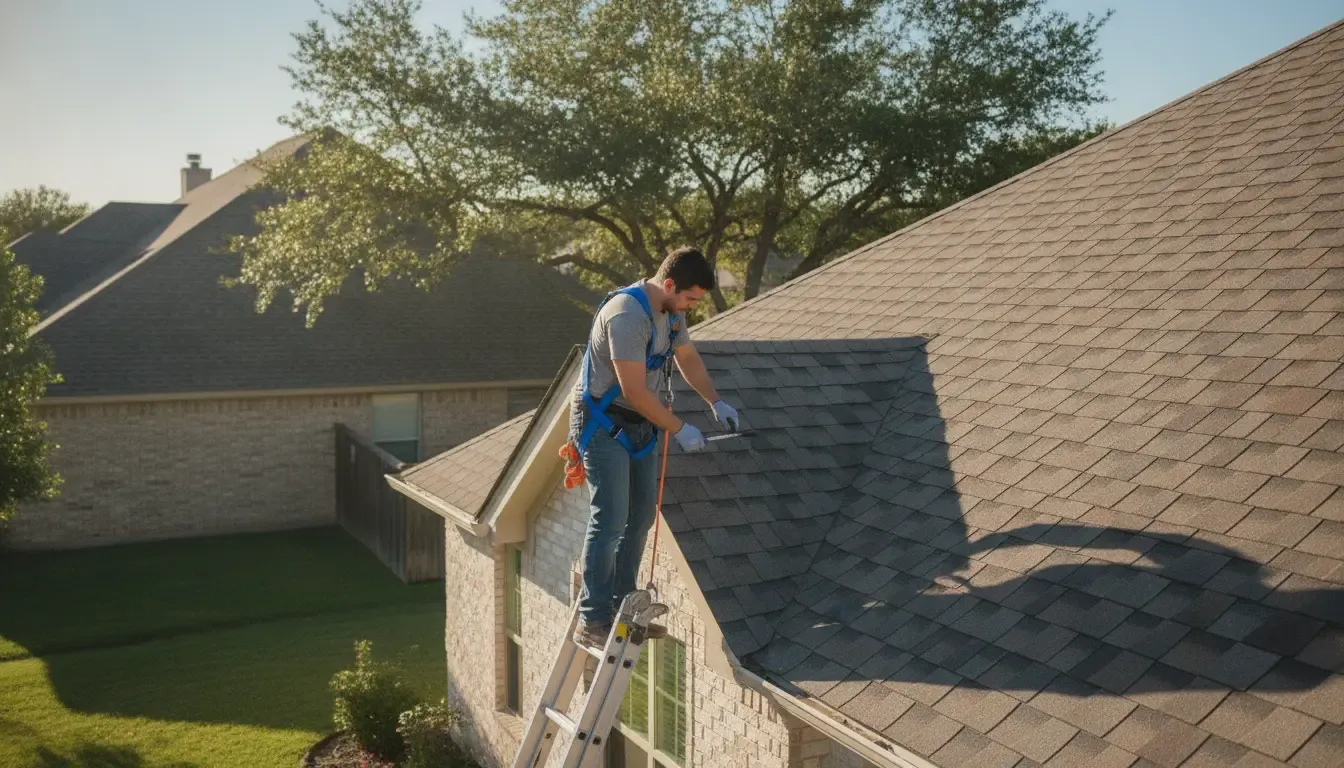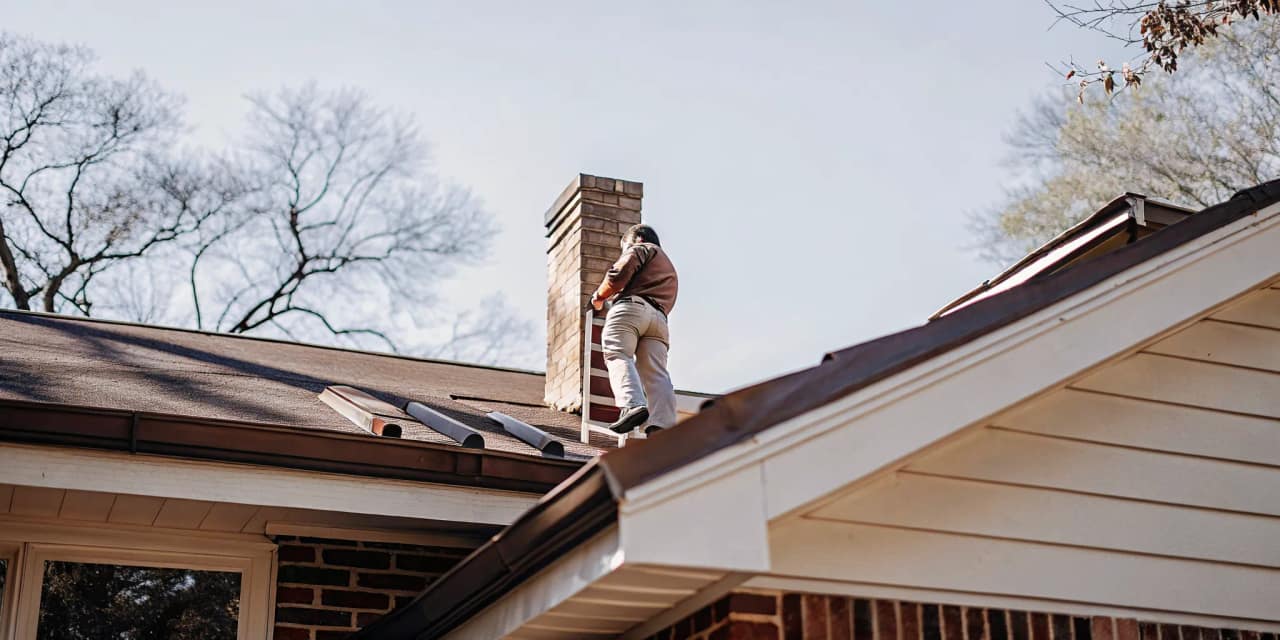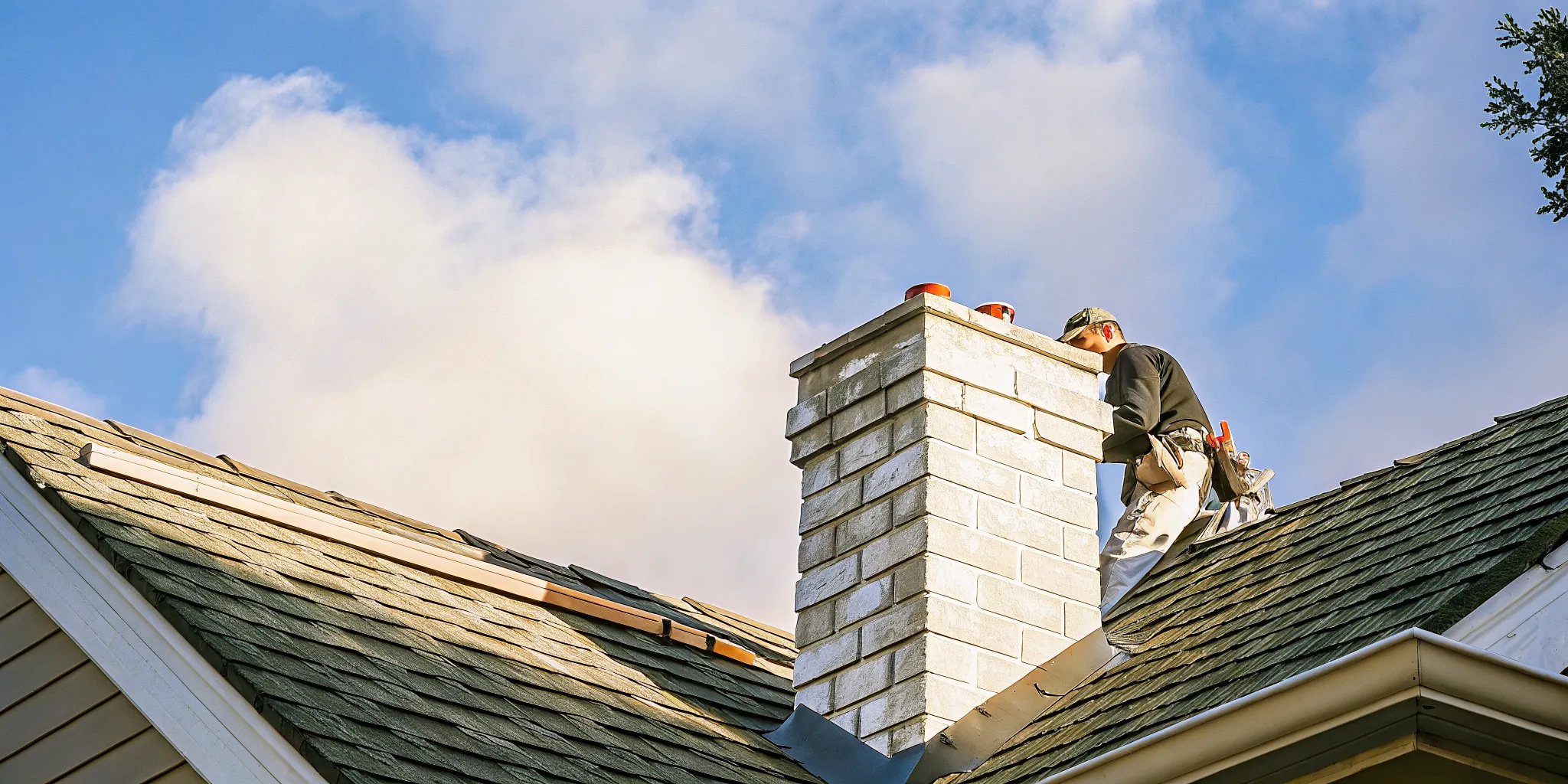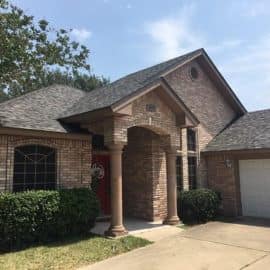
Texans don't think about cold weather until a Gulf cold front slams the door on a 75-degree afternoon and drops a hard freeze on Houston and Austin overnight. Our winters are short, but they're unpredictable and surprisingly hard on roofing, precisely because our homes and roofs are built for heat, not sustained cold. The good news is that preparing your Texas roof for cold weather doesn't require snow shovels or heat tape. It requires understanding the few specific ways our climate stresses a roof in winter, then closing those gaps before the first freeze arrives.
This guide skips the generic snowbelt advice and focuses on what actually matters for a roof in the Greater Houston and Austin metro areas: freeze-thaw movement, attic ventilation and insulation, drainage, and a short readiness checklist you can act on this season.
Why Cold Weather Damages Texas Roofs Differently
In northern states, winter roof damage is mostly about snow load and ice dams. Here, the threat is the temperature swing itself. A typical December day in Texas might top out near 70 and then plunge below freezing by 3 a.m. That 40-degree swing happens again and again throughout the season, and your roof pays for it.
- Freeze-thaw cycling: Roofing materials expand in the day's warmth and contract in the night's cold. Every cycle works fasteners loose, opens hairline gaps around flashing and penetrations, and fatigues sealant. Moisture that seeps into a small crack expands roughly nine percent when it freezes, prying that crack wider each night.
- Thermal shock to aging shingles: Asphalt shingles that have baked under a full Texas summer of UV are already brittle. Rapid cooling makes them more likely to crack, curl, or shed protective granules.
- Cold-season rain, not snow: Our winters are wet. Steady Gulf rain finds every compromised seam, and in cold weather that water lingers instead of evaporating, giving leaks more time to travel.
- Attic pipe freezes: The 2021 and 2023 freezes proved Texas plumbing isn't built for sustained cold. A pipe that bursts in the attic soaks insulation and rots roof decking from beneath, often before anyone notices a ceiling stain.
Because most of this damage happens out of sight, the single most valuable step is a professional roof inspection before the cold sets in. It catches the lifted shingles, tired sealant, and flashing gaps that turn into January leaks.
Start With the Attic: Ventilation and Insulation
Your roof's winter performance is decided largely in a space you rarely visit. A properly ventilated, well-insulated attic keeps the roof deck at a stable temperature, controls condensation, and protects vulnerable plumbing.
Ventilation Controls Condensation
When warm, moist indoor air meets a cold roof deck, it condenses, and that hidden moisture quietly rots decking and soaks insulation all winter. Balanced intake and exhaust ventilation lets that humid air escape before it does damage. If your attic smells musty, shows frost on the underside of the deck after a freeze, or has damp insulation, ventilation is the likely culprit and worth correcting before winter.
Insulation Protects the Deck and the Plumbing
Adequate attic insulation does double duty in a Texas winter. It keeps your heating bills down, and it slows heat loss that would otherwise warm the roof deck unevenly. Just as important, insulating around attic pipes and keeping a thin path of household warmth reaching them dramatically lowers the odds of a burst during a hard freeze. Pairing healthy insulation with a sound roof is the foundation of cold-weather roof maintenance.
Seal the Weak Points Before the First Freeze
Leaks almost never start in the open field of a roof. They start at the transitions, the spots where the roof meets something else. Cold weather attacks these points first.
- Flashing: The metal around chimneys, skylights, and wall junctions relies on sealant that freeze-thaw cycling slowly cracks. Have any lifted or rusted flashing re-secured before winter rain arrives.
- Roof penetrations: Plumbing vent boots, attic fans, and pipe collars dry out and split under Texas UV, then leak as soon as the cold rain hits. Cracked boots are one of the most common winter leak sources we find.
- Temperature-rated sealants: Repairs made with the right cold-weather sealant flex with the roof instead of cracking on the first freezing night. This is one reason DIY summer patches often fail by December.
If your roof is older or has weathered several storm seasons, addressing these points may call for targeted roof repair rather than another season of patching. Catching it now is far cheaper than chasing an active leak in a January downpour.
Clear the Gutters and Protect Drainage
Texas rarely sees snow, but cold-season rain is relentless, and clogged drainage is a winter problem waiting to happen. Gutters packed with fall leaves send water spilling behind the fascia and down the siding instead of away from the house. When a hard freeze hits, water trapped in a clogged gutter or low spot expands as it freezes and can pry components loose.
Before the first cold front, clear leaves and debris from gutters and downspouts, then run a hose to confirm water flows freely and exits well away from the foundation. If your gutters are sagging, rusted, or simply undersized for your roof's runoff, the cool, dry stretch before winter is the ideal time to upgrade them.
Your Texas Hard-Freeze Roof Checklist
Run through this short list each fall, before the first freeze warning, to prepare your roof for cold weather:
- Book a professional roof inspection to find hidden damage from the spring and summer storm season.
- Confirm attic ventilation is balanced and the insulation is adequate and dry.
- Insulate exposed attic plumbing to guard against a hard-freeze burst.
- Re-secure and reseal flashing around chimneys, skylights, and walls.
- Replace cracked vent boots and pipe collars before the cold rain.
- Clear gutters and downspouts and verify water drains away from the foundation.
- Trim tree limbs that overhang the roof so winter winds and ice can't drop them onto your decking.
- Check your attic with a flashlight for water stains, daylight, or a musty smell.
If you're weighing whether an older roof can survive another winter, an honest assessment of repair versus replacement is worth having before the season tests it for you.
Get Your Roof Ready With Elevation Roofing & Restoration
Cold weather in Texas is brief, but it exposes every weakness a roof has been hiding since summer. At Elevation Roofing & Restoration, we've spent more than nine years preparing roofs across 100-plus communities in the Greater Houston and Austin metro areas for exactly this kind of seasonal whiplash. As a GAF Preferred Contractor installing and servicing everything from asphalt shingle to metal, tile, and flat systems, we know how a Texas winter behaves and how to get a roof ready for it, all backed by our 100% satisfaction guarantee.
And if a freeze or winter storm does cause damage, we work directly with your homeowners insurance on storm and hail claims so the repair process stays simple. Don't wait for the first cold front to find your roof's weak spots. Schedule your free roof inspection, a $399 value, and head into winter knowing your roof is ready for whatever the Texas sky drops next.