The most expensive roof problems almost never start as expensive problems. They start as a single lifted shingle, a cracked pipe boot, or a gutter packed with granule sludge — small things that cost almost nothing to fix and almost everything to ignore. In the brutal climate of Greater Houston and the Austin metro, the gap between catching those small things and missing them is measured in thousands of dollars. Preventive roof maintenance is simply the habit of catching them on purpose, on a schedule, before a Texas storm catches them for you.
This is a practical, season-by-season plan you can actually follow. Some of it you can do from the ground in an afternoon. Some of it belongs to a professional. Together, it is how Texas homeowners stretch a roof to the end of its real lifespan instead of replacing it years early.
Why Preventive Maintenance Pays Off in Texas Specifically
A roof in a mild climate can coast for years on neglect. A Texas roof cannot. Our shingles take some of the highest UV exposure in the country, swing 40 to 60 degrees in temperature between a July afternoon and an evening Gulf thunderstorm, and absorb hail, hurricane-driven wind, and sudden downpours that find every weak seam at once. Every one of those forces leaves damage that is small and cheap today and large and costly later.
Preventive maintenance works because roof failure is a chain reaction, and the chain is easy to break early. Reseal a flashing joint and the underlayment stays dry. Keep the underlayment dry and the decking never rots. Keep the decking sound and you never face the multi-trade nightmare of mold remediation, insulation replacement, and structural drying. A documented maintenance history also protects you on the insurance side — it helps a future storm or hail claim get approved as sudden damage rather than denied as wear and tear.
The Spring Checklist: Recover From Winter, Prepare for Storm Season
Spring is the single most important maintenance window in Texas, because it sits right before hurricane and hail season. The goal is to find anything winter loosened and tighten it up before the first major storm tests it.
- Walk the perimeter and look up. From the ground, scan each roof plane for missing, curled, or visibly displaced shingles — south- and west-facing slopes take the worst UV and show wear first.
- Check your gutters for granules. A gutter full of what looks like coarse black sand is shed shingle granules. A little is normal; a lot signals an aging surface that needs a closer look.
- Clear gutters and downspouts. Clogged drainage backs water up under the roof edge and rots fascia. If your gutters sag or pull away, it may be time to consider gutter replacement.
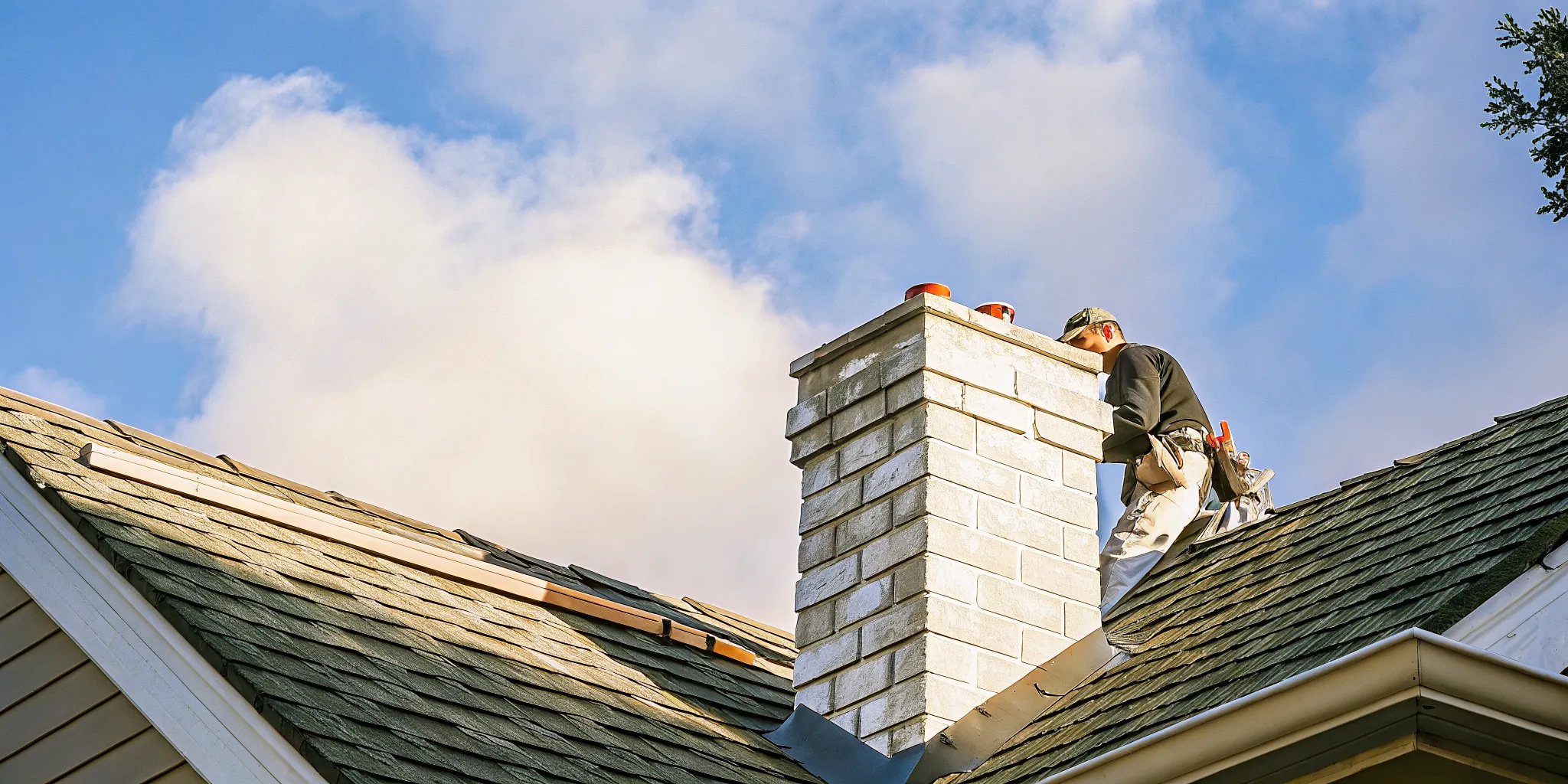
- Inspect penetrations from the ground. Vents, pipe boots, and chimney flashing are the most common leak points. Cracked rubber boots and dried sealant are cheap to replace now.
- Book a professional pre-season inspection. This is the spring task that matters most — a trained eye catches hail bruising and lifted seals you cannot see from the driveway.
The Summer Checklist: Survive the UV and Heat
Summer is when the invisible damage happens. A dark asphalt shingle on a Houston rooftop can hit 150 to 170 degrees, then cool sharply when a storm rolls off the Gulf. Thousands of those expansion-and-contraction cycles fatigue the adhesive seals that hold each shingle down.
- Verify attic ventilation. Poor airflow traps heat against the underside of the decking and cooks shingles from within, shortening their life and spiking your cooling bills. If your attic feels like an oven, ventilation is worth a professional look.
- Watch for curling and chalky color. Edges that lift or a faded, chalky surface mean the protective granules are thinning — the shingle is losing its sunscreen.
- Inspect after every storm. Texas summer storms arrive fast. After hail or high wind, a quick storm damage assessment within your claim window is the smartest move you can make, because hail bruises often do not leak for months.
- Trim overhanging branches. Limbs scrape granules off in the wind and drop debris that traps moisture against the surface.
The Fall Checklist: Lock Down Before Winter
Fall maintenance closes out the heavy-storm season and prepares the roof for the occasional hard freeze. It is the second of the two professional inspections we recommend each year.
- Clear debris from valleys and gutters again. Leaves and granule sediment trap water exactly where it can freeze against the roof edge during a cold snap.
- Re-check seals and flashing. A full summer of UV degrades sealant. Refreshing it now keeps winter rain and freeze-thaw moisture out of the cracks.
- Schedule the second annual roof inspection. Catching a summer's worth of accumulated wear before winter is far cheaper than discovering it as a leak in January.
- Confirm attic insulation and look for stains. Daylight through the decking or fresh moisture marks are early evidence of a problem worth addressing before the wet season.
Winter and After Every Storm: Stay Reactive
Texas winters are mild until they are not. A sudden hard freeze expands any trapped moisture inside cracked shingles and flashing, widening every small fissure. After a freeze or a windstorm, do a ground-level scan for displaced shingles and check ceilings for new stains. Any time a named tropical system or a hailstorm passes over your neighborhood — in any season — treat it as a trigger for a professional check rather than waiting for the calendar.
What You Should Leave to a Professional
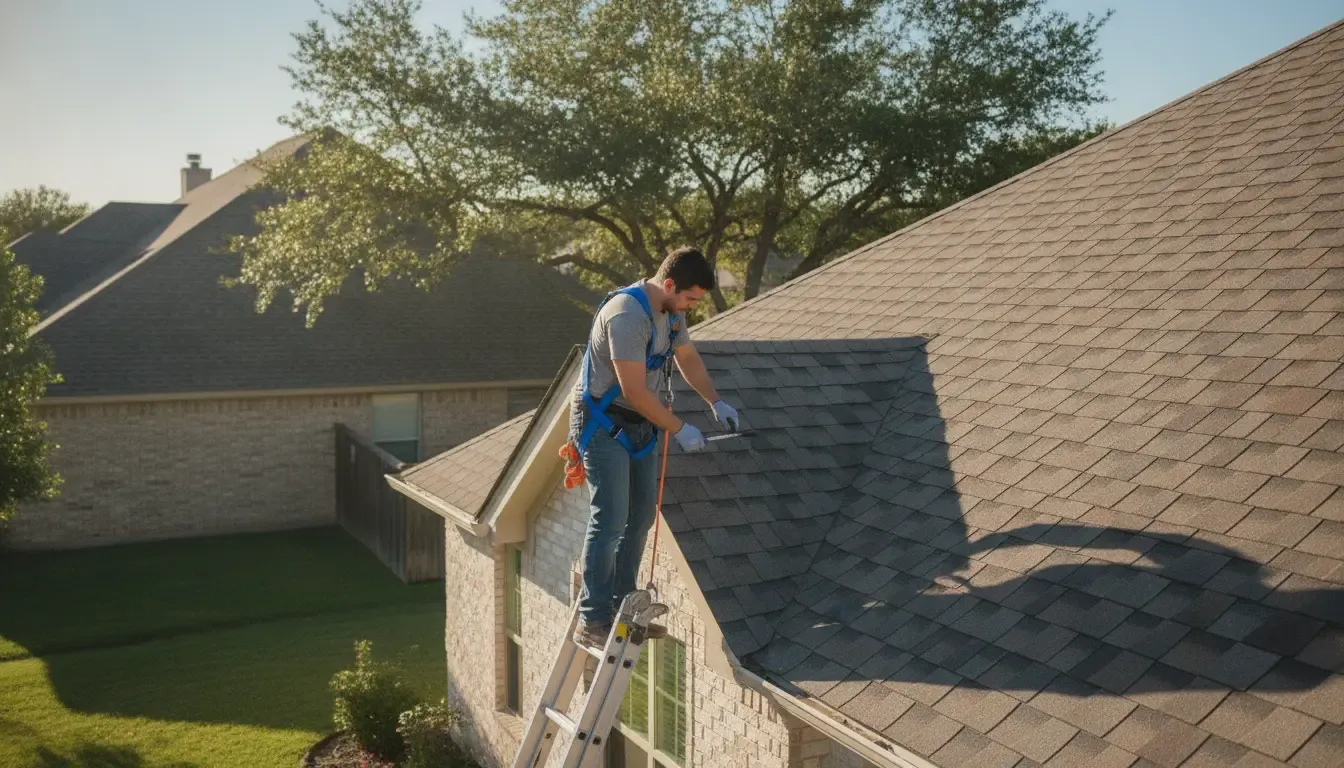
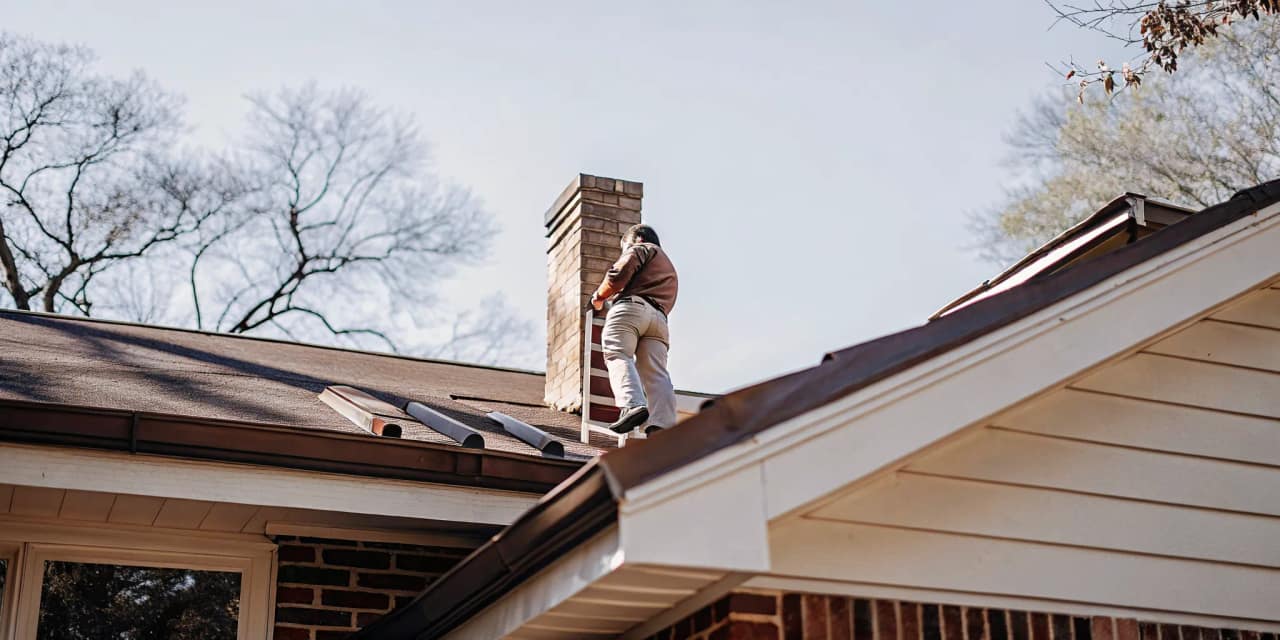
Plenty of preventive maintenance is safe from the ground. Climbing onto a steep, hot Texas roof is not — and walking it incorrectly can crack the very shingles you are trying to protect. Leave these to a roofer:
- On-roof inspection and repair of shingles, flashing, and penetrations — our roof repair crews handle these quickly and safely.
- Hail and storm damage assessment, where bruising and fractured mats are invisible to an untrained eye.
- Sealant and flashing renewal, which has to be done correctly to actually hold.
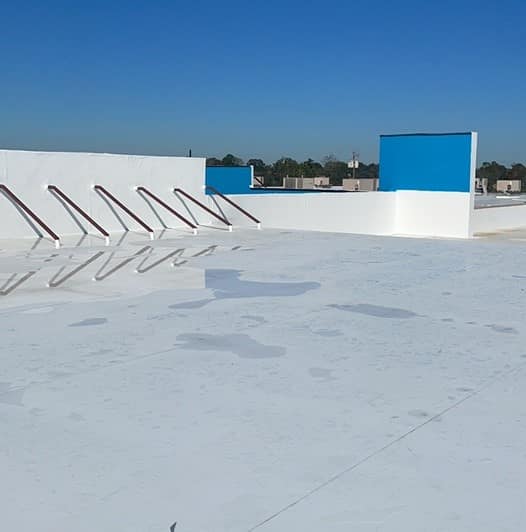
- System-level maintenance plans. Whether you have asphalt shingle, metal, tile, or a flat and low-slope commercial membrane, a tailored roof maintenance program keeps the whole system — not just the surface — in good standing and often preserves your manufacturer warranty.
The rule of thumb: if it requires standing on the roof, walking the slopes, or judging hidden damage, call a pro. The math still favors you — a few hundred dollars of timely maintenance routinely prevents five-figure restoration work.
Build Your Maintenance Plan With a Free Inspection
The hardest part of preventive maintenance is simply starting, and that part is free. Elevation Roofing & Restoration is a GAF Preferred Contractor with more than 9 years serving Greater Houston, the Austin metro, and over 100 Texas communities — residential and commercial alike. We offer a FREE roof inspection, a $399 value, with no obligation, and if we find storm or hail damage we work directly with your insurance company on the claim.
Make this the year your roof gets a real maintenance routine instead of a wait-and-see gamble. Schedule your free roof inspection, see why your neighbors give us a 5-star rating on our reviews page, or contact our team — the small, scheduled step now is exactly what saves you the costly repair later.