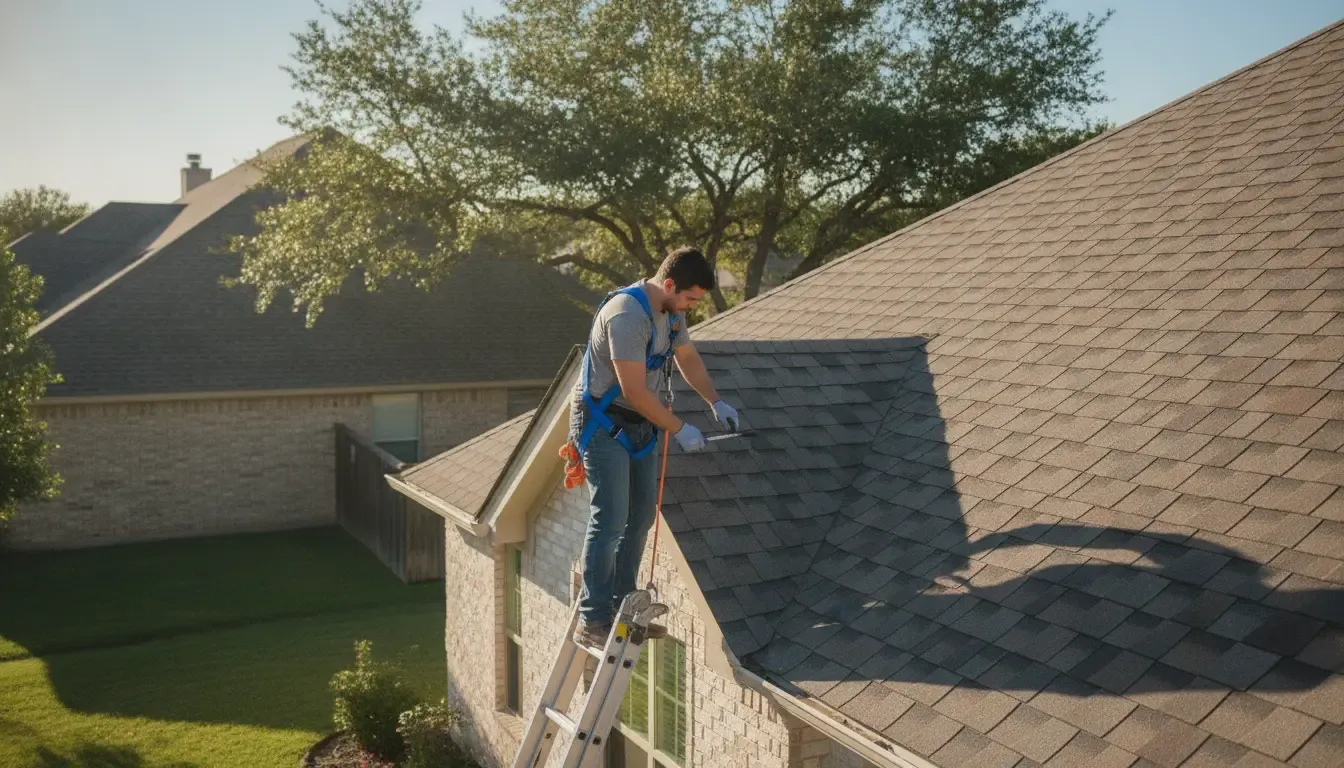
By late June, a rooftop in Houston or Austin is no place to stand barefoot. On a clear afternoon, a dark asphalt shingle can reach 150 to 170 degrees while the air around it sits in the upper 90s. That heat does not just sit on the surface and politely wait for sundown. It radiates down through your decking and into your attic, where it overworks your air conditioner, drives up your power bill, and slowly cooks the materials keeping water out of your home.
Most advice about Texas heat stops at "get your roof inspected." That matters, but it skips the bigger opportunity: your roof is also your home's largest heat shield and one of the few systems you can actually upgrade to fight the sun. This guide is about protecting your home from the heat the smart way, by making the roof itself cooler, more reflective, and better ventilated, so your house stays comfortable and your energy bills come back down to earth.
Why a Hot Roof Costs You Twice in Texas
A roof that absorbs heat hurts you in two directions at once, and homeowners across Greater Houston and the Austin metro feel both every summer.
First, there is the comfort and cost penalty. Heat soaked into the roof transfers into the attic, which can push attic temperatures past 130 degrees. That superheated air radiates into your living space and forces your AC to run nearly nonstop. The result is uneven cooling, hot upstairs bedrooms, and electric bills that spike from June through September.
Second, there is the damage penalty. The same heat that runs up your bill is steadily breaking down the roof above your head:
- UV and thermal cycling dry out asphalt shingles, making them brittle and prone to cracking and granule loss.
- Daily expansion and contraction loosens the adhesive seals between shingle courses and cracks the sealant around vents and flashing.
- Trapped attic heat bakes the decking from below, accelerating wear and shortening the roof's usable life.
In other words, a hot roof ages faster and costs more to live under. Cooling the roof attacks both problems at the same time.
What "Cool Roofing" Actually Means
A cool roof is simply a roof designed to reflect more sunlight and release absorbed heat faster than a standard one. Two properties do the work: solar reflectance (how much sunlight bounces off instead of soaking in) and thermal emittance (how readily the surface sheds the heat it does absorb). A roof that scores high on both can run dozens of degrees cooler than a dark, conventional surface on the same summer day.
You do not have to tear off a perfectly good roof to benefit, either. Depending on your home and your current roof's condition, there are several ways to get there.
1. Reflective Roof Coatings
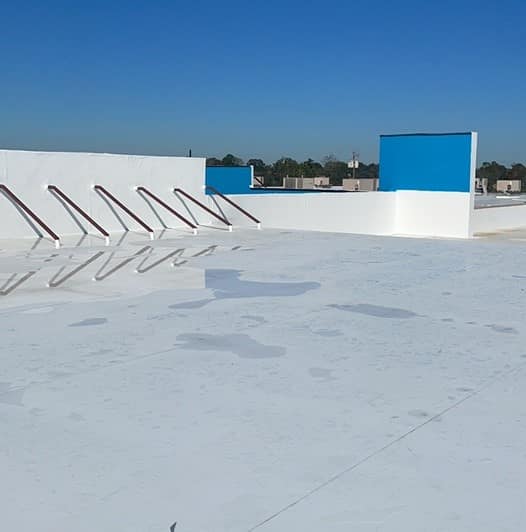
For many low-slope and metal roofs, a reflective coating is the most direct upgrade. These elastomeric or acrylic coatings form a bright, durable membrane that bounces solar radiation away and also seals minor cracks and seams. They are especially effective on flat and low-slope roofs and commercial buildings, where the entire surface faces the sun all day. A coating can lower rooftop temperatures meaningfully while adding a layer of waterproofing protection.
2. Cooler Roofing Materials
If you are already due for a new roof, material choice is your biggest lever. Some options handle Texas heat far better than a standard dark shingle:
- Reflective and lighter-colored shingles. Many modern asphalt shingle lines are engineered with reflective granules that meet cool-roof standards while still looking like a traditional roof.
- Metal roofing. A metal roof naturally reflects radiant heat and, with a reflective finish, stays remarkably cool. It is one of the most heat-friendly choices for the Texas climate.
- Tile and slate. The thermal mass and natural air gaps under tile and slate help insulate against heat, which is part of why they have been used in hot climates for centuries.
3. Ventilation and Insulation: The Other Half of the Equation
Reflecting heat off the top is only half the job. The heat that does get through has to escape, and that is where attic ventilation earns its keep. A balanced system of intake vents at the soffits and exhaust at the ridge lets superheated air flow out instead of pooling under your roof. Pair that with adequate attic insulation, and you create a buffer that keeps the heat upstairs from migrating into your living space. Together, ventilation and insulation often do as much for summer comfort as the roof surface itself.
A Texas Summer Heat-Defense Checklist
You do not need to overhaul everything at once. Work through these in order of cost and impact:
- Check your attic ventilation first. It is the cheapest, highest-return fix. If your attic feels like an oven and your upstairs never cools evenly, airflow is likely the culprit.
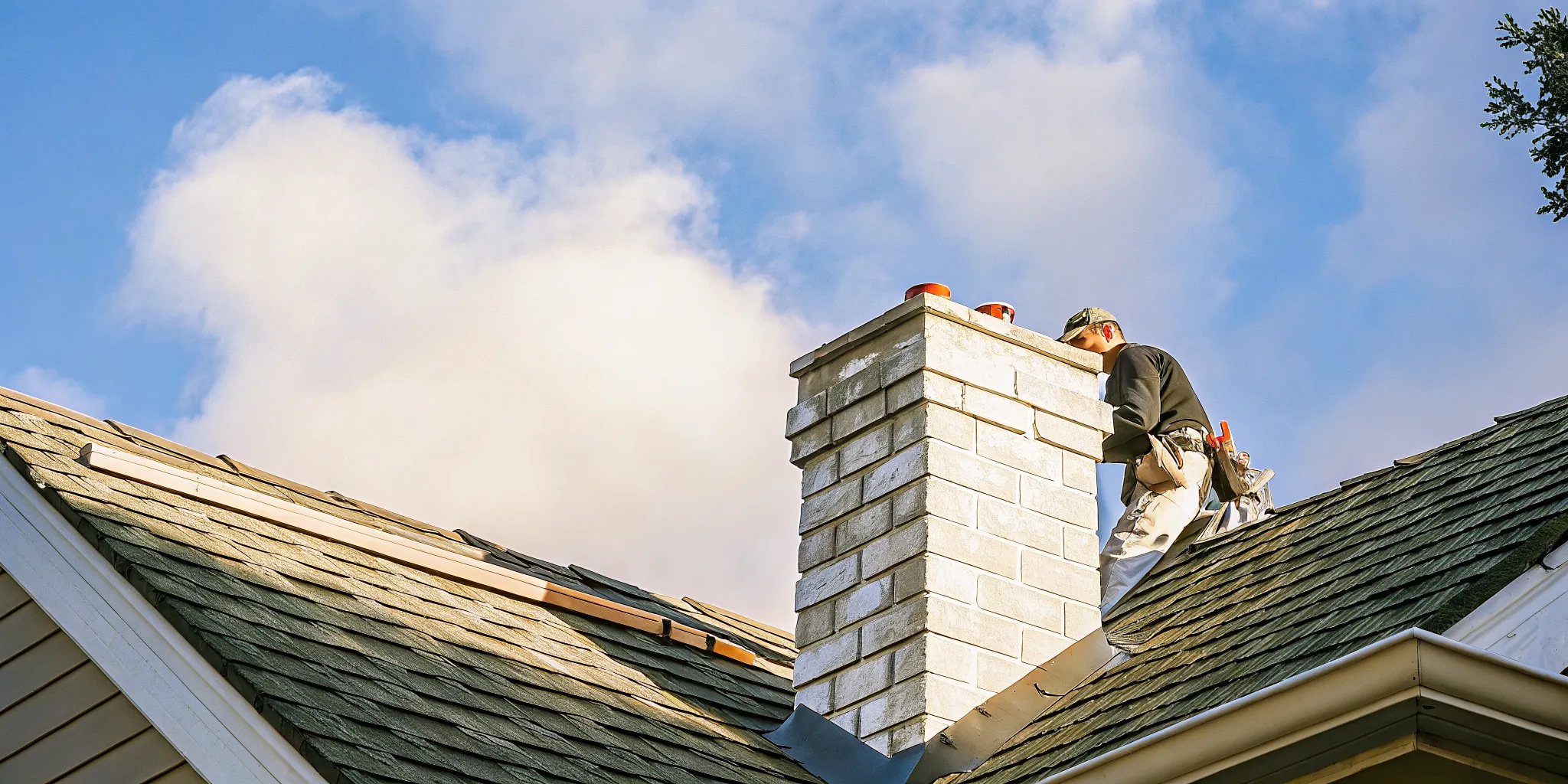
- Inspect for heat-driven wear. Look for granules in the gutters, curling shingle edges, and dried, cracked sealant around vents and flashing, all classic signs the sun is winning.
- Keep gutters and drainage clear. Summer pop-up storms drop heavy rain fast, and clogged gutters back water under a roof already stressed by the heat.
- Consider a reflective coating if you have a flat, low-slope, or metal roof in otherwise sound condition.
- Plan your next roof around the heat. When replacement time comes, choose a cool-rated material and a properly ventilated system instead of defaulting to the cheapest dark shingle.
When to Bring in a Professional
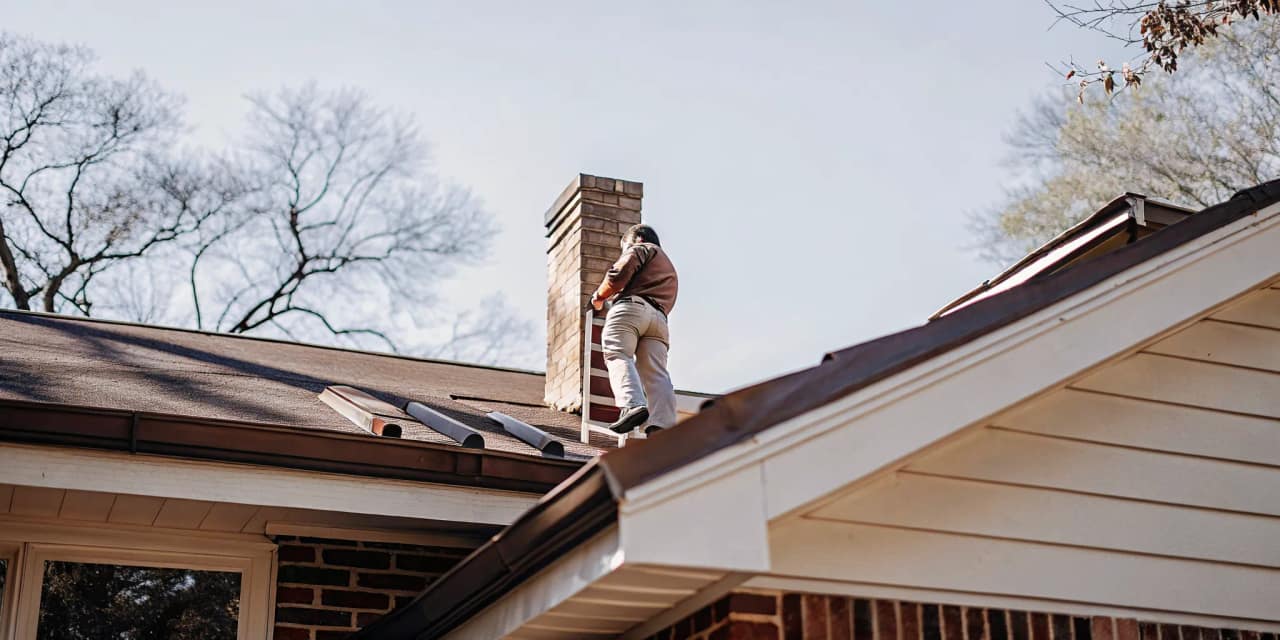
Some of this you can assess from the ground or an upstairs window. But Texas roofs are steep, blistering hot, and slick, and the most valuable assessments, attic airflow, hidden heat damage, and whether your roof is a candidate for a coating versus replacement, take a trained eye. A professional roof inspection tells you exactly where heat is getting in and what the highest-return fix is for your specific home.
If your roof is past its prime, our team can walk you through a heat-smart roof replacement using GAF lifetime roofing systems, and we are RhinoRoof certified for premium underlayment that holds up to Texas extremes. If it just needs attention, ongoing roof maintenance keeps your ventilation, sealant, and reflective surfaces working through the hottest months.
Stay Cool, Spend Less, and Make Your Roof Last
Protecting your home from the heat is not only about avoiding leaks. It is about turning your roof from a heat magnet into a heat shield, one that keeps your family comfortable, trims your summer energy bills, and adds years to the roof's life in the process. In a climate as demanding as ours, that is one of the best investments a homeowner can make.
If your upstairs runs hot, your power bills have climbed, or you are simply not sure how your roof is handling this summer, let us take a look. Elevation Roofing & Restoration offers a free roof inspection (a $399 value) across the Houston and Austin metros. As a GAF Preferred Contractor with a 5-star Google rating and a 100% satisfaction guarantee, we will tell you honestly where heat is costing you and the smartest, most affordable way to fix it. Call (832) 271-1726 to schedule yours.